Linlithgow Palace, West Lothian Travel Guide
Explore the majestic ruins of Linlithgow Palace, birthplace of Mary, Queen of Scots, set beside a tranquil loch in scenic Scottish parkland.
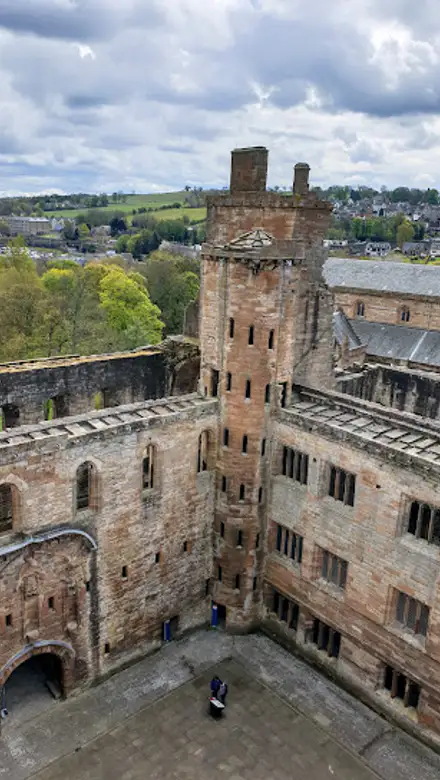
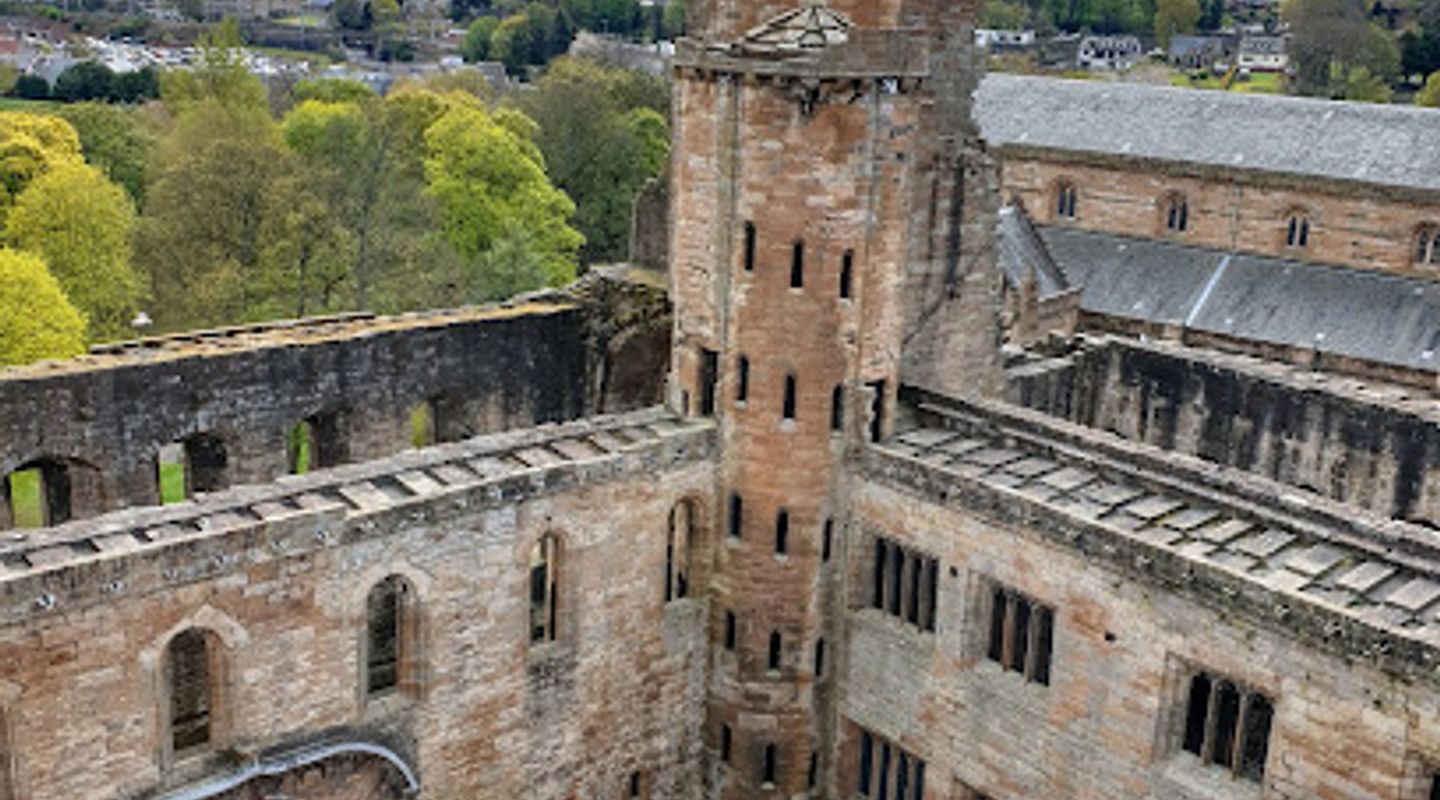
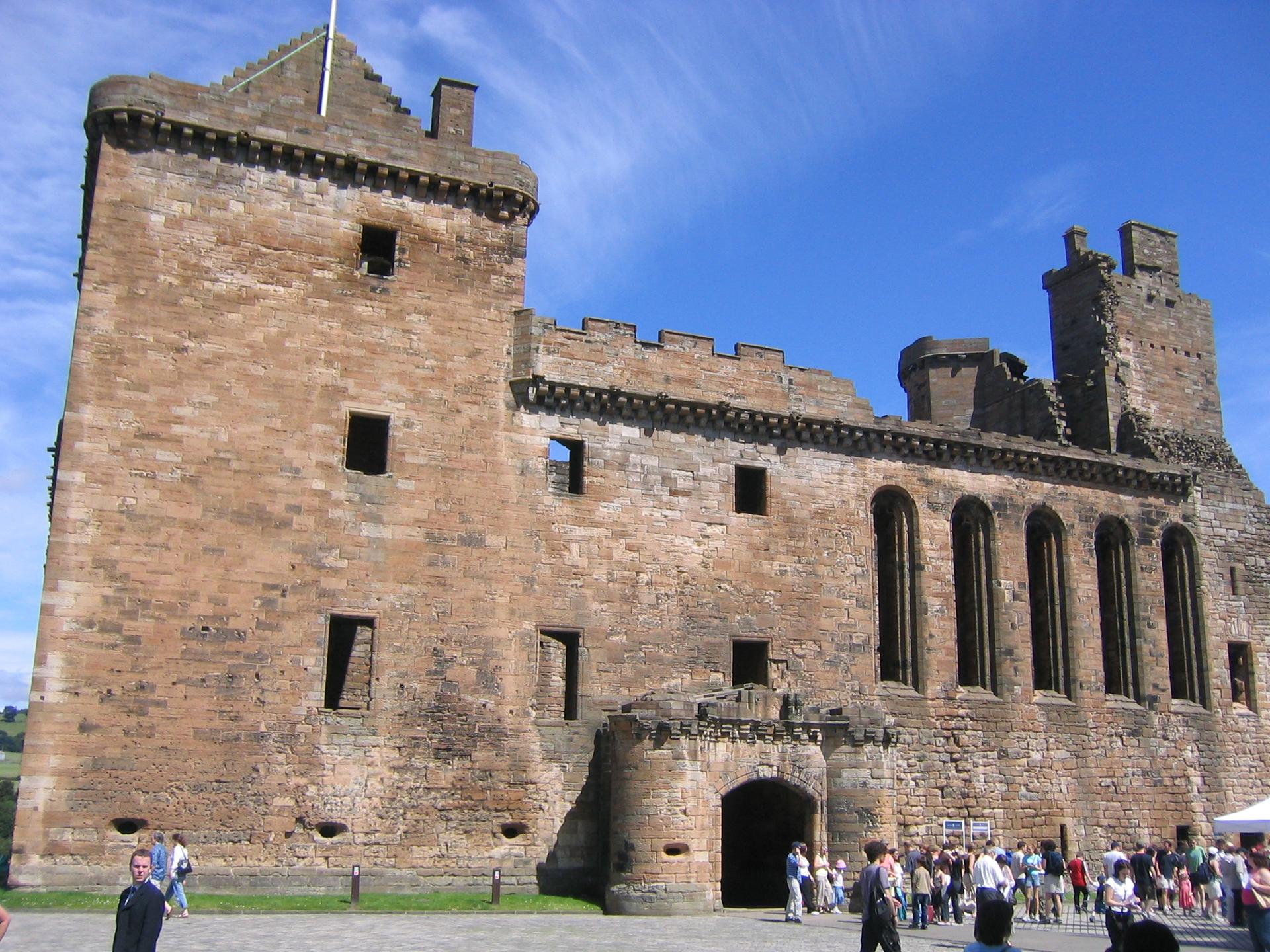
Linlithgow Palace, set beside the tranquil Linlithgow Loch in Scotland, is a magnificent 15th-century royal residence renowned as the birthplace of Mary, Queen of Scots. Though now a roofless ruin, it showcases grand Renaissance architecture, extensive courtyards, and towers, offering visitors a vivid glimpse into Scotland’s regal past. The palace grounds and nearby peel provide scenic walks, while the site hosts cultural events celebrating Scottish heritage.
A brief summary to Linlithgow Palace
- Kirkgate, Linlithgow, EH49 7AL, GB
- Click to display
- Click to display
- Duration: 1 to 3 hours
- Mid ranged
-
 Outdoor
- Mobile reception: 4 out of 5
- Monday 9:30 am-5 pm
- Tuesday 9:30 am-5 pm
- Wednesday 9:30 am-5 pm
- Thursday 9:30 am-5 pm
- Friday 9:30 am-5 pm
- Saturday 9:30 am-5 pm
- Sunday 9:30 am-5 pm

Know before you go
Hi, I'm Eve. Here are a few practical things to know before exploring Linlithgow Palace.
- Wear sturdy shoes as the palace has many stairs and uneven cobbled surfaces.
- Download the free audio guide on-site or in advance to enrich your visit with royal stories.
- Visit on weekday mornings or late afternoons for fewer crowds and beautiful lighting.
- Check for temporary closures of areas like the King’s Bed Chamber before your visit.
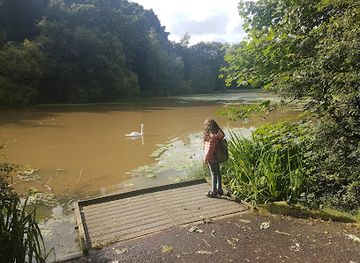
- Combine your visit with a walk around Linlithgow Loch and the surrounding peel park.
Do you manage this location?
Take control to get all the benefits, like improved information, better appearance, and stronger visibility across AI-powered discovery. Learn more about listing your business on Evendo
Activate your presenceOther nearby places you may find interesting
The closest places of the same kind, if this one is not quite what you had in mind.
Explore Linlithgow Palace on the Map
A handpicked selection of must-see spots near Linlithgow Palace, mapped for you.
Unlock the Best of Linlithgow Palace
Buy tickets
-
No tickets available
Book tours with entry


Getting There
-
Train
Take a train from Edinburgh Waverley to Linlithgow station, a journey of approximately 30 minutes. From the station, it is a 10-15 minute easy walk to the palace grounds. Trains run frequently throughout the day, and advance tickets cost around £5-£10.
-
Car
Driving to Linlithgow Palace takes about 30-40 minutes from central Edinburgh. Free parking is available at the site, but note height and width restrictions limit access for large vehicles and campervans.
-
Bus
Local bus services connect Linlithgow town centre with nearby areas. From the town centre, the palace is a 10-minute walk. Bus fares vary but typically range from £2 to £5 per journey.
For the on-the-go comforts that matter to you
-
 Restrooms
-
 Drink Options
-
 Food Options
-
 Seating Areas
-
 Trash Bins
-
 Information Boards
-
 Visitor Center
Discover more about Linlithgow Palace
Royal Origins and Architectural Grandeur
Linlithgow Palace was begun in 1424 under King James I after the town was devastated by fire. Designed as a royal residence rather than a fortress, it became a favored home for the Stewart monarchs, including James I through James VI. The palace’s Renaissance architectural features, such as the elaborate stone fountain in the central courtyard and the grand Great Hall, reflect the wealth and power of Scotland’s royalty. The palace was continuously expanded and embellished over the 15th and 16th centuries, with notable contributions from James III, IV, and V.Birthplace of Mary, Queen of Scots
One of Linlithgow Palace’s most famous historical claims is as the birthplace of Mary, Queen of Scots, in 1542. Mary spent part of her early life here and returned as an adult, making the palace a site of immense historical significance. The royal apartments and chambers, though now in ruins, still evoke the opulence and political importance of the palace during its heyday. Visitors can explore numerous rooms and corridors, gaining insight into the life of Scottish monarchs.Present-Day Ruins and Visitor Experience
Today, Linlithgow Palace stands as an evocative ruin, roofless but largely intact in structure. Visitors can wander through the stone slabs and cobbled courtyards, climb towers for panoramic views of the loch and surrounding countryside, and appreciate the intricate stonework of the Great Hall and chapel. While some areas such as the King’s Bed Chamber and Court Kitchen are currently closed, the palace remains accessible with information boards explaining the function of each space. The surrounding peel and parkland offer peaceful walking routes and picnic spots.Cultural Significance and Events
Linlithgow Palace is not only a historical monument but also a vibrant cultural venue. It hosts events such as medieval reenactments, falconry displays, and educational activities like the Squire school, enriching visitors’ understanding of Scotland’s past. The palace’s connection to figures like Mary, Queen of Scots, and its role in Scotland’s royal history continue to inspire storytelling and guided tours, including themed Outlander excursions.Accessibility and Amenities
The palace provides accessible parking and some level access, although uneven ground and cobbles can be challenging for mobility-impaired visitors. Facilities include a visitor centre, information boards, a gift shop, and a small café nearby in the town centre. Dogs are welcome in the grounds. Although there is no on-site restaurant, the nearby town offers several food and drink options. The site offers free Wi-Fi to download the included audio guide, which narrates the palace’s royal history.Visiting Practicalities and Tips
Linlithgow Palace is open daily from 9:30 am to 5 pm during the main season, with shorter hours in winter months. Admission fees apply, with discounts for concessions, families, and Historic Scotland members. Visitors are advised to wear sensible footwear due to stairs and uneven surfaces. The palace’s location beside Linlithgow Loch and within a scenic parkland makes it an ideal destination for a day trip combining history, nature, and culture.












Your all‑in‑one travel companion app
Explore expert travel guides, compare and book tours, experiences, hotels, and more—all from the palm of your hand. Download now for seamless trip planning wherever your wanderlust takes you.


Explore More of West Lothian
Looking beyond Linlithgow Palace? Discover West Lothian for broader travel guides, local hot-spots, and regional highlights.
Explore West Lothian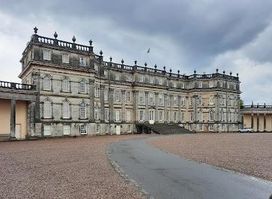
Discover Hopetoun House, a stunning 17th-century Georgian mansion set in majestic grounds near Edinburgh, blending history, architecture, and natural beauty.

Discover centuries of Scottish history and royal heritage at St Michael's Parish Church, a stunning medieval landmark beside Linlithgow Palace.