

Force Crag Mine Travel Guide
Free Guide: Explore the Lake District's last working metal mine, where industrial heritage meets stunning Coledale Valley scenery.


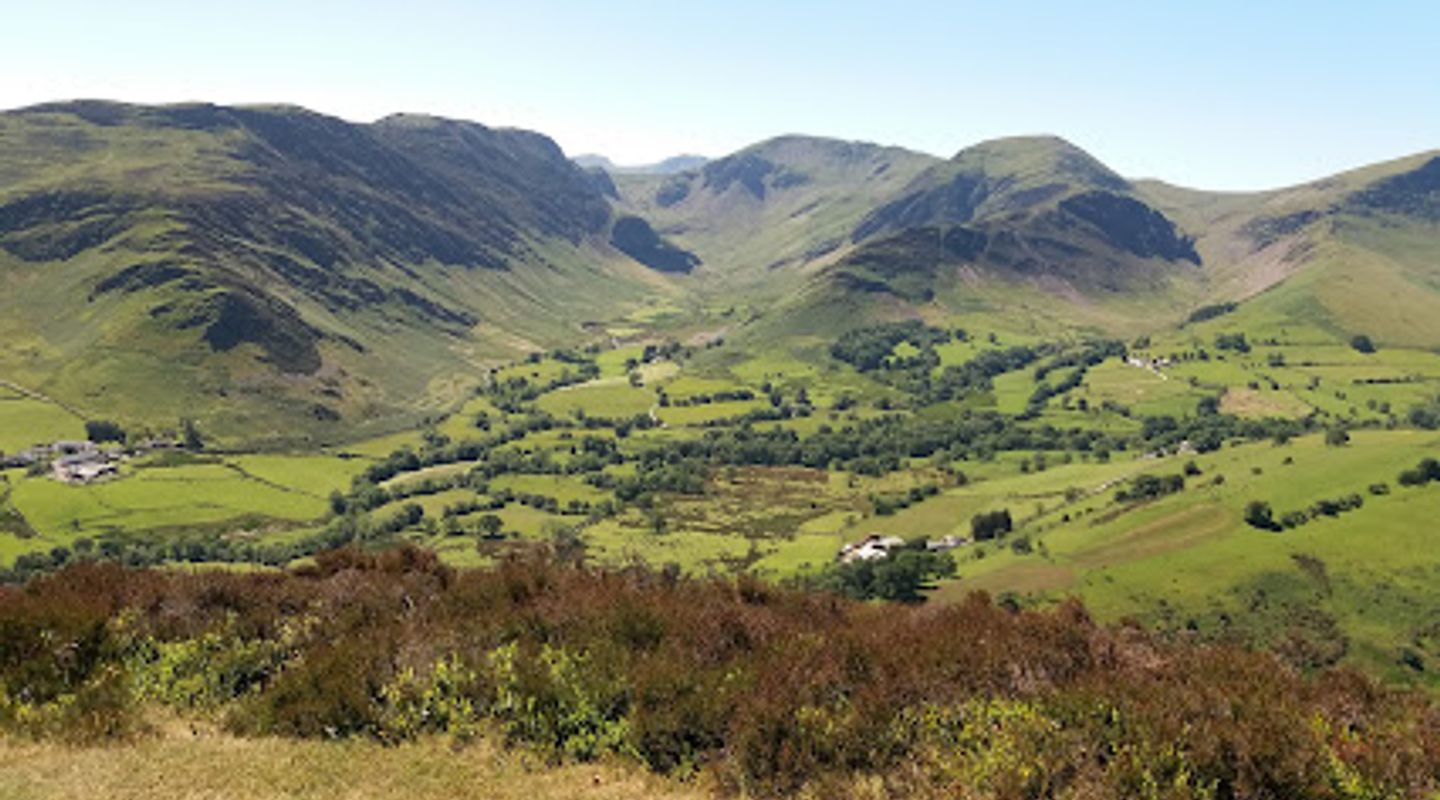
A brief summary of Force Crag Mine
Explore the Lake District's last working metal mine, where industrial heritage meets stunning Coledale Valley scenery.
Nestled at the head of the remote Coledale Valley near Keswick, Force Crag Mine is a captivating industrial heritage site. Operational from 1839 until 1991, it was the Lake District's last working metal mine, extracting lead, zinc, and barytes. Visitors can explore the preserved mill buildings and ore-processing machinery, offering a unique glimpse into historic mining practices amid stunning natural surroundings.
On-site amenities
 Restrooms
 Seating areas
 Information boards
Opening hours
- Every dayOpen 24 hours
Opening hours as listed on the venue’s Google Business Profile. Hours can change for services and special events, so check with the venue before you go.
- Address
- Keswick CA12 5TS
- Website
Getting there
Bus and Walking
Cycling
Car and Shuttle
Discover more about Force Crag Mine
A Storied Past of Mining in the Lake District
Force Crag Mine stands as a remarkable testament to the Lake District's industrial heritage, having been mined for lead starting in 1839. After a decline in lead prices caused a temporary closure in 1865, the mine reopened in 1867 to extract zinc and barytes. Over the decades, various companies operated the site, with the mill buildings constructed in 1908-09 and redesigned in 1939-40. The mine finally ceased operations in 1991, marking the end of metal mining in the region.
Preserved Machinery and Mining Infrastructure
The site is unique in the UK for retaining its ore-processing machinery in near-complete order. The mill buildings house equipment used up through the 1980s, allowing visitors to trace the mineral processing stages. This preservation offers a rare industrial archaeology experience, revealing how lead, zinc, and barytes were separated from the ore and surrounding rock.
Setting Amidst the Coledale Valley
Set in a spectacular location at the head of the Coledale Valley, the mine is surrounded by rugged fells and natural beauty. The remote valley setting enhances the sense of discovery for visitors walking or cycling the 2¾-mile route from Braithwaite. The dramatic landscape also played a crucial role historically, with ore transported down wooden flumes from High Force to the mill.
Access and Visitor Experience Today
Owned by the National Trust, Force Crag Mine is accessible via booked tours of the mill buildings; however, the mine workings themselves are not open to the public. The site offers an engaging walk through the valley, combining industrial history with outdoor exploration. The adjacent woodland and valley paths provide a peaceful environment to reflect on the area's mining legacy.
Significance and Conservation
Force Crag Mine is a Scheduled Ancient Monument and a geological Site of Special Scientific Interest (SSSI), recognizing its importance both historically and environmentally. The National Trust's restoration efforts have preserved the mill and machinery, ensuring that this rare industrial site remains an educational resource and cultural landmark.
Legacy of the Lake District’s Mining Industry
As the last metal mine to operate commercially in the Lake District, Force Crag Mine symbolizes the region’s transition from industrial activity to conservation and heritage tourism. Its story reflects broader economic shifts and the challenges of mining in a remote, mountainous landscape. Today, it invites visitors to engage with both natural beauty and industrial history in a singular setting.
Evendo Review Centre
 Google
Guest reviews
Best time to go
Quietest: Jan, Feb & Dec · before 7am
Busy times are Evendo estimates for a typical year, to help you plan. Actual crowds vary with events, school holidays and the weather.
Explore Force Crag Mine on the map
A handpicked selection of must-see spots near Force Crag Mine, mapped for you.
Get your free copy of our complete guide to Force Crag Mine, delivered straight to you.
Everything on this page, from opening hours and how to get there to Eve’s tips and the best time to go, in one PDF you can read offline, print or share.
Already have an account? Sign in
Your Force Crag Mine guide is ready.
We'll send it to · Not you? Sign out

Getting your guide ready…
We are putting together a fresh copy of the Force Crag Mine guide. This can take up to a minute.
This can take a few moments. If your browser asks, choose Allow so the download can start. You'll find the guide in your Downloads folder.
Nothing happened? Download it again
Sorry, the guide is taking longer than usual. Please try again in a minute, or get it by email instead.
Other nearby places you may find interesting
The closest places of the same kind, if this one is not quite what you had in mind.
-
-
-
-
-


Swipe for more places
More to explore near Force Crag Mine

 Best experiences near Force Crag Mine
 Best hotels near Force Crag Mine
 Best landmarks near Force Crag Mine
 Best attractions near Force Crag Mine
 Best shops near Force Crag Mine
 Best restaurants near Force Crag Mine
 Best bars near Force Crag Mine
Do you manage this location?
Take control to get all the benefits, like improved information, better appearance, and stronger visibility across AI-powered discovery.
Explore more

Explore more of Westmorland
Discover Westmorland: A charming blend of stunning natural landscapes, historic villages, and delicious local cuisine in the heart of the English countryside.
Explore Westmorland
Explore more of United Kingdom
Discover the United Kingdom: A blend of rich history, stunning landscapes, and vibrant cities, offering a unique travel experience for every visitor.
Explore United Kingdom
