

Mayburgh Henge Travel Guide
Free Guide: Explore Mayburgh Henge, a monumental Late Neolithic cobblestone circle aligned with the equinox sun, steeped in ancient ritual and mystery near Eamont Bridge.


A brief summary of Mayburgh Henge
Explore Mayburgh Henge, a monumental Late Neolithic cobblestone circle aligned with the equinox sun, steeped in ancient ritual and mystery near Eamont Bridge.
Mayburgh Henge is a remarkable Late Neolithic monument near Eamont Bridge, Cumbria, dating from 2800 to 2000 BCE. This massive circular structure, built from over 20,000 tons of river cobbles, features a high bank and a single entrance aligned with the equinoctial sunrise. Thought to have served ritual, ceremonial, and possibly trade functions, it stands as a significant prehistoric site managed by English Heritage with free public access.
On-site amenities
 Information boards
 Restrooms
 Seating areas
 Trash bins
Opening hours
- Every dayOpen 24 hours
Opening hours as listed on the venue’s Google Business Profile. Hours can change for services and special events, so check with the venue before you go.
- Address
- Eamont Bridge CA10 2BY
- Phone
- Website
Getting there
Car
Bus
Walking
Discover more about Mayburgh Henge
Monumental Construction and Design
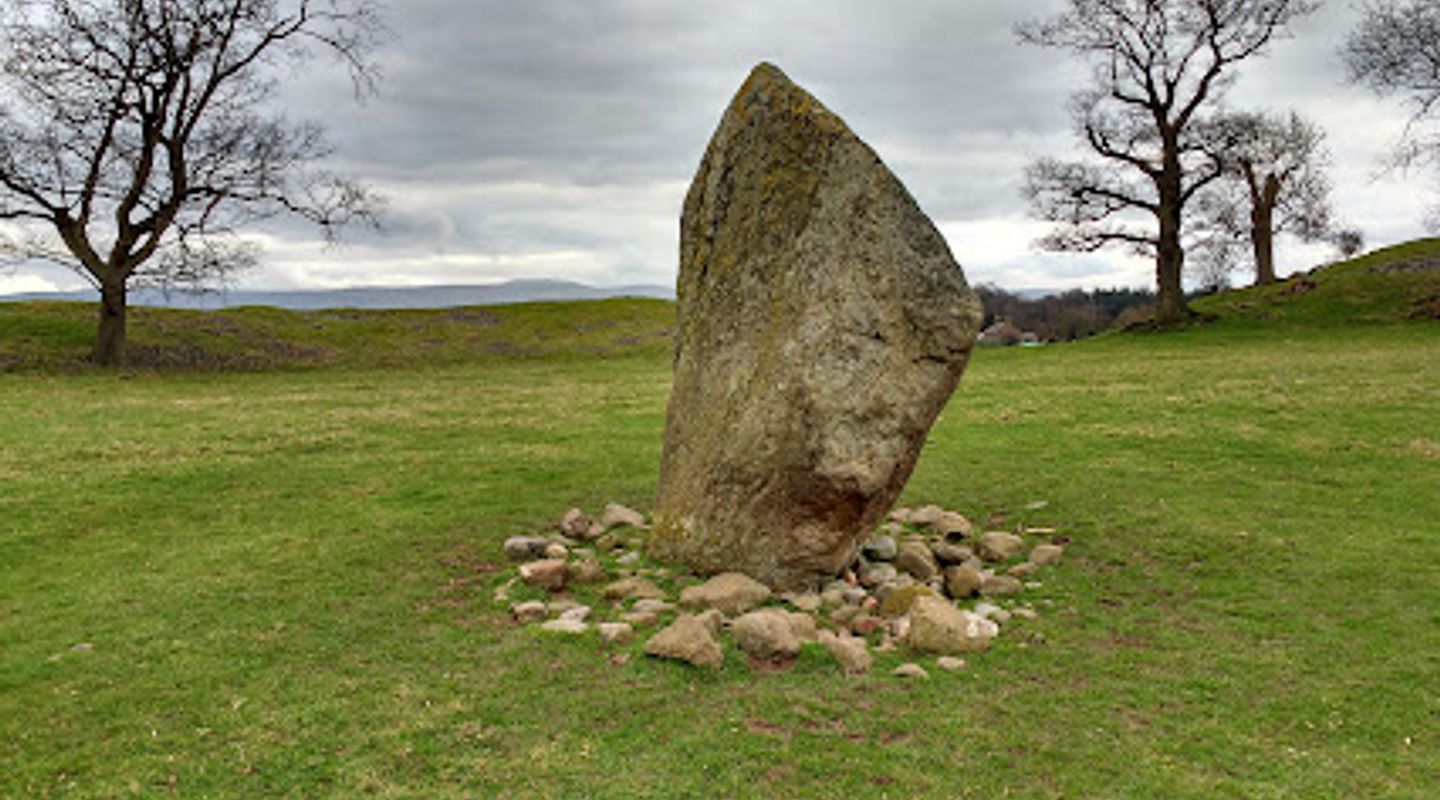
Mayburgh Henge is an imposing prehistoric structure located near the confluence of the Rivers Eamont and Lowther in Cumbria. Unlike typical henges formed by earth banks with ditches, Mayburgh's circular bank—up to 15 feet (about 4.6 meters) high and 165 feet (50 meters) wide at the base—is uniquely constructed entirely from river cobbles, estimated to total around 20,000 tons. The henge spans approximately 383 feet (117 meters) in diameter and features a single entrance facing due east, deliberately aligned with the rising equinoctial sun. At the center once stood a nine-foot (2.7 meters) high monolith, historically accompanied by other standing stones, emphasizing its ceremonial importance.
Historical and Archaeological Context
Dating from the Late Neolithic period (circa 2800–2000 BCE), Mayburgh Henge is part of a cluster of prehistoric monuments around Eamont Bridge, including the nearby King Arthur’s Round Table Henge. Although no extensive excavations have been conducted, finds of Neolithic and Bronze Age axes nearby suggest the site’s antiquity. The henge’s location at a natural river crossing and convergence of ancient communication and trade routes hints at its role as a social and possibly economic hub, potentially linked to the Neolithic stone axe trade from the Langdale region.
Cultural and Ritual Significance
Mayburgh Henge’s alignment to the equinox sunrise and proximity to water sources suggest a cosmological and ritual function, possibly connected to life-cycle ceremonies and the symbolic interplay of solar, lunar, and water elements. The use of colored stones such as pink, blue-gray, and white quartz within the bank may have represented the Neolithic worlds of the living and the dead. Local traditions and legends speak of the site’s sacred nature, with historical accounts of stones being removed leading to misfortunes, reinforcing its spiritual significance over centuries.
Landscape and Surrounding Heritage
Situated in a tranquil rural setting, Mayburgh Henge overlooks the scenic rivers and the distant mountain of Blencathra, which aligns with the henge’s axis at equinox sunset, enhancing its sacred landscape context. The area is rich in prehistoric remains, making it a focal point for understanding Neolithic ceremonial landscapes in northern England. The site is a Scheduled Ancient Monument under English Heritage’s care, ensuring its preservation and public accessibility.
Visitor Experience and Accessibility
Visitors to Mayburgh Henge can freely explore the site’s impressive earthworks and appreciate the scale and craftsmanship of this ancient monument. The surrounding countryside offers a peaceful atmosphere conducive to reflection on the site’s mysterious origins and enduring legacy. Informational signage helps contextualize the henge’s archaeological and cultural importance, inviting visitors to connect with Britain’s deep prehistoric past.
Enduring Mysteries and Modern Engagement
Despite centuries of study, the exact purpose of Mayburgh Henge remains elusive, with theories ranging from ritual ceremonies to trade meetings and astronomical observances. Modern interest includes neo-pagan gatherings and scholarly research into archaeoastronomy, highlighting the site’s continuing cultural resonance. Its preservation allows ongoing exploration of prehistoric life and spirituality in the British landscape.
Evendo Review Centre
 Google
Guest reviews
Best time to go
Quietest: Jan, Feb & Dec · before 6am or at 8pm
Busy times are Evendo estimates for a typical year, to help you plan. Actual crowds vary with events, school holidays and the weather.
Explore Mayburgh Henge on the map
A handpicked selection of must-see spots near Mayburgh Henge, mapped for you.
Get your free copy of our complete guide to Mayburgh Henge, delivered straight to you.
Everything on this page, from opening hours and how to get there to Eve’s tips and the best time to go, in one PDF you can read offline, print or share.
Already have an account? Sign in
Your Mayburgh Henge guide is ready.
We'll send it to · Not you? Sign out

Getting your guide ready…
We are putting together a fresh copy of the Mayburgh Henge guide. This can take up to a minute.
This can take a few moments. If your browser asks, choose Allow so the download can start. You'll find the guide in your Downloads folder.
Nothing happened? Download it again
Sorry, the guide is taking longer than usual. Please try again in a minute, or get it by email instead.
Other nearby places you may find interesting
The closest places of the same kind, if this one is not quite what you had in mind.
-
-
-
-
-


Swipe for more places
More to explore near Mayburgh Henge

 Best experiences near Mayburgh Henge
 Best hotels near Mayburgh Henge
 Best landmarks near Mayburgh Henge
 Best attractions near Mayburgh Henge
 Best shops near Mayburgh Henge
 Best restaurants near Mayburgh Henge
 Best bars near Mayburgh Henge
Do you manage this location?
Take control to get all the benefits, like improved information, better appearance, and stronger visibility across AI-powered discovery.
Explore more

Explore more of Westmorland
Discover Westmorland: A charming blend of stunning natural landscapes, historic villages, and delicious local cuisine in the heart of the English countryside.
Explore Westmorland
Explore more of United Kingdom
Discover the United Kingdom: A blend of rich history, stunning landscapes, and vibrant cities, offering a unique travel experience for every visitor.
Explore United Kingdom
