
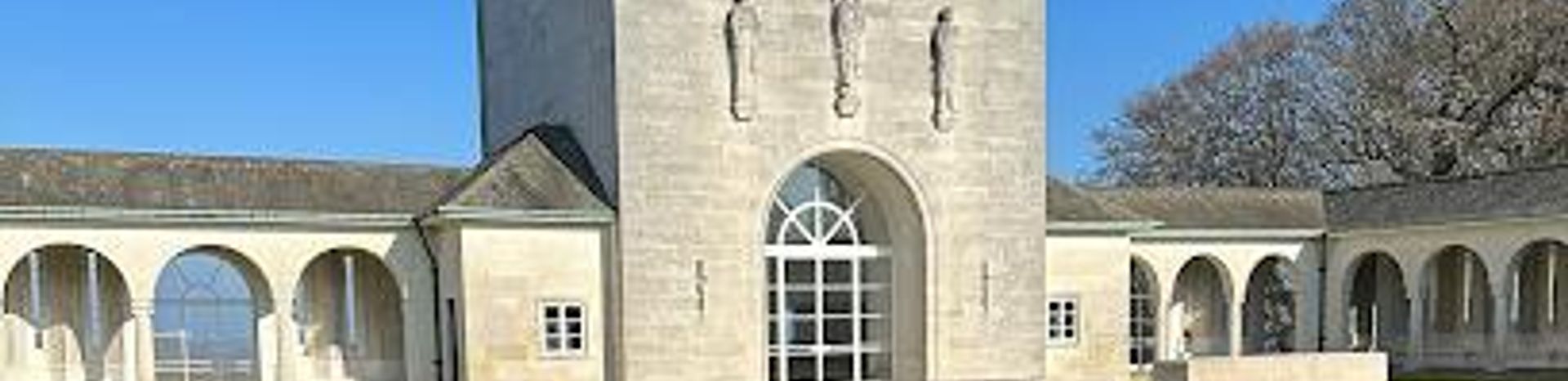
Runnymede Air Forces Memorial
A moving tribute atop Cooper's Hill honoring over 20,000 Commonwealth airmen lost in WWII, with breathtaking views of the Thames and Windsor.
A Tribute to the Fallen Airmen of World War II
The Runnymede Air Forces Memorial stands as a solemn and poignant tribute to more than 20,000 men and women from the air forces of the British Commonwealth who lost their lives during World War II. These individuals were involved in operations from bases in the United Kingdom and across North and Western Europe, many of whom have no known graves. Their names are meticulously engraved on the stone walls of the memorial, grouped by country and squadron, preserving their memory for posterity.Architectural and Artistic Excellence
Designed by the renowned architect Sir Edward Maufe, the memorial was completed in 1953 and is recognized as a Grade II* listed building for its architectural merit. The structure incorporates intricate sculpture work by Vernon Hill and features engraved glass and painted ceilings designed by John Hutton. A specially commissioned poem by Paul H Scott is etched into the gallery window, adding a reflective literary element to the memorial’s solemn atmosphere.Location and Surrounding Landscape
Perched atop Cooper's Hill, the memorial overlooks the River Thames and the historic Runnymede Meadow, the site where the Magna Carta was sealed in 1215. The elevated position offers sweeping views of Windsor Castle to the west and, on clear days, distant London landmarks such as the London Eye and Wembley Stadium. The setting enriches the visitor experience by connecting the sacrifice commemorated here with the broader tapestry of British history.Visitor Experience and Atmosphere
Visitors to the memorial encounter a tranquil and contemplative environment. The walls, inscribed with thousands of names, invite reflection on the scale of sacrifice. The ceilings display coats of arms, and floral tributes often adorn the site. The large windows and viewing tower (currently under maintenance) provide spectacular vistas of the surrounding countryside and Heathrow Airport’s flight paths, linking past and present through the ongoing presence of aviation.Historical Significance and Personal Stories
Among those commemorated are notable figures such as Flight Sergeant Edwin Watson, a Scottish air gunner and professional footballer, and Flight Lieutenant Howard Peter Blatchford, a Canadian Battle of Britain veteran. The memorial also honors hundreds of American volunteers who enlisted with Commonwealth forces before the United States entered the war, many of whom remain missing in action. This diverse representation underscores the international dimension of the Allied air effort during the war.Integration with the Runnymede Memorial Landscape
The Air Forces Memorial is part of a broader commemorative landscape at Runnymede, which includes other monuments such as the Magna Carta memorial and installations like The Jurors and Writ in Water. This area offers visitors a rich historical and cultural experience, blending remembrance with art and nature. Nearby facilities and walking paths enhance accessibility and encourage exploration of this significant site.Local tips
- Visit during daylight hours (8:30 AM to 4 PM) to fully appreciate the views and interior details.
- Wear sturdy footwear, especially in wet seasons, as the surrounding paths can be muddy.
- Explore nearby Runnymede sites such as the Magna Carta memorial and The Jurors art installation.
- Bring binoculars for enhanced views of Windsor Castle, the Thames, and aircraft at Heathrow.

A brief summary to Runnymede Air Forces Memorial
- Cooper's Hill Ln, Egham, Englefield Green, TW20 0LB, GB
- +441784433329
- Visit website
- Monday 8:30 am-4 pm
- Tuesday 8:30 am-4 pm
- Wednesday 8:30 am-4 pm
- Thursday 8:30 am-4 pm
- Friday 8:30 am-4 pm
- Saturday 10 am-4 pm
- Sunday 10 am-4 pm
Getting There
-
Car
Driving from central London to Runnymede Air Forces Memorial takes approximately 50 to 70 minutes depending on traffic. There is a public car park about 200 yards from the memorial. Parking fees typically range from £3 to £6 for a day. Note that the access road is narrow and can be busy during peak times.
-
Train and Bus
Take a train from London Waterloo to Egham station, which takes around 35 to 45 minutes. From Egham, a local bus or taxi can take you to the memorial in about 10 to 15 minutes. Bus services may run infrequently on weekends, so check schedules in advance. Taxi fares from Egham are approximately £8 to £12.
-
Walking
For those staying near Runnymede or Englefield Green, walking to the memorial is possible via well-marked paths. Expect a 20 to 40 minute walk over gently sloping terrain with some steps, suitable for most visitors with moderate mobility. Wear appropriate footwear, especially in wet weather.


