
The Regent's Park
A grand Regency park in central London, with rose gardens, a boating lake, Primrose Hill views, and London Zoo, all within easy reach of the city centre.
A Royal Landscape in the Heart of London
Laid out by architect John Nash for the Prince Regent (later King George IV), The Regent’s Park is a masterpiece of Regency design, blending sweeping parkland with formal gardens and elegant architecture. Originally a royal hunting ground known as Marylebone Park, it was transformed in the early 1800s into a grand pleasure ground with villas, a planned palace, and a network of grand avenues and water features. Though the full vision was never completed, the park’s scale and symmetry remain striking, with the Inner and Outer Circles framing its core and the surrounding Nash terraces giving it a distinctly aristocratic air. Today, the park is one of London’s eight Royal Parks, covering 395 acres of lawns, meadows, and ornamental gardens. It’s a place where Londoners and visitors alike come to escape the city’s bustle, whether for a quiet stroll, a picnic on the grass, or a game of tennis or football on its extensive sports pitches. The park’s layout encourages exploration, with wide paths, tree-lined avenues, and hidden corners that reward a slower pace.Queen Mary’s Gardens and the Rose Wonderland
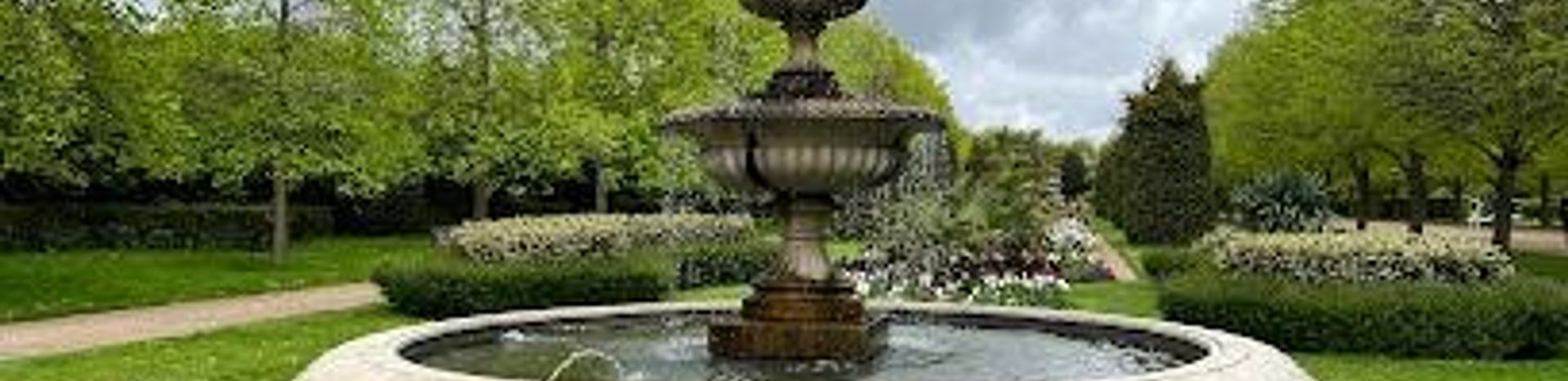
At the heart of the park lies Queen Mary’s Gardens, a horticultural highlight that bursts into life each summer with nearly 12,000 roses of around 40,000 blooms. The garden is a sensory delight, with the heady scent of roses filling the air and a kaleidoscope of colours from deep crimson to soft pink and pure white. The design is formal yet inviting, with geometric beds, a central fountain, and winding paths that lead past delphinium borders, begonias, and herbaceous plantings. Nearby, the Avenue Gardens offer a more structured elegance, with tiered fountains, ornate planters, and avenues of lime, juniper, and tulip trees. These formal spaces contrast beautifully with the wilder areas of the park, where meadows and woodland edges support a rich variety of birds, insects, and even London’s only breeding population of hedgehogs. The park’s commitment to biodiversity is evident in its wildlife and allotment gardens, making it as much a haven for nature as for people.Water, Views and Cultural Life
The ornamental lake is a focal point for recreation, with rowing boats and pedalos available for hire in warmer months. The lake attracts waterfowl and is a favourite spot for anglers and birdwatchers, especially in the early morning when the park is at its quietest. Along the park’s edge, the Regent’s Canal offers a different kind of waterside experience, with towpath walks leading to Little Venice and beyond. For panoramic views, Primrose Hill, just north of the main park, is one of London’s six protected viewpoints. Its grassy summit provides a sweeping vista over the city skyline, a favourite with photographers and couples at sunset. The park also hosts cultural highlights, including the Regent’s Park Open Air Theatre, Britain’s oldest permanent outdoor theatre, which stages plays, musicals, and concerts in a leafy amphitheatre each summer.Family Fun and Active Recreation
The Regent’s Park is a magnet for families, with four well-equipped playgrounds scattered across the grounds. Gloucester Gate Playground features a long zip wire and accessible roundabout, while Hannover Gate and Marylebone Green offer traditional play equipment, sandpits, and imaginative structures including treehouses and climbing walls. These spaces give children room to run, climb, and explore, while parents can relax on nearby benches or in the adjacent gardens. Sports enthusiasts are equally well served. The park contains London’s largest collection of outdoor sports pitches, with facilities for football, rugby, cricket, lacrosse, and tennis. There’s also a running track and informal spaces for yoga, frisbee, or simply stretching out on the grass. Whether you’re here for a competitive match or a casual game, the park’s open spaces invite physical activity in a beautiful setting.Practicalities and the Visitor Experience
Most of The Regent’s Park is free to enter and open from early morning until late evening, with pedestrian gates typically open from 5am to 4:30pm and vehicle access from 7am to midnight. The park is well served by cafés, kiosks, and food outlets, including the Waterside Café by the lake and the Hub café near the sports facilities, offering drinks, snacks, and light meals. Toilets are available at several points, including Queen Mary’s Gardens, the Hub, and Primrose Hill, though some may close earlier than the park itself. The park is largely flat and accessible, with paved paths and step-free bridges, making it suitable for wheelchairs and pushchairs. London Zoo and the Open Air Theatre require separate tickets, but the surrounding parkland, gardens, and viewpoints are open to all, making it one of London’s most generous and rewarding green spaces.Local tips
- Visit Queen Mary’s Gardens in June or early July to see the roses at their peak, when the garden is at its most fragrant and colourful.
- For the best views, head to Primrose Hill at sunset; arrive early to secure a good spot on the grassy summit.
- Boat and pedalo hire is cheaper and less crowded in the morning; aim to arrive before noon for a more peaceful experience on the lake.
- Use the park’s information boards at entrances to plan your route, especially if you want to visit specific gardens or playgrounds.
- Combine a visit with nearby attractions: walk to Camden Market from the zoo, or to Oxford Street and Marylebone from the southern gates.

A brief summary to The Regent's Park
- London, GB
- +443000612300
- Visit website
- Monday 5 am-4:30 pm
- Tuesday 5 am-4:30 pm
- Wednesday 5 am-4:30 pm
- Thursday 5 am-4:30 pm
- Friday 5 am-4:30 pm
- Saturday 5 am-4:30 pm
- Sunday 5 am-4:30 pm
Getting There
-
Underground
From central London, take the Bakerloo line to Regent’s Park station, which exits directly into the southern part of the park near the Open Air Theatre and Queen Mary’s Gardens. Journey time from central zones is typically 10–20 minutes, and the station is step-free from platform to street.
-
Bus
Several bus routes serve the park, including the 13, 18, 27, 30, 74, 82, 205 and 453, which stop near the southern and western entrances. From central London, expect a 15–30 minute ride depending on traffic; buses run frequently throughout the day.
-
Walking
From Oxford Street or Marylebone, it’s about a 15-minute walk through side streets to the southern gates of the park. From Camden Town, allow 20–25 minutes along the Regent’s Canal towpath to reach the northern end near London Zoo.
-
Cycling
The park is well connected by cycle routes, including the Regent’s Canal towpath and quiet central London streets. From central London, cycling takes 15–30 minutes; there are cycle racks near major entrances and within the park.


