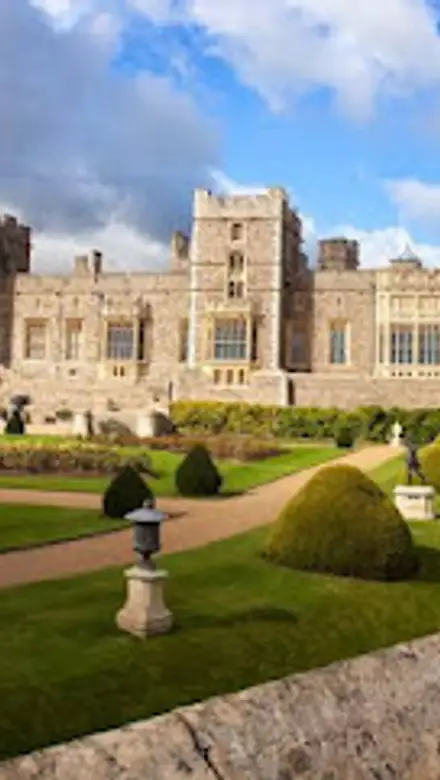
King Edward III Tower, Windsor Travel Guide
Free Guide: Explore the majestic King Edward III Tower, a stunning medieval landmark within Windsor Castle offering rich history and scenic Thames views.


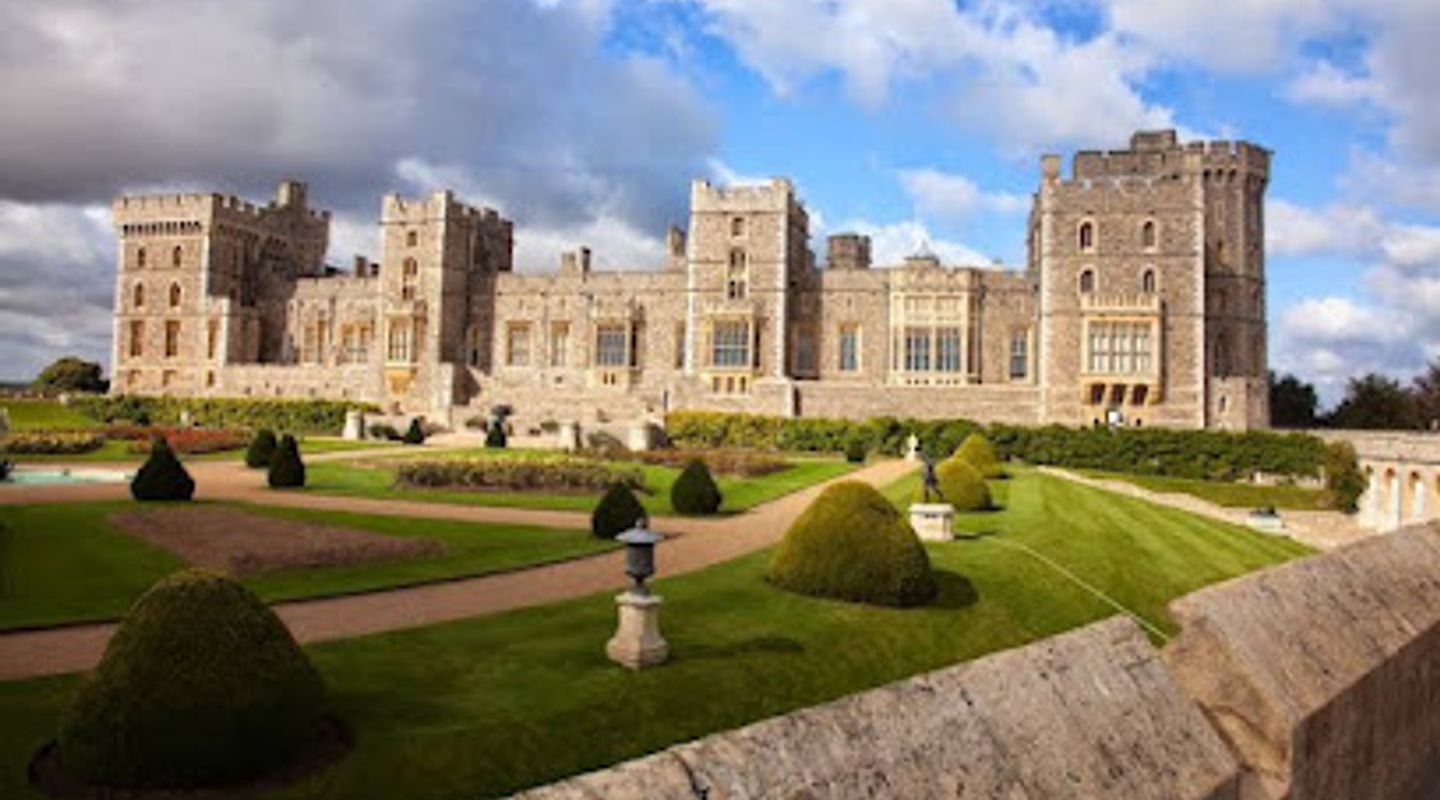
A brief summary of King Edward III Tower
Explore the majestic King Edward III Tower, a stunning medieval landmark within Windsor Castle offering rich history and scenic Thames views.
The King Edward III Tower is a prominent medieval structure within Windsor Castle, showcasing exquisite 14th-century Gothic architecture. Named after King Edward III, who extensively rebuilt Windsor Castle during his reign, the tower stands as a symbol of royal power and chivalry. Visitors can admire its intricate stonework, enjoy scenic views of the River Thames, and explore the surrounding historic gardens, making it a captivating landmark in Windsor.
On-site amenities
 Restrooms
 Drink options
 Food options
 Seating areas
 Information boards
- Address
- Windsor SL4 1NJ
Getting there
Train and Walk
Bus and Walk
Car and Walk
Discover more about King Edward III Tower
A Monument to Medieval Royalty and Power
The King Edward III Tower forms a key part of Windsor Castle, one of the oldest and largest inhabited castles in the world. Constructed and expanded during the 14th century under King Edward III, the tower reflects the monarch’s vision to transform Windsor from a military fortress into a grand Gothic palace. Edward III’s extensive building campaign symbolized royal authority and chivalric ideals, with the tower embodying the strength and prestige of his reign. Its robust stone walls and detailed medieval craftsmanship speak to the era’s architectural ingenuity and the king’s ambition to create a residence befitting England’s monarchy.
Architectural Grandeur and Historical Significance
The tower’s design features characteristic Gothic elements, including pointed arches and battlements, which blend defensive functionality with aesthetic appeal. It was part of a broader redevelopment that included the enhancement of the castle’s fortifications and luxurious royal lodgings. The King Edward III Tower overlooks the River Thames, providing strategic views and a commanding presence. Throughout history, it has witnessed pivotal events and royal ceremonies, linking visitors directly to centuries of British heritage. The tower’s stonework and layout offer insights into medieval castle construction and the evolution of royal residences.
Surrounding Landscape and Visitor Experience
Beyond its architectural and historical importance, the tower is surrounded by tranquil gardens and scenic riverside views that enhance the visitor experience. The peaceful atmosphere invites reflection and photography, making it a favored spot for those interested in both history and natural beauty. The proximity to the River Thames adds a picturesque backdrop, while the nearby castle grounds provide extensive opportunities to explore royal history. Guided tours often include the tower, offering detailed narratives about its role within Windsor Castle and its significance in the broader context of English monarchy.
Legacy of King Edward III and Windsor Castle’s Evolution
King Edward III’s reign marked a turning point in Windsor Castle’s history, shifting it from a defensive stronghold to a symbol of royal grandeur. His architectural contributions, including the tower, set the foundation for later monarchs to continue enhancing the castle’s splendor. Windsor Castle has since remained a working royal palace and a residence for British monarchs, blending its medieval roots with ongoing historical significance. The King Edward III Tower stands as a testament to this enduring legacy, connecting visitors to the medieval past and the living history of the British crown.
Exploring the Tower and Its Context
Visitors to the King Edward III Tower can immerse themselves in the rich tapestry of Windsor Castle’s history. The tower’s well-preserved state allows for close examination of medieval masonry and defensive architecture. Nearby attractions such as St George’s Chapel and the Round Tower complement the visit, offering a comprehensive understanding of the castle’s multifaceted role. The area around the tower is ideal for leisurely walks, combining cultural heritage with natural beauty. Whether for history enthusiasts, photographers, or casual visitors, the King Edward III Tower provides a compelling glimpse into England’s royal past.
Preservation and Cultural Importance Today
Today, the King Edward III Tower is carefully maintained as part of Windsor Castle’s historic fabric. It continues to draw visitors from around the world who seek to experience England’s royal heritage firsthand. The tower’s presence enriches the castle complex, contributing to its status as a UNESCO World Heritage site candidate and a symbol of British identity. Educational programs and guided tours help interpret the tower’s significance, ensuring that its stories and architectural marvels are preserved for future generations to appreciate and enjoy.
Evendo Review Centre
 Google
Guest reviews
Best time to go
Quietest: Jan, Feb & Dec · before 6am
Busy times are Evendo estimates for a typical year, to help you plan. Actual crowds vary with events, school holidays and the weather.
Explore King Edward III Tower on the map
A handpicked selection of must-see spots near King Edward III Tower, mapped for you.
Get your free copy of our complete guide to King Edward III Tower, delivered straight to you.
Everything on this page, from opening hours and how to get there to Eve’s tips and the best time to go, in one PDF you can read offline, print or share.
Already have an account? Sign in
Your King Edward III Tower guide is ready.
We'll send it to · Not you? Sign out

Getting your guide ready…
We are putting together a fresh copy of the King Edward III Tower guide. This can take up to a minute.
This can take a few moments. If your browser asks, choose Allow so the download can start. You'll find the guide in your Downloads folder.
Nothing happened? Download it again
Sorry, the guide is taking longer than usual. Please try again in a minute, or get it by email instead.
Other nearby places you may find interesting
The closest places of the same kind, if this one is not quite what you had in mind.
-
-
-
-
-


Swipe for more places
More to explore near King Edward III Tower

 Best experiences near King Edward III Tower
 Best hotels near King Edward III Tower
 Best landmarks near King Edward III Tower
 Best attractions near King Edward III Tower
 Best shops near King Edward III Tower
 Best restaurants near King Edward III Tower
 Best bars near King Edward III Tower
Do you manage this location?
Take control to get all the benefits, like improved information, better appearance, and stronger visibility across AI-powered discovery.
Explore more

Explore more of Windsor
Discover the royal allure of Windsor, a historic town along the River Thames, home to Windsor Castle and a blend of charming shops and beautiful parks.
Explore Windsor
Explore more of United Kingdom
Discover the United Kingdom: A blend of rich history, stunning landscapes, and vibrant cities, offering a unique travel experience for every visitor.
Explore United Kingdom