St Botolph’s-without-Aldersgate: Historic City Gate Church in London
Historic 18th-century Anglican church with the UK's oldest working organ, blending rich heritage and serene city-edge charm in London.
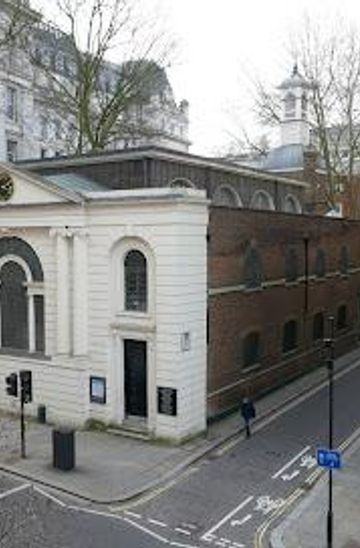
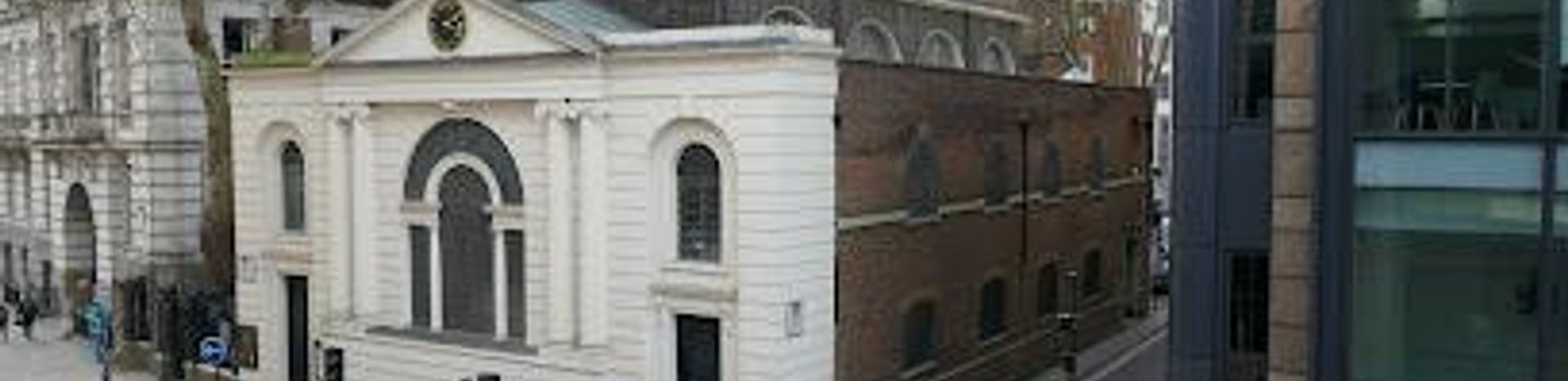
St Botolph’s-without-Aldersgate is a distinguished Anglican church located on Aldersgate Street, London, just outside the old City walls. Built between 1741 and 1744 by George Dance the Elder, it stands on a site with ecclesiastical roots dating back to at least the 12th century and possibly Saxon times. Known for its elegant brick and stone architecture and the oldest working church organ in the UK, it offers visitors a rich blend of history, art, and spiritual heritage in the heart of London’s financial district.
A brief summary to St Botolph’s-without-Aldersgate
- Aldersgate St, London, EC1A 4EU, GB
- Click to display
- Click to display
- Duration: 0.5 to 1.5 hours
- Free
-
 Outdoor
- Mobile reception: 5 out of 5
- Tuesday 1 pm-1:40 pm
Local tips
- Visit during weekdays for a quieter experience to appreciate the interior details and historic organ.
- Explore the nearby public garden designed by Fanny Wilkinson for a peaceful break after touring the church.
- Look for the floor tablet commemorating the London Blitz bomb fragment embedded in the roof.
- Check the church’s website or contact ahead for any special services or concerts featuring the historic organ.


Getting There
-
London Underground
Take the London Underground to Aldgate Station on the Circle or Metropolitan lines, approximately a 5-10 minute walk to St Botolph’s-without-Aldersgate. Aldgate Station has frequent services and step-free access. No parking is available nearby.
-
Bus
Several London bus routes serve Aldersgate Street, including routes 25, 100, and 205. Bus stops are within a 5-minute walk of the church. Bus fares are standard London rates, payable by contactless or Oyster card.
-
Taxi or Ride-Hailing
Taxis and ride-hailing services can drop you off directly on Aldersgate Street. Travel times vary depending on traffic but typically range from 10 to 20 minutes from central London locations. Parking is limited and not recommended.
-
Walking
From the nearby financial district or the East End, walking to St Botolph’s is feasible within 15-25 minutes, depending on your starting point. The terrain is flat and accessible, suitable for most visitors.
For the on-the-go comforts that matter to you
-
 Restrooms
-
 Information Boards
-
 Seating Areas
St Botolph’s-without-Aldersgate location weather suitability
-
 Any Weather
-
 Rain / Wet Weather
-
 Clear Skies
-
 Mild Temperatures
Discover more about St Botolph’s-without-Aldersgate
Origins and Historical Significance
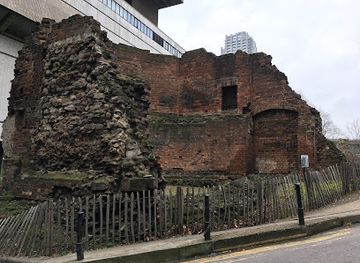
St Botolph’s-without-Aldersgate occupies a site with a deep historical lineage, first recorded in 1125, though archaeological evidence suggests a Saxon church may have existed here earlier. The church is named after St Botolph, a 7th-century East Anglian saint and patron of wayfarers, whose remains were distributed to churches at the City gates in the 10th century. This church marked the eastern threshold of the Roman City of Londinium, near Aldgate, the city’s eastern gate, and was associated with the adjacent Roman cemetery. Its location outside the City walls is reflected in the “without Aldersgate” designation, linking it to the medieval city boundary and its gate’s historical role in travel and trade.Architectural Evolution and Design
The current church building was constructed between 1741 and 1744 under the direction of George Dance the Elder, a prominent City Surveyor also known for designing Mansion House. The exterior features brickwork with stone quoins and window surrounds, topped by a square tower crowned with an obelisk spire. The interior is marked by a flat ceiling supported by Tuscan columns and retains original galleries. In the late 19th century, architect John Francis Bentley, famed for Westminster Cathedral, remodeled the interior, adding elaborate plasterwork including a stucco ceiling adorned with angels and elegant white balustrades on the galleries.Survival and Restoration Through Turmoil
Remarkably, St Botolph’s survived the Great Fire of London in 1666 with minor damage, though by the 18th century it had fallen into disrepair, prompting its reconstruction. The church also endured the Blitz during World War II with relatively minor damage. A significant fire in 1965 caused destruction to stained glass, memorials, and woodwork, but the church was restored and re-hallowed in 1966 in a ceremony attended by Queen Elizabeth The Queen Mother. The stained glass windows mostly date from the late 1960s and early 1970s, commemorating local aldermen and featuring a notable window behind the altar inspired by Rubens’ painting of Christ’s descent from the Cross.Unique Features and Cultural Heritage
One of the church’s most remarkable treasures is its organ, the oldest working church organ in the UK, originally built around 1705 by Renatus Harris and expanded over subsequent centuries. The churchyard was closed for burials in 1853, with many remains relocated during Victorian road-widening projects. The church also has a notable connection to Victorian social history, once known as the "Church of Prostitutes" due to its location on an island surrounded by roadways where women would walk to avoid police arrest.Community Role and Surroundings
Situated at the boundary between the City of London and the East End, St Botolph’s looks west towards the financial district and east towards the vibrant cultural areas around Petticoat Lane and Brick Lane. The church has historically served diverse communities, including providing shelter and youth activities in its crypt during the 1970s. Nearby, a public garden designed by Fanny Wilkinson, the first professional female landscape gardener, offers a tranquil green space complementing the church’s historic presence.Artistic and Memorial Highlights
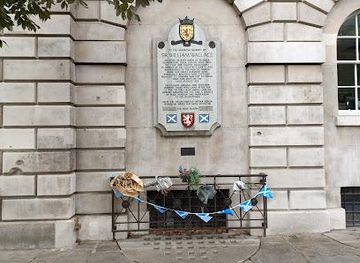
The church’s interior houses memorials salvaged from the previous medieval building, alongside Victorian and modern stained glass commemorations. The floor tablet near the entrance marks the tragic impact of the London Blitz, where a bomb fragment embedded itself in the church roof. The blend of historic and modern elements, from plasterwork to stained glass, creates a layered narrative of resilience and remembrance within the church’s walls.Explore the best of what St Botolph’s-without-Aldersgate has to offer
-

Best experiences near St Botolph’s-without-Aldersgate
-

Best hotels near St Botolph’s-without-Aldersgate
-

Best attractions near St Botolph’s-without-Aldersgate
-

Best shops near St Botolph’s-without-Aldersgate
-

Best restaurants near St Botolph’s-without-Aldersgate
-

Best bars near St Botolph’s-without-Aldersgate
-

Best nightclubs near St Botolph’s-without-Aldersgate









More about Windsor
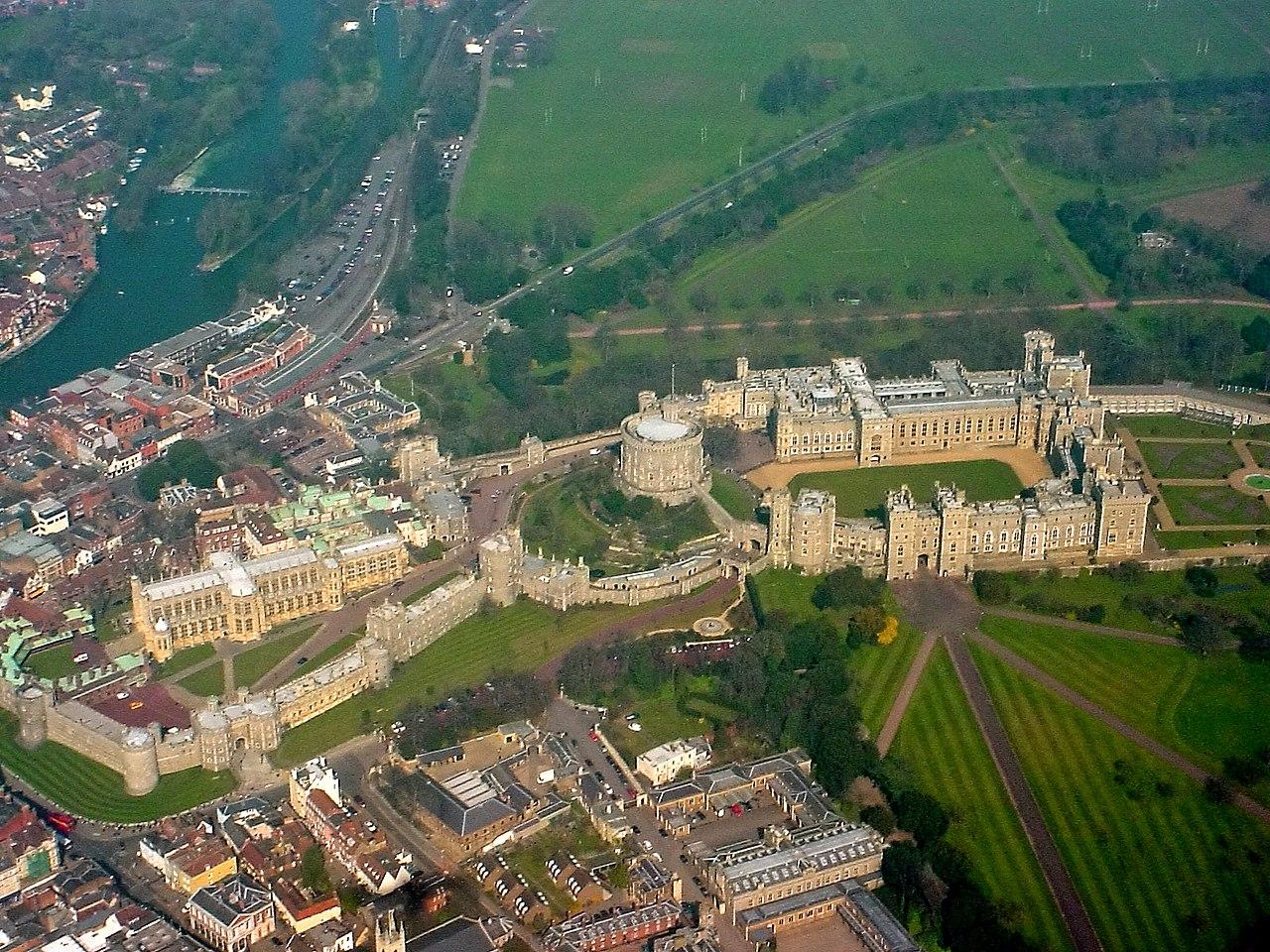
Discover Windsor, a historic town in Berkshire, England, known for its royal heritage, stunning Windsor Castle, scenic parks, vibrant town center, and family-friendly attractions.
Tell me more about Windsor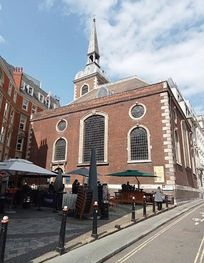

Want to improve this location?
Activate this location now and let Evendo enhance its appearance, information, and visibility for millions of travellers.