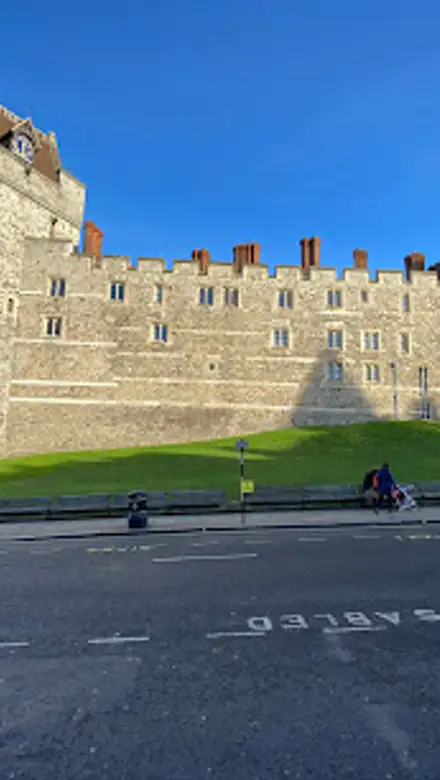
The Curfew Tower, Windsor Travel Guide
Free Guide: Explore the medieval Curfew Tower, a historic bell tower and fortress sentinel within Windsor Castle’s ancient walls.


A brief summary of The Curfew Tower
Explore the medieval Curfew Tower, a historic bell tower and fortress sentinel within Windsor Castle’s ancient walls.
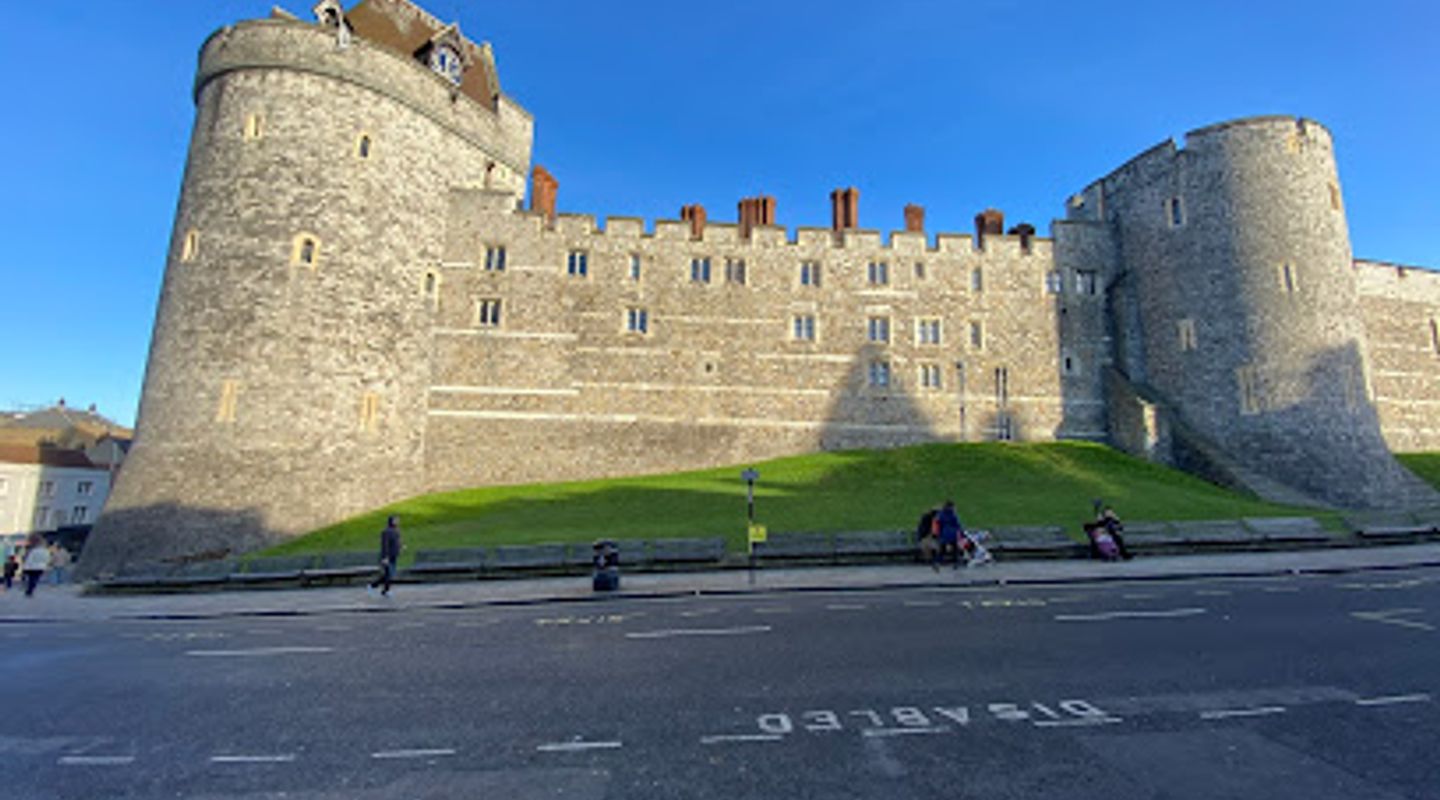
The Curfew Tower is a historic 13th-century tower located within Windsor Castle’s Lower Ward. Built between 1227 and 1230 under King Henry III, it served as a defensive stronghold with a dungeon and a secret sally port. The tower houses ancient castle bells and a clock, and its distinctive French-style conical roof was added in the 19th century. It remains one of the oldest surviving structures of the castle, embodying centuries of royal history and architectural evolution.
On-site amenities
 Restrooms
 Drink options
 Food options
 Seating areas
 Information boards
 Visitor centre
- Address
- Windsor Castle, Thames St, Windsor SL4 1NJ
Getting there
Train and Walk
Bus
Car
Discover more about The Curfew Tower
Medieval Origins and Strategic Role
The Curfew Tower was constructed between 1227 and 1230 during the reign of King Henry III as part of extensive fortification efforts following a siege during the early 13th century. Positioned in the Lower Ward of Windsor Castle, the tower was designed to strengthen the castle’s defenses, overseeing the surrounding landscape and the vital River Thames. Originally called Clewer Tower and later the Bell Tower, it was a key component in projecting Norman royal power and safeguarding the castle’s perimeter.
Architectural Features and Historical Uses
Standing approximately 30 meters (100 feet) tall, the tower features a dungeon within its interior, historically used to imprison debtors and Royalist captives, especially during the English Civil War. A secret sally port provided a concealed exit for occupants during sieges. The upper storey contains the castle’s bells, installed in 1478, and a clock dating from 1689, crafted by John Davis. In the 19th century, architect Anthony Salvin remodeled the tower’s roof into a distinctive French-style conical shape inspired by Eugène Viollet-le-Duc’s restoration of Carcassonne, adding a romantic medieval aesthetic.
Symbolism and Cultural Significance
The Curfew Tower’s name derives from the curfew bell it housed, which historically signaled the time for inhabitants to extinguish fires and lights, a practice common in medieval England. Beyond its military function, the tower symbolizes the enduring legacy of Windsor Castle as a royal residence and fortress, reflecting centuries of English history from the Norman Conquest through Tudor times and beyond. It stands as a testament to the castle’s continuous adaptation and preservation.
Integration within Windsor Castle’s Landscape
Located behind the Horseshoe Cloister, the Curfew Tower is one of the oldest surviving parts of the Lower Ward. It complements other medieval towers such as the Garter and Salisbury towers, forming a formidable defensive circuit. The tower’s bells and clock once regulated daily life within the castle precincts. Today, it remains a prominent architectural feature visible from various points within Windsor, contributing to the castle’s iconic skyline.
Restoration and Preservation Efforts
Throughout its history, the Curfew Tower has undergone repairs and restorations, notably in the 19th century when its roof was redesigned. These efforts have maintained the tower’s structural integrity and historic character, allowing it to survive as a significant heritage site. The tower is part of the broader conservation of Windsor Castle, one of the longest-occupied royal palaces in Europe, ensuring its stories and architecture endure for future generations.
Visitor Experience and Historical Context
Visitors to Windsor Castle can appreciate the Curfew Tower not only as a defensive bastion but also as a symbol of medieval life and royal authority. Its imposing presence and layered history invite reflection on the castle’s role in England’s political and military past. The tower’s bells and clock evoke the rhythms of castle life, while its dungeon hints at the harsher realities of medieval justice and warfare.
Evendo Review Centre
 Google
Guest reviews
Best time to go
Quietest: Jan, Feb & Nov · before 6am or at 9pm
Busy times are Evendo estimates for a typical year, to help you plan. Actual crowds vary with events, school holidays and the weather.
Explore The Curfew Tower on the map
A handpicked selection of must-see spots near The Curfew Tower, mapped for you.
Get your free copy of our complete guide to The Curfew Tower, delivered straight to you.
Everything on this page, from opening hours and how to get there to Eve’s tips and the best time to go, in one PDF you can read offline, print or share.
Already have an account? Sign in
Your The Curfew Tower guide is ready.
We'll send it to · Not you? Sign out

Getting your guide ready…
We are putting together a fresh copy of the The Curfew Tower guide. This can take up to a minute.
This can take a few moments. If your browser asks, choose Allow so the download can start. You'll find the guide in your Downloads folder.
Nothing happened? Download it again
Sorry, the guide is taking longer than usual. Please try again in a minute, or get it by email instead.
Unlock the best of The Curfew Tower
Skip-the-line tickets, guided tours with entry, and walking tours of the area, booked in a few clicks.

Other nearby places you may find interesting
The closest places of the same kind, if this one is not quite what you had in mind.
-
-
-
-
-


Swipe for more places
More to explore near The Curfew Tower

 Best experiences near The Curfew Tower
 Best hotels near The Curfew Tower
 Best landmarks near The Curfew Tower
 Best attractions near The Curfew Tower
 Best shops near The Curfew Tower
 Best restaurants near The Curfew Tower
 Best bars near The Curfew Tower
Do you manage this location?
Take control to get all the benefits, like improved information, better appearance, and stronger visibility across AI-powered discovery.
Explore more

Explore more of Windsor
Discover the royal allure of Windsor, a historic town along the River Thames, home to Windsor Castle and a blend of charming shops and beautiful parks.
Explore Windsor
Explore more of United Kingdom
Discover the United Kingdom: A blend of rich history, stunning landscapes, and vibrant cities, offering a unique travel experience for every visitor.
Explore United Kingdom