Anglian Tower, Yorkshire Travel Guide
Discover York’s rare Anglo-Saxon watchtower, a unique stone relic woven into ancient Roman walls and shrouded in centuries of history.
The Anglian Tower in York is a rare surviving example of non-ecclesiastical Anglo-Saxon stone architecture in Britain. Built into the Roman city walls, this small, roughly 4.5-meter-high tower likely served as a watchtower or defensive post with arched doorways for sentries. Its exact age is debated, with construction estimates ranging from the late Roman period to the 9th century Viking era. Rediscovered in the 19th century and excavated in the 20th, it stands as a unique historical monument reflecting York’s layered past.
A brief summary to Anglian Tower
- York, GB
- Duration: 0.25 to 1 hours
- Free
-
 Outdoor
- Mobile reception: 4 out of 5

Know before you go
Hi, I'm Eve. Here are a few practical things to know before exploring Anglian Tower.
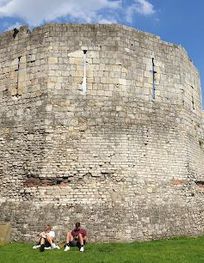
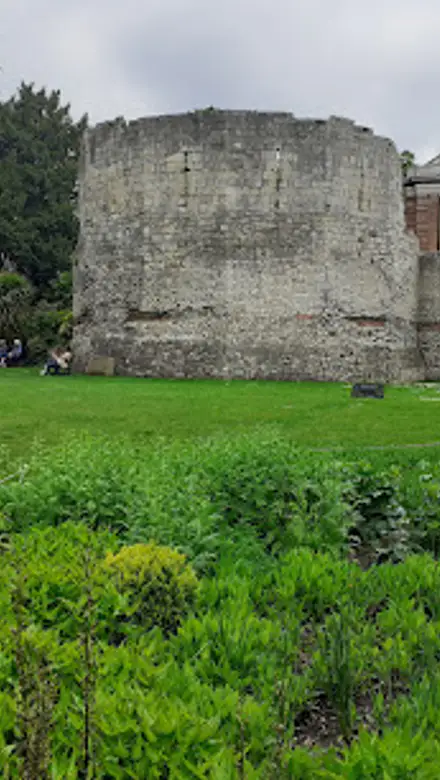
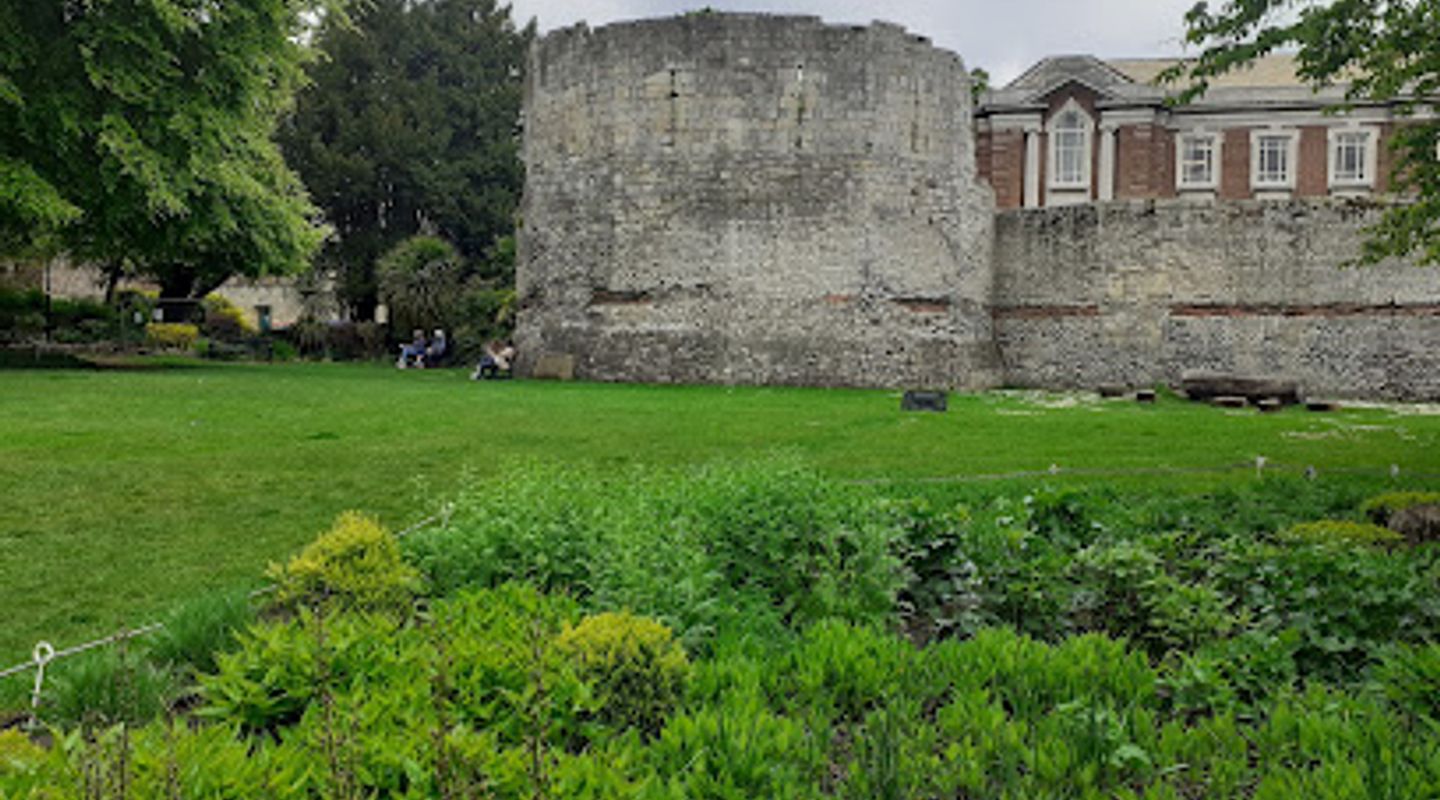
- The Anglian Tower is tucked away behind York’s library near Museum Gardens—look for the Multangular Tower as a landmark to find the entrance.
- Wear comfortable shoes as the path to the tower involves walking through gardens and narrow pathways.
- Combine your visit with nearby historic sites like the Roman walls and York Castle Museum for a fuller experience.
- The tower is an outdoor site with limited facilities, so plan accordingly for weather and amenities.
Do you manage this location?
Take control to get all the benefits, like improved information, better appearance, and stronger visibility across AI-powered discovery. Learn more about listing your business on Evendo
Activate your presenceOther nearby places you may find interesting
The closest places of the same kind, if this one is not quite what you had in mind.



Explore Anglian Tower on the Map
A handpicked selection of must-see spots near Anglian Tower, mapped for you.
Getting There
-
Bus
Take York city buses serving stops near Museum Gardens or the city center, with a typical travel time of 10–20 minutes from York railway station. Buses run frequently, and single fares cost around £2.50–£3.00. From the stop, a 5–10 minute walk leads to the tower via pedestrian paths.
-
Walking
From York city center, a 15–20 minute walk on mostly flat, paved paths will bring you to the Anglian Tower. The route passes through Museum Gardens and is accessible for most visitors, though some narrow paths require caution.
-
Taxi
Taxis from York railway station or city center take about 5–10 minutes to reach the tower area, with fares typically ranging from £6 to £10 depending on time and traffic.
For the on-the-go comforts that matter to you
-
 Information Boards
-
 Seating Areas
Discover more about Anglian Tower
An Architectural Anomaly in York’s Ancient Defenses
The Anglian Tower is a small, square stone structure built into the western section of York’s Roman city walls. Unlike the thick Roman and medieval walls surrounding it, the tower’s walls are notably thinner, measuring around 1.5 to 2 feet wide. Constructed from roughly dressed oolitic limestone, distinct from the magnesian limestone of the Roman walls, the tower features a ground-level arched doorway that leads into a tunnel-vaulted inner chamber. Though only the ground floor remains at about 4.5 meters high, the original tower likely rose over 10 meters and may have had two stories. Its design suggests a defensive function, possibly as a watchtower or a position for archers to defend the city walls.Debates on Its Origins and Historical Context
The exact date of the Anglian Tower’s construction remains uncertain and widely debated among historians and archaeologists. Some argue it was built shortly after the Romans left York in the early 5th century, possibly as an Anglo-Roman structure. Others date it to the early 7th century during the reign of King Edwin of Northumbria, who is known to have strengthened York’s defenses between 627 and 633 AD. Another theory places its construction in the mid-9th century, coinciding with the Viking occupation of York (Jorvik), when the original Roman walls were backfilled to form ramparts, burying the tower for centuries. Despite the uncertainty, the tower is recognized as one of only two non-ecclesiastical Anglo-Saxon stone buildings remaining in Britain, with no known secular parallels in Europe.Rediscovery and Preservation Efforts
The Anglian Tower was rediscovered in 1839 during tunnel construction beneath St Leonard’s Place. However, it was not fully excavated until 1969, when archaeologist Jeffrey Radley began work before his untimely death in 1970. The excavation revealed multiple phases of refurbishment but failed to conclusively date the structure. The tower had been sealed by a Danish rampart during the Viking era, with evidence of partial collapse. Today, the tower is a Grade I listed structure, preserved as a rare relic of early medieval York and integrated into the city’s historic fabric.Setting and Visitor Experience
Hidden behind York’s library and just outside the Museum Gardens, the Anglian Tower is not immediately visible from the main streets. Visitors must navigate through a discreet pathway adjacent to the Multangular Tower to reach it. The site offers a quiet, contemplative atmosphere amidst York’s bustling historic center. Though small, the tower’s evocative presence invites reflection on the city’s complex layering of Roman, Anglo-Saxon, Viking, and medieval history.Architectural Details and Materials
The tower’s construction uses oolitic limestone sourced from outside the Roman quarry area, indicating a different building phase from the original fortress walls. The brick-vaulted roof remnants and the narrow segment-arched doorways reflect a blend of Roman building techniques adapted in a post-Roman context. The tower’s strategic position between two former Roman interval towers suggests it replaced older defensive structures that had fallen into disrepair.Legacy and Significance in York’s Heritage
The Anglian Tower stands as a unique testament to York’s transition from Roman Britain to the early medieval period. Its rarity as a secular Anglo-Saxon stone building underscores its importance in understanding urban defense and architecture during a turbulent era. The tower’s survival beneath later ramparts and its rediscovery highlight the layers of history embedded in York’s cityscape, making it a vital link to the past for historians and visitors alike.












Your all‑in‑one travel companion app
Explore expert travel guides, compare and book tours, experiences, hotels, and more—all from the palm of your hand. Download now for seamless trip planning wherever your wanderlust takes you.


Explore More of Yorkshire
Looking beyond Anglian Tower? Discover Yorkshire for broader travel guides, local hot-spots, and regional highlights.
Explore Yorkshire