


Destination Guide
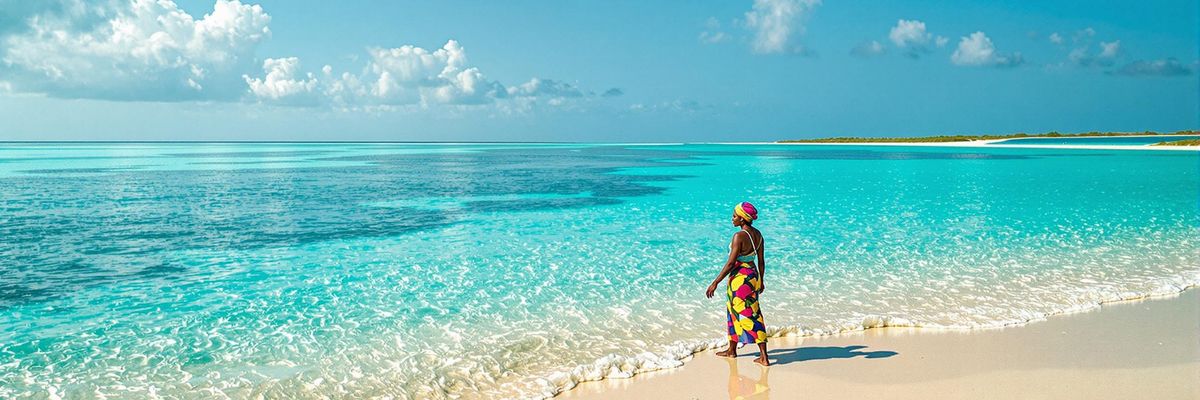
Xai-Xai: A Coastal Retreat
Relax on the beaches and explore the reefs of Xai-Xai.
View More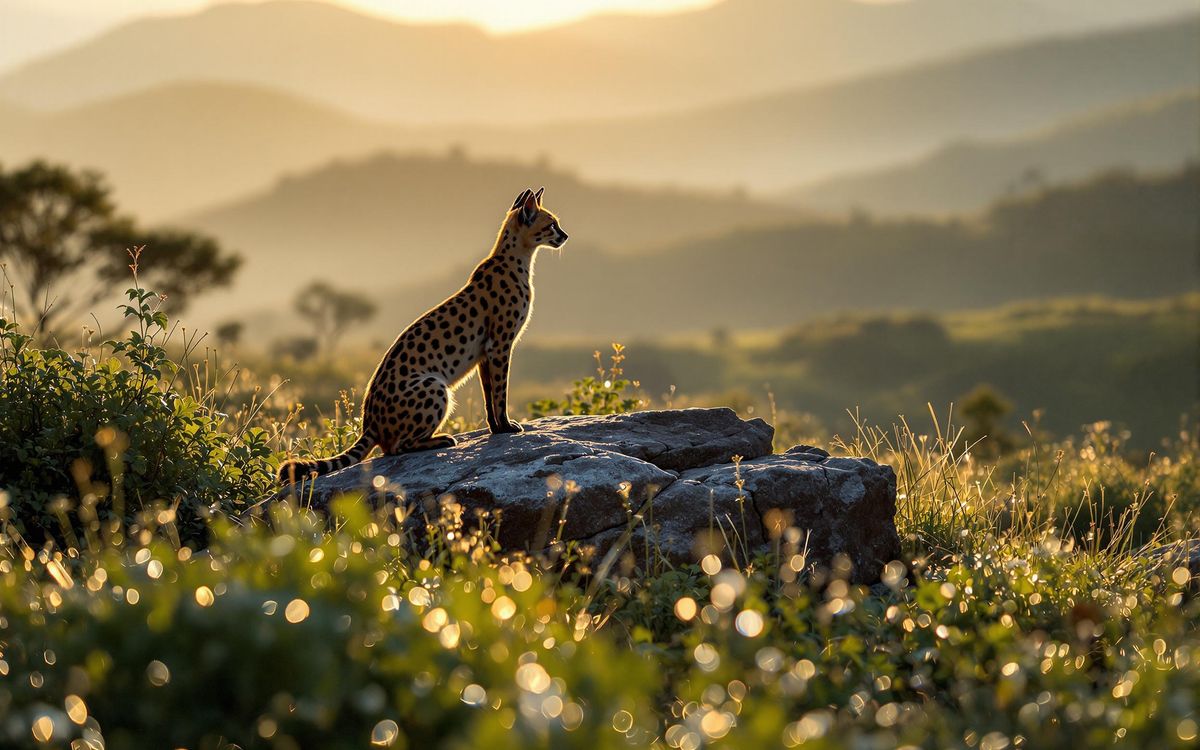

Venture into a realm where mist hangs heavy, where rare creatures roam, and where history whispers on the wind. Aberdare National Park, a jewel in Kenya's crown, offers an unparalleled safari experience for those seeking something beyond the typical African landscape.
Here, the air is crisp, the scenery dramatic, and the wildlife encounters are unforgettable. From the iconic Treetops Hotel to the elusive mountain bongo, the Aberdares promise an adventure that will stir your soul and leave you breathless.
This November, escape the ordinary and immerse yourself in the misty mountains and rare wildlife of Aberdare National Park.
The journey to Aberdare National Park is an experience in itself, a gradual ascent from the bustling town of Kirisia, Kenya, into a world of dramatic transformation. The landscape morphs from verdant farmlands, where crops bask in the equatorial sun, to dense, shadowy forests that cling to the mountainsides. As you climb, the air becomes noticeably cooler, a refreshing change that carries the invigorating scent of pine and damp earth.
The anticipation builds with each twist and turn of the road, a sense of entering a less-explored, more mysterious realm. The Aberdares stand east of the East African Rift Valley, a formidable wall of mountains that beckons adventurers and nature enthusiasts alike. The road winds higher, offering glimpses of the vast plains below, a reminder of the world you're leaving behind as you ascend to the roof of the Aberdares.
The transition is seamless yet profound. Open fields give way to thick vegetation, the sounds of civilization fade, replaced by the rustling of leaves and the calls of unseen birds. The air is clean and crisp, invigorating your senses and preparing you for the wonders that await. You're entering a sanctuary, a place where nature reigns supreme and the modern world feels a million miles away.
As you approach the park's gates, a sense of awe washes over you. The mountains loom large, their peaks often shrouded in mist, creating an ethereal atmosphere. You're on the threshold of a unique ecosystem, a place of rare beauty and untold adventure. The journey itself has been a preparation, a shedding of the everyday, and a welcoming of the wild.
The final stretch of road leading to the park's entrance is a sensory feast. The cool, crisp air fills your lungs, carrying the scent of pine and damp earth. The sounds of the forest intensify, a symphony of nature that soothes and excites. The anticipation is palpable, a feeling of entering a world untouched, untamed, and utterly unforgettable.
You've arrived at the gateway to the Aberdares, ready to explore the misty mountains and discover the rare wildlife that calls this place home. The adventure has begun, and the memories are waiting to be made.
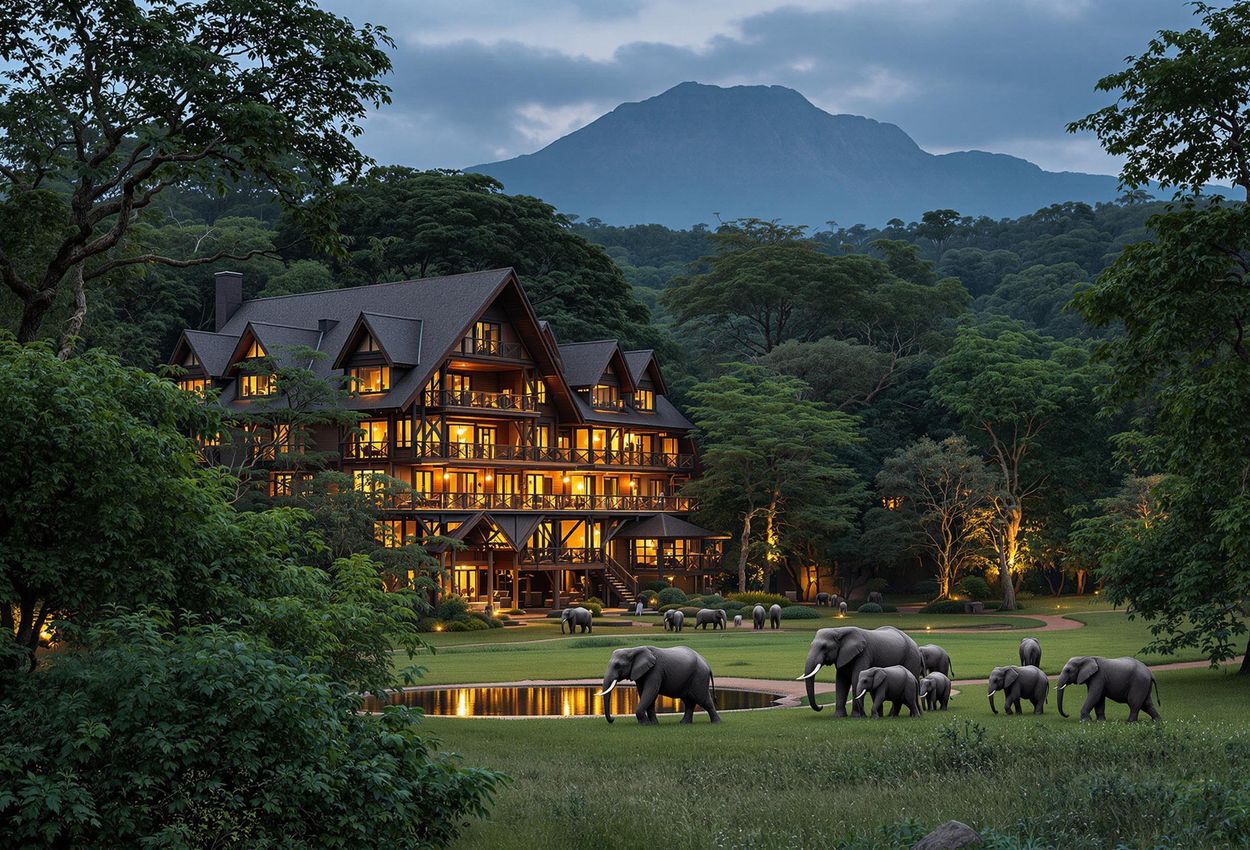
Nestled within the heart of Aberdare National Park lies Treetops Hotel, a legendary lodge steeped in history and intrigue. From its humble origins as a two-room treehouse in 1932, it has evolved into a world-renowned destination, forever linked to a moment that changed the course of history.
In 1952, Princess Elizabeth visited Treetops during a tour of the Commonwealth. Unbeknownst to her, her father, King George VI, passed away during her stay. It was at Treetops that she received the news and ascended to the throne, becoming Queen Elizabeth II. The story is the stuff of legend, forever cementing Treetops as a place where history was made.
The architecture of Treetops is as unique as its history. The lodge is built on stilts, resembling a giant treehouse, offering guests unparalleled views of the surrounding forest and a nearby watering hole. Observation lounges provide comfortable vantage points for wildlife viewing, while ground-level photographic hides offer the chance to capture stunning images of animals up close.
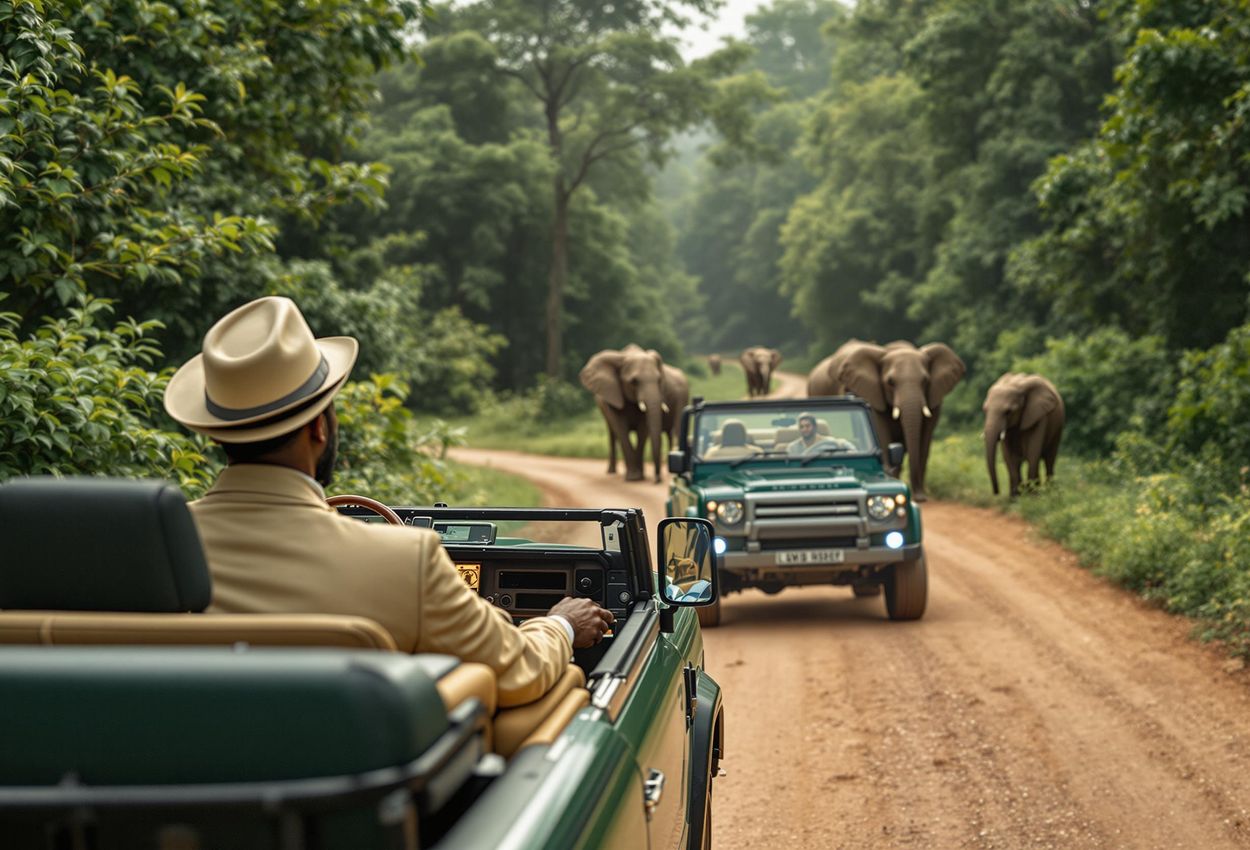
Recently renovated, Treetops has been restored to its former glory, offering modern amenities while retaining its rustic charm. The lodge's location is no accident; it lies on an ancient elephant migratory route, ensuring a constant stream of wildlife activity. Guests can witness elephants, buffaloes, and other animals as they come to drink and salt lick, a spectacle that unfolds day and night.
Staying at Treetops is more than just a hotel experience; it's a journey back in time, a chance to connect with history and nature in a profound way. The lodge's unique architecture, coupled with its prime location on an ancient elephant migratory route, ensures an unforgettable safari adventure. It's a place where you can relax in comfort, immerse yourself in the wilderness, and witness the magic of the Aberdares unfold before your eyes.
As you sit on the lodge's deck, sipping a drink and watching the animals gather at the watering hole, you can't help but feel a sense of wonder. You're in a place where a princess became a queen, where history and nature intertwine, and where the spirit of adventure is always alive. Treetops Hotel is more than just a lodge; it's a legend, a symbol of the Aberdares, and a testament to the enduring power of the African wilderness.
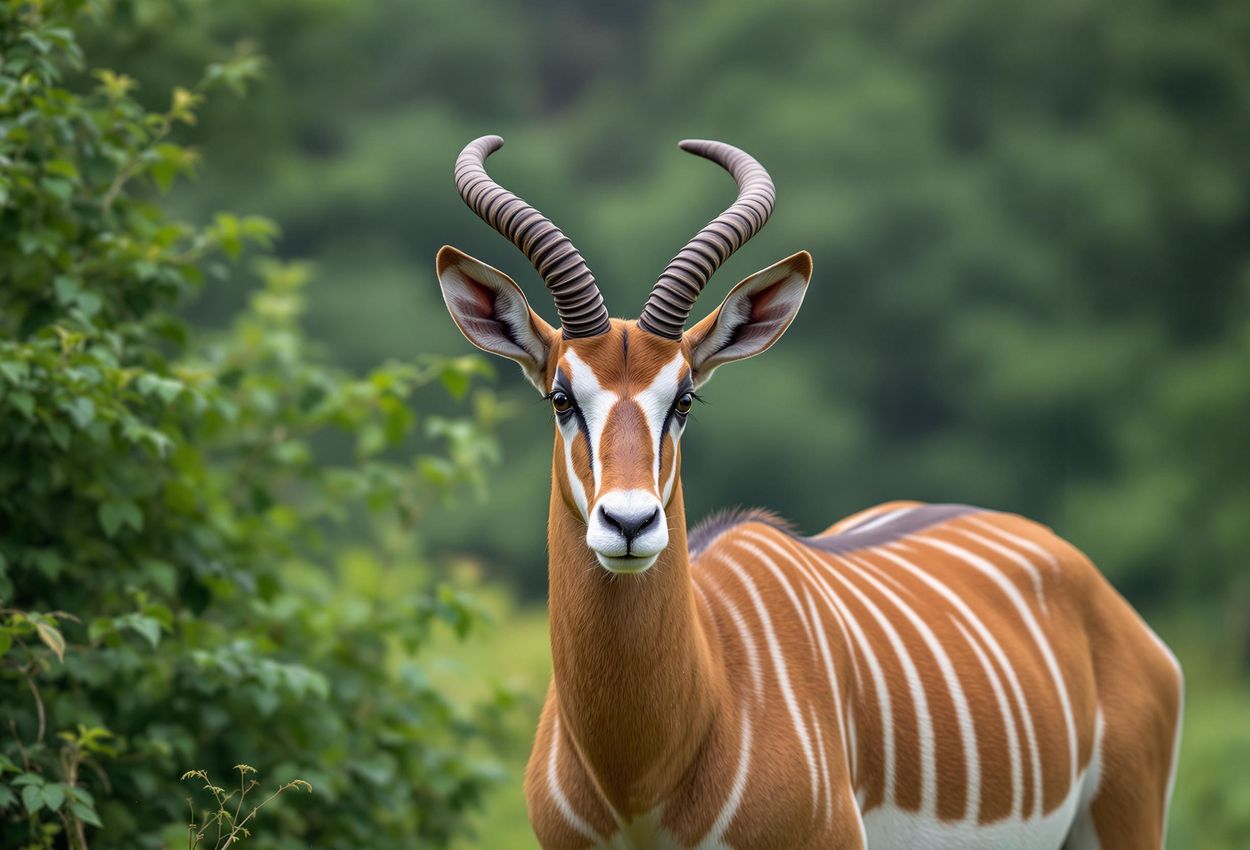
Within the dense forests of Aberdare National Park lives one of Africa's most elusive and endangered antelopes: the mountain bongo. This magnificent creature, with its striking appearance and shy nature, is a true symbol of the Aberdares' unique biodiversity.
The mountain bongo is easily recognizable by its rich mahogany-red coat adorned with distinctive white stripes. These stripes, which vary in number and pattern from individual to individual, provide excellent camouflage in the dappled light of the forest. Both males and females possess impressive spiraled horns, adding to their regal appearance.
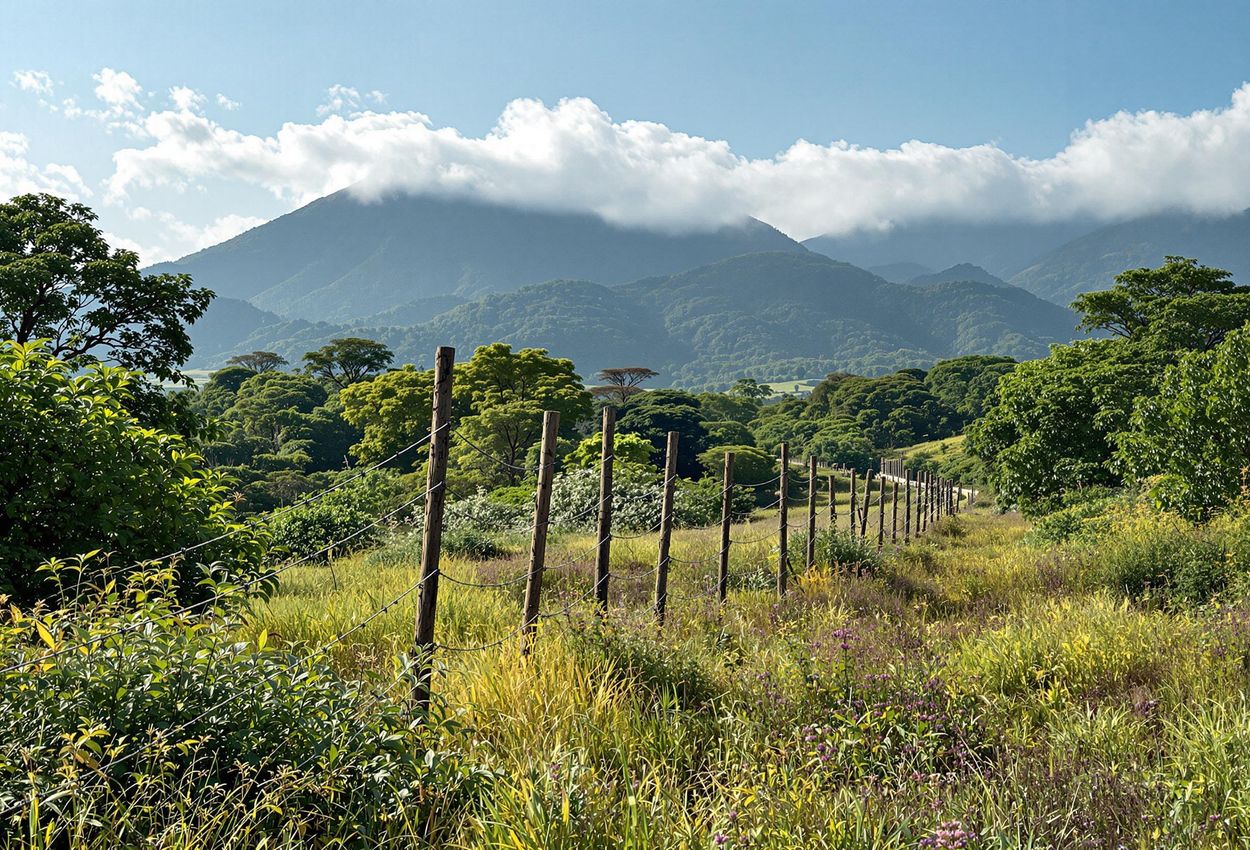
Critically endangered, the mountain bongo faces numerous threats, including habitat loss, illegal hunting, and disease. Conservation efforts are underway to protect this rare antelope, with organizations like the Rhino Ark playing a crucial role. The Rhino Ark fence, which encircles much of the Aberdare National Park, helps to reduce human-wildlife conflict and protect the bongo's habitat.
Spotting a mountain bongo in the wild is a rare and special experience. These antelopes prefer to inhabit dense mountain forests, making them difficult to track. However, there are places within the Aberdares where your chances of an encounter are slightly higher. The Aberdare Bongo Ecolodge, for example, is located in an area known to be frequented by bongos, offering guests a unique opportunity to see these elusive creatures.
The challenges faced by the mountain bongo are a stark reminder of the importance of conservation. Habitat loss due to deforestation and agricultural expansion continues to threaten their survival. Illegal hunting for bushmeat and traditional medicine also poses a significant risk. Climate change, with its potential to alter forest ecosystems, adds another layer of complexity to the bongo's plight.
Despite these challenges, there is hope for the mountain bongo. Conservation efforts, including habitat protection, anti-poaching patrols, and community engagement, are making a difference. By supporting sustainable tourism and responsible conservation practices, visitors to the Aberdares can contribute to the long-term survival of this iconic species.
As you venture into the forests of the Aberdares, keep an eye out for the elusive mountain bongo. Even if you don't spot one, knowing that these magnificent creatures roam these mountains adds a sense of wonder and purpose to your safari. The mountain bongo is a symbol of the Aberdares, a reminder of the beauty and fragility of the African wilderness, and a call to action to protect it for future generations.
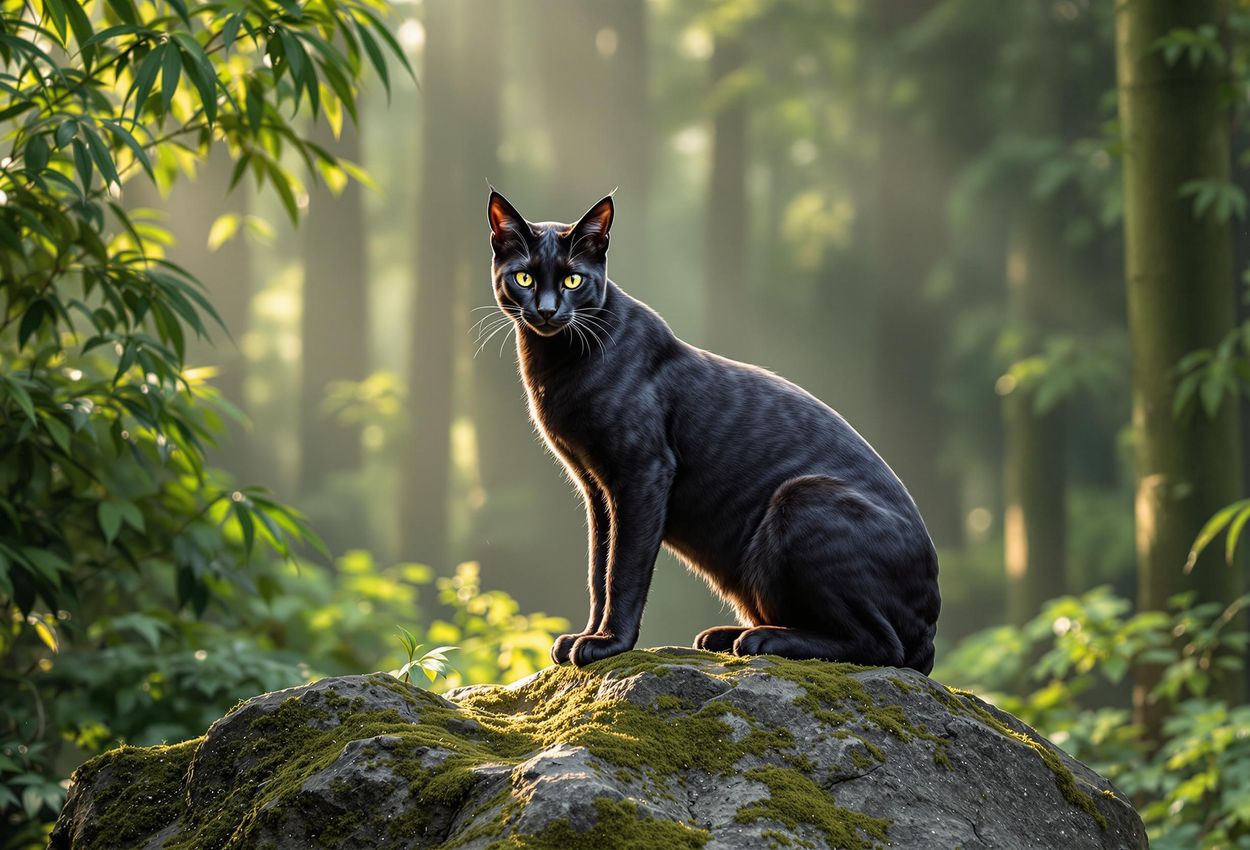
The Aberdare National Park holds another unique treasure within its borders: the melanistic serval, also known as the black serval. This rare and elusive cat is a striking variation of the more common serval, its dark coat a testament to the wonders of genetics.
Melanism is a genetic condition that causes an excess of dark pigmentation, resulting in a black or very dark brown coat. While melanism can occur in various animals, it is particularly striking in the serval, a slender, long-legged cat typically characterized by its tawny to russet coat with black spots and stripes. In the melanistic serval, these markings are still present but are often obscured by the dark pigmentation.
The Aberdares are one of the most well-documented locations for melanistic servals. These cats are often found in the dense forests above 2,000 meters, where their dark coats provide excellent camouflage. The reasons for the prevalence of melanism in this region are still being studied, but it is thought that the dark coloration may offer an advantage in the Aberdares' cool, misty environment.
Spotting a melanistic serval is a truly exceptional experience. These cats are naturally shy and elusive, and their dark coats make them even more difficult to detect in the dense forest. However, with patience and a keen eye, you may be rewarded with a glimpse of this unique creature.
The melanistic serval is a reminder of the incredible diversity of life that exists within the Aberdares. Its presence highlights the importance of protecting this unique ecosystem, not only for the iconic species that call it home but also for the rare and unusual variations that contribute to its overall biodiversity.
As you explore the Aberdare National Park, keep an eye out for the melanistic serval. Its presence adds a touch of mystery and intrigue to the park, a reminder that there are still wonders to be discovered in the African wilderness. Whether you spot one or not, knowing that these elusive cats roam the Aberdares adds a sense of excitement and adventure to your safari.
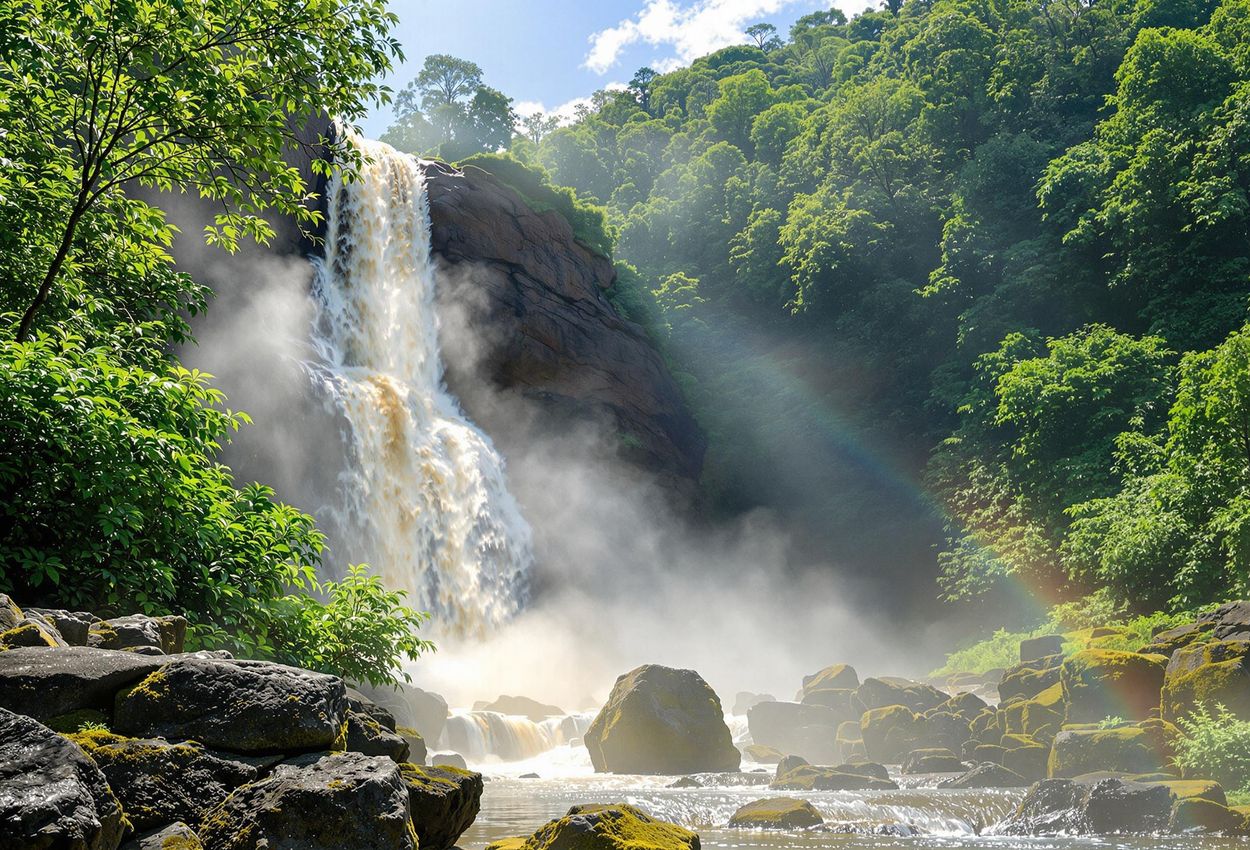
Aberdare National Park is a land of dramatic landscapes, and among its most captivating features are its majestic waterfalls. Plunging from the high moorlands into deep, forested valleys, these waterfalls offer breathtaking views and a refreshing escape into nature's embrace.
The crown jewel of the Aberdare waterfalls is undoubtedly Karuru Falls, the tallest waterfall in Kenya. This stunning cascade plunges a staggering 273 meters in three distinct steps. The first drop is 117 meters, followed by a smaller 26-meter cascade, and finally, a dramatic 130-meter plunge into a plunge pool below. The sheer scale and beauty of Karuru Falls are awe-inspiring, a testament to the power and artistry of nature.
Gura Falls, while not as tall as Karuru, is equally impressive. It falls from the moorlands into an impenetrable ravine, joining the waters of Karuru Falls further downstream. The two waterfalls can be viewed from the same observation point, offering a panoramic vista of cascading water and lush forest.
Beyond Karuru and Gura, Aberdare National Park boasts a collection of other notable waterfalls, each with its own unique charm. Chain Falls, located in the southeastern moorlands, offers a smaller but equally picturesque drop. The hike to Chain Falls is relatively short, making it a popular choice for those seeking a less strenuous adventure.
The hiking trails leading to the waterfalls wind through diverse landscapes, from dense forests to open moorlands. The surrounding scenery is breathtaking, with panoramic views of the Aberdare mountains and valleys. The sound of rushing water fills the air, creating a sense of tranquility and escape.
Chasing waterfalls in Aberdare National Park is an adventure for the senses. The sight of cascading water, the sound of its thunderous roar, and the feel of its mist on your skin create an unforgettable experience. Whether you're a seasoned hiker or a casual nature lover, the waterfalls of the Aberdares offer a rewarding and rejuvenating escape into the heart of the Kenyan wilderness.
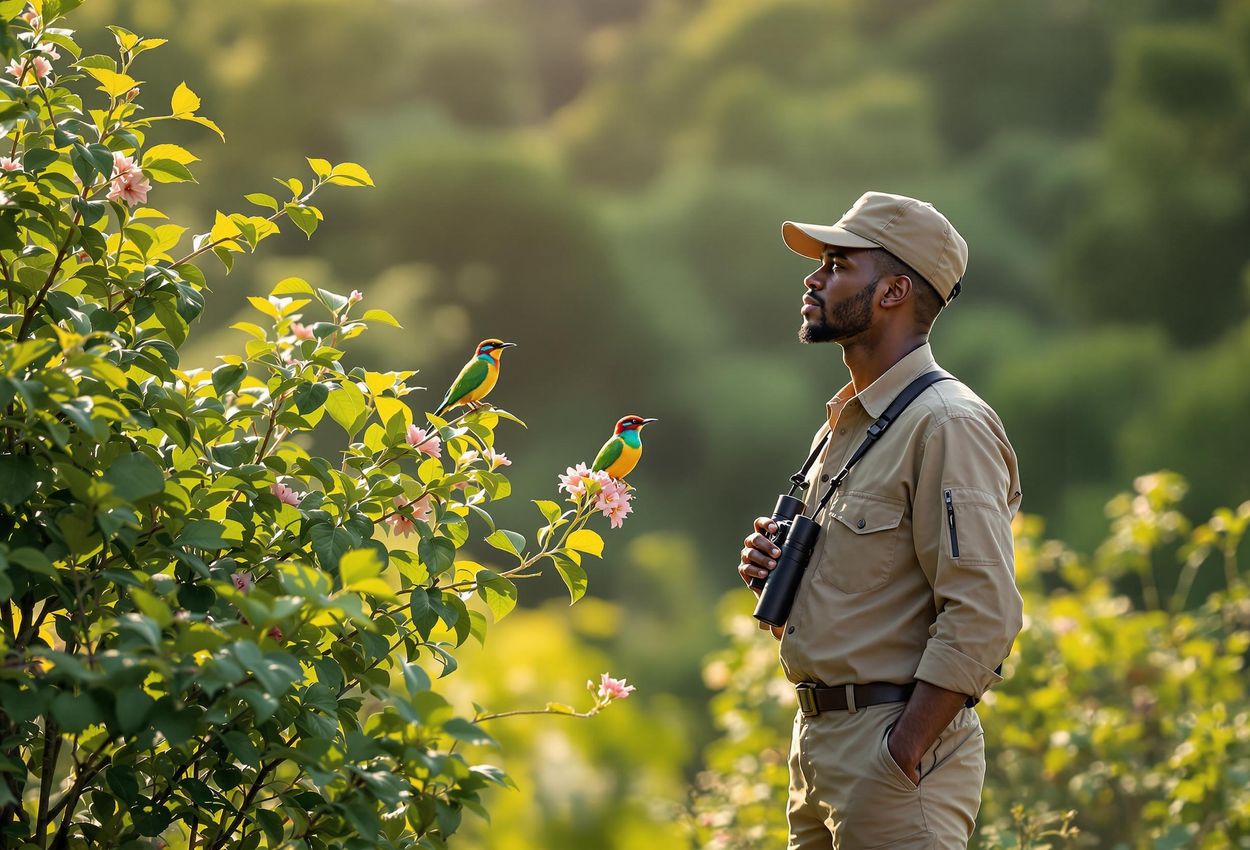
Aberdare National Park is not only a haven for wildlife but also a paradise for birdwatchers. With over 250 recorded species, the park offers a diverse and rewarding birding experience. From colorful sunbirds to majestic eagles, the Aberdares are home to a stunning array of avian life.
One of the main draws for birders is the opportunity to spot endemic species, birds found nowhere else on Earth. The Aberdare cisticola, for example, is a small, elusive bird that thrives in the park's moorlands. Other endemic or near-endemic species include Jackson's spurfowl and the scarlet-tufted malachite sunbird.
The best bird-watching spots in Aberdare National Park are varied and plentiful. The Rhino-Fig picnic area offers a blend of open grassland and forest, attracting a wide range of species. The Salient area, with its diverse habitats and panoramic views, is another excellent choice. The Kikuyu Escarpment Forest and the Kinangop Grasslands also provide unique birding opportunities.
The different birding regions within the Aberdares offer distinct experiences. The montane forests are home to species such as Hartlaub's turaco and silvery-cheeked hornbill. The moorlands are the domain of the Aberdare cisticola and other grassland specialists. The wetlands attract a variety of waterfowl, including African jacanas and various species of ducks.
Whether you're a seasoned birder or a casual observer, Aberdare National Park offers a rewarding and unforgettable birding experience. The park's diverse habitats, abundant birdlife, and stunning scenery make it a must-visit destination for anyone interested in the avian wonders of Kenya.
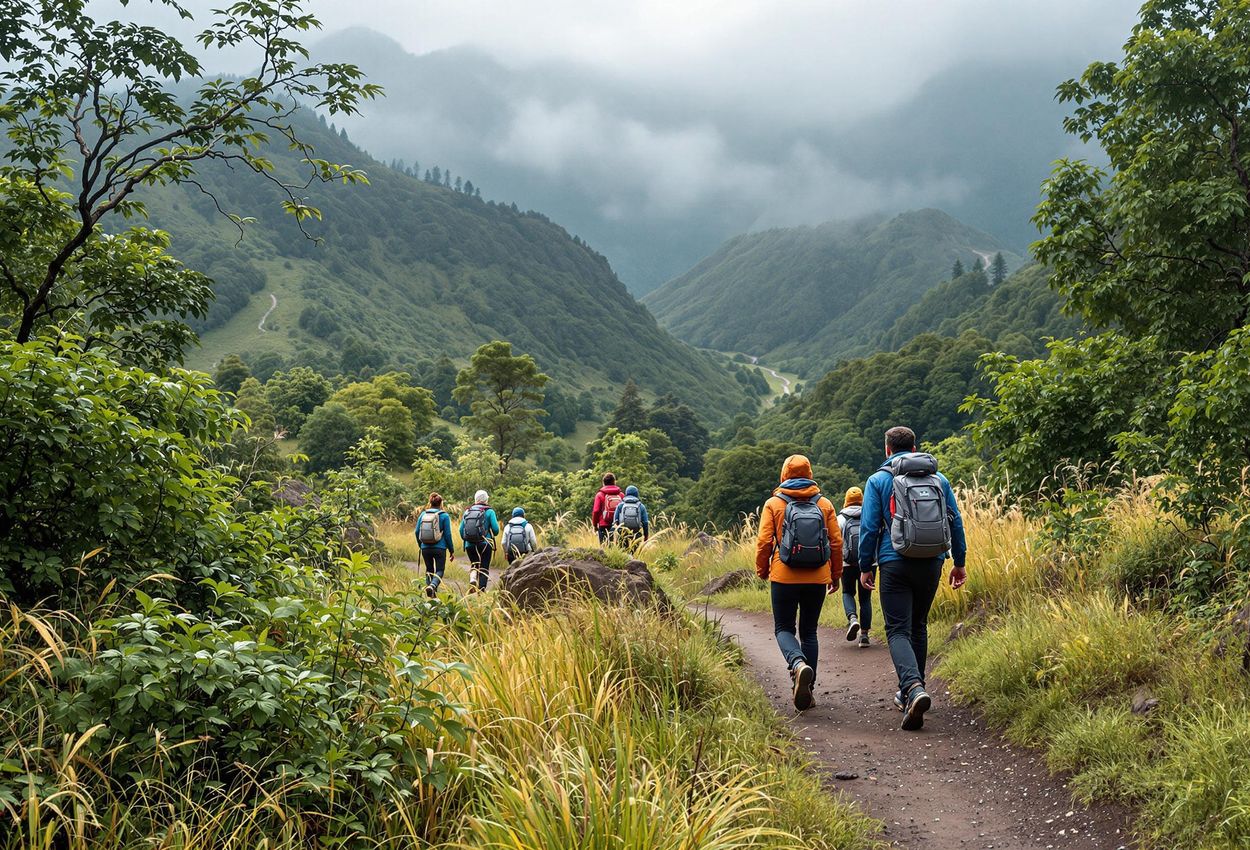
Aberdare National Park is a hiker's paradise, offering a diverse range of trails that wind through cloud forests, bamboo groves, and high-altitude moorlands. From challenging climbs to gentle nature walks, there's a trail for every level of adventurer.
One of the most challenging and rewarding hikes is the Elephant Hill trail. This strenuous climb takes you to the summit of Elephant Hill, offering panoramic views of the Aberdare range. The trail passes through a variety of vegetation zones, from planted forests to bamboo forests and alpine moorlands.
Other popular trails include those to Mount Satima and Mount Kinangop, the highest peaks in the Aberdares. These climbs are demanding but offer unparalleled views of the surrounding landscape. The trails wind through unique vegetation, including giant lobelias and other high-altitude plants.
The park's mountainous terrain and deep valleys create a dramatic and challenging hiking environment. The trails can be steep and rugged, requiring a good level of fitness and proper hiking gear. However, the rewards are well worth the effort, with stunning scenery and a sense of accomplishment that comes from conquering the Aberdares' peaks.
Whether you're seeking a challenging climb or a leisurely nature walk, Aberdare National Park offers a hiking experience that will immerse you in the beauty and diversity of the Kenyan wilderness. The park's cloud forests, moorlands, and stunning vistas await, promising an adventure that will challenge your body and inspire your soul.
Aberdare National Park is not only a place of natural beauty but also a site of historical significance. During the Mau Mau Uprising, a struggle for Kenyan independence in the 1950s, the park served as a hideout for freedom fighters. The dense forests and rugged terrain provided a safe haven for those fighting against British colonial rule.
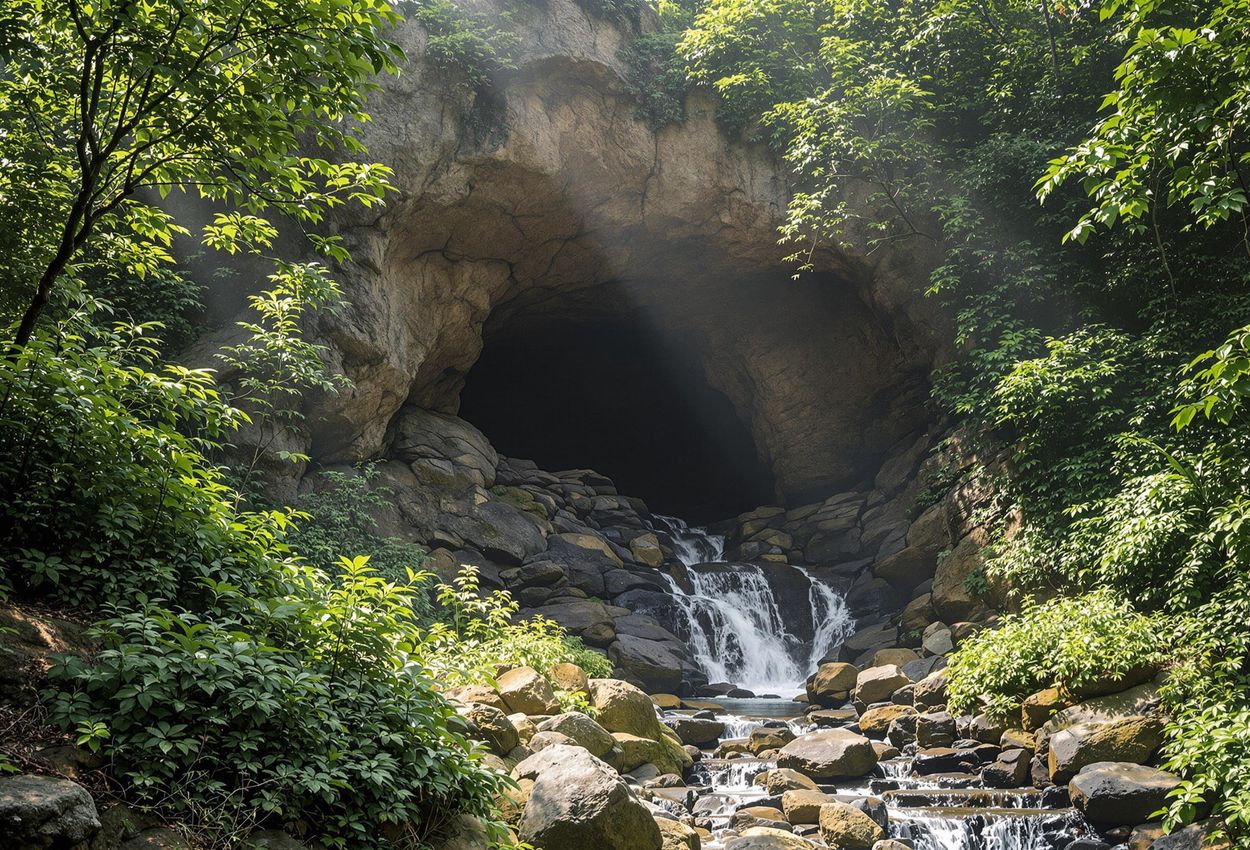
Caves within the park were used as hideouts and shelters by the Mau Mau fighters. These caves, hidden deep within the forest, offered protection from the elements and a place to plan their strategies. One notable site is the Kimathi Post Office, a fig tree used as an undisclosed post office by Dedan Kimathi, a prominent leader of the Mau Mau Uprising.
The Aberdares played a crucial role in the broader struggle for Kenyan independence. The park's history is intertwined with the stories of courage, resilience, and the fight for freedom. Visiting these historical sites is a powerful reminder of the sacrifices made by those who fought for a free and independent Kenya.
As you explore Aberdare National Park, take a moment to reflect on its historical significance. The caves, the forests, and the mountains themselves bear witness to the struggles of the past. By understanding this history, we can gain a deeper appreciation for the beauty and resilience of the Kenyan people and the importance of preserving this natural and cultural heritage.
Aberdare National Park, like many protected areas around the world, faces a range of conservation challenges. Poaching, habitat loss, and climate change all pose significant threats to the park's biodiversity. However, despite these challenges, there have also been significant conservation triumphs, thanks to the dedication of organizations like the Kenya Wildlife Service and Rhino Ark.
Poaching remains a persistent threat, with elephants and rhinos often targeted for their ivory and horns. Anti-poaching patrols and community engagement programs are crucial in combating this illegal activity. Habitat loss, driven by deforestation and agricultural expansion, also poses a major challenge. Efforts to protect and restore forest ecosystems are essential for maintaining the park's biodiversity.
Climate change is another growing concern, with the potential to alter the park's ecosystems and impact its wildlife. Sustainable tourism practices and community participation in conservation are vital for mitigating these impacts and ensuring the long-term health of the park.
Despite these challenges, there have been significant conservation successes in the Aberdares. The Rhino Ark fence, for example, has been instrumental in reducing human-wildlife conflict and protecting endangered species like the mountain bongo and black rhino. Community-based conservation programs have also empowered local communities to become stewards of the park's natural resources.
By supporting sustainable tourism and responsible conservation practices, visitors to Aberdare National Park can contribute to the ongoing efforts to protect this unique ecosystem. The challenges are real, but the triumphs are equally significant, offering hope for the future of the Aberdares and its remarkable wildlife.
Planning a trip to Aberdare National Park requires careful consideration of several factors, including the best time to visit, how to get there, and where to stay. By taking these factors into account, you can ensure a smooth and unforgettable safari adventure.
The best time to visit Aberdare National Park is during the dry season, which typically runs from May to September and December to February. During these months, the weather is generally drier and more predictable, making it easier to explore the park and spot wildlife.
Getting to Aberdare National Park is relatively straightforward. The park is accessible by road from Nairobi, with the journey taking approximately 2-3 hours. There are also two airstrips located near the park headquarters, offering the option of flying in. An Electronic Travel Authorisation (eTA) is needed to enter Kenya.
Accommodation options within Aberdare National Park range from luxury lodges to campsites. Treetops Hotel and The Ark are two iconic lodges that offer unique wildlife viewing experiences. There are also several campsites available for those who prefer a more rustic experience.
When planning your Aberdare adventure, consider including activities such as game drives, guided nature walks, and birdwatching. Game drives offer the chance to spot elephants, buffaloes, and other iconic African wildlife. Guided nature walks provide a closer look at the park's flora and fauna, while birdwatching excursions can reveal the Aberdares' stunning avian diversity.
With careful planning and attention to detail, your trip to Aberdare National Park is sure to be an unforgettable experience. The misty mountains, rare wildlife, and rich history of the Aberdares await, promising an adventure that will stay with you long after you've left.

Our editors` picks of the latest and greatest in travel - delivered to your inbox daily
Relax on the beaches and explore the reefs of Xai-Xai.
View More
Embrace the cooler temperatures and experience the International Festival of the Sahara in Douz this December.
View More
Celebrate the year-end festivities in Accra, culminating in the vibrant Afrofuture festival.
View More Albania EDITION
 Algeria EDITION
 Argentina EDITION
 Armenia EDITION
 Australia EDITION
 Austria EDITION
 Bangladesh EDITION
 Belgium EDITION
 Belize EDITION
 Benin EDITION
 Bhutan EDITION
 Bolivia EDITION
 Bosnia and Herzegovina EDITION
 Botswana EDITION
 Brazil EDITION
 Bulgaria EDITION
 Burkina Faso EDITION
 Cambodia EDITION
 Cameroon EDITION
 Canada EDITION
 Central African Republic EDITION
 Chad EDITION
 Chile EDITION
 China EDITION
 Colombia EDITION
 Costa Rica EDITION
 Croatia EDITION
 Cyprus EDITION
 Denmark EDITION
 Djibouti EDITION
 Ecuador EDITION
 Egypt EDITION
 El Salvador EDITION
 Eritrea EDITION
 Estonia EDITION
 Ethiopia EDITION
 Finland EDITION
 France EDITION
 Gabon EDITION
 Georgia EDITION
 Germany EDITION
 Ghana EDITION
 Greece EDITION
 Guatemala EDITION
 Guinea EDITION
 Guinea-Bissau EDITION
 Honduras EDITION
 Hungary EDITION
 Iceland EDITION
 India EDITION
 Indonesia EDITION
 Ireland EDITION
 Israel EDITION
 Italy EDITION
 Jamaica EDITION
 Japan EDITION
 Jordan EDITION
 Kenya EDITION
 Kuwait EDITION
 Laos EDITION
 Latvia EDITION
 Lebanon EDITION
 Lesotho EDITION
 Liberia EDITION
 Lithuania EDITION
 Luxembourg EDITION
 Madagascar EDITION
 Malawi EDITION
 Malaysia EDITION
 Maldives EDITION
 Mali EDITION
 Malta EDITION
 Mauritania EDITION
 Mauritius EDITION
 Mexico EDITION
 Mongolia EDITION
 Montenegro EDITION
 Morocco EDITION
 Mozambique EDITION
 Namibia EDITION
 Nepal EDITION
 Netherlands EDITION
 New Zealand EDITION
 Nicaragua EDITION
 Niger EDITION
 Nigeria EDITION
 Norway EDITION
 Oman EDITION
 Pakistan EDITION
 Panama EDITION
 Papua New Guinea EDITION
 Paraguay EDITION
 Peru EDITION
 Philippines EDITION
 Poland EDITION
 Portugal EDITION
 Qatar EDITION
 Romania EDITION
 Rwanda EDITION
 Saudi Arabia EDITION
 Senegal EDITION
 Serbia EDITION
 Singapore EDITION
 Slovakia EDITION
 Slovenia EDITION
 Somalia EDITION
 South Africa EDITION
 South Korea EDITION
 Spain EDITION
 Sri Lanka EDITION
 Suriname EDITION
 Sweden EDITION
 Switzerland EDITION
 Tanzania EDITION
 Thailand EDITION
 Tunisia EDITION
 Uganda EDITION
 United Arab Emirates EDITION
 United Kingdom EDITION
 Uruguay EDITION
 Venezuela EDITION
 Vietnam EDITION
 Zambia EDITION
 Zimbabwe EDITION
Subscribe to our newsletter and get the most captivating travel stories, hidden gems, and expert insights delivered straight to your inbox. As a subscriber, you’ll be first in line for exclusive content, premium offers, and unforgettable travel experiences