



Destination Guide
Xai-Xai: A Coastal Retreat
Relax on the beaches and explore the reefs of Xai-Xai.
View More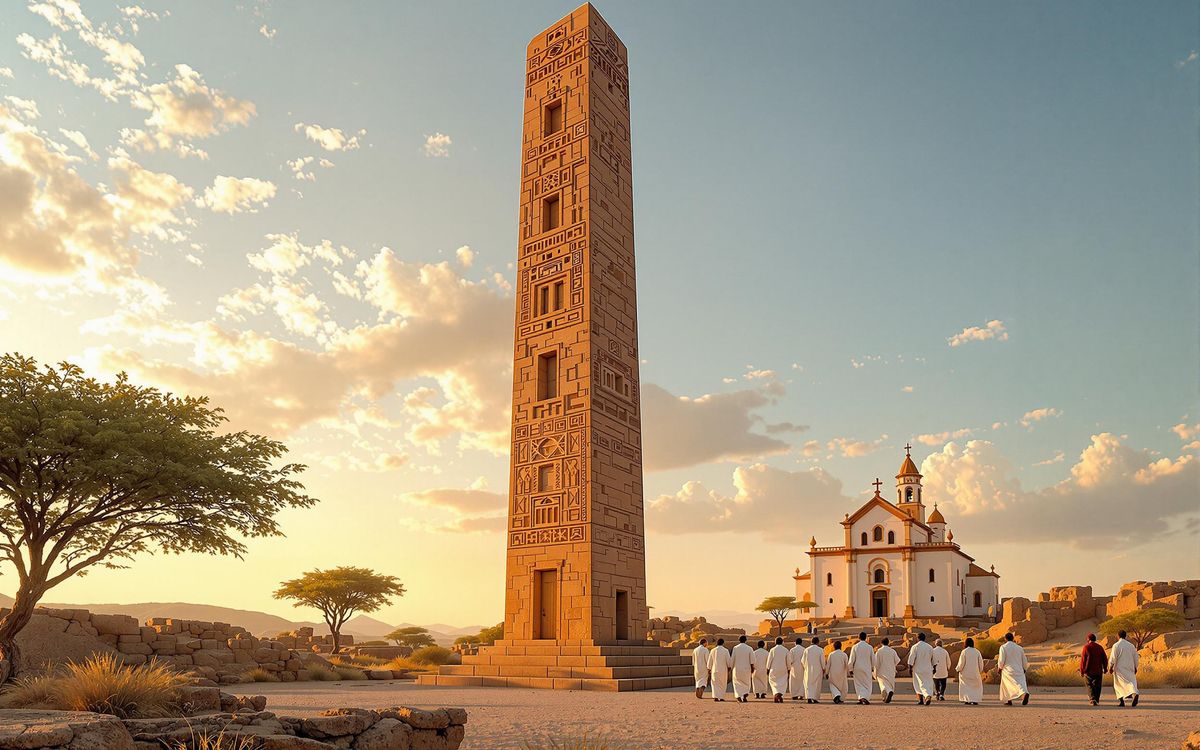

Aksum, a city steeped in history and legend, invites you to step back in time and explore the wonders of a civilization that once thrived at the crossroads of Africa, Arabia, and India.
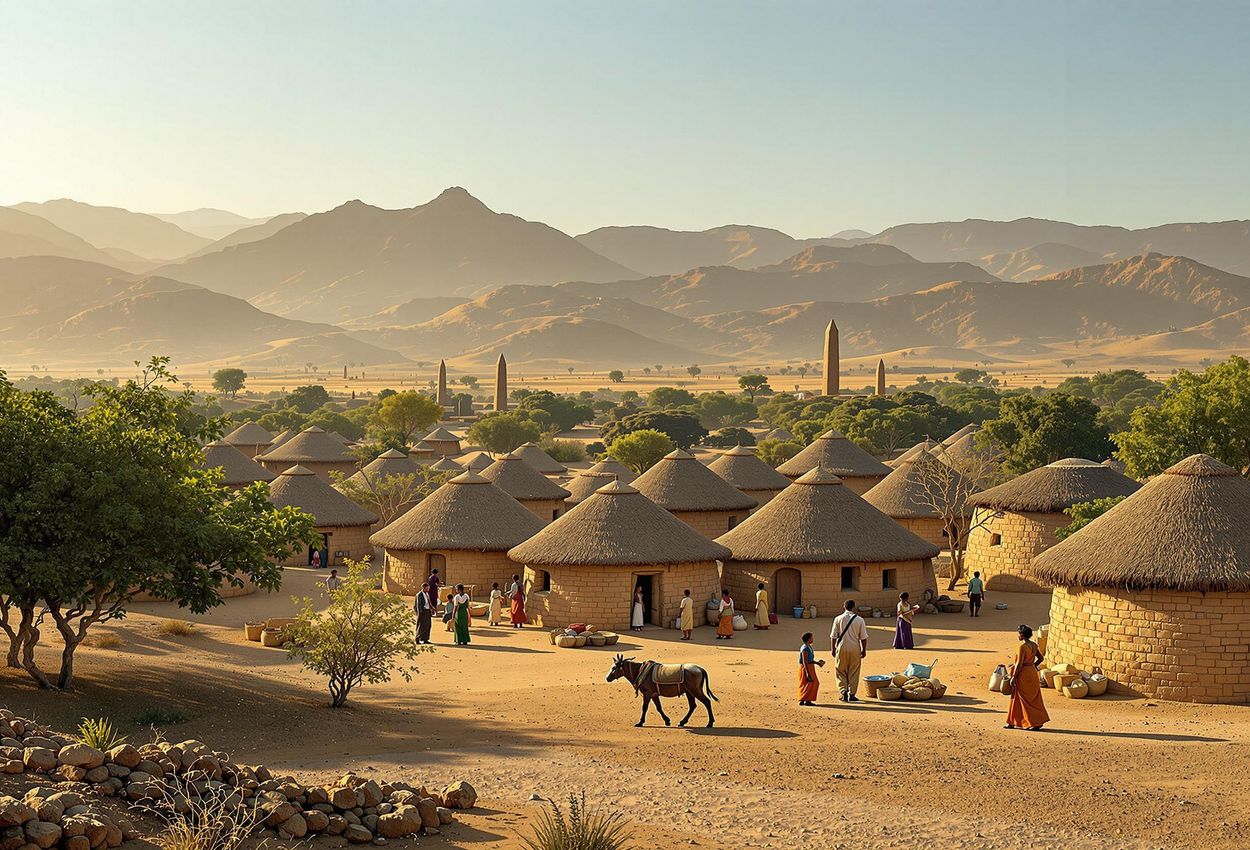
As you arrive in this ancient city nestled in the highlands of northern Ethiopia, a sense of awe washes over you. The air is thick with the echoes of emperors, queens, and ancient traders who once walked these very streets. Aksum served as the heart of the Aksumite Empire, a powerful kingdom that flourished from the 1st to the 7th centuries AD. Its strategic location made it a vital hub for commerce, connecting the interior of Africa with the maritime routes of the Red Sea and beyond.
Today, Aksum stands as a UNESCO World Heritage site, a testament to its rich cultural and historical significance. The city's landscape is dotted with remarkable monuments, towering obelisks, and the ruins of ancient palaces, each whispering tales of a glorious past. Prepare to be captivated by the stories etched in stone and the vibrant traditions that continue to thrive in this remarkable corner of the world.
Imagine yourself transported to a time when Aksum was a bustling metropolis, its markets overflowing with goods from distant lands. Picture the grand processions of kings and queens, their robes adorned with gold and jewels, as they made their way to the city's magnificent churches and temples. Feel the pulse of a civilization that embraced innovation, leaving behind a legacy that continues to inspire and intrigue.
As you wander through the ruins and stand in the shadows of the towering obelisks, you'll begin to understand why Aksum is considered a cradle of Ethiopian civilization. It is a place where history comes alive, where the past and present intertwine, and where the mysteries of an ancient kingdom await your discovery.
With its unique blend of history, culture, and natural beauty, Aksum promises an unforgettable journey for those who seek to unravel the enigmas of the past. Come and explore the wonders of this ancient city, and let its stories transport you to a time of emperors, queens, and the rise of a remarkable civilization.
The Aksumite obelisks, also called stelae or hawilti, dominate Aksum's skyline, standing as silent witnesses to the city's rich history and the ingenuity of its ancient builders.
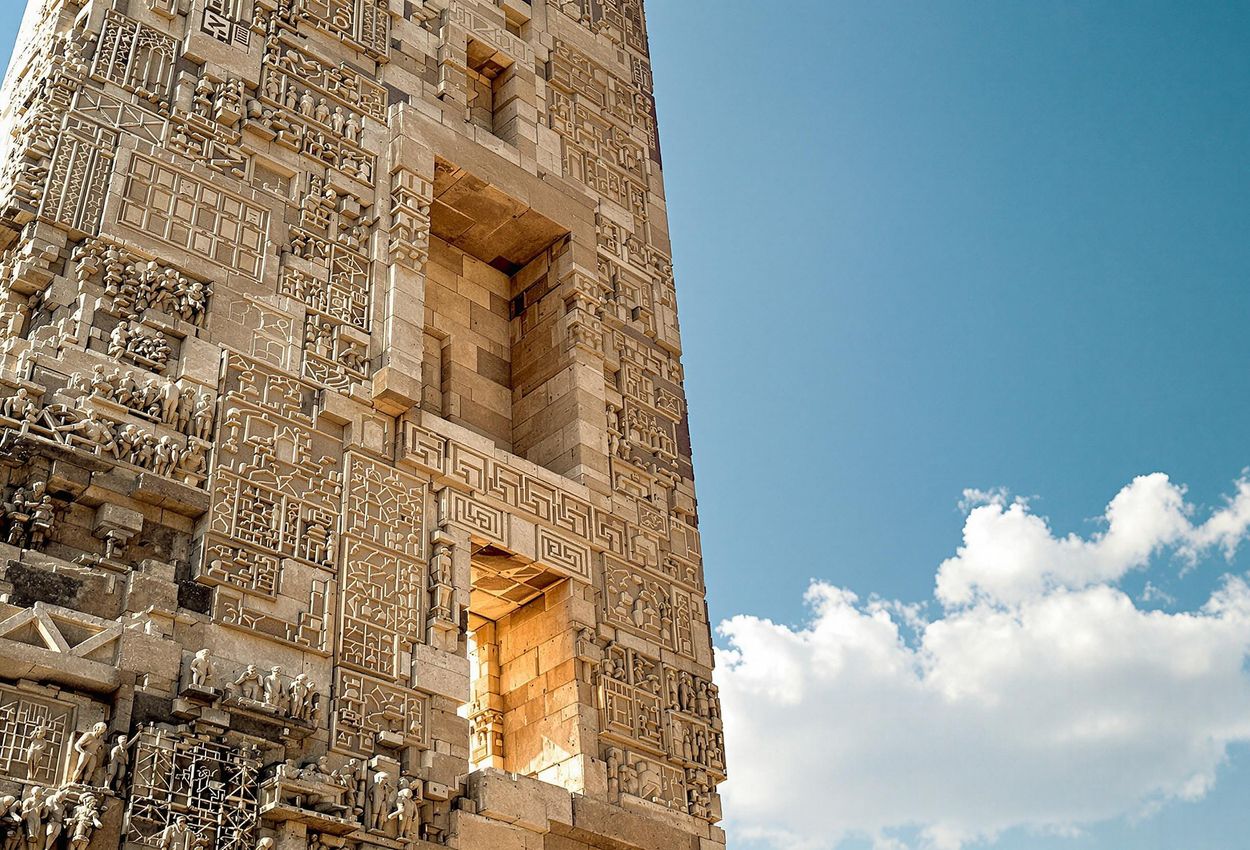
These towering monuments, constructed from single blocks of stone, served as funerary markers for royalty and the elite. The largest of these obelisks, though now fallen, once stood at an impressive 33 meters, making it the tallest structure of its kind in the ancient world. Even the standing obelisks, reaching heights of over 20 meters, command attention with their intricate carvings and symbolic designs.
As you approach these giants of stone, take time to appreciate the remarkable craftsmanship that went into their creation. The obelisks are adorned with false doors and window designs, meticulously carved to resemble multi-story buildings. These intricate details offer a glimpse into the architectural styles and beliefs of the Aksumite civilization.
Among the many obelisks in Aksum, the Obelisk of Aksum stands out for its historical significance. This 24-meter-tall stele, weighing 160 tonnes, was taken to Rome in the 1930s during the Italian occupation of Ethiopia. After years of negotiations, it was finally returned to Aksum in 2005 and re-erected in 2008, marking a momentous occasion for the Ethiopian people.
The journey of the Obelisk of Aksum is a story of cultural heritage, repatriation, and the enduring spirit of a nation. Its return symbolizes the reclaiming of Ethiopia's past and the preservation of its cultural identity.
Hidden Gem: For a glimpse into the source of these magnificent obelisks, venture to Wuchate Golo, one of Aksum's ancient quarries. Here, you can witness the raw materials from which the obelisks were carved and gain a deeper understanding of the engineering feats involved in their construction.
As you stand in awe of these towering monuments, consider the legacy of the Aksumite civilization and their mastery of stone. The obelisks of Aksum are not merely relics of the past; they are enduring symbols of a proud and resilient people.
The Church of Our Lady Mary of Zion, a revered sanctuary in Aksum, stands as a beacon of faith for Ethiopian Orthodox Christians and a testament to the country's deep-rooted religious traditions.
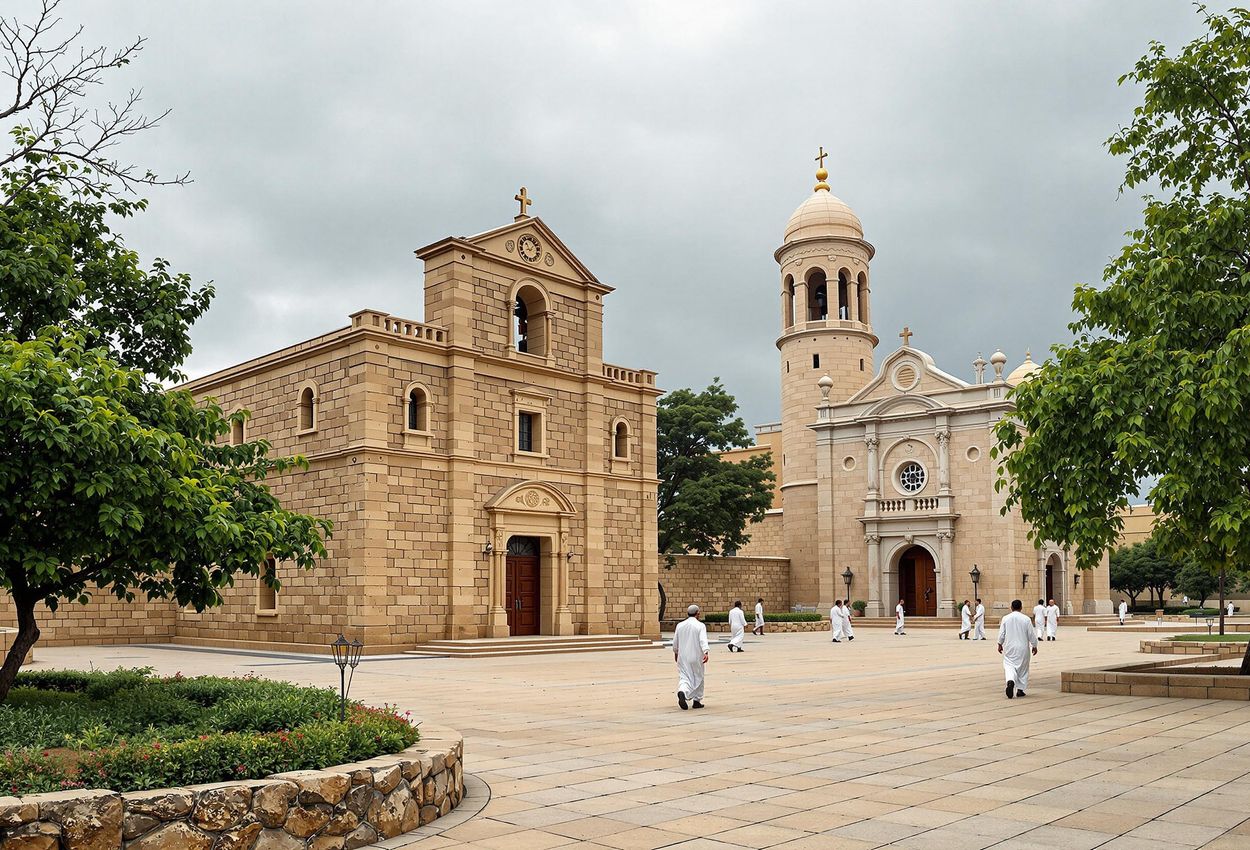
This sacred site is not just one church but a complex of religious buildings, each holding its own significance. The original church, believed to have been built in the 4th century AD during the reign of Emperor Ezana, is considered the first Christian church in Ethiopia. Over the centuries, it has been destroyed and rebuilt several times, most recently by Emperor Haile Selassie in the 20th century.
As you approach the church grounds, you'll notice the old church, a modest structure that exudes a sense of history and reverence. Next to it stands the new cathedral, a grand edifice built by Emperor Haile Selassie, showcasing modern Ethiopian architecture. However, the most intriguing structure within the complex is the Chapel of the Tablet.
This small, unassuming chapel is believed to house the Ark of the Covenant, the sacred chest that contains the two stone tablets of the Ten Commandments. According to Ethiopian Orthodox tradition, the Ark was brought to Ethiopia by Menelik I, the son of King Solomon and the Queen of Sheba. Today, the Ark is said to be guarded by a single, specially appointed monk, who is the only person allowed to enter the chapel.
The Church of Our Lady Mary of Zion is a significant pilgrimage site for Ethiopian Orthodox Christians, especially during the Festival of Zion Mariam on November 30th. During this annual celebration, thousands of pilgrims gather in Aksum to participate in religious ceremonies and pay homage to the Virgin Mary.
Culturally Specific Detail: Ethiopian Emperors were traditionally crowned at the Church of Our Lady Mary of Zion, solidifying its role as a symbol of religious and political power. To be referred to as “Atse” (Emperor), Emperors had to be crowned in Aksum or have their coronation ratified by a special service at St. Mary of Zion.
As you explore the Church of Our Lady Mary of Zion, take a moment to reflect on the enduring power of faith and the rich traditions that have shaped Ethiopian culture for centuries. Whether you are a religious pilgrim or a curious traveler, this sacred site offers a glimpse into the heart of Ethiopian Orthodox Christianity.
Venture beyond the towering obelisks and sacred churches to discover the Tombs of Kings Kaleb and Gebre Meskel, where echoes of ancient emperors resonate through the stones.

Located 1.8 kilometers northeast of the Northern Stelae Field, these tombs offer a glimpse into the architectural sophistication and burial practices of the Aksumite royalty. King Kaleb, also known as Saint Elesbaan, ruled in the 6th century AD, a period of great prosperity and expansion for the Aksumite Empire. His son, King Gebre Meskel, succeeded him, continuing his legacy of strong leadership and cultural patronage.
As you approach the tombs, you'll notice their intricate carvings and the use of self-locking stones, a testament to the Aksumite's advanced engineering skills. The tombs' architecture resembles the Tomb of the False Door but shows more sophistication, using irregular-shaped, self-locking stones that don't require iron clamps. The Gebre Meskel tomb is the most refined. The precision of the joints between its stones is at a level unseen anywhere else in Aksum.
The tomb of Gebre Meskel consists of one chamber and five rooms, with one boasting an exceptionally finely carved portal leading into it. Inside that room are three sarcophagi, one adorned with a cross similar to Christian crosses found on Aksumite coins. This points towards an age around the 6th century AD.
Inside King Kaleb's tomb, you'll notice the stones are larger, more angular, and less precisely joined. Local rumour has it that there's a secret tunnel leading from here to the Red Sea.
Unique Insider Tip: The precision of the joints between the stones in Gebre Meskel's tomb is unparalleled in Aksum. The 19th-century British traveler Theodore Bent exclaimed magnanimously that the tombs were 'built with a regularity which if found in Greece would at once make one assign them to a good period'!.
To get to the Tombs of Kings Kaleb & Gebre Meskel from St. Mary of Zion Church, head north on the main road (Mekelle Road). After approximately 500 meters, you will reach a junction. Take a left turn onto a smaller road. Continue straight for another 1 kilometer, passing by local shops and residences. You will see signs pointing towards the Tombs of Kings Kaleb & Gebre Meskel. As you approach, the tombs will be visible on your right.
As you wander through these ancient tombs, imagine the lives of the emperors who once rested here. Consider their triumphs and challenges, their contributions to the Aksumite Empire, and their enduring legacy in Ethiopian history. The Tombs of Kings Kaleb and Gebre Meskel offer a unique opportunity to connect with the past and to appreciate the rich cultural heritage of Aksum.
Aksum's connection to the Queen of Sheba adds a layer of mystique and legend to this already captivating city, weaving together biblical tales and Ethiopian traditions.
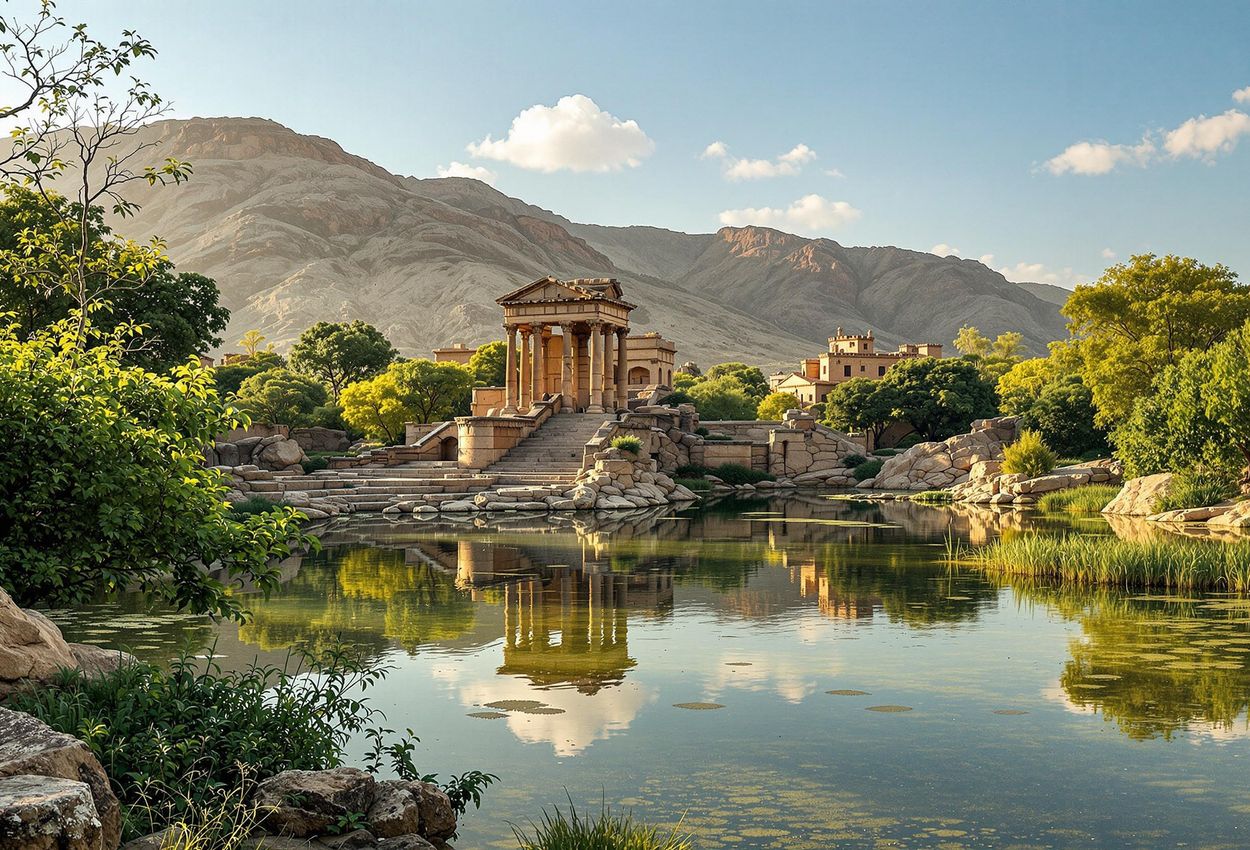
According to Ethiopian tradition, Aksum was the home of the Queen of Sheba, although she lived many centuries before the founding of the Kingdom of Aksum. The Aksumite kings traced their ancestry to her and King Solomon of Israel. The complex covered about 3,250 square meters and included several courtyards and about fifty rooms. The Palace of the Queen of Sheba was probably constructed between the fourth and sixth century AD.
As you explore Aksum, you'll encounter several sites associated with the Queen of Sheba, each offering a glimpse into the legends and stories surrounding her. One such site is the ruins of Dungur, traditionally known as the Queen of Sheba's Palace. Although the exact origins of this structure remain a mystery, its imposing size and strategic location suggest that it was once a significant royal residence.
Another site linked to the Queen of Sheba is Mai Shum, believed to be her bath. This ancient reservoir, carved out of rock, is said to have been used by the Queen for bathing and purification rituals.
The story of the Queen of Sheba is intertwined with the Solomonic dynasty, which ruled Ethiopia for centuries. According to tradition, Menelik I, the son of the Queen of Sheba and King Solomon, brought the Ark of the Covenant to Ethiopia, where it remains to this day. This belief has solidified Ethiopia's connection to the Judeo-Christian tradition and has made Aksum a major center of pilgrimage.
The Queen of Sheba's legacy extends beyond the historical sites and religious traditions of Aksum. Her story has inspired countless works of art, literature, and music, and she remains a symbol of wisdom, beauty, and power.
As you delve into the legends of the Queen of Sheba, you'll discover a captivating narrative that has shaped Ethiopian identity and culture for generations. Her presence in Aksum adds an air of enchantment to this ancient city, making it a destination that is both historically significant and deeply evocative.
The Irrecha festival, a vibrant celebration of life and renewal, offers a glimpse into the rich cultural heritage of the Oromo people and their deep connection to nature.

Irrecha is a thanksgiving holiday celebrating the end of the winter in Oromia Region, Ethiopia. The Oromo people celebrate Irrecha to thank Waaqa (God) for the blessings and mercies they have received throughout the previous year. The Irreecha festival is celebrated every year at the beginning of Birraa (Spring), new season after the dark and rainy winter season. It is attended by hundreds of thousands people. The thanksgiving is celebrated at sacred lakes across Oromia Region like the Hora Finfinne and Hora Harsadi, Bishoftu, Oromia Region as a whole.
Once at the lake, festival-goers immerse freshly cut green grass and the flowers they are carrying and sprinkle themselves and place in water. Irrecha festivals bring people closer to each other and make social bonds. Moreover, the Oromo people celebrate this auspicious event to mark the end of the rainy season, known as Ganna, which was established by Oromo forefathers, in the time of Gadaa Melbaa in Mormor, Oromia.
The auspicious day on which this last Mormor Day of Gadaa Melbaa - the Dark Time of starvation and hunger- was established on the Sunday of last week of September or the Sunday of the 1st week of October according to the Gadaa lunar calendar has been designated as National Thanksgiving Day by modern-day Oromo people.
At the end of the Irreecha Malkaa celebration, all participants sing together “Irreechoo yaa Irreecha Malkaa Roobaa fi Nagaa……” to mean Thanksgiving at the river for rain and peace. All singing this go back to their villages. Men, women and even children are attired in their traditional white cultural dresses which depicts that Irrecha is a celebration of peace. Led by the Aba Gedas and the Aba Melakas Oromos carry bunches of fresh green grass and majestically march to the riverside or lake accompanied with traditional songs, dances and ululations which clearly depicts thanksgivings to Waaqa (God).
As you witness the immersion of freshly cut green grass and flowers into the water, you'll gain a deeper appreciation for the Oromo people's reverence for nature and their belief in the interconnectedness of all things. The Irrecha festival is not just a celebration; it is a reminder of the importance of gratitude, community, and the enduring power of hope.
Our editors` picks of the latest and greatest in travel - delivered to your inbox daily
Relax on the beaches and explore the reefs of Xai-Xai.
View More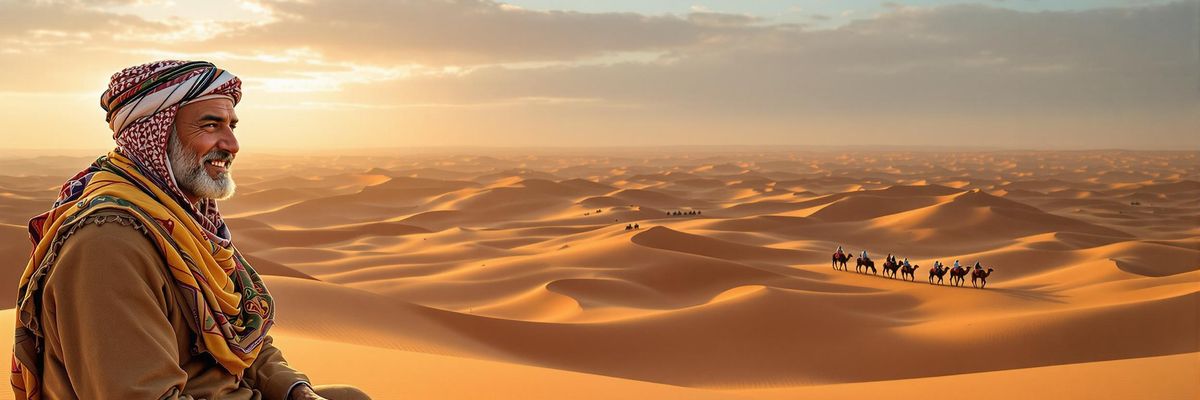
Embrace the cooler temperatures and experience the International Festival of the Sahara in Douz this December.
View More
Celebrate the year-end festivities in Accra, culminating in the vibrant Afrofuture festival.
View More Albania EDITION
 Algeria EDITION
 Argentina EDITION
 Armenia EDITION
 Australia EDITION
 Austria EDITION
 Bangladesh EDITION
 Belgium EDITION
 Belize EDITION
 Benin EDITION
 Bhutan EDITION
 Bolivia EDITION
 Bosnia and Herzegovina EDITION
 Botswana EDITION
 Brazil EDITION
 Bulgaria EDITION
 Burkina Faso EDITION
 Cambodia EDITION
 Cameroon EDITION
 Canada EDITION
 Central African Republic EDITION
 Chad EDITION
 Chile EDITION
 China EDITION
 Colombia EDITION
 Costa Rica EDITION
 Croatia EDITION
 Cyprus EDITION
 Denmark EDITION
 Djibouti EDITION
 Ecuador EDITION
 Egypt EDITION
 El Salvador EDITION
 Eritrea EDITION
 Estonia EDITION
 Ethiopia EDITION
 Finland EDITION
 France EDITION
 Gabon EDITION
 Georgia EDITION
 Germany EDITION
 Ghana EDITION
 Greece EDITION
 Guatemala EDITION
 Guinea EDITION
 Guinea-Bissau EDITION
 Honduras EDITION
 Hungary EDITION
 Iceland EDITION
 India EDITION
 Indonesia EDITION
 Ireland EDITION
 Israel EDITION
 Italy EDITION
 Jamaica EDITION
 Japan EDITION
 Jordan EDITION
 Kenya EDITION
 Kuwait EDITION
 Laos EDITION
 Latvia EDITION
 Lebanon EDITION
 Lesotho EDITION
 Liberia EDITION
 Lithuania EDITION
 Luxembourg EDITION
 Madagascar EDITION
 Malawi EDITION
 Malaysia EDITION
 Maldives EDITION
 Mali EDITION
 Malta EDITION
 Mauritania EDITION
 Mauritius EDITION
 Mexico EDITION
 Mongolia EDITION
 Montenegro EDITION
 Morocco EDITION
 Mozambique EDITION
 Namibia EDITION
 Nepal EDITION
 Netherlands EDITION
 New Zealand EDITION
 Nicaragua EDITION
 Niger EDITION
 Nigeria EDITION
 Norway EDITION
 Oman EDITION
 Pakistan EDITION
 Panama EDITION
 Papua New Guinea EDITION
 Paraguay EDITION
 Peru EDITION
 Philippines EDITION
 Poland EDITION
 Portugal EDITION
 Qatar EDITION
 Romania EDITION
 Rwanda EDITION
 Saudi Arabia EDITION
 Senegal EDITION
 Serbia EDITION
 Singapore EDITION
 Slovakia EDITION
 Slovenia EDITION
 Somalia EDITION
 South Africa EDITION
 South Korea EDITION
 Spain EDITION
 Sri Lanka EDITION
 Suriname EDITION
 Sweden EDITION
 Switzerland EDITION
 Tanzania EDITION
 Thailand EDITION
 Tunisia EDITION
 Uganda EDITION
 United Arab Emirates EDITION
 United Kingdom EDITION
 Uruguay EDITION
 Venezuela EDITION
 Vietnam EDITION
 Zambia EDITION
 Zimbabwe EDITION
Subscribe to our newsletter and get the most captivating travel stories, hidden gems, and expert insights delivered straight to your inbox. As a subscriber, you’ll be first in line for exclusive content, premium offers, and unforgettable travel experiences