


Destination Guide
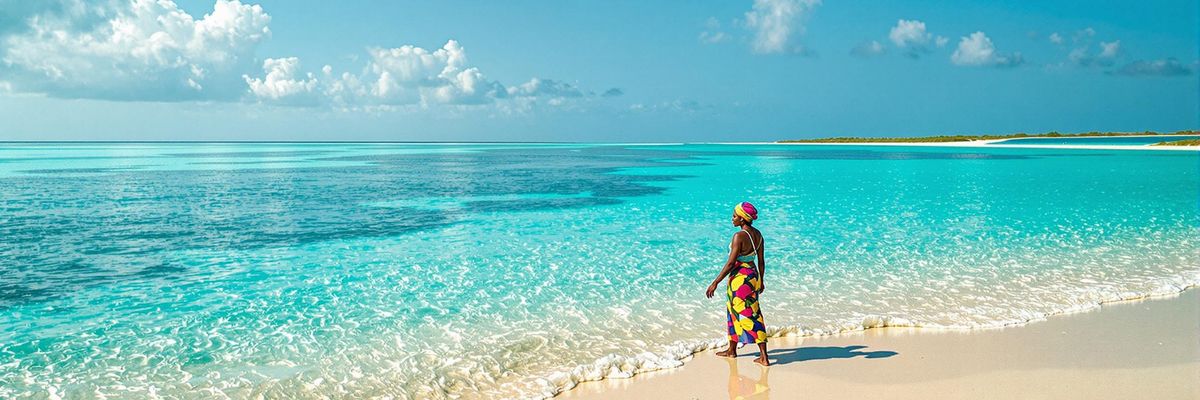
Xai-Xai: A Coastal Retreat
Relax on the beaches and explore the reefs of Xai-Xai.
View More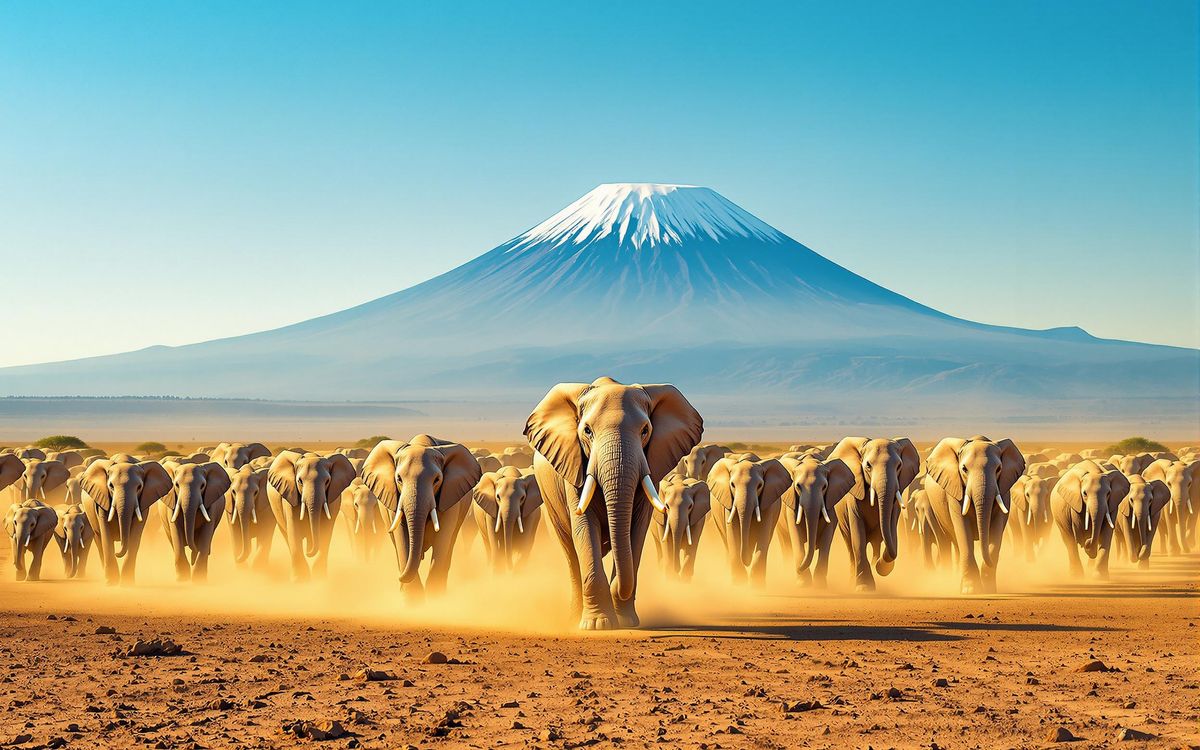

In the heart of Kenya, Amboseli National Park offers a symphony of natural wonders, where the earth trembles with the footsteps of giants and the sky is pierced by the snow-capped majesty of Kilimanjaro.
Here, the iconic image of African elephants against the backdrop of the continent's highest peak comes to life, creating an unforgettable tableau that resonates with every traveler. But Amboseli is more than just a visual spectacle; it's a story of resilience, a testament to the delicate balance between wildlife conservation and community empowerment. Join us as we delve into the depths of this extraordinary park, uncovering its secrets and celebrating its triumphs.
Amboseli National Park, often called the “Home of the African Elephant” , is renowned for its thriving elephant population, showcasing some of Africa's largest herds. What sets these elephants apart are their magnificent tusks, a genetic trait that has been carefully preserved through decades of dedicated conservation efforts. The park's success in protecting these gentle giants is a beacon of hope for the species, particularly as poaching has made a comeback across much of the continent.
At the heart of this conservation success story is the Amboseli Elephant Research Project (AERP), the world's longest continuous study of wild elephants. Established in 1972, AERP has meticulously tracked over 3,900 individual elephants across multiple generations. This groundbreaking research, now operated by the Amboseli Trust for Elephants (ATE), has provided invaluable insights into elephant behavior, family structure, and population dynamics, informing conservation practices across Africa and redefining our understanding of elephant intelligence and emotion.
Among Amboseli's famed residents, individuals like “Craig the super tusker” embody the park's commitment to preserving these iconic animals. These elephants, often descendants of well-known matriarchs like Echo, Enid, or Emily, roam the open plains and swamp areas, offering visitors unparalleled opportunities for close encounters. The park's diverse habitats, ranging from the dried-up lake bed to lush wetlands, provide the perfect setting for observing these majestic creatures in their natural environment.
The open terrain of Amboseli is ideal for visibility, allowing for wide-angle shots that capture the elephants in their natural habitat. The accessibility of locations within the park makes it easy to embark on game drives and witness these incredible animals up close. The elephants, accustomed to the presence of humans due to decades of minimal poaching, exhibit a level of trust that allows for unique photographic opportunities.
Local Tip: Engage a local guide for an intimate knowledge of the park. They can help locate specific elephants and provide insights into their behavior.
No visit to Amboseli is complete without witnessing the awe-inspiring sight of Mount Kilimanjaro, Africa's highest peak, rising majestically in the background. The park's relatively flat terrain, with its open savannahs and acacia trees, provides unobstructed views of the mountain, creating a dramatic and unforgettable backdrop.
Among the prime locations for viewing Kilimanjaro, Observation Hill stands out as a favorite. This small volcanic plug offers a panoramic vista of the park, including clear views of Kilimanjaro rising in the distance. From this elevated vantage point, visitors can witness the interplay of light and shadow on the mountain at different times of day, capturing the essence of its beauty.
The best time to photograph Kilimanjaro is during the early mornings or late afternoons when the mountain is often bathed in golden light. At sunrise, the soft rays illuminate the snow-capped peak, creating a breathtaking spectacle. As the sun sets, the mountain is silhouetted against the vibrant colors of the sky, offering a dramatic and unforgettable scene.
Other notable viewpoints include the Ol Tukai Lodge area and the Sinet Causeway. The Ol Tukai Lodge area provides iconic frames of elephants beneath the mountain, while the Sinet Causeway offers stunning mist and mountain drama in the early mornings. Areas near the waterholes and marshlands also provide excellent opportunities to capture the reflection of Kilimanjaro in the water, creating a magical and surreal effect.
Hidden Gem: For a less crowded experience, venture to the Tawi Conservancy in the east, where you can enjoy wide-angle vistas of Kilimanjaro without the hustle and bustle of the main viewpoints.
Local Tip: The clearest views of Kilimanjaro are typically during the dry season, from June to October, when the skies are clear and the air is free of dust and haze.
Amboseli National Park is not only a haven for wildlife but also a home to the Maasai community, who have coexisted with the animals for centuries. The relationship between the Maasai and the park is a complex one, marked by both challenges and opportunities. In recent years, community-based tourism initiatives have emerged as a way to benefit both the Maasai people and wildlife conservation.
A typical Maasai village visit offers a glimpse into their traditional way of life, with opportunities to witness traditional songs, dances, and learn about their customs. The Maasai are known for their vibrant clothing, elaborate beadwork, and unique cultural practices, all of which reflect their deep connection to the land and their livestock.
The cost of a village visit typically ranges from $50 to $80 per person, with the money directly supporting the community. This contribution helps fund education, healthcare, and other essential services, empowering the Maasai to maintain their cultural heritage while improving their livelihoods.
However, balancing conservation with the needs of the local population remains a significant challenge. As human populations grow and land use patterns change, conflicts between humans and wildlife can arise. It is crucial to address these challenges through collaborative efforts that prioritize both the well-being of the Maasai and the long-term sustainability of the Amboseli ecosystem.
Ethical Consideration: When visiting a Maasai village, dress modestly and be respectful of their customs. Accept the opportunity to wear Maasai clothing and accessories, honoring their cultural heritage with dignity and sincerity.
To make the most of your safari in Amboseli National Park, it's essential to know the best routes and rhythms of the wild. The park's diverse habitats, including the dried-up lake bed, wetlands, and acacia woodlands, offer a variety of wildlife viewing opportunities.
For optimal game viewing, consider embarking on game drives during the early morning and late afternoon hours. During these times, animals are most active, and the lighting is ideal for photography. The golden hours of dawn and dusk cast a warm glow over the landscape, highlighting every detail of your subject and creating stunning silhouettes against the horizon.
The Enkongo Narok Swamp, located in the middle of Amboseli National Park, is a prime spot for wildlife viewing, particularly for hippos, elephants, and various bird species. The swamp is also the best place in the park to capture the iconic photos of Amboseli with animals in the foreground and Mount Kilimanjaro in the background.
For a unique perspective, consider a walking safari or a balloon safari. Walking safaris offer the opportunity to explore the park on foot, immersing yourself in the sights, sounds, and smells of the African bush. Balloon safaris provide a bird's-eye view of the landscape, allowing you to spot wildlife in hidden places where cars cannot reach, especially during the wet season when the wetlands overflow.
Local Tip: All roads in Amboseli have a loose surface of volcanic soil, which can be dusty in the dry season and impassable during wet seasons. A 4x4 vehicle is recommended for navigating the park's terrain.
Amboseli National Park is a photographer's dream, offering unparalleled opportunities to capture stunning images of elephants and Kilimanjaro. To make the most of your photographic adventure, consider the following tips:
Gear: A telephoto lens (200mm or more) is essential for capturing close-ups of elephants without disrupting their activities. A wide-angle lens (16-35mm or 24-70mm) is ideal for capturing vast landscapes and environmental shots. A sturdy tripod or monopod is recommended for stability and low-light situations.
Lighting: The early morning and late afternoon light can create stunning golden hues and dramatic shadows. Experiment with silhouettes at sunrise and sunset, capturing the shapes of elephants against the vibrant sky. The midday sun can throw long shadows and is less flattering on subjects, so make the most of the golden hours.
Composition: Use Amboseli's breathtaking landscapes creatively. Frame your elephants against the stunning backdrop of Mount Kilimanjaro or dramatic sunsets. Experiment with different perspectives, getting low to the ground or exploring unique angles to capture unique perspectives of the wildlife and landscapes.
Patience: Wildlife photography requires patience. Wait for that perfect moment, whether it's a tender interaction between a mother and her calf or a herd dusting itself. Be patient and respect the wildlife, remembering that you're a guest in the animals' natural habitat.
Best Time of Year: The dry season, from June to October, is often the best time to visit for photography. During these months, elephants gather around the remaining water sources, making wildlife spotting efficient and effective. The dry season also brings clearer skies and less vegetation, significantly increasing your chances of capturing the perfect shot.
Ethical Consideration: Keep a safe distance when photographing elephants. Always follow park guidelines to ensure the safety of both yourself and the animals. Shoot flash-free and on silent mode, so you don't scare the animals.
Amboseli National Park is a sanctuary where the rhythm of life beats to the ancient pulse of Africa. It's a place where you can witness the grandeur of elephants, the majesty of Kilimanjaro, and the enduring spirit of the Maasai people. As you leave this remarkable park, carry with you not only stunning photographs but also a deeper understanding of the delicate balance between humans and wildlife, and a renewed commitment to conservation.

Image Description: A wide-angle shot capturing a large herd of African elephants crossing the dusty plains of Amboseli National Park. The elephants are moving from right to left, kicking up dust that creates a golden haze in the air. In the background, Mount Kilimanjaro rises majestically, its snow-capped peak clearly visible against a clear blue sky. The foreground is slightly blurred to emphasize the movement of the elephants. The scene is bathed in the warm light of the late afternoon sun, casting long shadows and creating a sense of depth and drama. This image aims to capture the iconic scene of Amboseli, showcasing the symbiotic relationship between the elephants and their environment. The date the photo is taken is September 16, 2025, during the dry season, ensuring clear skies and minimal vegetation.
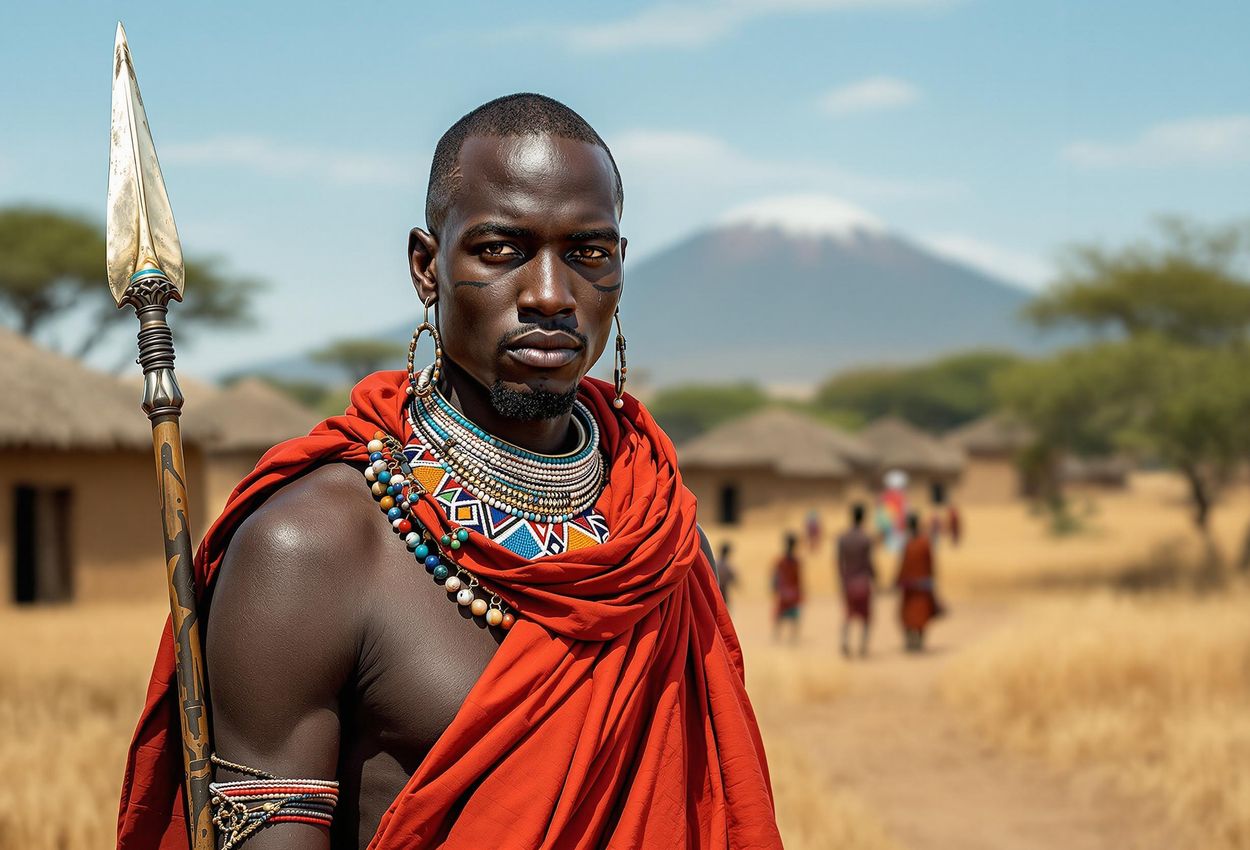
Image Description: A close-up portrait of a Maasai warrior in traditional attire, standing in front of a Maasai village near Amboseli National Park. The warrior is tall and proud, with intricate beadwork adorning his neck and arms. He holds a spear in his right hand, and his face is painted with traditional markings. The village in the background consists of several huts made of mud and cow dung, with children playing nearby. The image aims to capture the essence of Maasai culture and their connection to the land. The lighting is soft and natural, highlighting the warrior's features and the details of his attire. The date the photo is taken is September 16, 2025, during the dry season, ensuring clear visibility and minimal cloud cover.
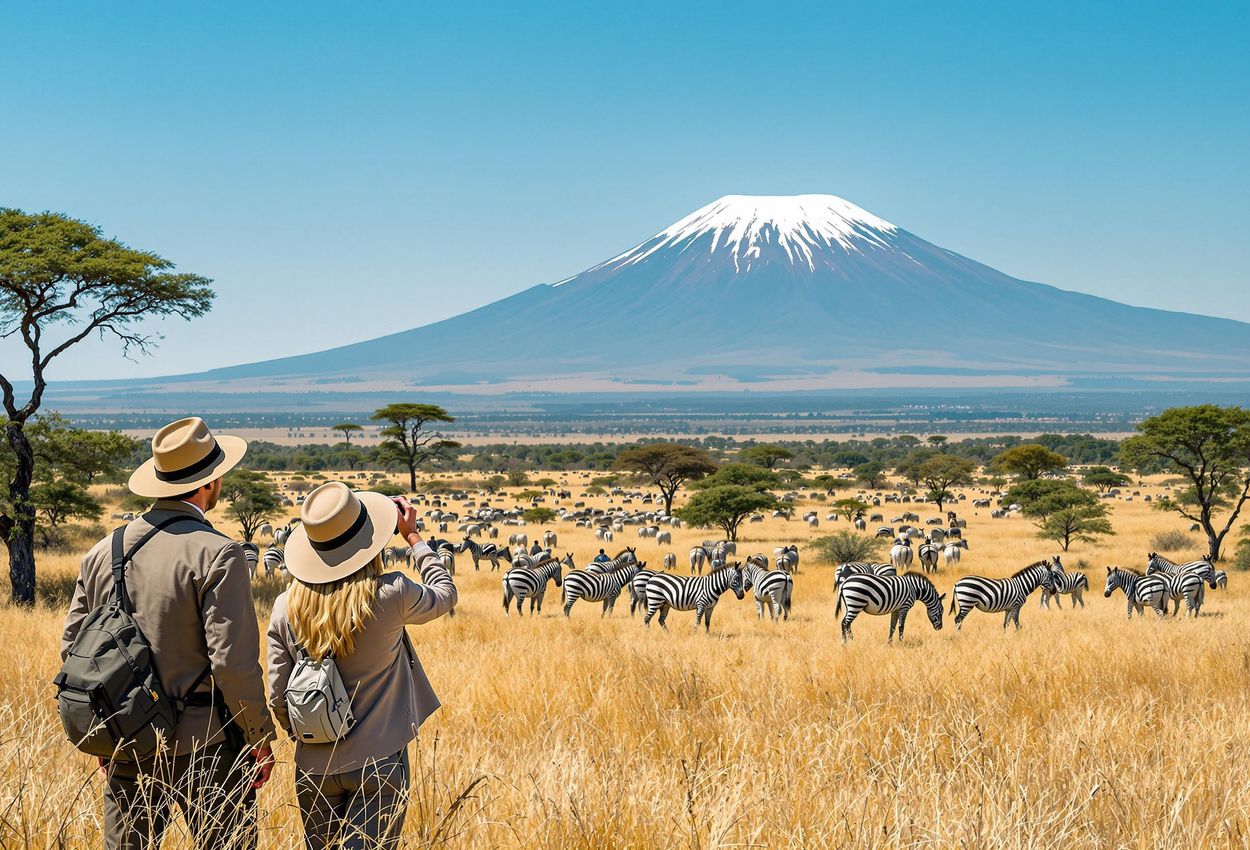
Image Description: A panoramic shot from Observation Hill, capturing the vast expanse of Amboseli National Park. In the foreground, a group of tourists is observing the landscape with binoculars. Below, a herd of zebras grazes peacefully on the open plains. In the distance, Mount Kilimanjaro dominates the horizon, its snow-capped peak piercing the sky. The image aims to showcase the scale and beauty of Amboseli, capturing the diverse wildlife and stunning scenery. The lighting is bright and clear, highlighting the colors of the landscape and the details of the animals. The date the photo is taken is September 16, 2025, during the dry season, ensuring clear skies and unobstructed views of Kilimanjaro.
Our editors` picks of the latest and greatest in travel - delivered to your inbox daily
Relax on the beaches and explore the reefs of Xai-Xai.
View More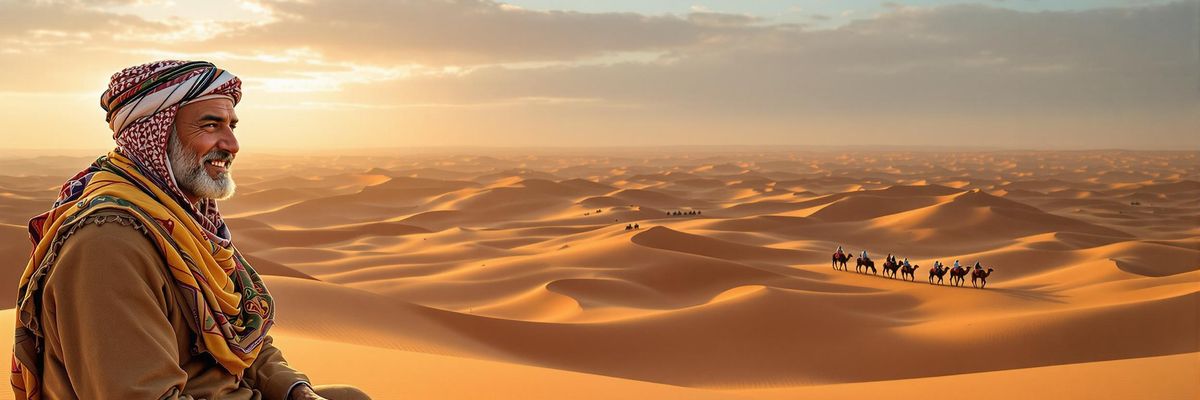
Embrace the cooler temperatures and experience the International Festival of the Sahara in Douz this December.
View More
Celebrate the year-end festivities in Accra, culminating in the vibrant Afrofuture festival.
View More Albania EDITION
 Algeria EDITION
 Argentina EDITION
 Armenia EDITION
 Australia EDITION
 Austria EDITION
 Bangladesh EDITION
 Belgium EDITION
 Belize EDITION
 Benin EDITION
 Bhutan EDITION
 Bolivia EDITION
 Bosnia and Herzegovina EDITION
 Botswana EDITION
 Brazil EDITION
 Bulgaria EDITION
 Burkina Faso EDITION
 Cambodia EDITION
 Cameroon EDITION
 Canada EDITION
 Central African Republic EDITION
 Chad EDITION
 Chile EDITION
 China EDITION
 Colombia EDITION
 Costa Rica EDITION
 Croatia EDITION
 Cyprus EDITION
 Denmark EDITION
 Djibouti EDITION
 Ecuador EDITION
 Egypt EDITION
 El Salvador EDITION
 Eritrea EDITION
 Estonia EDITION
 Ethiopia EDITION
 Finland EDITION
 France EDITION
 Gabon EDITION
 Georgia EDITION
 Germany EDITION
 Ghana EDITION
 Greece EDITION
 Guatemala EDITION
 Guinea EDITION
 Guinea-Bissau EDITION
 Honduras EDITION
 Hungary EDITION
 Iceland EDITION
 India EDITION
 Indonesia EDITION
 Ireland EDITION
 Israel EDITION
 Italy EDITION
 Jamaica EDITION
 Japan EDITION
 Jordan EDITION
 Kenya EDITION
 Kuwait EDITION
 Laos EDITION
 Latvia EDITION
 Lebanon EDITION
 Lesotho EDITION
 Liberia EDITION
 Lithuania EDITION
 Luxembourg EDITION
 Madagascar EDITION
 Malawi EDITION
 Malaysia EDITION
 Maldives EDITION
 Mali EDITION
 Malta EDITION
 Mauritania EDITION
 Mauritius EDITION
 Mexico EDITION
 Mongolia EDITION
 Montenegro EDITION
 Morocco EDITION
 Mozambique EDITION
 Namibia EDITION
 Nepal EDITION
 Netherlands EDITION
 New Zealand EDITION
 Nicaragua EDITION
 Niger EDITION
 Nigeria EDITION
 Norway EDITION
 Oman EDITION
 Pakistan EDITION
 Panama EDITION
 Papua New Guinea EDITION
 Paraguay EDITION
 Peru EDITION
 Philippines EDITION
 Poland EDITION
 Portugal EDITION
 Qatar EDITION
 Romania EDITION
 Rwanda EDITION
 Saudi Arabia EDITION
 Senegal EDITION
 Serbia EDITION
 Singapore EDITION
 Slovakia EDITION
 Slovenia EDITION
 Somalia EDITION
 South Africa EDITION
 South Korea EDITION
 Spain EDITION
 Sri Lanka EDITION
 Suriname EDITION
 Sweden EDITION
 Switzerland EDITION
 Tanzania EDITION
 Thailand EDITION
 Tunisia EDITION
 Uganda EDITION
 United Arab Emirates EDITION
 United Kingdom EDITION
 Uruguay EDITION
 Venezuela EDITION
 Vietnam EDITION
 Zambia EDITION
 Zimbabwe EDITION
Subscribe to our newsletter and get the most captivating travel stories, hidden gems, and expert insights delivered straight to your inbox. As a subscriber, you’ll be first in line for exclusive content, premium offers, and unforgettable travel experiences