


Destination Guide
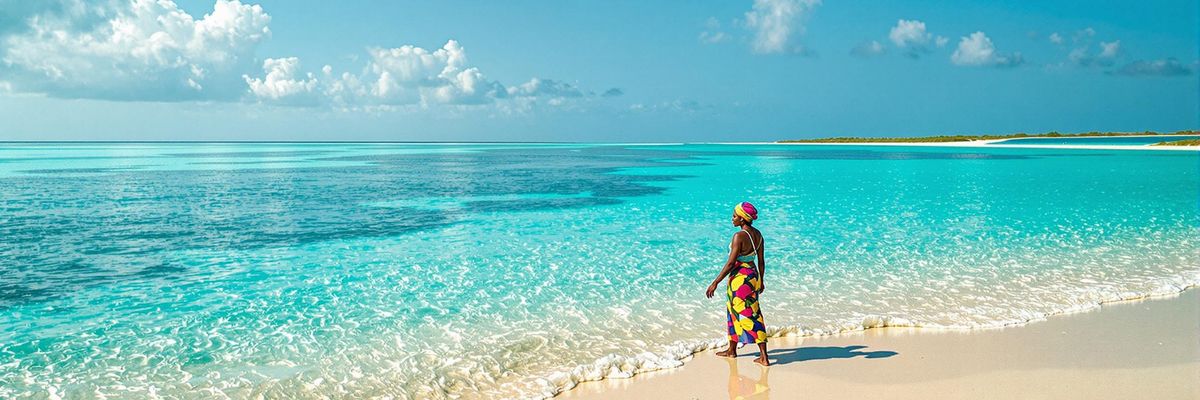
Xai-Xai: A Coastal Retreat
Relax on the beaches and explore the reefs of Xai-Xai.
View More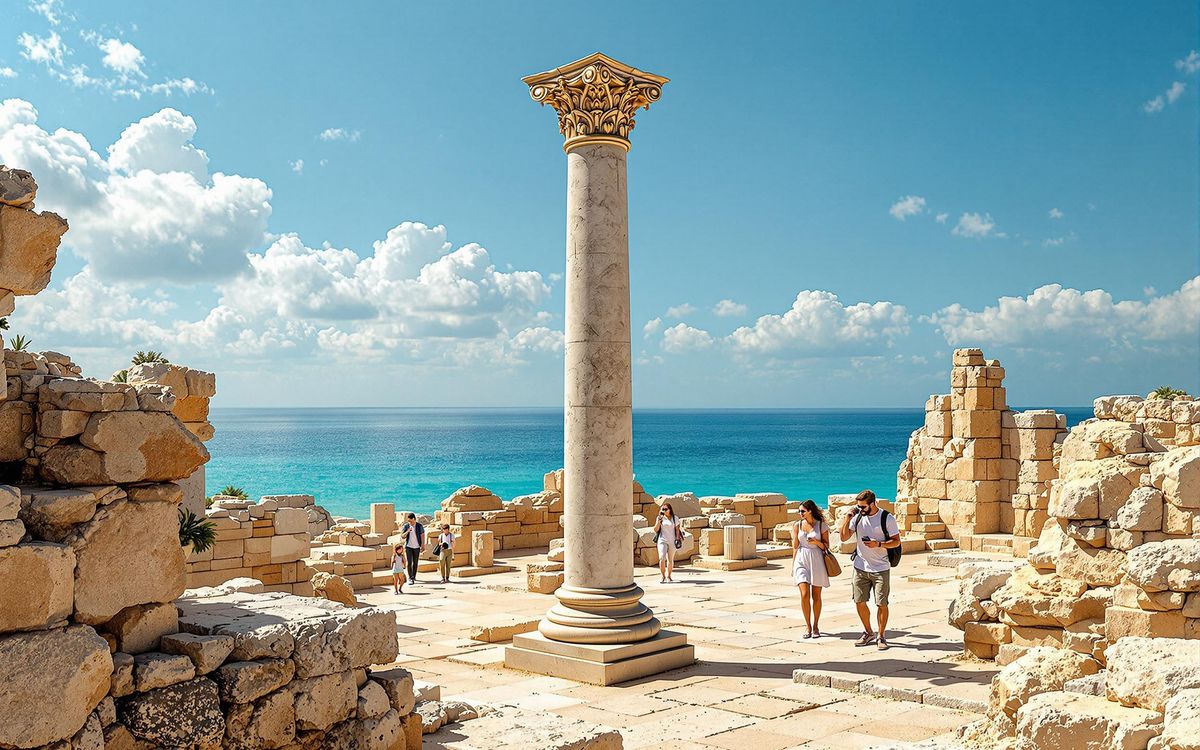

In the heart of Tunisia, where the August sun blazes with unwavering intensity, lies Carthage, an ancient city steeped in history and legend.
Despite the summer heat, the echoes of Phoenician traders, Roman emperors, and fierce battles resonate through its ruins, beckoning travelers to explore its coastal treasures. From the iconic Baths of Antoninus to the solemn Tophet sanctuary, Carthage offers a captivating journey into the past, provided you know how to navigate its sun-soaked landscape.
Carthage, a city strategically positioned on the Gulf of Tunis, whispers tales of maritime dominance and cultural exchange. Founded by the Phoenicians in the 9th century BC, it rose to become a major trading hub in the ancient Mediterranean, rivaling even Rome in power and influence. Today, its ruins stand as a testament to its glorious past, inviting visitors to wander through the remnants of a once-mighty civilization.
In August, the Tunisian sun casts a golden glow upon the ancient stones, but it also brings intense heat. The average temperature hovers around 27°C (80°F), often climbing to a scorching 32°C (90°F). The humidity, while not as extreme as in some coastal regions, can still make the heat feel oppressive. Yet, with careful planning and a few essential strategies, exploring Carthage in August can be a rewarding experience.
Imagine standing on the shores of the Gulf of Tunis, the gentle sound of waves lapping against the ancient harbor. The air carries a salty tang, mingled with the faint scent of jasmine and blooming bougainvillea. The sun beats down, but a refreshing sea breeze offers respite as you prepare to delve into the heart of Carthage.
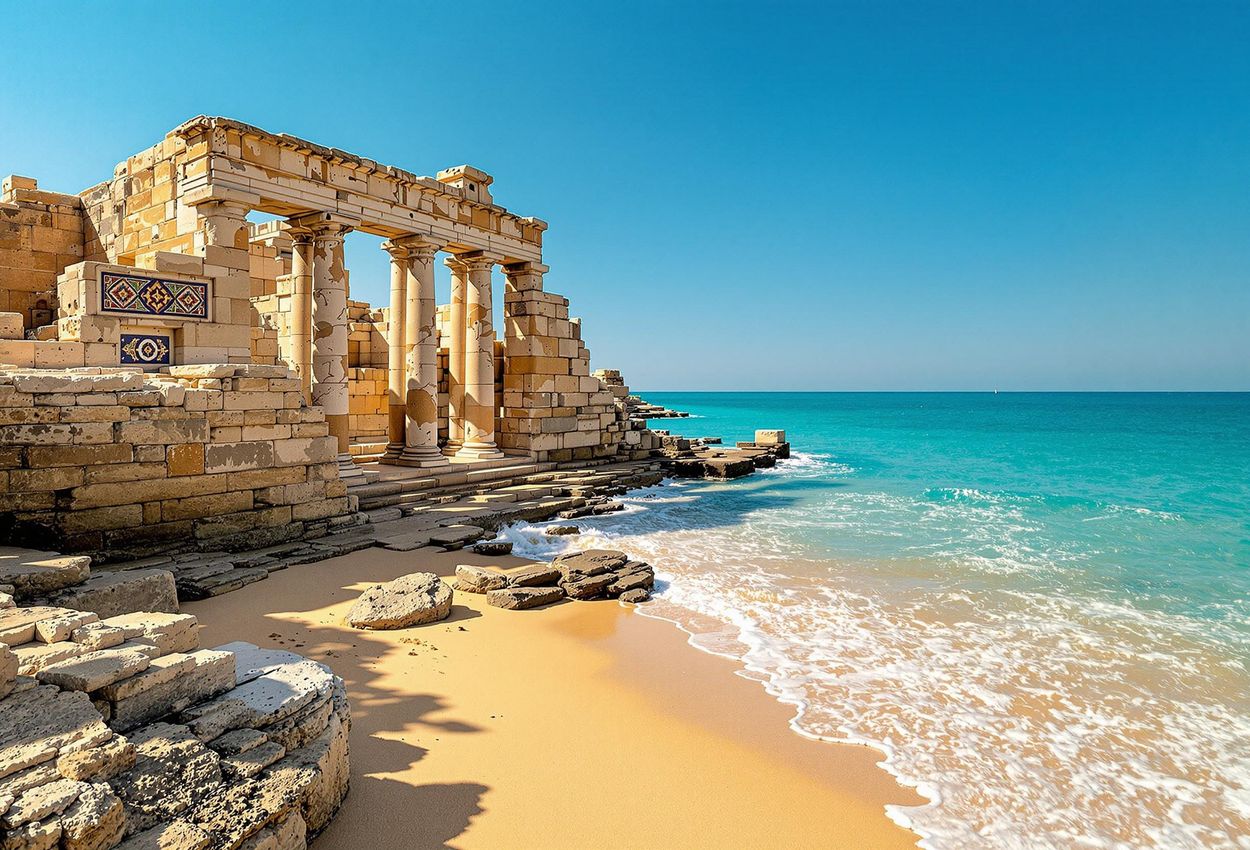
Begin your exploration at Byrsa Hill, the ancient Punic citadel and the historical heart of Carthage. Today, it is home to the Carthage National Museum, a treasure trove of Punic and Roman artifacts. Wander through its halls, marveling at the intricate mosaics, the imposing sarcophagi, and the delicate pottery that offer glimpses into the lives of those who once called this city home. The museum houses a wide collection of items and displays from the Punic, Roman, and Byzantine eras of Carthage. Some of the best pieces found in excavations are limestone/marble carvings, depicting animals, plants and even human sculptures. Of special note is a marble sarcophagus of a priest and priestess from the 3rd century BC, discovered in the necropolis of Carthage.
Ascend to the top of Byrsa Hill and be rewarded with panoramic views of Carthage and the shimmering sea. From this vantage point, you can appreciate the city's strategic location and imagine the bustling activity of its ancient port. As you gaze upon the landscape, consider the layers of history that lie beneath your feet, from the Punic foundations to the Roman reconstructions.
Hidden Gem: Near the museum, discover the remains of a Punic-era neighborhood, offering a rare glimpse into daily life in ancient Carthage. Wander through the narrow streets and imagine the sounds of children playing, merchants haggling, and artisans crafting their wares.
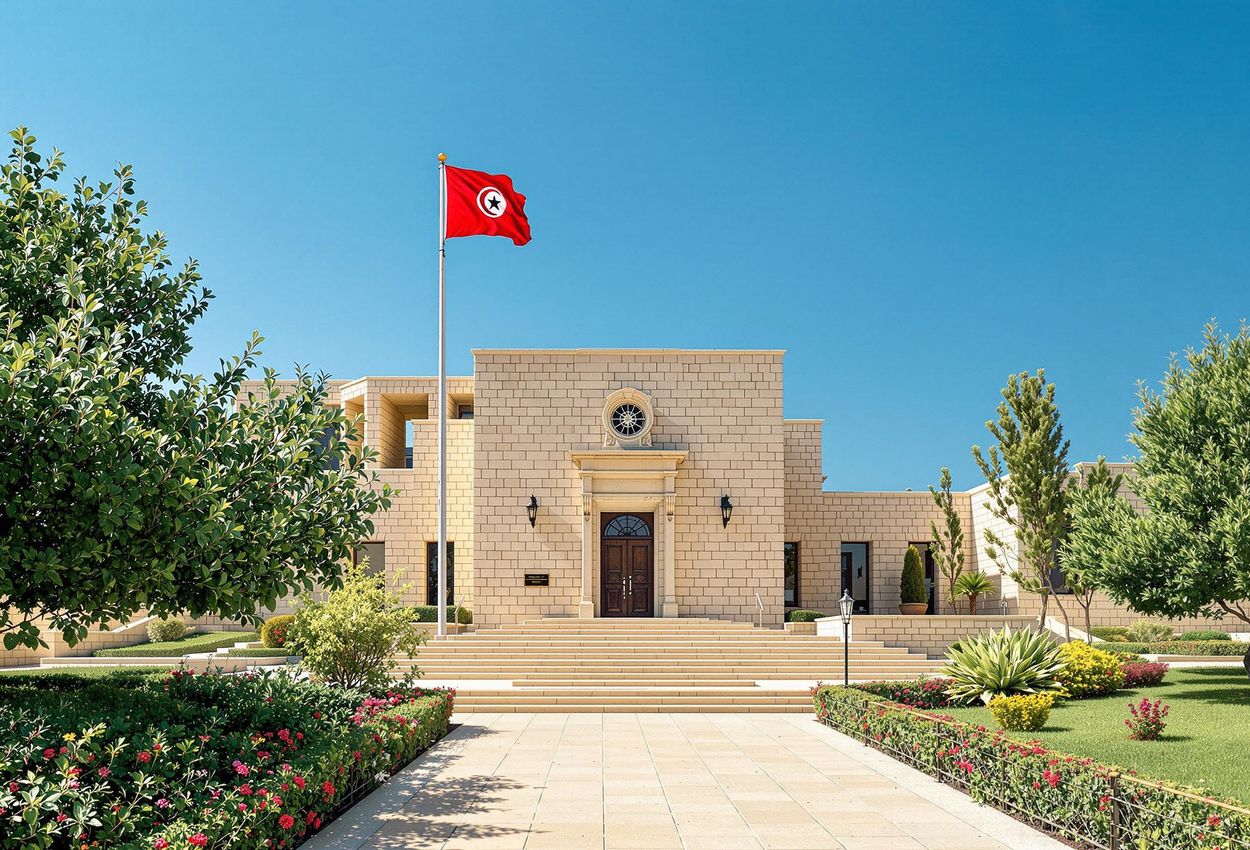
Descend from Byrsa Hill and make your way to the Baths of Antoninus, the largest Roman baths in Africa. Situated along the coast, these magnificent ruins offer a glimpse into the opulence and grandeur of Roman life. Explore the vast complex, imagining the frigidarium, caldarium, and tepidarium filled with bathers seeking relaxation and rejuvenation.
Wander through the surrounding gardens, where Punic tombs and a Christian chapel stand as silent witnesses to the city's evolving religious landscape. Take a moment to appreciate the architectural ingenuity of the Romans, who engineered this complex to provide a luxurious coastal retreat.
Practical Tip: Visit the Baths of Antoninus early in the morning to avoid the midday heat and the largest crowds. The soft morning light casts a magical glow upon the ruins, enhancing their beauty and historical significance.
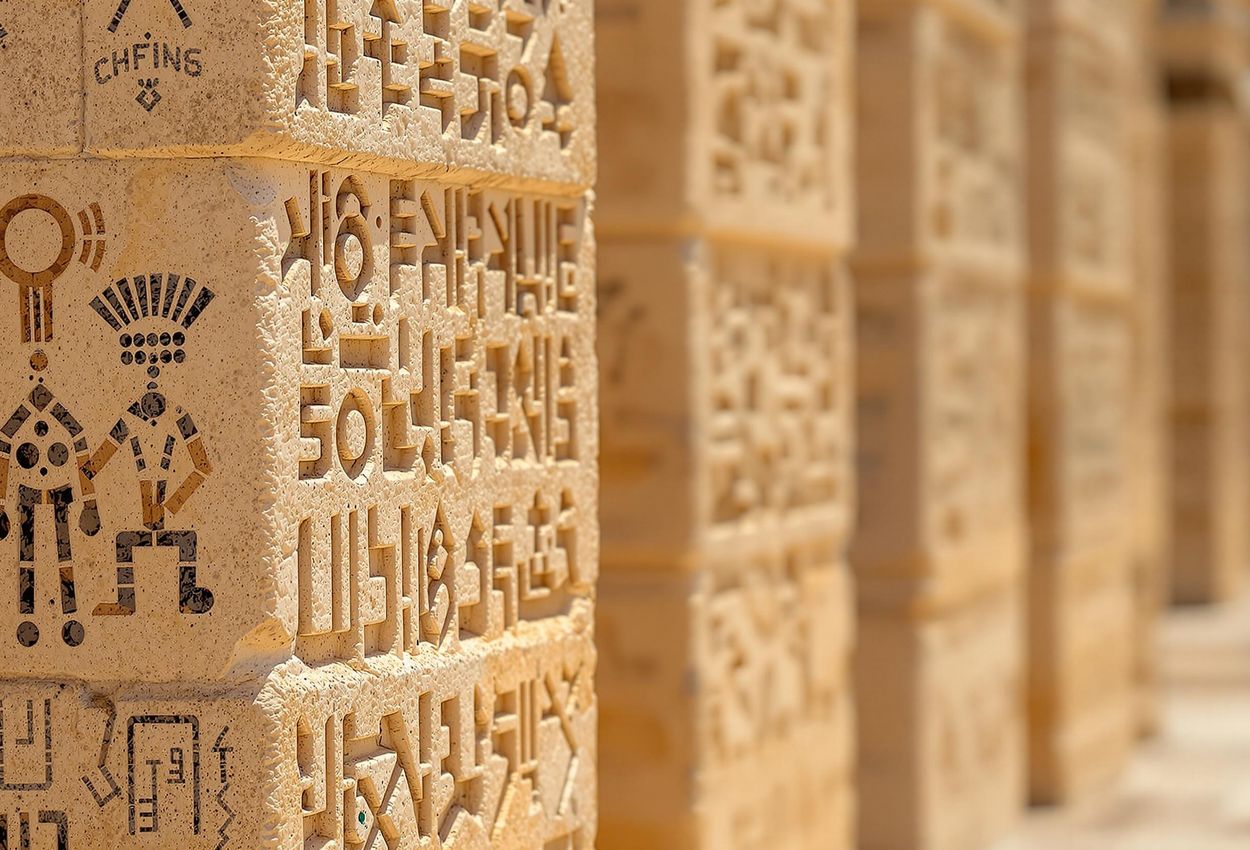
Venture to the Tophet, an ancient Carthaginian sacrificial site shrouded in mystery and controversy. This somber place holds immense historical and cultural significance, offering a glimpse into the religious practices of the Punic people. Examine the stone stelae, many of which bear inscriptions and symbols, and reflect upon the profound questions they raise about ancient beliefs.
The practice of child sacrifice at the Tophet is a sensitive and complex issue, sparking debate among historians and archaeologists. Approach this site with respect and cultural sensitivity, recognizing the diverse perspectives and interpretations surrounding this ancient ritual.
Unique Detail: Explore the nearby Salammbo Tophet, another sacrificial site that offers further insights into Carthaginian religious practices. Compare and contrast the two sites, noting the similarities and differences in their layout and artifacts.
Journey to the Roman Amphitheater, where gladiatorial contests and public games once captivated audiences. Although the ruins are not as well-preserved as some other sites in Carthage, the atmosphere of the ancient stadium still lingers in the air.
Imagine the roar of the crowds, the clash of steel, and the spectacle of the games that unfolded within these walls. Consider the seating capacity of the amphitheater and the types of events that took place there, from gladiatorial combats to animal hunts.
Insider Tip: Close your eyes and imagine the echoes of the past, connecting with the site's history and the emotions of those who gathered here centuries ago.
Discover the Punic Ports, the heart of Carthage's naval power and trade. These ancient harbors were essential to the city's prosperity and maritime dominance. Observe the circular military harbor and the rectangular commercial harbor, imagining the bustling activity of ships arriving and departing from distant lands.
Consider the ancient tower that once overlooked the harbors, providing a strategic vantage point for defense and surveillance. Picture the Carthaginian sailors and merchants who navigated these waters, connecting Carthage to the wider Mediterranean world.
Sensory Detail: Listen to the gentle lapping of the water against the ancient stones, a soothing sound that connects you to the maritime history of Carthage.

Visiting Carthage in August requires a strategic approach to manage the heat. The average high temperature is 31°C (88°F), and the humidity can range from 77% to 83%. To make the most of your visit, consider the following tips:
Local Tip: Cool down with traditional Tunisian mint tea, a refreshing beverage that is both delicious and hydrating.
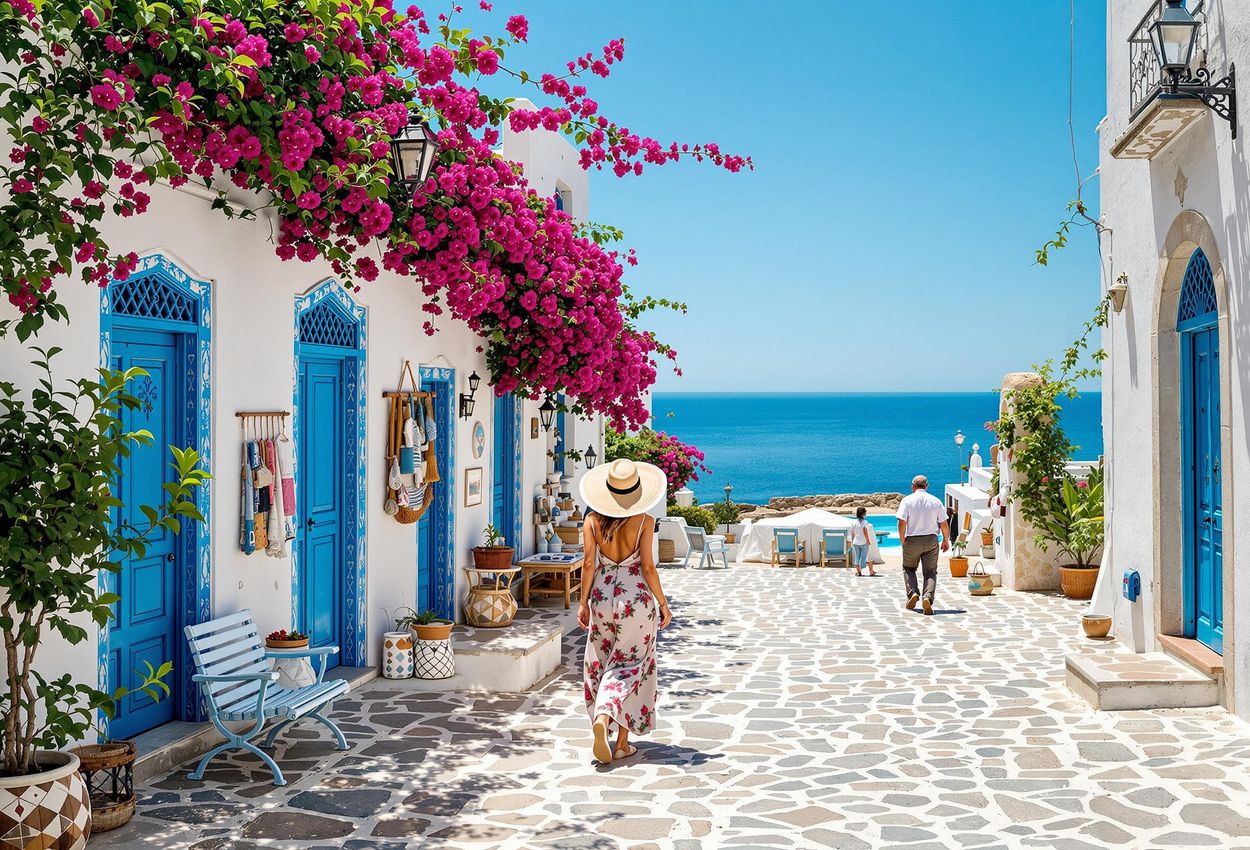
Escape the heat and venture to Sidi Bou Said, a nearby village renowned for its blue-and-white architecture and artistic atmosphere. Wander through its charming streets, admiring the picturesque buildings and the stunning views of the Mediterranean Sea.
Visit the Ennejma Ezzahra Palace, a center for Arab and Mediterranean music, and immerse yourself in the region's rich musical heritage. The palace was built by Baron Rodolphe d'Erlanger, a British subject passionate about Arab culture. Today, the palace houses a musical instruments museum and is a venue for concerts and exhibitions.
Sensory Detail: Inhale the sweet scent of jasmine and listen to the enchanting sounds of traditional music as you explore the village, creating a multi-sensory experience that will linger long after you leave.
The Carthage International Festival, held annually in July and August, is a vibrant celebration of music, theater, and dance. The 59th edition of the festival will take place from July 19 to August 21, 2025. The festival is held in the Carthage Amphitheatre.
The festival will feature a diverse lineup of artists from Tunisia, Lebanon, France, Palestine, Egypt, the United Arab Emirates, and Jamaica. Notable performers include Emirati star Ahlam, Tunisian singer Latifa, and Sofia Sadek. The festival will open with a symphonic concert conducted by Mohamed Garfi.
Practical Detail: Tickets for the Carthage International Festival can be purchased online or at the box office. Transportation to the amphitheater is readily available by taxi or the TGM train.
Navigating the archaeological sites of Carthage is relatively easy, with several transportation options available. Taxis are readily available, offering a convenient way to travel between locations. The TGM train, which runs between Tunis, La Goulette, and La Marsa, also stops at several key sites in Carthage.
Allocate at least half a day to explore the major sites of Carthage, allowing ample time to wander through the ruins and soak in the atmosphere. Wear comfortable shoes, bring plenty of water, and be prepared for the August heat.
Final Tip: Embrace the spirit of adventure and allow yourself to be transported back in time as you explore the ancient echoes of Carthage.

Our editors` picks of the latest and greatest in travel - delivered to your inbox daily
Relax on the beaches and explore the reefs of Xai-Xai.
View More
Embrace the cooler temperatures and experience the International Festival of the Sahara in Douz this December.
View More
Celebrate the year-end festivities in Accra, culminating in the vibrant Afrofuture festival.
View More Albania EDITION
 Algeria EDITION
 Argentina EDITION
 Armenia EDITION
 Australia EDITION
 Austria EDITION
 Bangladesh EDITION
 Belgium EDITION
 Belize EDITION
 Benin EDITION
 Bhutan EDITION
 Bolivia EDITION
 Bosnia and Herzegovina EDITION
 Botswana EDITION
 Brazil EDITION
 Bulgaria EDITION
 Burkina Faso EDITION
 Cambodia EDITION
 Cameroon EDITION
 Canada EDITION
 Central African Republic EDITION
 Chad EDITION
 Chile EDITION
 China EDITION
 Colombia EDITION
 Costa Rica EDITION
 Croatia EDITION
 Cyprus EDITION
 Denmark EDITION
 Djibouti EDITION
 Ecuador EDITION
 Egypt EDITION
 El Salvador EDITION
 Eritrea EDITION
 Estonia EDITION
 Ethiopia EDITION
 Finland EDITION
 France EDITION
 Gabon EDITION
 Georgia EDITION
 Germany EDITION
 Ghana EDITION
 Greece EDITION
 Guatemala EDITION
 Guinea EDITION
 Guinea-Bissau EDITION
 Honduras EDITION
 Hungary EDITION
 Iceland EDITION
 India EDITION
 Indonesia EDITION
 Ireland EDITION
 Israel EDITION
 Italy EDITION
 Jamaica EDITION
 Japan EDITION
 Jordan EDITION
 Kenya EDITION
 Kuwait EDITION
 Laos EDITION
 Latvia EDITION
 Lebanon EDITION
 Lesotho EDITION
 Liberia EDITION
 Lithuania EDITION
 Luxembourg EDITION
 Madagascar EDITION
 Malawi EDITION
 Malaysia EDITION
 Maldives EDITION
 Mali EDITION
 Malta EDITION
 Mauritania EDITION
 Mauritius EDITION
 Mexico EDITION
 Mongolia EDITION
 Montenegro EDITION
 Morocco EDITION
 Mozambique EDITION
 Namibia EDITION
 Nepal EDITION
 Netherlands EDITION
 New Zealand EDITION
 Nicaragua EDITION
 Niger EDITION
 Nigeria EDITION
 Norway EDITION
 Oman EDITION
 Pakistan EDITION
 Panama EDITION
 Papua New Guinea EDITION
 Paraguay EDITION
 Peru EDITION
 Philippines EDITION
 Poland EDITION
 Portugal EDITION
 Qatar EDITION
 Romania EDITION
 Rwanda EDITION
 Saudi Arabia EDITION
 Senegal EDITION
 Serbia EDITION
 Singapore EDITION
 Slovakia EDITION
 Slovenia EDITION
 Somalia EDITION
 South Africa EDITION
 South Korea EDITION
 Spain EDITION
 Sri Lanka EDITION
 Suriname EDITION
 Sweden EDITION
 Switzerland EDITION
 Tanzania EDITION
 Thailand EDITION
 Tunisia EDITION
 Uganda EDITION
 United Arab Emirates EDITION
 United Kingdom EDITION
 Uruguay EDITION
 Venezuela EDITION
 Vietnam EDITION
 Zambia EDITION
 Zimbabwe EDITION
Subscribe to our newsletter and get the most captivating travel stories, hidden gems, and expert insights delivered straight to your inbox. As a subscriber, you’ll be first in line for exclusive content, premium offers, and unforgettable travel experiences