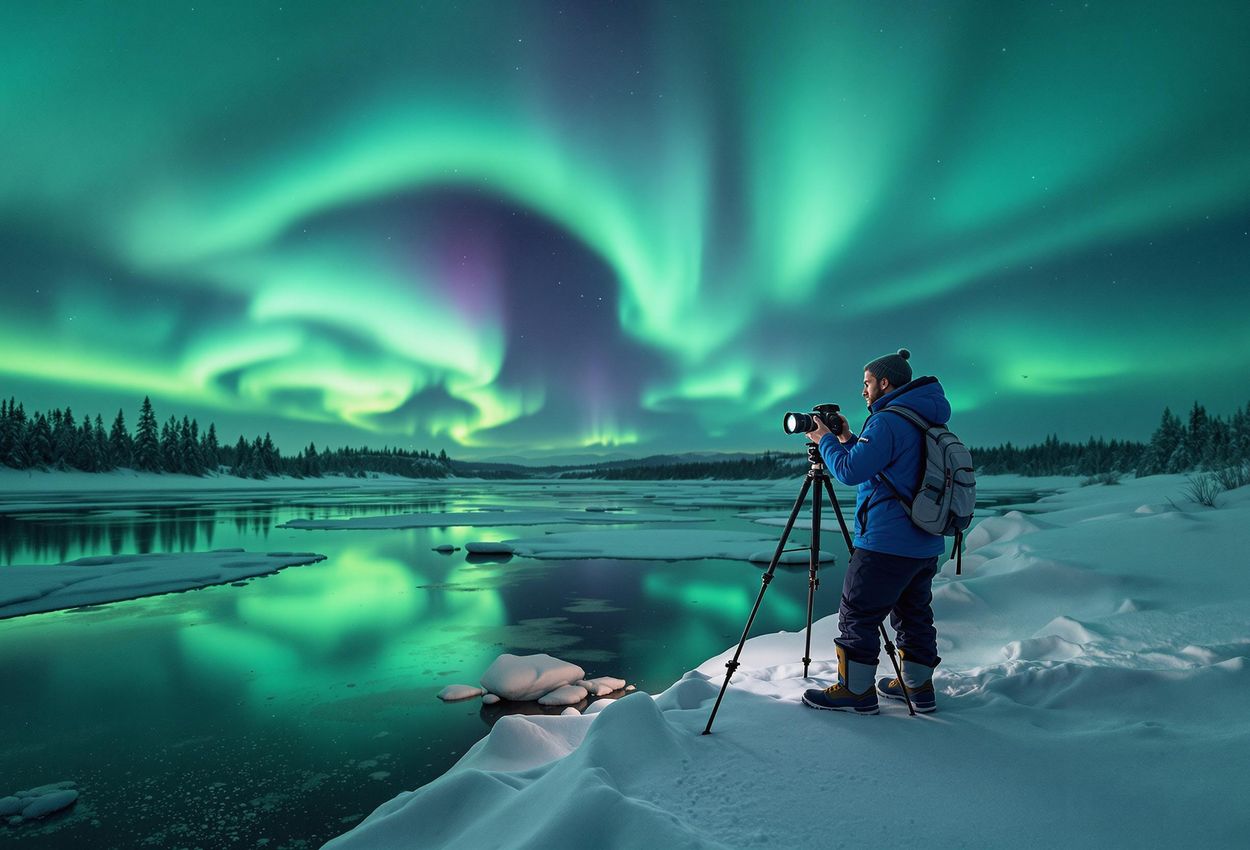
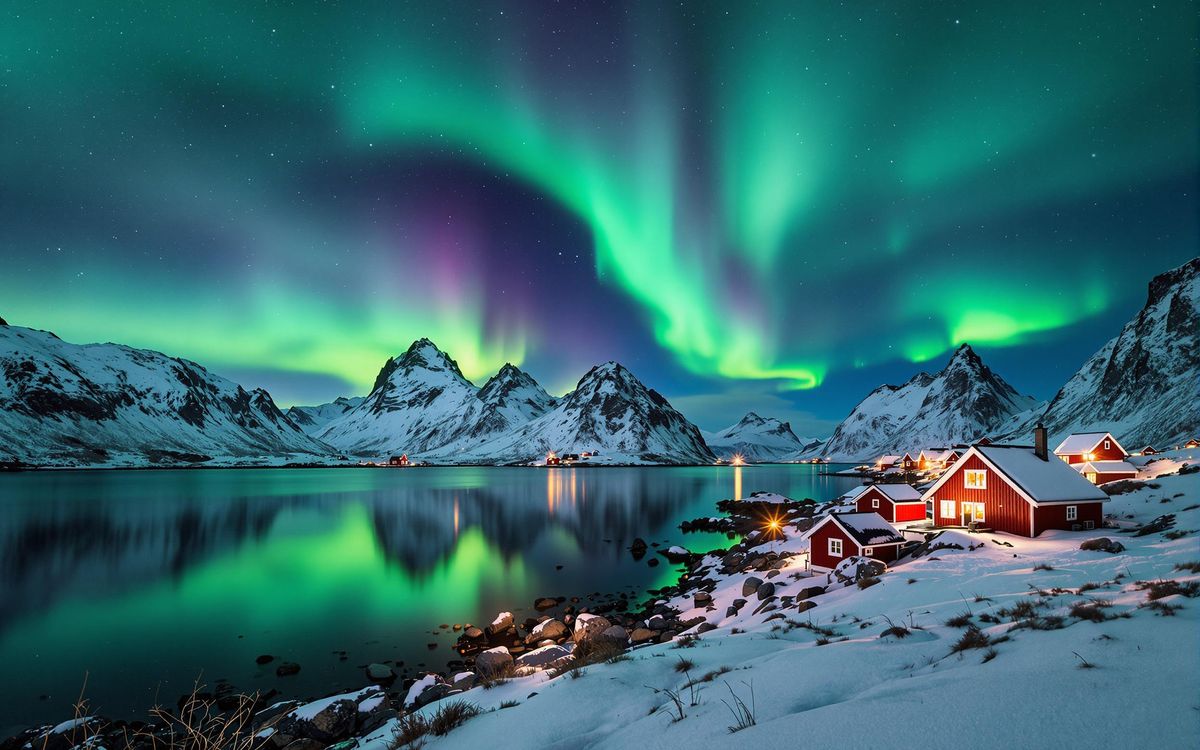
The ethereal glow of the Aurora Borealis, a celestial ballet of light, has captivated humanity for millennia. From ancient myths to modern science, the Northern Lights evoke a sense of wonder and awe, beckoning travelers to embark on a quest to witness this breathtaking spectacle.
This guide unveils the secrets to successful aurora chasing, offering insights into the science behind the phenomenon, the optimal times and locations for viewing, and essential photography tips to capture its fleeting beauty. Prepare to embark on an unforgettable journey into the heart of the aurora zone.
Decoding the Dance: The Science Behind the Spectacle
The Aurora Borealis, also known as the Northern Lights, is a mesmerizing display of natural light that graces the night skies of high-latitude regions. Understanding the science behind this phenomenon enhances the appreciation of its beauty and the thrill of the chase.
At its core, the aurora is a result of the interaction between solar winds and Earth's magnetic field. The sun constantly emits a stream of charged particles, primarily electrons and protons, known as the solar wind. When these particles reach Earth, they are deflected by the magnetosphere, a protective bubble created by our planet's magnetic field. However, some particles manage to penetrate the magnetosphere, particularly near the polar regions.
These charged particles are then guided along the Earth's magnetic field lines towards the polar regions. As they descend into the atmosphere, they collide with atoms and molecules of gases, primarily oxygen and nitrogen. These collisions excite the atmospheric gases, causing them to release energy in the form of light. This process is similar to how a neon sign works, where electricity excites the gas inside the tube to produce light.
The color of the aurora depends on the type of gas that is excited and the altitude at which the collision occurs. Oxygen, for instance, produces green light when excited at lower altitudes and red light at higher altitudes. Nitrogen, on the other hand, emits blue or purple light. The most common color observed in the aurora is green, due to the abundance of oxygen at lower altitudes.
The aurora is most frequently observed within the auroral oval, a ring-shaped region centered around the Earth's magnetic poles. The location and intensity of the auroral oval vary depending on the level of solar activity. During periods of high solar activity, the auroral oval expands, and the aurora can be seen at lower latitudes. The strength of the aurora is measured using the Kp index, a scale from 0 to 9, with higher numbers indicating greater auroral activity. A Kp index of 5 or higher is generally considered a geomagnetic storm, which can result in spectacular aurora displays.
The dynamic nature of the aurora, with its shimmering curtains and dancing rays of light, is a testament to the ever-changing conditions in space weather. Understanding the science behind the aurora allows us to appreciate the intricate connection between the sun and our planet and the beauty that can arise from their interaction.
Timing is Everything: Unlocking the Aurora's Seasonal Secrets
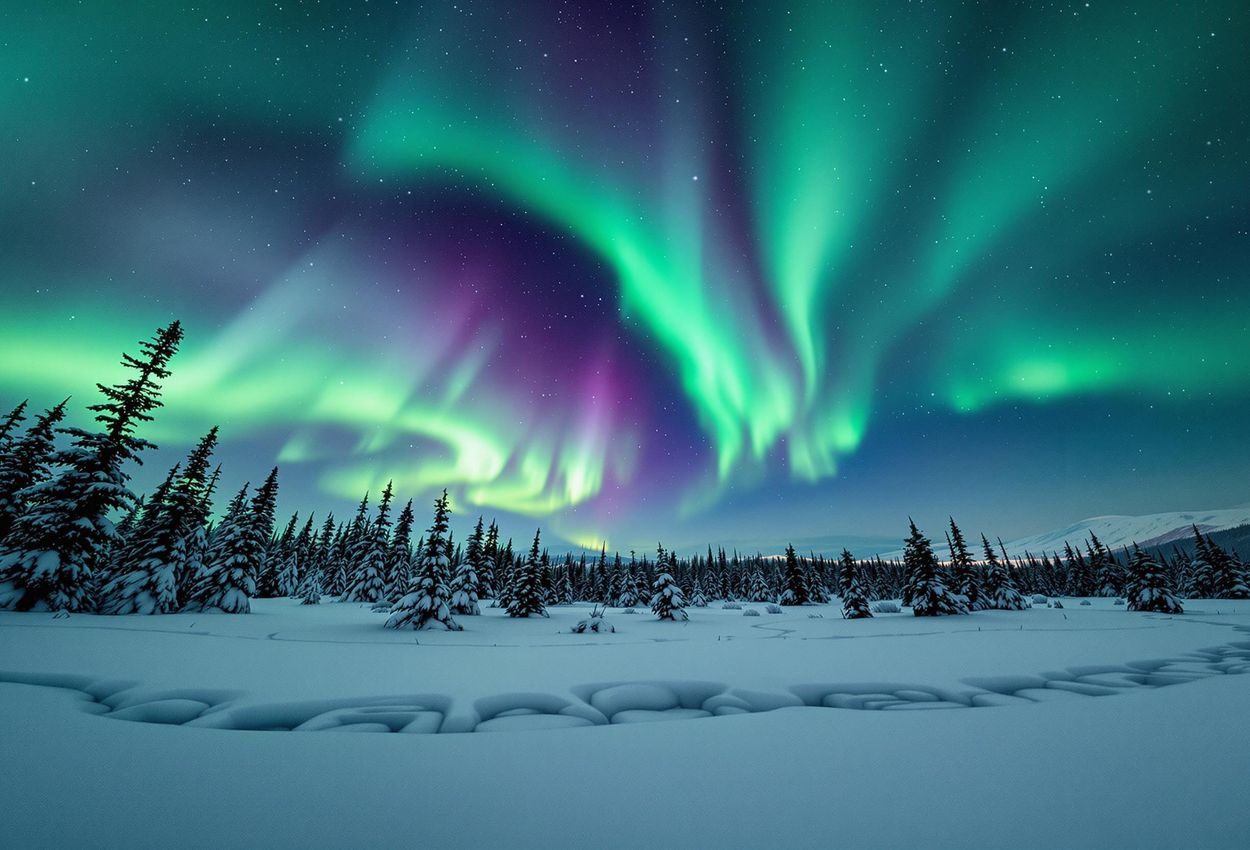
While the Aurora Borealis can technically occur year-round, the best time to witness its splendor is during the winter months, typically from October to April. This is because the long, dark nights provide the ideal canvas for the aurora's ethereal glow to shine brightly.
During the winter, the Arctic regions experience what is known as the 'polar night,' a period where the sun remains below the horizon for extended periods. In locations like Tromsø and Svalbard in Northern Norway, the polar night can last for several weeks, offering unparalleled opportunities for aurora viewing. The darkness allows even faint auroras to become visible, creating a truly magical experience.
The equinoxes, which occur in September and March, are also known for increased auroral activity. During these times, the Earth's magnetic field is more aligned with the sun's magnetic field, making it easier for solar wind particles to penetrate the magnetosphere and trigger auroras. Specifically, the equinoxes in 2025 will occur on March 20 and September 22, presenting prime opportunities for aurora viewing.
Another factor that influences aurora visibility is the solar cycle. The sun's activity fluctuates in an 11-year cycle, with periods of high activity known as solar maximum and periods of low activity known as solar minimum. During solar maximum, the sun emits more solar flares and coronal mass ejections, which can lead to stronger and more frequent auroras. While the exact timing of solar maximum is difficult to predict, scientists believe that the current solar cycle, Solar Cycle 25, could be one of the strongest on record, leading to enhanced aurora displays in the coming years.
It's important to note that clear skies are essential for aurora viewing. Even the most intense aurora will be invisible if obscured by clouds. Therefore, it's crucial to check the weather forecast and choose locations with minimal cloud cover. Additionally, light pollution can significantly reduce aurora visibility, so it's best to venture away from urban areas and seek out dark sky locations.
Chasing the Lights: Prime Locations for an Unforgettable Show
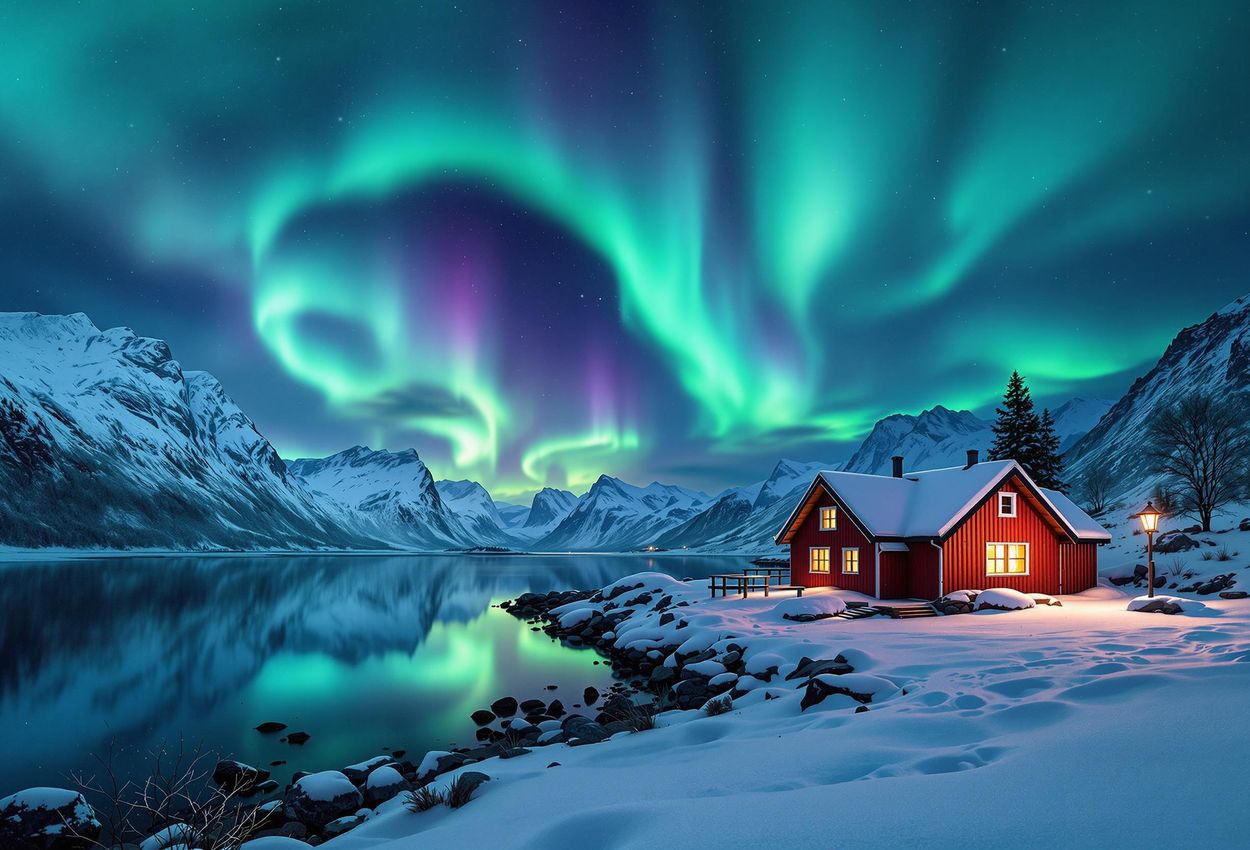
The aurora zone, a band encircling the Earth at high latitudes, offers numerous locations to witness the Northern Lights. Each location boasts unique landscapes and cultural experiences, enhancing the aurora viewing adventure.
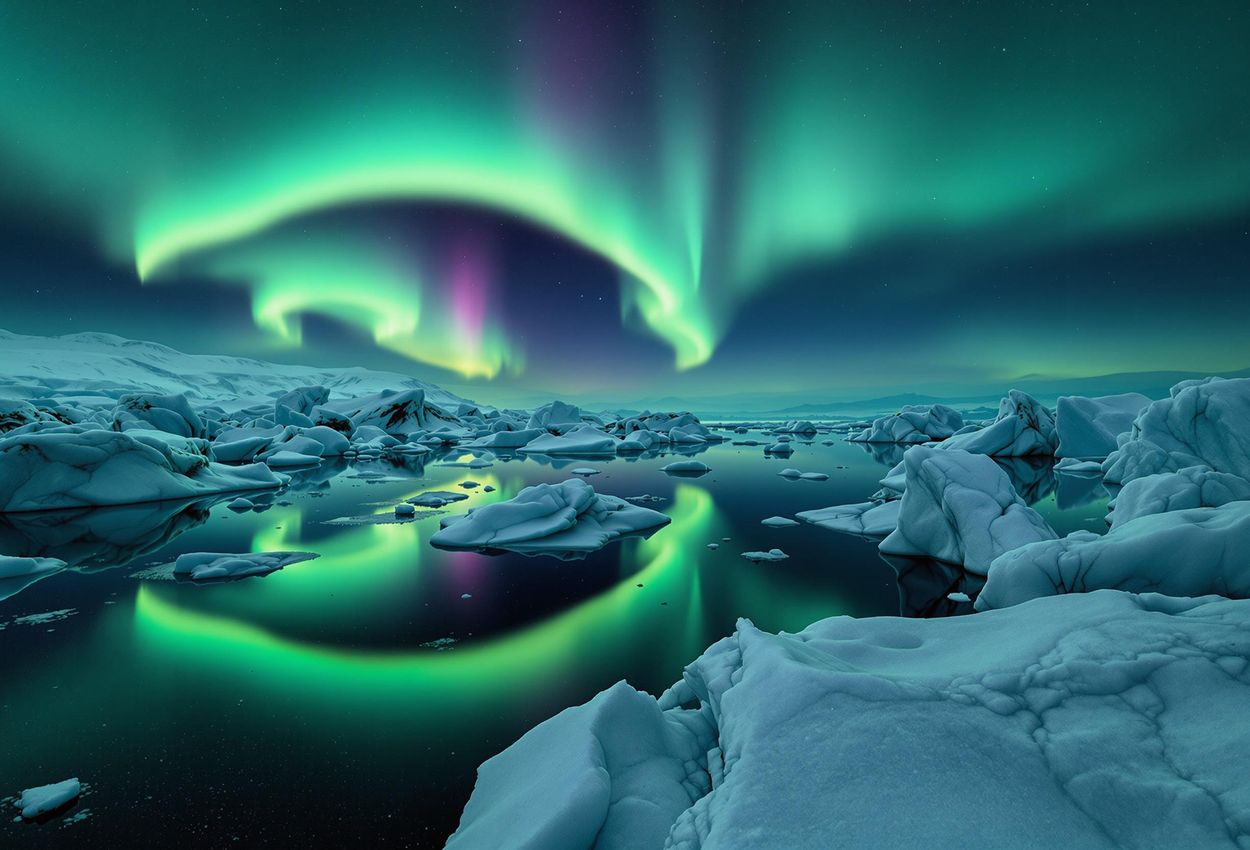
Iceland, with its otherworldly landscapes, is a popular destination for aurora chasers. Thingvellir National Park, a UNESCO World Heritage Site, offers stunning views of the aurora dancing above the tectonic rift valley. Jökulsárlón Glacier Lagoon, with its icebergs shimmering under the auroral glow, provides a surreal and unforgettable backdrop. The black sand beaches of Vik also offer dramatic foregrounds for aurora photography.
Northern Norway, stretching far into the Arctic Circle, is another prime aurora viewing destination. Tromsø, a vibrant city surrounded by fjords and mountains, is a popular base for aurora tours. Alta, known as the 'City of the Northern Lights,' boasts a rich history of aurora research. The Lyngen Alps, with their rugged peaks and glaciers, offer breathtaking scenery for aurora viewing. The islands of Senja and the Lofoten Islands, with their dramatic coastlines and fishing villages, provide unique and picturesque settings for witnessing the aurora.
Swedish and Finnish Lapland, vast wilderness areas in northern Scandinavia, offer pristine dark skies and opportunities for immersive aurora experiences. Here, you can combine aurora viewing with activities like dog sledding, snowmobiling, and ice cave exploration.
Across the Atlantic, Alaska in the United States provides another excellent aurora viewing location. Fairbanks, located in the interior of Alaska, is known for its high aurora visibility due to its location under the auroral oval. The vast wilderness surrounding Fairbanks offers ample opportunities to escape light pollution and immerse yourself in the aurora's glow.
Canada, with its vast northern territories, offers numerous aurora viewing locations. Churchill, Manitoba, located on the shores of Hudson Bay, is known for its exceptional aurora displays and opportunities to see polar bears. The Northwest Territories and the Yukon Territory also offer pristine dark skies and stunning landscapes for aurora viewing.
When choosing an aurora viewing location, consider factors such as accessibility, accommodation options, and the availability of guided tours. Researching the local weather patterns and light pollution levels can also help you make an informed decision. No matter which location you choose, be prepared for cold temperatures and long nights, and remember to bring warm clothing and a sense of adventure.
Forecasting the Fantasy: Predicting Aurora Activity
Predicting the aurora is not an exact science, but several tools and resources can help you increase your chances of witnessing a spectacular display. Space weather forecasts provide insights into solar activity and geomagnetic conditions, allowing you to anticipate potential aurora events.
The Kp index is a key indicator of aurora activity. It measures the disturbance in Earth's magnetic field caused by solar wind. A higher Kp index indicates a greater chance of seeing the aurora. Generally, a Kp index of 4 or higher is considered favorable for aurora viewing, while a Kp index of 5 or higher indicates a geomagnetic storm, which can result in widespread aurora displays.
Several websites and apps provide aurora forecasts based on the Kp index and other space weather data. The Met Office Space Weather forecast offers predictions for aurora visibility in the UK and other regions. The Alberta Aurora Chasers Facebook group is a community of aurora enthusiasts who share observations, tips, and forecasts for the Alberta region. The Space Weather Live app provides real-time aurora alerts and space weather information. Aurora Watch alerts is a free service that sends alerts when the aurora might be visible from the UK. For forecasts specific to the Australian region, refer to the Australian Space Weather Forecasting Centre.
It's important to note that aurora forecasts are not always accurate, and the aurora can be unpredictable. However, these resources can provide valuable guidance and help you plan your aurora chasing expeditions. Keep in mind that 3-day forecasts are more reliable, but even short-term forecasts can change rapidly due to the dynamic nature of space weather.
Emerging technologies like AI are also being used to improve weather forecasting, including aurora predictions. Microsoft has developed an AI model called Aurora for predicting weather patterns and atmospheric processes. While still in development, such AI models hold promise for more accurate and reliable aurora forecasts in the future.
Capturing the Cosmos: Photography Tips for the Northern Lights
Photographing the Aurora Borealis can be a challenging but rewarding experience. Capturing the beauty and dynamism of the Northern Lights requires the right equipment, settings, and techniques.
A DSLR or mirrorless camera is essential for capturing high-quality aurora photos. These cameras offer manual control over settings like aperture, ISO, and shutter speed, which are crucial for capturing the faint light of the aurora. A wide-angle lens (12-24mm) is recommended for capturing a wider field of view and showcasing the aurora's grandeur. A sturdy tripod is also essential, as long exposures are typically required to capture the aurora's faint light.
Camera settings play a crucial role in capturing the aurora. Manual focus is recommended, as autofocus can struggle in low-light conditions. Focus on infinity or a distant light source to ensure sharp images. A wide aperture (f/2.8 or lower) allows more light to enter the camera, enabling shorter shutter speeds. An ISO between 800-6400 can be used to increase the camera's sensitivity to light, but be mindful of noise levels at higher ISOs. Shutter speed is the most critical setting, typically ranging from 4-30 seconds, depending on the aurora's brightness and the desired effect. Experiment with different shutter speeds to find the optimal balance between capturing the aurora's detail and avoiding motion blur.
Shooting in RAW format is highly recommended, as it preserves more image data and allows for greater flexibility during post-processing. Post-processing can be used to enhance the aurora's colors, reduce noise, and correct any exposure issues.
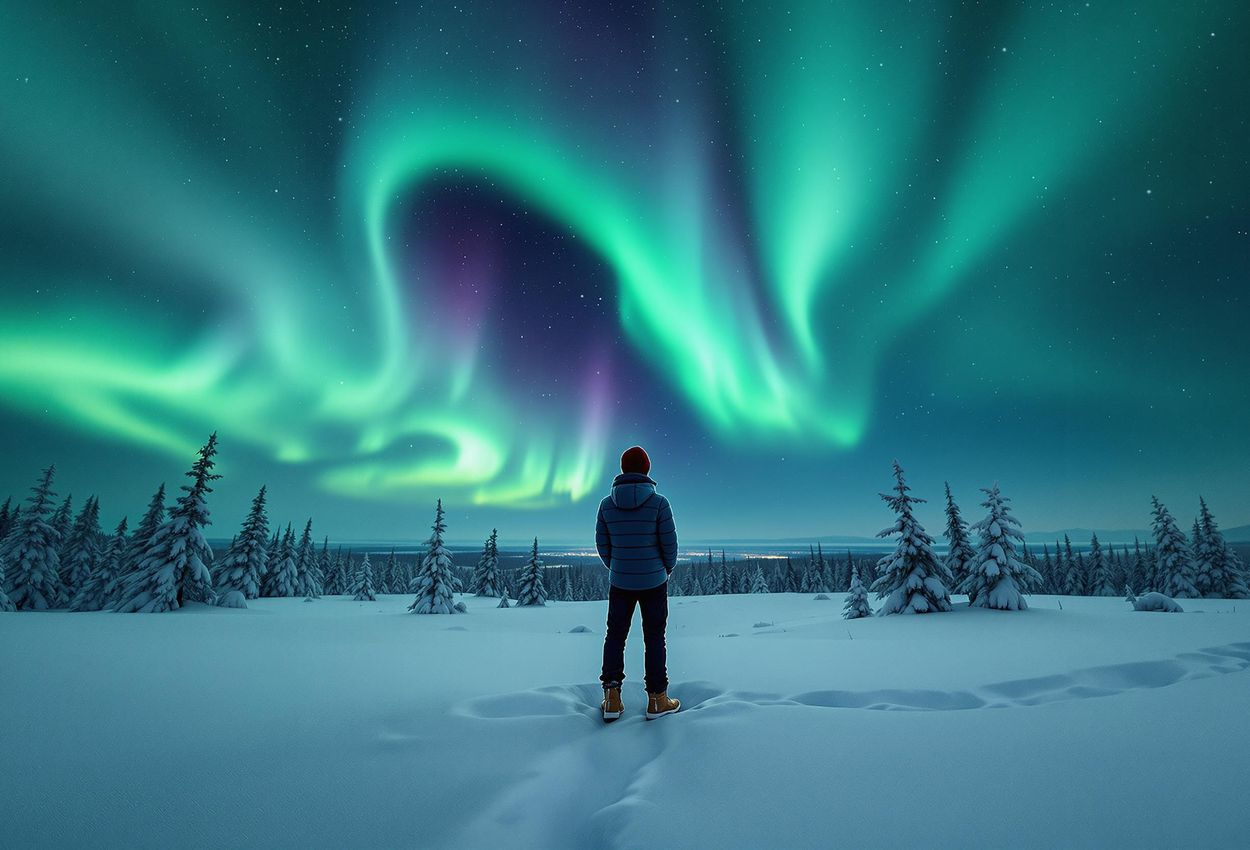
Composition is also an important aspect of aurora photography. Finding an interesting foreground, such as trees, lakes, or mountains, can add depth and context to your images. Use the rule of thirds to create visually appealing compositions. A remote shutter release or self-timer can help avoid camera shake during long exposures.
Remember to dress warmly and be patient, as aurora photography often involves long nights in cold conditions. Experiment with different settings and compositions, and don't be afraid to try new things. With the right equipment and techniques, you can capture stunning images of the Aurora Borealis and share its beauty with the world.