



Destination Guide
Xai-Xai: A Coastal Retreat
Relax on the beaches and explore the reefs of Xai-Xai.
View More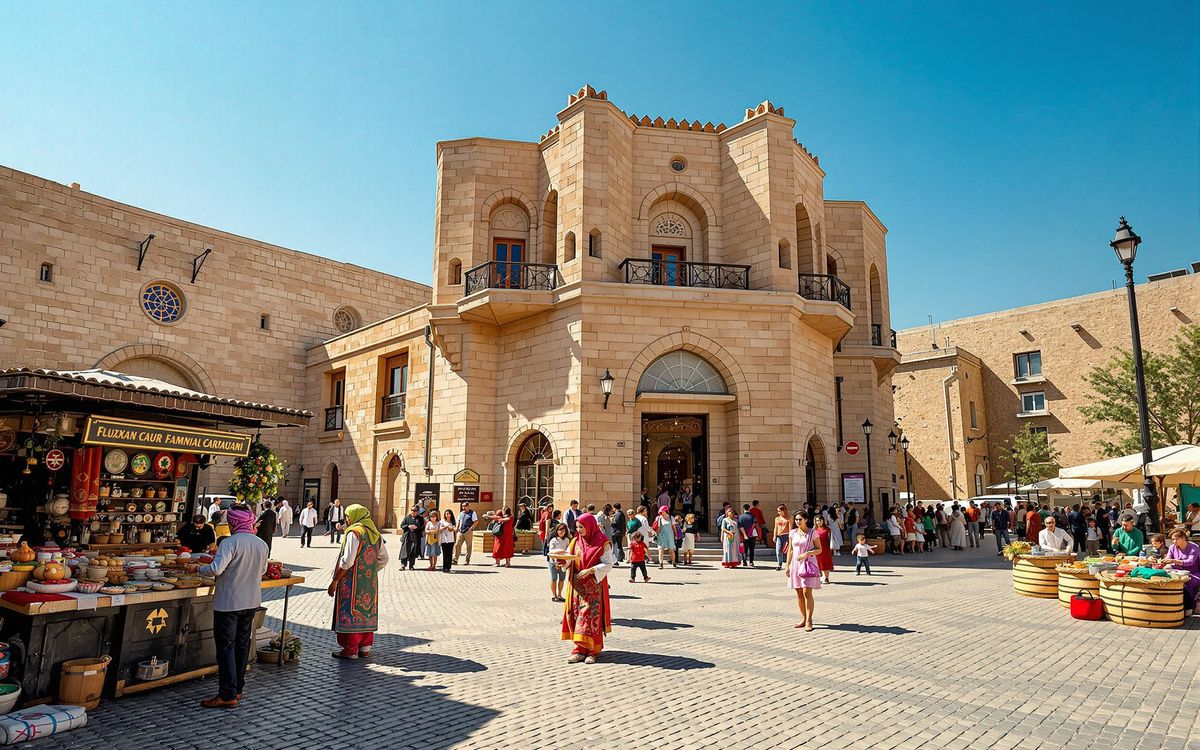

Step into a world where ancient history whispers from every stone, and the vibrant culture of Azerbaijan unfolds before your eyes.
In March, the Old City of Baku, also known as Icherisheher, beckons with a unique blend of historical intrigue and springtime charm. As a UNESCO World Heritage site, this ancient walled city offers a captivating journey through time, revealing layers of Zoroastrian, Sasanian, Arabic, Persian, Shirvani, Ottoman, and Russian influences. Wander through its labyrinthine streets, and you'll discover architectural marvels, hidden courtyards, and a vibrant cultural tapestry that has been woven over centuries.
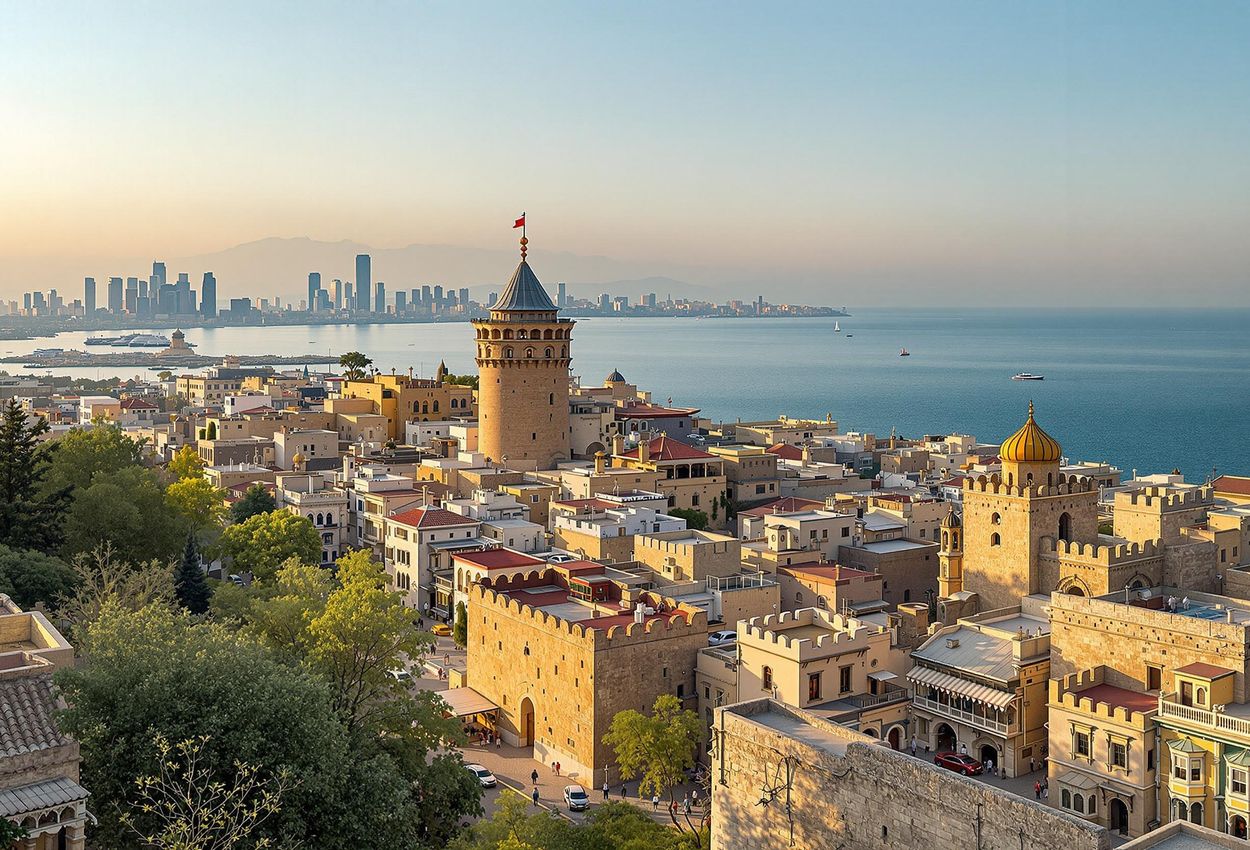
Icherisheher, the historical core of Baku, stands as a testament to Azerbaijan's rich heritage. Known also as “The Fortress” or simply “The Old City”, its history stretches back to at least the 5th century AD. But some researchers contend that construction dates as far back as the 7th century. This ancient enclave, encircled by formidable walls, has been recognized by UNESCO as a World Heritage site since 2000.
March offers a particularly enchanting experience, as the city awakens from its winter slumber. Parks and gardens begin to blossom, painting the historical landscape with vibrant colors. The air is filled with anticipation for the Novruz Festival, a celebration of the spring equinox and the start of the New Year. Icherisheher is more than just a collection of old buildings; it's a living, breathing city where history and culture intertwine. Approximately 3,000 people reside within the Old City walls, adding to its unique charm and atmosphere.
The strategic location of Icherisheher on the Caspian Sea and the Silk Road contributed to its growth as a major center for trade and cultural exchange. As you wander through its narrow, winding streets, you'll notice a captivating blend of architectural styles, reflecting the diverse influences that have shaped the city over the centuries.

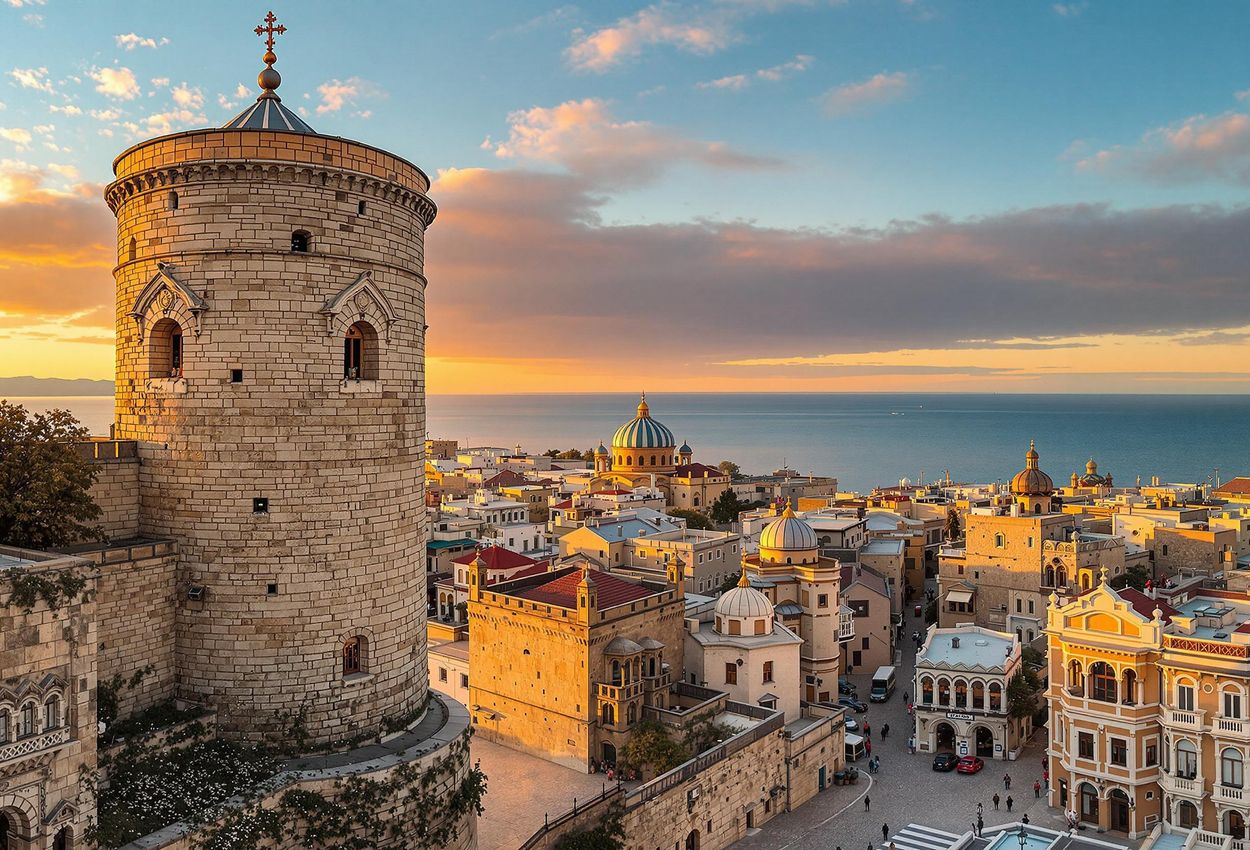
No visit to Icherisheher is complete without a visit to the Maiden Tower, a symbol of Baku shrouded in mystery and legend. Its origins are debated, with some theories dating back to the 7th century BC, while others suggest a 12th-century AD construction. Regardless of its exact age, the Maiden Tower stands as a testament to the city's enduring spirit.
The purpose of the Maiden Tower has also been the subject of much speculation. Some believe it was a Zoroastrian fire temple, while others suggest it served as an astronomical observatory or a defensive structure. Professors Davud A. Akhundov and Hassan Hassanov, suggest the Maiden Tower dates back to the 8th-7th century B.C. and is thought to be a Zoroastrian Fire temple-tower with seven fire exits on its top, symbolizing the faith's belief in seven steps or skies to reach heaven. Legend has it that a fire-haired virgin girl saved Baku's people from slavery.
As you ascend the tower, the panoramic views of the Old City and the Caspian Sea unfold before you. Imagine the cool March windsweeping past as you gaze out over the cityscape, the scent of the sea mingling with the aromas of the Old City below. The sounds of daily life drift upwards, creating a vibrant symphony that echoes through the ancient stones.

The Palace of the Shirvanshahs, a 15th-century complex, represents the pinnacle of Azerbaijani architecture. Recognized by UNESCO, this palace was once the residence of the Shirvanshah dynasty after the capital moved from Shemakha to Baku. The Shirvanshahs ruled the area now known as Azerbaijan for almost 700 years.
The complex comprises several key structures, each with its own unique story to tell. The Divanhane, a pavilion consisting of an octahedral hall, is situated in a small courtyard. Mausoleums, mosques, and bathhouses further contribute to the palace's royal and religious significance. Under Ibrahim I of the Shirvanshah dynasty during the 15th century, the capital was moved to Baku following an earthquake. Ibrahim committed himself to building a palace, and the chosen site is believed to have once been a sacred worship site and tomb of a Sufi saint.
As you explore the palace grounds, imagine the lives of the Shirvanshah rulers, their courtly rituals, and the weight of their decisions that shaped the region's history. The intricate carvings, the grand architecture, and the echoes of the past create an immersive experience that transports you back to a time of kings and dynasties.
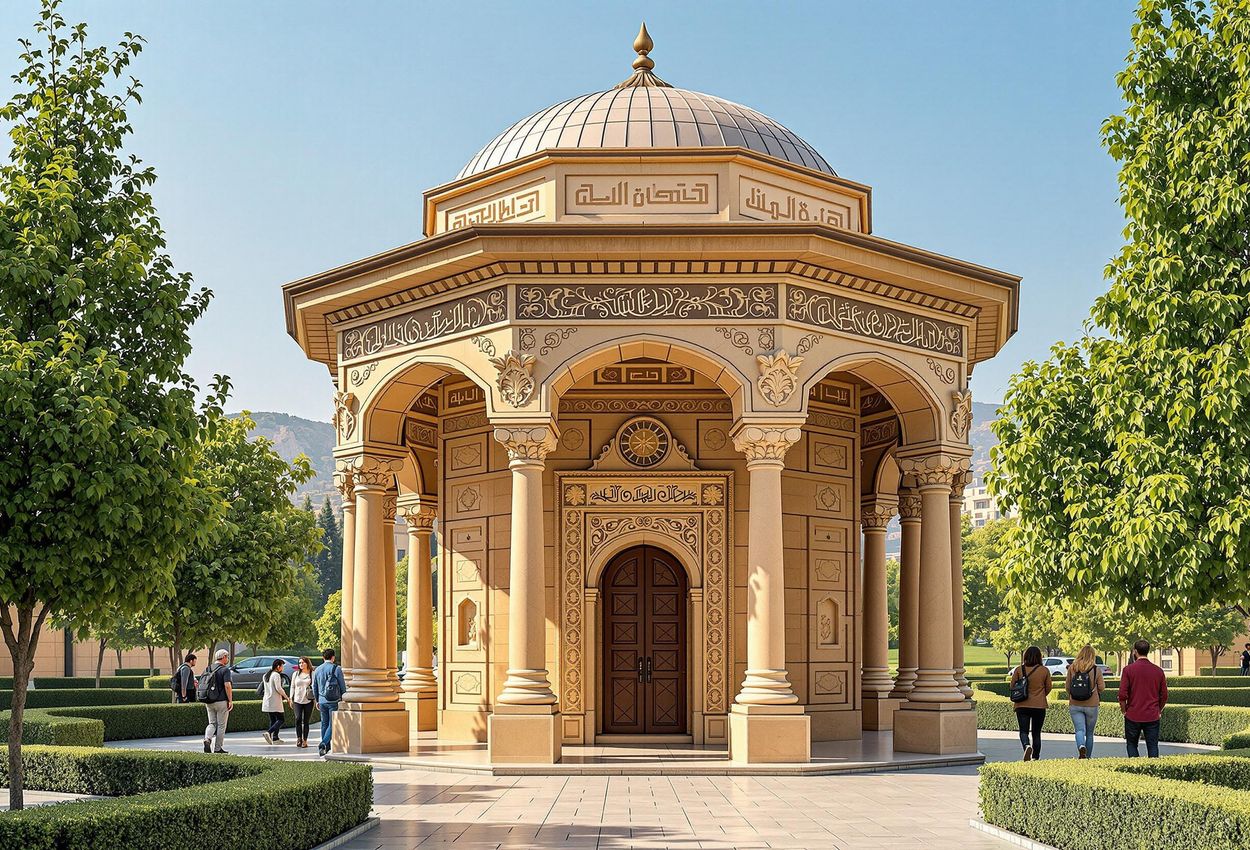
March in Baku is synonymous with the Novruz Festival, a vibrant celebration of the spring equinox and the start of the New Year. This ancient festival, deeply rooted in Azerbaijani culture, is a time of renewal, joy, and community.
The festivities begin weeks before the actual equinox, with each of the four Tuesdays preceding Novruz dedicated to a different element: Water, Fire, Earth, and Wind. According to traditional beliefs, water is said to be reborn on the first Wednesday, as still waters begin to flow. The second Wednesday signifies the rebirth of fire, followed by the awakening of the earth on the third. By the fourth Wednesday, the wind stirs tree buds, heralding the arrival of spring. These Tuesdays are marked with special traditions and rituals, symbolizing the transition from the old year to the new.
During Novruz, the streets of Icherisheher come alive with music, dance, and traditional performances. Folk bands fill the air with Azerbaijani songs, while dancers in traditional clothes perform festive routines. You might even witness the daring fire-jumping rituals, where people leap over bonfires to cleanse themselves of the past year's misfortunes.

As you wander through Icherisheher, you'll encounter the historical Caravanserais, remnants of the bustling Silk Road that once passed through Baku. These ancient inns served as resting places for merchants and travelers, providing shelter, sustenance, and a place to trade.
The Multani and Bukhara Caravanserais stand as prominent examples of this historical legacy. The Multani Caravanserai was built in the 14th century. The caravanserai served as a stopping place for merchants and fire worshipers from Multan. According to research, the Bukhara caravanserai was built in the 15th century by merchants who came from Central Asia to Baku. Today, these Caravanserais have been transformed into restaurants, offering a unique dining experience within their ancient walls.
Imagine dining in these historic structures, surrounded by the echoes of centuries past. As you savor traditional Azerbaijani cuisine, let your mind wander back to the days of the Silk Road, when merchants from distant lands gathered in these very courtyards, exchanging goods and stories.
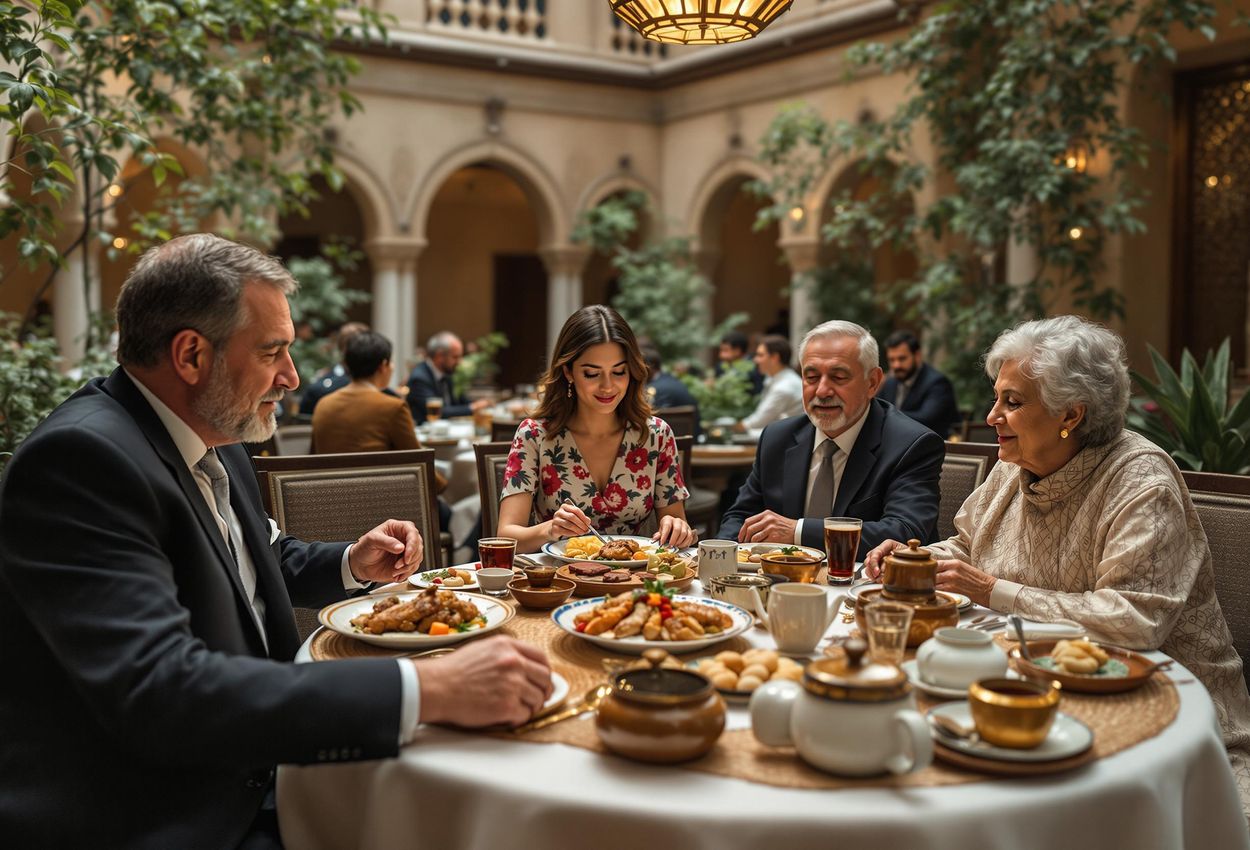
The culinary scene in Icherisheher is a delightful reflection of Azerbaijan's rich cultural heritage. Traditional Azerbaijani cuisine takes center stage, with dishes like plov, dolma, lavangi, and qutab tantalizing your taste buds. Plov is a rich and flavorful saffron rice dish often served with dried fruits and nuts. Dolma is grape leaves or vegetables stuffed with savory fillings such as minced meat and rice. Lavangi is stuffed chicken or fish with a rich blend of nuts and spices, baked to perfection. Qutab is thin dough filled with ingredients like greens or pumpkin and often served with yogurt.
Local herbs and spices play a prominent role in Azerbaijani cooking, adding depth and complexity to each dish. The use of saffron, coriander, dill, and mint creates a symphony of flavors that is both comforting and exotic.
For an authentic culinary experience, consider dining at restaurants like Shirvanshah Muzeum Restaurant or Qaynana Restaurant. These establishments offer a taste of traditional Azerbaijani cuisine in a setting that reflects the city's historical charm.

While the main attractions of Icherisheher are undoubtedly impressive, be sure to venture beyond the well-trodden paths and discover the hidden gems that lie within its ancient walls.
The Museum of Miniature Books offers a unique and fascinating glimpse into the world of miniature literature. This museum is the only museum of miniature books in the world. Founded in 2002, the museum was presented with the Certificate of the Guinness Book of Records as the largest private museum of miniature books in 2015. Unique cultural experiences await those who seek them out, such as visiting a traditional Hammam for a rejuvenating spa treatment.
Shopping in Icherisheher is an adventure in itself, with opportunities to find unique souvenirs and local crafts. Carpets, kelaghayi (silk headscarves), pottery, and metalwork are just some of the treasures you might discover. The Folk Art gift shop is a great place to find authentic Azerbaijani handicrafts.

Visiting Icherisheher in March requires a bit of planning to ensure a comfortable and enjoyable experience. The weather in Baku during this time of year can be unpredictable, with cool winds and occasional showers. The temperature during the day can rise to approximately 11°C. At night, it falls to around 6°C. It is best to dress in layers and bring a waterproof jacket or umbrella.
To avoid the crowds, especially during the Novruz Festival, consider visiting early in the morning or later in the afternoon. This will allow you to explore the city's attractions at a more leisurely pace and appreciate its beauty without the hustle and bustle.
Icherisheher is easily accessible by public transportation, with several bus and metro lines serving the area. Taxis are also readily available, but be sure to negotiate the fare beforehand.
As you prepare to explore Baku's Old City in March, remember to embrace the unexpected and allow yourself to be swept away by its timeless charm. This is a destination that rewards curiosity, invites exploration, and leaves an indelible mark on your soul.
Our editors` picks of the latest and greatest in travel - delivered to your inbox daily
Relax on the beaches and explore the reefs of Xai-Xai.
View More
Embrace the cooler temperatures and experience the International Festival of the Sahara in Douz this December.
View More
Celebrate the year-end festivities in Accra, culminating in the vibrant Afrofuture festival.
View More Albania EDITION
 Algeria EDITION
 Argentina EDITION
 Armenia EDITION
 Australia EDITION
 Austria EDITION
 Bangladesh EDITION
 Belgium EDITION
 Belize EDITION
 Benin EDITION
 Bhutan EDITION
 Bolivia EDITION
 Bosnia and Herzegovina EDITION
 Botswana EDITION
 Brazil EDITION
 Bulgaria EDITION
 Burkina Faso EDITION
 Cambodia EDITION
 Cameroon EDITION
 Canada EDITION
 Central African Republic EDITION
 Chad EDITION
 Chile EDITION
 China EDITION
 Colombia EDITION
 Costa Rica EDITION
 Croatia EDITION
 Cyprus EDITION
 Denmark EDITION
 Djibouti EDITION
 Ecuador EDITION
 Egypt EDITION
 El Salvador EDITION
 Eritrea EDITION
 Estonia EDITION
 Ethiopia EDITION
 Finland EDITION
 France EDITION
 Gabon EDITION
 Georgia EDITION
 Germany EDITION
 Ghana EDITION
 Greece EDITION
 Guatemala EDITION
 Guinea EDITION
 Guinea-Bissau EDITION
 Honduras EDITION
 Hungary EDITION
 Iceland EDITION
 India EDITION
 Indonesia EDITION
 Ireland EDITION
 Israel EDITION
 Italy EDITION
 Jamaica EDITION
 Japan EDITION
 Jordan EDITION
 Kenya EDITION
 Kuwait EDITION
 Laos EDITION
 Latvia EDITION
 Lebanon EDITION
 Lesotho EDITION
 Liberia EDITION
 Lithuania EDITION
 Luxembourg EDITION
 Madagascar EDITION
 Malawi EDITION
 Malaysia EDITION
 Maldives EDITION
 Mali EDITION
 Malta EDITION
 Mauritania EDITION
 Mauritius EDITION
 Mexico EDITION
 Mongolia EDITION
 Montenegro EDITION
 Morocco EDITION
 Mozambique EDITION
 Namibia EDITION
 Nepal EDITION
 Netherlands EDITION
 New Zealand EDITION
 Nicaragua EDITION
 Niger EDITION
 Nigeria EDITION
 Norway EDITION
 Oman EDITION
 Pakistan EDITION
 Panama EDITION
 Papua New Guinea EDITION
 Paraguay EDITION
 Peru EDITION
 Philippines EDITION
 Poland EDITION
 Portugal EDITION
 Qatar EDITION
 Romania EDITION
 Rwanda EDITION
 Saudi Arabia EDITION
 Senegal EDITION
 Serbia EDITION
 Singapore EDITION
 Slovakia EDITION
 Slovenia EDITION
 Somalia EDITION
 South Africa EDITION
 South Korea EDITION
 Spain EDITION
 Sri Lanka EDITION
 Suriname EDITION
 Sweden EDITION
 Switzerland EDITION
 Tanzania EDITION
 Thailand EDITION
 Tunisia EDITION
 Uganda EDITION
 United Arab Emirates EDITION
 United Kingdom EDITION
 Uruguay EDITION
 Venezuela EDITION
 Vietnam EDITION
 Zambia EDITION
 Zimbabwe EDITION
Subscribe to our newsletter and get the most captivating travel stories, hidden gems, and expert insights delivered straight to your inbox. As a subscriber, you’ll be first in line for exclusive content, premium offers, and unforgettable travel experiences