


Destination Guide
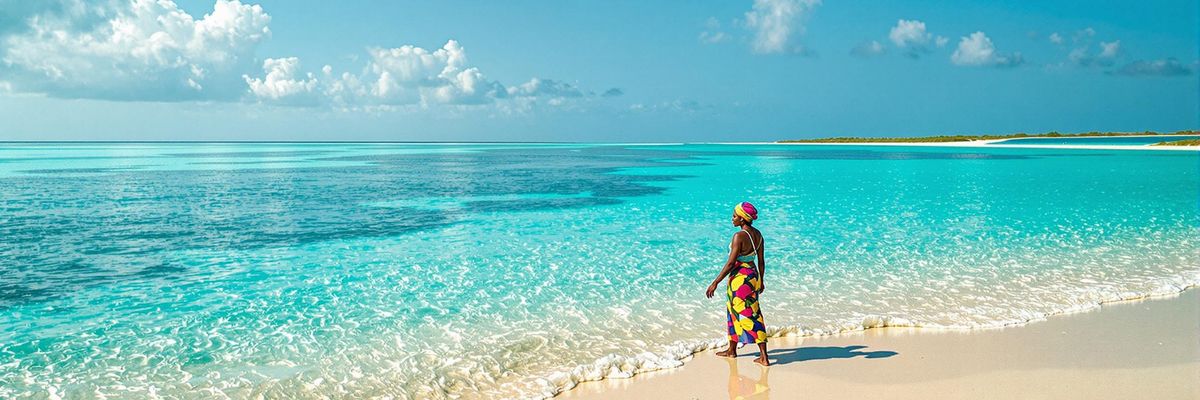
Xai-Xai: A Coastal Retreat
Relax on the beaches and explore the reefs of Xai-Xai.
View More

Discover Bitam, a unique highland destination in northern Gabon, offering cooler climates, vibrant markets, and rich cultural traditions.
Nestled in the northern reaches of Gabon, near the borders of Cameroon and Equatorial Guinea, lies Bitam, a hidden gem waiting to be discovered. Unlike the equatorial heat that characterizes much of Gabon, Bitam enjoys a refreshingly cooler highland climate, making it an appealing destination for travelers seeking respite and unique experiences. As you ascend into the highlands, the air becomes crisper, carrying the scent of lush vegetation and damp earth. The landscape transforms into a tapestry of rolling hills and verdant forests, a stark contrast to the coastal plains further south.
This change in climate and scenery has fostered a distinct character in Bitam, setting it apart from other Gabonese cities. The town's strategic location has also made it a crossroads of cultures, with influences from neighboring countries subtly woven into its traditions and daily life. Bitam is gaining recognition as a destination for adventurous travelers eager to explore authentic African experiences beyond the typical tourist trails. The allure lies in its unspoiled natural beauty, the warmth of its people, and the opportunity to immerse oneself in a rich cultural heritage.
Whether you're drawn by the promise of cooler temperatures, the allure of exploring vibrant local markets, or the desire to delve into the traditions of the Fang people, Bitam offers a compelling blend of natural wonders and cultural immersion. It's a place where the adventurous spirit can thrive, and the curious traveler can uncover the heart of northern Gabon.

Image Description: A wide, scenic shot of Bitam, Gabon, nestled amidst rolling green hills under a partly cloudy sky. The town features colorful buildings with red tin roofs, showcasing the unique architecture. The foreground includes lush vegetation and a winding road leading into the town. In the distance, the highlands rise, creating a dramatic backdrop. The lighting is soft and natural, highlighting the textures of the landscape and the vibrant colors of the buildings. The image captures the essence of Bitam as a highland destination with a distinct climate and landscape. The photo is taken during the day in September 2025.
Style Instructions: Landscape, Serene. Use a wide-angle lens to capture the expansive scenery. Focus on maintaining a sharp focus throughout the image, ensuring both the foreground and background are clear. Adjust the white balance to accurately represent the natural colors of the environment. The photo should be taken on September 15, 2025, around midday to capture the best light.
Exploring Bitam's Bustling Heart: The Central Market
The Marché Central, or central market, in Bitam is more than just a place to buy and sell goods; it's a vibrant tapestry of Gabonese life, a sensory explosion that immerses you in the heart of the community. From the moment you step inside, you're enveloped in a symphony of sounds. Vendors call out their wares in rapid-fire French and local dialects, their voices competing with the chatter of shoppers and the occasional bleating of goats. The air is thick with the mingled aromas of ripe tropical fruits, pungent spices, and freshly baked bread, creating an olfactory experience that is both exotic and comforting.
Visually, the market is a riot of color. Brightly patterned textiles hang from stalls, their intricate designs reflecting the artistry of local craftspeople. Mountains of fresh produce – mangoes, plantains, pineapples, and a dazzling array of vegetables you may not recognize – create a vibrant mosaic. Handcrafted items, from intricately carved wooden masks to colorful beaded jewelry, offer a glimpse into the region's rich cultural heritage.
Navigating the crowded aisles is an adventure in itself. You'll find yourself dodging handcarts piled high with goods, exchanging smiles with friendly locals, and perhaps even engaging in a bit of friendly bargaining. Speaking of which, one memorable encounter involved haggling over the price of a hand-woven basket. The vendor, a wizened woman with a mischievous glint in her eye, initially quoted an exorbitant price. After a spirited exchange, punctuated by laughter and theatrical gestures, a mutually agreeable price was struck, and the basket became a cherished souvenir, imbued with the memory of that lively transaction.
The Marché Central is not just a place to shop; it's a place to connect, to observe, and to experience the authentic rhythm of life in Bitam. It's a microcosm of Gabonese culture, a place where you can taste the flavors, hear the sounds, and see the colors of this vibrant community.
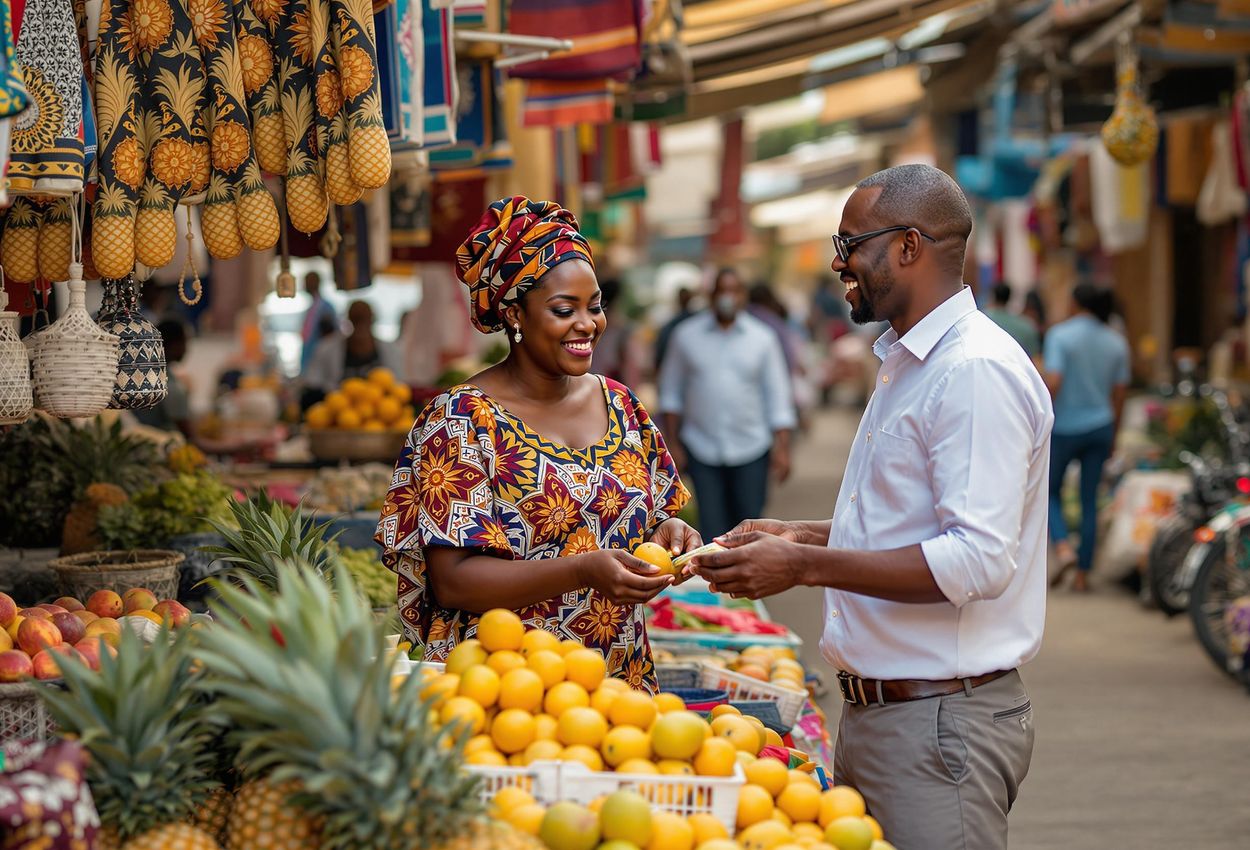
Image Description: A bustling scene inside Bitam's central market (Marché Central) on a busy Saturday morning. The market is filled with vendors selling a variety of goods, including fresh fruits, vegetables, colorful textiles, and handcrafted items. Focus is on a vendor with a warm smile, interacting with a customer while displaying a selection of vibrant fabrics. The surrounding stalls are overflowing with produce, creating a colorful and lively atmosphere. Natural light filters through the market's open roof, casting soft shadows and highlighting the textures of the goods on display. The photo is taken during the dry season in September 2025.
Style Instructions: Street, Candid. Use a shallow depth of field to focus on the vendor and customer, blurring the background to emphasize their interaction. Capture the natural expressions and movements of the people in the market, conveying the energy and vibrancy of the scene. The photo should be taken on September 15, 2025, mid-morning to capture the market at its peak activity.
Chasing Waterfalls: Bitam's Natural Wonders
Bitam is surrounded by a wealth of natural beauty, with lush rainforests and cascading waterfalls beckoning adventurous travelers. Among these natural attractions, the Bitam Waterfall stands out as a particularly rewarding destination. The journey to the waterfall is an integral part of the experience. The hike begins on the outskirts of Bitam, gradually winding its way into the dense rainforest. As you venture deeper, the air grows cooler and the sounds of the city fade away, replaced by the symphony of the rainforest.
The trail meanders through a verdant landscape, with towering trees forming a canopy overhead, filtering the sunlight into dappled patterns on the forest floor. Keep an eye out for the vibrant flora and fauna that call this rainforest home. Colorful birds flit through the trees, their calls echoing through the forest. Monkeys chatter and swing from branches, while butterflies dance in sunlit clearings. With a bit of luck, you might even spot some of the region's more elusive wildlife.
As you approach the waterfall, the sound of rushing water grows louder, building anticipation for the spectacle that awaits. Finally, the trees part, revealing the Bitam Waterfall in all its glory. The water plunges from a height of approximately 30 meters, crashing into a pool below, sending up a refreshing mist. The surrounding rocks are covered in moss and ferns, creating a picturesque scene. The best time to visit the Bitam Waterfall is during the dry season, from June to September, when the trails are less muddy and the water flow is manageable for swimming. It's advisable to wear sturdy hiking shoes and lightweight, breathable clothing. Don't forget to bring insect repellent and plenty of water. A swimsuit is also a good idea if you're tempted to take a refreshing dip in the pool at the base of the falls. The Bitam Waterfall is a testament to the natural beauty of Gabon, offering a rewarding experience for nature lovers and adventure seekers alike.
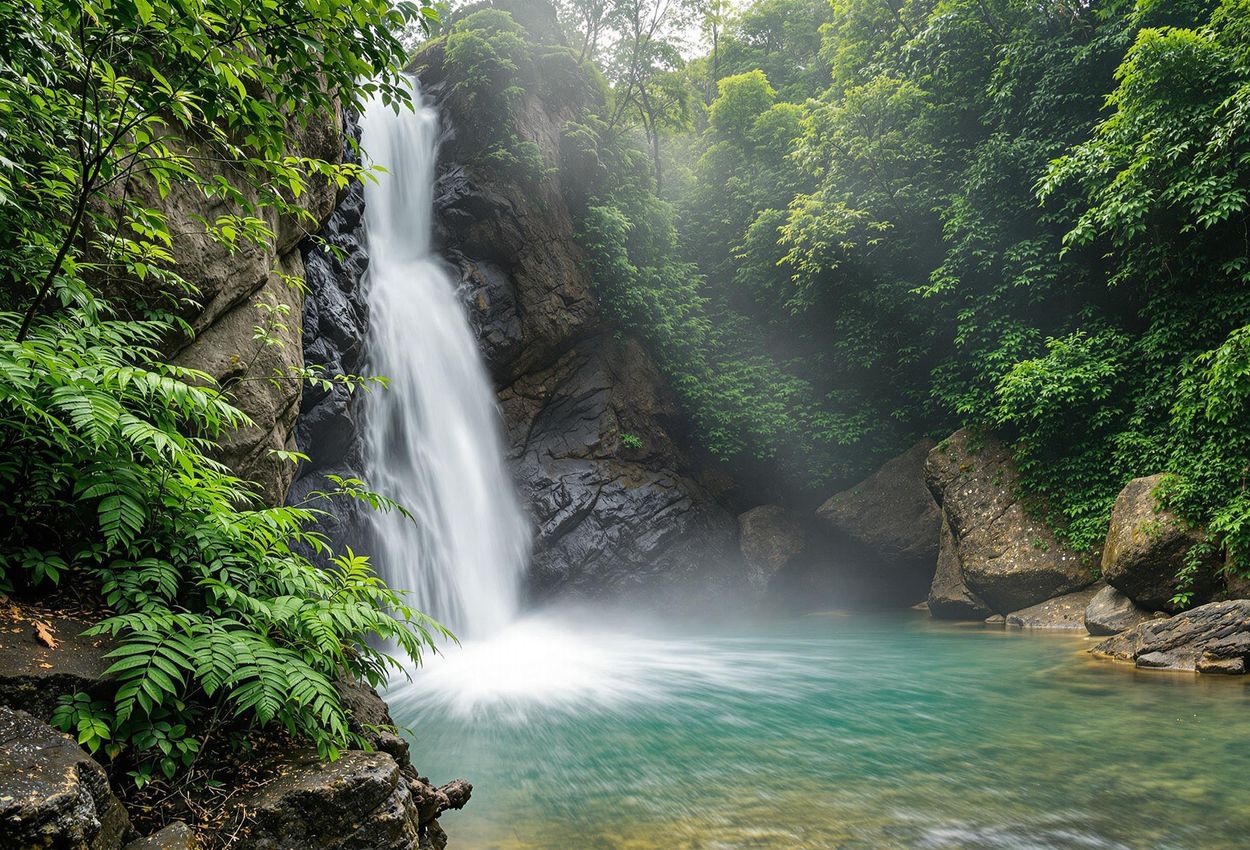
Image Description: A stunning view of the Bitam Waterfall cascading down a rocky cliff in the Gabonese rainforest. The water is clear and powerful, creating a misty spray at the base of the falls. Lush green vegetation covers the surrounding rocks and trees, emphasizing the natural beauty of the area. A small pool at the bottom invites viewers to imagine a refreshing swim. The lighting is soft, highlighting the textures of the rocks and foliage. The photo is taken during the dry season in September 2025.
Style Instructions: Nature, Landscape. Use a long exposure to capture the motion of the water, creating a smooth, ethereal effect. Focus on capturing the details of the surrounding rainforest, highlighting the biodiversity of the area. The photo should be taken on September 15, 2025, in the late morning to avoid harsh sunlight.
A Cultural Immersion: Traditions of the Fang People
Bitam holds significant cultural importance as a center for the Fang people, one of the largest ethnic groups in Gabon. A visit to Bitam offers a unique opportunity to delve into the traditions and customs of this fascinating culture. Traditional Fang architecture is characterized by its simplicity and functionality. Villages typically consist of bark houses arranged along a straight street, reflecting a communal way of life. The size of the village is often determined by the availability of resources, highlighting the Fang people's close relationship with their environment.
Community life is central to Fang culture, with strong emphasis on family and social bonds. Traditional roles and responsibilities are clearly defined, ensuring the smooth functioning of the community. To gain a deeper understanding of Fang culture, a visit to the Museum of Arts and Traditions of Bitam is highly recommended. The museum houses a collection of artifacts and exhibits that showcase the history, art, and traditions of the Fang people. Key exhibits include traditional wooden sculptures, masks, and reliquary figures, each imbued with symbolic meaning. These objects offer insights into the Fang people's spiritual beliefs, social structures, and artistic practices.
If you're fortunate, your visit to Bitam might coincide with a local festival or ceremony. These events offer a vibrant display of Fang culture, with traditional music, dance, and costumes. Witnessing these celebrations firsthand provides an unforgettable glimpse into the heart of Fang traditions. The Fang people are known for their artistry, particularly their wood carvings. These carvings often depict human figures or abstract designs and are used in religious ceremonies or as decorative objects. Masks also play an important role in Fang culture, often worn during dances and rituals.
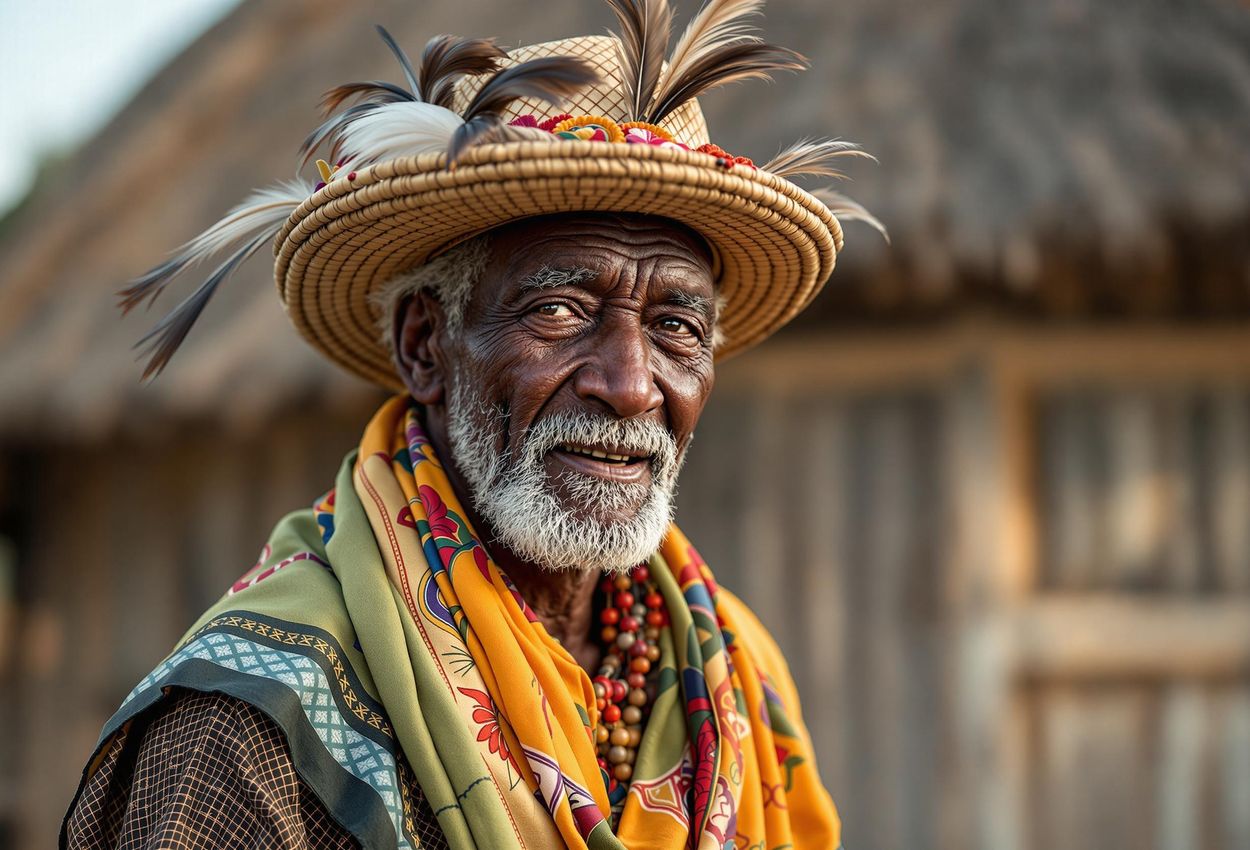
Image Description: A captivating portrait of a Fang elder in Bitam, Gabon, dressed in traditional attire. He wears a woven hat adorned with feathers and a colorful patterned cloth draped over his shoulders. His face is weathered and expressive, bearing the marks of age and wisdom. The background features a traditional Fang house with a thatched roof and wooden walls. The lighting is soft and natural, emphasizing the textures of his clothing and the details of his face. The photo is taken during a cultural festival in September 2025.
Style Instructions: Portrait, Candid. Use a shallow depth of field to focus on the elder's face, blurring the background to create a sense of intimacy. Capture the natural light and shadows, enhancing the textures and details of his clothing and features. The photo should be taken on September 15, 2025, in the late afternoon to capture the golden hour light.
Venturing Beyond: Day Trips from Bitam
While Bitam itself offers plenty to see and do, its location makes it an ideal base for exploring the surrounding region. Several day trips offer opportunities to experience the diverse landscapes and wildlife of northern Gabon. The Mikongo Conservation Center, located a few hours from Bitam, provides an excellent opportunity to observe gorillas and other primates in their natural habitat. The center works to protect these endangered species through research, conservation, and community engagement. Visitors can take guided tours of the forest, learning about the local ecosystem and the challenges of wildlife conservation.
Another worthwhile excursion is to the Lékoni Reserve, a wildlife reserve with over 500 species of birds, buffaloes, elephants, and other animals. The reserve offers a chance to witness the incredible biodiversity of Gabon. Birdwatchers will be in paradise, with opportunities to spot rare and endemic species. Keep an eye out for larger mammals, such as elephants and buffaloes, as well as a variety of monkeys. For those interested in cultural landmarks, a visit to the Basilica of Saint Anne in Mitzic is highly recommended. This stunning basilica is a testament to the region's rich religious history and architectural heritage. The basilica's imposing facade and intricate interior are sure to impress.
When planning these day trips, it's important to consider transportation. Hiring a car with a driver is often the most convenient option, as roads can be challenging, and public transportation is limited. Be sure to pack plenty of water, snacks, and insect repellent. It's also advisable to check the weather forecast and dress accordingly. Exploring the region around Bitam offers a deeper appreciation for the natural and cultural treasures of northern Gabon. From wildlife encounters to cultural immersion, these day trips provide unforgettable experiences.
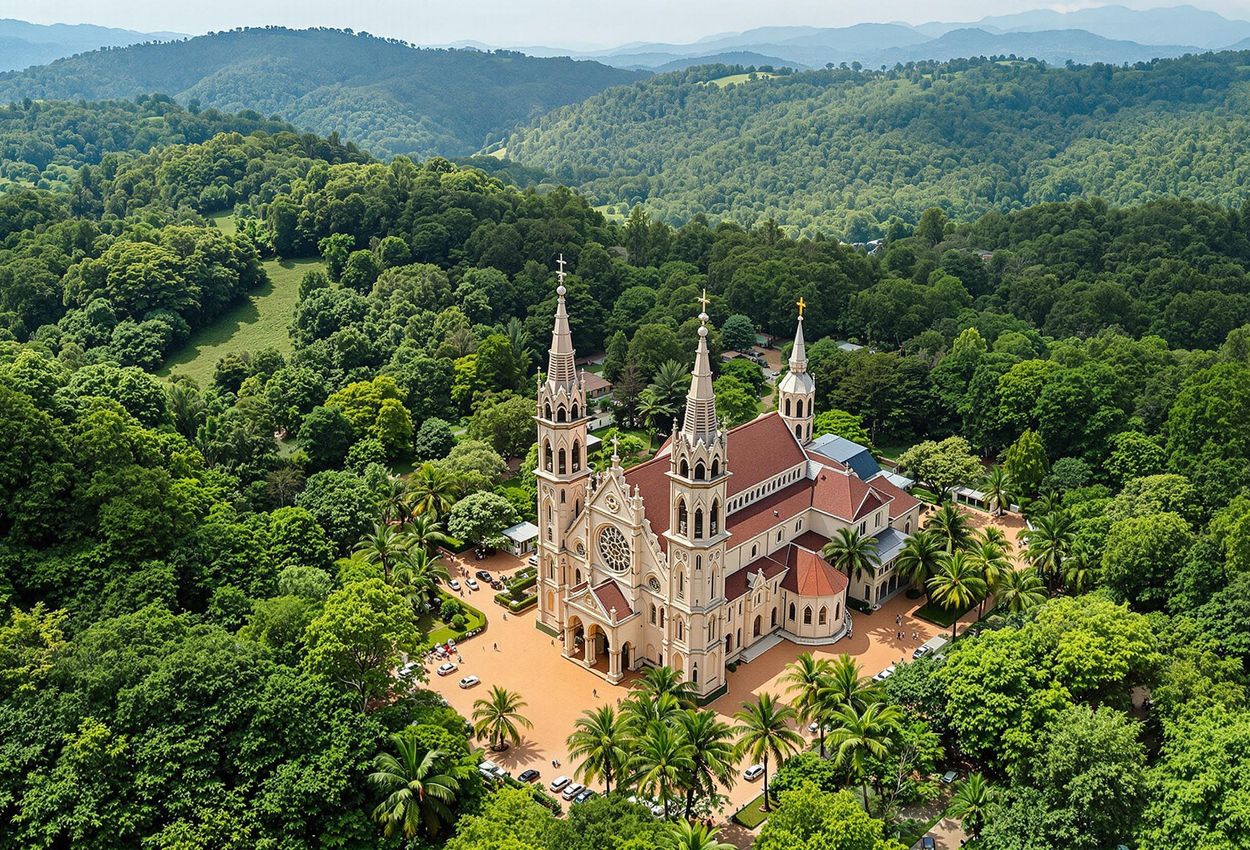
Image Description: An aerial view of the Basilica of Saint Anne in Mitzic, Gabon, surrounded by lush green hills and forests. The basilica's architecture is prominent, with its towering spires and intricate details. The surrounding landscape showcases the natural beauty of the region. The lighting is bright and clear, highlighting the contrast between the basilica and its environment. The photo is taken on a sunny day in September 2025.
Style Instructions: Architecture, Aerial. Use a drone to capture a high-angle shot of the basilica and its surroundings. Focus on capturing the architectural details of the basilica and the natural beauty of the landscape. The photo should be taken on September 15, 2025, in the early morning to capture the best light and avoid shadows.
Our editors` picks of the latest and greatest in travel - delivered to your inbox daily
Relax on the beaches and explore the reefs of Xai-Xai.
View More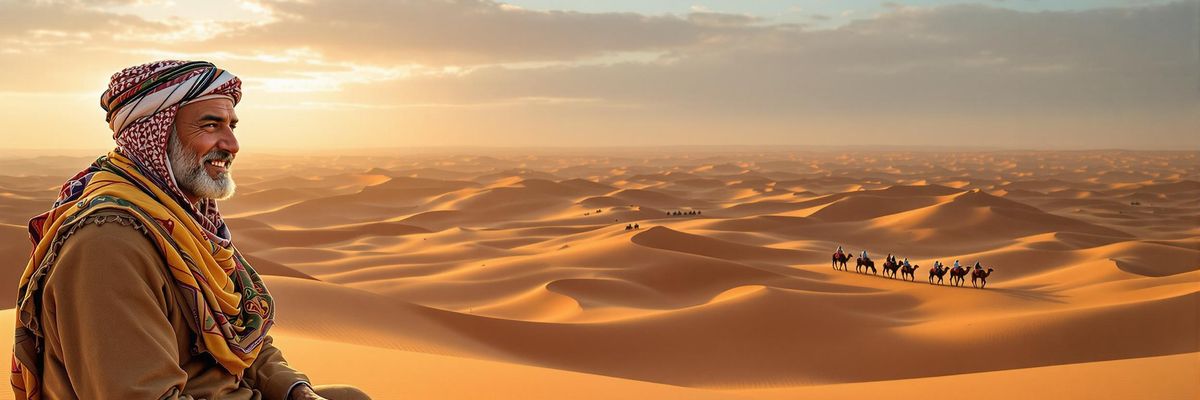
Embrace the cooler temperatures and experience the International Festival of the Sahara in Douz this December.
View More
Celebrate the year-end festivities in Accra, culminating in the vibrant Afrofuture festival.
View More Albania EDITION
 Algeria EDITION
 Argentina EDITION
 Armenia EDITION
 Australia EDITION
 Austria EDITION
 Bangladesh EDITION
 Belgium EDITION
 Belize EDITION
 Benin EDITION
 Bhutan EDITION
 Bolivia EDITION
 Bosnia and Herzegovina EDITION
 Botswana EDITION
 Brazil EDITION
 Bulgaria EDITION
 Burkina Faso EDITION
 Cambodia EDITION
 Cameroon EDITION
 Canada EDITION
 Central African Republic EDITION
 Chad EDITION
 Chile EDITION
 China EDITION
 Colombia EDITION
 Costa Rica EDITION
 Croatia EDITION
 Cyprus EDITION
 Denmark EDITION
 Djibouti EDITION
 Ecuador EDITION
 Egypt EDITION
 El Salvador EDITION
 Eritrea EDITION
 Estonia EDITION
 Ethiopia EDITION
 Finland EDITION
 France EDITION
 Gabon EDITION
 Georgia EDITION
 Germany EDITION
 Ghana EDITION
 Greece EDITION
 Guatemala EDITION
 Guinea EDITION
 Guinea-Bissau EDITION
 Honduras EDITION
 Hungary EDITION
 Iceland EDITION
 India EDITION
 Indonesia EDITION
 Ireland EDITION
 Israel EDITION
 Italy EDITION
 Jamaica EDITION
 Japan EDITION
 Jordan EDITION
 Kenya EDITION
 Kuwait EDITION
 Laos EDITION
 Latvia EDITION
 Lebanon EDITION
 Lesotho EDITION
 Liberia EDITION
 Lithuania EDITION
 Luxembourg EDITION
 Madagascar EDITION
 Malawi EDITION
 Malaysia EDITION
 Maldives EDITION
 Mali EDITION
 Malta EDITION
 Mauritania EDITION
 Mauritius EDITION
 Mexico EDITION
 Mongolia EDITION
 Montenegro EDITION
 Morocco EDITION
 Mozambique EDITION
 Namibia EDITION
 Nepal EDITION
 Netherlands EDITION
 New Zealand EDITION
 Nicaragua EDITION
 Niger EDITION
 Nigeria EDITION
 Norway EDITION
 Oman EDITION
 Pakistan EDITION
 Panama EDITION
 Papua New Guinea EDITION
 Paraguay EDITION
 Peru EDITION
 Philippines EDITION
 Poland EDITION
 Portugal EDITION
 Qatar EDITION
 Romania EDITION
 Rwanda EDITION
 Saudi Arabia EDITION
 Senegal EDITION
 Serbia EDITION
 Singapore EDITION
 Slovakia EDITION
 Slovenia EDITION
 Somalia EDITION
 South Africa EDITION
 South Korea EDITION
 Spain EDITION
 Sri Lanka EDITION
 Suriname EDITION
 Sweden EDITION
 Switzerland EDITION
 Tanzania EDITION
 Thailand EDITION
 Tunisia EDITION
 Uganda EDITION
 United Arab Emirates EDITION
 United Kingdom EDITION
 Uruguay EDITION
 Venezuela EDITION
 Vietnam EDITION
 Zambia EDITION
 Zimbabwe EDITION
Subscribe to our newsletter and get the most captivating travel stories, hidden gems, and expert insights delivered straight to your inbox. As a subscriber, you’ll be first in line for exclusive content, premium offers, and unforgettable travel experiences