


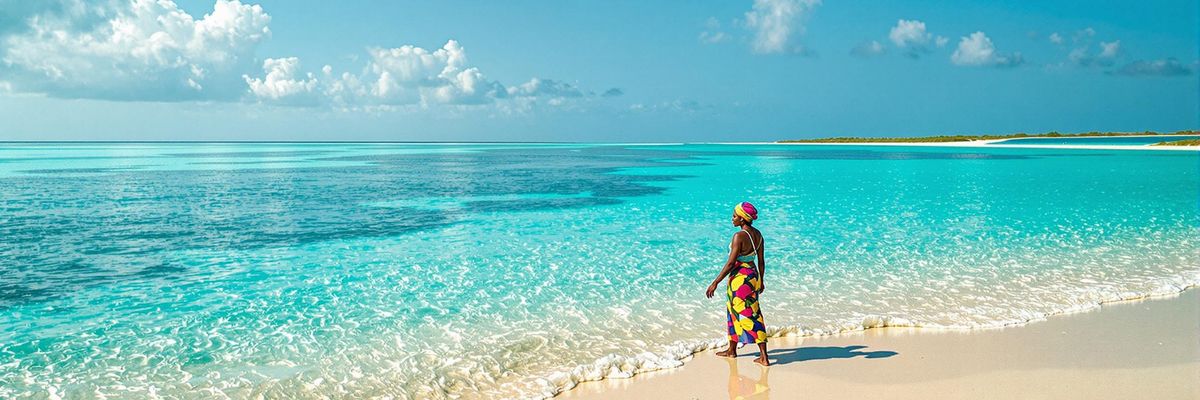
Destination Guide
Xai-Xai: A Coastal Retreat
Relax on the beaches and explore the reefs of Xai-Xai.
View More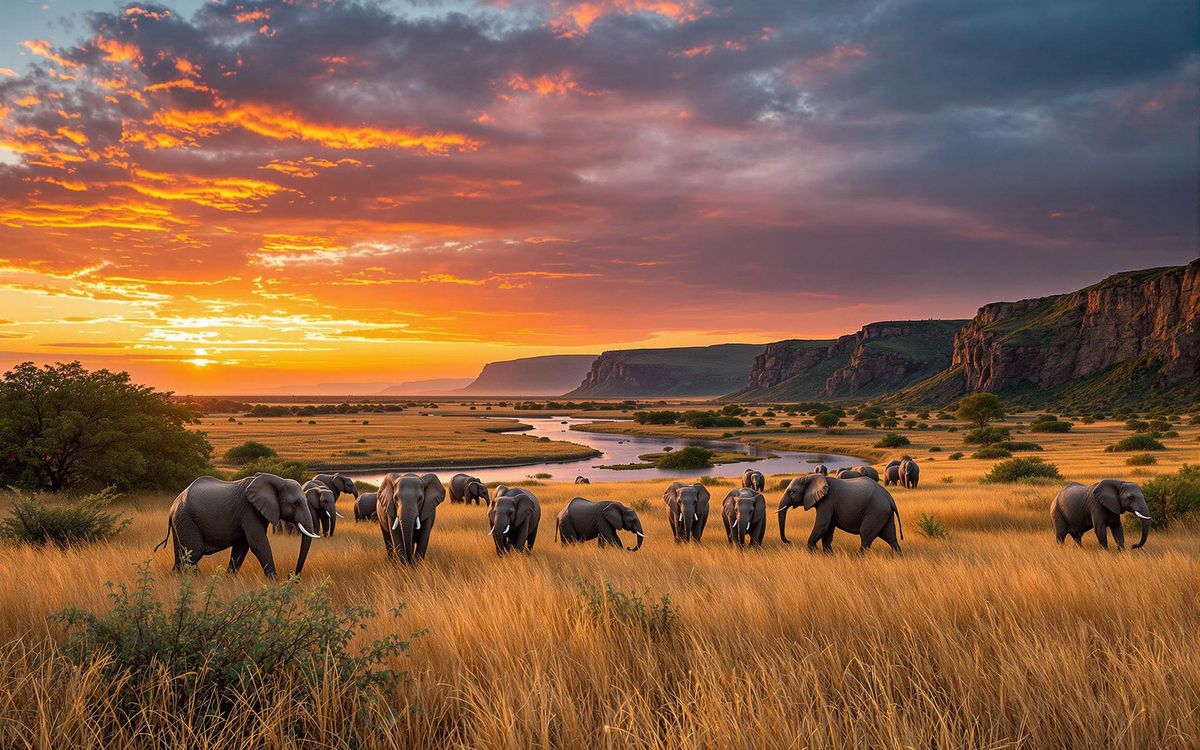

Journey into the heart of Mali to discover Boucle du Baoulé National Park, a sanctuary where the whispers of the wild echo through ancient landscapes and cultural treasures await.
Nestled in western Mali, the Boucle du Baoulé National Park emerges as a hidden jewel, inviting intrepid travelers to uncover its untamed beauty. Established in 1982, this vast expanse of 25,330 square kilometers encompasses a remarkable diversity of ecosystems, from sprawling savannas and verdant forests to dramatic rocky cliffs and the life-giving Baoulé River. The landscape is painted with hues of ochre and green, the air alive with the scent of dry earth and the distant calls of exotic birds. Imagine standing on a precipice, the setting sun casting long shadows across the savanna, the only sound the rustling of grasses in the evening breeze.
Recognized by UNESCO as part of the Boucle du Baoulé Biosphere Reserve, the park plays a crucial role in preserving biodiversity and safeguarding endangered species. It serves as a refuge for creatures great and small, a testament to Mali's commitment to conservation. This recognition highlights the park's global significance in terms of its biodiversity, cultural history, and archaeological importance. The Baoulé River, a winding vein of life, not only sustains the park's flora and fauna but also offers stunning views and opportunities for birdwatching.
Here, the sunsets are not mere events but dramatic displays of color, painting the sky with fiery oranges and deep purples. The air hums with the energy of the wild, a symphony of buzzing insects, chirping birds, and the occasional roar of a distant predator. The Boucle du Baoulé National Park is more than just a park; it's an immersive experience, a chance to reconnect with nature and discover the raw beauty of West Africa.

Image Description: A wide, panoramic shot of the Boucle du Baoulé National Park at sunset. The Baoulé River meanders through the landscape, reflecting the warm colors of the sky. In the foreground, a small group of West African savanna elephants are gathered near the riverbank, drinking water. The savanna is golden, and the rocky cliffs in the distance are silhouetted against the vibrant sky. The image should convey a sense of vastness, tranquility, and the raw beauty of the Malian wilderness.
Style Instructions: Landscape. Use a wide-angle lens to capture the expansive view. The lighting should be warm and golden, emphasizing the sunset. Focus on the elephants and the river, ensuring they are sharp and well-defined. The date the photo is taken should be September 9, 2025, during the dry season, to match the article's publication date and ensure the landscape appears dry and golden.
The Boucle du Baoulé National Park is a haven for a remarkable array of animal species, each playing a vital role in the park's delicate ecosystem. While large wildlife populations have dwindled due to poaching and habitat loss, the park remains a sanctuary for iconic African species. Imagine the thrill of spotting a majestic lion during the dry season, its golden mane shimmering under the Malian sun, or the awe of witnessing a herd of elephants gracefully navigating the savanna. Keep an eye out for various species of monkeys and antelopes that roam the park. Early mornings or late afternoons are the best times for a chance encounter.
The park is an Important Bird Area (IBA), boasting over 200 bird species. Birdwatchers will be enthralled by the vibrant colors and melodic songs of the park's avian residents, from the soaring black eagles to the colorful kingfishers along the Baoulé River. The air is filled with their calls, a constant reminder of the park's rich biodiversity. The African antelope, giraffes, monkeys, and warthogs can also be seen in the park.
Embarking on a guided safari through the park is an unforgettable experience, immersing you in the sights and sounds of the Malian wilderness. Knowledgeable local guides can lead you through the diverse terrain, sharing their expertise on the park's flora and fauna. As you traverse the savanna, listen to the rustling of the wind through the tall grasses, the chirping of insects, and the distant calls of wildlife. The experience is a symphony of nature, a reminder of the beauty and fragility of our planet. However, it's essential to acknowledge the challenges facing the park's wildlife populations. Poaching and habitat destruction have led to a decline in animal numbers, highlighting the urgent need for continued conservation efforts.
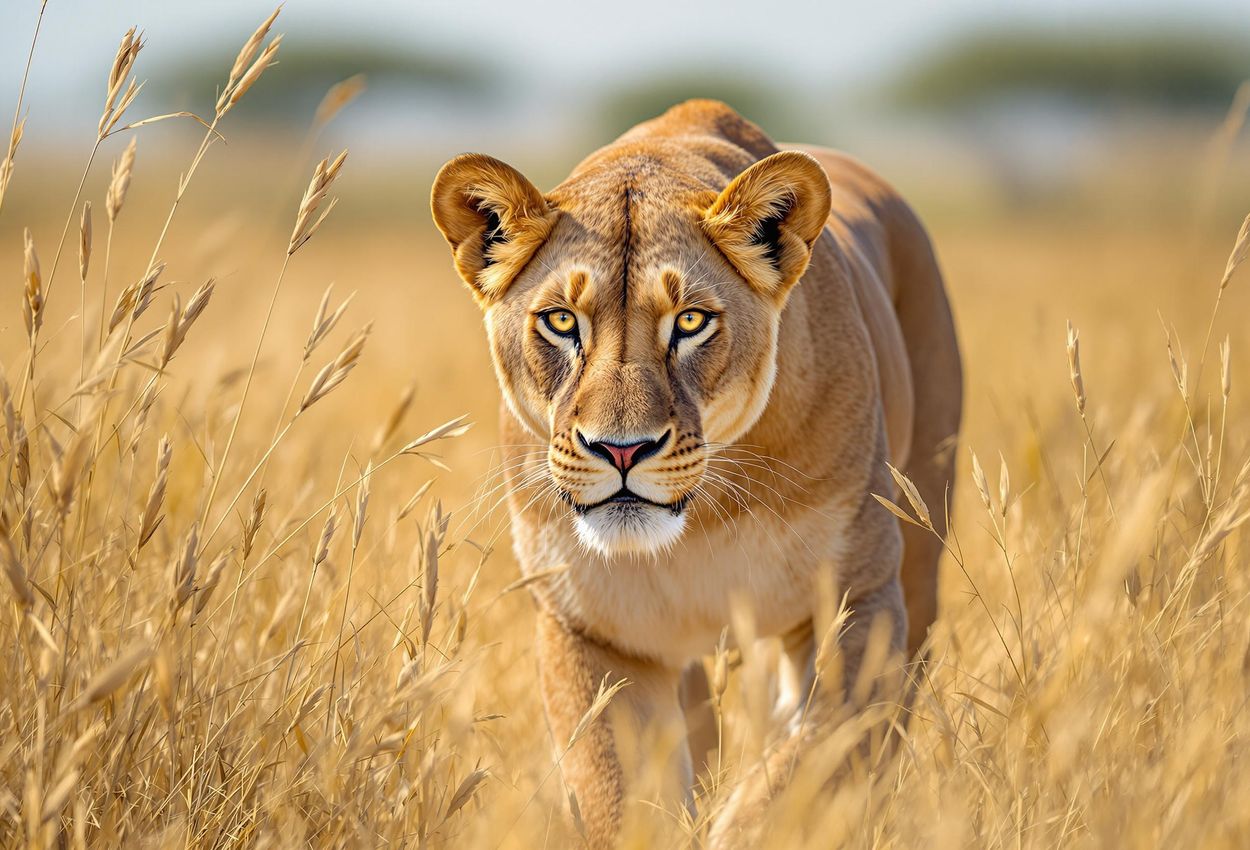
Image Description: A close-up, action shot of a West African lioness stalking prey in the tall grasses of the Boucle du Baoulé National Park. The lioness is focused and alert, her eyes fixed on something unseen in the distance. The grasses are golden and dry, and the lighting is warm and diffused. The image should convey a sense of tension, power, and the raw beauty of the African predator.
Style Instructions: Action. Use a telephoto lens to capture the lioness in detail while maintaining a safe distance. The focus should be sharp on the lioness's eyes and face. The date the photo is taken should be February 20, 2025, during the dry season, to match the article's description of the best time to spot lions near water points.
The Boucle du Baoulé National Park stands as a testament to ongoing conservation efforts in the face of numerous challenges. Organizations like the Operation Development of the National Park of the Baoulé Loop and its Adjacent Reserves (OPNBB) are dedicated to preserving the park's biodiversity and ensuring its long-term sustainability. These initiatives face significant hurdles, including drought, overgrazing, and illegal hunting, which threaten the park's delicate ecosystems.
One of the most critical aspects of conservation in the park is the involvement of local communities in sustainable practices. By empowering local populations and providing them with alternative livelihoods, conservation organizations aim to reduce the pressure on the park's resources. These efforts include promoting sustainable agriculture, ecotourism, and community-based natural resource management. The park serves as a sanctuary for the critically endangered Western chimpanzee, a species facing imminent threats from poaching and habitat loss. Protecting these primates requires a multifaceted approach, including anti-poaching patrols, habitat restoration, and community education programs.
The Boucle du Baoulé National Park is a vital component of a larger complex of protected areas, including the Badinko Faunal Reserve, the Fina Faunal Reserve, the Kongossambougou Faunal Reserve and the Bossofola Forest Reserve. These reserves work together to create a network of protected habitats, allowing wildlife to move freely and ensuring the long-term viability of their populations. Despite the challenges, the dedication of conservation organizations and local communities offers hope for the future of the Boucle du Baoulé National Park.
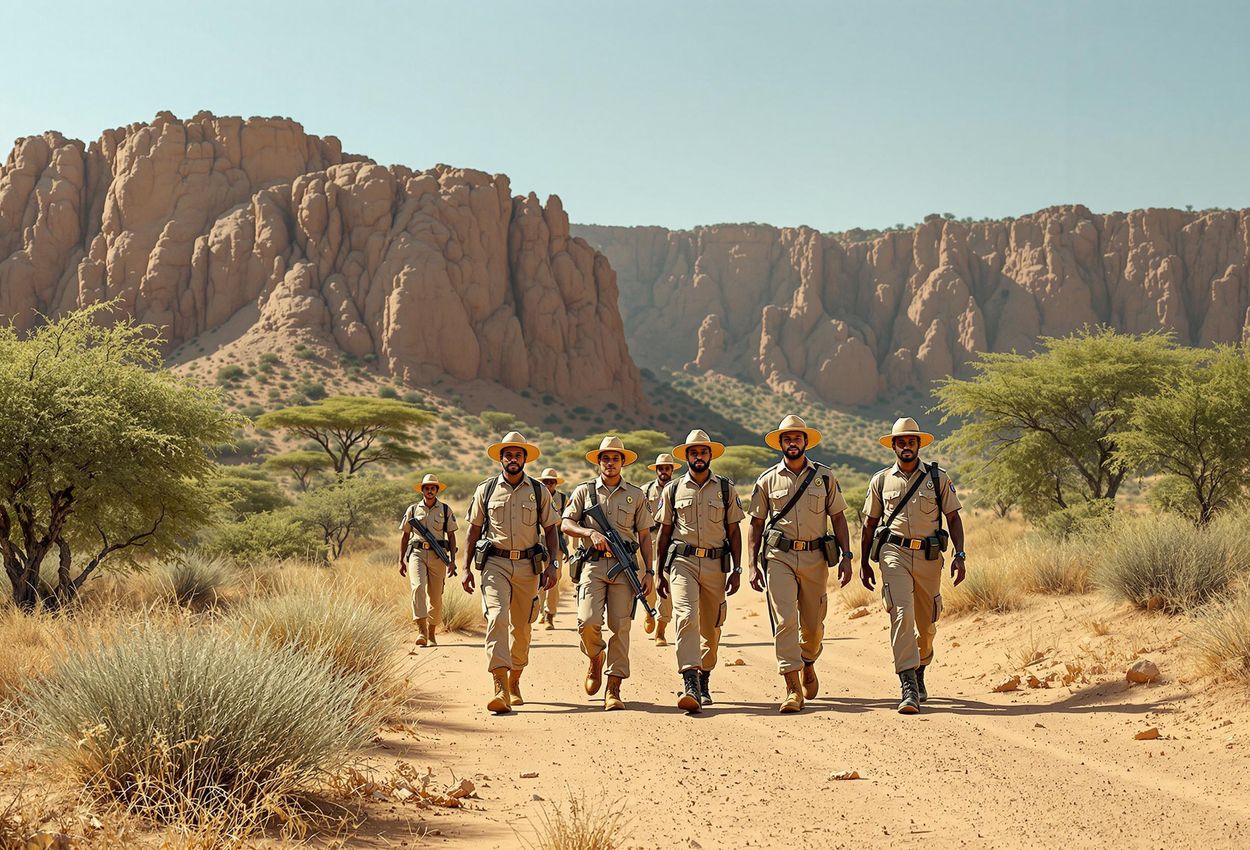
Image Description: A medium shot of a group of park rangers patrolling the Boucle du Baoulé National Park. The rangers are wearing khaki uniforms and carrying rifles. They are walking through a dry savanna landscape, with rocky cliffs in the background. The image should convey a sense of determination, vigilance, and the ongoing efforts to protect the park's wildlife from poaching.
Style Instructions: Action. Use a medium lens to capture the rangers in their environment. The focus should be sharp on the rangers and their equipment. The date the photo is taken should be March 15, 2025, during the dry season, to emphasize the challenges of patrolling the park in harsh conditions.
Beyond its natural wonders, the Boucle du Baoulé National Park safeguards a rich tapestry of cultural heritage, with prehistoric rock art and ancient tombs scattered throughout the landscape. These archaeological sites offer a glimpse into the lives of the people who have inhabited this region for millennia. Imagine standing before a rock face adorned with intricate carvings, the work of ancient artists who sought to capture their world in stone. The park is known for its prehistoric rock art and tombs. These archaeological sites offer a glimpse into the lives of the people who have inhabited this region for millennia.
Various ethnic groups call this area home, each with their own unique traditions and customs. The Kakolo, Sarkolés, Malinké, and Bambara are primarily farmers, while the Peuhls and Maures are traditionally nomadic herders. The Bozos are known for their fishing skills, relying on the Baoulé River for their livelihoods. These communities have coexisted with the park's wildlife for generations, developing a deep understanding of the natural world. In the middle of the Fina reserves are numerous Malinke tombs and the remains of the vast Tata of Fina, a gigantic enclosure nearly a kilometer in diameter. Finally, the ruins and the military cemetery of Fort Koundou bear witness to the colonial era when, from this hill, the post ensured the security of convoys in this region.
Exploring the park's cultural sites offers a unique opportunity to connect with the past and learn about the diverse communities that have shaped this region. As you wander through ancient ruins and admire rock art, you'll gain a deeper appreciation for the human history that is intertwined with the natural landscape. The park also contains some interesting sites. The area would indeed have been populated for a very long time. In Oussadian, a flint industry dates back to the Upper Paleolithic.
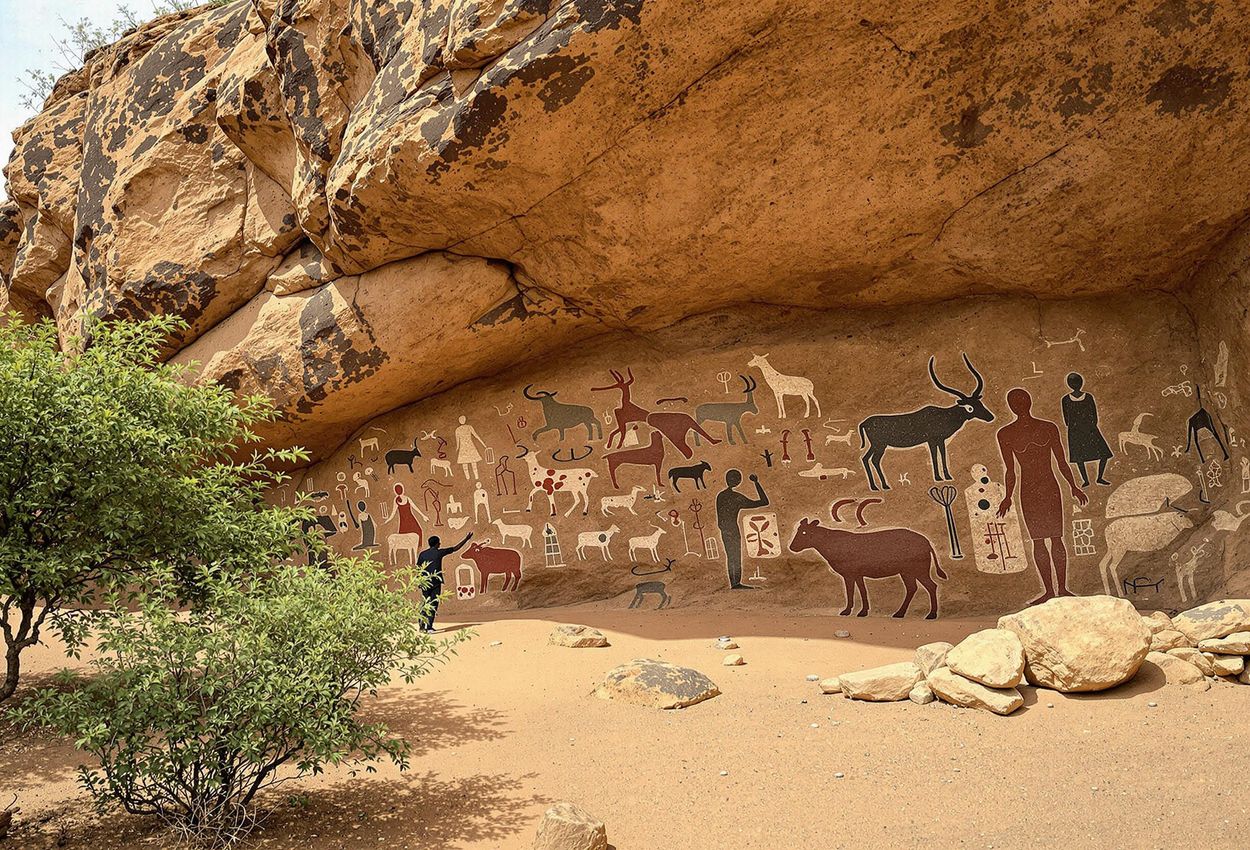
Image Description: A medium shot of prehistoric rock art in the Boucle du Baoulé National Park. The rock art depicts various animals and human figures, carved into a sandstone rock face. The lighting is soft and diffused, highlighting the details of the carvings. The image should convey a sense of mystery, history, and the artistic expression of ancient cultures.
Style Instructions: Serene. Use a medium lens to capture the rock art in detail. The focus should be sharp on the carvings, ensuring they are clear and well-defined. The date the photo is taken should be April 10, 2025, during the dry season, to ensure the rock art is easily visible and not obscured by vegetation.
Planning a safari in Boucle du Baoulé National Park requires careful consideration, but the rewards are well worth the effort. Booking guided tours is highly recommended, as experienced local guides can provide invaluable insights into the park's wildlife, cultural heritage, and conservation efforts. Hiring a local guide also supports the local economy and ensures that your visit is conducted in a sustainable manner. Be sure to check current travel advisories.
Accommodation options within the park are limited, making camping a viable and immersive alternative. If you choose to camp, be sure to bring all necessary supplies, including food, water, and camping equipment. The best time to visit the park is during the dry season, from November to May, when wildlife viewing is optimal and the weather is generally pleasant. During this time, temperatures are more moderate, ranging from 25°C to 35°C (77°F to 95°F). The park is also less likely to experience heavy rainfall, making it easier to navigate the trails and enjoy the stunning landscapes.
Safety is paramount when traveling in Mali, and it's essential to stay informed about current travel advisories and potential risks. It is also important to respect local customs and traditions. By taking these precautions, you can ensure a safe and rewarding safari experience in this remarkable corner of West Africa. The current risk level for Mali is high.
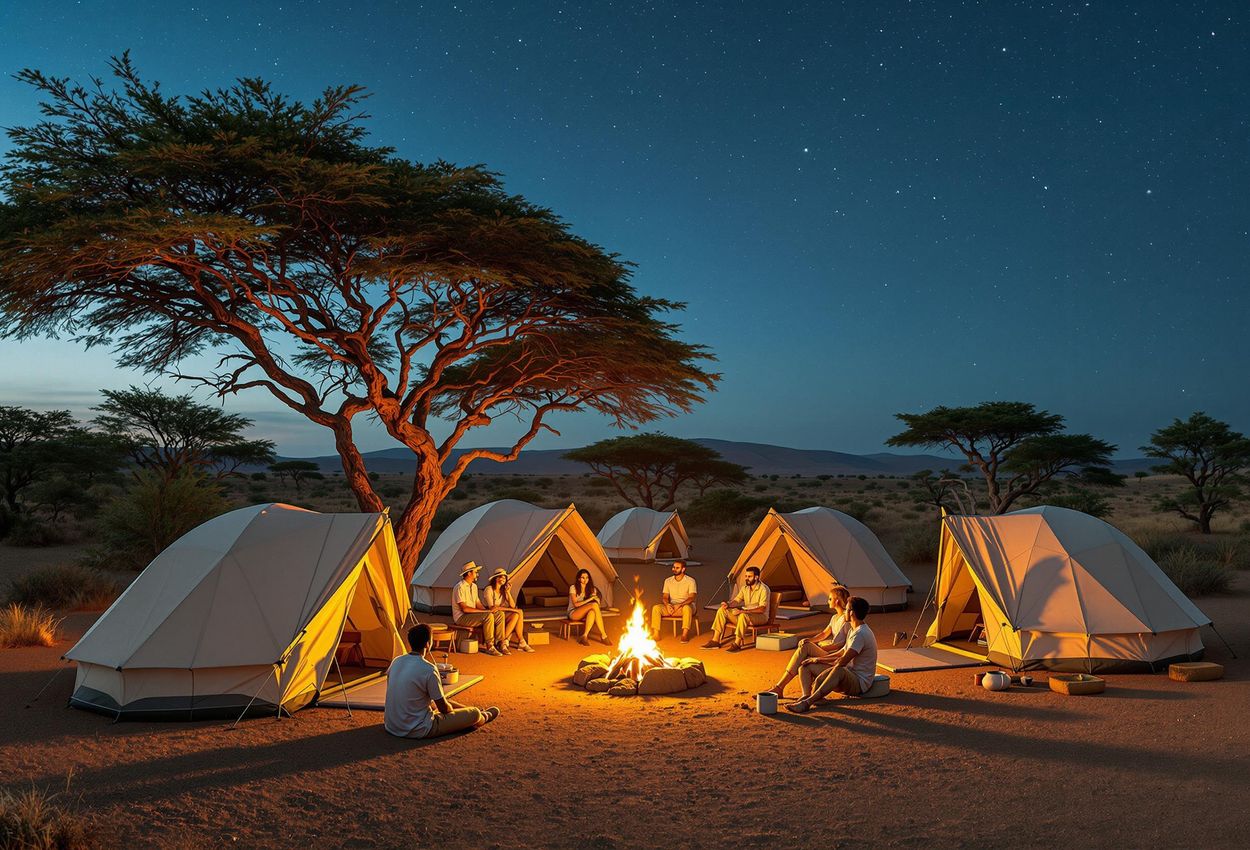
Image Description: A wide shot of a campsite in the Boucle du Baoulé National Park. Several tents are pitched under the shade of acacia trees, with a campfire burning in the center. A group of tourists are gathered around the campfire, talking and laughing. The image should convey a sense of adventure, camaraderie, and the unique experience of camping in the Malian wilderness.
Style Instructions: Lifestyle. Use a wide lens to capture the campsite in its environment. The lighting should be warm and inviting, emphasizing the campfire and the surrounding landscape. The date the photo is taken should be December 5, 2025, during the dry season, to showcase the pleasant weather conditions for camping.
Our editors` picks of the latest and greatest in travel - delivered to your inbox daily
Relax on the beaches and explore the reefs of Xai-Xai.
View More
Embrace the cooler temperatures and experience the International Festival of the Sahara in Douz this December.
View More
Celebrate the year-end festivities in Accra, culminating in the vibrant Afrofuture festival.
View More Albania EDITION
 Algeria EDITION
 Argentina EDITION
 Armenia EDITION
 Australia EDITION
 Austria EDITION
 Bangladesh EDITION
 Belgium EDITION
 Belize EDITION
 Benin EDITION
 Bhutan EDITION
 Bolivia EDITION
 Bosnia and Herzegovina EDITION
 Botswana EDITION
 Brazil EDITION
 Bulgaria EDITION
 Burkina Faso EDITION
 Cambodia EDITION
 Cameroon EDITION
 Canada EDITION
 Central African Republic EDITION
 Chad EDITION
 Chile EDITION
 China EDITION
 Colombia EDITION
 Costa Rica EDITION
 Croatia EDITION
 Cyprus EDITION
 Denmark EDITION
 Djibouti EDITION
 Ecuador EDITION
 Egypt EDITION
 El Salvador EDITION
 Eritrea EDITION
 Estonia EDITION
 Ethiopia EDITION
 Finland EDITION
 France EDITION
 Gabon EDITION
 Georgia EDITION
 Germany EDITION
 Ghana EDITION
 Greece EDITION
 Guatemala EDITION
 Guinea EDITION
 Guinea-Bissau EDITION
 Honduras EDITION
 Hungary EDITION
 Iceland EDITION
 India EDITION
 Indonesia EDITION
 Ireland EDITION
 Israel EDITION
 Italy EDITION
 Jamaica EDITION
 Japan EDITION
 Jordan EDITION
 Kenya EDITION
 Kuwait EDITION
 Laos EDITION
 Latvia EDITION
 Lebanon EDITION
 Lesotho EDITION
 Liberia EDITION
 Lithuania EDITION
 Luxembourg EDITION
 Madagascar EDITION
 Malawi EDITION
 Malaysia EDITION
 Maldives EDITION
 Mali EDITION
 Malta EDITION
 Mauritania EDITION
 Mauritius EDITION
 Mexico EDITION
 Mongolia EDITION
 Montenegro EDITION
 Morocco EDITION
 Mozambique EDITION
 Namibia EDITION
 Nepal EDITION
 Netherlands EDITION
 New Zealand EDITION
 Nicaragua EDITION
 Niger EDITION
 Nigeria EDITION
 Norway EDITION
 Oman EDITION
 Pakistan EDITION
 Panama EDITION
 Papua New Guinea EDITION
 Paraguay EDITION
 Peru EDITION
 Philippines EDITION
 Poland EDITION
 Portugal EDITION
 Qatar EDITION
 Romania EDITION
 Rwanda EDITION
 Saudi Arabia EDITION
 Senegal EDITION
 Serbia EDITION
 Singapore EDITION
 Slovakia EDITION
 Slovenia EDITION
 Somalia EDITION
 South Africa EDITION
 South Korea EDITION
 Spain EDITION
 Sri Lanka EDITION
 Suriname EDITION
 Sweden EDITION
 Switzerland EDITION
 Tanzania EDITION
 Thailand EDITION
 Tunisia EDITION
 Uganda EDITION
 United Arab Emirates EDITION
 United Kingdom EDITION
 Uruguay EDITION
 Venezuela EDITION
 Vietnam EDITION
 Zambia EDITION
 Zimbabwe EDITION
Subscribe to our newsletter and get the most captivating travel stories, hidden gems, and expert insights delivered straight to your inbox. As a subscriber, you’ll be first in line for exclusive content, premium offers, and unforgettable travel experiences