


Destination Guide
Xai-Xai: A Coastal Retreat
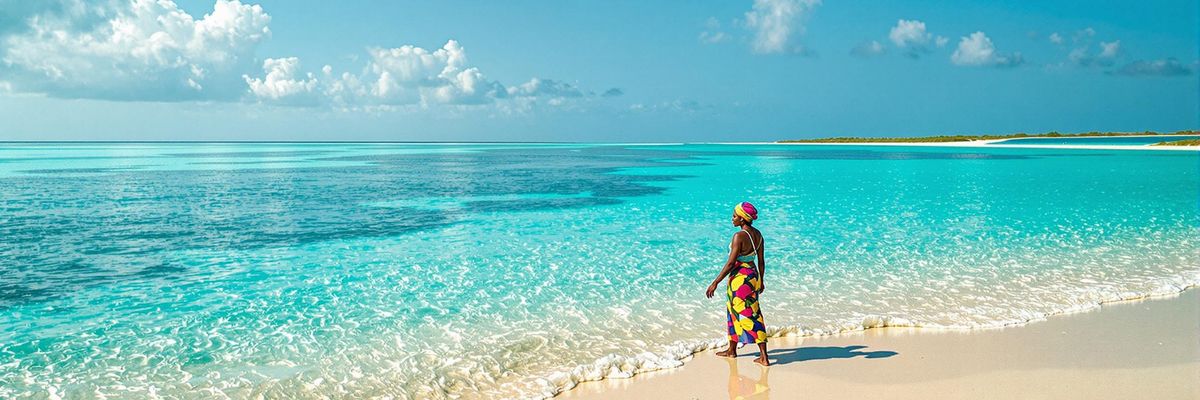
Relax on the beaches and explore the reefs of Xai-Xai.
View More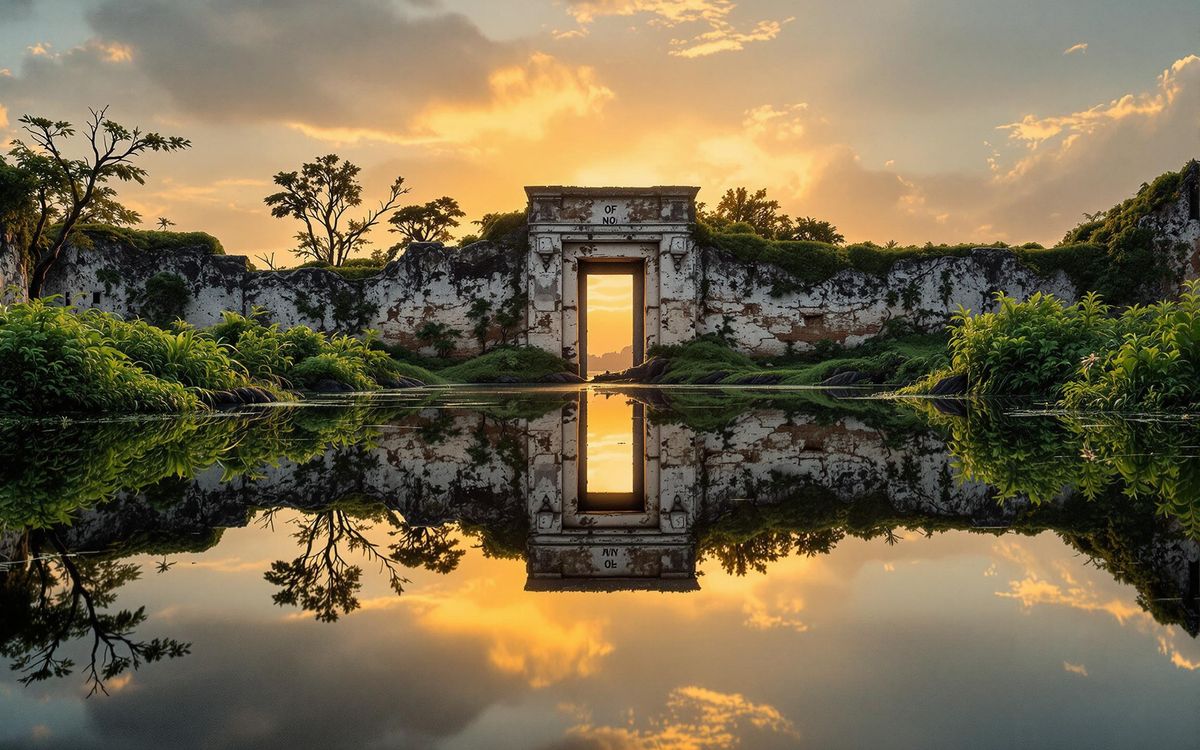

Bunce Island, a place where the echoes of the transatlantic slave trade still resonate, stands as a somber reminder of a dark chapter in human history. Located on the Sierra Leone River, a visit to this historical site offers a profound opportunity for remembrance and reflection.
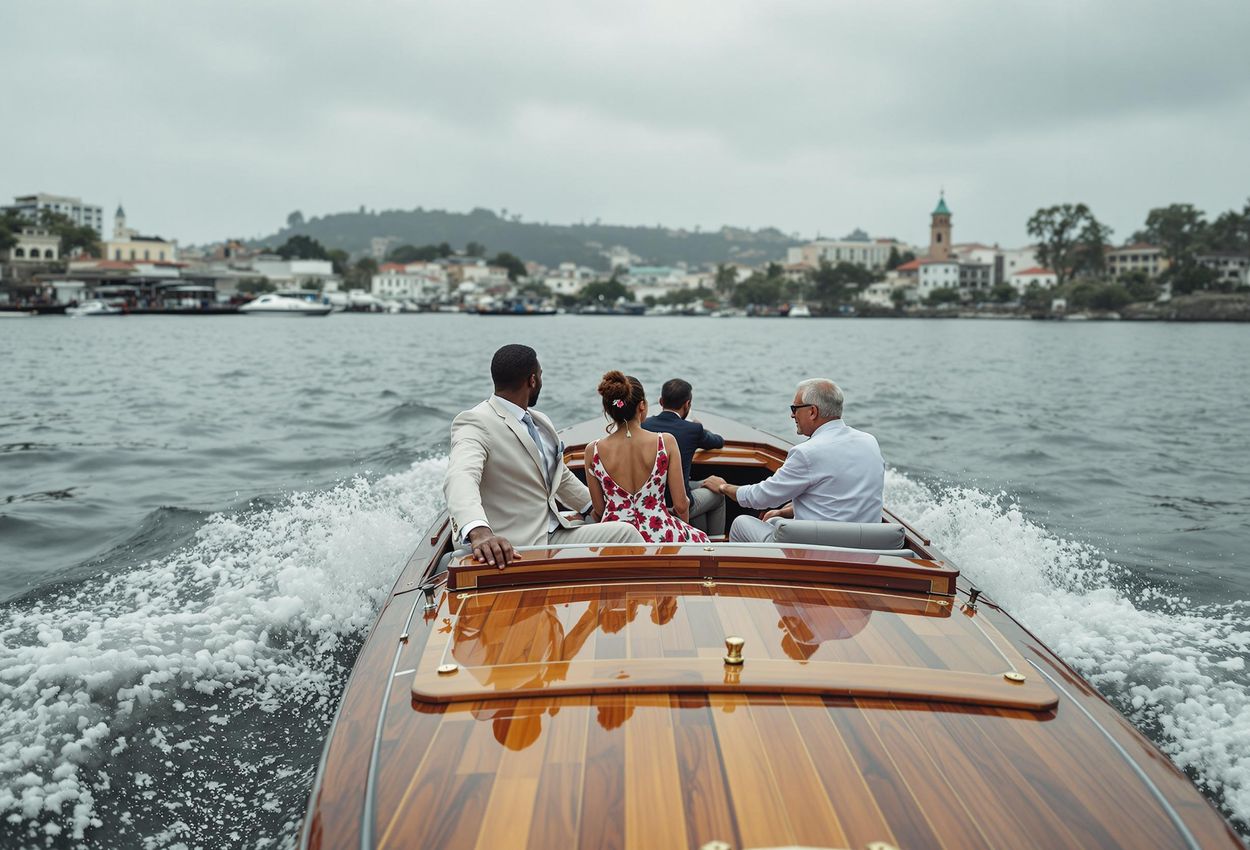
The journey to Bunce Island begins in Freetown, the bustling capital of Sierra Leone. As you prepare to embark, a sense of anticipation mixes with the gravity of the destination ahead. Transportation to the island is typically arranged via speedboat, a swift and efficient way to traverse the waters of the Sierra Leone River, also known as Freetown Harbour. The 45-minute ride offers a visual transition from the vibrant city to the tranquil river.
As the speedboat pulls away from the shores of Freetown, the cityscape gradually recedes into the distance. The Sierra Leone River, a vast estuary formed by the Rokel River and Port Loko Creek, unfolds before you. The air is filled with the salty scent of the sea, and the sounds of the city fade, replaced by the gentle lapping of waves against the boat. This transition from the lively urban environment to the serene river setting prepares the mind for the isolated and contemplative atmosphere that awaits on Bunce Island. The river, once a bustling waterway for ships carrying both goods and enslaved people, now carries visitors seeking to understand and honor the past.
The anticipation builds as the island comes into view, a small landmass holding centuries of stories within its shores. The boat ride itself becomes a reflective experience, allowing one to contemplate the journey of those who were forcibly taken from this land and the impact their enslavement had on both sides of the Atlantic.
Local Tip: Opt for a morning departure to avoid the intense afternoon heat and to allow ample time for exploring the island's ruins. Consider bringing a hat, sunscreen, and water to stay comfortable during your visit.
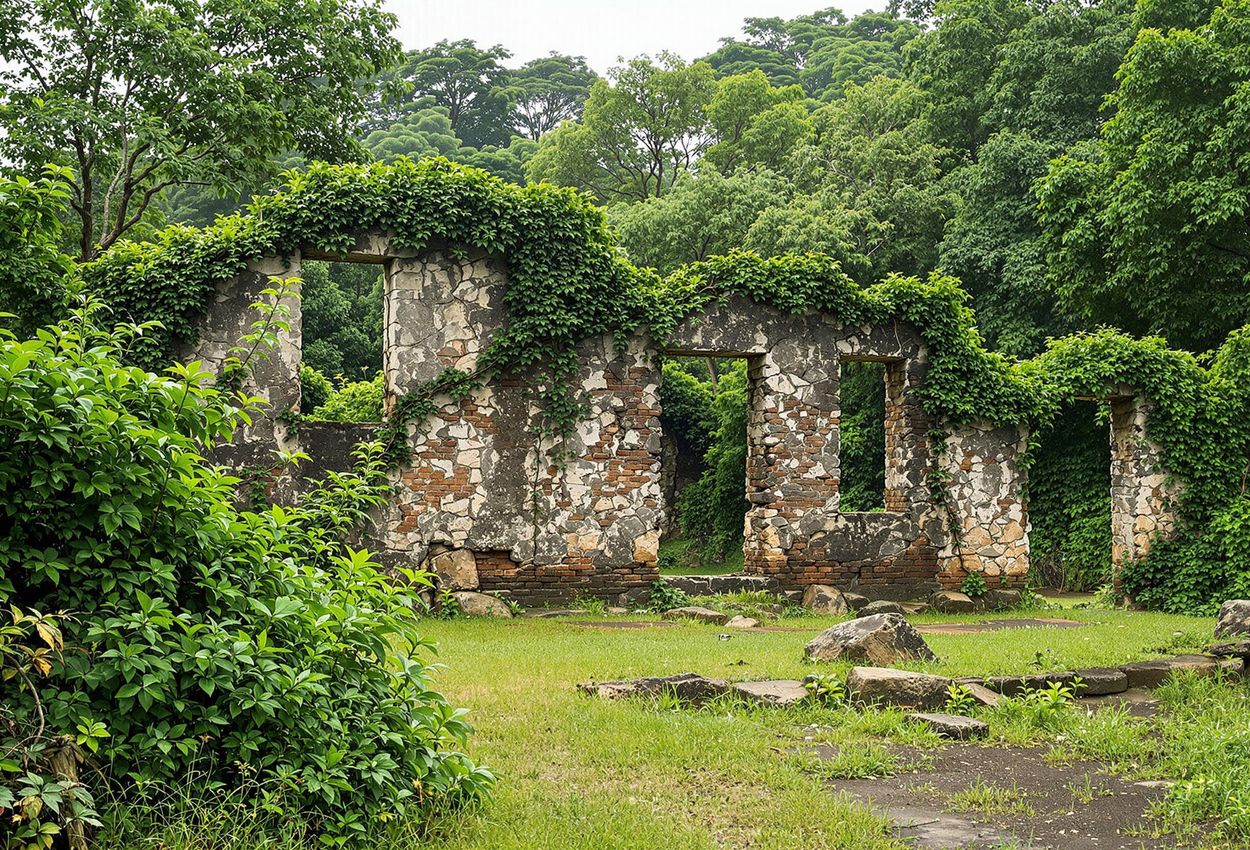
As you step onto Bunce Island, you are immediately confronted with the tangible remnants of its past. The island's ruins stand as silent witnesses to the transatlantic slave trade, with fort walls, slave quarters, and the remnants of watchtowers painting a vivid picture of its history. Nature has begun to reclaim these structures, with vegetation intertwining with the weathered stones, adding to the poignant atmosphere of decay and abandonment.
Among the key features of the island are the gunpowder magazine and cannons, some bearing the royal cipher of King George III, a stark reminder of the British involvement in the slave trade. The slave yard, divided into separate areas for men, women, and children, evokes the harsh realities of captivity and the dehumanization endured by those who were held there. Walking through these spaces, one can almost hear the echoes of voices and feel the weight of the suffering that transpired within these walls.
At the south end of the island, tombstones mark the graves of slave traders and ship captains, their inscriptions faded by time and weather. These markers serve as a grim reminder of the individuals who profited from the exploitation and suffering of others. The sensory experience of Bunce Island is profound: the rough texture of the weathered stones under your fingertips, the sound of the wind and waves carrying whispers of the past, and the heavy atmosphere that permeates the air.
Hidden Gem: Take time to explore the less-visited parts of the island, where you may discover fragments of pottery, remnants of everyday life, and other artifacts that offer glimpses into the lives of those who lived and died on Bunce Island.
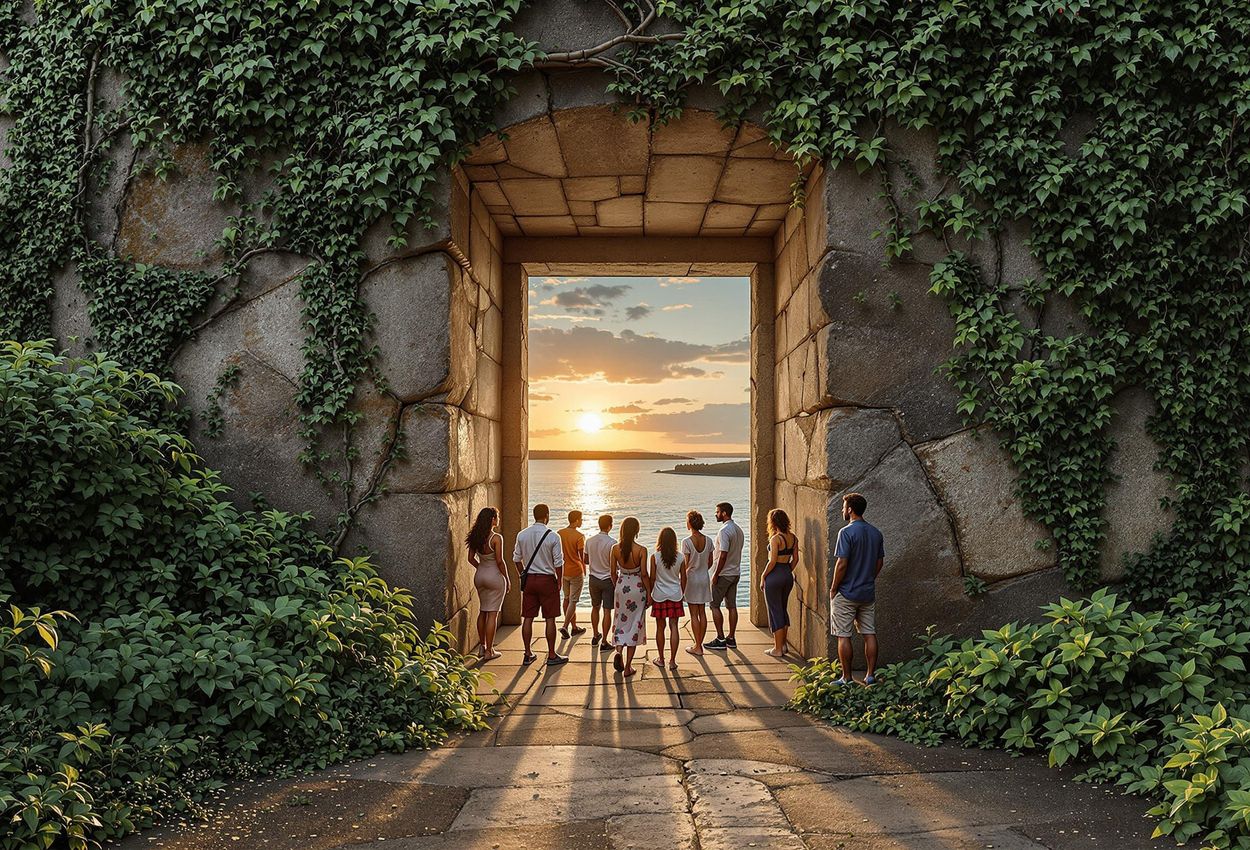
The 'Door of No Return' stands as a haunting symbol of the transatlantic slave trade. This passage represents the final point of departure for enslaved Africans, the last glimpse of their homeland before being forced onto ships bound for the Americas. Standing at this location evokes a powerful emotional response, a visceral connection to the suffering and loss experienced by countless individuals.
It is estimated that around 30,000 people passed through this door, each one a life irrevocably altered by the cruel system of slavery. Connecting this site to the broader history of the transatlantic slave trade underscores its devastating consequences, not only for those who were enslaved but also for their descendants and the societies they were forced to build in new lands. The local perspective on this site is one of deep reverence and sorrow, recognizing its significance in Sierra Leonean history as a place of immense pain and injustice.
Walking through the 'Door of No Return' is a deeply moving experience, prompting reflection on the resilience of the human spirit and the ongoing struggle for equality and justice. It serves as a reminder of the importance of remembering the past and learning from its mistakes to create a more equitable future.
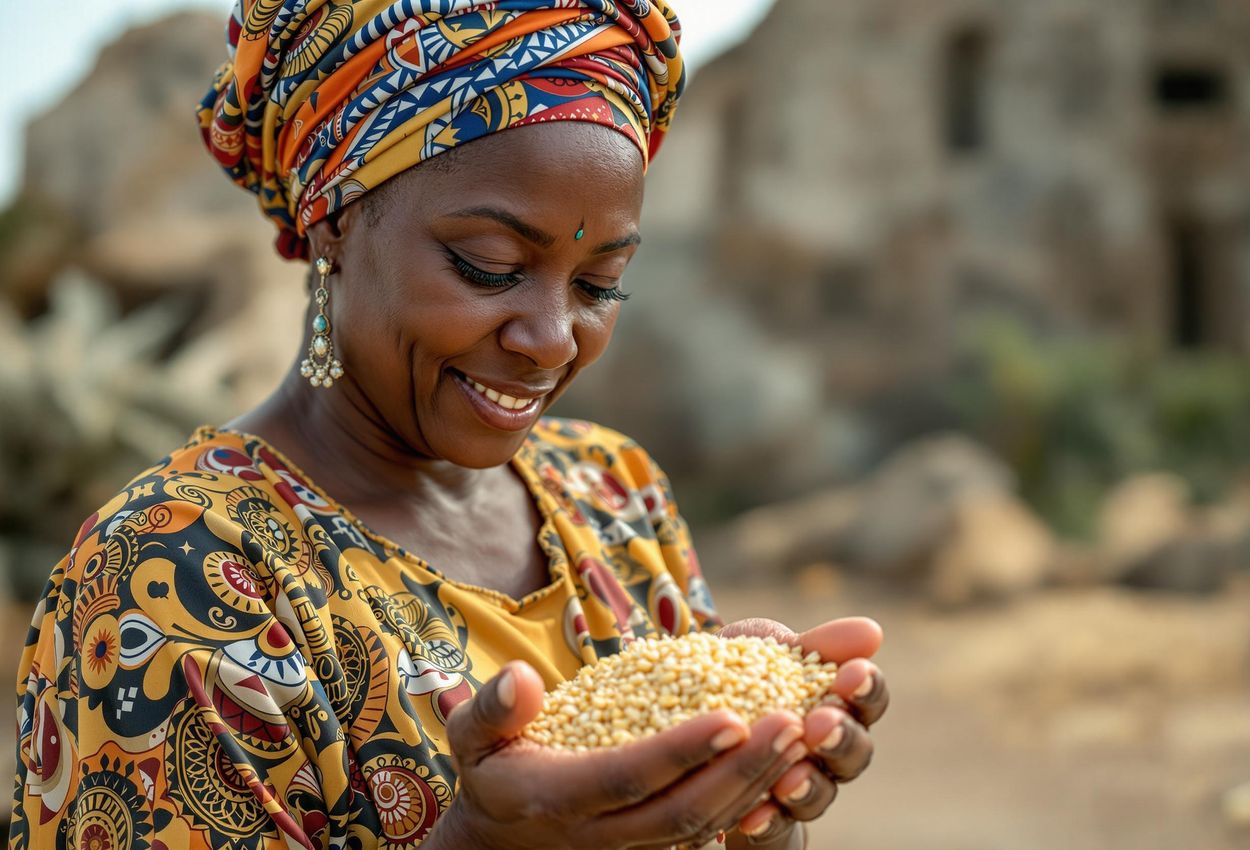
Bunce Island played a crucial role as a key supplier of slaves to the rice industry in South Carolina and Georgia. The demand for enslaved Africans with rice cultivation skills was particularly high, as these individuals possessed the knowledge and expertise necessary to cultivate this labor-intensive crop. This connection to the rice industry highlights a specific and often overlooked aspect of the transatlantic slave trade, demonstrating how economic forces drove the demand for enslaved labor.
The legacy of this connection can be seen in the cultural heritage of the Gullah people, descendants of enslaved Africans in the coastal Carolinas and Georgia. The Gullah have preserved many of their African traditions, including language, cuisine, and crafts, providing a tangible link to their ancestral homeland in Sierra Leone. Historical figures such as Henry Laurens, a wealthy rice farmer and slave dealer, were directly involved in the trade, further illustrating the complex web of economic and political interests that sustained the system of slavery.
The cultural interchange between the United States and Sierra Leone is evident in the shared traditions and heritage of the Gullah people, serving as a testament to the enduring impact of the transatlantic slave trade on both societies. Understanding this historical connection provides a deeper appreciation for the cultural richness and resilience of the Gullah community.
Local insight: Seek out opportunities to learn more about Gullah culture through local museums, cultural centers, and community events in coastal South Carolina and Georgia. This will provide a richer understanding of the enduring legacy of Bunce Island and its connection to the African American experience.
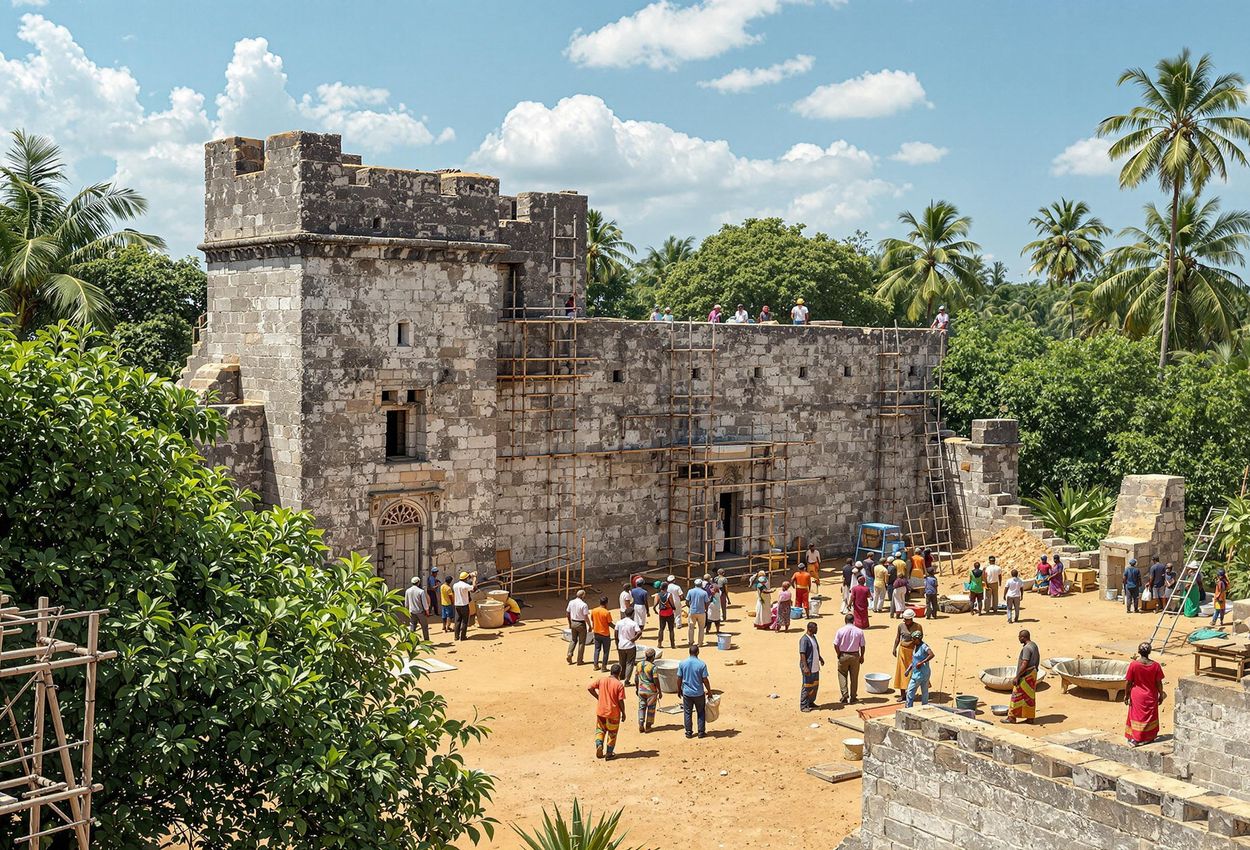
Ongoing preservation efforts at Bunce Island are crucial for ensuring that this important historical site is protected for future generations. The Sierra Leone Monuments and Relics Commission, along with international organizations, is working to stabilize the ruins, create visitor infrastructure, and promote respectful tourism and education at the site. The creation of an interpretation center and pathways will enhance the visitor experience, providing context and information about the island's history and significance.
The possibility of a museum being constructed in Freetown would further contribute to the educational mission of the site, offering a comprehensive overview of the transatlantic slave trade and its impact on Sierra Leone. Bunce Island's designation as a National Monument in 1948 underscores its importance to the country's cultural heritage.
By supporting preservation efforts and promoting respectful tourism, we can ensure that Bunce Island continues to serve as a place of remembrance, reflection, and education for generations to come. It is a place to learn about the past and its impact on the present. The island serves as a reminder of the importance of understanding and confronting the legacies of slavery in order to build a more just and equitable world.
Hidden Gem: Inquire about opportunities to support local preservation initiatives through donations or volunteer work. Your contribution can help ensure that Bunce Island remains a powerful symbol of remembrance and a valuable resource for education and understanding.
Our editors` picks of the latest and greatest in travel - delivered to your inbox daily
Relax on the beaches and explore the reefs of Xai-Xai.
View More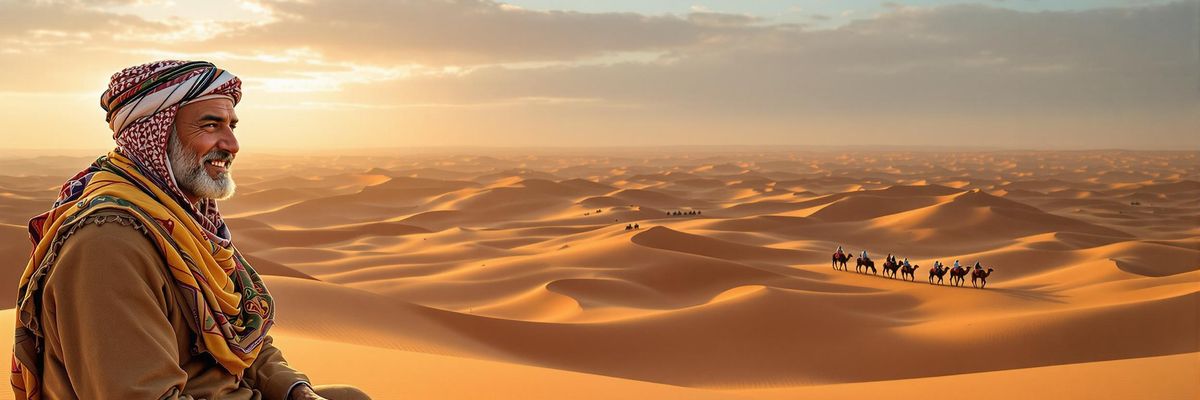
Embrace the cooler temperatures and experience the International Festival of the Sahara in Douz this December.
View More
Celebrate the year-end festivities in Accra, culminating in the vibrant Afrofuture festival.
View More Albania EDITION
 Algeria EDITION
 Argentina EDITION
 Armenia EDITION
 Australia EDITION
 Austria EDITION
 Bangladesh EDITION
 Belgium EDITION
 Belize EDITION
 Benin EDITION
 Bhutan EDITION
 Bolivia EDITION
 Bosnia and Herzegovina EDITION
 Botswana EDITION
 Brazil EDITION
 Bulgaria EDITION
 Burkina Faso EDITION
 Cambodia EDITION
 Cameroon EDITION
 Canada EDITION
 Central African Republic EDITION
 Chad EDITION
 Chile EDITION
 China EDITION
 Colombia EDITION
 Costa Rica EDITION
 Croatia EDITION
 Cyprus EDITION
 Denmark EDITION
 Djibouti EDITION
 Ecuador EDITION
 Egypt EDITION
 El Salvador EDITION
 Eritrea EDITION
 Estonia EDITION
 Ethiopia EDITION
 Finland EDITION
 France EDITION
 Gabon EDITION
 Georgia EDITION
 Germany EDITION
 Ghana EDITION
 Greece EDITION
 Guatemala EDITION
 Guinea EDITION
 Guinea-Bissau EDITION
 Honduras EDITION
 Hungary EDITION
 Iceland EDITION
 India EDITION
 Indonesia EDITION
 Ireland EDITION
 Israel EDITION
 Italy EDITION
 Jamaica EDITION
 Japan EDITION
 Jordan EDITION
 Kenya EDITION
 Kuwait EDITION
 Laos EDITION
 Latvia EDITION
 Lebanon EDITION
 Lesotho EDITION
 Liberia EDITION
 Lithuania EDITION
 Luxembourg EDITION
 Madagascar EDITION
 Malawi EDITION
 Malaysia EDITION
 Maldives EDITION
 Mali EDITION
 Malta EDITION
 Mauritania EDITION
 Mauritius EDITION
 Mexico EDITION
 Mongolia EDITION
 Montenegro EDITION
 Morocco EDITION
 Mozambique EDITION
 Namibia EDITION
 Nepal EDITION
 Netherlands EDITION
 New Zealand EDITION
 Nicaragua EDITION
 Niger EDITION
 Nigeria EDITION
 Norway EDITION
 Oman EDITION
 Pakistan EDITION
 Panama EDITION
 Papua New Guinea EDITION
 Paraguay EDITION
 Peru EDITION
 Philippines EDITION
 Poland EDITION
 Portugal EDITION
 Qatar EDITION
 Romania EDITION
 Rwanda EDITION
 Saudi Arabia EDITION
 Senegal EDITION
 Serbia EDITION
 Singapore EDITION
 Slovakia EDITION
 Slovenia EDITION
 Somalia EDITION
 South Africa EDITION
 South Korea EDITION
 Spain EDITION
 Sri Lanka EDITION
 Suriname EDITION
 Sweden EDITION
 Switzerland EDITION
 Tanzania EDITION
 Thailand EDITION
 Tunisia EDITION
 Uganda EDITION
 United Arab Emirates EDITION
 United Kingdom EDITION
 Uruguay EDITION
 Venezuela EDITION
 Vietnam EDITION
 Zambia EDITION
 Zimbabwe EDITION
Subscribe to our newsletter and get the most captivating travel stories, hidden gems, and expert insights delivered straight to your inbox. As a subscriber, you’ll be first in line for exclusive content, premium offers, and unforgettable travel experiences