


Destination Guide
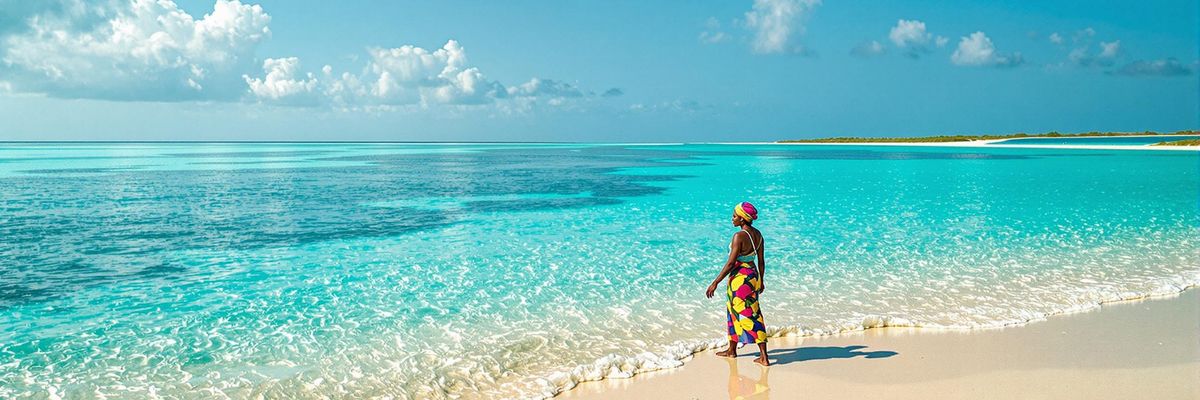
Xai-Xai: A Coastal Retreat
Relax on the beaches and explore the reefs of Xai-Xai.
View More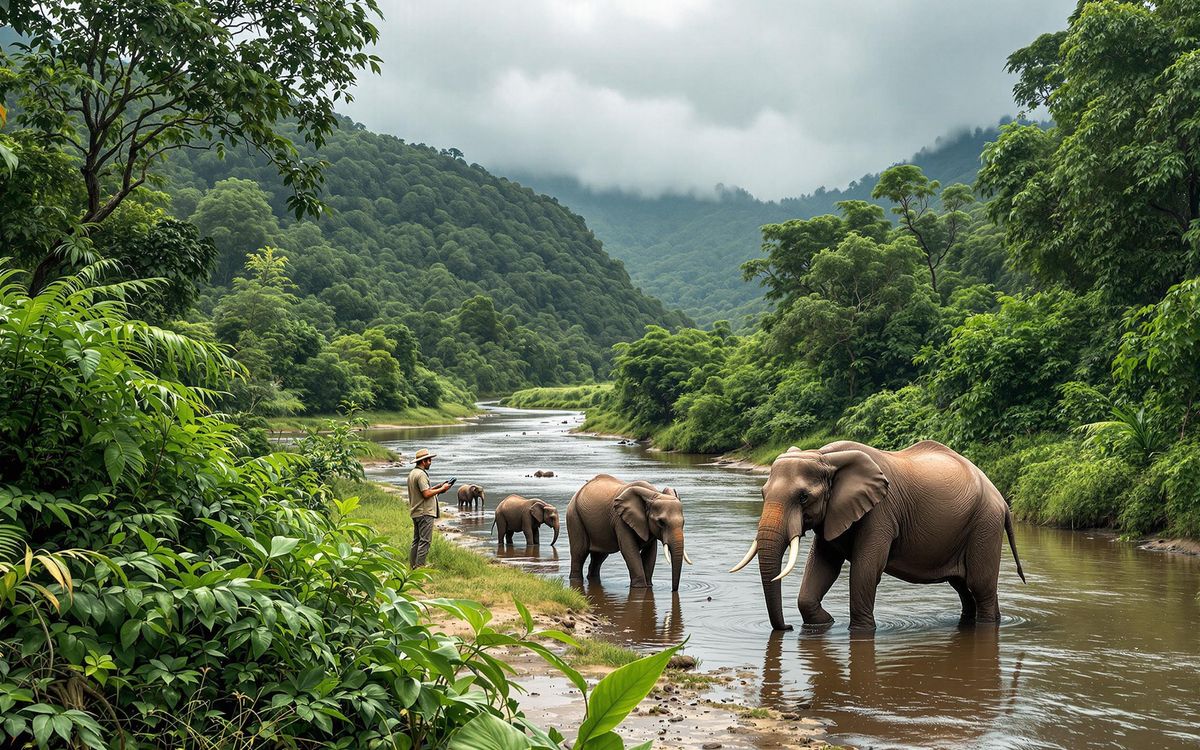

Venture into Cameroon's Campo Ma'an National Park, a realm where the dense rainforest embraces the Atlantic coast, offering an unparalleled safari experience.
Nestled in the South Region of Cameroon, bordering Equatorial Guinea, lies Campo Ma'an National Park, a sanctuary of pristine wilderness largely untouched by mass tourism. This remote location has allowed it to remain a hidden gem, attracting intrepid wildlife enthusiasts seeking an authentic African experience. The park's biodiversity is staggering, harboring endangered species such as Western Lowland Gorillas, Central Chimpanzees, and Forest Elephants. What sets Campo Ma'an apart is its unique coastal proximity, where the lush rainforest seamlessly meets the Atlantic Ocean, creating a diverse ecosystem unlike any other.
Imagine stepping into a world where the air is thick with humidity and the symphony of exotic birds fills your ears. The scent of damp earth and decaying leaves mingles with the salty breeze from the nearby ocean. Sunlight filters through the dense canopy, casting dappled shadows on the forest floor. This is Campo Ma'an, a sensory feast that awakens the primal instincts within. The park covers an extensive area of 2,680 square kilometers and is known for its ecological diversity. The park was established in 2000 and has become an invaluable source of life and a pillar for biodiversity conservation in Cameroon.
The park's diverse ecosystems range from floodplains to dense jungles and tall mountains. The climate in the park is humid tropical, allowing for lush vegetation. Campo Ma'an is home to a wide variety of species, many of which are endemic to the region. From forest elephants to mandrills and a large number of birds, Campo Ma'an National Park is a paradise for wildlife enthusiasts.
The Campo Ma'an National Park is an equatorial protected area, the thickness of the forest makes it a little more difficult to observe and meet animals. The visitor will have to be patient to discover the hidden wonders of this forest and ready to make long hikes in the forest. It is advisable to bring torches, raincoats, shoes, and clothing suitable for the walk.

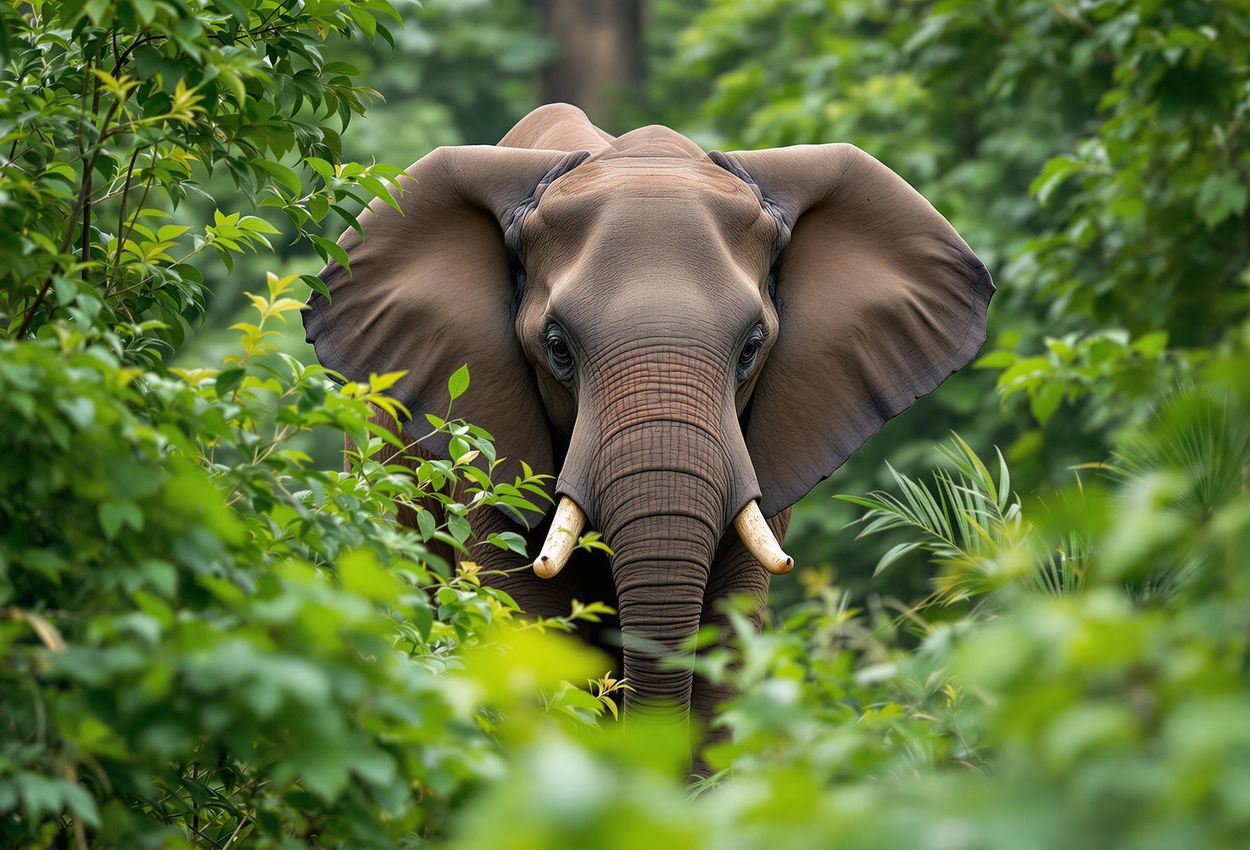
Embark on an unforgettable journey to track forest elephants in their natural habitat within Campo Ma'an National Park. As you venture deeper into the rainforest, the sights and sounds intensify, creating an immersive experience. The rustling of leaves underfoot, the cracking of branches in the distance, and the occasional trumpeting of an elephant all contribute to the symphony of the wild.
Local guides, with their intimate knowledge of the forest, prove invaluable in identifying elephant tracks and behaviors. They can decipher subtle clues, such as broken twigs or disturbed vegetation, to lead you closer to these gentle giants. It is crucial to maintain a safe distance and respect the elephants' space, allowing them to roam freely without feeling threatened. Forest elephants, a keystone species in this ecosystem, play a vital role in shaping the landscape and maintaining biodiversity.
Hidden Gem: Local communities believe that elephants possess a deep connection to the spirit world, serving as messengers between the living and the ancestors. This belief underscores the importance of respecting these magnificent creatures and their habitat.
The park is home to 87 different kinds of mammals. Imagine seeing some of these incredible creatures! Elephants: Large and majestic, these gentle giants roam the park. Besides mammals, the park is bursting with other types of animals. There are 122 different kinds of reptiles, including snakes and lizards. The rivers and streams are home to 165 different kinds of fish.
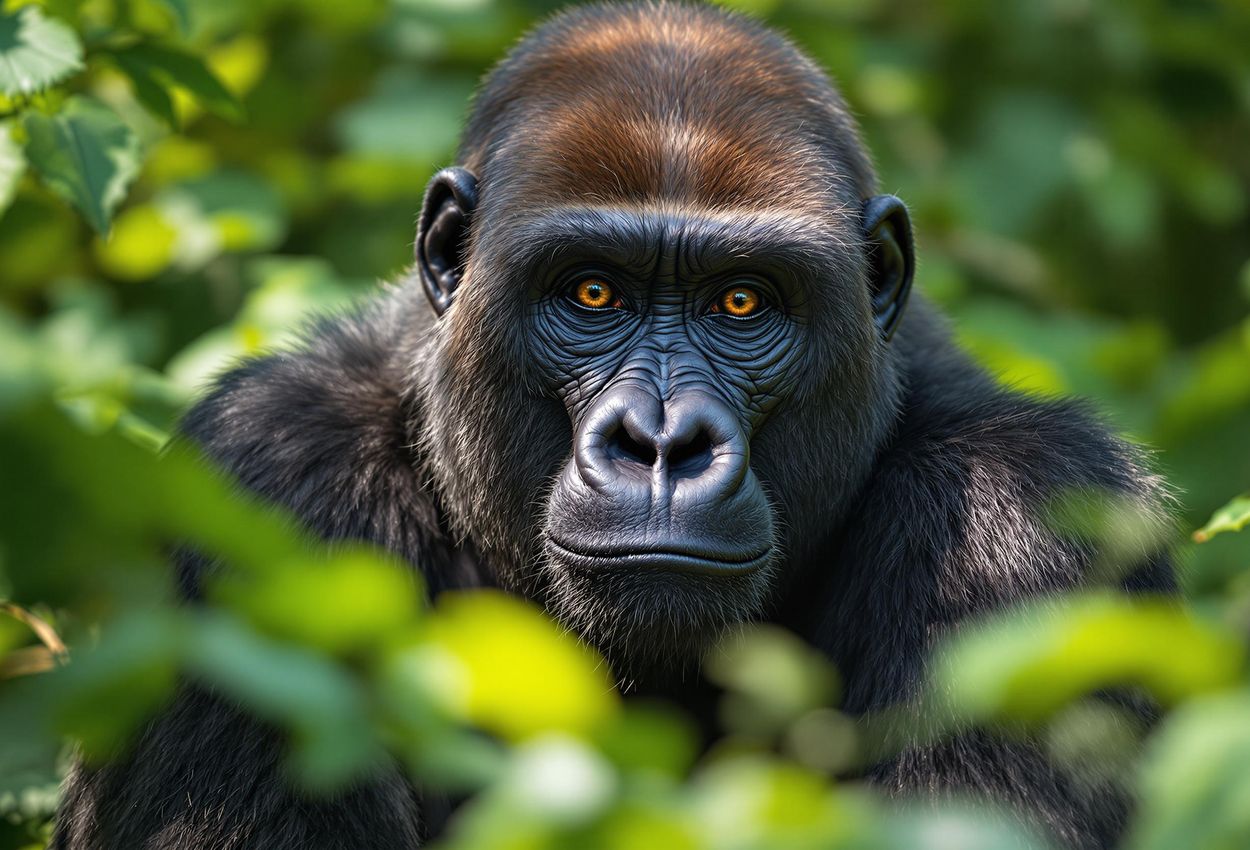
Campo Ma'an National Park offers a rare opportunity to witness Western Lowland Gorillas and Central Chimpanzees in their natural social groups. The thrill of observing these primates in their undisturbed habitat is an experience that will stay with you forever. The park is considered a priority landscape for conservation of western lowland gorillas and central chimpanzees by the IUCN.
Witnessing gorillas and chimpanzees in their natural environment is a privilege that comes with responsibility. Ethical wildlife viewing is paramount, ensuring minimal disturbance to their habitat and social structures. Respecting their space, avoiding direct eye contact, and refraining from feeding them are essential guidelines to follow.
The process of habituation, where primates gradually become accustomed to human presence, is crucial for responsible wildlife tourism. Ongoing conservation efforts are in place to protect these endangered species, ensuring their survival for future generations.
Specific Location: The area near the Mengomo River is renowned for its frequent primate sightings, offering excellent opportunities to observe gorillas and chimpanzees in their natural environment.
The Campo Ma'an landscape takes its name from a national park in southern Cameroon. The park and surrounding area are a biodiversity site of global significance, home to gorillas, chimpanzees, elephants, and over 80 other mammal species. The rainforest hosts the critically endangered western lowland gorilla as well as the endangered central chimpanzee.
Campo Ma'an National Park beckons adventure seekers with its diverse trekking options, including the popular Ngoko Trail. Preparing for a rainforest trek requires careful consideration of clothing, footwear, and insect protection. Lightweight, moisture-wicking fabrics are ideal for staying comfortable in the humid environment. Sturdy hiking boots with good ankle support are essential for navigating the uneven terrain. Insect repellent is a must to ward off mosquitoes and other biting insects.
Hiring a local guide is highly recommended for navigation and safety. Their expertise in the rainforest environment can prove invaluable, especially when encountering challenging sections with steep hills and river crossings. Along the trails, keep an eye out for other wildlife, such as monkeys and various bird species, adding to the thrill of the trek.
The park features several well-marked trails that offer both challenging hikes and easier walks, allowing you to soak in the lush rainforest and spot wildlife along the way. Just make sure to bring good shoes and plenty of water. One of the main trails is the Ngoko Trail. The Ngoko Trail is 12 km long with an estimated duration of 4-5 hours and a moderate difficulty level.

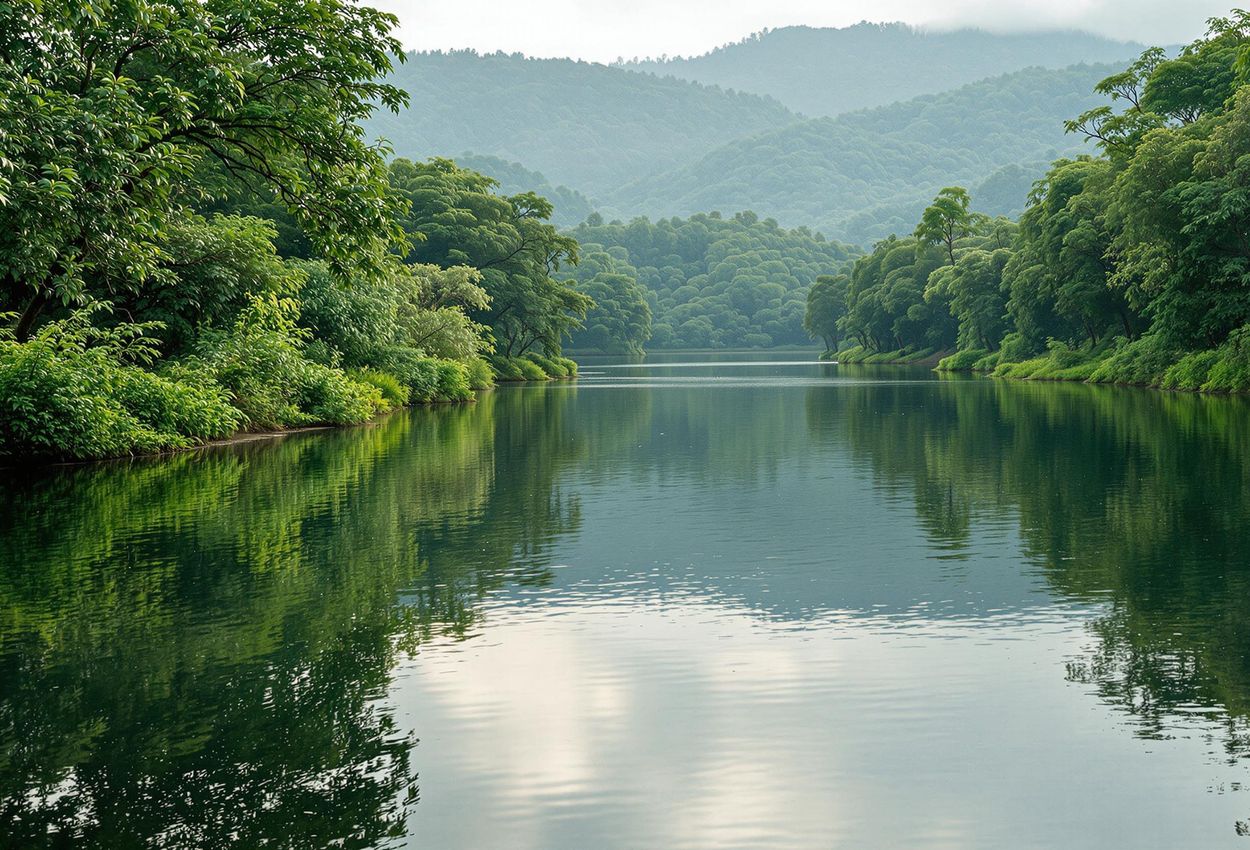
Embark on a tranquil river excursion along the Ntem River Keep a watchful eye for wildlife along the riverbanks, as hippos and crocodiles are known to inhabit these waters. The Ntem River teems with aquatic life, offering glimpses into a hidden world beneath the surface. Hidden Gem: Local legends tell of a mythical creature residing in the Ntem River, believed to be the guardian of the park's ecosystem. This legend adds an element of mystique to the river excursion, connecting visitors to the cultural heritage of the region. The traveler can also visit German remains on the island of Dipikar. After our breakfasts we will spend our days hiking in the National Park of Campo Ma'an for a possibility of observation of animals namely Gorillas, Monkeys, Buffaloes, Elephants etc. Excursions consist of following some trails frequented by large mammals. We will also discover the Menve'ele Falls during our stay. Planning a visit to Campo Ma'an National Park requires careful consideration of permits, guides, and necessary precautions. Obtaining permits in advance is essential, and hiring local guides is highly recommended for a safe and enriching experience. The costs associated with park entry, guide services, and accommodation should be factored into your budget. Respecting the environment and adhering to park regulations are paramount. Avoid littering, stay on designated trails, and refrain from disturbing wildlife. Necessary vaccinations and health precautions should be taken before your visit, consulting with your healthcare provider for recommendations. The best time to visit Campo Ma'an is during the dry season, from November to February, offering optimal wildlife viewing and outdoor activities. The park was established as ecological compensation for the Chad-Cameroon oil pipeline, highlighting the importance of balancing development with environmental conservation. The Government of Cameroon created Campo Ma'an National Park in 1999 as compensation for the negative impacts on the environment and biodiversity of the Chad-Cameroon Oil Pipeline Project. The Park is rich in wildlife and flora. The best time to visit Campo-Ma'an National Park is during the dry season, from November to March.
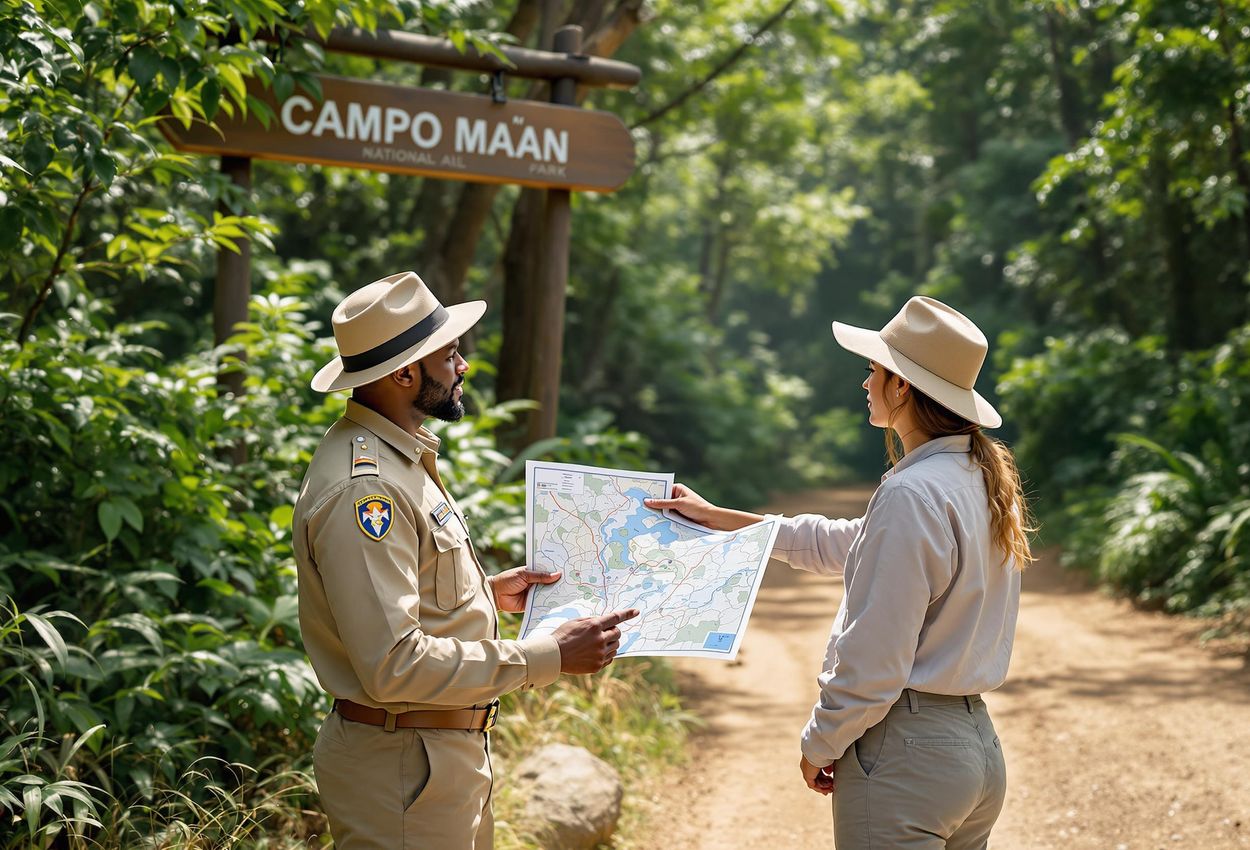
Permits and Protocols: Planning Your Visit
Our editors` picks of the latest and greatest in travel - delivered to your inbox daily
Relax on the beaches and explore the reefs of Xai-Xai.
View More
Embrace the cooler temperatures and experience the International Festival of the Sahara in Douz this December.
View More
Celebrate the year-end festivities in Accra, culminating in the vibrant Afrofuture festival.
View More Albania EDITION
 Algeria EDITION
 Argentina EDITION
 Armenia EDITION
 Australia EDITION
 Austria EDITION
 Bangladesh EDITION
 Belgium EDITION
 Belize EDITION
 Benin EDITION
 Bhutan EDITION
 Bolivia EDITION
 Bosnia and Herzegovina EDITION
 Botswana EDITION
 Brazil EDITION
 Bulgaria EDITION
 Burkina Faso EDITION
 Cambodia EDITION
 Cameroon EDITION
 Canada EDITION
 Central African Republic EDITION
 Chad EDITION
 Chile EDITION
 China EDITION
 Colombia EDITION
 Costa Rica EDITION
 Croatia EDITION
 Cyprus EDITION
 Denmark EDITION
 Djibouti EDITION
 Ecuador EDITION
 Egypt EDITION
 El Salvador EDITION
 Eritrea EDITION
 Estonia EDITION
 Ethiopia EDITION
 Finland EDITION
 France EDITION
 Gabon EDITION
 Georgia EDITION
 Germany EDITION
 Ghana EDITION
 Greece EDITION
 Guatemala EDITION
 Guinea EDITION
 Guinea-Bissau EDITION
 Honduras EDITION
 Hungary EDITION
 Iceland EDITION
 India EDITION
 Indonesia EDITION
 Ireland EDITION
 Israel EDITION
 Italy EDITION
 Jamaica EDITION
 Japan EDITION
 Jordan EDITION
 Kenya EDITION
 Kuwait EDITION
 Laos EDITION
 Latvia EDITION
 Lebanon EDITION
 Lesotho EDITION
 Liberia EDITION
 Lithuania EDITION
 Luxembourg EDITION
 Madagascar EDITION
 Malawi EDITION
 Malaysia EDITION
 Maldives EDITION
 Mali EDITION
 Malta EDITION
 Mauritania EDITION
 Mauritius EDITION
 Mexico EDITION
 Mongolia EDITION
 Montenegro EDITION
 Morocco EDITION
 Mozambique EDITION
 Namibia EDITION
 Nepal EDITION
 Netherlands EDITION
 New Zealand EDITION
 Nicaragua EDITION
 Niger EDITION
 Nigeria EDITION
 Norway EDITION
 Oman EDITION
 Pakistan EDITION
 Panama EDITION
 Papua New Guinea EDITION
 Paraguay EDITION
 Peru EDITION
 Philippines EDITION
 Poland EDITION
 Portugal EDITION
 Qatar EDITION
 Romania EDITION
 Rwanda EDITION
 Saudi Arabia EDITION
 Senegal EDITION
 Serbia EDITION
 Singapore EDITION
 Slovakia EDITION
 Slovenia EDITION
 Somalia EDITION
 South Africa EDITION
 South Korea EDITION
 Spain EDITION
 Sri Lanka EDITION
 Suriname EDITION
 Sweden EDITION
 Switzerland EDITION
 Tanzania EDITION
 Thailand EDITION
 Tunisia EDITION
 Uganda EDITION
 United Arab Emirates EDITION
 United Kingdom EDITION
 Uruguay EDITION
 Venezuela EDITION
 Vietnam EDITION
 Zambia EDITION
 Zimbabwe EDITION
Subscribe to our newsletter and get the most captivating travel stories, hidden gems, and expert insights delivered straight to your inbox. As a subscriber, you’ll be first in line for exclusive content, premium offers, and unforgettable travel experiences