


Destination Guide
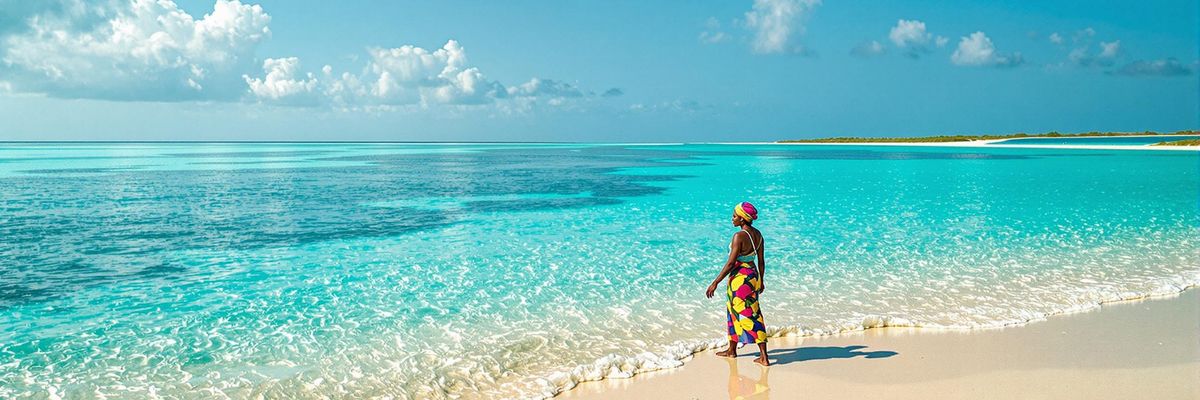
Xai-Xai: A Coastal Retreat
Relax on the beaches and explore the reefs of Xai-Xai.
View More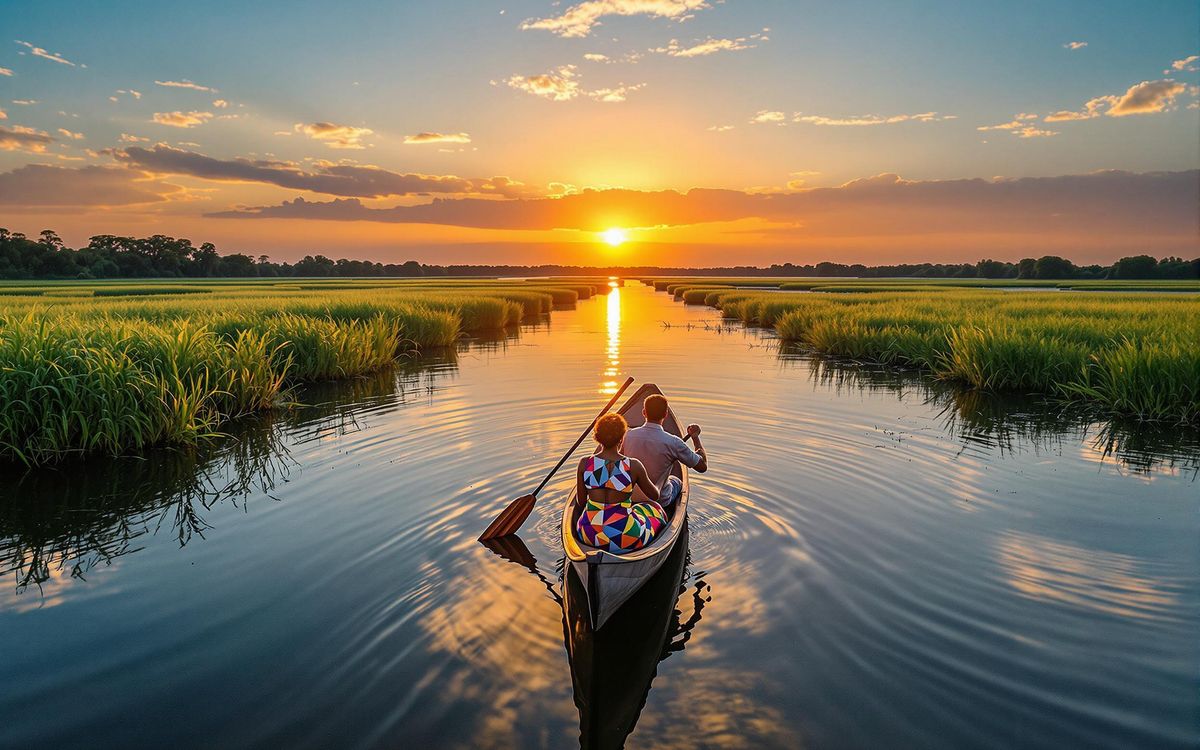

Venture into a world where emerald landscapes meet sapphire waters, a stark contrast to Namibia's ochre dunes and arid plains. The Caprivi Strip, a geographical oddity and a vibrant ecosystem, beckons with its promise of untamed beauty and unparalleled wildlife encounters.
Imagine a ribbon of green unfurling across the parched canvas of Namibia, a verdant sanctuary teeming with life. This is the Caprivi Strip, also known as the Zambezi Region, a narrow panhandle stretching eastward, cradled by Angola and Zambia to the north, and Botswana to the south. Fed by the life-giving waters of the Okavango, Kwando, Zambezi, and Chobe Rivers, this unique corner of Namibia defies expectations, offering a landscape of lush floodplains, dense forests, and meandering waterways.
Unlike the arid landscapes that dominate much of Namibia, the Caprivi Strip is a haven of biodiversity, a place where elephants roam freely, hippos wallow in the shallows, and a symphony of birdsong fills the air. It's a region where the untamed spirit of Africa thrives, offering an unforgettable experience for those who seek adventure beyond the ordinary.
The Caprivi Strip's strategic location has shaped its history, serving as a corridor connecting Namibia to its eastern neighbors. Katima Mulilo, the region's largest town, stands as a testament to this crossroads, a bustling hub where cultures converge and the spirit of exploration permeates the air. The town sits amidst lush riverine vegetation with tropical birds and monkeys. The area around Katima Mulilo is inhabited by members of the Masubia and Mafwe tribes.
Getting to the Caprivi Strip is an adventure in itself, a journey that rewards those who venture off the beaten path. Whether you choose to fly into Katima Mulilo Airport or embark on a road trip through the heart of Namibia, the experience is sure to be unforgettable. Be aware that the roads in the Caprivi region are occasionally flooded, so it is advisable to rent a 4x4 vehicle.

The Caprivi Strip promises an immersive experience, a chance to witness the raw beauty of Africa unfold before your eyes. From its unique geography to its abundant wildlife and vibrant culture, this hidden gem of Namibia is waiting to be discovered.
Local Tip: Engage with local communities to learn about their traditions and way of life. Support local businesses and artisans to contribute to the sustainable development of the region.
Hidden Gem: Explore the lesser-known community-run campsites for an authentic and immersive experience in the heart of the wilderness.
Bwabwata National Park, a tapestry of diverse landscapes and unfenced wilderness, invites you to witness the harmonious coexistence of wildlife and local communities. Here, elephants roam freely, baobabs stand sentinel, and the spirit of conservation thrives.
Bwabwata National Park is a unique protected area where wildlife and people coexist. Unlike conventional national parks, Bwabwata is a 'people's park,' supporting both a large wildlife population and a resident human population of approximately 5,500. This pioneering approach to conservation recognizes the importance of involving local communities in the management and sustainable use of natural resources.
Within Bwabwata National Park lie several distinct areas, each offering a unique glimpse into the region's biodiversity. The Mahango Game Park, with its lush riverine forests and floodplains, is a haven for water-dependent species. The Buffalo Game Park, characterized by its vast open grasslands and scattered woodlands, is home to large herds of buffalo and other grazing animals. The Kwando Core Area, along the Kwando River, offers opportunities for boat safaris and exceptional birdwatching.
As you traverse Bwabwata National Park, be prepared to encounter a diverse array of wildlife. Elephants are a common sight, often seen crossing roads or drinking at waterholes. Lions, leopards, cheetahs, and hyenas roam the park, preying on the abundant herbivores. Keep an eye out for the elusive African wild dog, one of Africa's most endangered carnivores.
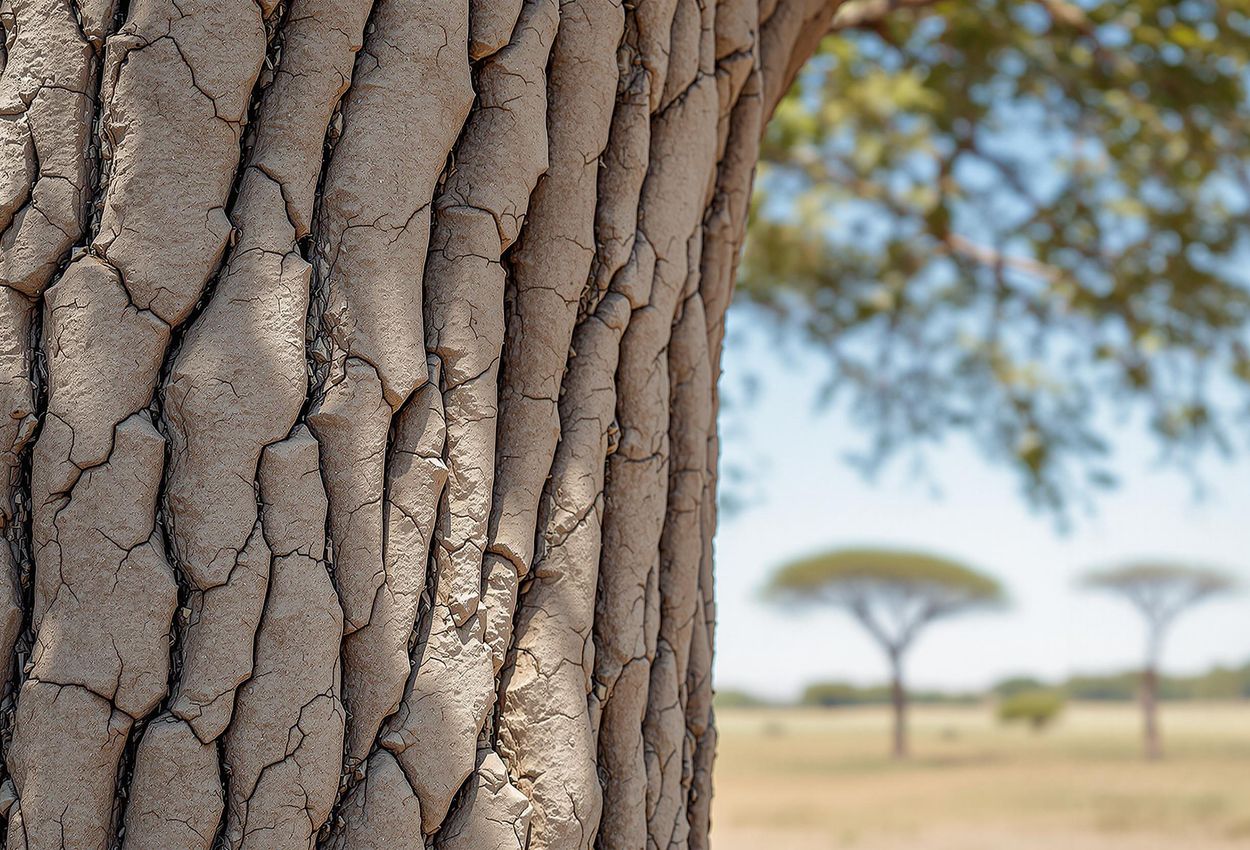
The park's iconic baobab trees, with their massive trunks and distinctive shapes, add to the landscape's allure. These ancient giants stand as silent witnesses to the passage of time, providing shelter and sustenance for various creatures.
What sets Bwabwata National Park apart is its unfenced wilderness, allowing animals to roam freely across borders into Angola, Botswana, and Zambia. This transboundary movement is crucial for maintaining healthy wildlife populations and ensuring the long-term ecological integrity of the region.
Local Tip: Respect wildlife and maintain a safe distance. Be aware of your surroundings and follow the guidance of experienced guides.
Hidden Gem: Visit the Horseshoe, a scenic oxbow lake on the Kwando River, for picturesque views and excellent birdwatching opportunities.
Step into a realm where water reigns supreme, where rivers carve their way through the landscape, and reed islands provide sanctuary for a myriad of creatures. Mudumu National Park, a hidden gem of the Caprivi Strip, invites you to immerse yourself in its unique aquatic wonderland.
Mudumu National Park presents a striking contrast to the typical Namibian scenery. Unlike the country's arid and semi-arid regions, Mudumu is characterized by its abundance of water, with the Kwando River forming its western boundary. This creates a unique ecosystem of rivers, reed islands, and flat terrains, teeming with diverse flora and fauna.
The park's unusual landscape makes it a haven for birdlife, with over 400 species recorded. Birdwatchers will be delighted by the opportunity to spot a variety of avian species, including the African Finfoot, Half-collared Kingfisher, and Rock Pratincole. Keep an eye out for the African Jacana, with its long toes that allow it to walk on floating vegetation, and the Southern Carmine Bee-eater, known for its vibrant plumage.
Mudumu National Park offers a chance to witness wildlife encounters unique to the Caprivi Strip. Nile crocodiles bask on the riverbanks, while hippos wallow in the cool waters. Elephants are a common sight, often seen crossing the river or grazing on the lush vegetation.
The park's remote location and lack of crowds add to its allure, providing a sense of solitude and immersion in nature. Explore the park on foot, by boat, or on a guided game drive, and discover the hidden wonders of this aquatic paradise.

Local Tip: Visit during the wet season (November to April) for the best birdwatching opportunities, but be prepared for challenging road conditions.
Hidden Gem: Explore the Mudumu Mulapo, a fossilized river course that offers a glimpse into the park's geological history.
Embark on a river cruise on the Chobe River, where the waters teem with life and the sunsets paint the sky in fiery hues. Witness elephants, buffalo, and a kaleidoscope of birds from the unique vantage point of a boat, and immerse yourself in the tranquility of the African wilderness.
A river cruise on the Chobe River is an unforgettable experience, offering a unique perspective on the region's wildlife and landscapes. As you glide along the water, you'll have the opportunity to see elephants, buffalo, and a variety of bird species up close.
The Chobe River is renowned for its large elephant herds, often seen drinking, bathing, and playing in the water. Buffalo graze on the riverbanks, while crocodiles bask in the sun. The river is also a haven for birdlife, with over 450 species recorded.
For a luxurious experience, consider a cruise on the Zambezi Queen, a floating boutique hotel that offers unparalleled comfort and elegance. This 42-meter-long houseboat features stylish suites, gourmet meals, and a range of activities, including water-based game viewing, birding excursions, and cultural tours.
As the sun begins to set, the Chobe River transforms into a spectacle of color, with the sky ablaze in shades of orange, pink, and purple. Sip on a sundowner as you watch the wildlife gather along the riverbanks, creating a scene of unparalleled beauty.

Local Tip: Pack binoculars for optimal wildlife viewing and birdwatching.
Hidden Gem: Opt for a smaller boat for a more intimate and personalized experience, allowing you to get closer to the wildlife and explore the river's hidden channels.
Our editors` picks of the latest and greatest in travel - delivered to your inbox daily
Relax on the beaches and explore the reefs of Xai-Xai.
View More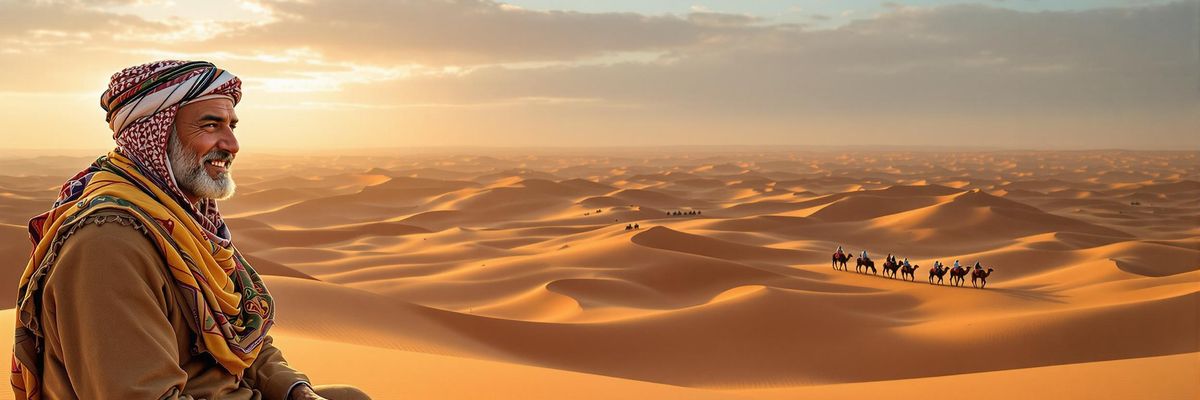
Embrace the cooler temperatures and experience the International Festival of the Sahara in Douz this December.
View More
Celebrate the year-end festivities in Accra, culminating in the vibrant Afrofuture festival.
View More Albania EDITION
 Algeria EDITION
 Argentina EDITION
 Armenia EDITION
 Australia EDITION
 Austria EDITION
 Bangladesh EDITION
 Belgium EDITION
 Belize EDITION
 Benin EDITION
 Bhutan EDITION
 Bolivia EDITION
 Bosnia and Herzegovina EDITION
 Botswana EDITION
 Brazil EDITION
 Bulgaria EDITION
 Burkina Faso EDITION
 Cambodia EDITION
 Cameroon EDITION
 Canada EDITION
 Central African Republic EDITION
 Chad EDITION
 Chile EDITION
 China EDITION
 Colombia EDITION
 Costa Rica EDITION
 Croatia EDITION
 Cyprus EDITION
 Denmark EDITION
 Djibouti EDITION
 Ecuador EDITION
 Egypt EDITION
 El Salvador EDITION
 Eritrea EDITION
 Estonia EDITION
 Ethiopia EDITION
 Finland EDITION
 France EDITION
 Gabon EDITION
 Georgia EDITION
 Germany EDITION
 Ghana EDITION
 Greece EDITION
 Guatemala EDITION
 Guinea EDITION
 Guinea-Bissau EDITION
 Honduras EDITION
 Hungary EDITION
 Iceland EDITION
 India EDITION
 Indonesia EDITION
 Ireland EDITION
 Israel EDITION
 Italy EDITION
 Jamaica EDITION
 Japan EDITION
 Jordan EDITION
 Kenya EDITION
 Kuwait EDITION
 Laos EDITION
 Latvia EDITION
 Lebanon EDITION
 Lesotho EDITION
 Liberia EDITION
 Lithuania EDITION
 Luxembourg EDITION
 Madagascar EDITION
 Malawi EDITION
 Malaysia EDITION
 Maldives EDITION
 Mali EDITION
 Malta EDITION
 Mauritania EDITION
 Mauritius EDITION
 Mexico EDITION
 Mongolia EDITION
 Montenegro EDITION
 Morocco EDITION
 Mozambique EDITION
 Namibia EDITION
 Nepal EDITION
 Netherlands EDITION
 New Zealand EDITION
 Nicaragua EDITION
 Niger EDITION
 Nigeria EDITION
 Norway EDITION
 Oman EDITION
 Pakistan EDITION
 Panama EDITION
 Papua New Guinea EDITION
 Paraguay EDITION
 Peru EDITION
 Philippines EDITION
 Poland EDITION
 Portugal EDITION
 Qatar EDITION
 Romania EDITION
 Rwanda EDITION
 Saudi Arabia EDITION
 Senegal EDITION
 Serbia EDITION
 Singapore EDITION
 Slovakia EDITION
 Slovenia EDITION
 Somalia EDITION
 South Africa EDITION
 South Korea EDITION
 Spain EDITION
 Sri Lanka EDITION
 Suriname EDITION
 Sweden EDITION
 Switzerland EDITION
 Tanzania EDITION
 Thailand EDITION
 Tunisia EDITION
 Uganda EDITION
 United Arab Emirates EDITION
 United Kingdom EDITION
 Uruguay EDITION
 Venezuela EDITION
 Vietnam EDITION
 Zambia EDITION
 Zimbabwe EDITION
Subscribe to our newsletter and get the most captivating travel stories, hidden gems, and expert insights delivered straight to your inbox. As a subscriber, you’ll be first in line for exclusive content, premium offers, and unforgettable travel experiences