


Destination Guide
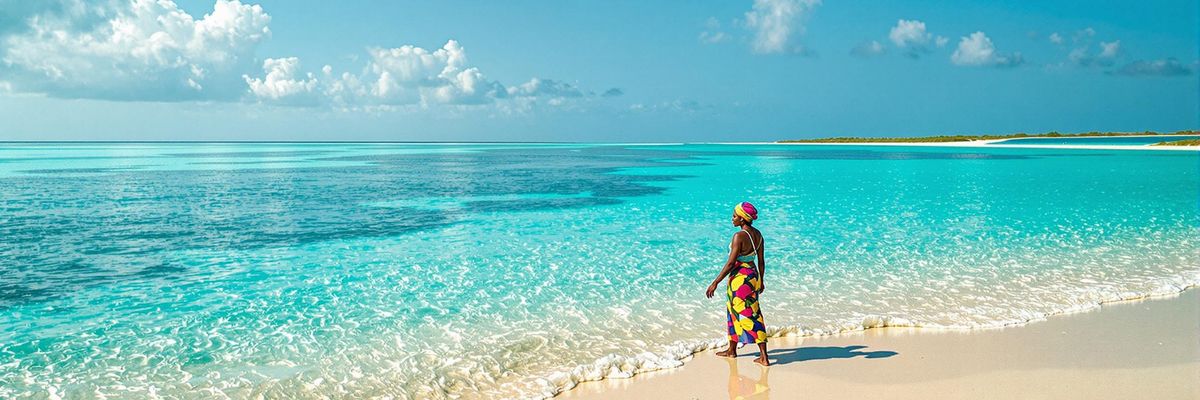
Xai-Xai: A Coastal Retreat
Relax on the beaches and explore the reefs of Xai-Xai.
View More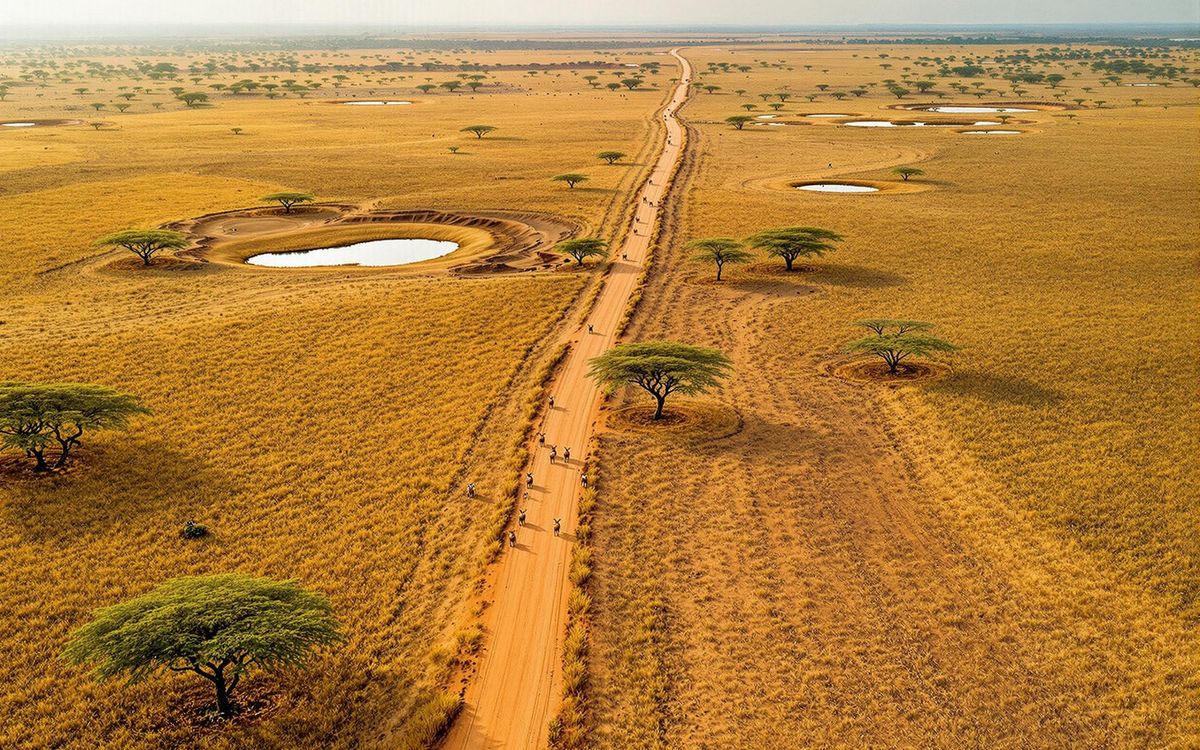

Venture into the heart of northeastern Nigeria, where Chad Basin National Park unfolds as a sanctuary of biodiversity, a refuge challenged by the relentless march of environmental change, and a testament to the enduring spirit of conservation.
Encompassing approximately 2,258 square kilometers across the states of Borno and Yobe, this national park stands as a vital ecological stronghold within the Chad Basin. Here, savanna woodlands meet wetlands and desert landscapes, creating a mosaic of habitats that support a remarkable array of wildlife. From iconic species like giraffes and ostriches to migratory birds seeking respite, Chad Basin National Park is a treasure trove of natural wonders.
Yet, this natural paradise faces immense pressure. Water scarcity, habitat loss, and human-wildlife conflict threaten the delicate balance of its ecosystems. As desertification advances and unsustainable land use practices persist, the park's future hangs in the balance. This is a story of resilience, of a landscape fighting to preserve its identity, and of the people dedicated to ensuring its survival.

Image Description: A sweeping aerial shot captures the vastness of Chad Basin National Park during the dry season. The landscape is a mix of golden savanna grasslands and sparse acacia woodlands, stretching towards the horizon. A few scattered waterholes reflect the sunlight, providing a critical water source for wildlife. In the distance, subtle sand dunes hint at the encroaching desert. The image conveys the sense of scale and the aridity of the environment, emphasizing the challenges faced by the park's ecosystems. The photo is taken in the late afternoon, with long shadows stretching across the landscape, adding depth and dimension to the scene.
Style Instructions: Aerial, Landscape. The photo is taken with a drone on November 20, 2025, using a wide-angle lens to capture the expansive view. The lighting is warm and golden, highlighting the textures of the savanna and the subtle variations in the landscape. The focus is sharp throughout the scene, ensuring that every detail is visible, from the individual acacia trees to the distant sand dunes. The composition is balanced, with the waterholes strategically placed to draw the eye and create a sense of depth.
Chad Basin National Park, a realm where the unexpected thrives, beckons those who seek to witness nature's tenacity in the face of adversity.
Nestled in the heart of northeastern Nigeria, straddling the states of Borno and Yobe, lies a sanctuary of biodiversity known as Chad Basin National Park. This protected area, spanning approximately 2,258 square kilometers, is a critical habitat within the larger Chad Basin, a region of immense ecological significance. The park's location places it at the crossroads of different ecological zones, resulting in a remarkable variety of landscapes and wildlife.
Established in 1991, Chad Basin National Park is not merely a collection of ecosystems; it is a living testament to the resilience of nature and the importance of conservation. Within its boundaries, one can find everything from savanna woodlands to wetlands and even desert oases, each supporting a unique community of plants and animals. The park serves as a refuge for species that have disappeared from other parts of Nigeria, including giraffes and ostriches, which find their last stronghold here.
However, this Eden is not without its challenges. Environmental changes, driven by climate change and unsustainable human activities, pose a grave threat to the park's delicate ecosystems. Water scarcity, habitat loss, and human-wildlife conflict are pressing issues that demand immediate attention. Despite these challenges, Chad Basin National Park remains a beacon of hope, a place where conservation efforts are making a difference, and where the beauty of nature continues to inspire awe and wonder.
Visiting Chad Basin National Park is an experience unlike any other. It is an opportunity to witness the raw beauty of the African wilderness, to connect with nature on a profound level, and to support the ongoing efforts to protect this invaluable ecosystem. Whether you are a seasoned wildlife enthusiast, a passionate birdwatcher, or simply a traveler seeking adventure, Chad Basin National Park promises an unforgettable journey into the heart of Nigeria's hidden Eden.
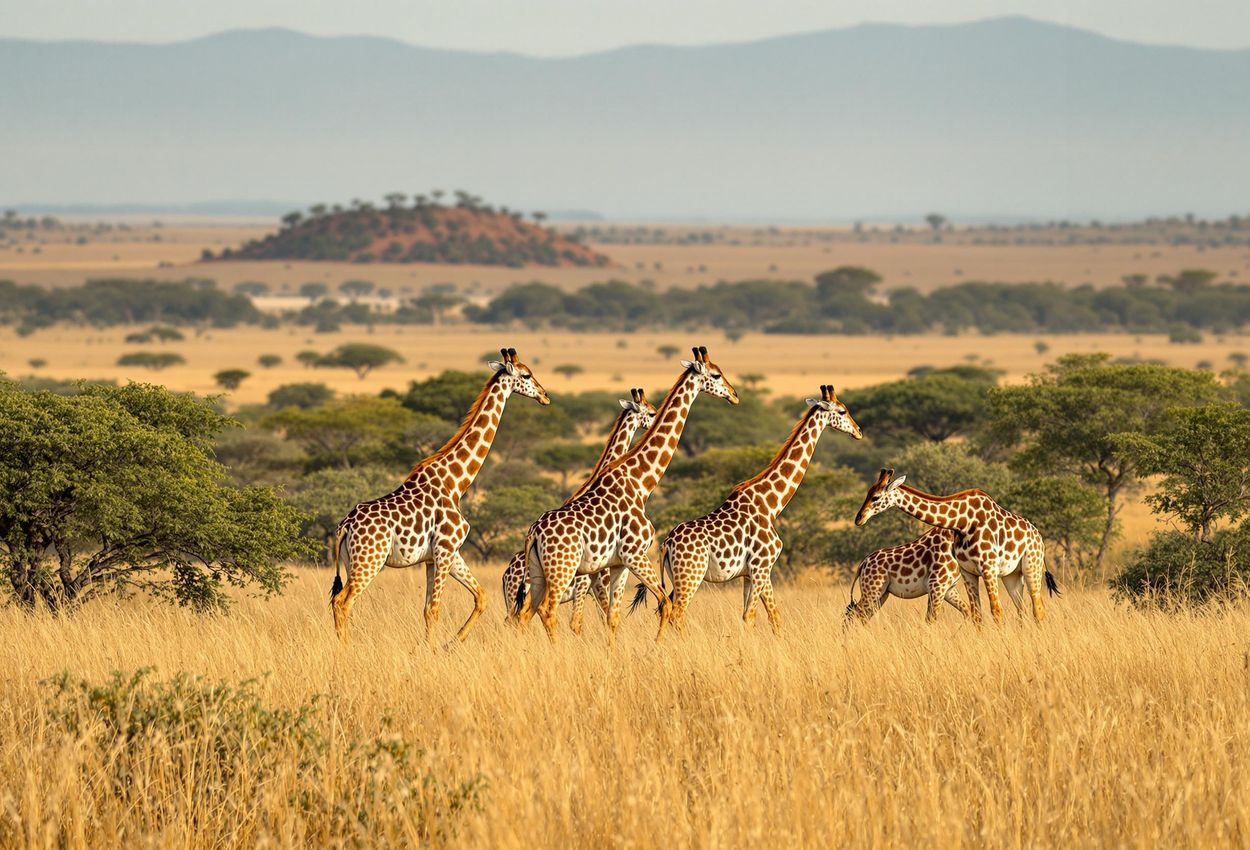
Image Description: A wide shot captures a group of giraffes gracefully traversing the savanna within Chad Basin National Park. The giraffes, with their distinctive patterns, stand out against the backdrop of golden grasses and scattered acacia trees. The scene is bathed in the warm light of the late afternoon sun, casting long shadows that accentuate the textures of the landscape. The giraffes are moving slowly, seemingly undisturbed by the presence of the camera, creating a sense of tranquility and harmony in the natural environment.
Style Instructions: Nature, Landscape. The photo is taken on November 20, 2025, using a telephoto lens to bring the giraffes closer to the viewer while maintaining a sense of distance and respect. The aperture is set to create a shallow depth of field, blurring the background and drawing attention to the giraffes. The composition is carefully balanced, with the giraffes positioned in the foreground and the savanna stretching out behind them. The overall effect is a stunning portrait of these majestic creatures in their natural habitat.
In the heart of Borno State, the Chingurmi-Duguma sector unveils a tapestry of savanna and woodland, a realm teeming with vibrant birdlife and the whispers of elephants.
Located in Borno State, the Chingurmi-Duguma sector is the largest of the three sectors that comprise Chad Basin National Park. Encompassing an area of approximately 1,228 square kilometers, this sector falls within the Sudanian savanna ecological zone, a region characterized by its diverse landscapes and abundant wildlife. The Chingurmi-Duguma sector is a realm where acacia-balanites woodlands meet seasonal floodplains, creating a haven for a myriad of species.
The woodlands of Chingurmi-Duguma are dominated by acacia and balanites trees, which provide shade and sustenance for a variety of animals. During the rainy season, the Dorma River overflows its banks, creating vast floodplain wetlands that attract a stunning array of waterbirds. Guinea fowl strut through the undergrowth, while black-crowned cranes gracefully stalk the shallows. The air is filled with the calls of countless other bird species, making this sector a paradise for birdwatchers.
But the birdlife is not the only attraction in Chingurmi-Duguma. This sector is also home to a population of elephants, which roam freely between Nigeria and neighboring Cameroon. Park authorities are working closely with their counterparts in Cameroon to prevent poaching and protect these magnificent creatures. The presence of elephants in Chingurmi-Duguma is a testament to the park's importance as a sanctuary for wildlife, and a reminder of the need for continued conservation efforts.
Exploring the Chingurmi-Duguma sector is an adventure that will leave you breathless. The vastness of the savanna, the beauty of the woodlands, and the abundance of wildlife create an experience that is both awe-inspiring and humbling. Whether you are tracking elephants, spotting rare bird species, or simply soaking in the tranquility of the landscape, Chingurmi-Duguma will captivate your senses and leave you with a deep appreciation for the natural world.
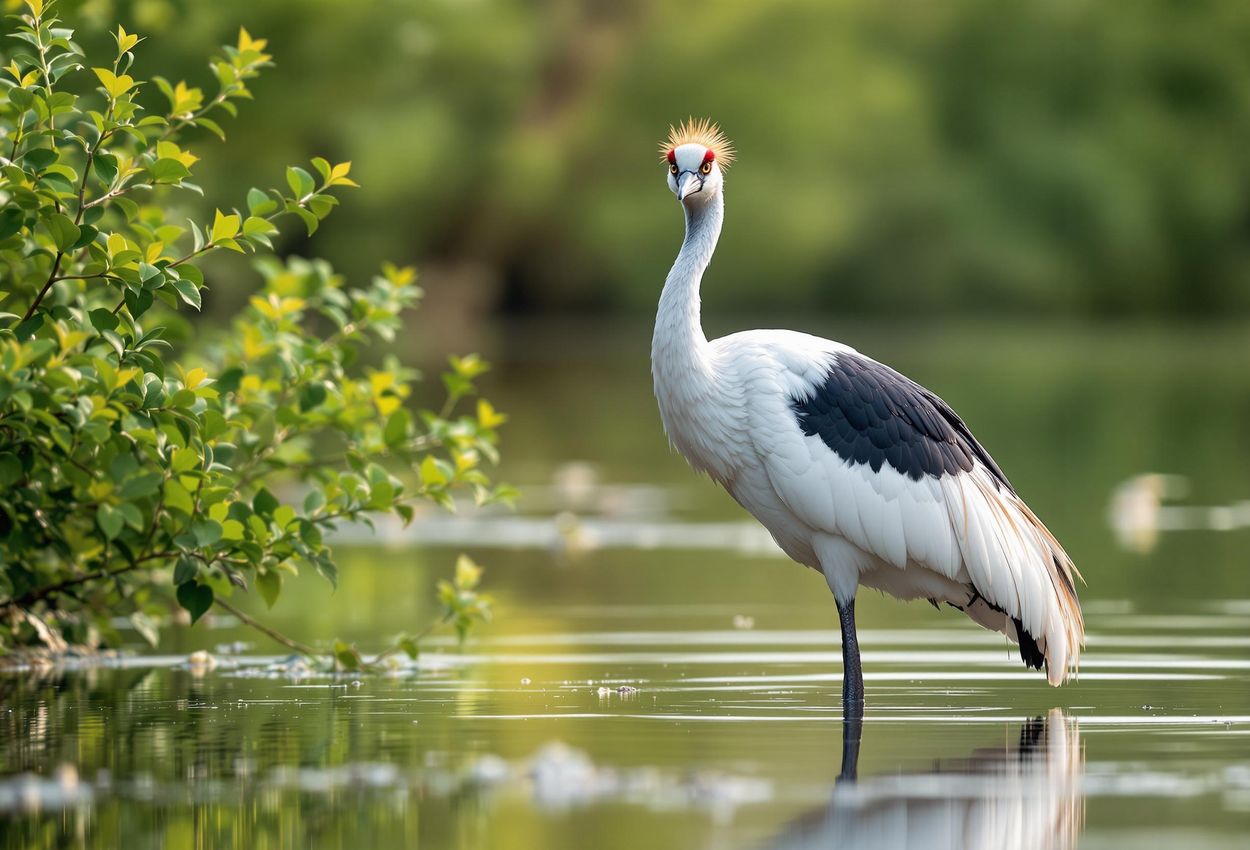
Image Description: A close-up shot captures a black-crowned crane standing gracefully in the shallow waters of the Dorma River within the Chingurmi-Duguma sector. The crane's elegant black and white plumage is highlighted by the soft, diffused sunlight filtering through the acacia trees. The water reflects the surrounding vegetation, creating a mirror-like effect that adds depth and dimension to the scene. The crane is looking directly at the camera, its piercing eyes conveying a sense of alertness and intelligence. The surrounding environment is lush and green, indicating the presence of water and the vitality of the ecosystem.
Style Instructions: Wildlife, Nature. The photo is taken on November 20, 2025, using a macro lens to capture the intricate details of the crane's feathers and the surrounding vegetation. The aperture is set to create a shallow depth of field, blurring the background and drawing attention to the crane's face. The composition is simple and elegant, with the crane positioned in the center of the frame and the surrounding vegetation providing a natural border. The overall effect is a stunning portrait of this iconic bird in its natural habitat.
In the southwestern reaches of Yobe State, the Bade-Nguru Wetlands emerge as a vital stopover for migratory birds, a sanctuary where the skies come alive with the flutter of wings.
Located in Yobe State, the Bade-Nguru Wetlands sector is an integral part of the larger Hadejia-Nguru Wetlands, a region of immense ecological importance. Spanning an area of approximately 938 square kilometers, this sector is a haven for migratory birds, providing a critical resting and feeding ground during their long journeys. The Bade-Nguru Wetlands are a testament to the interconnectedness of ecosystems and the importance of international cooperation in conservation.
At the heart of the Bade-Nguru Wetlands lies the Dagona Waterfowl Sanctuary, a protected area that serves as a magnet for migratory birds. Here, birds from Europe, Asia, and other parts of Africa converge, seeking refuge from harsh weather conditions and replenishing their energy reserves. The sanctuary is a cacophony of sights and sounds, as countless birds fill the air with their calls and create a mesmerizing spectacle of movement and color.
Among the many bird species that grace the Bade-Nguru Wetlands, the black-crowned crane is a resident favorite, while the Arabian bustard adds an exotic touch. Demoiselle cranes also visit the wetlands. These birds, along with countless others, depend on the wetlands for their survival, highlighting the critical role that this sector plays in maintaining biodiversity.
However, the Bade-Nguru Wetlands are facing increasing challenges. Reduced flooding, driven by upstream dams and climate change, is threatening the delicate balance of the ecosystem. Competition between humans and wildlife is also on the rise, as growing populations place increasing pressure on the wetlands' resources. Despite these challenges, conservation efforts are underway to protect the Bade-Nguru Wetlands and ensure that they continue to serve as a haven for migratory birds for generations to come.
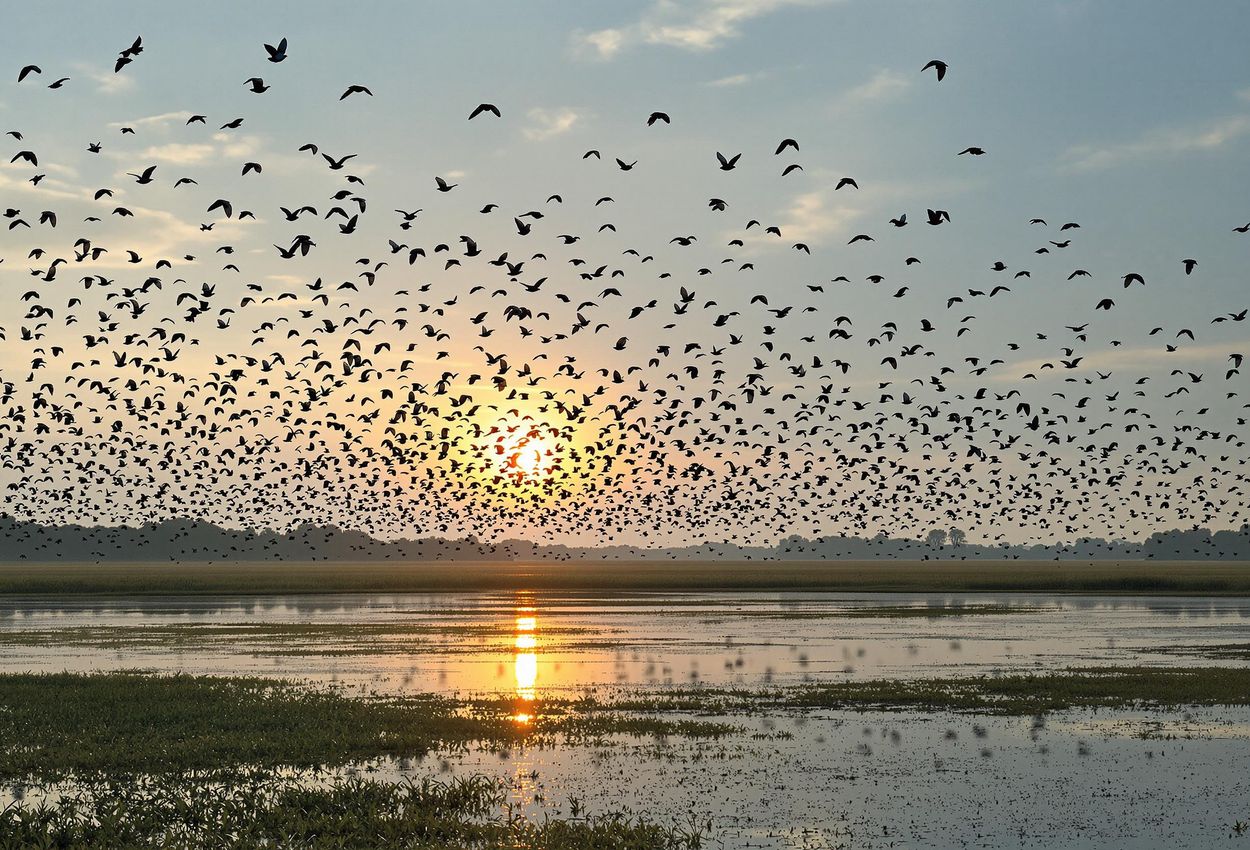
Image Description: A panoramic shot captures a vast flock of migratory birds taking flight over the Bade-Nguru Wetlands. The birds, silhouetted against the setting sun, create a dynamic and visually stunning spectacle. The wetlands stretch out in the foreground, with patches of open water reflecting the sky and the surrounding vegetation. The overall scene conveys a sense of scale and the importance of the wetlands as a critical stopover for migratory birds. The photo is taken from a slightly elevated position, providing a broader view of the landscape and the movement of the birds.
Style Instructions: Wildlife, Landscape. The photo is taken on November 20, 2025, using a wide-angle lens to capture the expansive view of the wetlands and the flock of birds. The aperture is set to create a sharp focus throughout the scene, ensuring that every detail is visible, from the individual birds to the distant horizon. The composition is carefully balanced, with the wetlands positioned in the foreground and the flock of birds creating a dynamic focal point in the sky. The overall effect is a breathtaking image that captures the beauty and the importance of the Bade-Nguru Wetlands.
Deep within Yobe State, the Bulatura Oases emerge as a mirage of life in the desert, a sanctuary where rare wildlife clings to existence amidst the shifting sands.
Tucked away in the Yobe State, the Bulatura Oases sector presents a stark contrast to the wetlands and savannas found elsewhere in Chad Basin National Park. This sector, characterized by its unique desert landscapes and swampy valleys, is a refuge for rare desert wildlife, a testament to the adaptability of life in the face of extreme conditions. The Bulatura Oases are a reminder that even in the harshest environments, beauty and biodiversity can thrive.
The landscape of Bulatura Oases is dominated by scenic sand dunes, which stretch as far as the eye can see. Interspersed among these dunes are fertile depressions, where groundwater seeps to the surface, creating swampy valleys that support a surprising amount of vegetation. These oases are life-giving havens for a variety of animals, including giraffes and ostriches, which find their last stronghold in Nigeria here.
In addition to its wildlife, Bulatura Oases is also known for its rich deposits of potash, a valuable mineral used in fertilizers. The presence of potash has attracted human settlements to the area, with fishing villages dotting the landscape. Visitors to Bulatura Oases can experience the unique culture of these communities, learning about their traditional way of life and their deep connection to the desert environment.
Exploring the Bulatura Oases is an adventure that will transport you to another world. The vastness of the desert, the beauty of the sand dunes, and the presence of rare wildlife create an experience that is both surreal and unforgettable. Whether you are watching animals at a watering hole, visiting a local fishing village, or simply soaking in the tranquility of the desert landscape, Bulatura Oases will leave you with a deep appreciation for the resilience of life and the beauty of the natural world.
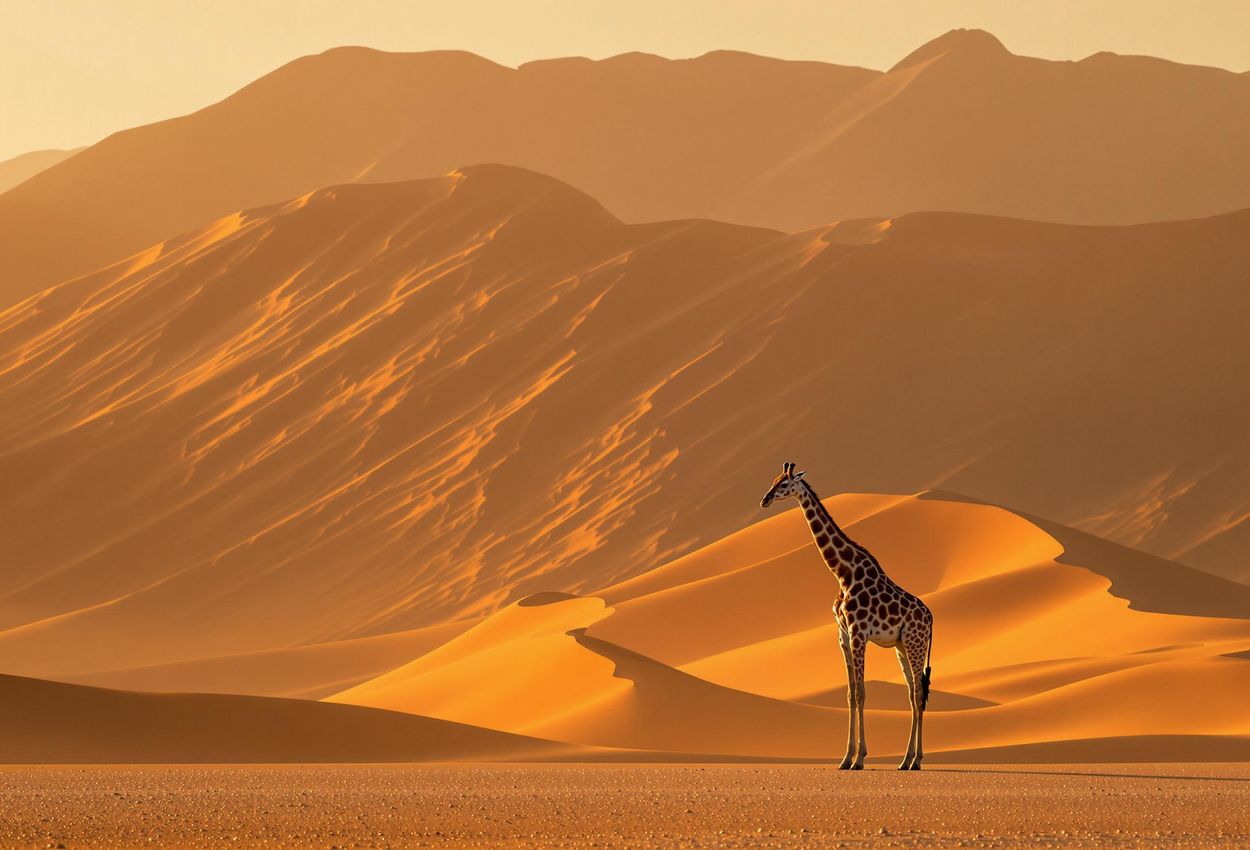
Image Description: A striking shot captures a lone giraffe silhouetted against the backdrop of towering sand dunes in the Bulatura Oases. The giraffe's long neck and legs are sharply defined against the golden sand, creating a dramatic visual contrast. The setting sun casts a warm glow over the dunes, highlighting their textures and contours. The overall scene conveys a sense of isolation and the giraffe's resilience in the face of the harsh desert environment. The photo is taken from a low angle, emphasizing the height of the dunes and the giraffe's stature.
Style Instructions: Wildlife, Landscape. The photo is taken on November 20, 2025, using a telephoto lens to bring the giraffe closer to the viewer while maintaining a sense of distance and respect. The aperture is set to create a shallow depth of field, blurring the background and drawing attention to the giraffe's silhouette. The composition is simple and elegant, with the giraffe positioned in the center of the frame and the sand dunes providing a dramatic backdrop. The overall effect is a powerful image that captures the beauty and the fragility of life in the desert.
Chad Basin National Park stands at a crossroads, facing a multitude of challenges that threaten its very existence, yet glimmers of hope emerge through community engagement, sustainable practices, and regional cooperation.
Chad Basin National Park is a treasure trove of biodiversity and cultural heritage, it faces a myriad of challenges that threaten its long-term survival. Water scarcity, habitat loss, and human-wildlife conflict are among the most pressing issues, each demanding urgent attention and innovative solutions. The park's future hinges on the ability to address these challenges effectively and to forge a path towards sustainable conservation.
One of the most significant challenges facing Chad Basin National Park is water scarcity. The region is naturally arid, and climate change is exacerbating the problem, leading to reduced rainfall and increased evaporation. This water scarcity has a ripple effect throughout the ecosystem, impacting wildlife, vegetation, and human communities alike.
Habitat loss is another major concern. Desertification, driven by unsustainable land use practices, is encroaching on the park's boundaries, reducing the amount of available habitat for wildlife. Deforestation, driven by the demand for firewood and agricultural land, is also contributing to habitat loss, further fragmenting the ecosystem and isolating wildlife populations.
Human-wildlife conflict is a growing problem, as animals increasingly come into contact with human settlements in search of food and water. This conflict can result in crop damage, livestock depredation, and even human injury or death, leading to resentment and retaliatory killings of wildlife. Addressing this conflict requires a multi-faceted approach that includes community engagement, education, and the implementation of effective mitigation measures.
Despite these challenges, there is reason for optimism. Community engagement is emerging as a key strategy for conservation, with local communities playing an increasingly active role in protecting the park's resources. Integrated management approaches, which balance ecological health with human needs, are also gaining traction, offering a more sustainable path forward. Regional cooperation, involving collaboration between Nigeria and its neighbors, is essential for addressing transboundary issues such as poaching and water management.
Sustainable tourism also holds promise as a way to generate revenue for conservation and to raise awareness about the park's importance. By promoting responsible tourism practices, the park can attract visitors while minimizing its environmental impact and maximizing its benefits for local communities. The path forward for Chad Basin National Park is not without its challenges, but with concerted efforts, innovative solutions, and a commitment to sustainability, this wildlife paradise can be preserved for generations to come.
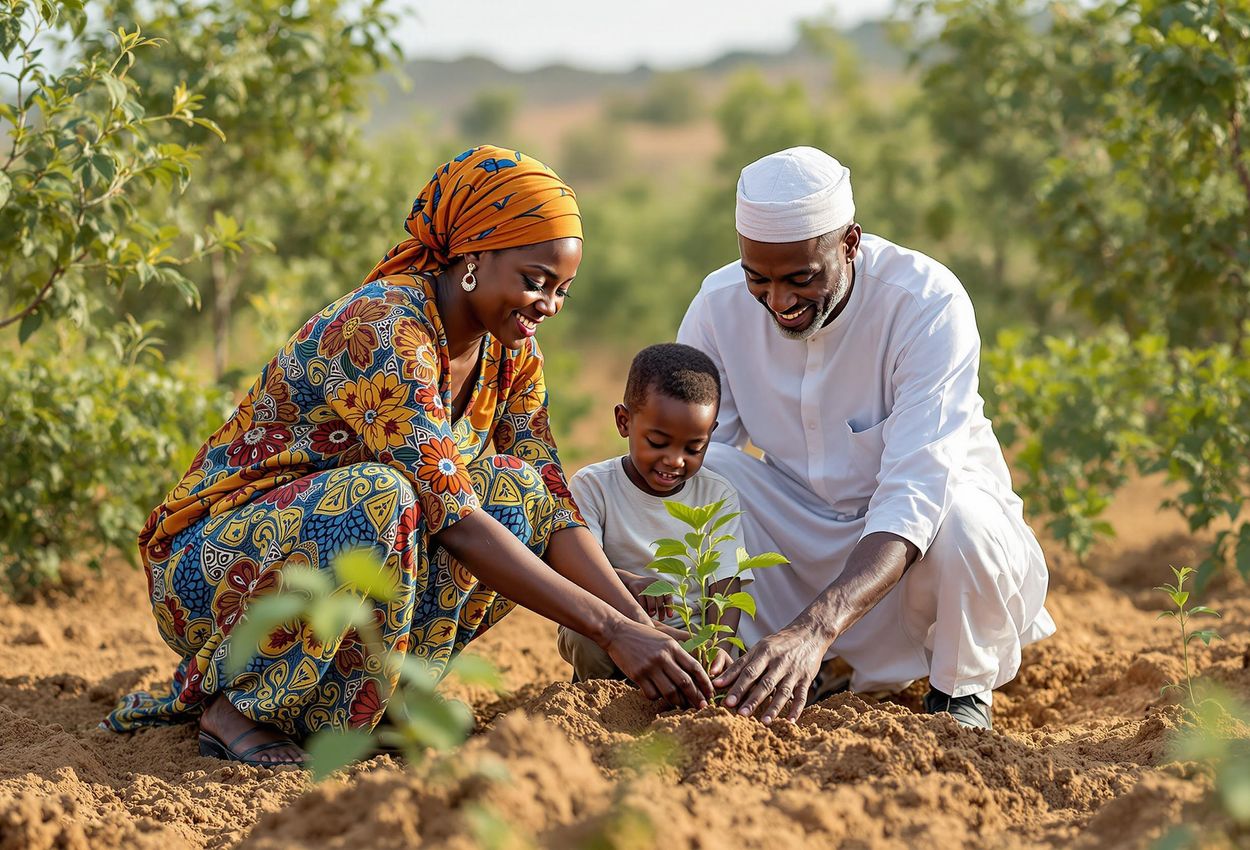
Image Description: A heartwarming shot captures a group of local community members participating in a tree-planting activity within Chad Basin National Park. The participants, including men, women, and children, are working together to plant seedlings, symbolizing their commitment to conservation and the restoration of degraded habitats. The scene is filled with a sense of hope and collaboration, as the community members work side-by-side to create a greener future for the park. The background features a mix of existing vegetation and newly planted trees, highlighting the ongoing efforts to combat desertification and promote biodiversity.
Style Instructions: Event, Candid. The photo is taken on November 20, 2025, using a natural light to capture the warmth and authenticity of the scene. The aperture is set to create a shallow depth of field, blurring the background and drawing attention to the community members and their activities. The composition is carefully balanced, with the participants positioned in the foreground and the background providing context and depth. The overall effect is a powerful image that captures the spirit of community engagement and the hope for a sustainable future for Chad Basin National Park.
Our editors` picks of the latest and greatest in travel - delivered to your inbox daily
Relax on the beaches and explore the reefs of Xai-Xai.
View More
Embrace the cooler temperatures and experience the International Festival of the Sahara in Douz this December.
View More
Celebrate the year-end festivities in Accra, culminating in the vibrant Afrofuture festival.
View More Albania EDITION
 Algeria EDITION
 Argentina EDITION
 Armenia EDITION
 Australia EDITION
 Austria EDITION
 Bangladesh EDITION
 Belgium EDITION
 Belize EDITION
 Benin EDITION
 Bhutan EDITION
 Bolivia EDITION
 Bosnia and Herzegovina EDITION
 Botswana EDITION
 Brazil EDITION
 Bulgaria EDITION
 Burkina Faso EDITION
 Cambodia EDITION
 Cameroon EDITION
 Canada EDITION
 Central African Republic EDITION
 Chad EDITION
 Chile EDITION
 China EDITION
 Colombia EDITION
 Costa Rica EDITION
 Croatia EDITION
 Cyprus EDITION
 Denmark EDITION
 Djibouti EDITION
 Ecuador EDITION
 Egypt EDITION
 El Salvador EDITION
 Eritrea EDITION
 Estonia EDITION
 Ethiopia EDITION
 Finland EDITION
 France EDITION
 Gabon EDITION
 Georgia EDITION
 Germany EDITION
 Ghana EDITION
 Greece EDITION
 Guatemala EDITION
 Guinea EDITION
 Guinea-Bissau EDITION
 Honduras EDITION
 Hungary EDITION
 Iceland EDITION
 India EDITION
 Indonesia EDITION
 Ireland EDITION
 Israel EDITION
 Italy EDITION
 Jamaica EDITION
 Japan EDITION
 Jordan EDITION
 Kenya EDITION
 Kuwait EDITION
 Laos EDITION
 Latvia EDITION
 Lebanon EDITION
 Lesotho EDITION
 Liberia EDITION
 Lithuania EDITION
 Luxembourg EDITION
 Madagascar EDITION
 Malawi EDITION
 Malaysia EDITION
 Maldives EDITION
 Mali EDITION
 Malta EDITION
 Mauritania EDITION
 Mauritius EDITION
 Mexico EDITION
 Mongolia EDITION
 Montenegro EDITION
 Morocco EDITION
 Mozambique EDITION
 Namibia EDITION
 Nepal EDITION
 Netherlands EDITION
 New Zealand EDITION
 Nicaragua EDITION
 Niger EDITION
 Nigeria EDITION
 Norway EDITION
 Oman EDITION
 Pakistan EDITION
 Panama EDITION
 Papua New Guinea EDITION
 Paraguay EDITION
 Peru EDITION
 Philippines EDITION
 Poland EDITION
 Portugal EDITION
 Qatar EDITION
 Romania EDITION
 Rwanda EDITION
 Saudi Arabia EDITION
 Senegal EDITION
 Serbia EDITION
 Singapore EDITION
 Slovakia EDITION
 Slovenia EDITION
 Somalia EDITION
 South Africa EDITION
 South Korea EDITION
 Spain EDITION
 Sri Lanka EDITION
 Suriname EDITION
 Sweden EDITION
 Switzerland EDITION
 Tanzania EDITION
 Thailand EDITION
 Tunisia EDITION
 Uganda EDITION
 United Arab Emirates EDITION
 United Kingdom EDITION
 Uruguay EDITION
 Venezuela EDITION
 Vietnam EDITION
 Zambia EDITION
 Zimbabwe EDITION
Subscribe to our newsletter and get the most captivating travel stories, hidden gems, and expert insights delivered straight to your inbox. As a subscriber, you’ll be first in line for exclusive content, premium offers, and unforgettable travel experiences