



Destination Guide
Xai-Xai: A Coastal Retreat
Relax on the beaches and explore the reefs of Xai-Xai.
View More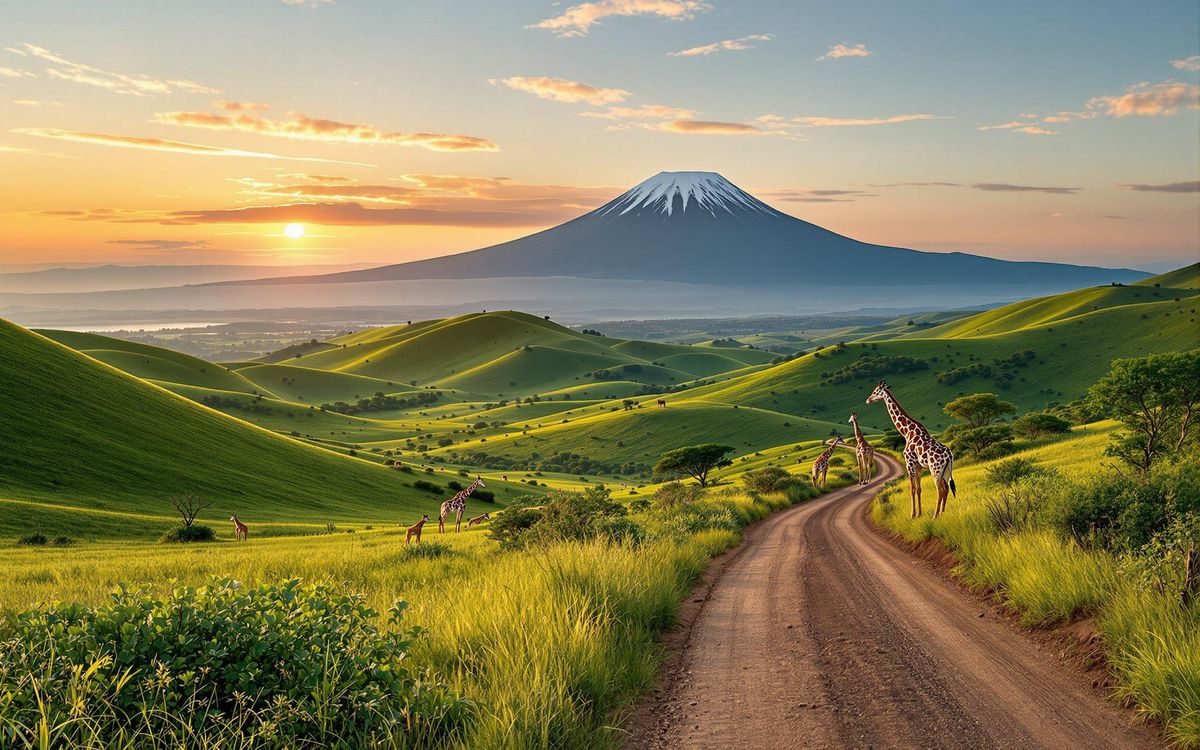

Rising from the arid plains of southeastern Kenya, the Chyulu Hills offer a startling contrast: a verdant, rolling landscape that seems almost surreal. This is a paradise of green, a place where volcanic history meets vibrant life, inviting adventurers and nature lovers to explore its hidden depths and breathtaking vistas.
The Chyulu Hills National Park, a protected area of 741 square kilometers, is a haven for wildlife, a geological wonderland, and a testament to successful conservation efforts. Situated between Tsavo West and Amboseli National Parks, it forms a critical link in the region's ecosystem, allowing wildlife to roam freely between these vital habitats. Prepare to be captivated by the unique beauty and serenity of this Kenyan treasure.
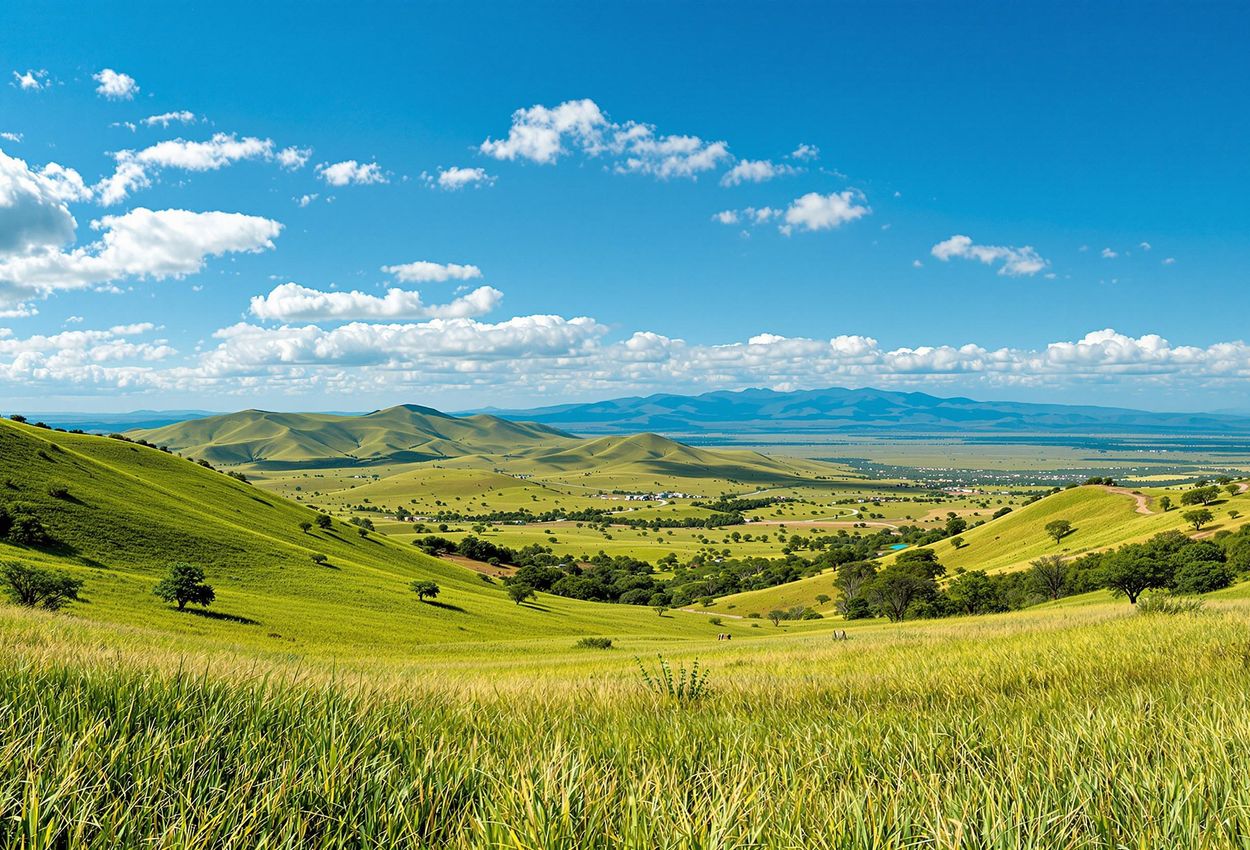
Imagine a landscape where endless green hills undulate towards the horizon, their slopes kissed by wisps of cloud. This is the Chyulu Hills, a mountain range born from relatively recent volcanic activity. Unlike the dry, dusty plains that surround them, the hills are covered in lush vegetation, a vibrant tapestry of grasslands, thickets, and montane forests.
The volcanic origins of the Chyulu Hills are evident in the landscape, with hundreds of small flows and cones dotting the area. These volcanoes are considered active, with the last eruptions occurring in 1856 at Shaitani and Chainu. The rich volcanic soil contributes to the area's exceptional biodiversity, supporting a wide array of plant and animal life.
As you ascend the hills, the air becomes cooler and crisper, carrying the scent of wild grasses and blossoming flora. The panoramic views are simply breathtaking. On clear days, the majestic Mount Kilimanjaro dominates the horizon, its snow-capped peak shimmering in the distance. The absence of permanent rivers is notable; however, the porous volcanic rock acts as a sponge, absorbing rainfall and feeding underground reservoirs that eventually emerge as springs and rivers in the surrounding plains.
The Chyulu Hills divide the Tsavo and Amboseli plains, creating a unique ecosystem that supports a diverse range of species. The hills' strategic location and varied habitats make them a vital corridor for wildlife, connecting these two important conservation areas.
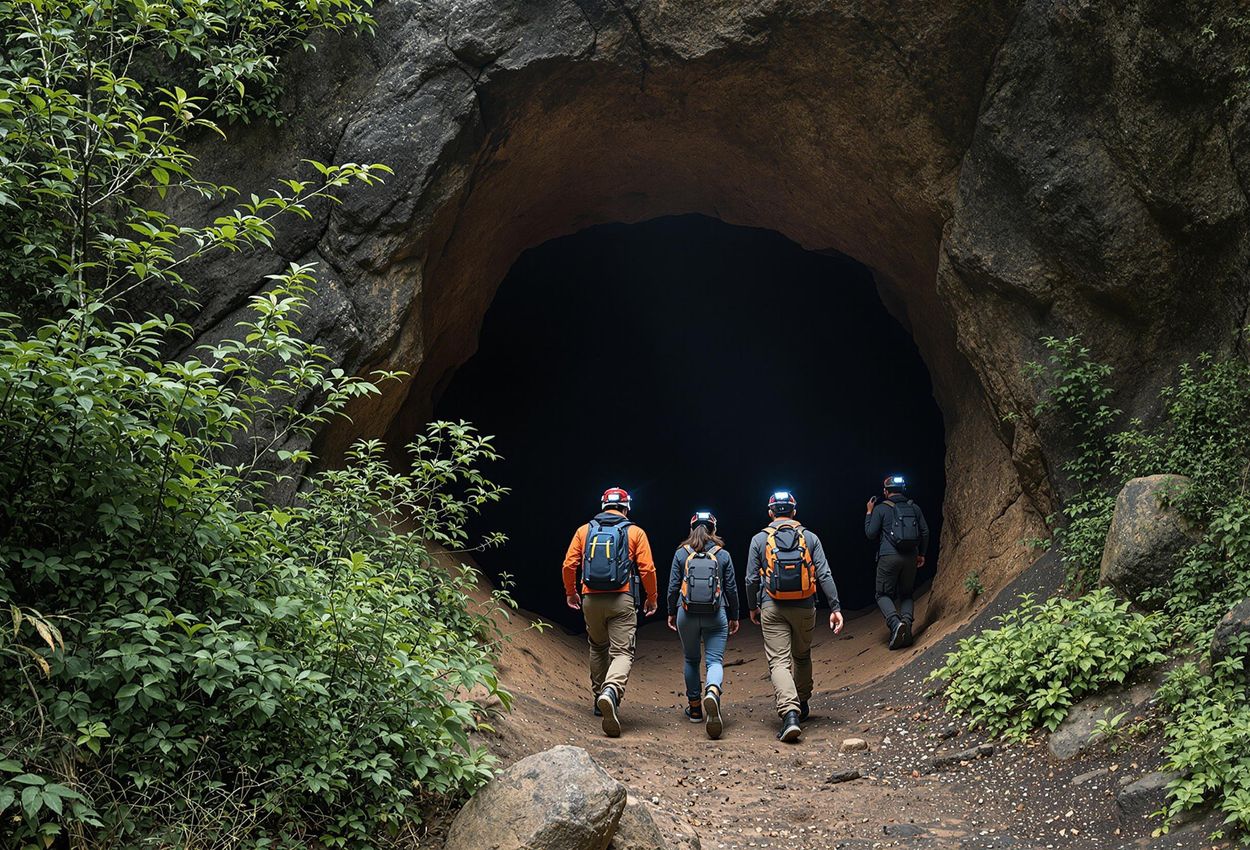
Beneath the rolling green hills lies a hidden world: the Leviathan Cave, also known as Kisula Caves, one of the longest lava tubes in Africa. Stretching over 11 kilometers, this subterranean marvel offers a unique and unforgettable adventure.
Discovered in 1975, the Leviathan Cave is a testament to the volcanic forces that shaped the Chyulu Hills. Formed by hot lava flowing beneath a cooled crust, the cave system is a geological wonder, attracting scientists and adventurers alike. Exploring the cave is an experience unlike any other. The air is cool and damp, and an echoing silence envelops you as you venture deeper into the earth.
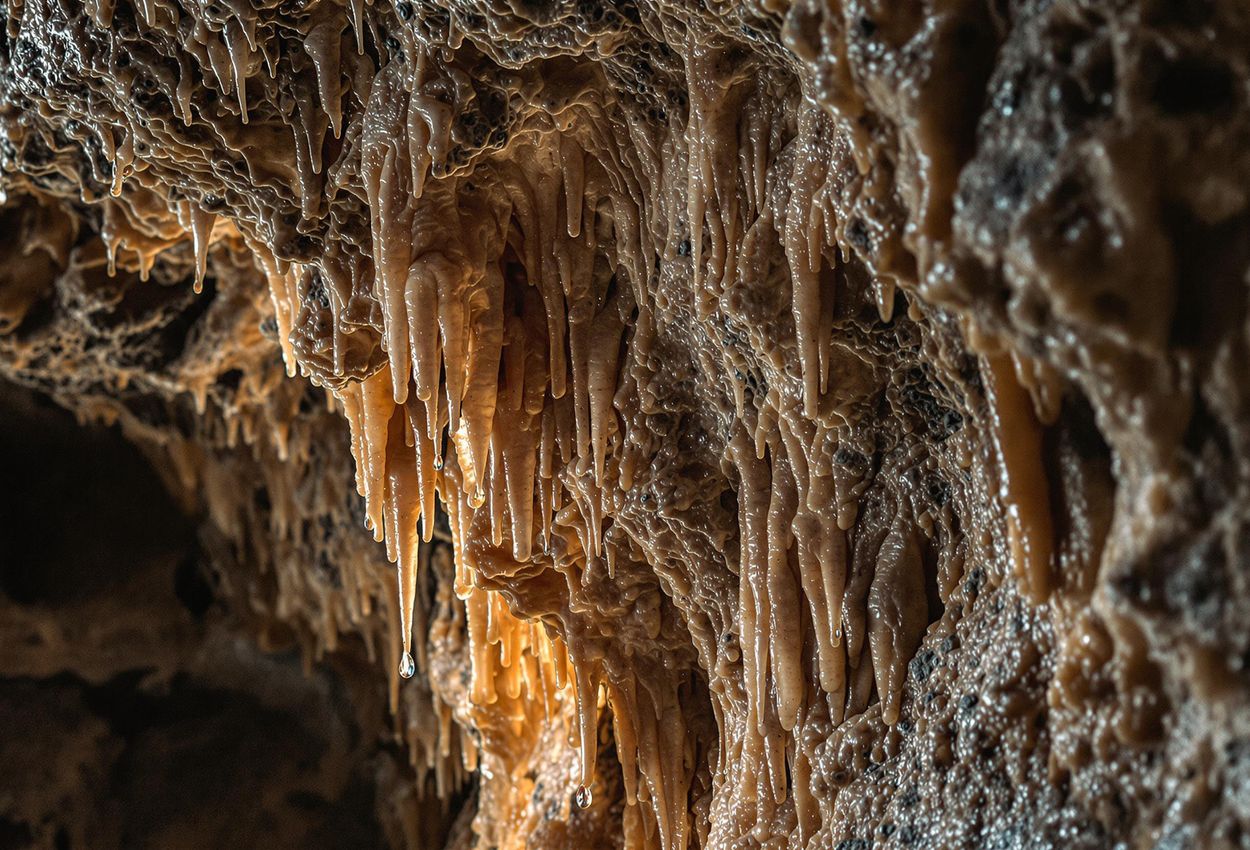
The cave is divided into two sections: the Upper Leviathan and the Lower Leviathan. The Upper Leviathan extends for 9,152 meters with a depth of 408 meters, while the Lower Leviathan stretches for 2,071 meters with a depth of 70 meters. As you navigate the cave's winding passages, you'll encounter unique geological formations, evidence of the molten rock that once flowed through these tunnels.
Local legends surround the caves, adding to their mystique and allure. Exploring the Leviathan Cave requires a sense of adventure and a willingness to embrace the unknown. It's recommended to hire a local guide and an armed ranger from the Kenya Wildlife Service (KWS) for safety. Be sure to bring a torch or headlamp to illuminate the cave's depths and sturdy footwear for navigating the uneven terrain.
The Chyulu Hills National Park is home to diverse wildlife, including elephants, giraffes, zebras, and elusive predators like leopards and cheetahs. The park's varied habitats, from grasslands to montane forests, support a wide range of species, making it a rewarding destination for wildlife enthusiasts.
Witnessing elephants traversing migration routes is a common sight, a testament to the park's role as a crucial wildlife corridor. Keep an eye out for cheetahs stalking prey in the open plains or prides of lions basking under the shade of acacia trees. Lucky visitors might also spot rarer species like the oryx and lesser kudu.
The park serves as a vital link between Tsavo and Amboseli, allowing animals to move freely between these ecosystems. This connectivity is essential for maintaining healthy wildlife populations and ensuring genetic diversity.
Birdlife is abundant, with over 400 species recorded in the area. Birdwatchers can spot species like the Hartlaub's bustard and eastern chanting goshawk, as well as migratory birds that pass through the hills. The park's diverse habitats provide ample opportunities for spotting rare and endemic species.
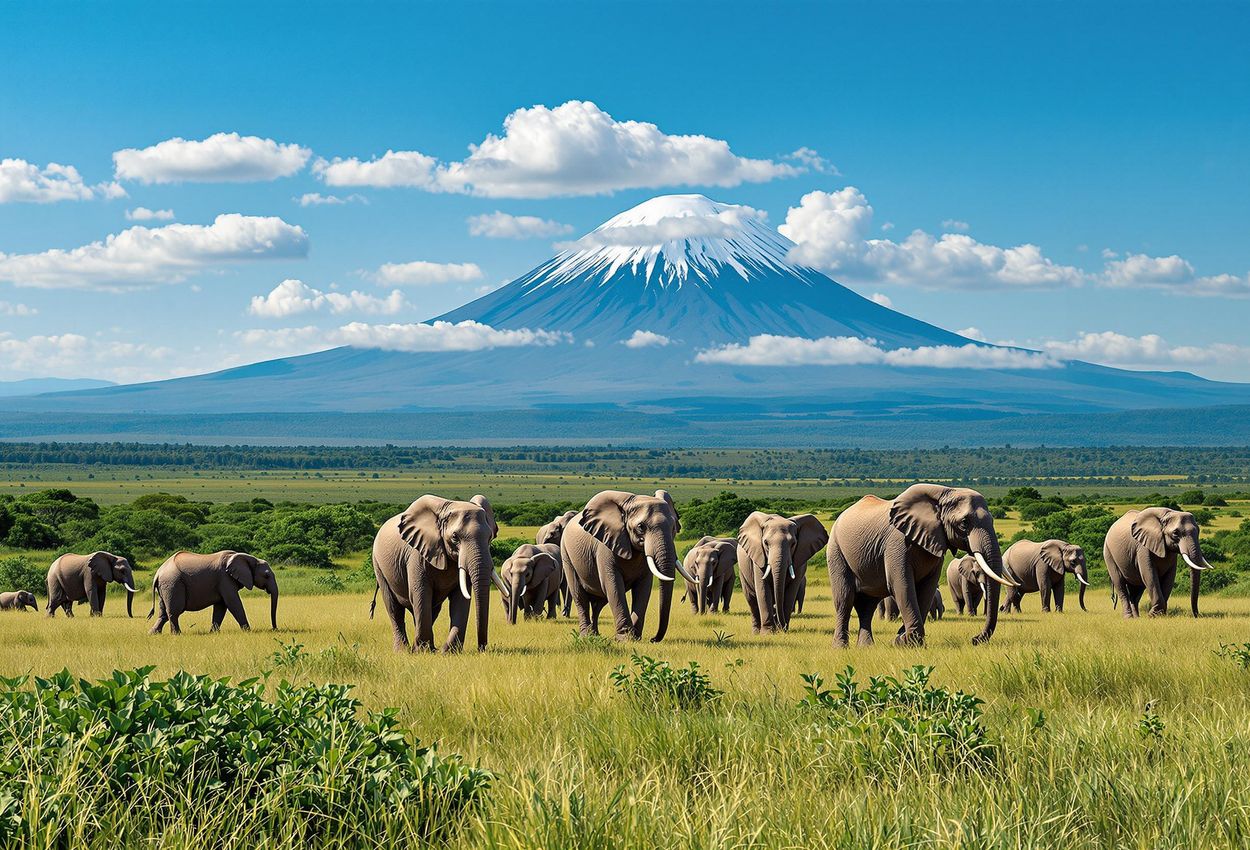
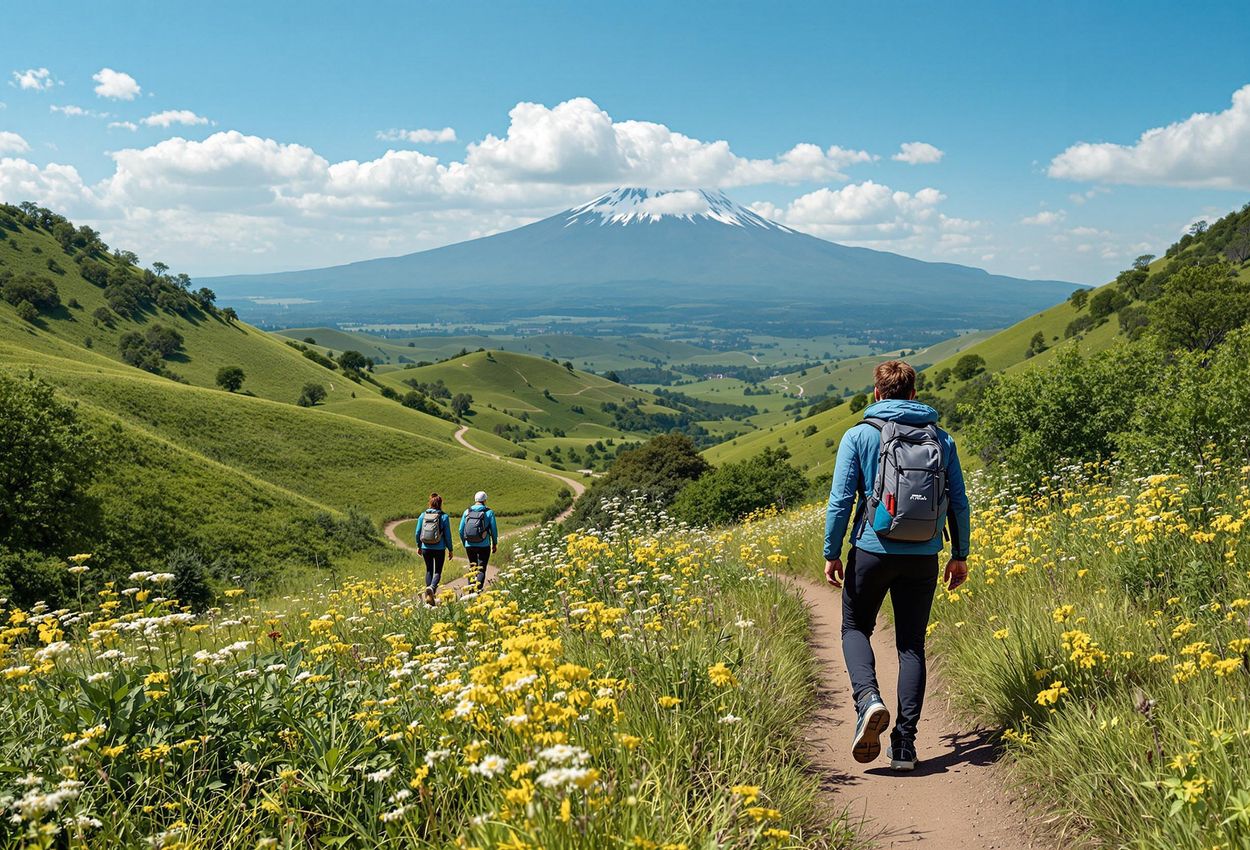
The Chyulu Hills are a hiker's paradise, offering a unique opportunity to explore the volcanic landscape on foot. While there are no formal hiking trails, numerous animal tracks crisscross the hills, providing convenient routes to follow.
Hiking through the rolling green hills is an unforgettable experience. As you ascend, you'll encounter unique flora and fauna, with panoramic views of Mount Kilimanjaro and the surrounding landscapes unfolding before you. The absence of marked trails adds to the sense of adventure, allowing you to feel like a true explorer.
Popular starting points for hikes include the Chyulu Hills National Park Headquarters and the Satellite campsite. The hike to the highest peak takes approximately 3-4 hours, rewarding you with breathtaking views. It's advisable to hire a game ranger for security purposes, as the area is home to wildlife.
The Satellite campsite, a former British Army training base, offers a stunning view of the hills and plains below. Remnants of the army's infrastructure, including telecommunication masts, can still be seen. This location provides an ideal base for exploring the surrounding hills and enjoying the tranquility of the wilderness.
The Chyulu Hills National Park is a sanctuary for unique plant species, many with cosmetic and medicinal values. The park's diverse vegetation zones, from grasslands and thickets to montane forests, support a rich array of flora.
Notable species include Olea Africana (African olive), Sandalwood, and Acocanthera, each with its unique properties and uses. The montane forests are home to species like Neoboutonia macrocalyx, African cherry, and African holly. The lower parts of the hills are characterized by grasslands and thickets, with species like Juniperus procera.
Endemic species like the Chyulu Hills bush viper add to the park's ecological significance. The vibrant flora attracts a variety of insects, including butterflies, creating a colorful spectacle. The park's diverse plant life contributes to its beauty and provides essential resources for wildlife and local communities.

The Chyulu Hills National Park is a model for successful conservation efforts, with various initiatives aimed at protecting its unique ecosystem and supporting local communities. The Chyulu Hills REDD+ Project is a prime example, focusing on preventing deforestation and promoting sustainable development.
The REDD+ project generates funds through carbon credits, which are then invested in community development and conservation initiatives. These initiatives include employing rangers to protect the area's precious resources and supporting education, healthcare, and new job opportunities for local communities.
The involvement of local communities, government agencies, and NGOs is crucial to the success of these efforts. By empowering local communities and providing them with alternative sources of income, the project ensures the long-term sustainability of the Chyulu Hills ecosystem.
The Chyulu Hills also serve as a vital water catchment area, feeding rivers and springs that sustain wildlife and local communities. The porous volcanic rock acts as a natural filter, ensuring the purity of the water that flows into the surrounding plains. Protecting this water source is essential for the well-being of the entire region.
Visiting the Chyulu Hills is more than just a vacation; it's an opportunity to support conservation efforts and contribute to the well-being of local communities. By choosing to explore this unique destination, you're helping to protect its natural beauty and ensure its future for generations to come.
Our editors` picks of the latest and greatest in travel - delivered to your inbox daily
Relax on the beaches and explore the reefs of Xai-Xai.
View More
Embrace the cooler temperatures and experience the International Festival of the Sahara in Douz this December.
View More
Celebrate the year-end festivities in Accra, culminating in the vibrant Afrofuture festival.
View More Albania EDITION
 Algeria EDITION
 Argentina EDITION
 Armenia EDITION
 Australia EDITION
 Austria EDITION
 Bangladesh EDITION
 Belgium EDITION
 Belize EDITION
 Benin EDITION
 Bhutan EDITION
 Bolivia EDITION
 Bosnia and Herzegovina EDITION
 Botswana EDITION
 Brazil EDITION
 Bulgaria EDITION
 Burkina Faso EDITION
 Cambodia EDITION
 Cameroon EDITION
 Canada EDITION
 Central African Republic EDITION
 Chad EDITION
 Chile EDITION
 China EDITION
 Colombia EDITION
 Costa Rica EDITION
 Croatia EDITION
 Cyprus EDITION
 Denmark EDITION
 Djibouti EDITION
 Ecuador EDITION
 Egypt EDITION
 El Salvador EDITION
 Eritrea EDITION
 Estonia EDITION
 Ethiopia EDITION
 Finland EDITION
 France EDITION
 Gabon EDITION
 Georgia EDITION
 Germany EDITION
 Ghana EDITION
 Greece EDITION
 Guatemala EDITION
 Guinea EDITION
 Guinea-Bissau EDITION
 Honduras EDITION
 Hungary EDITION
 Iceland EDITION
 India EDITION
 Indonesia EDITION
 Ireland EDITION
 Israel EDITION
 Italy EDITION
 Jamaica EDITION
 Japan EDITION
 Jordan EDITION
 Kenya EDITION
 Kuwait EDITION
 Laos EDITION
 Latvia EDITION
 Lebanon EDITION
 Lesotho EDITION
 Liberia EDITION
 Lithuania EDITION
 Luxembourg EDITION
 Madagascar EDITION
 Malawi EDITION
 Malaysia EDITION
 Maldives EDITION
 Mali EDITION
 Malta EDITION
 Mauritania EDITION
 Mauritius EDITION
 Mexico EDITION
 Mongolia EDITION
 Montenegro EDITION
 Morocco EDITION
 Mozambique EDITION
 Namibia EDITION
 Nepal EDITION
 Netherlands EDITION
 New Zealand EDITION
 Nicaragua EDITION
 Niger EDITION
 Nigeria EDITION
 Norway EDITION
 Oman EDITION
 Pakistan EDITION
 Panama EDITION
 Papua New Guinea EDITION
 Paraguay EDITION
 Peru EDITION
 Philippines EDITION
 Poland EDITION
 Portugal EDITION
 Qatar EDITION
 Romania EDITION
 Rwanda EDITION
 Saudi Arabia EDITION
 Senegal EDITION
 Serbia EDITION
 Singapore EDITION
 Slovakia EDITION
 Slovenia EDITION
 Somalia EDITION
 South Africa EDITION
 South Korea EDITION
 Spain EDITION
 Sri Lanka EDITION
 Suriname EDITION
 Sweden EDITION
 Switzerland EDITION
 Tanzania EDITION
 Thailand EDITION
 Tunisia EDITION
 Uganda EDITION
 United Arab Emirates EDITION
 United Kingdom EDITION
 Uruguay EDITION
 Venezuela EDITION
 Vietnam EDITION
 Zambia EDITION
 Zimbabwe EDITION
Subscribe to our newsletter and get the most captivating travel stories, hidden gems, and expert insights delivered straight to your inbox. As a subscriber, you’ll be first in line for exclusive content, premium offers, and unforgettable travel experiences