



Destination Guide
Xai-Xai: A Coastal Retreat
Relax on the beaches and explore the reefs of Xai-Xai.
View More

Cuito Cuanavale, a remote town in southeastern Angola, holds a profound place in African history. It is more than just a destination; it's a pilgrimage into the heart of a past that shaped the destiny of a continent. Here, the echoes of a pivotal battle resonate, inviting reflection on the struggle against apartheid and the journey toward liberation.
This journey through time offers a unique opportunity to understand the complexities of Angola's history, the resilience of its people, and the lasting impact of a conflict that changed the course of Southern Africa. Prepare to be moved, enlightened, and forever changed by the stories etched into the very soil of Cuito Cuanavale.
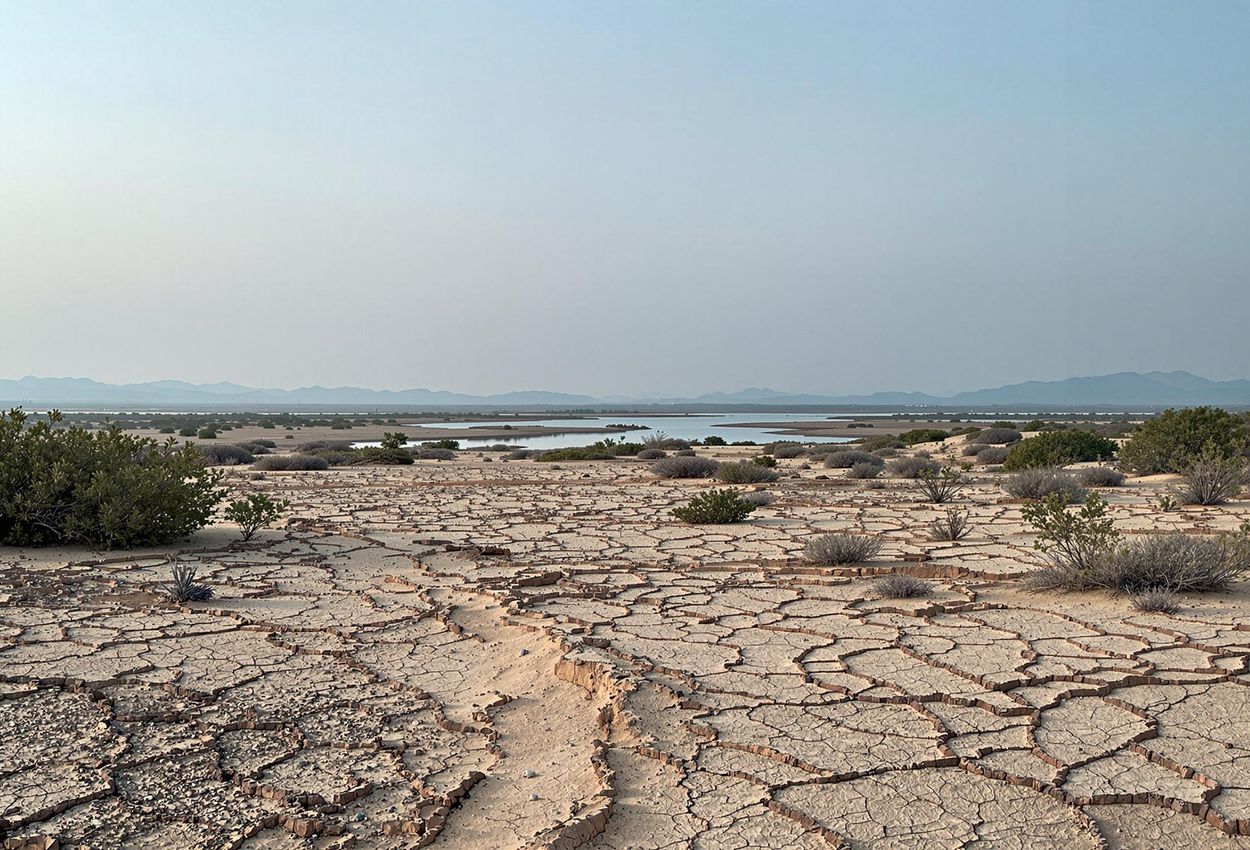
Cuito Cuanavale stands as a testament to a defining moment in Angolan history, forever marked by its role in the Angolan Civil War and, most notably, the Battle of Cuito Cuanavale. This battle, fought between 1987 and 1988, was not merely a local conflict; it became a crucial turning point in the broader struggle against apartheid in South Africa and ultimately paved the way for Namibia's independence. The scale of the confrontation was immense, recognized as the largest military engagement on African soil since the Second World War.
During the conflict, the town transformed into a strategic military hub, a focal point for opposing forces vying for control. The People's Armed Forces for the Liberation of Angola (FAPLA), supported by Cuban and Soviet advisors, faced off against the South African Defence Force (SADF) and the National Union for the Total Independence of Angola (UNITA). The ideological lines were clearly drawn, making Cuito Cuanavale a critical theater in the Cold War's proxy battles. The consequences of this battle reverberated far beyond Angola's borders, influencing the geopolitical landscape of the entire region.
The defeat of the South African forces at Cuito Cuanavale forced them into negotiations that led to the release of Nelson Mandela, the unbanning of anti-apartheid organizations, and the independence of Namibia. This marked the beginning of the end of white minority rule in Southern Africa and the total liberation of Africa from European occupation. The town's history is, therefore, inextricably linked to the dismantling of apartheid and the dawn of a new era of freedom and self-determination.
Local Tip: Engage with local historians or guides to gain a deeper understanding of the battle's complexities and its impact on the lives of ordinary Angolans. Their personal stories and insights offer a unique perspective that goes beyond textbooks and official narratives.
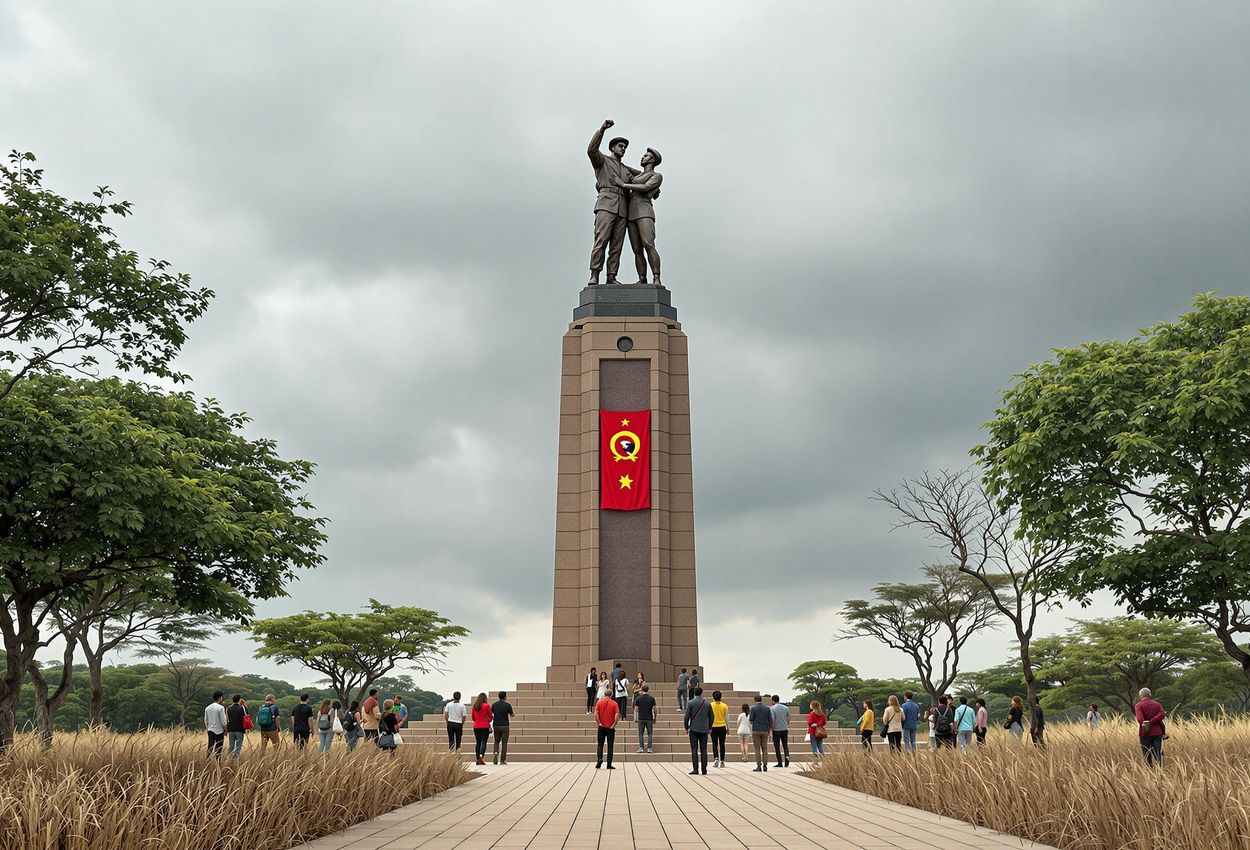
The Memorial of the Battle of Cuito Cuanavale stands as a solemn tribute to the men and women who fought and sacrificed their lives during the conflict. This site is not just a collection of monuments; it's a sacred space for reflection, remembrance, and education about the battle's significance. Walking through the memorial, visitors are confronted with the tangible reminders of a war that shaped the nation's destiny.
Monuments and plaques meticulously recount the timeline of the battle, highlighting key events and the strategic decisions that influenced its outcome. The Monumento da Bandeira, featuring the National Flag embracing an AKM-type war weapon, symbolizes the resilience and determination of the Angolan people. The wall of heroes, adorned with figures of fallen combatants and an eternal flame, serves as a poignant reminder of the human cost of war. Each element of the memorial is designed to evoke a sense of respect and gratitude for those who defended their country.
The memorial is more than just a historical landmark; it's a place where Angolans and visitors alike can connect with the past, honor the fallen, and reaffirm their commitment to peace and reconciliation. It serves as a powerful reminder of the importance of learning from history to prevent future conflicts and to build a more just and equitable world. The site encourages visitors to contemplate the sacrifices made and to appreciate the value of freedom and unity.
Hidden Gem: Visit the memorial at sunrise or sunset for a particularly moving experience. The soft light casts long shadows, creating a contemplative atmosphere that enhances the sense of reverence and remembrance.

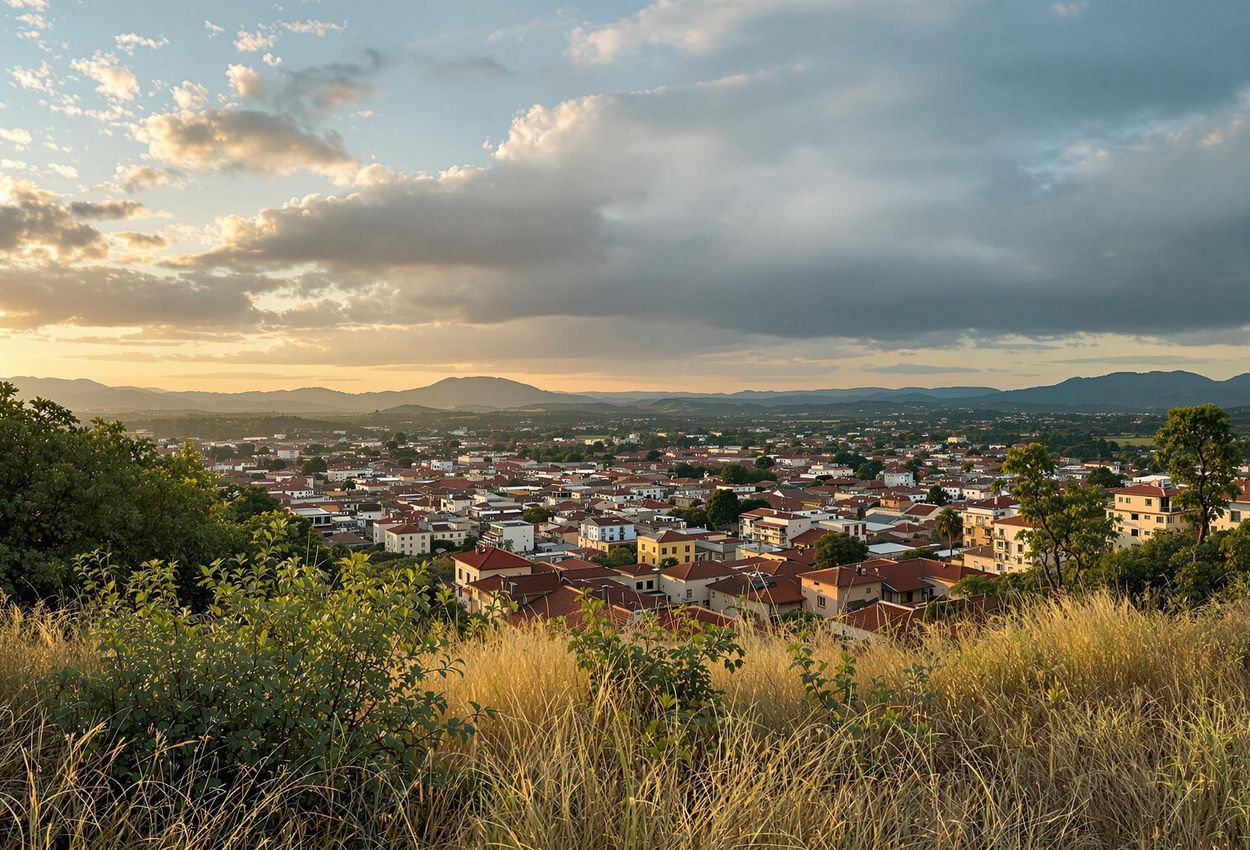
Modern-day Cuito Cuanavale offers a unique glimpse into a town still marked by its history, yet striving towards progress and development. The raw, laid-back vibe of the town reflects its past as a strategic military site, now slowly transforming into a community focused on healing and growth. Exploring Cuito Cuanavale provides an authentic taste of Angolan culture, untouched by mass tourism and shaped by the resilience of its people.
Key sites such as the Fortaleza de Cuito Cuanavale, Escola Secundária 1º de Maio, and the Catedral de Cuito Cuanavale offer insights into the town's evolving identity. The fortress stands as a reminder of the past conflicts, while the school and cathedral symbolize the community's commitment to education and spiritual growth. These landmarks provide a tangible connection to the town's history and its aspirations for the future.
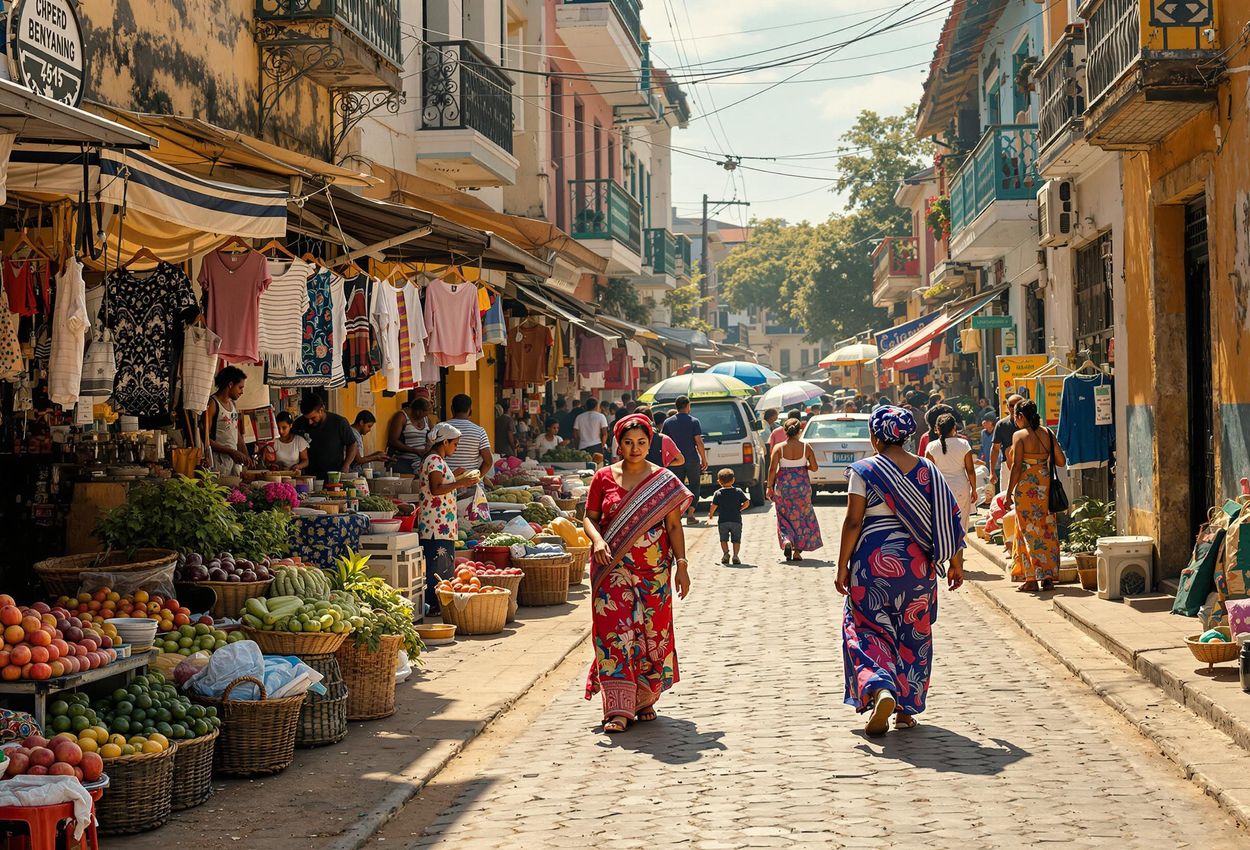
The local culture and cuisine are deeply influenced by indigenous ingredients and Portuguese traditions, creating a unique culinary experience. Exploring the local markets and sampling traditional dishes offers a flavorful immersion into Angolan life. Despite the limited tourism infrastructure, Cuito Cuanavale provides an opportunity for a genuine and unfiltered experience of Angolan culture, far removed from the typical tourist trail.
Local Tip: Visit the local market to experience the vibrant culture and sample traditional Angolan cuisine. Don't be afraid to try dishes made with funge (cassava flour) or moamba de galinha (chicken stew), and be sure to enjoy a cup of strong Angolan coffee.
For visitors seeking a deeper understanding of Cuito Cuanavale's history and significance, engaging with local guides is highly recommended. These guides can provide invaluable insights into the battle's context, sharing personal stories and historical details that bring the past to life. Their expertise enhances the visitor experience, offering a richer and more nuanced perspective on the town's legacy.
Accommodation options in Cuito Cuanavale are limited but available, with guesthouses and small hotels providing basic but comfortable lodging. Nearby towns like Menongue offer a wider range of accommodations, including hotels and lodges that cater to different budgets and preferences. Planning ahead and booking in advance is advisable, especially during peak tourist season.
Accessibility to Cuito Cuanavale is primarily by road, with connections from Lubango and Menongue. The best time to visit is during the dry season, from May to September, when the weather is cooler and more conducive to outdoor exploration. However, it's important to note that nights can still be quite cold, so packing warm clothing is advisable.
Safety precautions are essential when visiting Cuito Cuanavale, as the region is still recovering from the effects of the civil war. While significant demining efforts have been undertaken, it's crucial to stay informed about safe areas and to heed the advice of local authorities and guides. Traveling with a reputable tour operator and following established routes can minimize risks and ensure a safe and meaningful visit.
Local Tip: When traveling in and around Cuito Cuanavale, it's best to hire a driver familiar with the area. Roads can be challenging, and a local driver will know the safest and most efficient routes to take.

Cuito Cuanavale's historical relevance extends far beyond its geographical boundaries, symbolizing resistance, courage, and the unwavering spirit of the African people. The battle fought here played a crucial role as a turning point in the struggle against apartheid, contributing significantly to African unity and self-determination. The town's legacy continues to inspire movements for social justice and equality across the continent.
The HALO Trust's ongoing demining efforts in the region highlight the challenges posed by landmines, a lingering consequence of the conflict. These efforts are essential for ensuring the safety and well-being of local communities, enabling them to cultivate their land and rebuild their lives. The demining work also supports conservation efforts, allowing wildlife to return and be protected, fostering sustainable development in the region.
Today, Cuito Cuanavale serves as a pilgrimage site for veterans of liberation movements and individuals interested in African history. It is a place to reflect on the past, honor the sacrifices made, and reaffirm the commitment to a future of peace, unity, and progress. The town's story is a powerful reminder of the resilience of the human spirit and the enduring quest for freedom and justice.
Hidden Gem: Before leaving, take a moment to write a message of peace and hope in the visitor's book at the Memorial of the Battle of Cuito Cuanavale. Your words will become part of the ongoing dialogue about reconciliation and the pursuit of a better world.
Our editors` picks of the latest and greatest in travel - delivered to your inbox daily
Relax on the beaches and explore the reefs of Xai-Xai.
View More
Embrace the cooler temperatures and experience the International Festival of the Sahara in Douz this December.
View More
Celebrate the year-end festivities in Accra, culminating in the vibrant Afrofuture festival.
View More Albania EDITION
 Algeria EDITION
 Argentina EDITION
 Armenia EDITION
 Australia EDITION
 Austria EDITION
 Bangladesh EDITION
 Belgium EDITION
 Belize EDITION
 Benin EDITION
 Bhutan EDITION
 Bolivia EDITION
 Bosnia and Herzegovina EDITION
 Botswana EDITION
 Brazil EDITION
 Bulgaria EDITION
 Burkina Faso EDITION
 Cambodia EDITION
 Cameroon EDITION
 Canada EDITION
 Central African Republic EDITION
 Chad EDITION
 Chile EDITION
 China EDITION
 Colombia EDITION
 Costa Rica EDITION
 Croatia EDITION
 Cyprus EDITION
 Denmark EDITION
 Djibouti EDITION
 Ecuador EDITION
 Egypt EDITION
 El Salvador EDITION
 Eritrea EDITION
 Estonia EDITION
 Ethiopia EDITION
 Finland EDITION
 France EDITION
 Gabon EDITION
 Georgia EDITION
 Germany EDITION
 Ghana EDITION
 Greece EDITION
 Guatemala EDITION
 Guinea EDITION
 Guinea-Bissau EDITION
 Honduras EDITION
 Hungary EDITION
 Iceland EDITION
 India EDITION
 Indonesia EDITION
 Ireland EDITION
 Israel EDITION
 Italy EDITION
 Jamaica EDITION
 Japan EDITION
 Jordan EDITION
 Kenya EDITION
 Kuwait EDITION
 Laos EDITION
 Latvia EDITION
 Lebanon EDITION
 Lesotho EDITION
 Liberia EDITION
 Lithuania EDITION
 Luxembourg EDITION
 Madagascar EDITION
 Malawi EDITION
 Malaysia EDITION
 Maldives EDITION
 Mali EDITION
 Malta EDITION
 Mauritania EDITION
 Mauritius EDITION
 Mexico EDITION
 Mongolia EDITION
 Montenegro EDITION
 Morocco EDITION
 Mozambique EDITION
 Namibia EDITION
 Nepal EDITION
 Netherlands EDITION
 New Zealand EDITION
 Nicaragua EDITION
 Niger EDITION
 Nigeria EDITION
 Norway EDITION
 Oman EDITION
 Pakistan EDITION
 Panama EDITION
 Papua New Guinea EDITION
 Paraguay EDITION
 Peru EDITION
 Philippines EDITION
 Poland EDITION
 Portugal EDITION
 Qatar EDITION
 Romania EDITION
 Rwanda EDITION
 Saudi Arabia EDITION
 Senegal EDITION
 Serbia EDITION
 Singapore EDITION
 Slovakia EDITION
 Slovenia EDITION
 Somalia EDITION
 South Africa EDITION
 South Korea EDITION
 Spain EDITION
 Sri Lanka EDITION
 Suriname EDITION
 Sweden EDITION
 Switzerland EDITION
 Tanzania EDITION
 Thailand EDITION
 Tunisia EDITION
 Uganda EDITION
 United Arab Emirates EDITION
 United Kingdom EDITION
 Uruguay EDITION
 Venezuela EDITION
 Vietnam EDITION
 Zambia EDITION
 Zimbabwe EDITION
Subscribe to our newsletter and get the most captivating travel stories, hidden gems, and expert insights delivered straight to your inbox. As a subscriber, you’ll be first in line for exclusive content, premium offers, and unforgettable travel experiences