



Destination Guide
Xai-Xai: A Coastal Retreat
Relax on the beaches and explore the reefs of Xai-Xai.
View More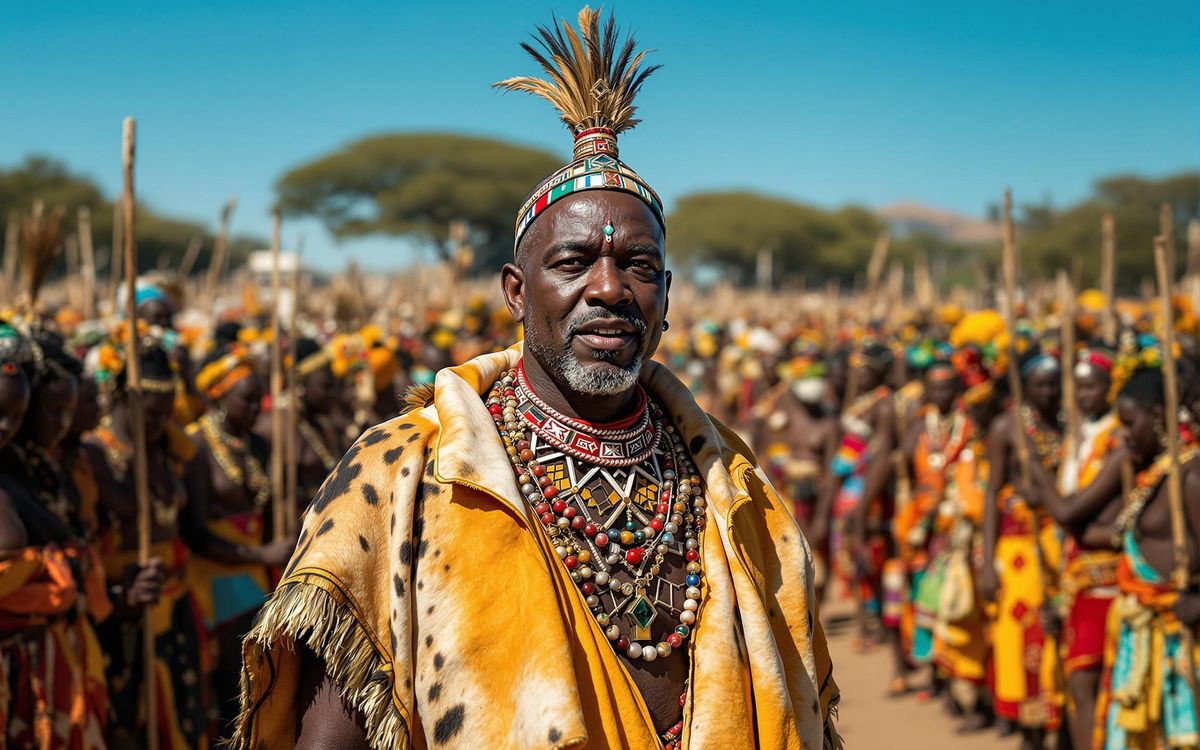

The Incwala ceremony in Eswatini is more than just a festival; it's a profound spiritual experience, a vibrant expression of cultural heritage, and a celebration of kingship that has resonated for centuries. As the summer solstice approaches, the kingdom awakens in anticipation, preparing for this sacred event that unifies the nation and connects its people to their ancestors.
Observed annually around December or January, the Incwala is a testament to Eswatini's deep respect for tradition, monarchy, and spiritual beliefs. Often called the “Festival of First Fruits,” it is a time of renewal, gratitude, and national unity, deeply rooted in the country's customs and spiritual practices. The exact dates are determined by the lunar calendar and ancestral astrology, adding an air of mystique and anticipation to the preparations.
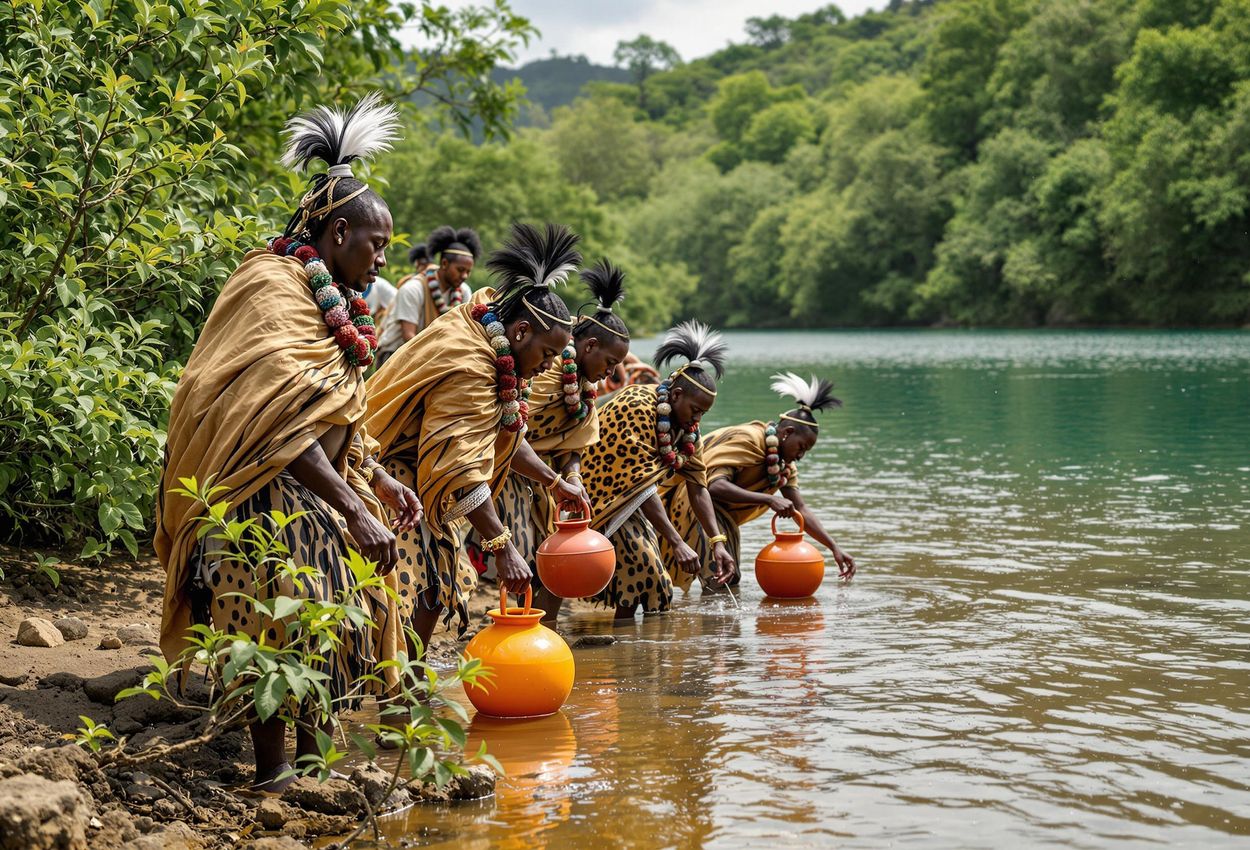
Held primarily at the Ludzidzini Royal Residence near Lobamba, the traditional capital, the Incwala unfolds over several days, each phase carrying its own significance. The lead-up involves meticulous preparations, including the gathering of the Bemanti, or “people of the water,” who embark on journeys to collect water from various rivers and the ocean. This water is essential for the cleansing and spiritual preparation that precedes the main ceremony, symbolizing purification and the renewal of the kingdom.
The atmosphere in Lobamba during this time is palpable, a blend of reverence and excitement. The air is filled with the sounds of traditional songs and the rhythmic pounding of drums, building anticipation for the King's appearance and the rituals that will follow. The Incwala is not merely a spectacle; it is a deeply personal and spiritual experience for the Swazi people, a time to connect with their heritage and reaffirm their commitment to the monarchy and the nation's values.
Journey to the Sacred Grove: Cutting the Lusekwane
One of the most significant rituals leading up to the main Incwala ceremony is the 'Cutting of the Sacred Tree'. This event involves unmarried young men embarking on a journey to cut branches of the Lusekwane shrub (Dichrostachys cinerea) under the light of the full moon. The journey is not merely a physical one; it is a spiritual quest, a rite of passage that connects the young men to their ancestors and the land.
The young men, accompanied by warriors, set off from the Engabezweni Royal Residence and march approximately 50 kilometers to the designated location. This pilgrimage is a test of endurance and dedication, reflecting the commitment required to uphold the traditions of the kingdom. The Lusekwane shrub itself holds deep symbolic meaning. The Dichrostachys cinerea, also known as sickle bush, is a thorny shrub or small tree. Its flowers are lilac on the upper half and yellow on the lower. The shrub is known for its resilience and ability to thrive in harsh conditions, mirroring the strength and perseverance of the Swazi people.
Upon their return, the young men place their Lusekwane branches in the national cattle byre. Elders then weave these branches into the Inhlambelo, the King's private sanctuary. This sacred enclosure is a focal point of the Incwala ceremony, a space where the King undergoes certain secret rituals on the main day of the ceremony. The Inhlambelo represents the heart of the kingdom, a place of spiritual power and renewal.
The act of weaving the Lusekwane branches into the Inhlambelo is a symbolic gesture, representing the unity of the nation and the interconnectedness of its people. It is a reminder that the strength of the kingdom lies in its traditions and the collective commitment of its citizens.
The King's Grand Entrance: Day Four of Big Incwala
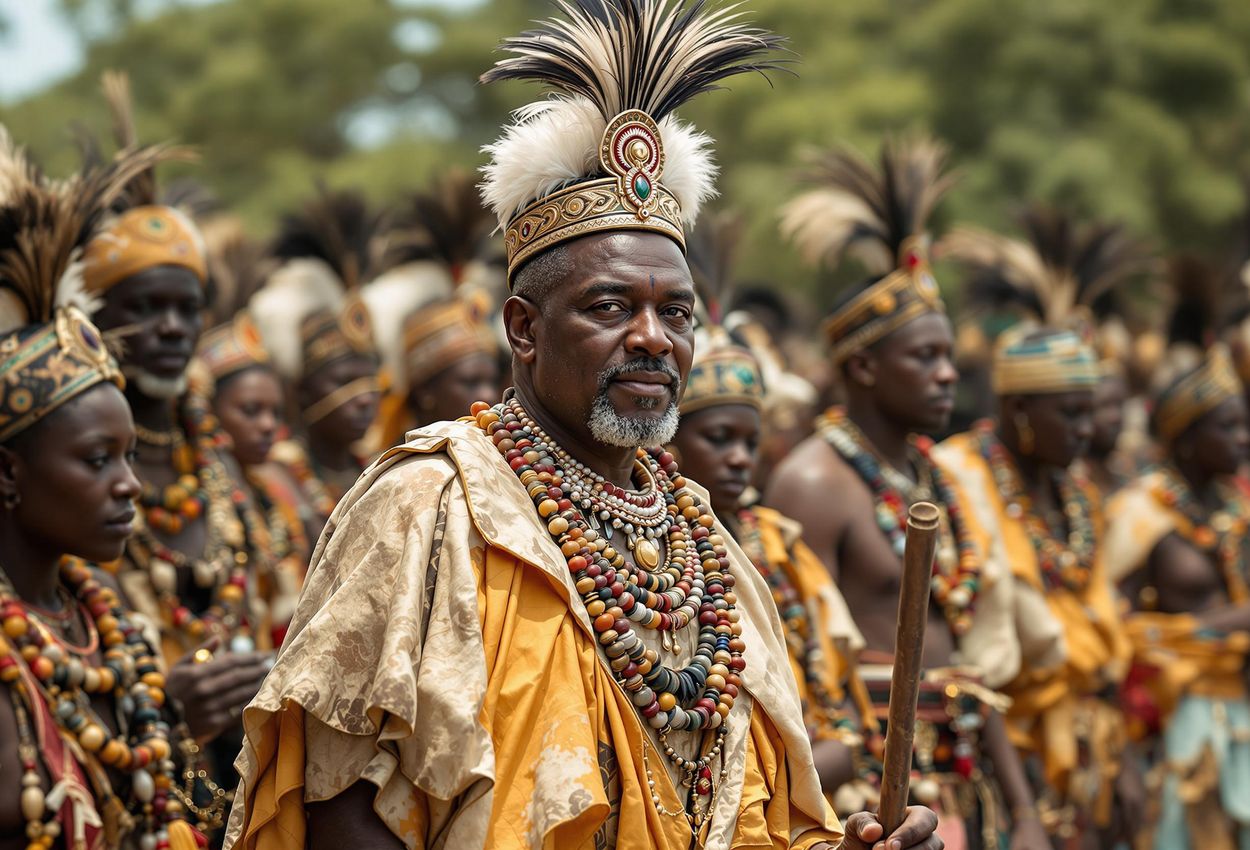
The fourth day of the Big Incwala is the culmination of the ceremony, a spectacle of color, music, and spiritual significance. On this day, the King makes his grand entrance, dressed in traditional attire, embodying the power and authority of the monarchy. His appearance is met with cheers and traditional praise singing, as thousands of Emaswati and international visitors gather at the Ludzidzini Royal Residence to participate in the celebration.
The King performs various rituals, including tasting the first fruits of the harvest. This act symbolizes the blessing of the harvest and grants permission for the rest of the nation to partake in their crops. It is a moment of profound significance, connecting the King to his people and the land that sustains them.
The atmosphere is electric, with traditional dances, singing, and drumming filling the air. Warriors in full battle regalia throng the royal parade grounds, their movements synchronized and powerful. The songs and dances are not merely performances; they are expressions of cultural identity, historical narratives, and spiritual devotion. The vibrant energy of the crowd is infectious, creating a sense of unity and shared purpose.
Following the main ceremony at Ludzidzini, the King proceeds to other royal residences to continue the Incwala, spreading the blessings of the harvest and reaffirming his connection to the entire kingdom. This journey is a testament to the King's commitment to his people and his role as the spiritual and political leader of the Swazi nation.
Respectful Observation: A Visitor's Guide
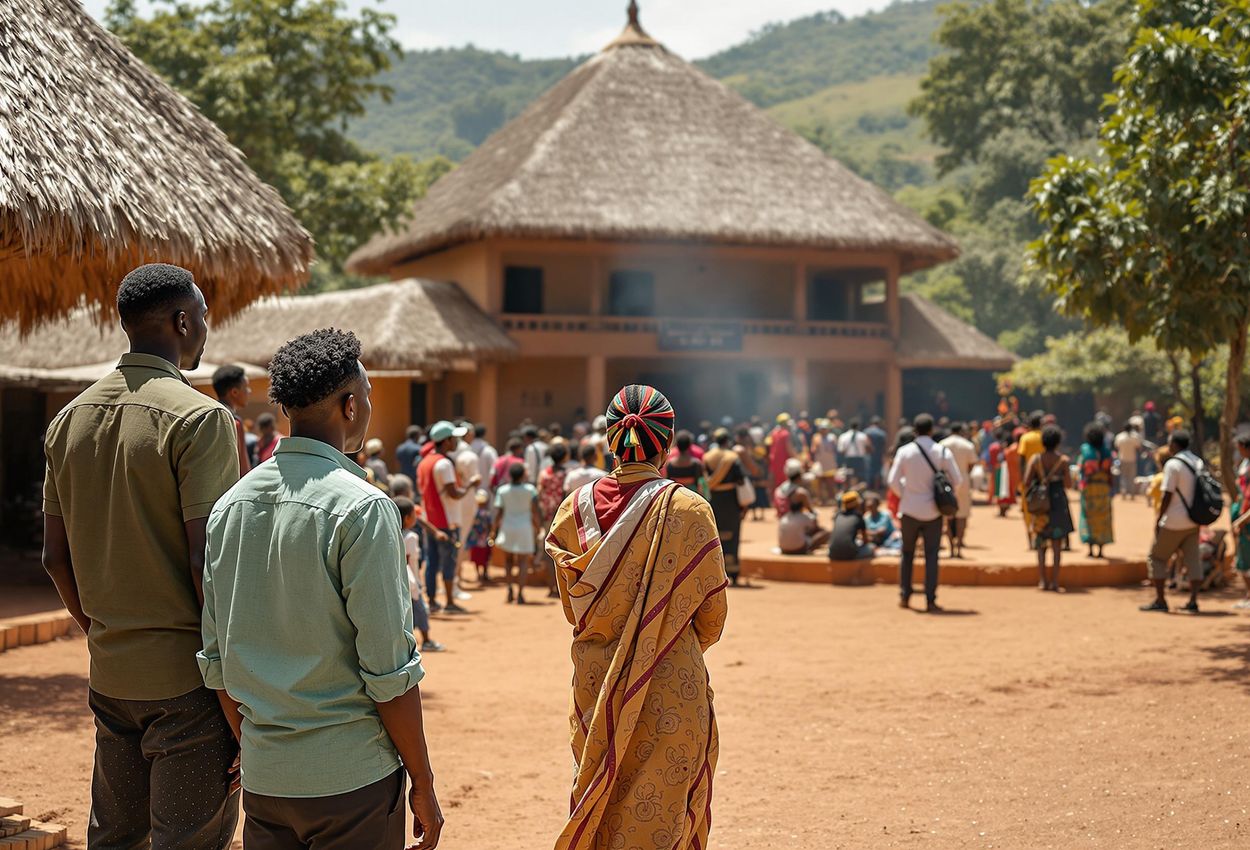
For visitors interested in witnessing the Incwala ceremony, it is crucial to approach the event with respect and sensitivity. The Incwala is not a tourist attraction; it is a sacred ritual, and visitors should be mindful of local customs and traditions.
One of the most important aspects of attending the Incwala is dressing modestly. Ladies should wear skirts, and men are generally allowed not to wear hats. Revealing clothing is considered disrespectful and can be offensive to participants. It is also important to maintain a respectful distance during the rituals and to avoid interfering with the proceedings.
Photography is often restricted, especially during the most sacred rituals. It is advisable to confirm the specific rules regarding photography with local tourism offices before attending the ceremony. In general, it is best to err on the side of caution and refrain from taking pictures unless explicitly permitted.
The exact dates of the Incwala ceremony vary each year due to the lunar calendar. It is essential to confirm the dates with local tourism offices to avoid disappointment. The ceremony typically takes place around December or January, but the specific dates are not announced until relatively close to the time.
Attending the Incwala ceremony is a unique opportunity to witness Eswatini's rich cultural heritage. By respecting local customs, maintaining a respectful distance, and honoring the privacy of participants, visitors can gain a deeper understanding of this sacred event and its significance to the Swazi people. Remember that the best way to experience the Incwala is with humility, curiosity, and a genuine desire to learn about and appreciate this ancient tradition.
Local Tips and Hidden Gems
Beyond the main events of the Incwala ceremony, there are opportunities to experience the local culture and discover hidden gems in Eswatini. Consider exploring local markets, where you can find traditional crafts, textiles, and artwork. These markets offer a glimpse into the daily lives of the Swazi people and provide an opportunity to support local artisans.
For a deeper understanding of Eswatini's history and culture, visit the National Museum of Eswatini in Lobamba. The museum showcases exhibits on the country's traditional way of life, its royal heritage, and its natural history. It is a valuable resource for anyone seeking to learn more about Eswatini's past and present.
Another hidden gem is the Mlilwane Wildlife Sanctuary, located a short distance from Lobamba. This sanctuary offers a chance to experience Eswatini's natural beauty and wildlife. You can take a guided walk, go on a game drive, or simply relax and enjoy the peaceful surroundings.
Finally, be sure to sample the local cuisine, which is a blend of traditional Swazi dishes and international flavors. Try some of the local specialties, such as emajazi (a stew made with beans and maize), sishwala (a thick porridge made from maize meal), and umbila (roasted corn). These dishes offer a taste of Eswatini's culinary heritage and are a delicious way to experience the local culture.
By venturing beyond the main tourist attractions and exploring these local tips and hidden gems, you can gain a more authentic and enriching experience of Eswatini and its vibrant culture.
Our editors` picks of the latest and greatest in travel - delivered to your inbox daily
Relax on the beaches and explore the reefs of Xai-Xai.
View More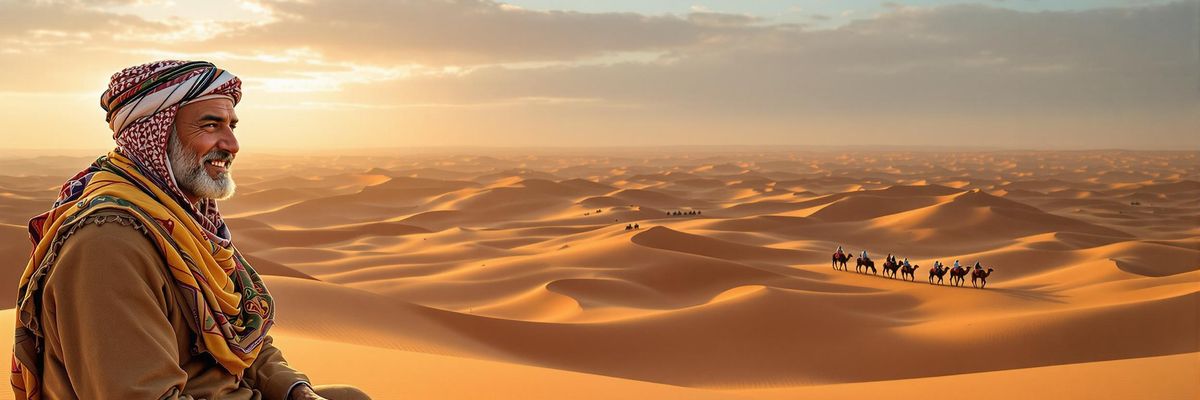
Embrace the cooler temperatures and experience the International Festival of the Sahara in Douz this December.
View More
Celebrate the year-end festivities in Accra, culminating in the vibrant Afrofuture festival.
View More Albania EDITION
 Algeria EDITION
 Argentina EDITION
 Armenia EDITION
 Australia EDITION
 Austria EDITION
 Bangladesh EDITION
 Belgium EDITION
 Belize EDITION
 Benin EDITION
 Bhutan EDITION
 Bolivia EDITION
 Bosnia and Herzegovina EDITION
 Botswana EDITION
 Brazil EDITION
 Bulgaria EDITION
 Burkina Faso EDITION
 Cambodia EDITION
 Cameroon EDITION
 Canada EDITION
 Central African Republic EDITION
 Chad EDITION
 Chile EDITION
 China EDITION
 Colombia EDITION
 Costa Rica EDITION
 Croatia EDITION
 Cyprus EDITION
 Denmark EDITION
 Djibouti EDITION
 Ecuador EDITION
 Egypt EDITION
 El Salvador EDITION
 Eritrea EDITION
 Estonia EDITION
 Ethiopia EDITION
 Finland EDITION
 France EDITION
 Gabon EDITION
 Georgia EDITION
 Germany EDITION
 Ghana EDITION
 Greece EDITION
 Guatemala EDITION
 Guinea EDITION
 Guinea-Bissau EDITION
 Honduras EDITION
 Hungary EDITION
 Iceland EDITION
 India EDITION
 Indonesia EDITION
 Ireland EDITION
 Israel EDITION
 Italy EDITION
 Jamaica EDITION
 Japan EDITION
 Jordan EDITION
 Kenya EDITION
 Kuwait EDITION
 Laos EDITION
 Latvia EDITION
 Lebanon EDITION
 Lesotho EDITION
 Liberia EDITION
 Lithuania EDITION
 Luxembourg EDITION
 Madagascar EDITION
 Malawi EDITION
 Malaysia EDITION
 Maldives EDITION
 Mali EDITION
 Malta EDITION
 Mauritania EDITION
 Mauritius EDITION
 Mexico EDITION
 Mongolia EDITION
 Montenegro EDITION
 Morocco EDITION
 Mozambique EDITION
 Namibia EDITION
 Nepal EDITION
 Netherlands EDITION
 New Zealand EDITION
 Nicaragua EDITION
 Niger EDITION
 Nigeria EDITION
 Norway EDITION
 Oman EDITION
 Pakistan EDITION
 Panama EDITION
 Papua New Guinea EDITION
 Paraguay EDITION
 Peru EDITION
 Philippines EDITION
 Poland EDITION
 Portugal EDITION
 Qatar EDITION
 Romania EDITION
 Rwanda EDITION
 Saudi Arabia EDITION
 Senegal EDITION
 Serbia EDITION
 Singapore EDITION
 Slovakia EDITION
 Slovenia EDITION
 Somalia EDITION
 South Africa EDITION
 South Korea EDITION
 Spain EDITION
 Sri Lanka EDITION
 Suriname EDITION
 Sweden EDITION
 Switzerland EDITION
 Tanzania EDITION
 Thailand EDITION
 Tunisia EDITION
 Uganda EDITION
 United Arab Emirates EDITION
 United Kingdom EDITION
 Uruguay EDITION
 Venezuela EDITION
 Vietnam EDITION
 Zambia EDITION
 Zimbabwe EDITION
Subscribe to our newsletter and get the most captivating travel stories, hidden gems, and expert insights delivered straight to your inbox. As a subscriber, you’ll be first in line for exclusive content, premium offers, and unforgettable travel experiences