


Destination Guide
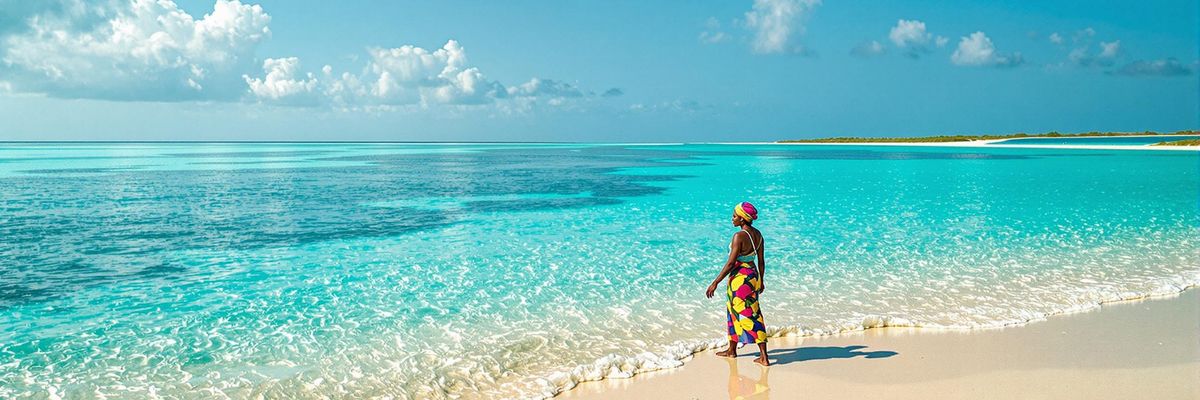
Xai-Xai: A Coastal Retreat
Relax on the beaches and explore the reefs of Xai-Xai.
View More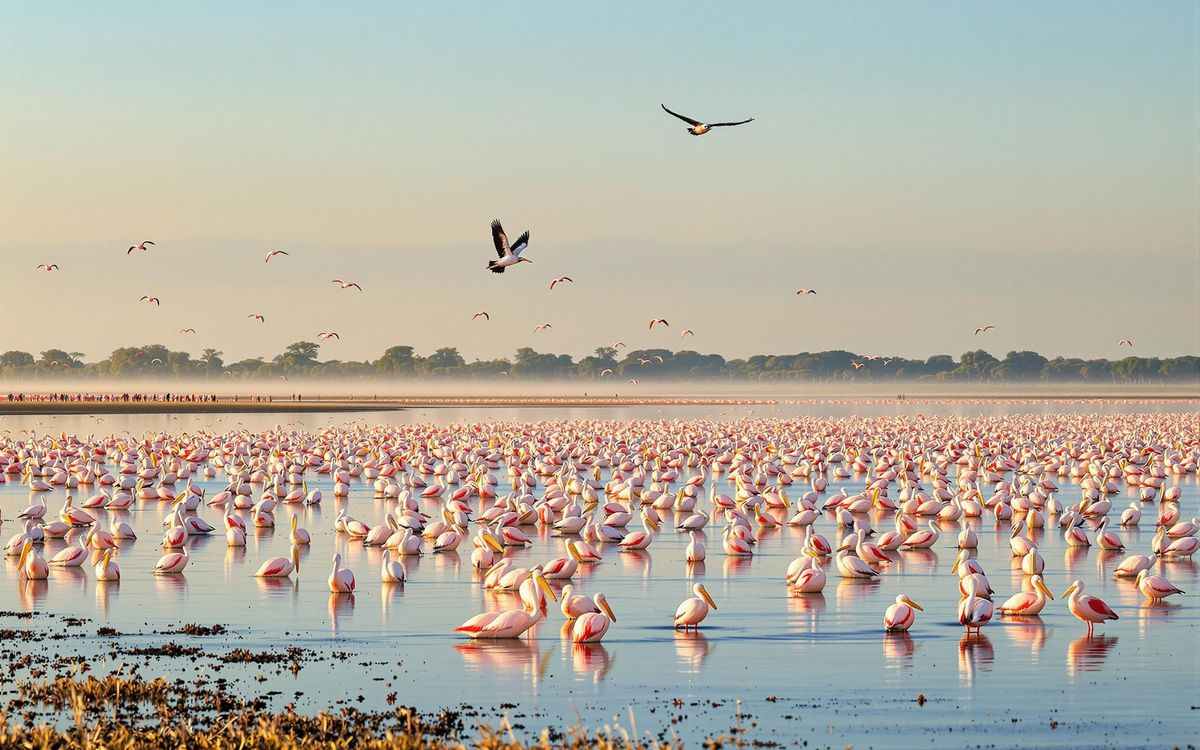

As the December sun kisses the Botswana landscape, a transformation occurs at Lake Ngami, a vast, shallow lake near Maun. What was once a parched expanse awakens into a vibrant haven for birdlife, drawing in thousands of migratory species. It's a symphony of wings, a ballet of feathers, and a testament to the resilience of life in the heart of the Kalahari.
Lake Ngami, fed by the Taughe River which channels water from the Okavango Delta , becomes a crucial stopover for birds seeking refuge and sustenance. The air is filled with anticipation, a palpable sense of excitement as birdwatchers and nature enthusiasts gather to witness this spectacle. The promise of witnessing rare and beautiful species in their natural habitat is a powerful draw, making Lake Ngami a must-visit destination for those seeking an immersive avian experience.
The early morning light casts a golden hue across the landscape, painting the awakening birds in a warm glow. The air is crisp and cool, a welcome contrast to the heat that will build later in the day. The sounds are overwhelming – a cacophony of chirps, tweets, squawks, and calls that blend into a harmonious chorus. It's a symphony of nature, a reminder of the interconnectedness of life in this delicate ecosystem.
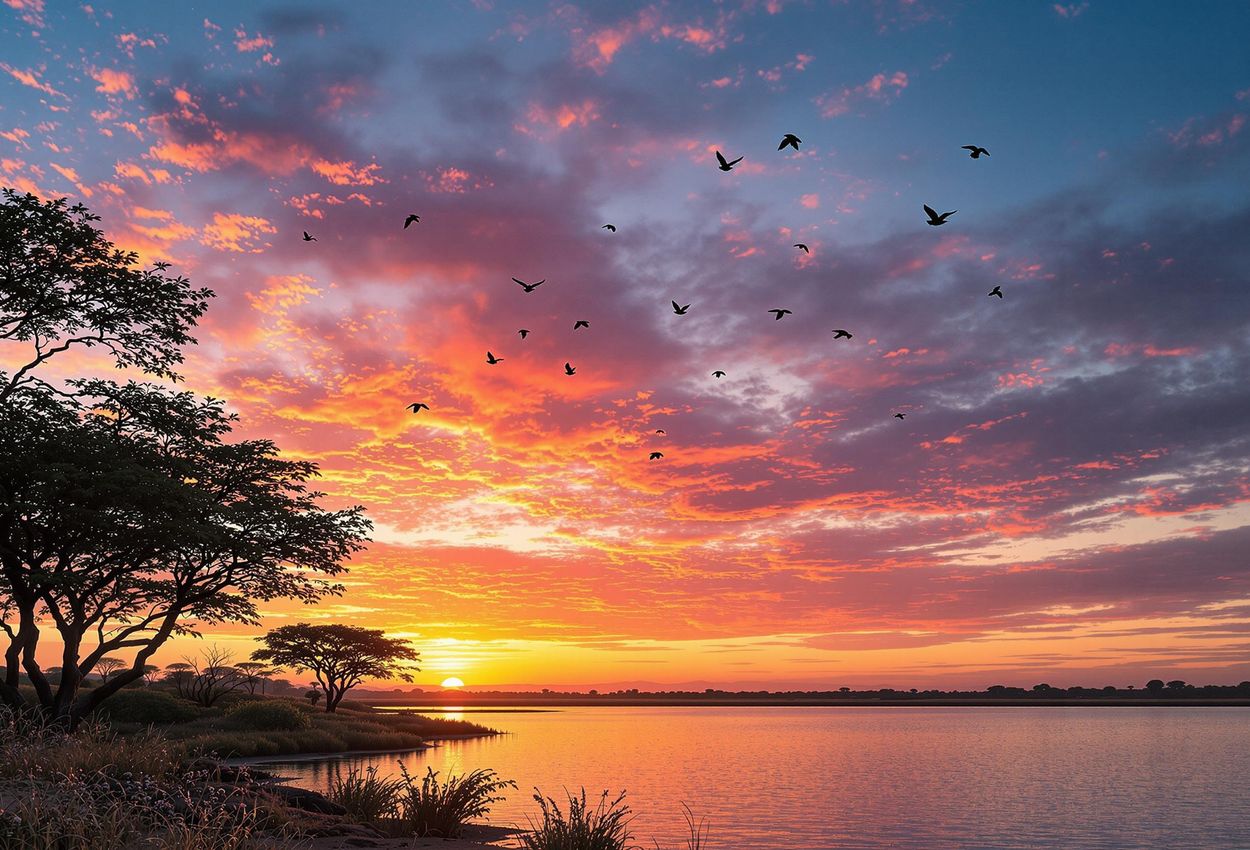
The vastness of the landscape is breathtaking. The seemingly endless expanse of water reflects the sky above, creating an illusion of infinity. The horizon is dotted with the silhouettes of trees, providing perches for birds to rest and survey their surroundings. It's a scene of unparalleled beauty, a testament to the power and majesty of nature.
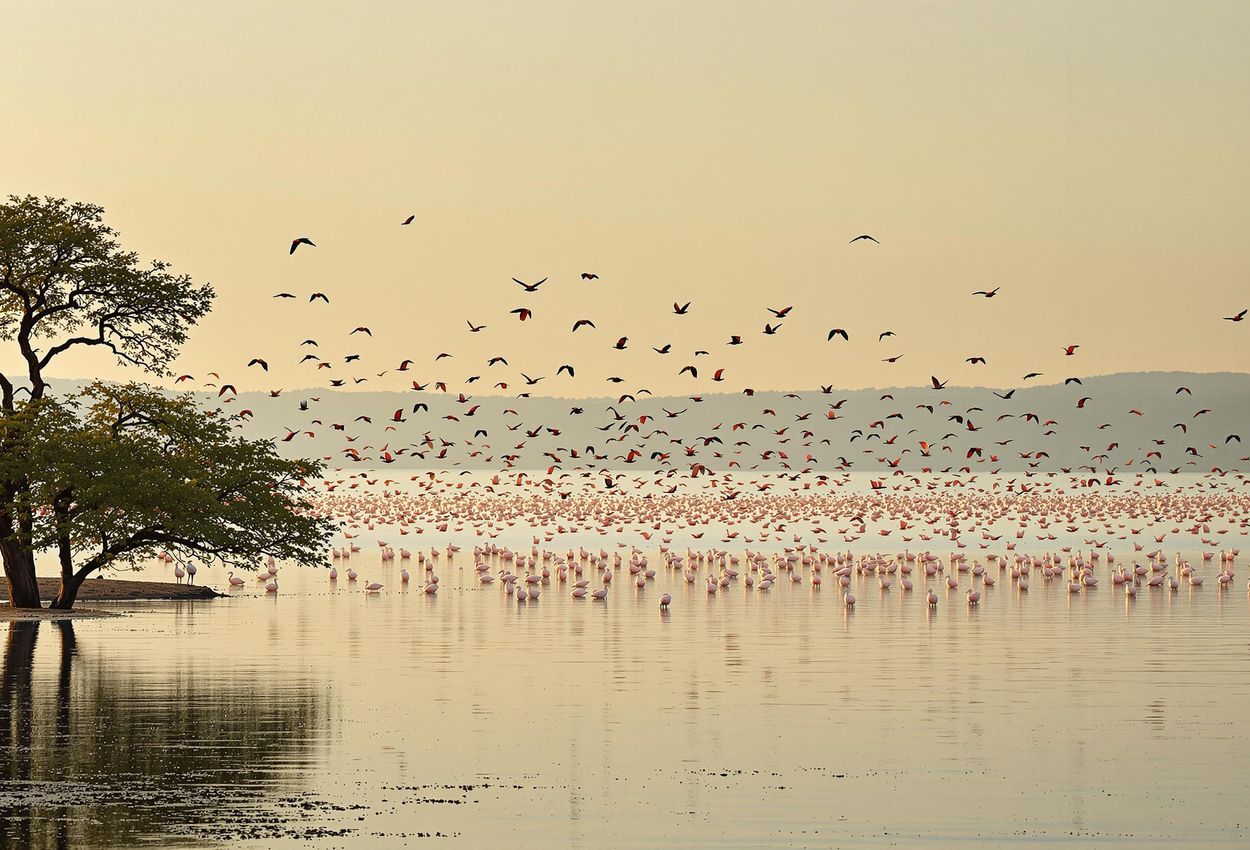
The arrival of flamingos at Lake Ngami is a sight to behold. These elegant birds, with their striking pink plumage, long legs, and gracefully curved necks, transform the landscape into a living canvas of color and movement. They gather in large flocks, creating a mesmerizing spectacle as they wade through the shallow waters, their reflections shimmering in the sunlight.
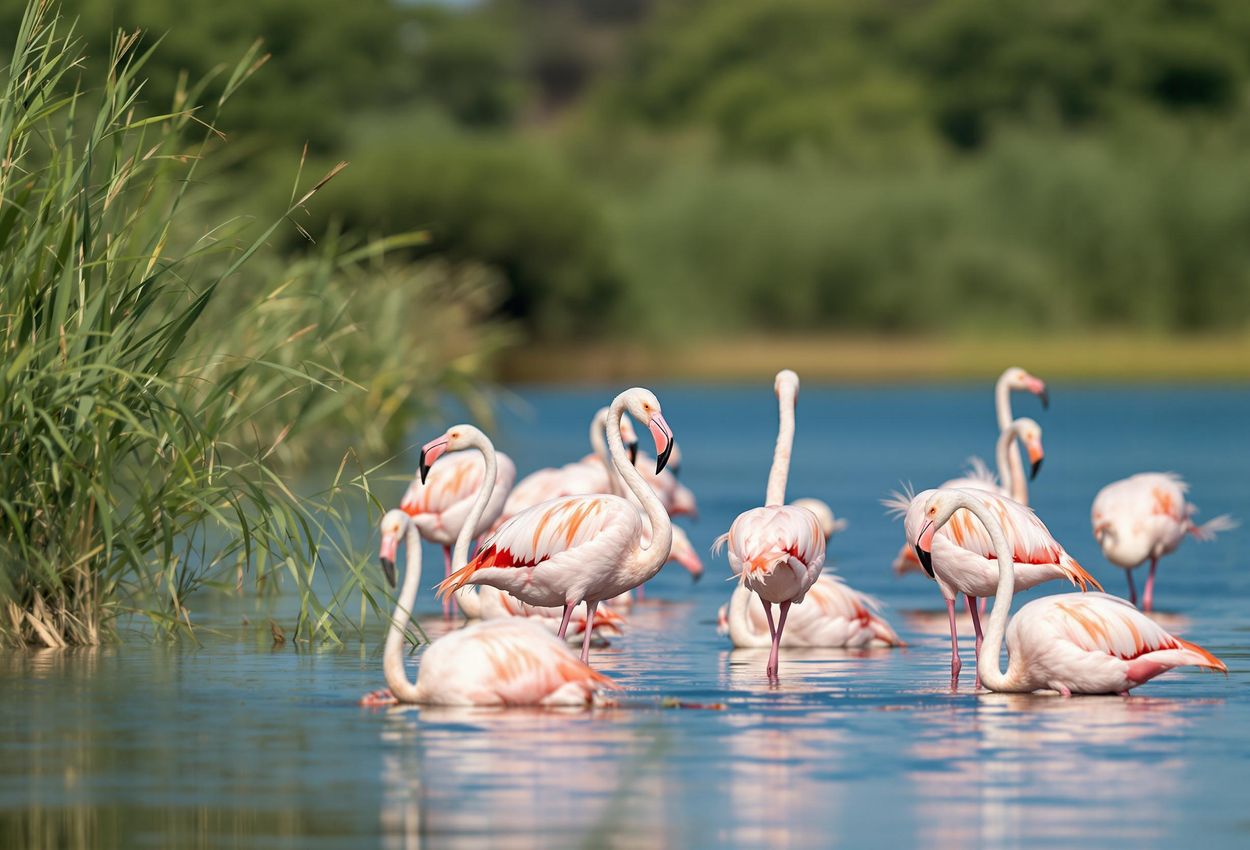
Both Greater and Lesser Flamingos can be found at Lake Ngami, each with their unique characteristics. The Greater Flamingos, with their taller stature and paler pink coloration, stand out against the backdrop of the lake. The Lesser Flamingos, smaller in size and boasting a deeper shade of pink, add a touch of vibrancy to the scene.
Their behavior is equally captivating. They feed in unison, their heads submerged in the water as they filter out tiny organisms with their specialized beaks. They preen their feathers meticulously, ensuring that their plumage remains in pristine condition. And they take flight in perfect formation, their wings beating in rhythm as they soar across the horizon.
The conditions at Lake Ngami are ideal for flamingos. The shallow waters provide easy access to food sources, while the abundant algae and crustaceans offer a rich and nutritious diet. The lake's remote location also provides a safe haven, away from human disturbance and predators.
The pelicans of Lake Ngami are another avian highlight. The Great White Pelican, with its impressive wingspan and distinctive pouch, is a majestic sight to behold. These large birds glide effortlessly across the water, their movements graceful and serene. They are masters of the air, their presence adding a touch of grandeur to the landscape.
Their fishing techniques are a marvel to witness. They often hunt cooperatively, forming a line and driving fish into shallow waters where they can be easily caught. They use their pouches to scoop up their prey, creating a comical yet effective fishing method. Watching them feed is a truly fascinating experience.
The local Batawana people have a deep connection to Lake Ngami and its wildlife. They hold stories about the pelicans, viewing them as symbols of good fortune and abundance. These stories have been passed down through generations, adding a layer of cultural significance to the natural wonders of the lake.
Hidden Gem: Seek out the local Batawana elders and listen to their stories about the pelicans and their connection to the lake's spirit. Their insights offer a unique perspective on the natural world, enriching your understanding of this special place.

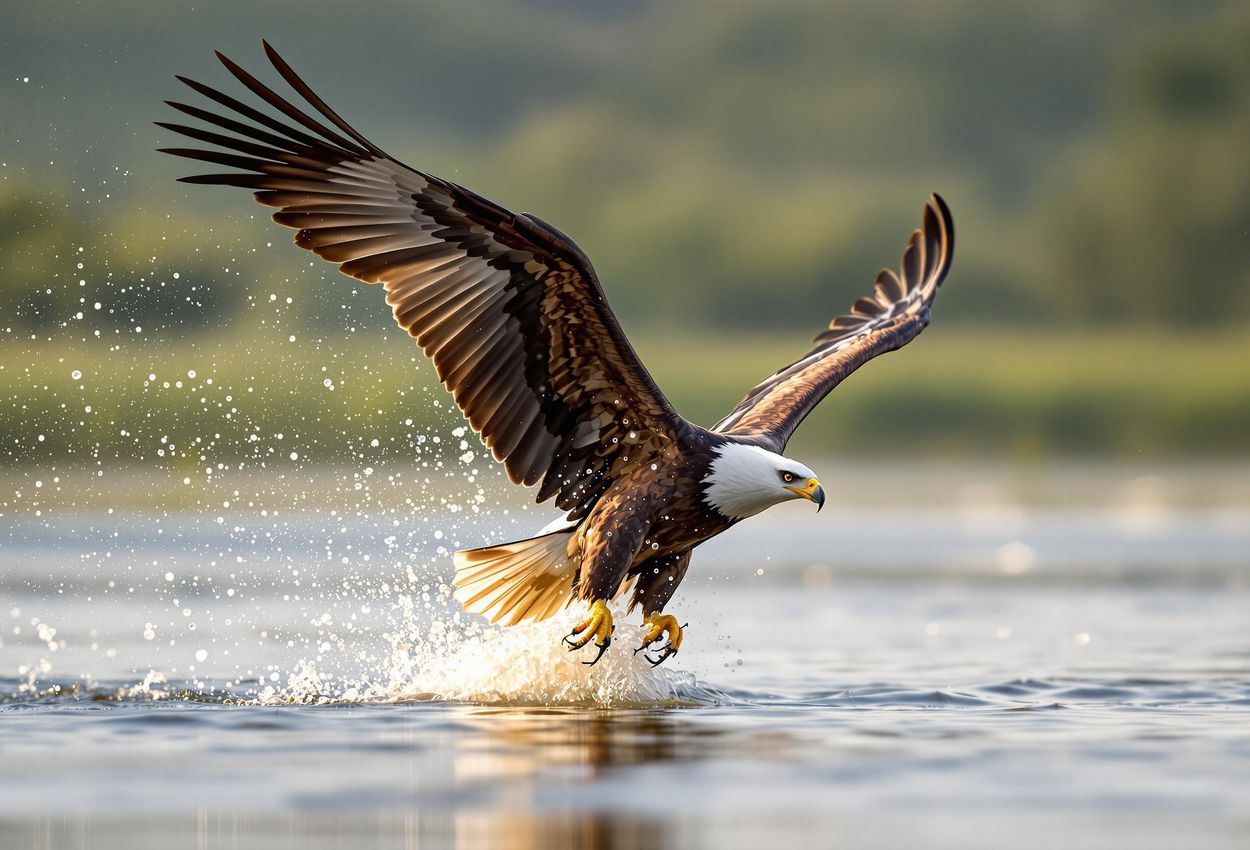
The African Fish Eagle reigns supreme as the apex predator of Lake Ngami. Its distinctive call, a piercing cry that echoes across the water, announces its presence. This magnificent bird is a symbol of power and grace, its hunting prowess unmatched.
Watching an African Fish Eagle hunt is an awe-inspiring experience. It soars high above the lake, its keen eyes scanning the water for any sign of movement. Once it spots its prey, it dives with incredible speed and precision, its sharp talons snatching the unsuspecting fish from the water. It's a display of raw power and skill, a reminder of the delicate balance of nature.
The African Fish Eagle builds large nests in tall trees, often near the edges of the lake. These nests are a testament to their longevity, having been used for generations. The eagles fiercely protect their territory, ensuring the survival of their offspring.
Preserving the habitat of the African Fish Eagle is of utmost importance. Protecting the trees where they nest and maintaining the health of the lake's ecosystem are crucial for their continued survival. By practicing responsible tourism and supporting conservation efforts, we can help ensure that these majestic birds continue to thrive at Lake Ngami.
Insider Tip: The best vantage points to spot African Fish Eagles are near the edges of the lake, especially during late afternoons. Bring a pair of binoculars and a camera to capture these magnificent birds in action.
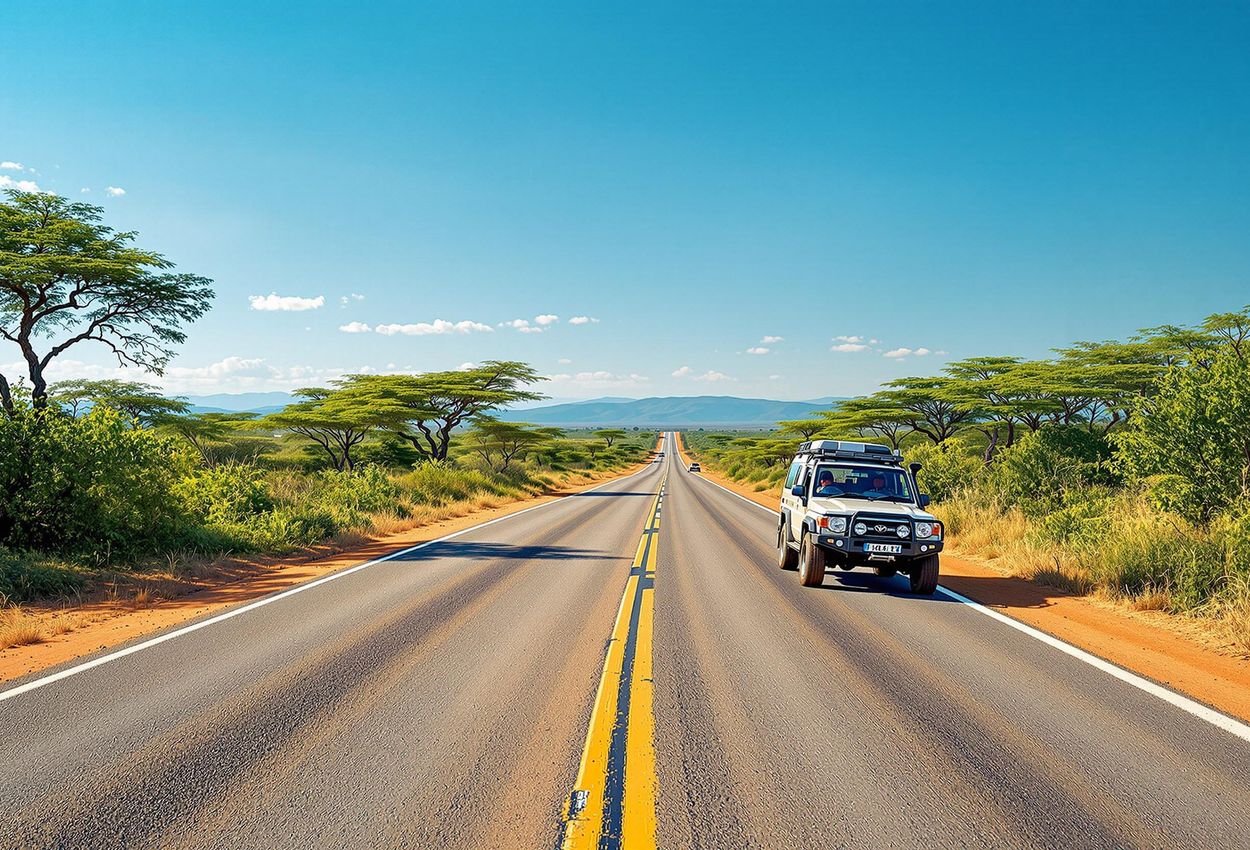
Getting to Lake Ngami requires a bit of planning, but the rewards are well worth the effort. The lake is located near Maun, Botswana, and is accessible by road. From Maun, you can take the A35 highway or the A70 highway towards the lake. The journey takes you through rural landscapes, offering glimpses of traditional Botswana life.
Local guides and safari tours are readily available in Maun, providing valuable insights into the region's flora, fauna, and culture. These guides can enhance your experience, offering their expertise and ensuring your safety. Hiring a guide is highly recommended, especially for those unfamiliar with the area.
The terrain around Lake Ngami can be challenging, especially during the rainy season. A 4x4 vehicle is highly recommended, as it provides the necessary traction and clearance to navigate the muddy tracks. Be sure to check the road conditions before embarking on your journey.
Nearby accommodations can be found in Maun and Sehithwa, offering a range of options to suit different budgets and preferences. From luxury lodges to budget-friendly guesthouses, there's something for everyone. Booking your accommodation in advance is advisable, especially during peak season.
Responsible birdwatching is essential at Lake Ngami. Minimizing disturbance to the birds and their habitat is crucial for preserving this delicate ecosystem. Keeping a safe distance from the birds, avoiding loud noises, and refraining from feeding them are all important guidelines to follow.
The Lake Ngami Conservation Trust plays a vital role in protecting the lake's ecosystem. This organization works tirelessly to promote sustainable tourism, educate local communities, and conserve the natural resources of the area. Supporting their efforts is a meaningful way to contribute to the long-term health of Lake Ngami.
Supporting local communities through responsible tourism is another way to make a positive impact. By purchasing local crafts, dining at local restaurants, and staying at locally owned accommodations, you can help boost the local economy and empower the people who call Lake Ngami home.
Lake Ngami in December is more than just a destination; it's an experience that touches the soul. It's a reminder of the beauty and fragility of our natural world, a call to action to protect and preserve it for future generations. As the sun sets over the lake, painting the sky in hues of orange and purple, you'll feel a sense of gratitude for having witnessed this extraordinary spectacle. The symphony of wings will linger in your memory, a testament to the magic of Lake Ngami.
Our editors` picks of the latest and greatest in travel - delivered to your inbox daily
Relax on the beaches and explore the reefs of Xai-Xai.
View More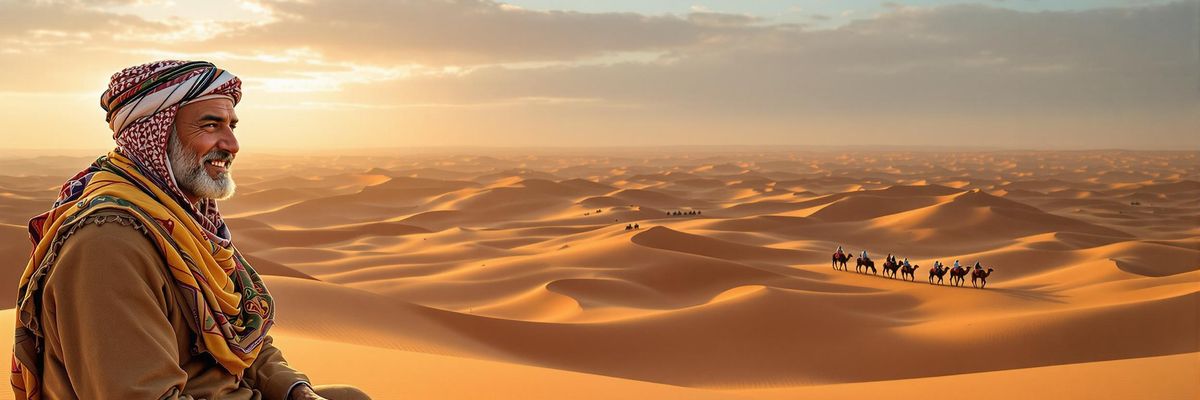
Embrace the cooler temperatures and experience the International Festival of the Sahara in Douz this December.
View More
Celebrate the year-end festivities in Accra, culminating in the vibrant Afrofuture festival.
View More Albania EDITION
 Algeria EDITION
 Argentina EDITION
 Armenia EDITION
 Australia EDITION
 Austria EDITION
 Bangladesh EDITION
 Belgium EDITION
 Belize EDITION
 Benin EDITION
 Bhutan EDITION
 Bolivia EDITION
 Bosnia and Herzegovina EDITION
 Botswana EDITION
 Brazil EDITION
 Bulgaria EDITION
 Burkina Faso EDITION
 Cambodia EDITION
 Cameroon EDITION
 Canada EDITION
 Central African Republic EDITION
 Chad EDITION
 Chile EDITION
 China EDITION
 Colombia EDITION
 Costa Rica EDITION
 Croatia EDITION
 Cyprus EDITION
 Denmark EDITION
 Djibouti EDITION
 Ecuador EDITION
 Egypt EDITION
 El Salvador EDITION
 Eritrea EDITION
 Estonia EDITION
 Ethiopia EDITION
 Finland EDITION
 France EDITION
 Gabon EDITION
 Georgia EDITION
 Germany EDITION
 Ghana EDITION
 Greece EDITION
 Guatemala EDITION
 Guinea EDITION
 Guinea-Bissau EDITION
 Honduras EDITION
 Hungary EDITION
 Iceland EDITION
 India EDITION
 Indonesia EDITION
 Ireland EDITION
 Israel EDITION
 Italy EDITION
 Jamaica EDITION
 Japan EDITION
 Jordan EDITION
 Kenya EDITION
 Kuwait EDITION
 Laos EDITION
 Latvia EDITION
 Lebanon EDITION
 Lesotho EDITION
 Liberia EDITION
 Lithuania EDITION
 Luxembourg EDITION
 Madagascar EDITION
 Malawi EDITION
 Malaysia EDITION
 Maldives EDITION
 Mali EDITION
 Malta EDITION
 Mauritania EDITION
 Mauritius EDITION
 Mexico EDITION
 Mongolia EDITION
 Montenegro EDITION
 Morocco EDITION
 Mozambique EDITION
 Namibia EDITION
 Nepal EDITION
 Netherlands EDITION
 New Zealand EDITION
 Nicaragua EDITION
 Niger EDITION
 Nigeria EDITION
 Norway EDITION
 Oman EDITION
 Pakistan EDITION
 Panama EDITION
 Papua New Guinea EDITION
 Paraguay EDITION
 Peru EDITION
 Philippines EDITION
 Poland EDITION
 Portugal EDITION
 Qatar EDITION
 Romania EDITION
 Rwanda EDITION
 Saudi Arabia EDITION
 Senegal EDITION
 Serbia EDITION
 Singapore EDITION
 Slovakia EDITION
 Slovenia EDITION
 Somalia EDITION
 South Africa EDITION
 South Korea EDITION
 Spain EDITION
 Sri Lanka EDITION
 Suriname EDITION
 Sweden EDITION
 Switzerland EDITION
 Tanzania EDITION
 Thailand EDITION
 Tunisia EDITION
 Uganda EDITION
 United Arab Emirates EDITION
 United Kingdom EDITION
 Uruguay EDITION
 Venezuela EDITION
 Vietnam EDITION
 Zambia EDITION
 Zimbabwe EDITION
Subscribe to our newsletter and get the most captivating travel stories, hidden gems, and expert insights delivered straight to your inbox. As a subscriber, you’ll be first in line for exclusive content, premium offers, and unforgettable travel experiences