


Destination Guide
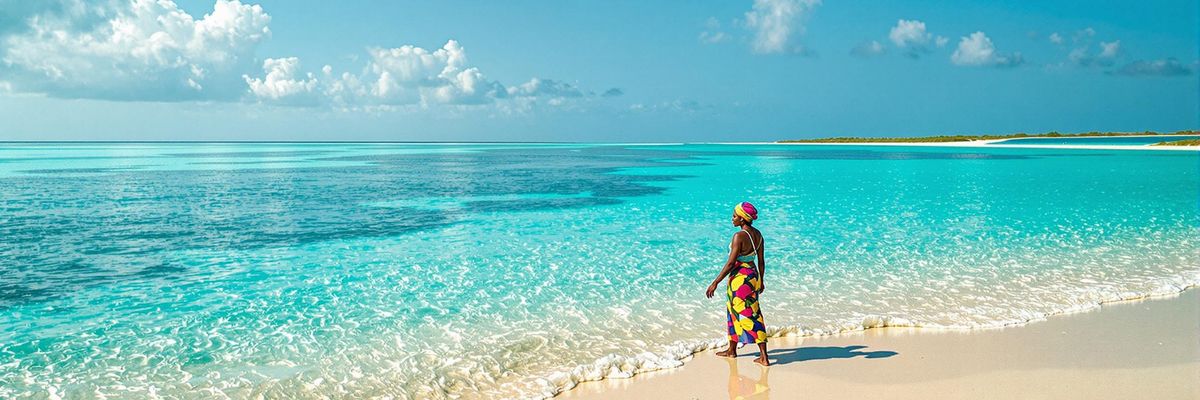
Xai-Xai: A Coastal Retreat
Relax on the beaches and explore the reefs of Xai-Xai.
View More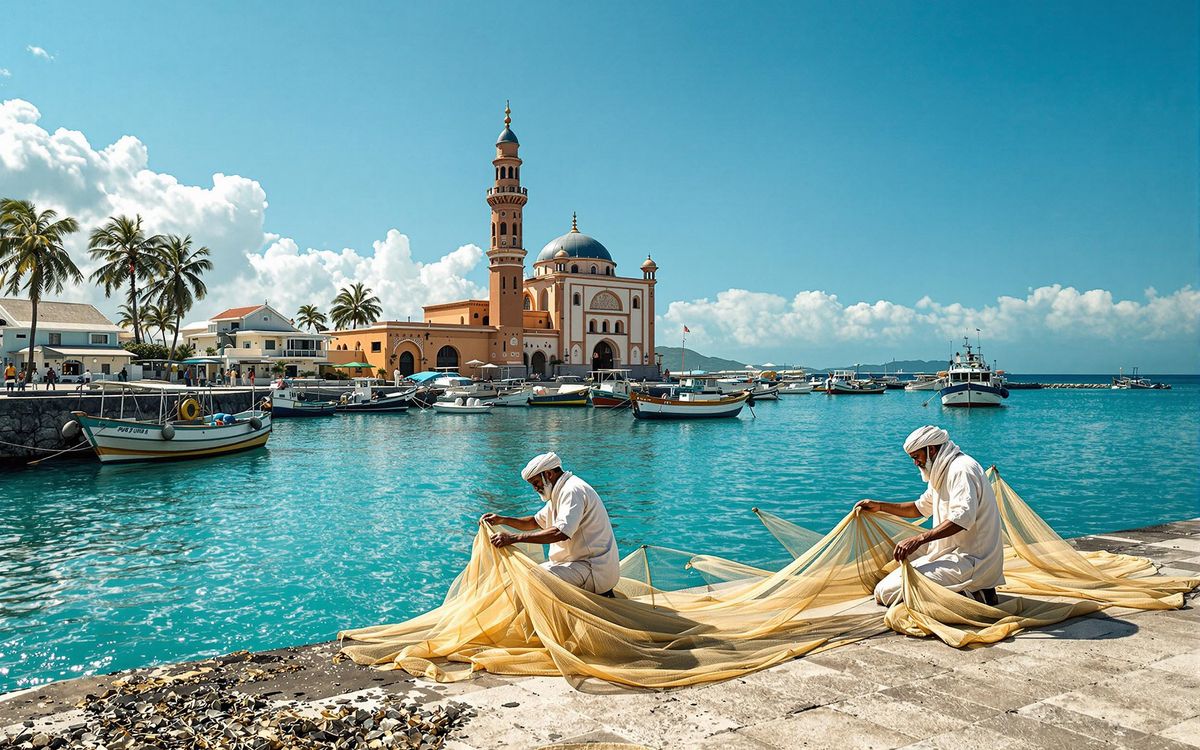

Discover Domoni, a captivating city on the island of Anjouan in the Comoros archipelago, where history, culture, and natural beauty converge to offer an enchanting escape. Known for its rich Swahili-Arabic heritage, Domoni stands as a testament to the diverse influences that have shaped this region over centuries.
Wander through its narrow streets and vibrant markets, and you'll find a city brimming with local produce, handicrafts, and aromatic spices. The local culture is deeply rooted in tradition, with friendly residents who are always eager to share their stories and customs.
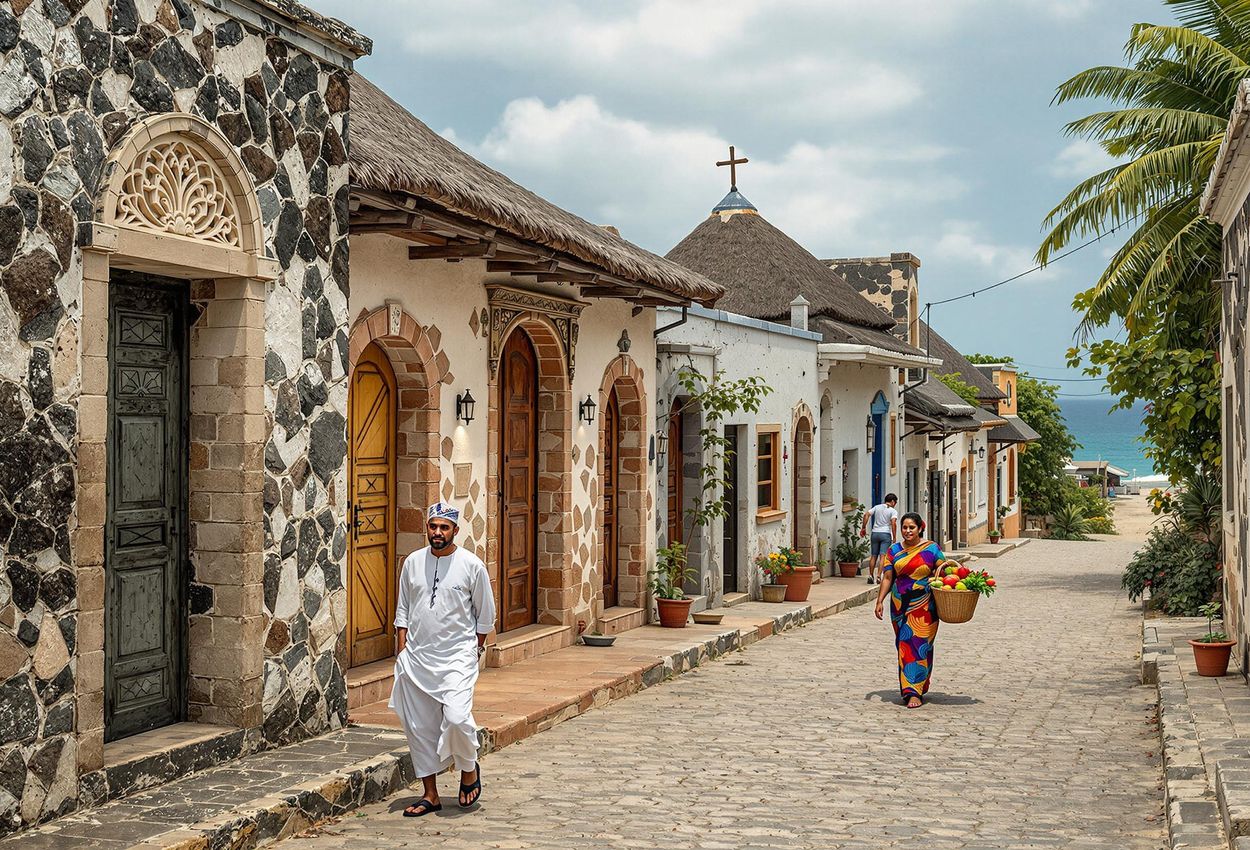
Stepping into Domoni is like stepping back in time. The city, once the capital of Anjouan, echoes with the whispers of sultans and a rich history that permeates every stone and carving.
Established in the 12th century, Domoni flourished as a major trading center by the 15th century, connecting Africa, Persia, Arab countries, and even distant lands like Japan. Navigator Ibn Majid Ibn, who guided Vasco da Gama to India, recognized this port as a vital hub. The city is home to a significant Shirazi population, descendants of aristocratic immigrants from Shiraz, Persia, who arrived between the 14th and 18th centuries, further enriching its cultural tapestry. As you explore, you'll notice the blend of African, Arabic, and Persian influences that define Domoni's unique identity.
The town served as the capital of the Nzwani sultans and was a major trading center. Ruled by chiefs known as Feni in the 16th century, Domoni remained the capital of the Anjouan sultanate until the late 18th century. The medinas of Mutsamudu, Domoni, Itsandra, Iconi, and Moroni possess an extraordinary architectural heritage reflecting over 12 centuries of history.
Local tip: Engage with local historians or guides to delve deeper into the stories behind the ancient walls and learn about the influential figures who once shaped Domoni's destiny.
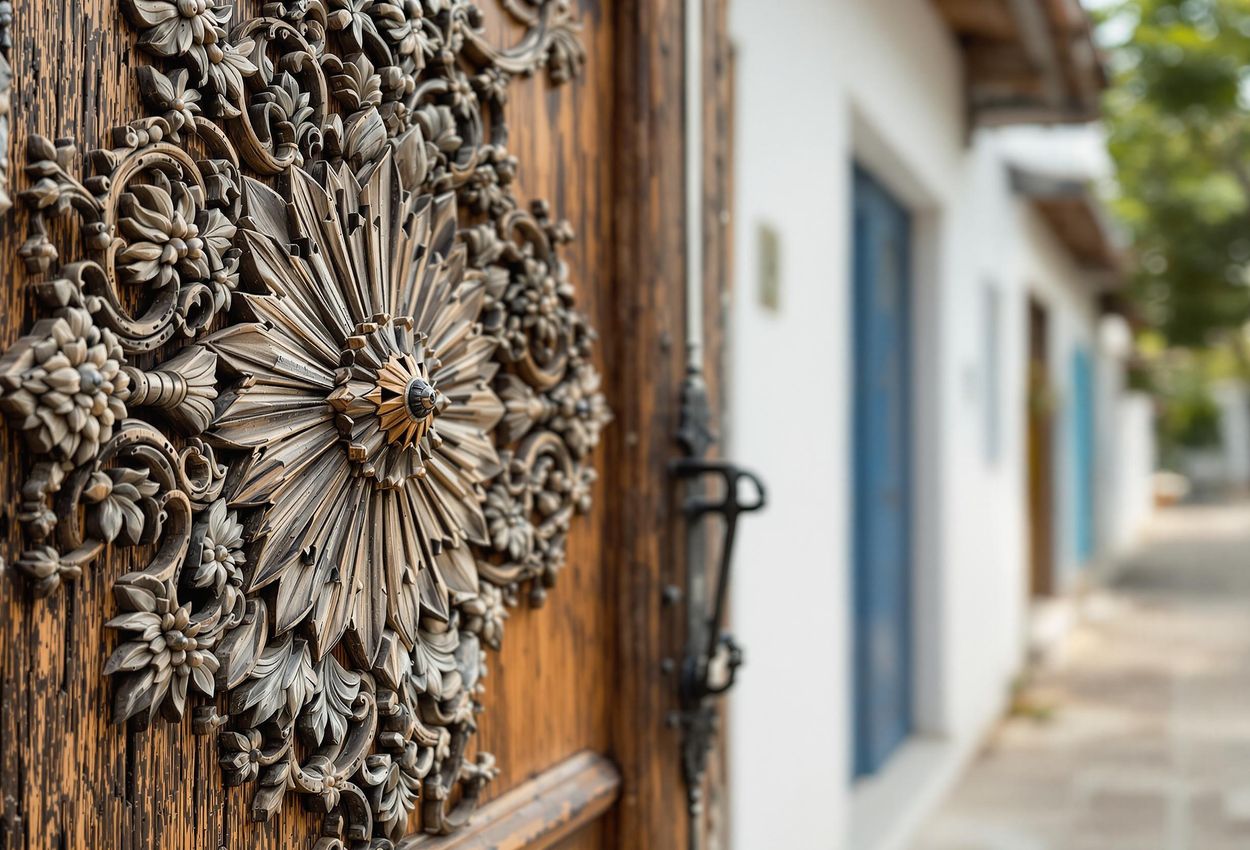
Domoni's architecture is a captivating blend of African, Arabic, and Persian styles, showcasing intricate Swahili doors and ancient ruins. The intricate carvings tell stories of a rich past, reflecting the diverse cultural influences that have shaped the city.
The old houses, built by the Shirazi people, and the mosques constructed with stone masonry stand as testaments to the city's enduring heritage. The Domoni Palace and Grande Mosquée de Domoni are prime examples of the architectural grandeur that once defined the city. The first stone building in Domoni was built in the mid-13th century. Mosques were initially constructed in the 11th and 12th centuries, then reconstructed and expanded in the 13th, 14th, and 15th centuries.
The medina of Mutsamudu, dating back to the 14th century, features narrow alleyways, stairways, residential buildings, shops, palaces, and Islamic worship sites. While the ancient walls have disappeared, the Palace of Ujumbé remains well-preserved.
Hidden Gem: Seek out the lesser-known alleyways and side streets to discover hidden carvings and architectural details that offer a glimpse into the city's past.
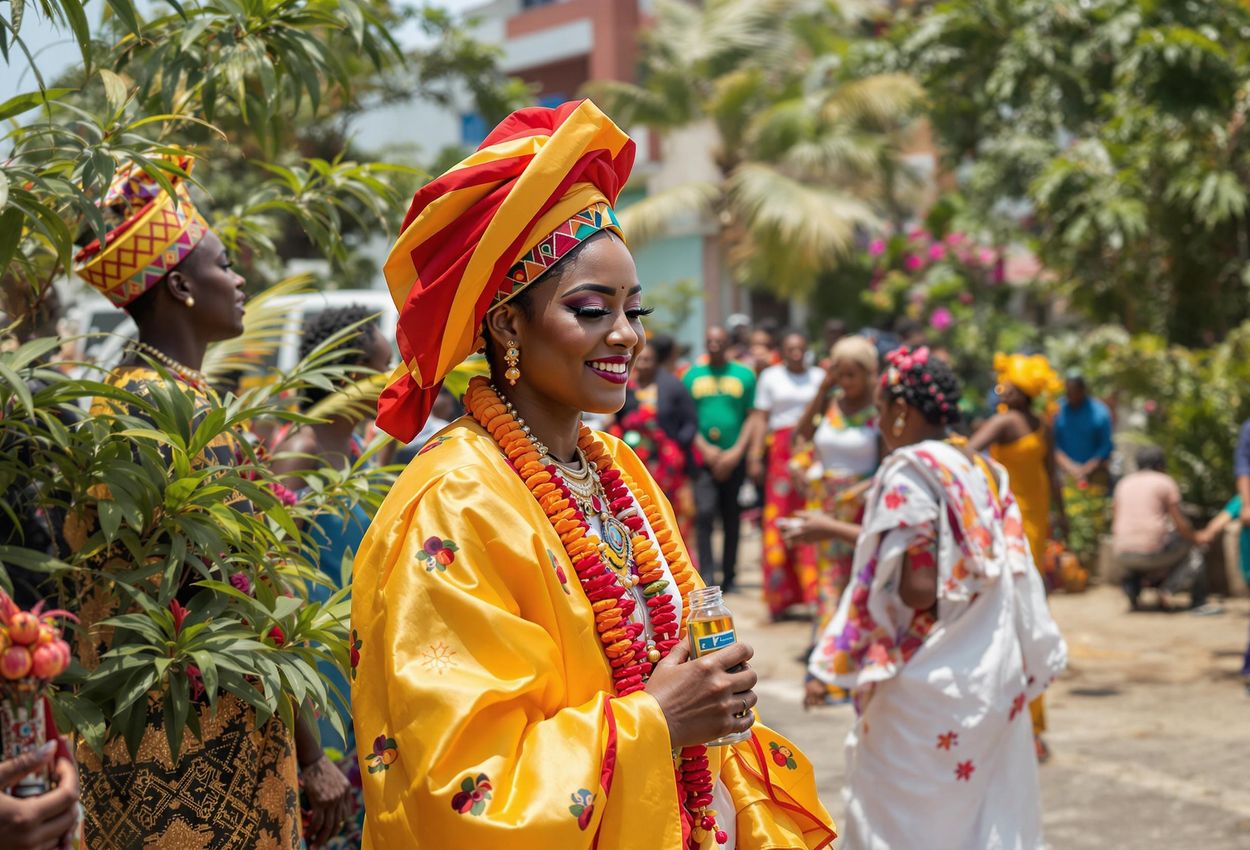
Immerse yourself in the vibrant local traditions of Domoni, where wedding ceremonies and dance performances offer a glimpse into the heart of Comorian culture.
The colorful attire, music, and rituals create an unforgettable experience. Specific dances hold deep cultural significance, reflecting the stories and traditions passed down through generations. While opportunities for tourists to participate may be limited, respectfully observing these events provides a unique insight into the community's spirit.
The traditional customs and local architecture preserve Comorian cultural heritage. The city is a vital cultural landmark, with conservation efforts protecting its architectural features and historical sites. The Chinguarime Mosque stands as a testament to the city's religious heritage.
Local tip: Check with local cultural centers or tourism offices for information on upcoming festivals or events that may be open to respectful observation.
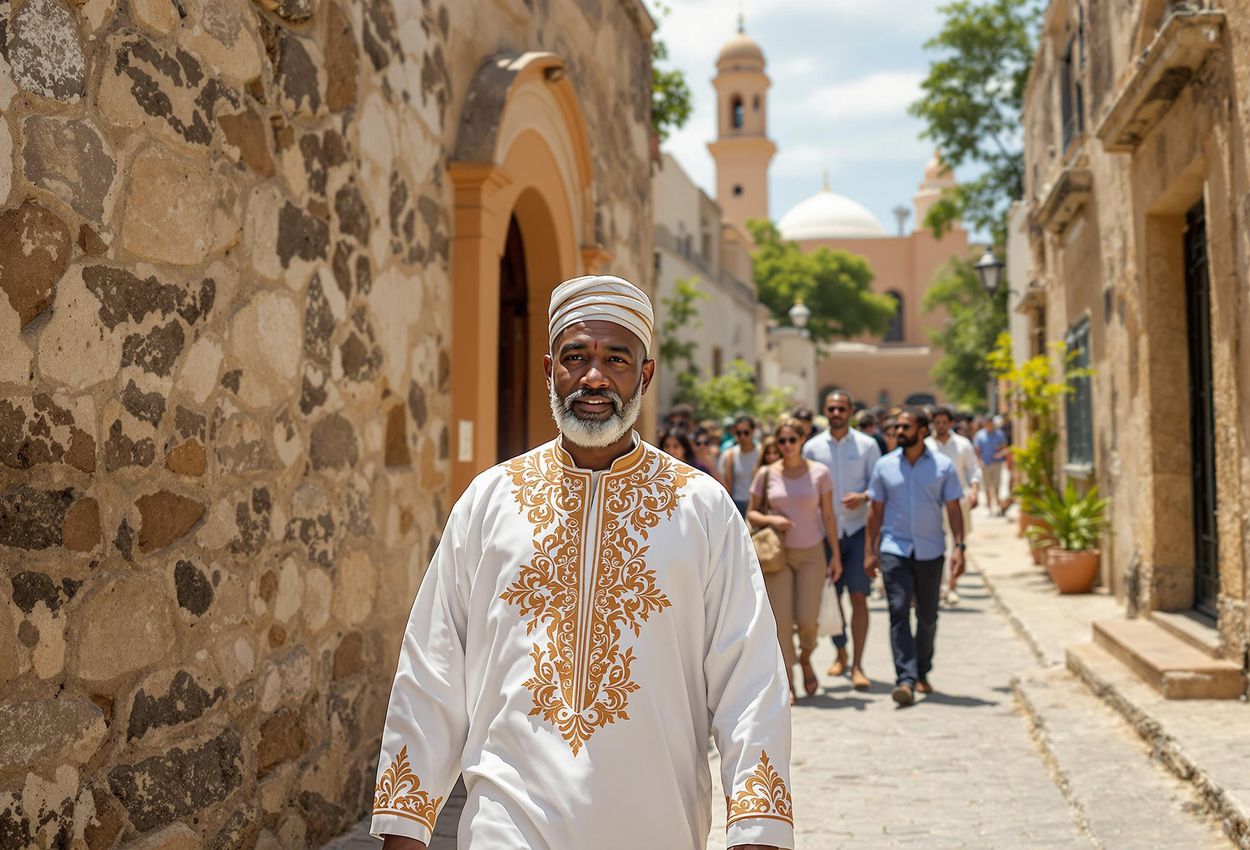
Embark on a guided tour of Domoni to uncover its hidden stories and historical landmarks. Local guides share captivating narratives, highlighting the town's significance as a historical trading port connecting the Indian Ocean world.
Specific tour routes often include the Domoni Palace, the Grande Mosquée de Domoni, and the ancient Swahili doors. The Domoni Waterfront Promenade offers a scenic view of the coast, providing a glimpse into the city's maritime past. The Ancien Port de Domoni stands as a testament to the island’s rich maritime history. Stroll along the waterfront, where you can observe the traditional fishing boats.
The strategic position of Domoni and its natural landscape contribute to the island's national identity. The ruins of the Islamic sultanate, including ancient walls and stately homes, reflect the area's rich history.
Local tip: Inquire about specialized tours that focus on specific aspects of Domoni's history or culture, such as its maritime past or its Shirazi heritage.
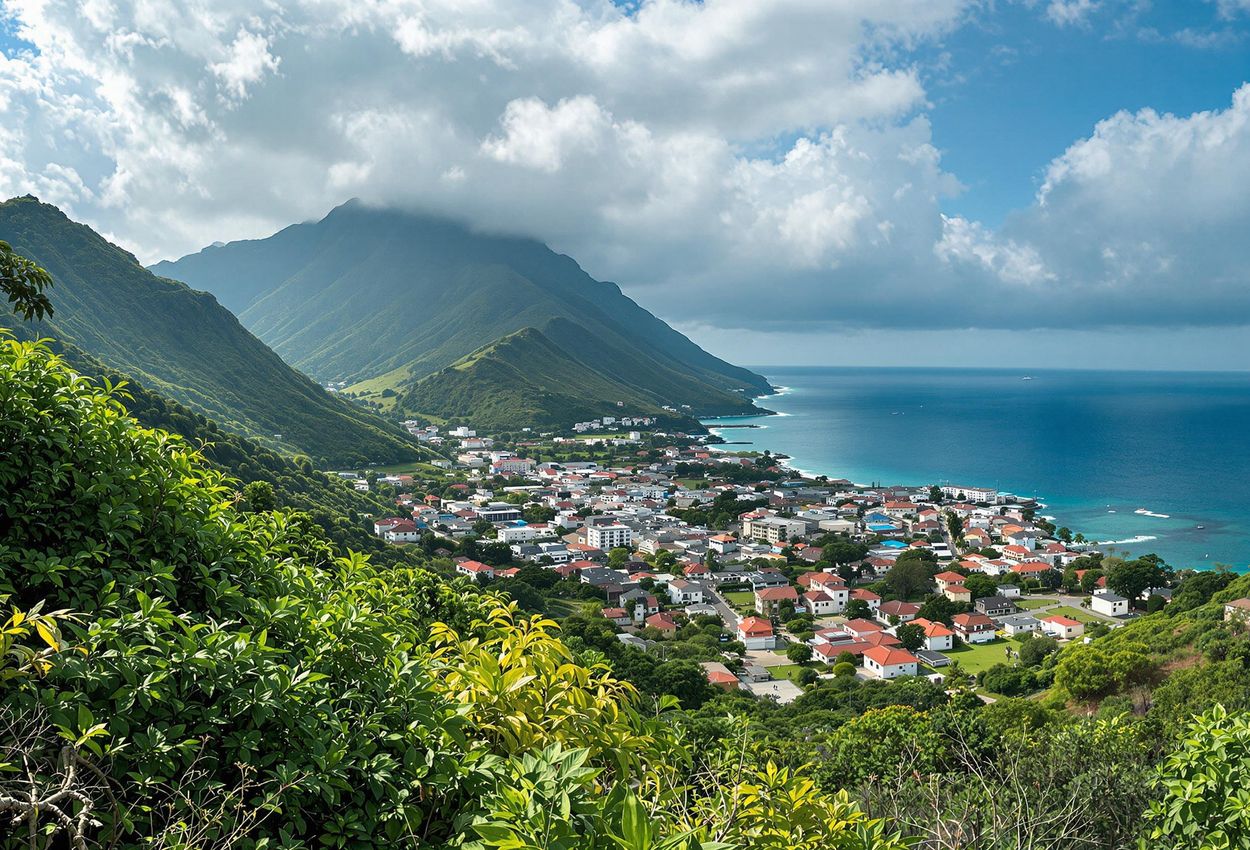
Domoni plays a crucial role in preserving Comorian cultural heritage, with ongoing efforts to maintain traditions, architecture, and local arts. The community actively works to preserve its unique identity, ensuring that its cultural legacy endures for generations to come.
Local markets teem with handicrafts and spices, offering a sensory experience that reflects the island's rich cultural tapestry. Cultural centers and museums showcase the town's history and artistic traditions. A guided hike to Mount Ntingui provides a panoramic view of the surrounding landscape, connecting visitors with the natural beauty that complements Domoni's cultural richness. The traditional architecture and local customs of Domoni are essential methods of maintaining Comorian cultural heritage.
The island displays its diverse character through celebrations, eating traditions, and building designs. The traditional practices, including music and dance, and its Islamic festival events preserve both the islands’ historical past while sustaining the current strength of its communal identity.
Hidden Gem: Venture beyond the main tourist areas to discover local artisans and craftspeople who are dedicated to preserving traditional Comorian arts and crafts.
Our editors` picks of the latest and greatest in travel - delivered to your inbox daily
Relax on the beaches and explore the reefs of Xai-Xai.
View More
Embrace the cooler temperatures and experience the International Festival of the Sahara in Douz this December.
View More
Celebrate the year-end festivities in Accra, culminating in the vibrant Afrofuture festival.
View More Albania EDITION
 Algeria EDITION
 Argentina EDITION
 Armenia EDITION
 Australia EDITION
 Austria EDITION
 Bangladesh EDITION
 Belgium EDITION
 Belize EDITION
 Benin EDITION
 Bhutan EDITION
 Bolivia EDITION
 Bosnia and Herzegovina EDITION
 Botswana EDITION
 Brazil EDITION
 Bulgaria EDITION
 Burkina Faso EDITION
 Cambodia EDITION
 Cameroon EDITION
 Canada EDITION
 Central African Republic EDITION
 Chad EDITION
 Chile EDITION
 China EDITION
 Colombia EDITION
 Costa Rica EDITION
 Croatia EDITION
 Cyprus EDITION
 Denmark EDITION
 Djibouti EDITION
 Ecuador EDITION
 Egypt EDITION
 El Salvador EDITION
 Eritrea EDITION
 Estonia EDITION
 Ethiopia EDITION
 Finland EDITION
 France EDITION
 Gabon EDITION
 Georgia EDITION
 Germany EDITION
 Ghana EDITION
 Greece EDITION
 Guatemala EDITION
 Guinea EDITION
 Guinea-Bissau EDITION
 Honduras EDITION
 Hungary EDITION
 Iceland EDITION
 India EDITION
 Indonesia EDITION
 Ireland EDITION
 Israel EDITION
 Italy EDITION
 Jamaica EDITION
 Japan EDITION
 Jordan EDITION
 Kenya EDITION
 Kuwait EDITION
 Laos EDITION
 Latvia EDITION
 Lebanon EDITION
 Lesotho EDITION
 Liberia EDITION
 Lithuania EDITION
 Luxembourg EDITION
 Madagascar EDITION
 Malawi EDITION
 Malaysia EDITION
 Maldives EDITION
 Mali EDITION
 Malta EDITION
 Mauritania EDITION
 Mauritius EDITION
 Mexico EDITION
 Mongolia EDITION
 Montenegro EDITION
 Morocco EDITION
 Mozambique EDITION
 Namibia EDITION
 Nepal EDITION
 Netherlands EDITION
 New Zealand EDITION
 Nicaragua EDITION
 Niger EDITION
 Nigeria EDITION
 Norway EDITION
 Oman EDITION
 Pakistan EDITION
 Panama EDITION
 Papua New Guinea EDITION
 Paraguay EDITION
 Peru EDITION
 Philippines EDITION
 Poland EDITION
 Portugal EDITION
 Qatar EDITION
 Romania EDITION
 Rwanda EDITION
 Saudi Arabia EDITION
 Senegal EDITION
 Serbia EDITION
 Singapore EDITION
 Slovakia EDITION
 Slovenia EDITION
 Somalia EDITION
 South Africa EDITION
 South Korea EDITION
 Spain EDITION
 Sri Lanka EDITION
 Suriname EDITION
 Sweden EDITION
 Switzerland EDITION
 Tanzania EDITION
 Thailand EDITION
 Tunisia EDITION
 Uganda EDITION
 United Arab Emirates EDITION
 United Kingdom EDITION
 Uruguay EDITION
 Venezuela EDITION
 Vietnam EDITION
 Zambia EDITION
 Zimbabwe EDITION
Subscribe to our newsletter and get the most captivating travel stories, hidden gems, and expert insights delivered straight to your inbox. As a subscriber, you’ll be first in line for exclusive content, premium offers, and unforgettable travel experiences