


Destination Guide
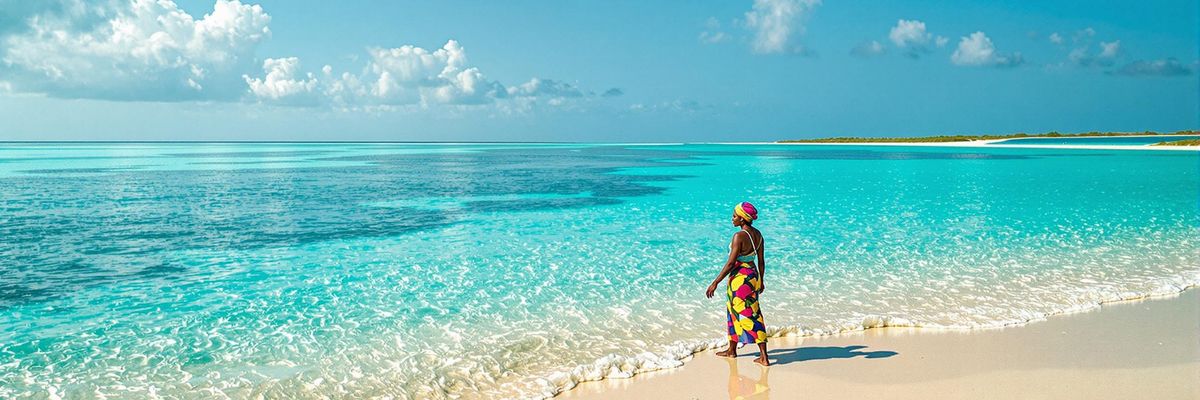
Xai-Xai: A Coastal Retreat
Relax on the beaches and explore the reefs of Xai-Xai.
View More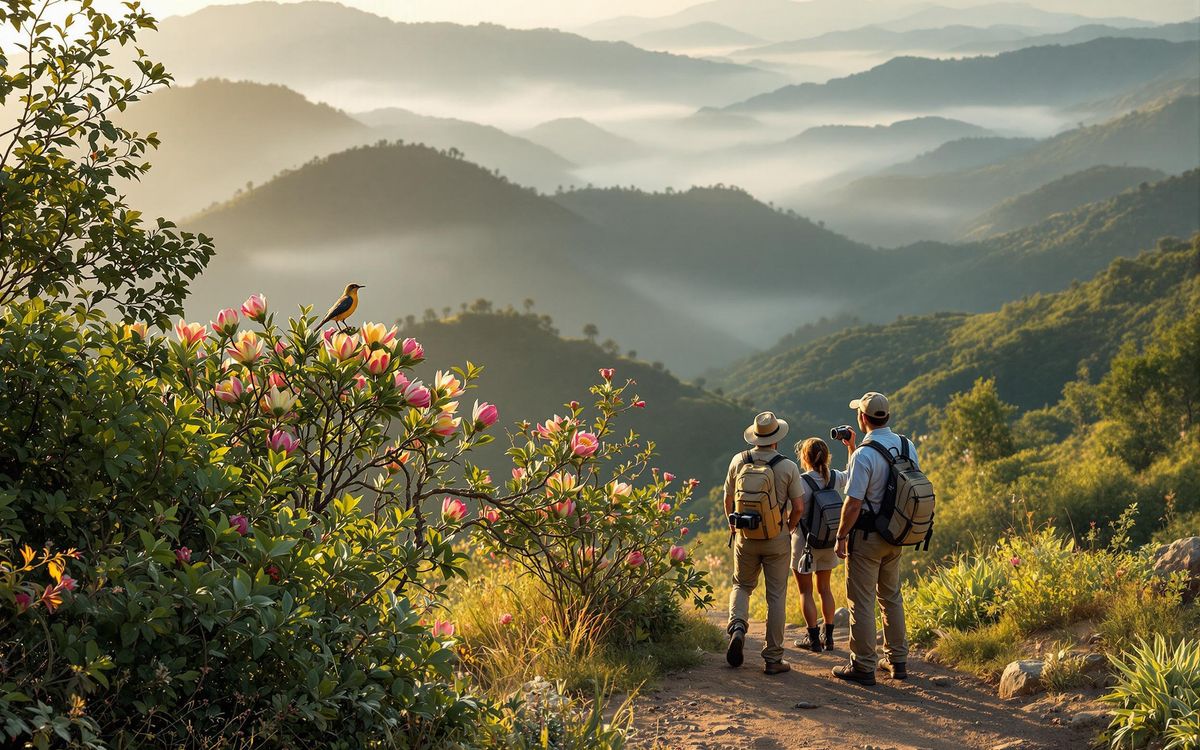

As December graces Zimbabwe's Eastern Highlands, a transformation unfolds, painting the landscape with vibrant hues and filling the air with melodies. It's a time when avian wonders from across the globe converge, making it a paradise for birding enthusiasts.
The Eastern Highlands, a mountain chain stretching 260km along the border of Mozambique, is a diverse region of montane grasslands, forests, peaks, and waterfalls. Known locally as the 'Mountains of the Mist' due to the frequent mists that swirl around its peaks, this area offers a unique and immersive experience for nature lovers. The cool, moist air carries the scent of pine and wildflowers, while the sounds of cascading water and rustling leaves create a symphony of nature. December marks the full arrival of migratory birds, adding to the already rich tapestry of local species.
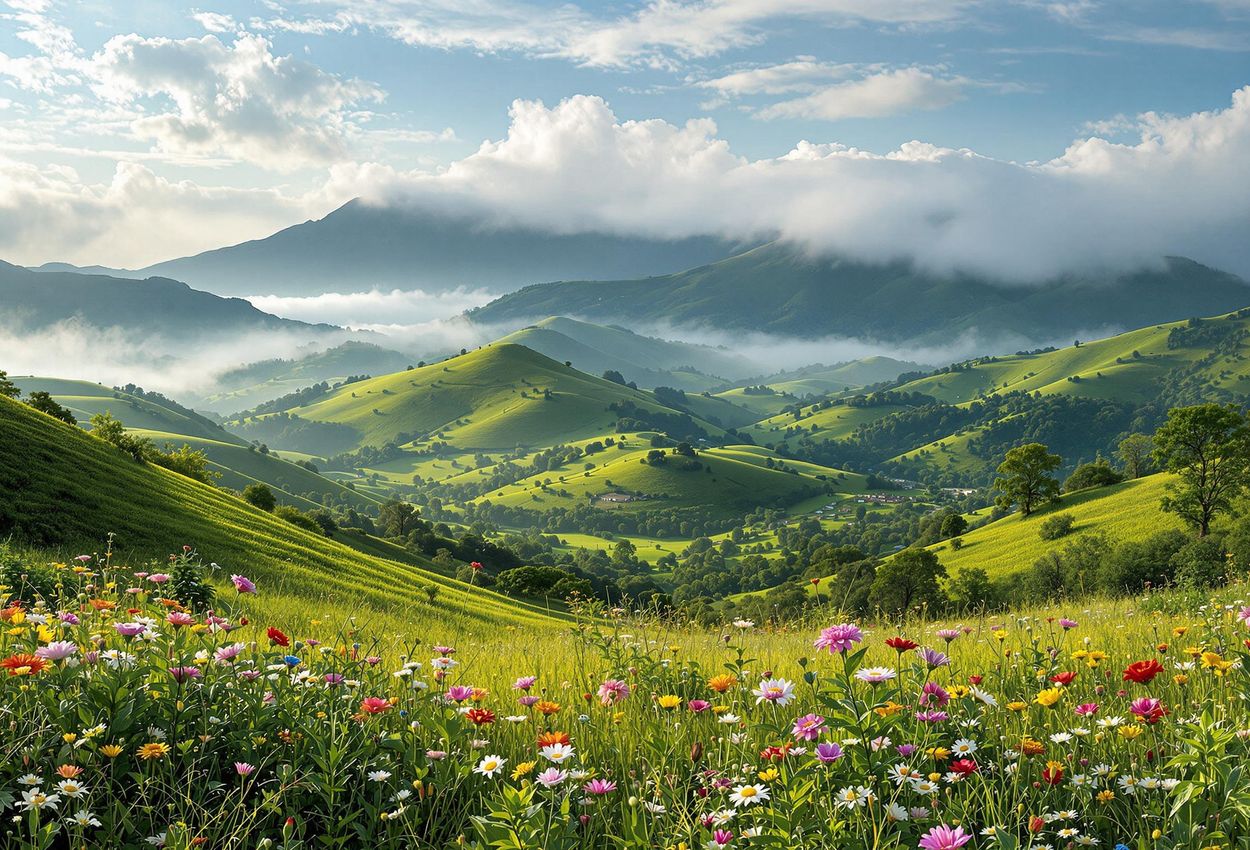
Whether you're an avid birder or simply seeking a tranquil escape into nature, the Eastern Highlands promises an unforgettable experience. With its stunning landscapes and diverse birdlife, it's a destination that will captivate your senses and leave you yearning for more.
Journey into the heart of the Eastern Highlands with a visit to Nyanga National Park, a realm of montane grasslands and lush forests, offering a sanctuary for diverse bird species and breathtaking vistas.
Nyanga National Park, located in the north of the Eastern Highlands, is a diverse landscape encompassing rolling hills, granite mountains, and the highest point in Zimbabwe, Mount Nyangani. Here, the altitude reaches 2,592m, offering panoramic views and a chance to spot the Verreaux's Eagle soaring overhead. The park is also home to Mutarazi Falls, Zimbabwe's highest waterfall, cascading an impressive 762m down the mountainside.
Birders will be thrilled by the array of species found within the park. The vulnerable Blue Swallow finds refuge in the montane grasslands, while the Silvery-cheeked Hornbill can be spotted in the forests. Other notable species include the Gurney's Sugarbird, often seen feeding on aloes or proteas, the forest-dwelling Chirinda Apalis, and Swynnerton's Robin. Migratory birds are present from November to April, including 5% of the global breeding population of the endangered blue swallow.
Beyond birding, Nyanga National Park offers a variety of outdoor activities. Hiking trails wind through the mountains, providing opportunities to explore the landscape and discover hidden waterfalls. The park's perennial streams are stocked with trout, offering excellent fly fishing. For accommodation, consider the Troutbeck Inn, a charming hotel with a rich history and stunning views.
Local Tip: For the best chance of spotting the Blue Swallow, head to the montane grasslands early in the morning. These vulnerable birds are most active during the cooler hours of the day.
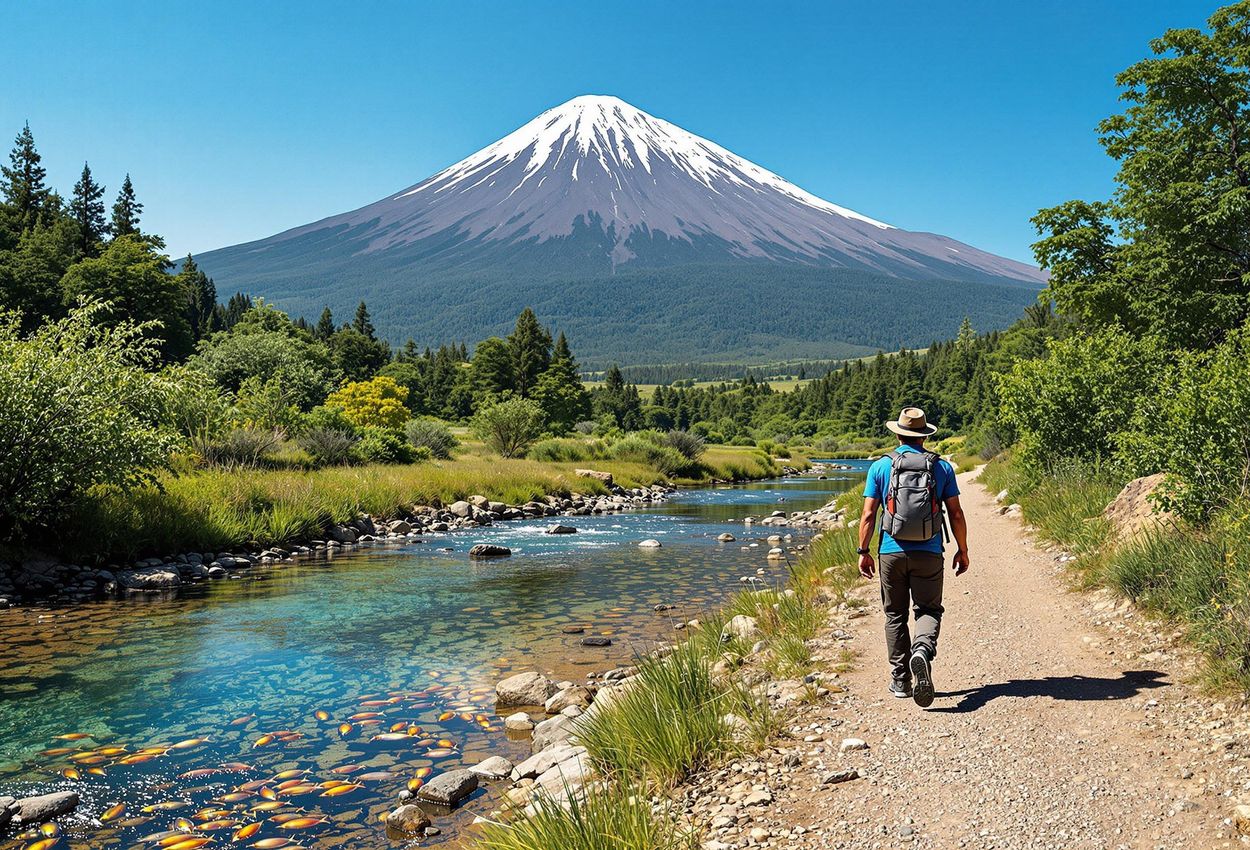
Hidden Gem: Discover the Pungwe Gorge, a dramatic chasm with stunning views and unique birdlife. This lesser-known spot offers a sense of adventure and a chance to escape the crowds.
Descend into the Honde Valley, a lush, tea-growing region where the symphony of birdsong mingles with the aroma of freshly harvested tea leaves.
The Honde Valley, located east of the Nyanga Highlands, presents a striking contrast to the higher altitudes. This is a key area for growing tea in Zimbabwe. At a lower elevation, the valley enjoys a warmer climate, creating a haven for bird species not found elsewhere in the Eastern Highlands. The landscape is characterized by vast tea estates interspersed with villages, subsistence farmland, and patches of riverine forest.
The Honde Valley is a premier birding spot, boasting a rich variety of species. Birders can seek out the Chirinda Apalis, Barratt's Warbler, and Square-tailed Drongo in the forests. The elusive Lesser Seedcracker is also a sought-after species in this area. Other species include the Palm-nut Vulture, Green Twinspot, Red-faced Crimsonwing, Red-throated Twinspot, African Firefinch, Grey Waxbill, and White-starred Robin. Wamba Dam is a must to find Anchieta's Tchagra, Red-winged Warbler, Broad-tailed Warbler and Moustached Grass-warbler.
A visit to a local tea estate is a must, offering the opportunity to sample Zimbabwean tea and learn about the tea-making process. Aberfoyle Lodge is a great place to stay.
Local Tip: Hire a local bird guide to navigate the tea estates and forests. Their expertise will greatly increase your chances of spotting the valley's more elusive species.
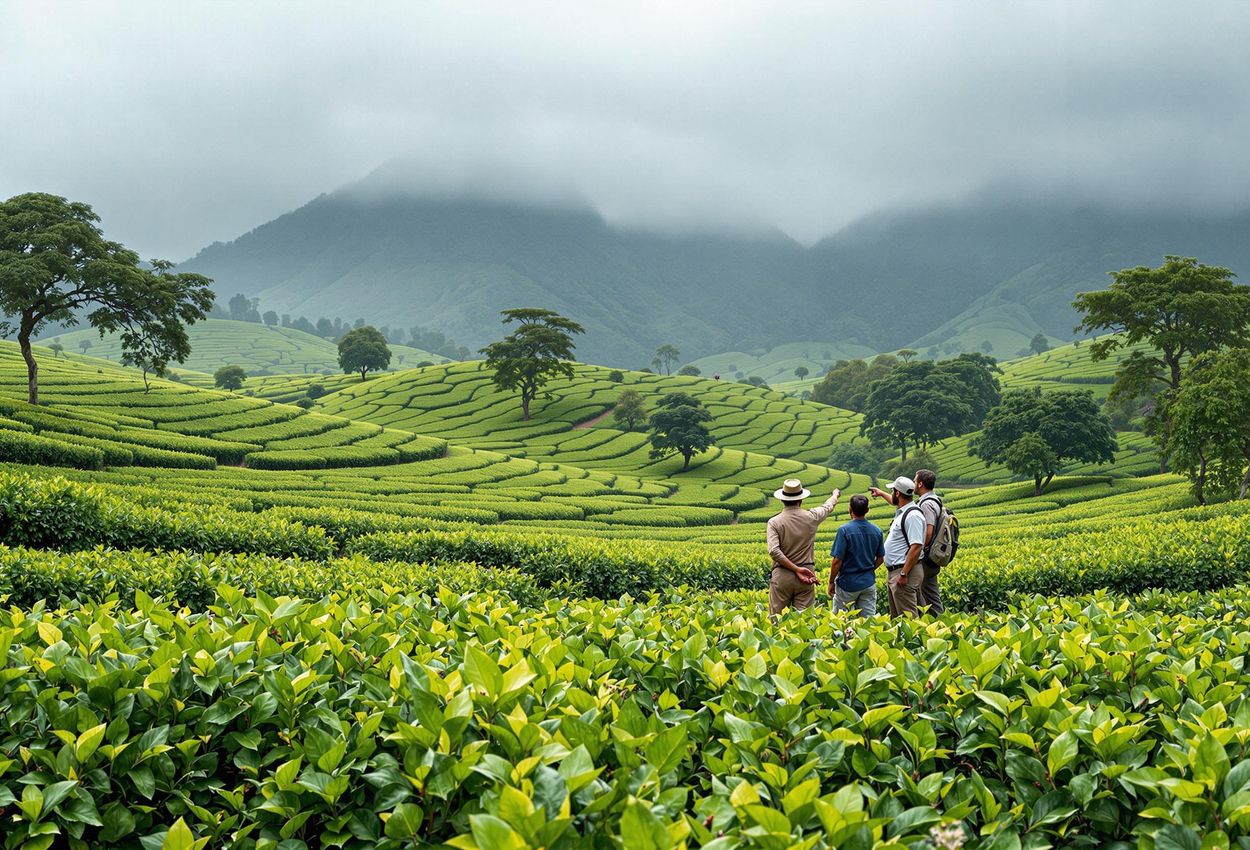
Hidden Gem: Explore the Katiyo Tea Estate, where you can target several lowland specials, as you work your way through the various wetlands and forest patches scattered throughout the area.
Ascend to the Bvumba Mountains, a realm of lush greenery, mist-covered peaks, and vibrant floral displays, where the air is filled with the sweet scent of blossoms and the melodies of rare bird species.
The Bvumba Mountains, also known as the 'Mountains of the Mist', are renowned for their natural beauty and diverse flora. Located near Mutare, the Bvumba offer a tranquil escape into nature. The Bvumba Botanical Gardens and Bunga Forest Botanical Reserve are must-visit destinations, showcasing a stunning collection of indigenous and exotic plants.
Birders will be delighted by the array of species found in the Bvumba. The rare Swynnerton's Robin is a major attraction, while Roberts's Warbler and Stripe-cheeked Greenbul can also be spotted. Other species found in the Bvumba include the Orange Ground-thrush, White-tailed Crested Flycatcher, Yellow-streaked Greenbul, and Red-faced Crimsonwing. The idyllic Bvumba Botanical Gardens is where you are likely to be welcomed by a troop of samango monkeys gambolling on the lawns.
Hiking trails wind through the mountains, offering stunning viewpoints and opportunities to explore the unique flora of the region. Seldomseen Cottages is a recommended lodging option, offering cozy accommodation and easy access to the area's birding hotspots.
Local Tip: Visit the Bvumba Botanical Gardens early in the morning to avoid the crowds and enjoy the best birding opportunities.
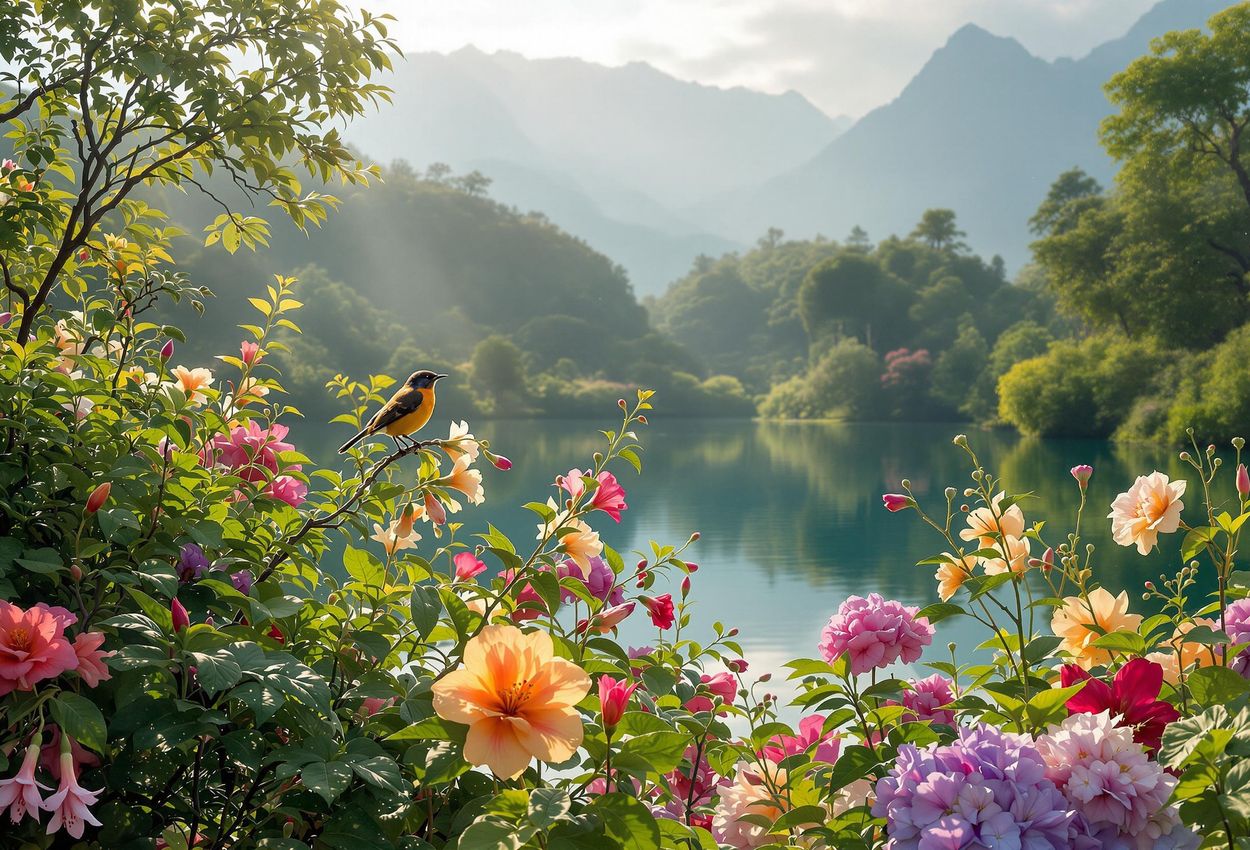
Hidden Gem: Explore the Bunga Forest Botanical Reserve, a lesser-known area with a network of footpaths enabling visitors to explore the area of natural woodland on the eastern slopes of the mountains.
As the sun sets over the Eastern Highlands, casting a golden glow over the landscape, take a moment to reflect on the incredible birding experiences you've had. The memories of rare sightings, stunning landscapes, and the warmth of the local people will stay with you long after you've left this birding paradise.
Our editors` picks of the latest and greatest in travel - delivered to your inbox daily
Relax on the beaches and explore the reefs of Xai-Xai.
View More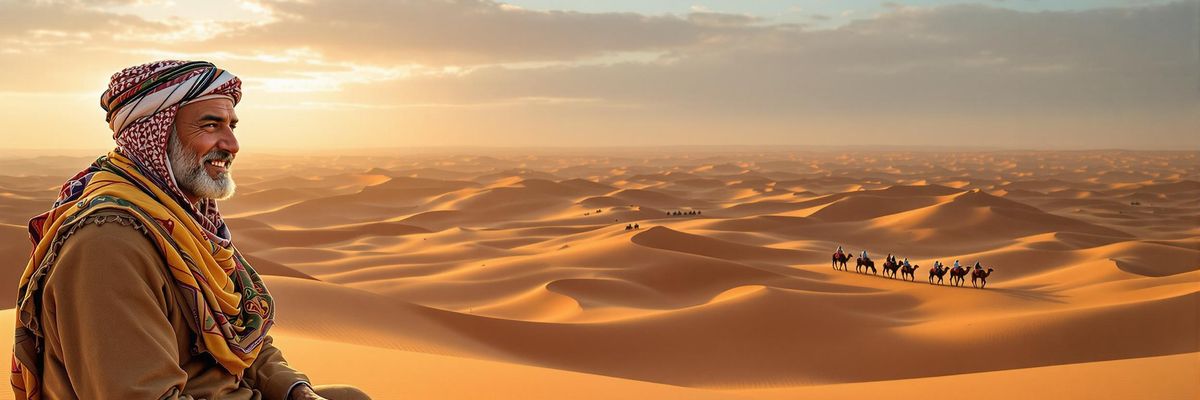
Embrace the cooler temperatures and experience the International Festival of the Sahara in Douz this December.
View More
Celebrate the year-end festivities in Accra, culminating in the vibrant Afrofuture festival.
View More Albania EDITION
 Algeria EDITION
 Argentina EDITION
 Armenia EDITION
 Australia EDITION
 Austria EDITION
 Bangladesh EDITION
 Belgium EDITION
 Belize EDITION
 Benin EDITION
 Bhutan EDITION
 Bolivia EDITION
 Bosnia and Herzegovina EDITION
 Botswana EDITION
 Brazil EDITION
 Bulgaria EDITION
 Burkina Faso EDITION
 Cambodia EDITION
 Cameroon EDITION
 Canada EDITION
 Central African Republic EDITION
 Chad EDITION
 Chile EDITION
 China EDITION
 Colombia EDITION
 Costa Rica EDITION
 Croatia EDITION
 Cyprus EDITION
 Denmark EDITION
 Djibouti EDITION
 Ecuador EDITION
 Egypt EDITION
 El Salvador EDITION
 Eritrea EDITION
 Estonia EDITION
 Ethiopia EDITION
 Finland EDITION
 France EDITION
 Gabon EDITION
 Georgia EDITION
 Germany EDITION
 Ghana EDITION
 Greece EDITION
 Guatemala EDITION
 Guinea EDITION
 Guinea-Bissau EDITION
 Honduras EDITION
 Hungary EDITION
 Iceland EDITION
 India EDITION
 Indonesia EDITION
 Ireland EDITION
 Israel EDITION
 Italy EDITION
 Jamaica EDITION
 Japan EDITION
 Jordan EDITION
 Kenya EDITION
 Kuwait EDITION
 Laos EDITION
 Latvia EDITION
 Lebanon EDITION
 Lesotho EDITION
 Liberia EDITION
 Lithuania EDITION
 Luxembourg EDITION
 Madagascar EDITION
 Malawi EDITION
 Malaysia EDITION
 Maldives EDITION
 Mali EDITION
 Malta EDITION
 Mauritania EDITION
 Mauritius EDITION
 Mexico EDITION
 Mongolia EDITION
 Montenegro EDITION
 Morocco EDITION
 Mozambique EDITION
 Namibia EDITION
 Nepal EDITION
 Netherlands EDITION
 New Zealand EDITION
 Nicaragua EDITION
 Niger EDITION
 Nigeria EDITION
 Norway EDITION
 Oman EDITION
 Pakistan EDITION
 Panama EDITION
 Papua New Guinea EDITION
 Paraguay EDITION
 Peru EDITION
 Philippines EDITION
 Poland EDITION
 Portugal EDITION
 Qatar EDITION
 Romania EDITION
 Rwanda EDITION
 Saudi Arabia EDITION
 Senegal EDITION
 Serbia EDITION
 Singapore EDITION
 Slovakia EDITION
 Slovenia EDITION
 Somalia EDITION
 South Africa EDITION
 South Korea EDITION
 Spain EDITION
 Sri Lanka EDITION
 Suriname EDITION
 Sweden EDITION
 Switzerland EDITION
 Tanzania EDITION
 Thailand EDITION
 Tunisia EDITION
 Uganda EDITION
 United Arab Emirates EDITION
 United Kingdom EDITION
 Uruguay EDITION
 Venezuela EDITION
 Vietnam EDITION
 Zambia EDITION
 Zimbabwe EDITION
Subscribe to our newsletter and get the most captivating travel stories, hidden gems, and expert insights delivered straight to your inbox. As a subscriber, you’ll be first in line for exclusive content, premium offers, and unforgettable travel experiences