


Destination Guide
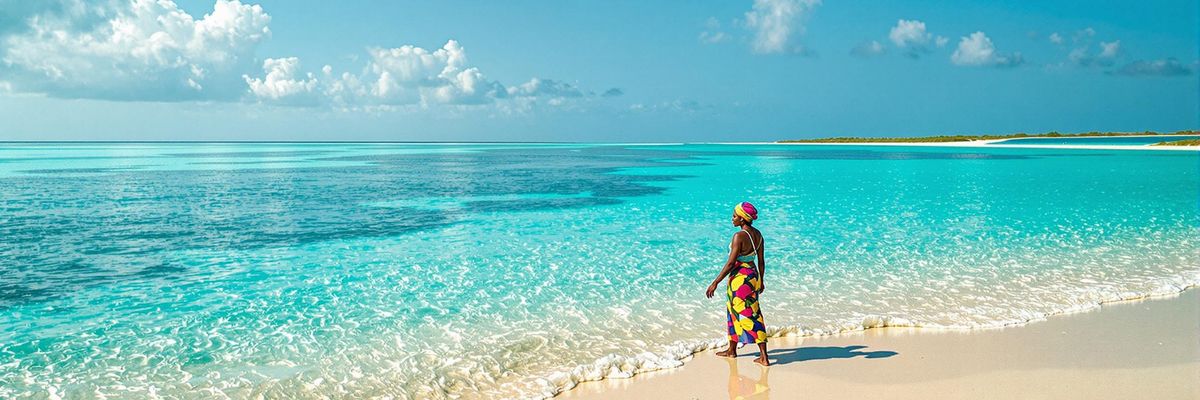
Xai-Xai: A Coastal Retreat
Relax on the beaches and explore the reefs of Xai-Xai.
View More

Esbjerg, a city on Denmark's west coast, offers a unique winter escape, blending its maritime heritage with the serene beauty of the Wadden Sea.
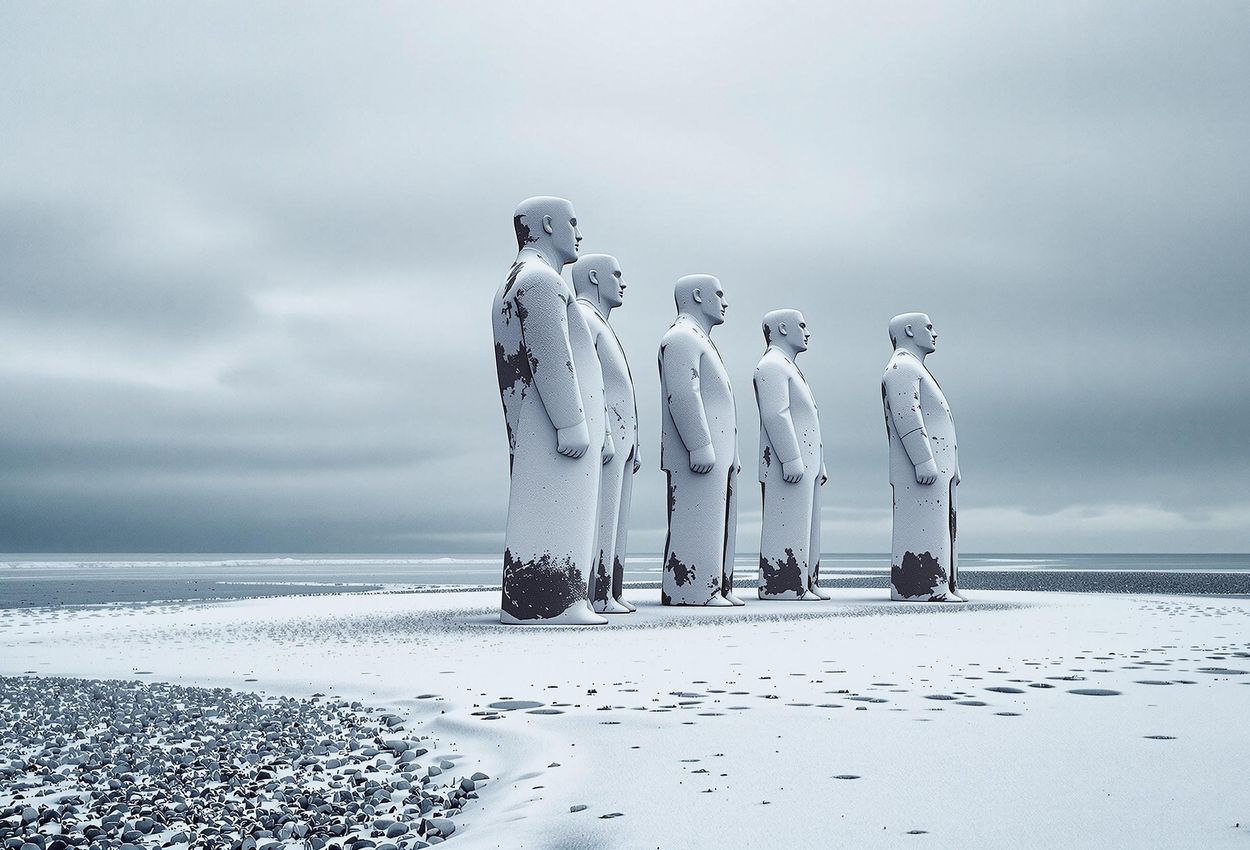
The 'Man Meets the Sea' sculpture, or Mennesket ved Havet in Danish, stands as a powerful testament to Esbjerg's connection to the North Sea. Visiting this iconic monument in winter offers a particularly striking experience. The four, nine-meter tall, white figures loom against the often-stark backdrop of the winter sky and the churning, grey sea. The contrast is both dramatic and thought-provoking, inviting contemplation on humanity's relationship with nature.
Created by artist Svend Wiig Hansen, the sculpture was unveiled in 1995 to celebrate Esbjerg's centennial as an independent municipality. The artist intended the figures to represent universal humanity, gazing out towards the horizon with a sense of both wonder and respect for the ocean's power. The location itself was carefully chosen; originally, the artist had envisioned the sculpture at Grenen, north of Skagen, but Esbjerg became its home, visible to ships entering and leaving the harbor.
Getting to 'Man Meets the Sea' is straightforward. From Esbjerg Railway Station, hop on a local bus that will take you directly to Sædding Beach. As you approach the sculpture, you'll likely be met by a bracing wind, a reminder of the North Sea's formidable presence. From this vantage point, you might also witness ships navigating the waters, entering or departing Esbjerg harbour, a testament to the city's continued maritime activity.
The atmosphere here is often contemplative, the sound of the waves and the wind creating a sense of solitude and awe. After visiting the sculpture, consider a visit to the nearby Fisheries and Maritime Museum, where you can delve deeper into the region's rich seafaring history.
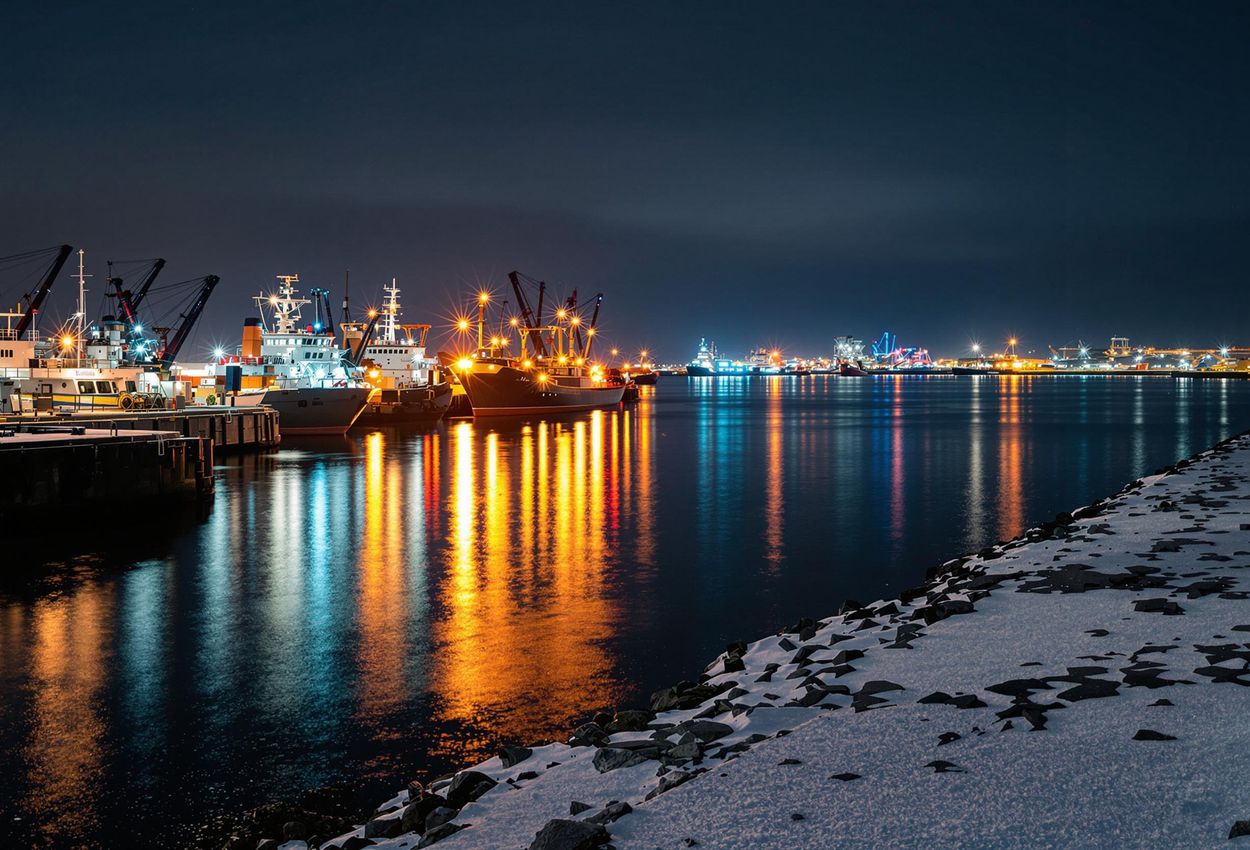
Esbjerg's harbor, the largest in Denmark on the North Sea, presents a fascinating juxtaposition of industrial activity and serene winter beauty. During the day, the port bustles with the comings and goings of cargo ships, ferries, and vessels servicing the offshore industry. In winter, this activity takes on a different character, with the stark lines of the ships and cranes standing out against the muted tones of the season.
The harbor's history is deeply intertwined with Esbjerg's development. Established in 1868 to replace the port in Altona (which fell under German control), Esbjerg quickly became a vital hub for exporting agricultural goods, particularly butter and bacon, to England. While fishing was once a dominant industry, today the port plays a crucial role in the modern offshore industry, especially in the logistics of wind turbine construction and maintenance.
A visit to the harbor during the evening is highly recommended. As darkness descends, the lights from the ships, warehouses, and city reflect on the water, creating a mesmerizing spectacle. The air is crisp and clean, carrying the scent of salt and the distant hum of machinery.
For a different perspective, consider taking a short ferry trip to Fanø island from the harbor. Even in winter, the ferry offers stunning views of the coastline and the Wadden Sea. Fanø itself provides a tranquil escape, with its wide sandy beaches and charming villages.
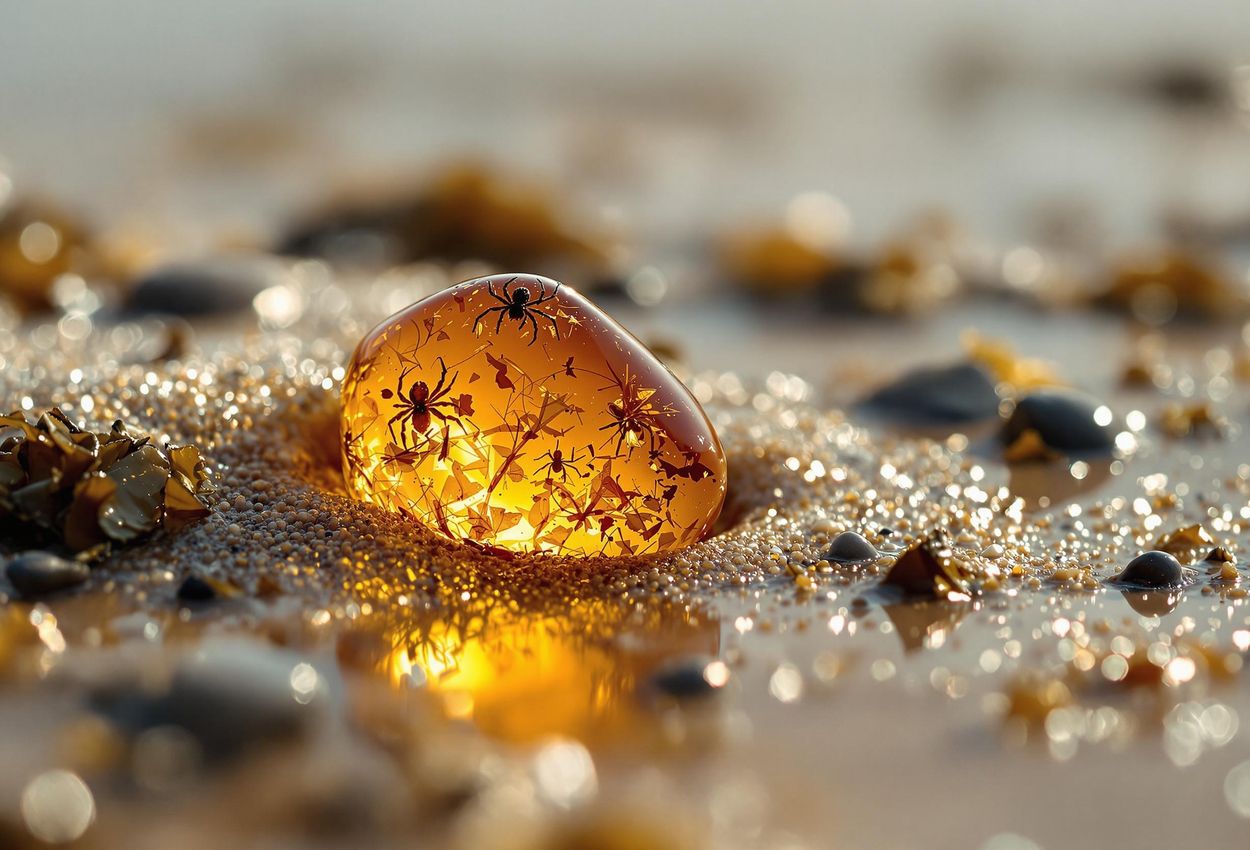
The beaches near Esbjerg, particularly those on Fanø island, offer a unique and rewarding winter activity: amber hunting. This 'Baltic gold,' as it's sometimes called, washes ashore after storms, offering beachcombers the thrill of discovery. Amber, fossilized tree resin, has been prized for centuries for its beauty and perceived mystical properties.
The geological origins of amber are fascinating. Millions of years ago, vast forests covered the region, and resin from these trees hardened over time, trapping insects, plant matter, and even water within its golden depths. Today, these precious pieces are unearthed by the relentless action of the sea.
To increase your chances of finding amber, it's best to search after a storm, especially during low tide. Look for areas where seaweed and other debris have accumulated. Amber is lightweight and often mistaken for pebbles, but it has a distinctive warm, resinous feel. A good way to identify it is to rub it against a piece of cloth; amber will become electrically charged and attract small particles.
Occasionally, you might even find amber with frozen water trapped inside, a miniature time capsule from a bygone era. Amber hunting is a wonderful way to connect with nature, enjoy the invigorating sea air, and perhaps even find a unique souvenir of your winter adventure in Esbjerg.
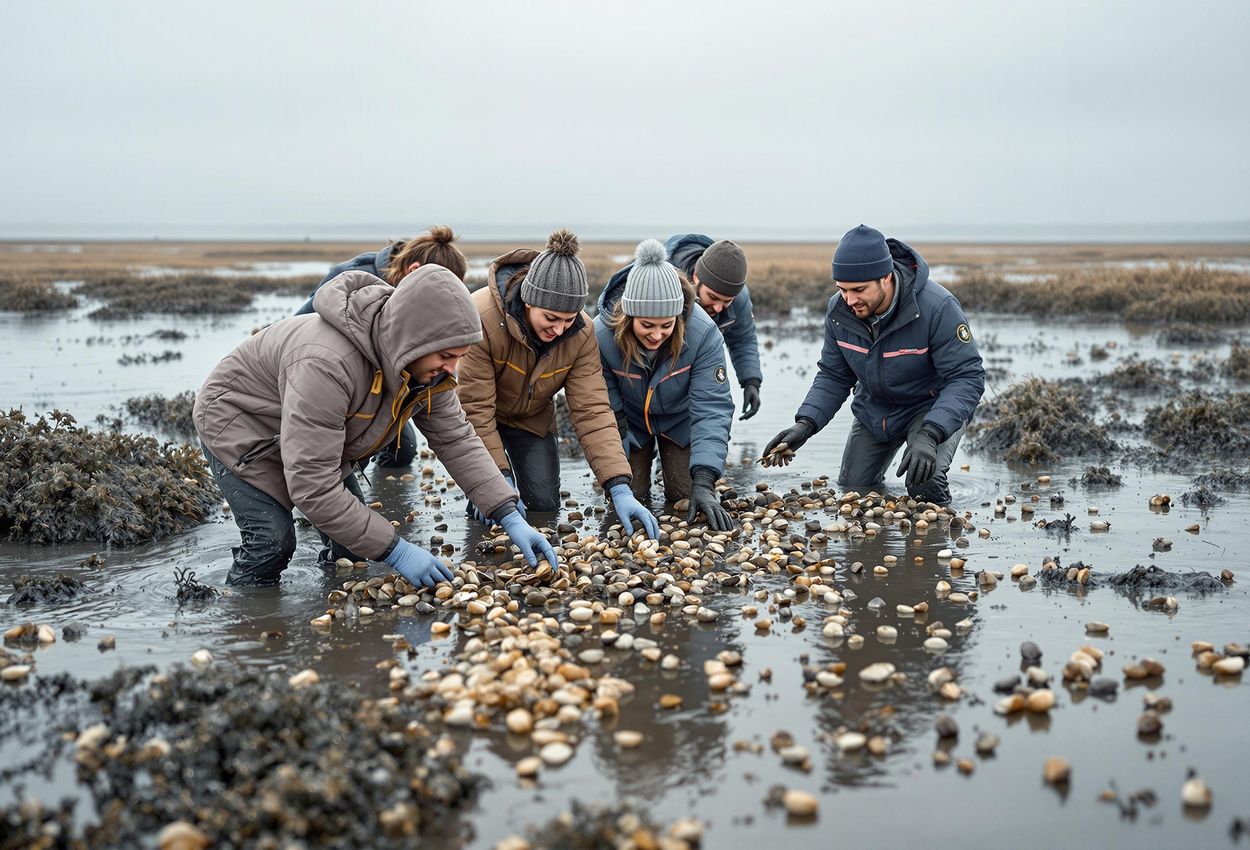
For a truly unforgettable culinary experience, embark on an oyster tour in the Wadden Sea National Park during winter. The oyster season runs from October to April, making it a perfect activity for the colder months. The Wadden Sea, a UNESCO World Heritage Site, boasts a unique landscape of tidal flats, salt marshes, and islands, providing an ideal habitat for the Pacific oyster.
Several tour operators, including the Wadden Sea Centre, offer guided excursions that allow you to harvest fresh oysters directly from the seabed. These tours typically involve wading through shallow waters at low tide, accompanied by knowledgeable guides who can point out the best oyster beds and provide insights into the Wadden Sea's ecosystem.
The taste of freshly harvested oysters is simply exquisite – briny, sweet, and incredibly fresh. It's a taste of the sea in its purest form. The tradition of oyster harvesting in the area dates back centuries, and participating in a tour is a way to connect with this rich culinary heritage.
As you explore the Wadden Sea, keep an eye out for seals basking on the sandbanks. These curious creatures are often spotted during oyster tours, adding another layer of excitement to the experience. Be sure to dress warmly and wear waterproof boots, as the water can be quite cold, even in winter. An oyster tour in the Wadden Sea is an adventure for the senses, combining natural beauty, culinary delight, and a touch of Danish history.
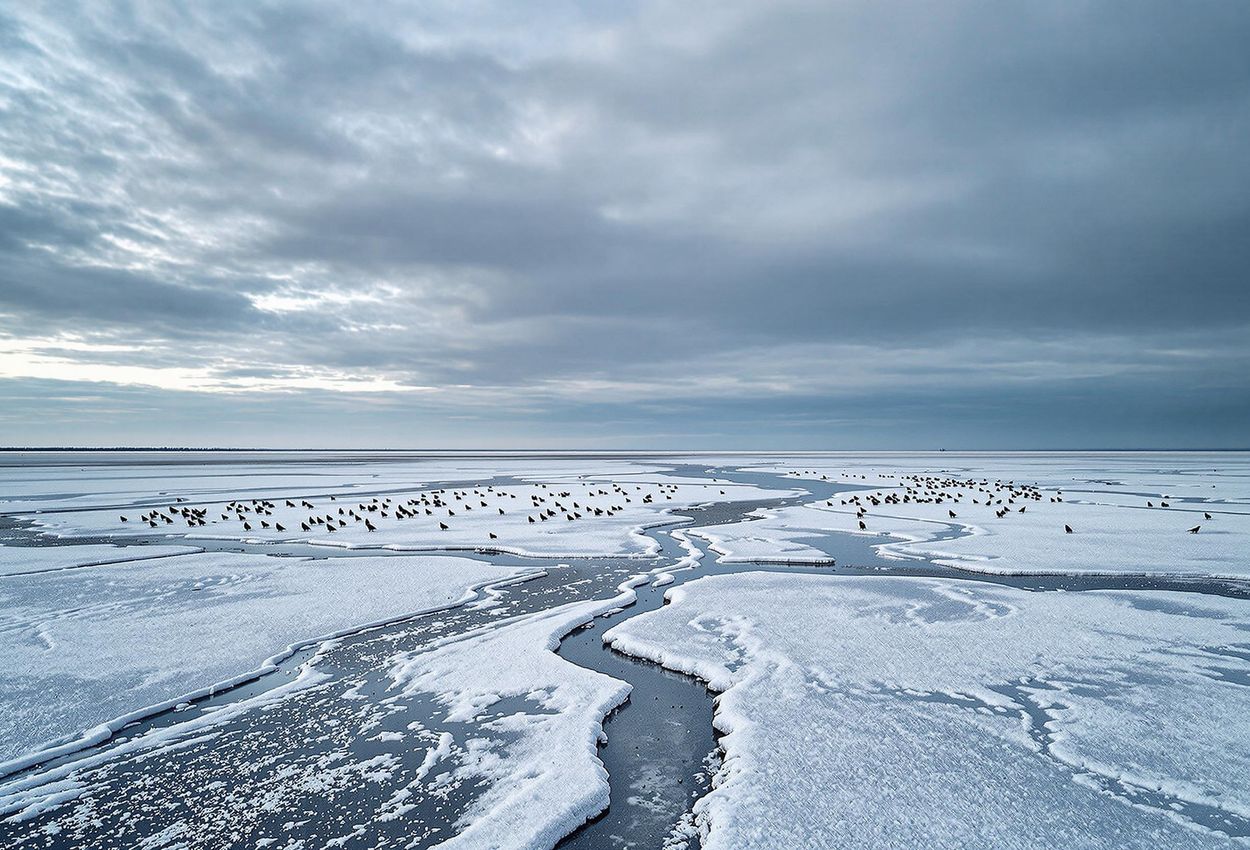
The Wadden Sea National Park transforms into a winter wonderland during the colder months, offering a serene and captivating landscape for nature lovers. The crowds of summer dissipate, leaving behind a sense of tranquility and solitude. The mudflats take on a frosted appearance, and the sky is often filled with dramatic cloud formations.
Despite the cold, the park remains teeming with wildlife. Migratory birds flock to the area, seeking refuge from harsher conditions further north. Keep an eye out for various species of ducks, geese, and waders. Seals can also be observed basking on the sandbanks, their sleek bodies glistening in the winter sun.
One of the most spectacular phenomena to witness in the Wadden Sea during certain times in winter is the 'Black Sun' (Sort Sol) – the mesmerizing murmurations of starlings. Huge flocks of these birds gather in the sky, performing breathtaking aerial displays as they prepare to roost for the night. This natural spectacle is a sight to behold and a testament to the Wadden Sea's importance as a haven for migratory birds. The starlings are typically found in the area from February to mid-April and again from August to December.
When visiting the park, it's essential to respect the natural environment. Stick to marked trails, avoid disturbing wildlife, and leave no trace behind. Hiking and biking are excellent ways to explore the park, allowing you to immerse yourself in the winter landscape at your own pace. For a unique experience, consider joining a 'Dark Hours over the Marsh and Wadden Sea' tour, where you can learn about the park's nocturnal ecology and enjoy local delicacies under the starlit sky.
Our editors` picks of the latest and greatest in travel - delivered to your inbox daily
Relax on the beaches and explore the reefs of Xai-Xai.
View More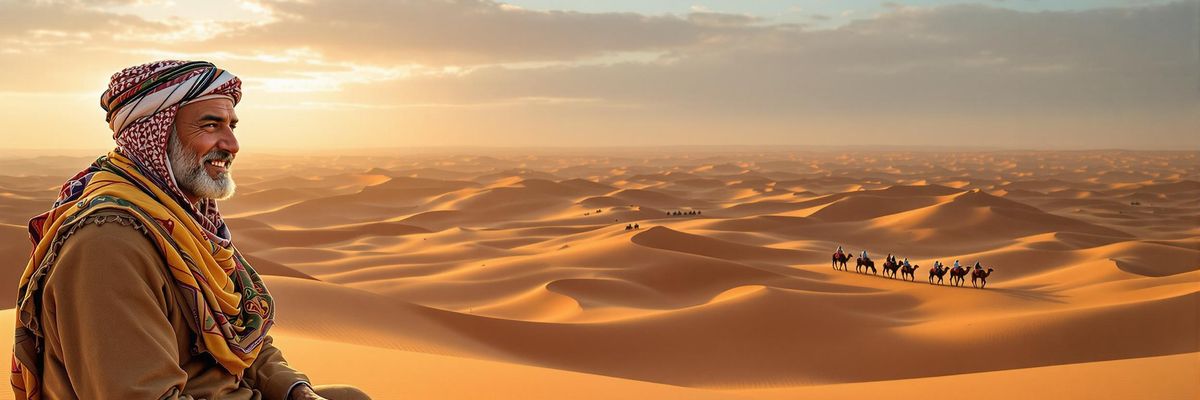
Embrace the cooler temperatures and experience the International Festival of the Sahara in Douz this December.
View More
Celebrate the year-end festivities in Accra, culminating in the vibrant Afrofuture festival.
View More Albania EDITION
 Algeria EDITION
 Argentina EDITION
 Armenia EDITION
 Australia EDITION
 Austria EDITION
 Bangladesh EDITION
 Belgium EDITION
 Belize EDITION
 Benin EDITION
 Bhutan EDITION
 Bolivia EDITION
 Bosnia and Herzegovina EDITION
 Botswana EDITION
 Brazil EDITION
 Bulgaria EDITION
 Burkina Faso EDITION
 Cambodia EDITION
 Cameroon EDITION
 Canada EDITION
 Central African Republic EDITION
 Chad EDITION
 Chile EDITION
 China EDITION
 Colombia EDITION
 Costa Rica EDITION
 Croatia EDITION
 Cyprus EDITION
 Denmark EDITION
 Djibouti EDITION
 Ecuador EDITION
 Egypt EDITION
 El Salvador EDITION
 Eritrea EDITION
 Estonia EDITION
 Ethiopia EDITION
 Finland EDITION
 France EDITION
 Gabon EDITION
 Georgia EDITION
 Germany EDITION
 Ghana EDITION
 Greece EDITION
 Guatemala EDITION
 Guinea EDITION
 Guinea-Bissau EDITION
 Honduras EDITION
 Hungary EDITION
 Iceland EDITION
 India EDITION
 Indonesia EDITION
 Ireland EDITION
 Israel EDITION
 Italy EDITION
 Jamaica EDITION
 Japan EDITION
 Jordan EDITION
 Kenya EDITION
 Kuwait EDITION
 Laos EDITION
 Latvia EDITION
 Lebanon EDITION
 Lesotho EDITION
 Liberia EDITION
 Lithuania EDITION
 Luxembourg EDITION
 Madagascar EDITION
 Malawi EDITION
 Malaysia EDITION
 Maldives EDITION
 Mali EDITION
 Malta EDITION
 Mauritania EDITION
 Mauritius EDITION
 Mexico EDITION
 Mongolia EDITION
 Montenegro EDITION
 Morocco EDITION
 Mozambique EDITION
 Namibia EDITION
 Nepal EDITION
 Netherlands EDITION
 New Zealand EDITION
 Nicaragua EDITION
 Niger EDITION
 Nigeria EDITION
 Norway EDITION
 Oman EDITION
 Pakistan EDITION
 Panama EDITION
 Papua New Guinea EDITION
 Paraguay EDITION
 Peru EDITION
 Philippines EDITION
 Poland EDITION
 Portugal EDITION
 Qatar EDITION
 Romania EDITION
 Rwanda EDITION
 Saudi Arabia EDITION
 Senegal EDITION
 Serbia EDITION
 Singapore EDITION
 Slovakia EDITION
 Slovenia EDITION
 Somalia EDITION
 South Africa EDITION
 South Korea EDITION
 Spain EDITION
 Sri Lanka EDITION
 Suriname EDITION
 Sweden EDITION
 Switzerland EDITION
 Tanzania EDITION
 Thailand EDITION
 Tunisia EDITION
 Uganda EDITION
 United Arab Emirates EDITION
 United Kingdom EDITION
 Uruguay EDITION
 Venezuela EDITION
 Vietnam EDITION
 Zambia EDITION
 Zimbabwe EDITION
Subscribe to our newsletter and get the most captivating travel stories, hidden gems, and expert insights delivered straight to your inbox. As a subscriber, you’ll be first in line for exclusive content, premium offers, and unforgettable travel experiences