


Destination Guide
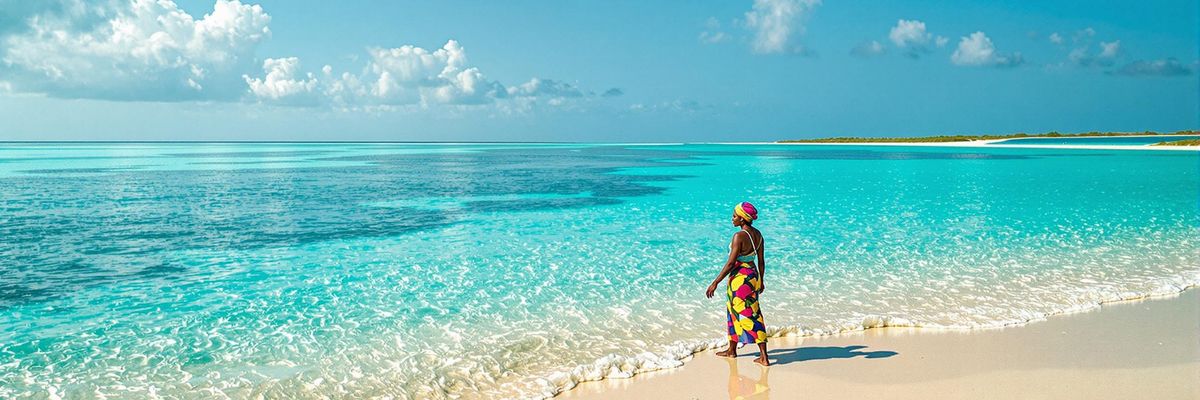
Xai-Xai: A Coastal Retreat
Relax on the beaches and explore the reefs of Xai-Xai.
View More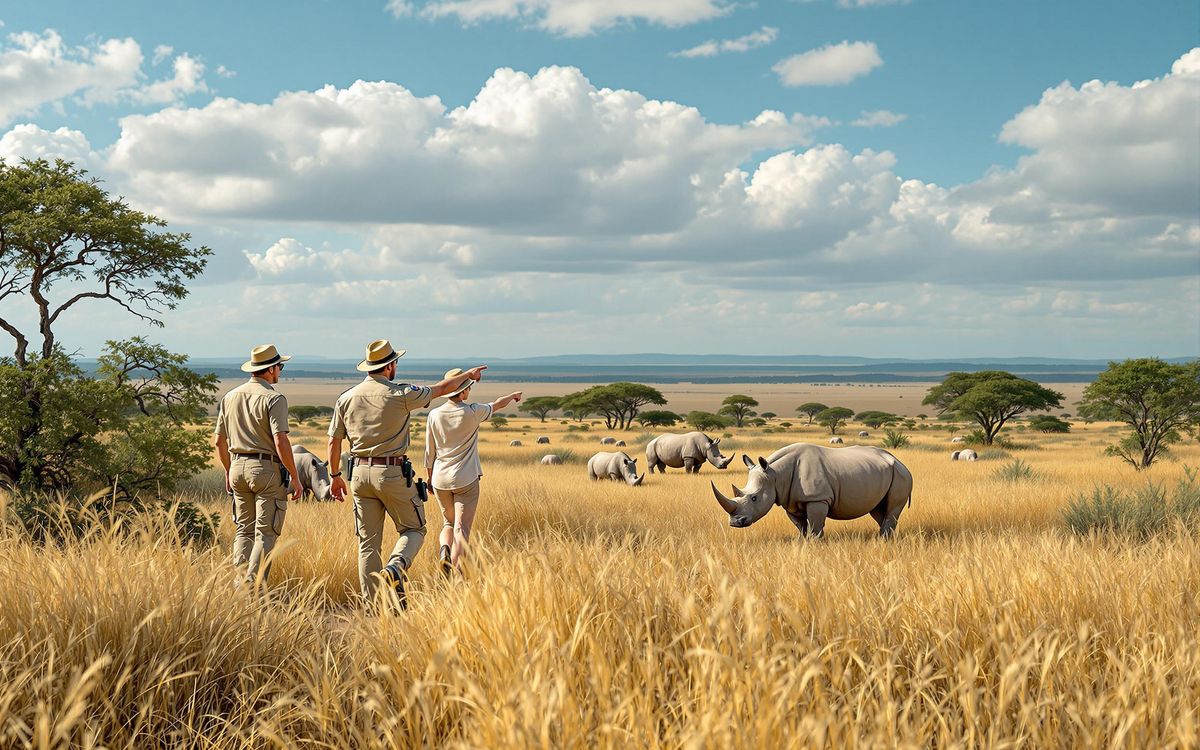

Embark on an unforgettable February safari to Hlane Royal National Park, where you'll witness majestic elephants and rhinos in their natural habitat.
Imagine the thrill of observing these gentle giants up close, surrounded by the unique beauty of Eswatini's largest protected area. This is an adventure that combines the allure of wildlife with a commitment to conservation, offering an immersive experience you won't soon forget.
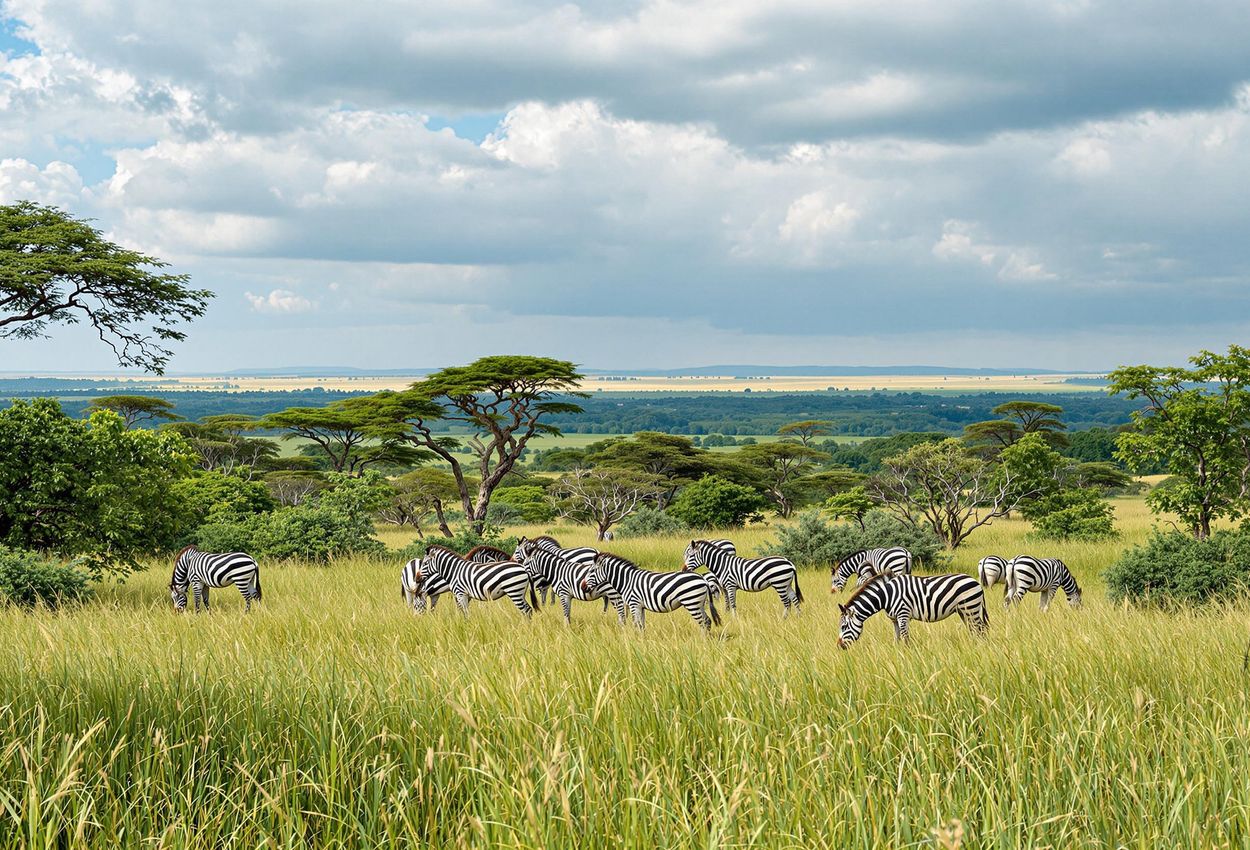
February in Hlane Royal National Park is a time of subtle transformation, a gentle awakening of the wilderness.
The weather in February offers comfortable temperatures, with average highs around 73°F and lows around 55°F. While there's a chance of rain for about half the month, these showers typically come in the afternoon, leaving the mornings and evenings clear for exploration. The occasional downpour brings a refreshing coolness, washing over the landscape and awakening the senses. The scent of rain on the savanna fills the air, mingling with the earthy aroma of the bush, creating an intoxicating fragrance that defines the African wilderness. The humidity hangs heavy, a palpable presence that adds to the feeling of being enveloped by nature.
Located in the northeast of Eswatini, Hlane Royal National Park stands as the country's largest protected area, spanning 22,000 hectares. Its significance extends beyond its size, as it plays a crucial role in conserving Eswatini's natural heritage and cultural identity. The park's diverse ecosystems, ranging from open grasslands to ancient hardwood forests and wetlands, provide a sanctuary for a remarkable array of flora and fauna.
As you traverse the park, keep an eye out for the awakening wildlife. The comfortable temperatures and lush vegetation make February an ideal time for observing animals in their prime. While Hlane is home to the Big Five, this safari will focus primarily on the park's impressive populations of elephants and rhinos. These iconic creatures roam freely within the park, offering unparalleled opportunities for close encounters and unforgettable memories. The sounds of the wilderness come alive in February, with birds chirping, insects buzzing, and the occasional roar of a distant lion adding to the symphony of the savanna.
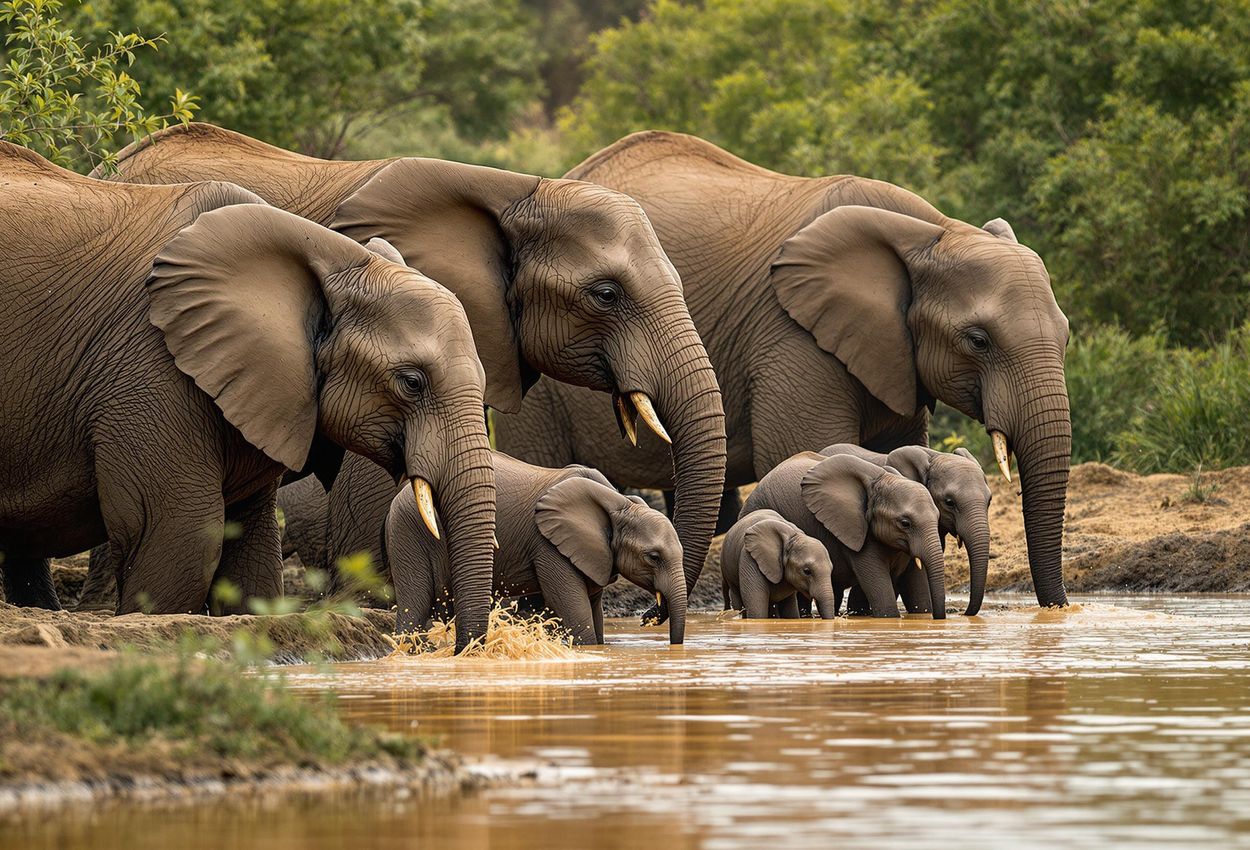
Observing elephants in Hlane Royal National Park is a truly awe-inspiring experience, a chance to witness the majesty and intelligence of these magnificent creatures up close.
As you venture into the park, keep an ear out for the distinctive sounds of elephants – the deep rumbles of their communication, the rustling of branches as they feed, and the playful splashing as they frolic in the waterholes. These sounds create an immersive soundscape that heightens the sense of being in their world. The elephants of Hlane exhibit a range of behaviors, from gentle grazing to playful interactions within their social groups. You might witness a mother tenderly caring for her young, a group of bulls engaging in a mock sparring match, or an entire herd moving purposefully across the landscape in search of food and water.
Elephant sightings are common near the waterholes at Ndlovu Camp, where these gentle giants gather to quench their thirst and socialize. Early morning and late afternoon are often the best times for elephant viewing, as they tend to be most active during these cooler periods. Observing elephants from a safe distance is crucial, both for your safety and for the well-being of the animals. Keep a respectful distance and avoid any actions that might startle or threaten them. Remember, you are a guest in their home, and it's essential to treat them with the respect they deserve.
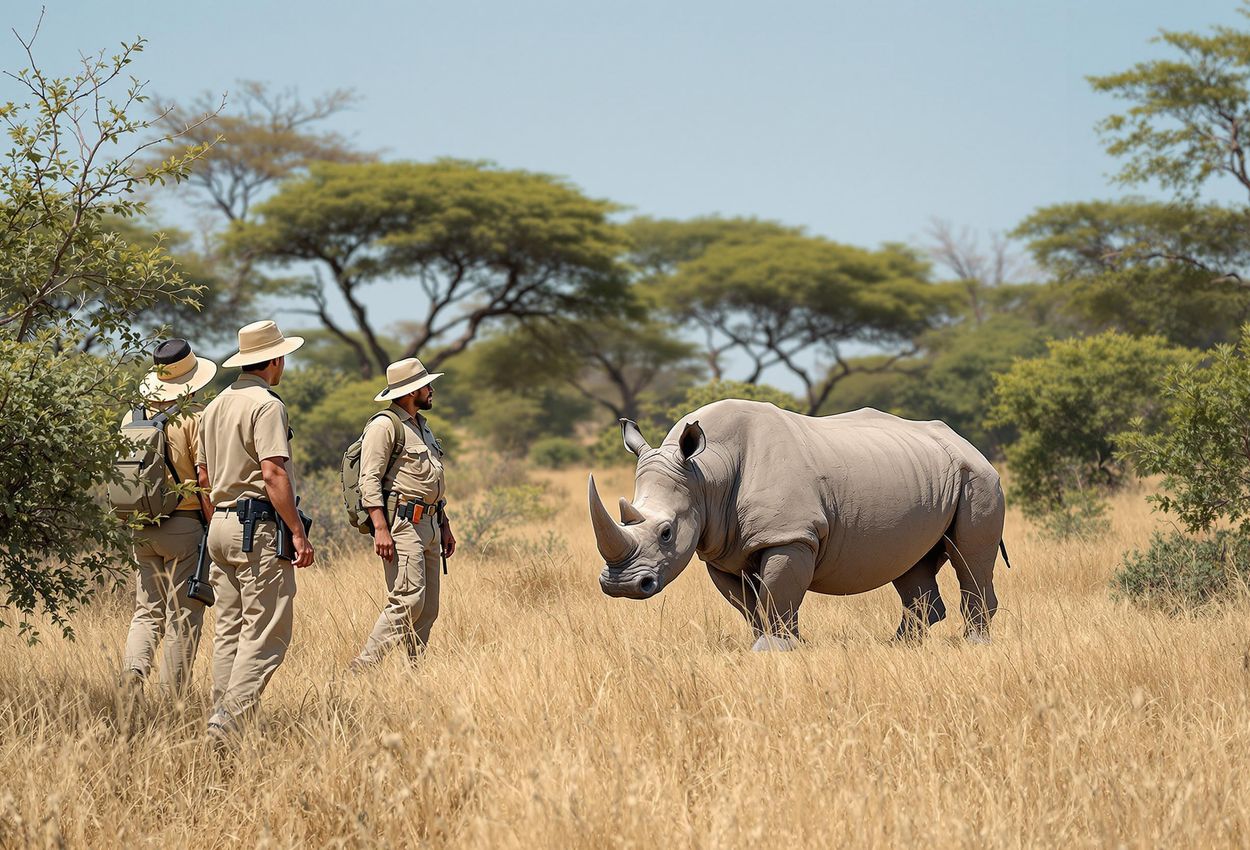
One of the most unique and thrilling experiences in Hlane Royal National Park is the opportunity to embark on a guided walking safari to observe white rhinos.
Approaching these massive animals on foot is an adrenaline-pumping adventure, offering a perspective that is simply impossible to achieve from a vehicle. As you walk, you'll feel the earth beneath your feet, smell the fragrant bush, and hear the rustling of leaves as you approach the rhinos' location. The thrill of the encounter is amplified by the expertise of the guides, who are skilled in ensuring the safety of the group while providing insights into rhino behavior and conservation efforts.
The landscape takes on a different dimension when explored on foot. You'll notice details that you might otherwise miss, from the intricate patterns of animal tracks to the delicate beauty of wildflowers. The guides will share their knowledge of the local flora and fauna, pointing out medicinal plants, identifying animal calls, and explaining the interconnectedness of the ecosystem. Hlane's rhino conservation program has been remarkably successful, contributing significantly to the growth of Eswatini's rhino population. By participating in a walking safari, you're not only experiencing an incredible adventure but also supporting these vital conservation efforts.
While elephants and rhinos may be the stars of the show, Hlane Royal National Park boasts a remarkable array of other species, each contributing to the park's rich biodiversity.
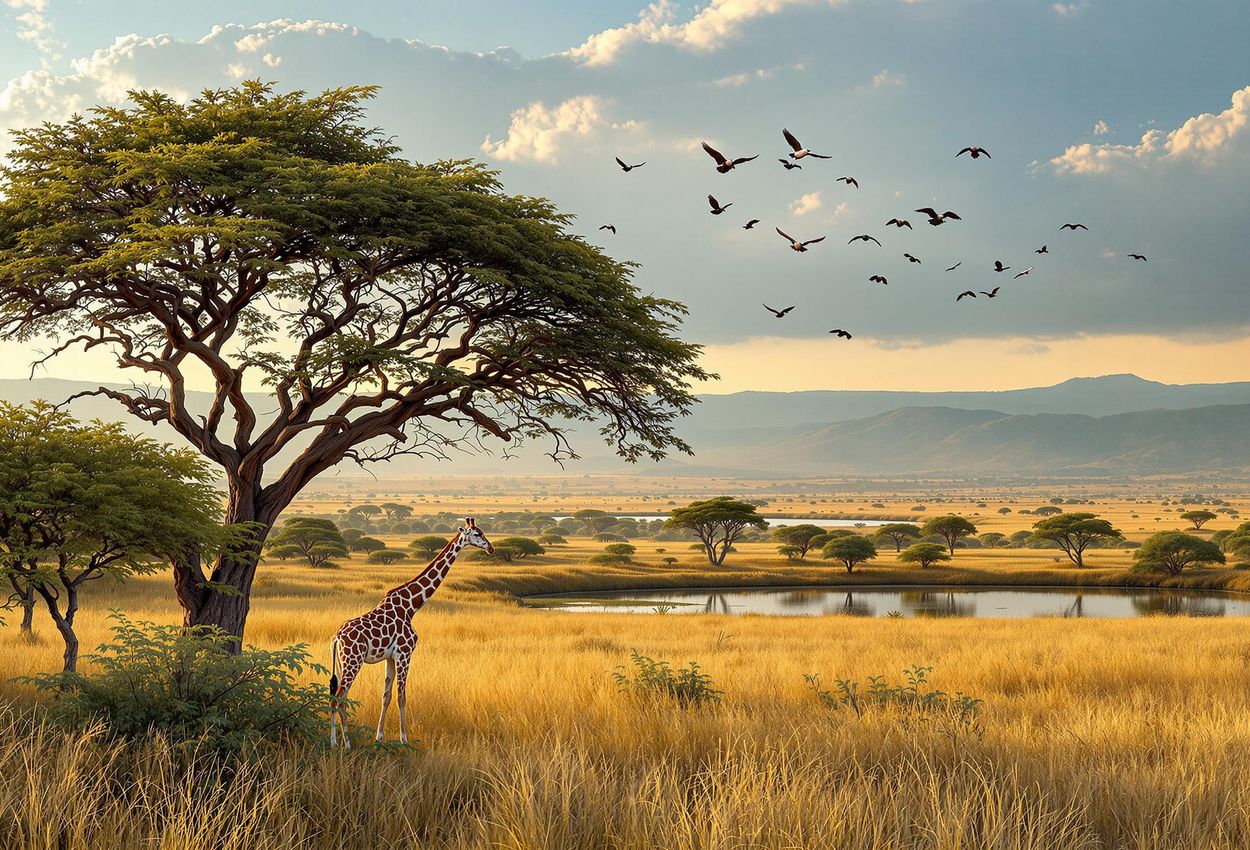
Keep an eye out for giraffes gracefully browsing the treetops, zebras grazing on the open grasslands, and various antelope species, such as kudu and impala, darting through the bush. The park's diverse habitats, including grasslands, hardwood forests, and wetlands, support a wide range of life, creating a vibrant tapestry of nature. Hlane is also an Important Bird Area (IBA), home to over 300 recorded bird species. Birdwatchers will be delighted by the abundance of avian life, from the majestic southern ground hornbill to the scavenging white-backed vulture.
The park's varied habitats create niches for different species, resulting in a complex and fascinating ecosystem. The grasslands provide grazing for herbivores, while the forests offer shelter and shade. The wetlands attract a variety of waterbirds and amphibians, while the rocky outcrops provide habitat for reptiles and small mammals. This intricate web of life underscores the importance of conserving Hlane Royal National Park as a whole, ensuring the survival of all its inhabitants. Exploring beyond the iconic elephants and rhinos reveals the true depth and beauty of Hlane Royal National Park, making it a destination that will captivate nature lovers and adventure seekers alike.
Our editors` picks of the latest and greatest in travel - delivered to your inbox daily
Relax on the beaches and explore the reefs of Xai-Xai.
View More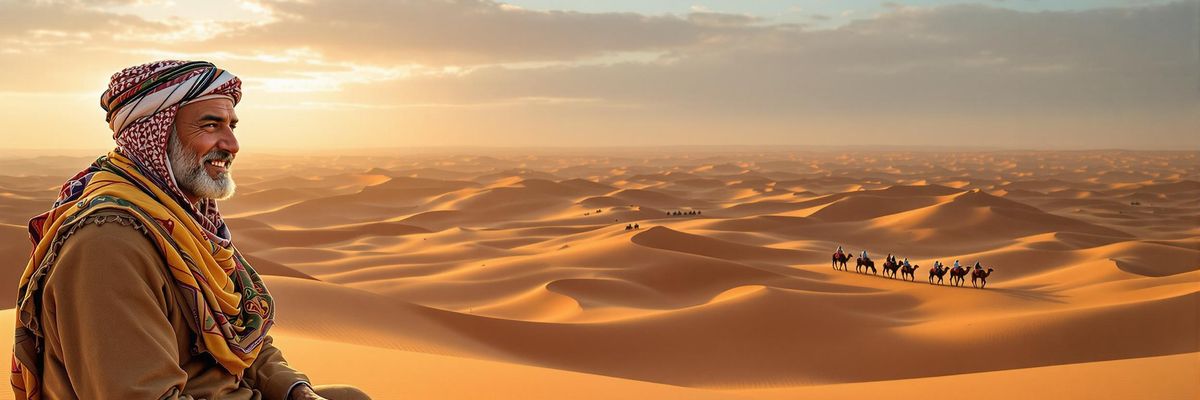
Embrace the cooler temperatures and experience the International Festival of the Sahara in Douz this December.
View More
Celebrate the year-end festivities in Accra, culminating in the vibrant Afrofuture festival.
View More Albania EDITION
 Algeria EDITION
 Argentina EDITION
 Armenia EDITION
 Australia EDITION
 Austria EDITION
 Bangladesh EDITION
 Belgium EDITION
 Belize EDITION
 Benin EDITION
 Bhutan EDITION
 Bolivia EDITION
 Bosnia and Herzegovina EDITION
 Botswana EDITION
 Brazil EDITION
 Bulgaria EDITION
 Burkina Faso EDITION
 Cambodia EDITION
 Cameroon EDITION
 Canada EDITION
 Central African Republic EDITION
 Chad EDITION
 Chile EDITION
 China EDITION
 Colombia EDITION
 Costa Rica EDITION
 Croatia EDITION
 Cyprus EDITION
 Denmark EDITION
 Djibouti EDITION
 Ecuador EDITION
 Egypt EDITION
 El Salvador EDITION
 Eritrea EDITION
 Estonia EDITION
 Ethiopia EDITION
 Finland EDITION
 France EDITION
 Gabon EDITION
 Georgia EDITION
 Germany EDITION
 Ghana EDITION
 Greece EDITION
 Guatemala EDITION
 Guinea EDITION
 Guinea-Bissau EDITION
 Honduras EDITION
 Hungary EDITION
 Iceland EDITION
 India EDITION
 Indonesia EDITION
 Ireland EDITION
 Israel EDITION
 Italy EDITION
 Jamaica EDITION
 Japan EDITION
 Jordan EDITION
 Kenya EDITION
 Kuwait EDITION
 Laos EDITION
 Latvia EDITION
 Lebanon EDITION
 Lesotho EDITION
 Liberia EDITION
 Lithuania EDITION
 Luxembourg EDITION
 Madagascar EDITION
 Malawi EDITION
 Malaysia EDITION
 Maldives EDITION
 Mali EDITION
 Malta EDITION
 Mauritania EDITION
 Mauritius EDITION
 Mexico EDITION
 Mongolia EDITION
 Montenegro EDITION
 Morocco EDITION
 Mozambique EDITION
 Namibia EDITION
 Nepal EDITION
 Netherlands EDITION
 New Zealand EDITION
 Nicaragua EDITION
 Niger EDITION
 Nigeria EDITION
 Norway EDITION
 Oman EDITION
 Pakistan EDITION
 Panama EDITION
 Papua New Guinea EDITION
 Paraguay EDITION
 Peru EDITION
 Philippines EDITION
 Poland EDITION
 Portugal EDITION
 Qatar EDITION
 Romania EDITION
 Rwanda EDITION
 Saudi Arabia EDITION
 Senegal EDITION
 Serbia EDITION
 Singapore EDITION
 Slovakia EDITION
 Slovenia EDITION
 Somalia EDITION
 South Africa EDITION
 South Korea EDITION
 Spain EDITION
 Sri Lanka EDITION
 Suriname EDITION
 Sweden EDITION
 Switzerland EDITION
 Tanzania EDITION
 Thailand EDITION
 Tunisia EDITION
 Uganda EDITION
 United Arab Emirates EDITION
 United Kingdom EDITION
 Uruguay EDITION
 Venezuela EDITION
 Vietnam EDITION
 Zambia EDITION
 Zimbabwe EDITION
Subscribe to our newsletter and get the most captivating travel stories, hidden gems, and expert insights delivered straight to your inbox. As a subscriber, you’ll be first in line for exclusive content, premium offers, and unforgettable travel experiences