


Destination Guide
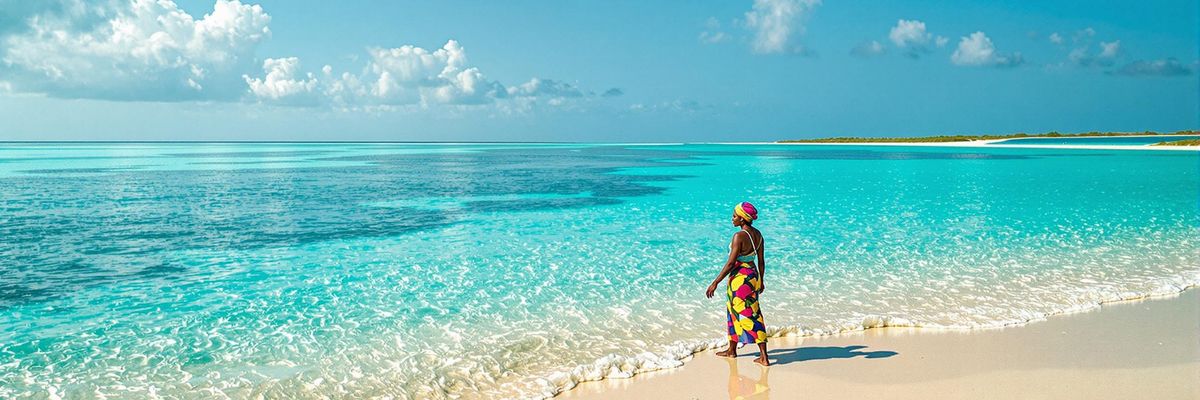
Xai-Xai: A Coastal Retreat
Relax on the beaches and explore the reefs of Xai-Xai.
View More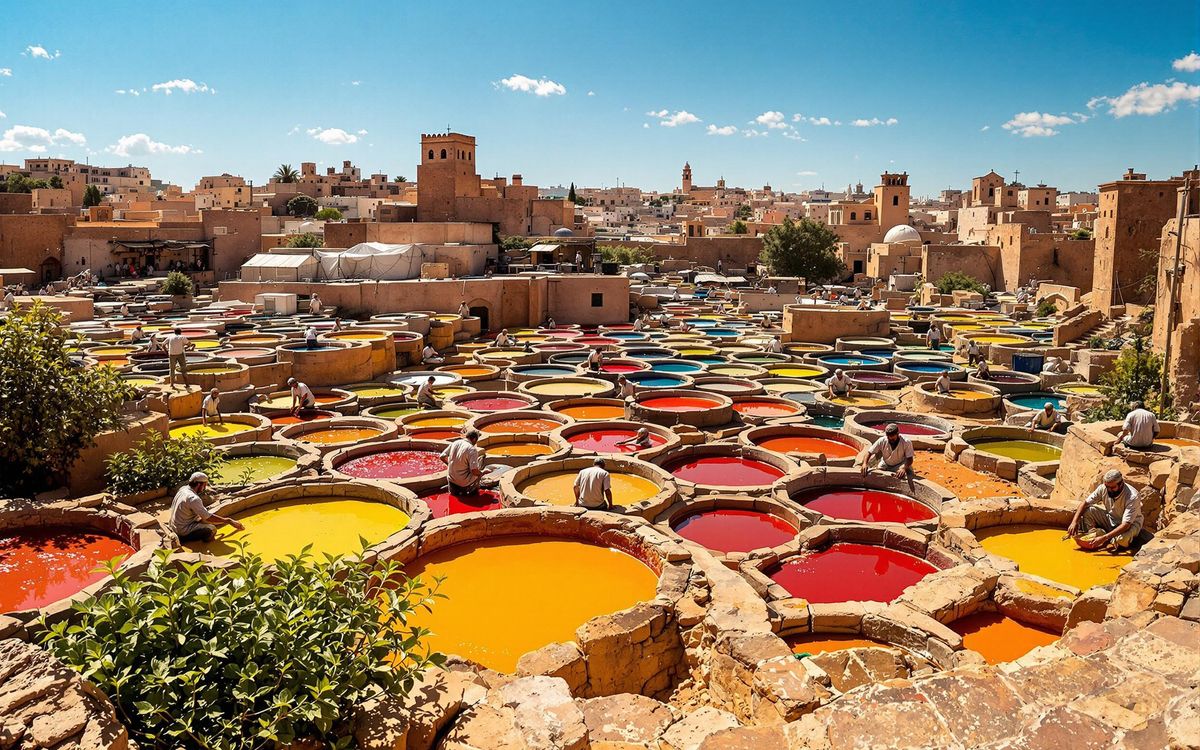

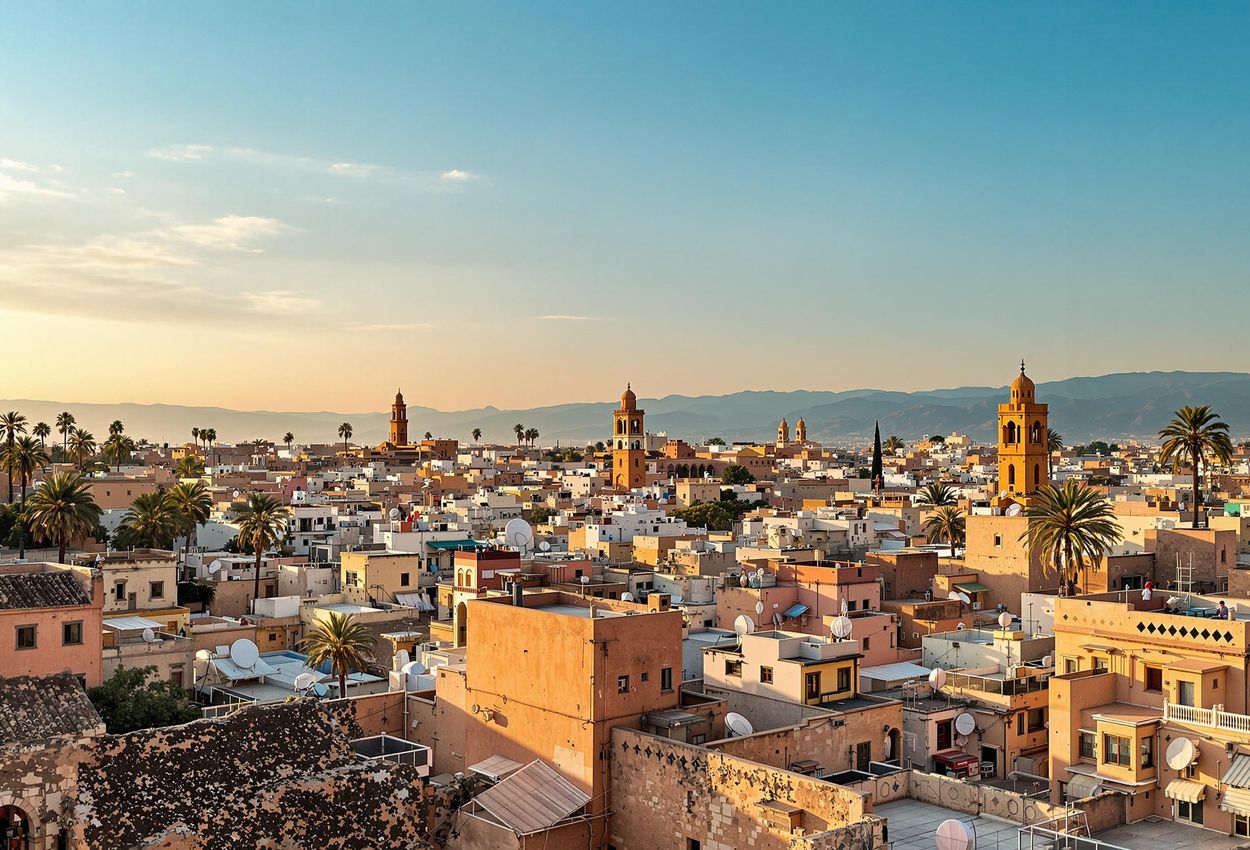
As the summer heat fades, September unveils a more temperate and tranquil side of Fes, inviting travelers to explore its ancient medina and cultural treasures in comfort.
Gone are the sweltering days of August, replaced by a gentle warmth that makes wandering through the labyrinthine streets a pleasure rather than a trial. The crowds have thinned, offering a more intimate experience of this UNESCO World Heritage city. September in Fes is an invitation to slow down, to savor the sensory delights, and to connect with the city's rich history and vibrant culture.
Imagine strolling through the ancient medina under clear, sunny skies, the temperature hovering around a comfortable 31°C (88°F) during the day. As evening descends, a gentle coolness sweeps through the city, with temperatures dipping to a pleasant 18°C (64°F). This is Fes in September: a respite from the summer heat, a welcoming embrace that encourages exploration and discovery.
The transition from summer to autumn brings not only milder temperatures but also a noticeable decrease in tourist crowds. The peak season rush subsides, leaving the city's narrow alleyways and bustling souks less congested. This allows for a more authentic and immersive experience, a chance to connect with local artisans and vendors without the jostling of large tour groups. You can linger longer, engage in conversations, and truly appreciate the intricate details of the city's architecture and craftsmanship.
September boasts reliably clear skies and abundant sunshine in Fes. The days are bright and inviting, perfect for exploring the city's many outdoor attractions, from the panoramic views from the Merenid Tombs to the tranquil gardens of the Batha Museum. The clear evenings are ideal for enjoying rooftop dinners, savoring traditional Moroccan cuisine under a canopy of stars.
This is the ideal time to visit Fes, when the weather is at its most agreeable and the city exudes a sense of calm and serenity. It's an opportunity to discover the magic of Fes at your own pace, to lose yourself in its ancient streets, and to create lasting memories of a truly unforgettable destination.
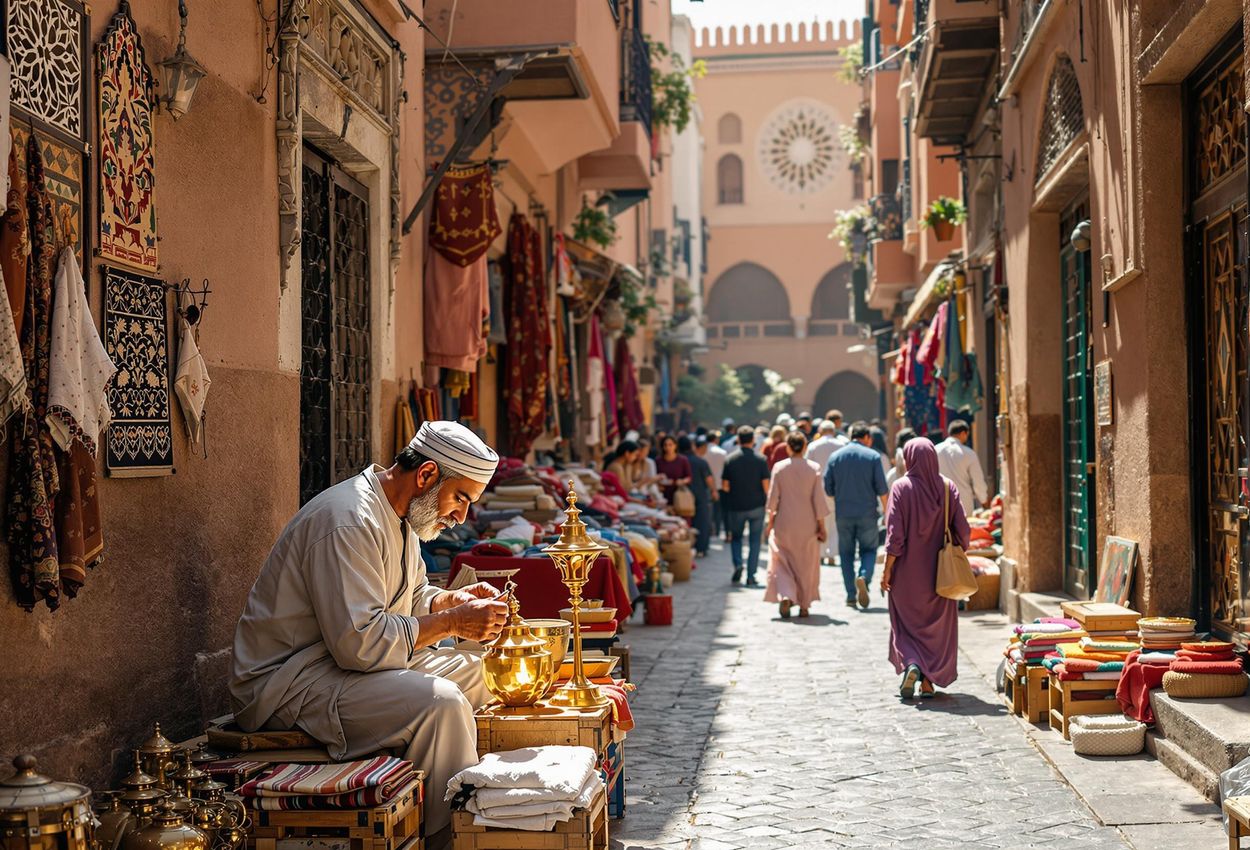
The heart of Fes is its medina, Fes el Bali, a UNESCO World Heritage site and one of the largest car-free urban areas in the world. Stepping through its ancient gates is like stepping back in time, into a world of winding alleyways, bustling souks, and hidden courtyards. Navigating this labyrinth can be daunting, but with a few practical tips, you can confidently explore its many treasures.
While getting lost is part of the adventure, it's helpful to have a sense of direction. Consider using a navigation app like Google Maps to orient yourself, but be aware that GPS signals can be unreliable in the narrow streets. Alternatively, hire a local guide who knows the medina like the back of their hand. They can lead you to hidden gems, share fascinating stories, and help you avoid tourist traps.
The medina is a feast for the senses. The sounds of artisans hammering metal, the calls of vendors hawking their wares, and the melodic strains of traditional music fill the air. The scent of spices, leather, and freshly baked bread wafts from the souks, tantalizing your taste buds. The vibrant colors of the goods on display – from intricately woven carpets to hand-painted ceramics – create a visual spectacle.
Within the medina, several key landmarks are worth exploring. The Al-Qarawiyyin Mosque, founded in 859 CE, is considered one of the oldest universities in the world. While non-Muslims cannot enter the mosque itself, the recently restored library is open to the public. The Al-Attarine Madrasa, a 14th-century theological college, is a stunning example of Marinid architecture, with its intricate tilework, carved stucco, and cedarwood.
Also, look out for the numerous foundouks, traditional hotels for merchants. These historic buildings once provided lodging and storage for traders and their goods, and many have been beautifully restored and now house artisan workshops or cultural centers.
Exploring the medina is an adventure in itself. Embrace the unexpected, allow yourself to get lost, and discover the hidden corners and unexpected treasures that await around every turn.
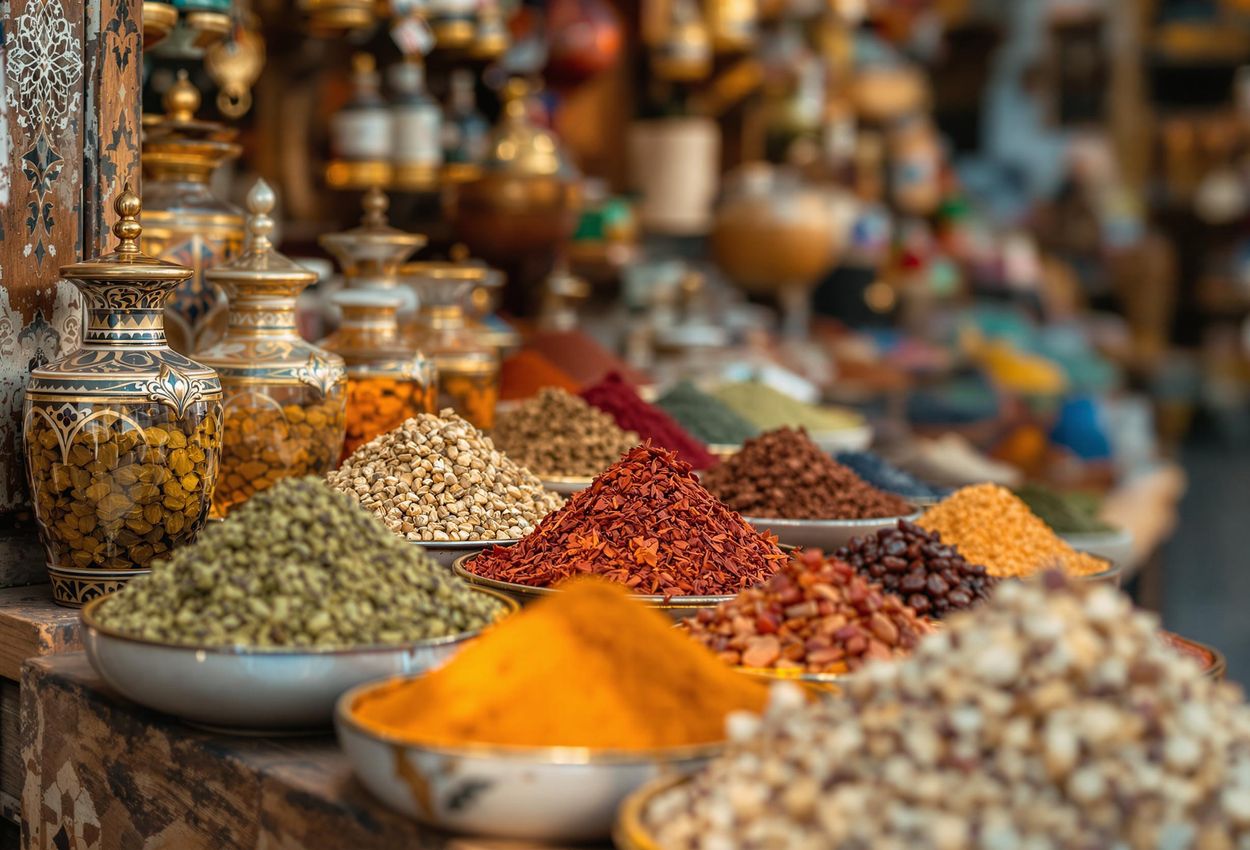
Immerse yourself in a sensory explosion at the Souk al-Attarine, the spice and perfume market in the heart of the Fes medina. This vibrant souk is a feast for the senses, with its colorful displays of spices, herbs, perfumes, and traditional remedies.
As you wander through the narrow aisles, the air is thick with the aroma of exotic spices. Saffron, cumin, ginger, cinnamon, and cloves mingle with the scent of rosewater, amber, and musk. Vendors beckon you to sample their wares, offering fragrant teas, medicinal herbs, and traditional beauty products.
The Souk al-Attarine is not only a place to buy spices and perfumes but also a window into traditional Moroccan culture. Here, you can learn about the medicinal properties of herbs, the art of perfume making, and the cultural significance of spices in Moroccan cuisine and rituals.
Adjacent to the spice market stands the Al-Attarine Madrasa, a jewel of Marinid architecture. Built in the 14th century, this theological college is a masterpiece of intricate design, with its stunning tilework, carved stucco, and cedarwood.
The madrasa served as a center of learning, housing students who came to Fes to study Islamic theology and law. Its location next to the Al-Qarawiyyin Mosque underscores its importance as a center of religious and intellectual life in Fes. The madrasa is open to visitors Monday to Sunday from 8:30 am to 12:30 pm and from 2:30 pm to 6:30 pm.
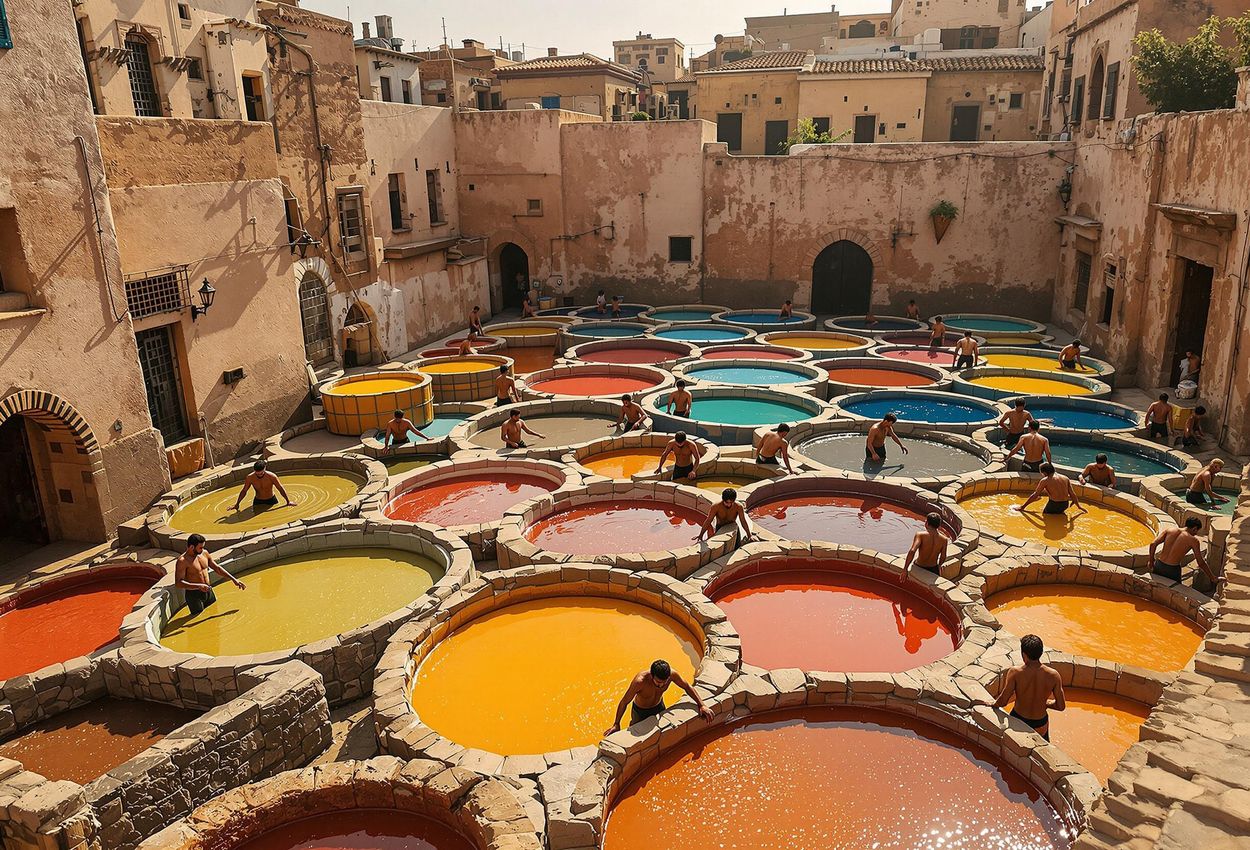
Prepare for a sensory experience like no other as you venture into the Chouara Tannery, one of the oldest and largest leather tanneries in Fes. Here, amidst the pungent smells and vibrant colors, you'll witness a centuries-old tradition of leather making that has changed little over time.
The tannery is a sprawling complex of stone vats filled with colorful dyes and various liquids. Hides of cows, sheep, goats, and camels are processed using traditional methods, from soaking in natural solutions to dyeing with vibrant pigments. The process begins with the soaking of hides in a series of white liquids made from cow urine, pigeon feces, quicklime, salt, and water. This softens the hides and prepares them for dyeing.
The hides are then soaked in dyeing solutions made from natural colorants such as poppy for red, indigo for blue, and henna for orange. The tanners, often knee-deep in the vats, work tirelessly to ensure that the hides are evenly dyed, creating the vibrant colors that characterize Moroccan leather goods.
Be warned: the Chouara Tannery is not for the faint of heart. The strong smells of ammonia and decaying flesh can be overwhelming. Most visitors are offered a sprig of mint to hold under their noses, which helps to mask the odor. The tannery can be viewed from the surrounding terraces. Shops line the perimeter, offering a vantage point from which to observe the process.
After a day of exploring the bustling medina, retreat to the serenity of a traditional Moroccan riad. These luxurious guesthouses, with their interior courtyards, offer a tranquil escape from the city's hustle and bustle. In September, when the crowds have thinned, riads offer an even more intimate and personalized experience.
Fes boasts a wide selection of riads, each with its unique charm and character. Consider a stay at Dar Seffarine, a beautifully restored 600-year-old house with stunning antique features and a sunny rooftop terrace. The riad is known for its communal dinners, offering a chance to connect with other travelers and sample traditional Moroccan cuisine.
Alternatively, Karawan Riad offers an intimate and chic experience, with seven suites furnished with antiques, artwork, and artifacts from around Morocco and Africa. The riad features a hammam, a sundeck, and massage therapy, providing the perfect setting for relaxation and rejuvenation. Riad Fes is another excellent choice, offering a blend of traditional Moroccan elegance and modern comfort. The riad features a gastronomic restaurant, a spa, and a range of personalized services.
Riads are designed to provide a sensory experience, with the sound of water fountains, the scent of orange blossoms, and the cool respite from the medina's bustle. The architecture is characterized by interior courtyards, often adorned with intricate tilework and lush greenery. The personalized service ensures that every guest feels pampered and cared for.

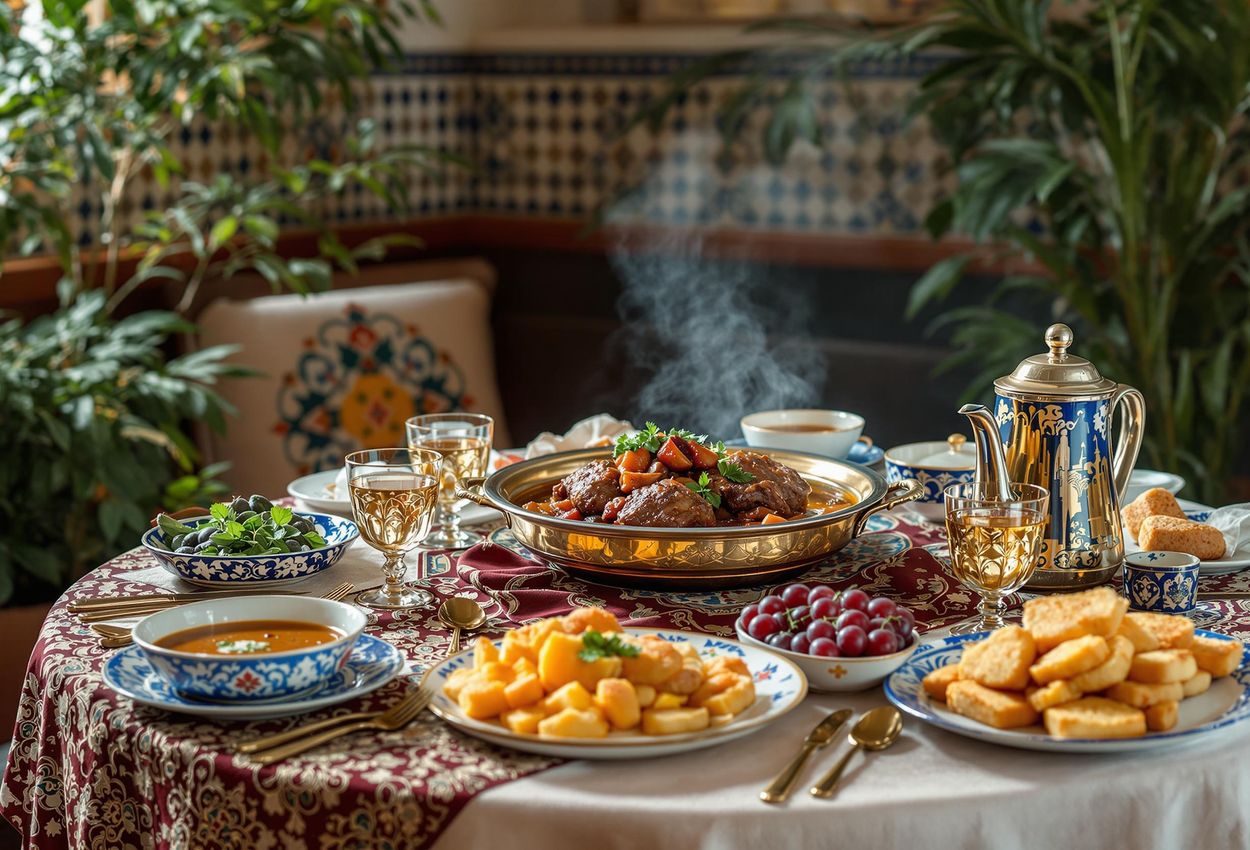
No visit to Fes is complete without indulging in the city's rich culinary traditions. Fassi cuisine is renowned for its complex flavors, aromatic spices, and fresh, seasonal ingredients. In September, the markets are brimming with the bounty of the harvest, offering a tantalizing array of fruits, vegetables, and herbs.
Be sure to try a traditional tagine, a slow-cooked stew of meat or vegetables simmered in a flavorful sauce. Harira soup, a hearty tomato-based soup with lentils and chickpeas, is another Fassi staple. For a truly decadent experience, sample pastilla, a sweet and savory pie filled with pigeon or chicken, almonds, and spices.
September brings a variety of seasonal produce to the markets, including figs, dates, and grapes. These fresh ingredients add a unique flavor to Fassi dishes, making September an excellent time to experience the city's culinary delights.
Several restaurants in Fes are known for their authentic Fassi cuisine. La Maison Bleue is one of the oldest and most stylish traditional Moroccan restaurants in Fes. Restaurant Bab Sahra Fes offers a set menu of traditional dishes at a reasonable price. For a fine-dining experience, visit L'Amandier at Palais Faraj, which offers Fassi cuisine with Mediterranean flavors. Dar Roumana serves Moroccan food with a twist, created by a French-trained chef.
Take a piece of Fes home with you by purchasing traditional Moroccan crafts. The city is renowned for its leather goods, pottery, carpets, and metalwork, all crafted using techniques passed down through generations.
The souks of Fes are the best places to find these artisanal treasures. Explore the Souk Cherratine for leather goods, the Place Seffarine for metalwork, and the Kissaria for carpets. As you wander through the souks, take the time to appreciate the intricate techniques used by local artisans. Watch as leather is dyed in the tanneries, pottery is hand-painted with delicate designs, and carpets are woven with colorful threads.
One of the most distinctive crafts of Fes is its blue pottery. This signature pottery is characterized by its white glaze and cobalt blue designs, a color derived from local stones and mineral rocks. The blue pottery of Fes has its origins in the 9th century. The designs often feature geometric patterns, floral motifs, and calligraphy.
When purchasing crafts, remember that you are not only buying a souvenir but also supporting local craftsmanship. By choosing handmade items, you are helping to preserve traditional techniques and provide a livelihood for artisans and their families.

While September is generally a quieter month in Fes in terms of major festivals, there may be local celebrations and cultural events taking place that offer a glimpse into Fassi culture. Check with the local tourism board or your riad for information on any events happening during your visit.
One event to look out for is the Fes Festival of World Sacred Music, which sometimes takes place in September. This festival brings together musicians and artists from around the world to celebrate the diversity of sacred music traditions. If the festival is held in September, it's a unique opportunity to experience the power of music to transcend cultural boundaries and promote understanding and peace.
Even if there are no major festivals taking place, you can still experience the sounds of Fes by attending a local music performance, visiting a traditional hammam, or simply strolling through the medina and listening to the calls of the vendors and the sounds of daily life. The Imilchil Betrothal Festival is another event that could be taking place in September.
September in Fes offers a unique blend of cultural immersion, sensory delights, and tranquil relaxation. With its comfortable weather, fewer crowds, and rich history, it's the perfect time to discover the magic of this ancient city.

Our editors` picks of the latest and greatest in travel - delivered to your inbox daily
Relax on the beaches and explore the reefs of Xai-Xai.
View More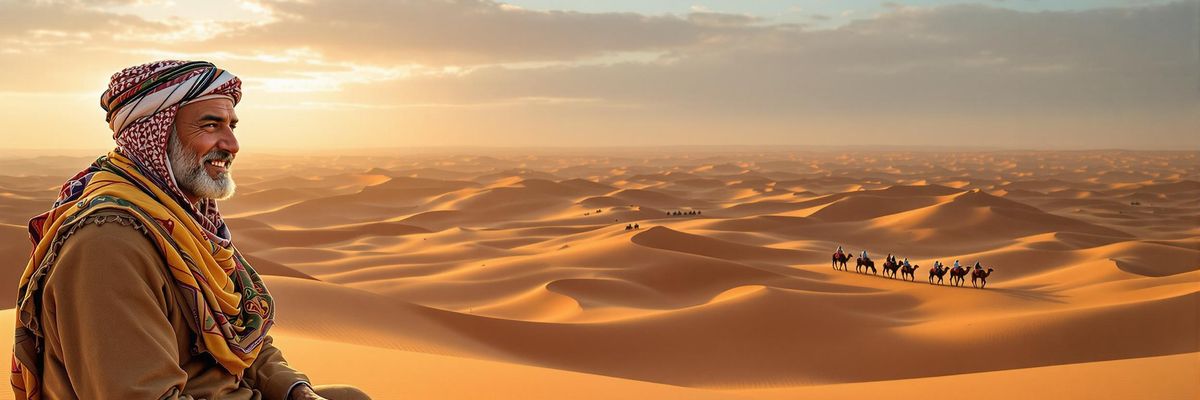
Embrace the cooler temperatures and experience the International Festival of the Sahara in Douz this December.
View More
Celebrate the year-end festivities in Accra, culminating in the vibrant Afrofuture festival.
View More Albania EDITION
 Algeria EDITION
 Argentina EDITION
 Armenia EDITION
 Australia EDITION
 Austria EDITION
 Bangladesh EDITION
 Belgium EDITION
 Belize EDITION
 Benin EDITION
 Bhutan EDITION
 Bolivia EDITION
 Bosnia and Herzegovina EDITION
 Botswana EDITION
 Brazil EDITION
 Bulgaria EDITION
 Burkina Faso EDITION
 Cambodia EDITION
 Cameroon EDITION
 Canada EDITION
 Central African Republic EDITION
 Chad EDITION
 Chile EDITION
 China EDITION
 Colombia EDITION
 Costa Rica EDITION
 Croatia EDITION
 Cyprus EDITION
 Denmark EDITION
 Djibouti EDITION
 Ecuador EDITION
 Egypt EDITION
 El Salvador EDITION
 Eritrea EDITION
 Estonia EDITION
 Ethiopia EDITION
 Finland EDITION
 France EDITION
 Gabon EDITION
 Georgia EDITION
 Germany EDITION
 Ghana EDITION
 Greece EDITION
 Guatemala EDITION
 Guinea EDITION
 Guinea-Bissau EDITION
 Honduras EDITION
 Hungary EDITION
 Iceland EDITION
 India EDITION
 Indonesia EDITION
 Ireland EDITION
 Israel EDITION
 Italy EDITION
 Jamaica EDITION
 Japan EDITION
 Jordan EDITION
 Kenya EDITION
 Kuwait EDITION
 Laos EDITION
 Latvia EDITION
 Lebanon EDITION
 Lesotho EDITION
 Liberia EDITION
 Lithuania EDITION
 Luxembourg EDITION
 Madagascar EDITION
 Malawi EDITION
 Malaysia EDITION
 Maldives EDITION
 Mali EDITION
 Malta EDITION
 Mauritania EDITION
 Mauritius EDITION
 Mexico EDITION
 Mongolia EDITION
 Montenegro EDITION
 Morocco EDITION
 Mozambique EDITION
 Namibia EDITION
 Nepal EDITION
 Netherlands EDITION
 New Zealand EDITION
 Nicaragua EDITION
 Niger EDITION
 Nigeria EDITION
 Norway EDITION
 Oman EDITION
 Pakistan EDITION
 Panama EDITION
 Papua New Guinea EDITION
 Paraguay EDITION
 Peru EDITION
 Philippines EDITION
 Poland EDITION
 Portugal EDITION
 Qatar EDITION
 Romania EDITION
 Rwanda EDITION
 Saudi Arabia EDITION
 Senegal EDITION
 Serbia EDITION
 Singapore EDITION
 Slovakia EDITION
 Slovenia EDITION
 Somalia EDITION
 South Africa EDITION
 South Korea EDITION
 Spain EDITION
 Sri Lanka EDITION
 Suriname EDITION
 Sweden EDITION
 Switzerland EDITION
 Tanzania EDITION
 Thailand EDITION
 Tunisia EDITION
 Uganda EDITION
 United Arab Emirates EDITION
 United Kingdom EDITION
 Uruguay EDITION
 Venezuela EDITION
 Vietnam EDITION
 Zambia EDITION
 Zimbabwe EDITION
Subscribe to our newsletter and get the most captivating travel stories, hidden gems, and expert insights delivered straight to your inbox. As a subscriber, you’ll be first in line for exclusive content, premium offers, and unforgettable travel experiences