


Destination Guide
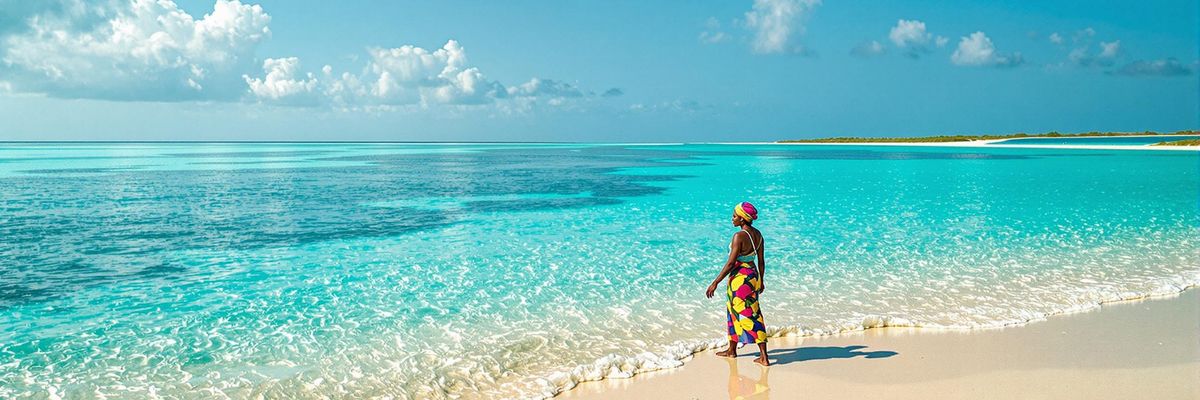
Xai-Xai: A Coastal Retreat
Relax on the beaches and explore the reefs of Xai-Xai.
View More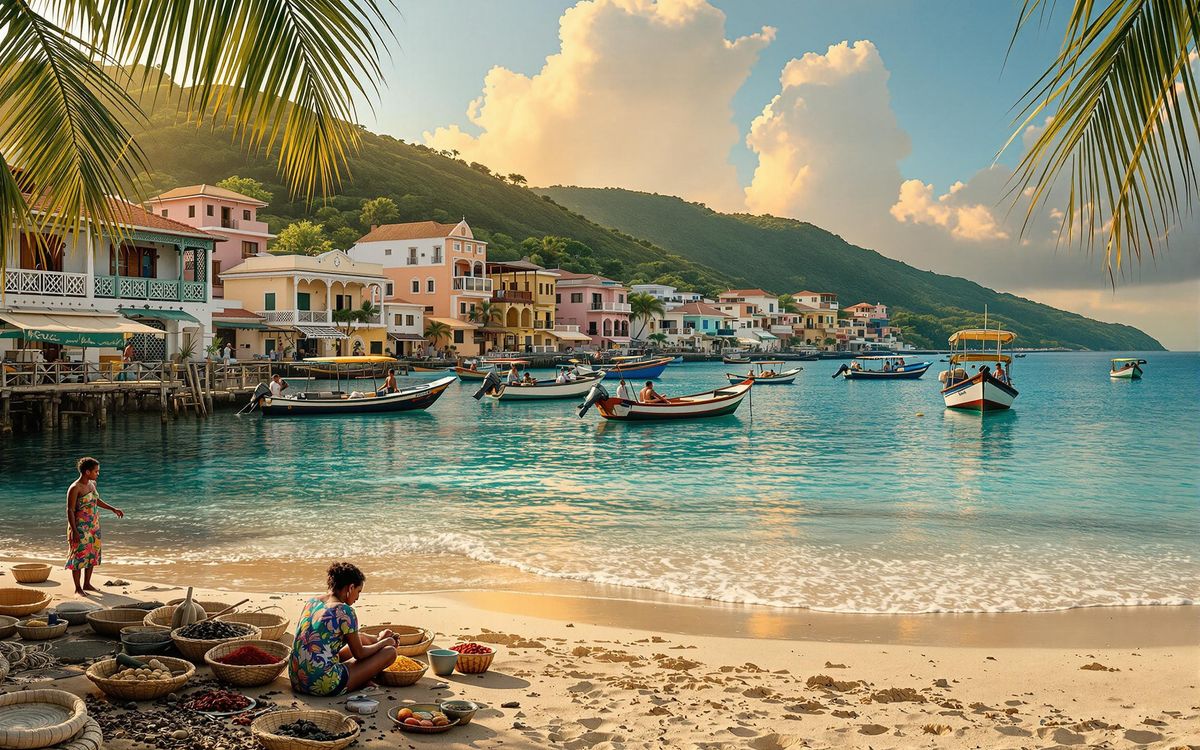

Fomboni, the unassuming capital of Moheli, offers a tranquil introduction to the Comoros, where the rhythm of island life sets the pace for unforgettable adventures.
Nestled on the coast of Moheli, the smallest island in the Comoros archipelago, lies Fomboni, a town where time seems to slow down. Arriving in Fomboni is a sensory experience, a gentle immersion into the heart of Comorian life. The town unfolds with traditional architecture, homes crafted with local materials and techniques that have been passed down through generations. The air carries the salty tang of the Indian Ocean, mingling with the enticing aromas of cloves, vanilla, and ylang-ylang, hinting at the island's rich spice trade.
The main road, the town's central artery, is lined with essential services: the Post Office, banks, and the local hospital, each a testament to Fomboni's role as the island's administrative hub. Yet, despite its importance, Fomboni exudes a quiet, unassuming atmosphere, a stark contrast to the bustling capitals of other nations. The pace is unhurried, the people are welcoming, and a sense of calm pervades the air.
The old market, a hub of local commerce, offers a glimpse into the daily lives of Fomboni's residents. Here, vendors display fresh produce, spices, and handcrafted goods, their voices rising and falling in a melodic cadence as they negotiate with customers. The jetty, reaching out into the azure waters, serves as a reminder of Fomboni's connection to the sea, a lifeline for trade and transportation.
Fomboni is more than just a town; it's an invitation to experience the authentic Comoros, a place where the beauty of simplicity and the warmth of human connection create a lasting impression.

Image Description: A serene, wide-angle shot capturing the Fomboni coastline at early morning. Traditional Comorian fishing boats are gently bobbing in the calm, turquoise water. The soft, diffused light of dawn illuminates the pastel-colored buildings along the shore, showcasing the unique architectural style with ornate wooden balconies. In the background, lush green hills rise gently, hinting at the island's volcanic origins. The sky is painted with soft hues of orange and pink, reflecting off the water and creating a peaceful, idyllic scene. The photo was taken on September 19, 2025.
Wandering through Fomboni is like stepping back in time, where the whispers of history blend seamlessly with the vibrant pulse of modern Comorian life.
A stroll through Fomboni's Old Town is a journey into the heart of its cultural heritage. The narrow streets wind and turn, revealing traditional homes adorned with ornate wooden balconies, a testament to the island's rich architectural traditions. These balconies, often painted in vibrant colors, serve as outdoor living spaces, where residents gather to socialize, relax, and observe the world around them.
The local shops, lining the streets, offer a glimpse into the daily lives of Fomboni's residents. Here, you can find everything from everyday essentials to handcrafted souvenirs, each a unique reflection of Comorian artistry. The air is filled with the sounds of laughter, conversation, and the rhythmic tapping of artisans at work.
The Fomboni Mosque, a central landmark, stands as a testament to the island's Islamic heritage. Its elegant minarets rise gracefully against the skyline, a beacon of faith and a symbol of the town's spiritual identity. The mosque is not only a place of worship but also a gathering place for the community, a hub of social and cultural activity.
The blend of African, Arab, and French influences is palpable in Fomboni's culture, a unique fusion that is reflected in its architecture, cuisine, and traditions. This cultural tapestry is woven into the fabric of daily life, creating a vibrant and dynamic atmosphere.
While the Mwaka Kogwa festival is more prominently celebrated in Zanzibar, elements of similar harvest or new year celebrations may be present in local Comorian traditions. The friendliness of the locals is a defining characteristic of Fomboni. Visitors are greeted with warm smiles and genuine hospitality, a testament to the island's welcoming spirit. The people of Fomboni are proud of their heritage and eager to share their culture with the world.

Image Description: A medium shot capturing a lively street scene in Fomboni's Old Town. Focus on the colorful, traditional homes with ornate wooden balconies. Locals are engaged in everyday activities: chatting, selling goods, and children playing. The Fomboni Mosque is partially visible in the background, its minarets adding to the cultural richness of the scene. The light is warm and inviting, highlighting the vibrant colors and textures of the town. The photo was taken on September 19, 2025.
The market is a microcosm of Fomboni life, where the vibrant energy of local commerce intertwines with the rich tapestry of Comorian culture.
A visit to Fomboni's local market is an immersion into the vibrant heart of the town. The market is a kaleidoscope of colors, sounds, and smells, a sensory feast that captures the essence of Comorian life. Vendors display their wares with pride, their voices rising above the din as they call out to potential customers.
The opportunity to purchase traditional crafts is a highlight of the market experience. Here, you can find intricately woven baskets, hand-carved wooden sculptures, and colorful textiles, each a unique expression of Comorian artistry. These crafts are not only beautiful souvenirs but also a tangible connection to the island's cultural heritage.
Local food and spices are abundant in the market, offering a tantalizing glimpse into Comorian cuisine. The air is thick with the aroma of cloves, vanilla, cinnamon, and nutmeg, a testament to the island's spice trade. Fresh produce, sourced from local farms, is piled high on the vendors' stalls, offering a rainbow of colors and flavors.
The market serves as a central point for local transportation, with taxis and buses (often referred to locally as taxis) converging on the area. This makes the market a hub of activity, a place where people from all corners of the island come to connect, trade, and socialize.
The market is more than just a place to buy and sell goods; it's a social gathering place, a cultural hub, and a vital part of Fomboni's identity.

Image Description: A close-up, candid shot capturing the bustling atmosphere of Fomboni's local market. Focus on a vendor selling spices, with mounds of colorful powders and herbs displayed in woven baskets. The vendor is a friendly, older woman with a warm smile. In the background, blurred figures of shoppers and other vendors create a sense of lively activity. The light is bright and natural, highlighting the textures and colors of the spices and the vendor's traditional clothing. The photo was taken on September 19, 2025.
Fomboni stands as a silent witness to centuries of Comorian history, its streets echoing with tales of sultans, traders, and pivotal moments that shaped the nation.
Fomboni's historical significance as a trading post is evident in its architecture and cultural influences. The town served as a vital link in the maritime trade routes that connected Africa, Asia, and Europe, a hub of commerce and cultural exchange.
The Sultan's Palace, a historical landmark, offers insights into the island's royal past. While perhaps not as grand as European palaces, it reflects the unique architectural style and political history of Moheli's sultans. Exploring its remains provides a glimpse into the lives of those who once ruled the island.
Fomboni holds a special place in Comorian history as the namesake of the 2001 Comorian Constitution, also known as the Fomboni Accords. This agreement, signed in Fomboni, aimed to resolve political conflicts and promote stability in the Comoros, marking a significant moment in the nation's journey towards unity and democracy.
Notable people from Fomboni, such as Salima Machamba, the last Queen of Mohéli, have left their mark on Comorian history. Her story, a tale of royalty, resilience, and political intrigue, adds another layer to Fomboni's rich heritage.
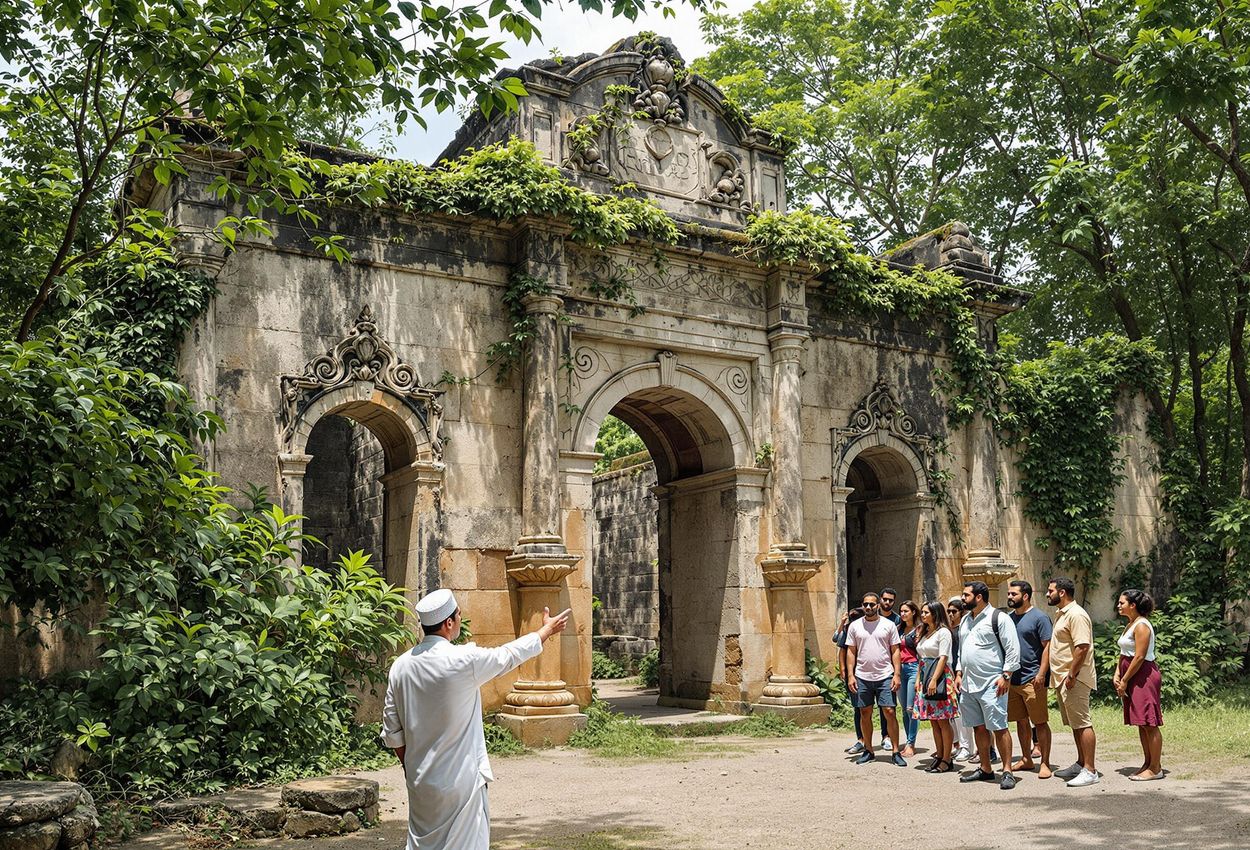
Image Description: A medium shot of the ruins of the Sultan's Palace in Fomboni. The architecture is a blend of Arab and African styles, with crumbling walls and overgrown vegetation. The atmosphere is serene and contemplative, with soft, diffused light filtering through the trees. A local guide is pointing out historical details to a small group of tourists. The photo was taken on September 19, 2025.
Fomboni is the stepping stone to the underwater Eden of Moheli National Park, a realm teeming with vibrant marine life and untouched coral reefs.
Fomboni's proximity to Moheli National Park makes it an ideal base for exploring the island's natural wonders. The park, a protected area encompassing marine, coastal, and terrestrial ecosystems, is a haven for biodiversity.
The park's diverse ecosystems include coral reefs, mangroves, and rainforest, each supporting a unique array of flora and fauna. Snorkeling and diving opportunities abound, allowing visitors to explore the underwater world and witness the beauty of the coral reefs firsthand.
Moheli National Park plays a crucial role as a nesting site for green sea turtles. These gentle creatures, an endangered species, return to Moheli's beaches each year to lay their eggs, a testament to the park's importance for marine conservation. Approximately 30,000 turtle landings occur each year.
Other marine life, such as dolphins and whales, can also be spotted in the park's waters. Humpback whales migrate through the area between July and October to mate and give birth. The park is also home to dugongs, various dolphin species, manta rays, parrotfish, and reef sharks.
The park is home to a population of coelecanths, and is home to varieties of sharks and humpback whales. Other marine species include the dugong, green sea turtle, hawksbill turtle, eight species of dolphins, and two species of bottlenose whales.
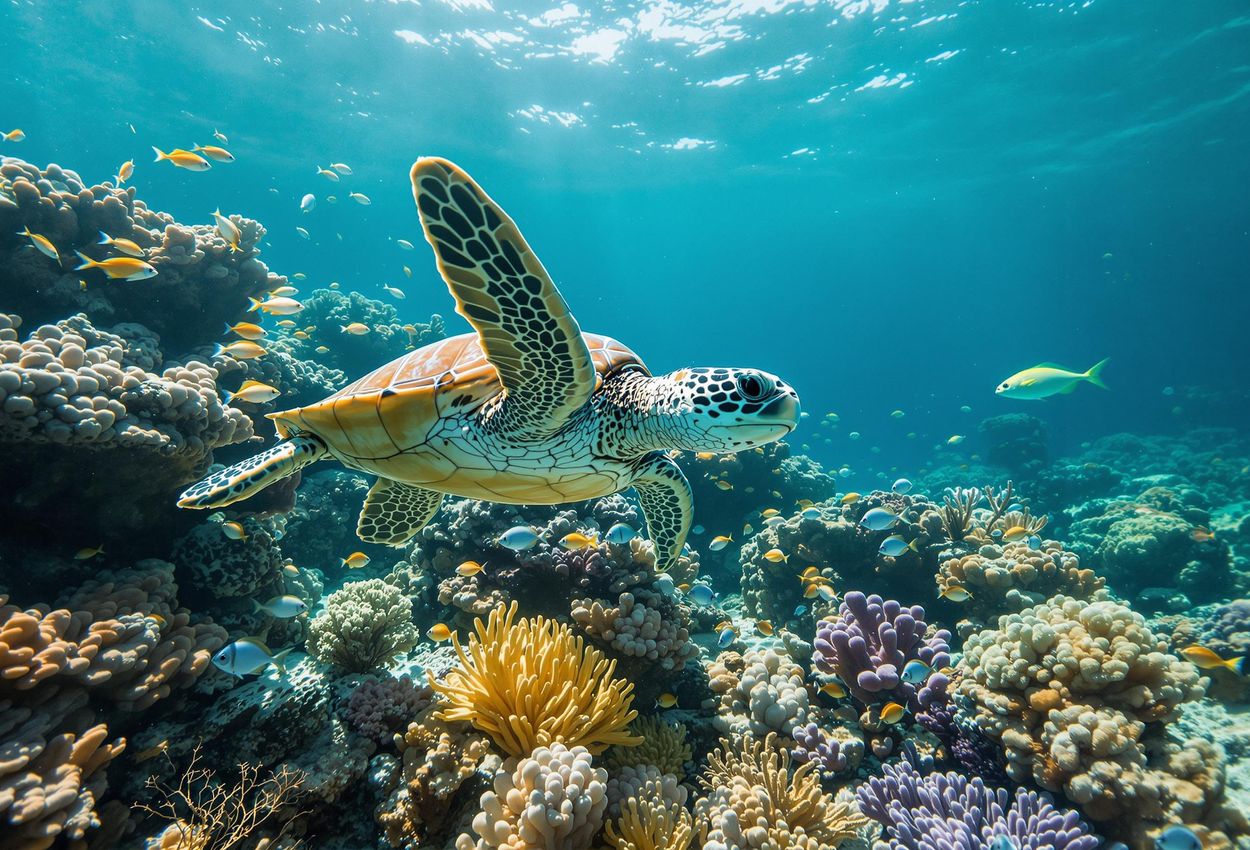
Image Description: An underwater shot capturing a vibrant coral reef within Moheli National Park. Colorful fish swim among the coral formations, and a green sea turtle gracefully glides through the water. The sunlight filters through the surface, creating a shimmering effect. The photo was taken on September 19, 2025.
Beyond Fomboni lies a tapestry of Moheli's natural wonders, inviting exploration and promising unforgettable encounters with the island's pristine landscapes.
Day trips from Fomboni offer the opportunity to discover other parts of Moheli and its natural beauty. Nioumachoua Beach, located on the southern part of the island, is a popular destination, known for its pristine sands and turquoise waters. Here, you can relax on the beach, swim in the ocean, and soak up the sun.
In Ouallah, you can witness the spectacle of Livingston bats, also called Comoro flying fox, in their natural habitat. These large fruit bats, endemic to the Comoros, are a sight to behold as they take flight at dusk. The bats weigh from 500 to 800 grams.
The island's Ylang Ylang plantations offer a sensory experience, filling the air with their sweet, floral fragrance. These plantations, where the fragrant flowers are harvested for their essential oils, provide a glimpse into the island's agricultural heritage.
Mount Mledjele, the island's highest peak, offers panoramic views of the surrounding landscape. A hike to the summit is a rewarding experience, providing a unique perspective on Moheli's natural beauty. The forest is home to native trees Pterophylla comorensis and Khaya madagascariensis.
Wangani Waterfall, nestled within lush vegetation, is a tranquil spot for a refreshing dip. The cascade provides a serene backdrop for relaxation and rejuvenation.
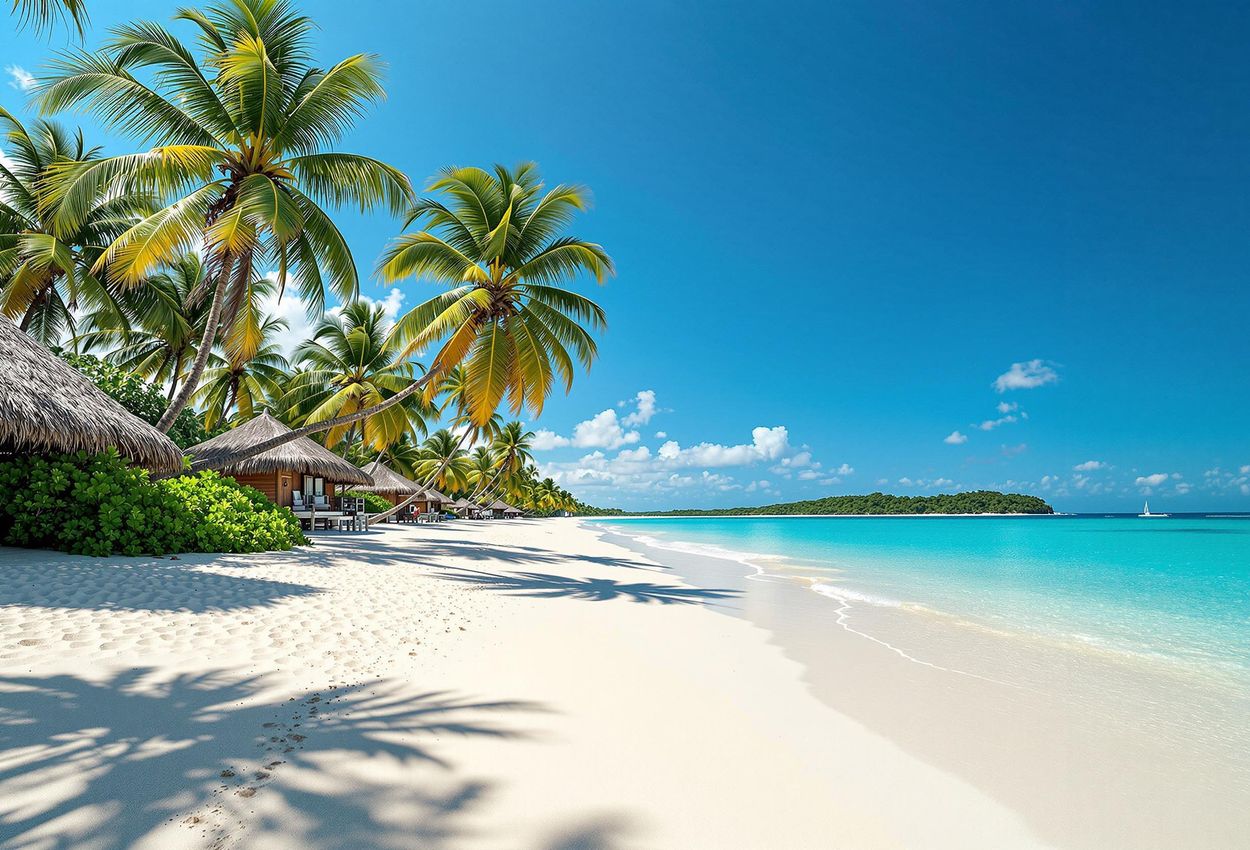
Image Description: A wide-angle landscape shot of Nioumachoua Beach, with its pristine white sands and turquoise waters. Palm trees sway gently in the breeze, and traditional Comorian huts line the shore. In the distance, the silhouette of a small island adds to the idyllic scene. The photo was taken on September 19, 2025.
Navigating Fomboni and Moheli is straightforward, with a range of accommodation and transport options catering to different budgets and preferences.
Accommodations in Fomboni and nearby areas range from budget-friendly guesthouses to more luxurious lodges. Auberge les Abou, located in the heart of Fomboni, offers a cozy retreat with comfortable accommodations and local hospitality. Mohéli Vanilla Lodge in Nioumachoua offers family rooms with private bathrooms, garden or sea views, and modern amenities including air-conditioning and free WiFi.
Transportation options include taxis, buses (referred to locally as taxis), and car rentals. Taxis are readily available in Fomboni, offering a convenient way to get around town and explore the island. Buses, though often crowded, provide an affordable option for traveling longer distances. Car rentals offer the freedom to explore Moheli at your own pace.
Moheli Bandar Es Eslam Airport, located near Fomboni, serves as the island's air gateway. The third largest airport in Comoros, after Moroni's Prince Said Ibrahim International Airport and Anjouan's Ouani Airport. It offers domestic flights to other islands in the Comoros, providing a convenient way to connect to the rest of the archipelago.

Image Description: A photo of the exterior of Mohéli Vanilla Lodge, showcasing its traditional Comorian architecture and lush garden setting. The lodge is nestled amidst palm trees and tropical flowers, creating a serene and inviting atmosphere. A sign with the lodge's name is visible, and a friendly staff member is greeting guests at the entrance. The photo was taken on September 19, 2025.
Our editors` picks of the latest and greatest in travel - delivered to your inbox daily
Relax on the beaches and explore the reefs of Xai-Xai.
View More
Embrace the cooler temperatures and experience the International Festival of the Sahara in Douz this December.
View More
Celebrate the year-end festivities in Accra, culminating in the vibrant Afrofuture festival.
View More Albania EDITION
 Algeria EDITION
 Argentina EDITION
 Armenia EDITION
 Australia EDITION
 Austria EDITION
 Bangladesh EDITION
 Belgium EDITION
 Belize EDITION
 Benin EDITION
 Bhutan EDITION
 Bolivia EDITION
 Bosnia and Herzegovina EDITION
 Botswana EDITION
 Brazil EDITION
 Bulgaria EDITION
 Burkina Faso EDITION
 Cambodia EDITION
 Cameroon EDITION
 Canada EDITION
 Central African Republic EDITION
 Chad EDITION
 Chile EDITION
 China EDITION
 Colombia EDITION
 Costa Rica EDITION
 Croatia EDITION
 Cyprus EDITION
 Denmark EDITION
 Djibouti EDITION
 Ecuador EDITION
 Egypt EDITION
 El Salvador EDITION
 Eritrea EDITION
 Estonia EDITION
 Ethiopia EDITION
 Finland EDITION
 France EDITION
 Gabon EDITION
 Georgia EDITION
 Germany EDITION
 Ghana EDITION
 Greece EDITION
 Guatemala EDITION
 Guinea EDITION
 Guinea-Bissau EDITION
 Honduras EDITION
 Hungary EDITION
 Iceland EDITION
 India EDITION
 Indonesia EDITION
 Ireland EDITION
 Israel EDITION
 Italy EDITION
 Jamaica EDITION
 Japan EDITION
 Jordan EDITION
 Kenya EDITION
 Kuwait EDITION
 Laos EDITION
 Latvia EDITION
 Lebanon EDITION
 Lesotho EDITION
 Liberia EDITION
 Lithuania EDITION
 Luxembourg EDITION
 Madagascar EDITION
 Malawi EDITION
 Malaysia EDITION
 Maldives EDITION
 Mali EDITION
 Malta EDITION
 Mauritania EDITION
 Mauritius EDITION
 Mexico EDITION
 Mongolia EDITION
 Montenegro EDITION
 Morocco EDITION
 Mozambique EDITION
 Namibia EDITION
 Nepal EDITION
 Netherlands EDITION
 New Zealand EDITION
 Nicaragua EDITION
 Niger EDITION
 Nigeria EDITION
 Norway EDITION
 Oman EDITION
 Pakistan EDITION
 Panama EDITION
 Papua New Guinea EDITION
 Paraguay EDITION
 Peru EDITION
 Philippines EDITION
 Poland EDITION
 Portugal EDITION
 Qatar EDITION
 Romania EDITION
 Rwanda EDITION
 Saudi Arabia EDITION
 Senegal EDITION
 Serbia EDITION
 Singapore EDITION
 Slovakia EDITION
 Slovenia EDITION
 Somalia EDITION
 South Africa EDITION
 South Korea EDITION
 Spain EDITION
 Sri Lanka EDITION
 Suriname EDITION
 Sweden EDITION
 Switzerland EDITION
 Tanzania EDITION
 Thailand EDITION
 Tunisia EDITION
 Uganda EDITION
 United Arab Emirates EDITION
 United Kingdom EDITION
 Uruguay EDITION
 Venezuela EDITION
 Vietnam EDITION
 Zambia EDITION
 Zimbabwe EDITION
Subscribe to our newsletter and get the most captivating travel stories, hidden gems, and expert insights delivered straight to your inbox. As a subscriber, you’ll be first in line for exclusive content, premium offers, and unforgettable travel experiences