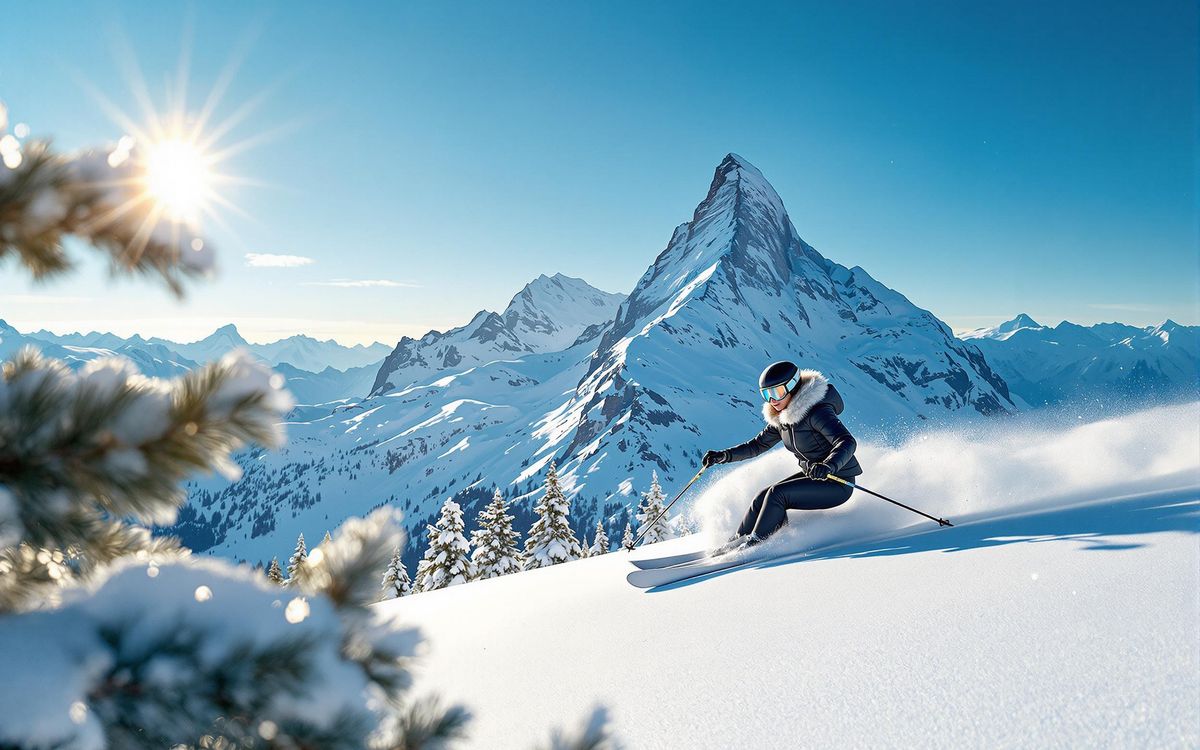
The ski industry stands at a crossroads, facing unprecedented challenges from climate change, shifting demographics, and the need for technological innovation. To thrive, it must embrace change and adapt to ensure a sustainable future for snow sports enthusiasts.
A Slalom Through Shifting Slopes: Climate Change's Icy Grip
Climate change poses an existential threat to the ski industry. Rising temperatures, erratic snowfall, and shrinking glaciers are transforming winter landscapes, impacting resorts worldwide. Studies show a concerning trend: declining snow cover, shorter seasons, and a rising 'zero-degree line' – the altitude where temperatures consistently hover around freezing. These changes directly affect the viability of ski resorts, particularly those at lower elevations or in regions like the Alps and certain areas of North America. The University of Innsbruck and the University of Waterloo found that the U.S. ski industry has already lost over $5 billion in the past two decades (2000-2019) due to human-caused climate change. The average ski season has shortened by 5-7 days, costing the U.S. ski industry an average of US$252 million per year due to lost skier visits and increased snowmaking needs.
The future looks even more precarious. By the 2050s, even with advanced snowmaking, ski seasons are projected to shorten by 14-33 days under a low-emission scenario and 27-62 days in a high-emission scenario. This could lead to losses of $657 million to $1.352 billion annually.  Resorts are not passive bystanders in this crisis. Many are actively adapting through various strategies. Snow farming, the practice of stockpiling natural snow under insulated covers for later use, is gaining traction. Resorts are also investing in energy-efficient snowmaking equipment to reduce their environmental footprint. A growing number are diversifying into year-round activities, offering mountain biking, hiking, and other outdoor pursuits to offset the impact of shorter ski seasons. The International Ski & Snowboard Federation (FIS) recognizes the importance of sustainability, having developed the Sustainability Guide for Ski Resorts to provide support to resorts around the globe. The Sustainability Guide for Ski Resorts presents 14 key initiatives that lay the groundwork for building environmentally resilient ski destinations. These initiatives focus on critical ski resort operations, offering detailed explanations and simple action summaries for sustainable development.
Indoor ski resorts present another innovative solution. Facilities like the L+Snow resort near Shanghai offer controlled environments with guaranteed snow, regardless of external weather conditions. While not a complete substitute for the natural mountain experience, indoor resorts can provide a reliable alternative, especially in regions with limited snowfall. The industry must continue to explore and implement such adaptive strategies to mitigate the impacts of climate change and ensure its long-term survival.
Tech on the Tracks: Innovations Carving a New Path
Technology is revolutionizing the ski industry, enhancing safety, efficiency, and the overall skier experience. Wearable technologies are becoming increasingly popular. Apps like Carv provide real-time coaching through motion-sensing inserts, helping skiers improve their technique and reduce the risk of injury. Smart helmets equipped with impact sensors can detect collisions and alert emergency services, while avalanche safety devices like airbags and transceivers significantly improve survival rates in off-piste situations. Exoskeletons are emerging as assistive devices, enabling older or physically limited individuals to enjoy skiing. These powered exoskeletons reduce strain on joints and muscles, increasing endurance and preventing fatigue-related injuries. 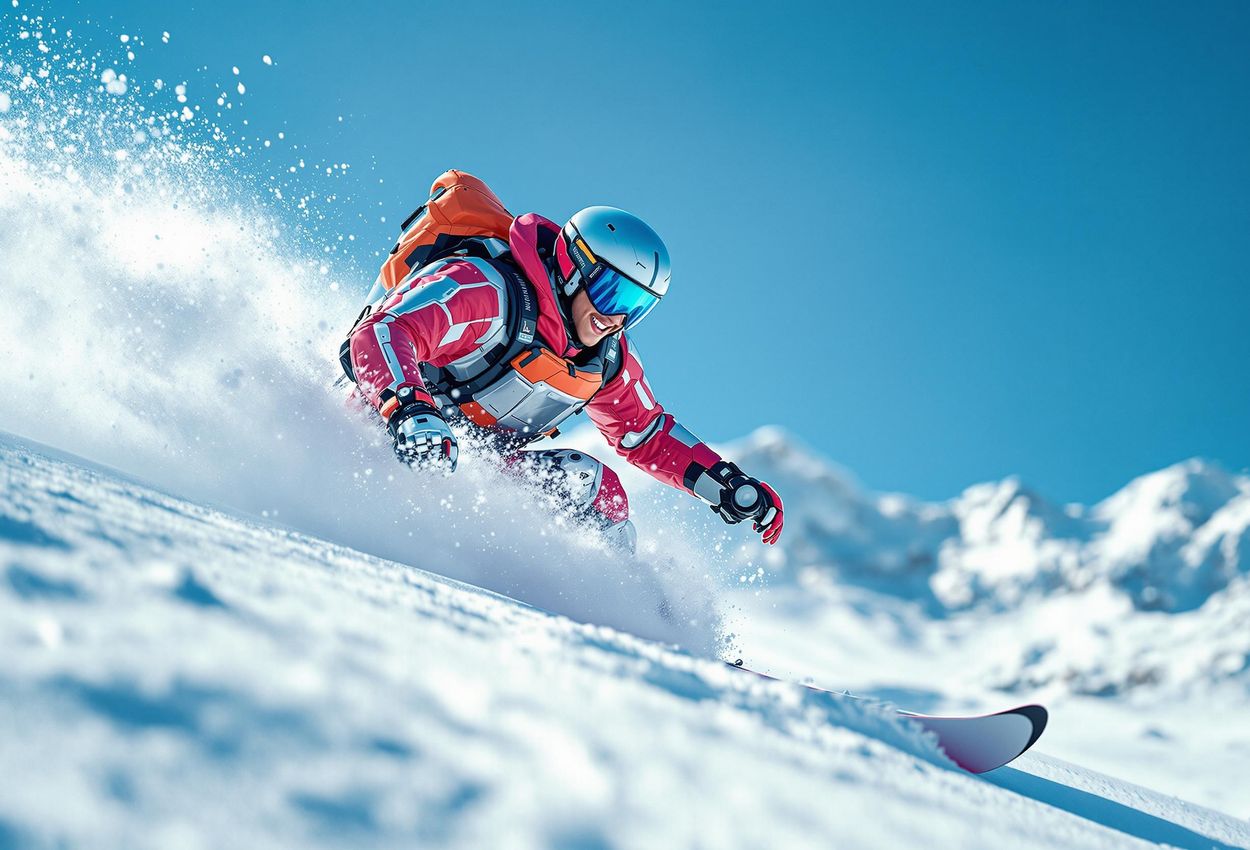 Process automation is streamlining ski resort operations. Automated ticketing systems reduce wait times and improve efficiency. AI-driven snow management optimizes snowmaking, ensuring ideal conditions while minimizing water and energy consumption. Smart lift scheduling systems analyze skier traffic patterns to reduce congestion and optimize lift operations. Robotics are also making inroads, with autonomous grooming machines maintaining slopes, AI-powered drones monitoring avalanche risk, and robotic systems even assisting with food and beverage service.
Several resorts have already embraced these technologies. Zermatt in Switzerland utilizes a fully digital ticketing system with RFID (Radio-Frequency Identification) technology. Skiers can buy their tickets online and save them on their smartphone. When accessing the lifts, the digital tickets are automatically recognized via RFID (Radio-Frequency Identification) technology, making access quick and contactless. Park City in the USA has implemented a smart parking system, using sensors and a mobile app to help visitors find available parking spaces efficiently. These innovations not only enhance the guest experience but also contribute to more sustainable and cost-effective operations. As technology continues to evolve, its role in shaping the future of skiing will only become more pronounced.
Beyond the Powder: Appealing to Changing Demographics
The ski industry faces a demographic challenge. The skier population is aging, and attracting younger generations is crucial for long-term sustainability. Statistics reveal a concerning trend: a declining proportion of young skiers (Gen Z) and an increasing share of older skiers. This generational gap threatens the industry's future if not addressed effectively. The lack of diversity in skiing is another significant issue. The sport has historically been dominated by a specific demographic, limiting its appeal to a broader audience. Snowsports Industries America (SIA) studies have shown greater diversity in snowboarding and cross-country skiing, highlighting the need for targeted efforts to make alpine skiing more inclusive.  To attract Gen Z, the industry must adapt its marketing strategies and embrace the platforms and values that resonate with this generation. Social media platforms like YouTube, TikTok, and Instagram are essential tools for reaching young audiences. Content should be authentic, engaging, and visually appealing, showcasing the excitement and social aspects of skiing. Sustainability and ethical practices are also paramount. Gen Z is deeply concerned about environmental issues and is more likely to support brands that align with their values. Resorts that prioritize sustainability and promote responsible tourism will have a competitive advantage in attracting this demographic.
Creating inclusive environments is equally important. This means addressing the barriers that prevent underrepresented groups from participating in skiing, such as high costs, lack of access, and cultural stereotypes. Offering affordable ski programs, providing transportation from urban centers, and promoting diversity in marketing campaigns can help break down these barriers. By embracing inclusivity and catering to the values of younger generations, the ski industry can ensure its relevance and appeal for years to come. One example of an organization that has made monumental steps toward increasing diversity is The Hoods To Woods Foundation which promotes the outdoors to inner city children through snowboarding.
Sustainability in Snow Business: A Green Slope Ahead
Sustainability is no longer a niche concept but a core imperative for the ski industry. Resorts are increasingly recognizing the importance of minimizing their environmental impact and embracing sustainable practices. This includes investing in renewable energy sources, implementing comprehensive recycling programs, and reducing their carbon footprint. Aspen Snowmass, for example, has set an ambitious goal of achieving net-zero carbon emissions. However, balancing environmental concerns with the carbon footprint of travel and resort construction remains a significant challenge. Sustainable travel options are essential. Encouraging the use of public transportation, promoting carpooling, and providing shuttle services can significantly reduce emissions associated with getting to and from resorts. Some resorts offer incentives for sustainable travel, such as discounts on ski passes for those who arrive by train. Waste reduction strategies are also crucial. Implementing reusable container programs, composting food waste, and actively participating in resort recycling initiatives can minimize the amount of waste sent to landfills. 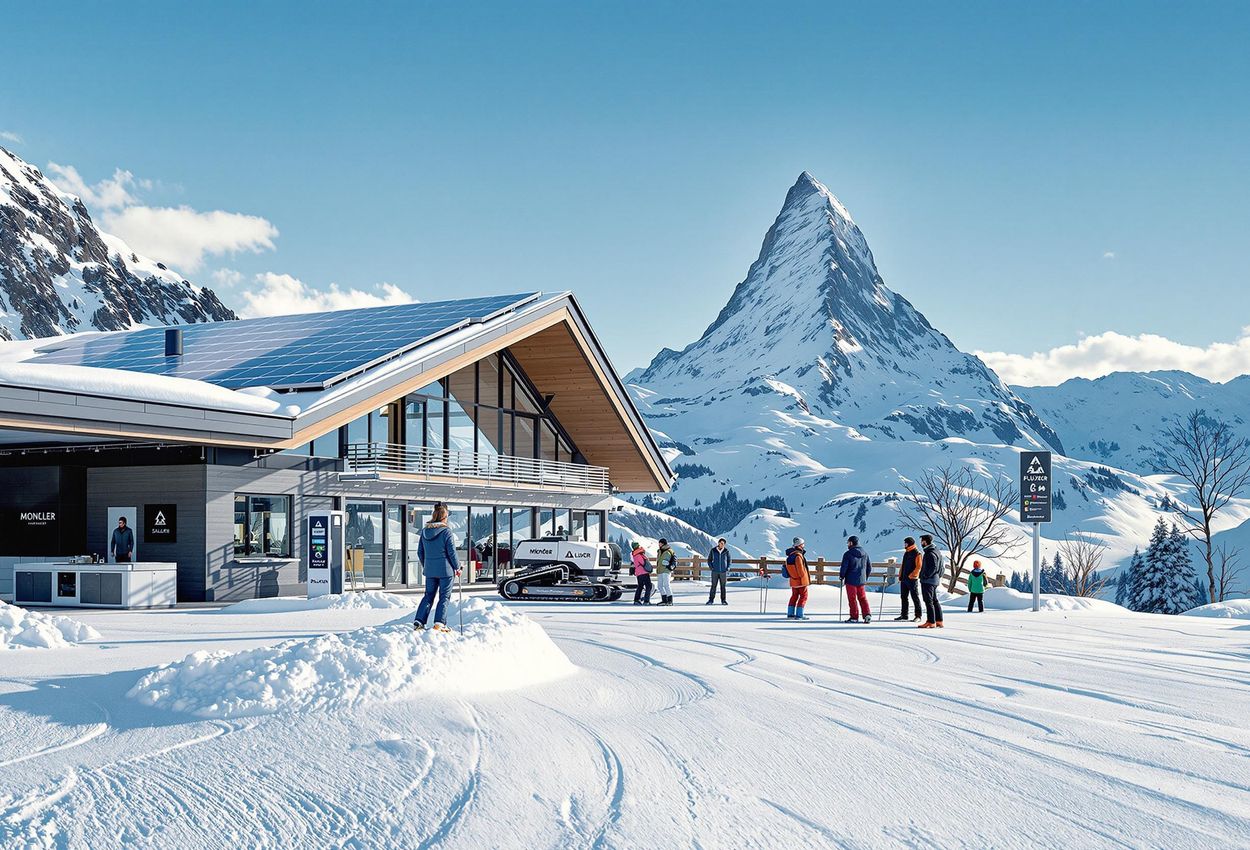 Several organizations are playing a vital role in promoting sustainability within the ski industry. Protect Our Winters (POW) advocates for climate action and educates skiers and snowboarders about environmental issues. The Sierra Club supports conservation efforts and promotes responsible outdoor recreation. By partnering with these organizations and adopting sustainable practices, ski resorts can demonstrate their commitment to environmental stewardship and appeal to environmentally conscious consumers.
The International Ski & Snowboard Federation (FIS) has published its first Sustainability Guide for Ski Resorts, including a 14-point plan to drive down the impact of the industry on the environment. The FIS report says a great deal is being done by ski resorts to champion sustainability. It says: “As skiing continues to surge in popularity, drawing enthusiasts to the slopes, ski resorts have become crucial advocates for a more sustainable and responsible approach to winter sports. With an appreciation for and respect for nature, skiers and ski resorts often champion sustainable progression through innovative practices and adaptive measures, seeking to preserve the natural world and mitigate climate change.”
Expert Opinions: Voices Shaping the Future of Skiing
The future of skiing depends on the insights and actions of industry experts and thought leaders. Climate scientists emphasize the urgency of addressing climate change and its impact on winter sports. They highlight the need for aggressive emission reduction targets and the importance of transitioning to a low-carbon economy. Ski resort operators are at the forefront of adapting to changing conditions and implementing sustainable practices. Their perspectives on snow farming, energy-efficient snowmaking, and diversification strategies provide valuable lessons for the industry. Professional skiers offer unique perspectives on risk-taking behaviors and the role of the industry in promoting safety. They advocate for responsible skiing practices and emphasize the importance of education and awareness.  Marketing experts provide insights on reaching new demographics and creating inclusive environments. They stress the need for authentic storytelling, targeted marketing campaigns, and community engagement to attract a broader audience. Organizations like the National Ski Areas Association (NSAA) and the International Ski and Snowboard Federation (FIS) play a crucial role in providing data, resources, and guidance to the ski industry. Their reports and studies inform decision-making and promote best practices. By incorporating these diverse perspectives and collaborating across sectors, the ski industry can navigate the challenges ahead and build a more resilient and sustainable future.
Chris Davenport, a professional big-mountain skier stated, “The equipment we have now allows us to do things we really couldn't do before, and people's pushing limits has sort of surpassed people's ability to control themselves,” Experts agreed on one element underpinning the trend: an increase in risk-taking behaviors that they said the snow-sports industry has embraced.