


Destination Guide
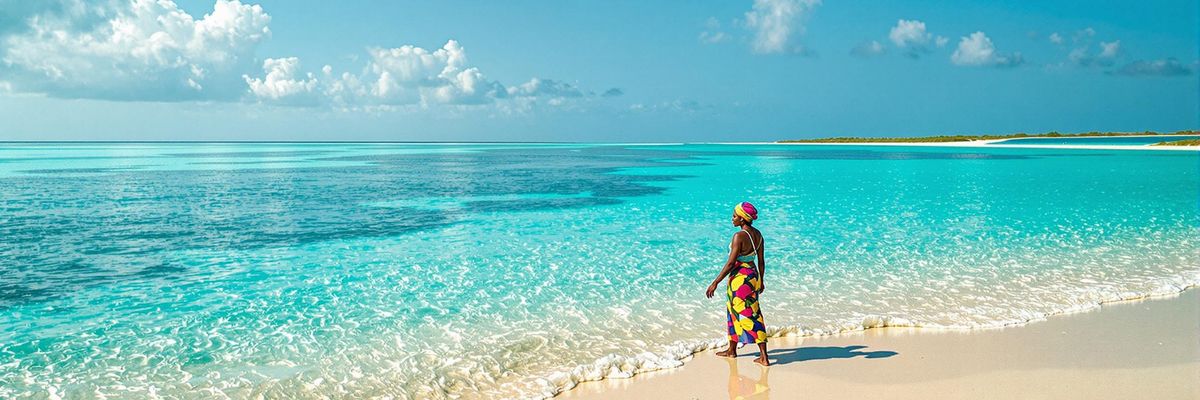
Xai-Xai: A Coastal Retreat
Relax on the beaches and explore the reefs of Xai-Xai.
View More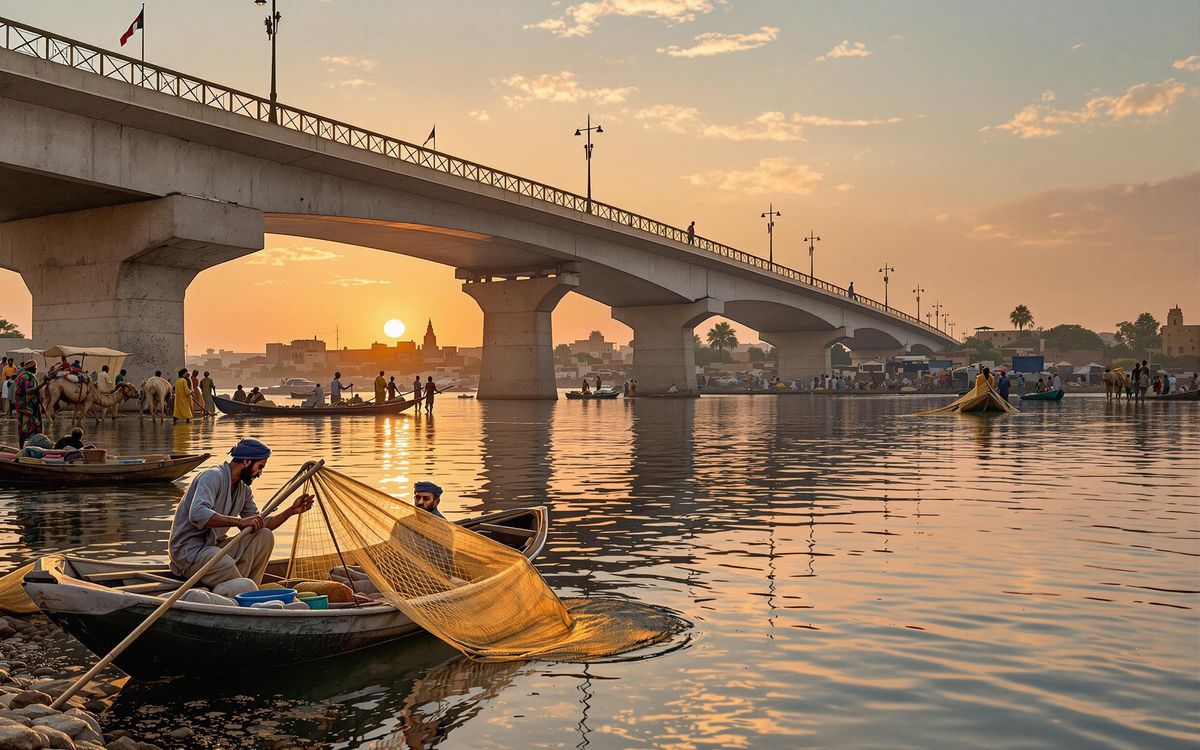

Gao, a city steeped in history and strategically positioned on the edge of the Sahara Desert, whispers tales of ancient empires and bustling trade routes. From its humble beginnings as a fishing settlement to its reign as the capital of the Songhai Empire,
Located on the banks of the Niger River, Gao has been a vital trading hub since the 7th century. The Sorko fishermen, migrating from the south, were the first to recognize the area's potential, establishing a settlement that would evolve into a major commercial center. The river served as a lifeline, facilitating the exchange of goods from across the Sahara and beyond.
Imagine the bustling riverfront, alive with the sounds of merchants haggling over prices and the rhythmic paddling of canoes laden with goods. The air is thick with the aroma of exotic spices, mingling with the earthy scent of the river. Gold from the south, salt from the desert mines, copper, and unfortunately slaves, were all traded here, alongside coveted items like Venetian beads and Damascene sword blades.
Today, the modern Wabaria bridge stands as a testament to Gao's continued importance as a connector. It facilitates the flow of people and goods, linking the city to the wider world while preserving its historical significance as a crossroads of cultures and commerce.
The Niger River still plays a vital role in the life of Gao, providing sustenance and transportation for the local population. Traditional fishing methods coexist with modern transport, creating a vibrant tapestry of old and new. The river remains the heart of Gao, a constant reminder of its rich past and a source of hope for its future.
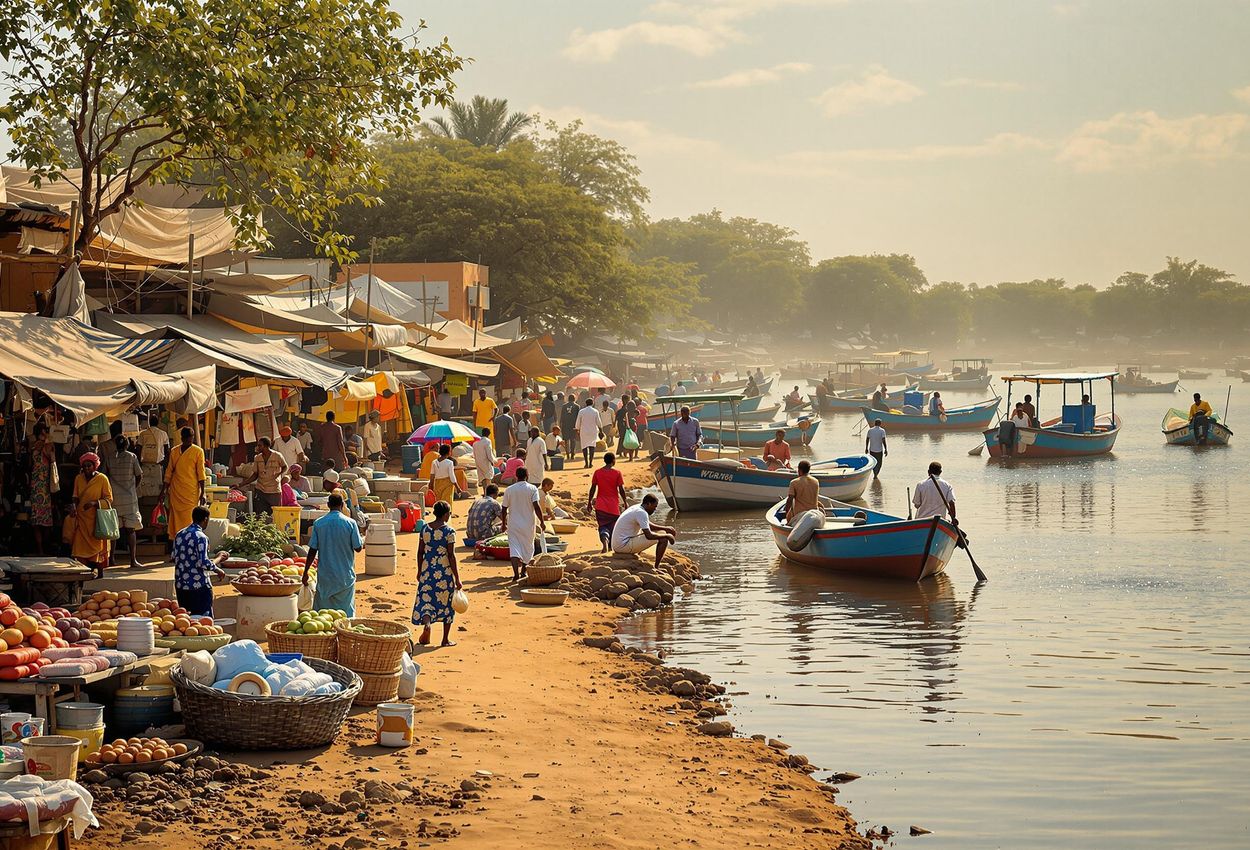
In the 11th century, Gao rose to prominence as the capital of the powerful Songhai Empire. This marked a turning point in the city's history, transforming it from a trading hub into a center of political and cultural influence. The conversion of the king to Islam further solidified Gao's status as a major Islamic center in West Africa.
The city was divided into two distinct districts: a royal quarter, showcasing the opulence and power of the ruling elite, and a residential area, teeming with the everyday lives of its diverse population. The influence of Mansa Musa, the renowned ruler of the Mali Empire, is evident in the construction of the first Friday mosque, a testament to the growing importance of Islam in Gao.
Hidden Gem: Beneath the surface of modern Gao lies a secret: underground vaults containing tombstones dating back to the 12th and 13th centuries. These ancient stones, inscribed with kufic script, offer a tangible link to the city's early Islamic heritage, a hidden treasure waiting to be discovered.
The legacy of the Songhai Empire is still palpable in Gao, a reminder of its golden age as a center of trade, religion, and culture. Exploring the remnants of this glorious past offers a unique insight into the history of West Africa and the enduring spirit of its people.
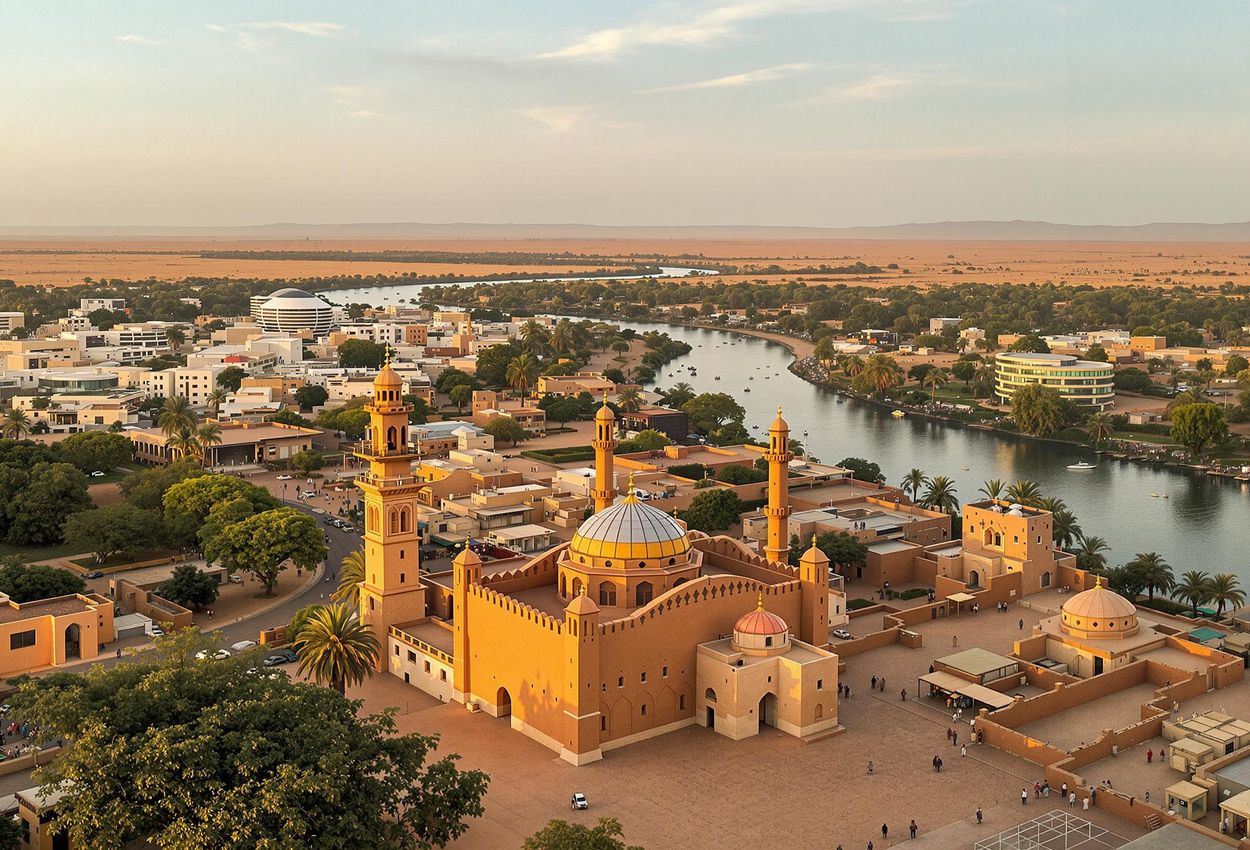
The reign of Askia Mohammed, also known as Askia the Great, marked a new chapter in Gao's history. Ascending to power in the late 15th century, he transformed the city into a thriving metropolis and expanded the Songhai Empire to unprecedented heights.
Askia Mohammed was a visionary leader, who understood the importance of infrastructure and skilled labor. He brought Manding masons to Gao, tasking them with constructing new buildings and expanding the city's architectural landscape. His influence extended beyond the physical realm; his pilgrimage to Mecca earned him the title of Caliph of the Tekrur, solidifying his religious authority and further enhancing Gao's prestige.
During the rule of Askia al-Hajj II, it was estimated that Gao boasted an impressive 7,626 houses, a testament to the city's prosperity and growth under the Askia dynasty. The legacy of Askia the Great continues to resonate in Gao, a reminder of the city's golden age as a center of power, learning, and architectural innovation.

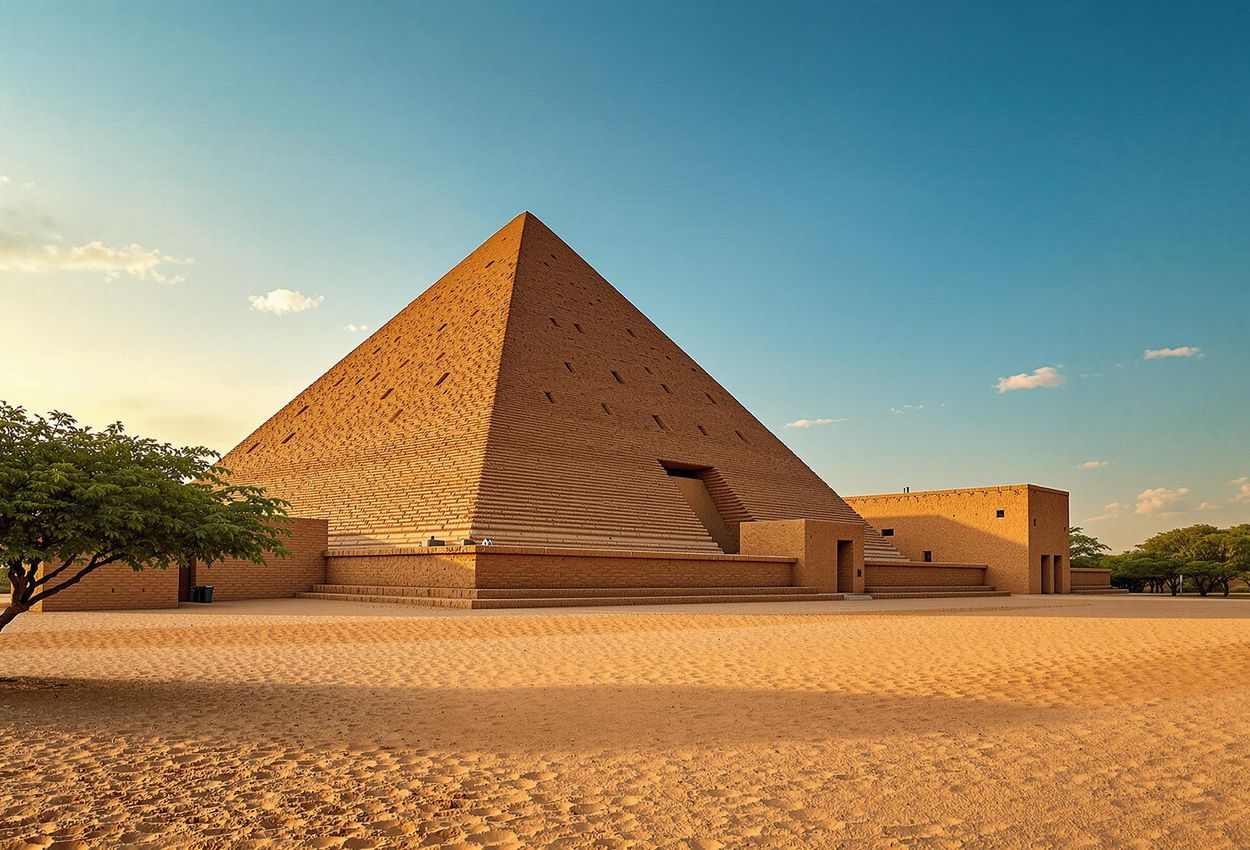
The Tomb of Askia, a UNESCO World Heritage Site, stands as a magnificent example of Sudano-Sahelian architecture and a lasting tribute to Askia Mohammed. Constructed in 1495, this imposing mud-brick structure reflects the power and wealth of the Songhai Empire.
The tomb is more than just a burial place; it is a complex comprising a pyramidal structure, mosques, a cemetery, and an assembly ground. The pyramidal tower, reaching a height of 17 meters, dominates the landscape, a testament to the architectural prowess of the Songhai builders. The mud-brick construction, meticulously maintained through regular replastering, showcases the ingenuity and resourcefulness of the local artisans.
Imagine the feel of the sun-baked mud bricks, the intricate patterns etched into the walls, and the panoramic view from the top of the pyramid. The surrounding landscape, a blend of desert and riverine vegetation, adds to the tomb's mystique, creating a truly unforgettable sensory experience. The Tomb of Askia is not just a historical monument; it is a living testament to the enduring cultural heritage of Gao and the Songhai Empire.
Gao serves as a gateway to the vast expanse of the Sahara Desert, offering a unique opportunity to experience the raw beauty and stark landscapes of this iconic region. Venturing into the desert, one can embark on camel rides, traversing the undulating dunes and witnessing the mesmerizing sunsets that paint the sky in vibrant hues.
The Tuareg people, with their distinctive blue robes and nomadic lifestyle, inhabit the desert regions surrounding Gao. Experiencing their traditional way of life, adapted to the harsh desert environment, provides a fascinating glimpse into a culture deeply intertwined with the Sahara.
Important Note: Due to ongoing security concerns and travel restrictions, it is crucial to exercise caution and seek guidance from local authorities and reputable tour operators before venturing into the desert regions surrounding Gao. Engaging experienced local guides is highly recommended to ensure a safe and enriching experience.
While the allure of the Sahara is undeniable, it is essential to prioritize safety and respect local customs. With proper planning and guidance, exploring the desert's edge from Gao can be an unforgettable adventure, offering a unique perspective on the beauty and challenges of life in this extraordinary environment.

Our editors` picks of the latest and greatest in travel - delivered to your inbox daily
Relax on the beaches and explore the reefs of Xai-Xai.
View More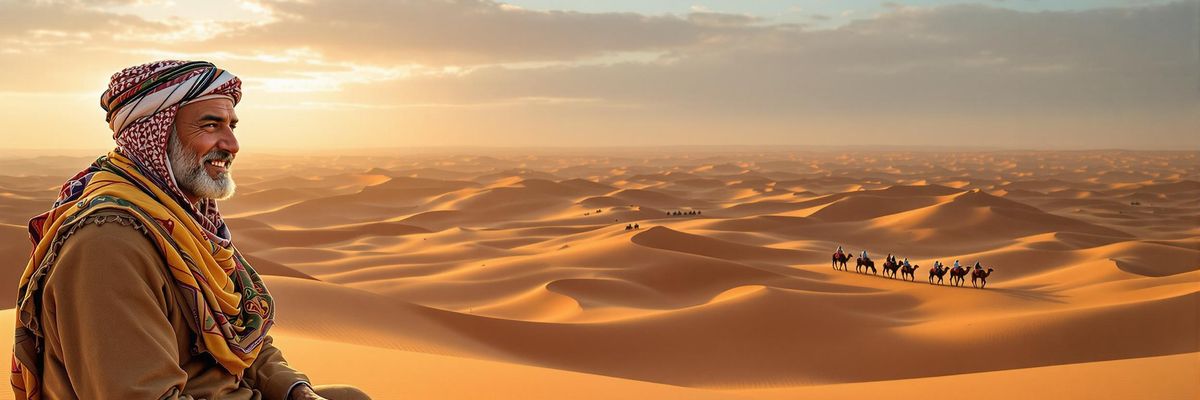
Embrace the cooler temperatures and experience the International Festival of the Sahara in Douz this December.
View More
Celebrate the year-end festivities in Accra, culminating in the vibrant Afrofuture festival.
View More Albania EDITION
 Algeria EDITION
 Argentina EDITION
 Armenia EDITION
 Australia EDITION
 Austria EDITION
 Bangladesh EDITION
 Belgium EDITION
 Belize EDITION
 Benin EDITION
 Bhutan EDITION
 Bolivia EDITION
 Bosnia and Herzegovina EDITION
 Botswana EDITION
 Brazil EDITION
 Bulgaria EDITION
 Burkina Faso EDITION
 Cambodia EDITION
 Cameroon EDITION
 Canada EDITION
 Central African Republic EDITION
 Chad EDITION
 Chile EDITION
 China EDITION
 Colombia EDITION
 Costa Rica EDITION
 Croatia EDITION
 Cyprus EDITION
 Denmark EDITION
 Djibouti EDITION
 Ecuador EDITION
 Egypt EDITION
 El Salvador EDITION
 Eritrea EDITION
 Estonia EDITION
 Ethiopia EDITION
 Finland EDITION
 France EDITION
 Gabon EDITION
 Georgia EDITION
 Germany EDITION
 Ghana EDITION
 Greece EDITION
 Guatemala EDITION
 Guinea EDITION
 Guinea-Bissau EDITION
 Honduras EDITION
 Hungary EDITION
 Iceland EDITION
 India EDITION
 Indonesia EDITION
 Ireland EDITION
 Israel EDITION
 Italy EDITION
 Jamaica EDITION
 Japan EDITION
 Jordan EDITION
 Kenya EDITION
 Kuwait EDITION
 Laos EDITION
 Latvia EDITION
 Lebanon EDITION
 Lesotho EDITION
 Liberia EDITION
 Lithuania EDITION
 Luxembourg EDITION
 Madagascar EDITION
 Malawi EDITION
 Malaysia EDITION
 Maldives EDITION
 Mali EDITION
 Malta EDITION
 Mauritania EDITION
 Mauritius EDITION
 Mexico EDITION
 Mongolia EDITION
 Montenegro EDITION
 Morocco EDITION
 Mozambique EDITION
 Namibia EDITION
 Nepal EDITION
 Netherlands EDITION
 New Zealand EDITION
 Nicaragua EDITION
 Niger EDITION
 Nigeria EDITION
 Norway EDITION
 Oman EDITION
 Pakistan EDITION
 Panama EDITION
 Papua New Guinea EDITION
 Paraguay EDITION
 Peru EDITION
 Philippines EDITION
 Poland EDITION
 Portugal EDITION
 Qatar EDITION
 Romania EDITION
 Rwanda EDITION
 Saudi Arabia EDITION
 Senegal EDITION
 Serbia EDITION
 Singapore EDITION
 Slovakia EDITION
 Slovenia EDITION
 Somalia EDITION
 South Africa EDITION
 South Korea EDITION
 Spain EDITION
 Sri Lanka EDITION
 Suriname EDITION
 Sweden EDITION
 Switzerland EDITION
 Tanzania EDITION
 Thailand EDITION
 Tunisia EDITION
 Uganda EDITION
 United Arab Emirates EDITION
 United Kingdom EDITION
 Uruguay EDITION
 Venezuela EDITION
 Vietnam EDITION
 Zambia EDITION
 Zimbabwe EDITION
Subscribe to our newsletter and get the most captivating travel stories, hidden gems, and expert insights delivered straight to your inbox. As a subscriber, you’ll be first in line for exclusive content, premium offers, and unforgettable travel experiences