



Destination Guide
Xai-Xai: A Coastal Retreat
Relax on the beaches and explore the reefs of Xai-Xai.
View More

Journey to Gaoui, a village northeast of N'Djamena, Chad, and discover the heart of the ancient Sao civilization. Explore mud-brick architecture, a Sultan's Palace turned museum, and a living culture deeply rooted in pottery and tradition.
In the vast expanse of Chad, where the Sahara Desert meets the Sahel, lies a village that whispers tales of a bygone era. Gaoui, a settlement a mere 10 kilometers northeast of the bustling capital city of N'Djamena, stands as a portal to the ancient past, inviting travelers to delve into the mysteries of the Sao civilization. This is a place where the echoes of history resonate in the mud-brick architecture, the intricate pottery, and the vibrant culture of its people.
The Sao civilization, which thrived from the 6th century BCE to as late as the 16th century CE, left an indelible mark on the region. Known for their advancements in pottery, metalworking, and architecture, the Sao people were masters of their environment, creating a society that flourished for over two millennia. Gaoui, believed to have been their capital, offers a unique window into their world.
As you approach Gaoui, the landscape transforms into a tapestry of ochre hues, with mud-brick houses blending seamlessly into the arid surroundings. The air is thick with the scent of sun-baked earth and the faint aroma of cow dung, the primary fuel source for the village. Donkeys laden with pottery traverse the dusty paths, their rhythmic steps echoing through the tranquil atmosphere.
Local folklore speaks of the Sao as a 'race of giants,' their towering figures and superhuman feats adding an air of mystique to their legacy. While archaeological evidence suggests a more grounded reality, the legends persist, fueling the imagination and adding to the allure of Gaoui.
Your exploration begins at the Sultan's Palace, a mud-brick structure that stands as a testament to the region's rich history. Now a museum, it houses a collection of artifacts that offer glimpses into the lives of the sultans who once ruled here, as well as relics from the Sao civilization.
A short distance away lies the Sao-Kotoko Museum, a treasure trove of archaeological finds that further illuminate the Sao civilization and its connection to the Kotoko people who inhabit the village today. Here, you'll discover pottery shards, ancient tools, and other relics that paint a vivid picture of life in this ancient settlement.
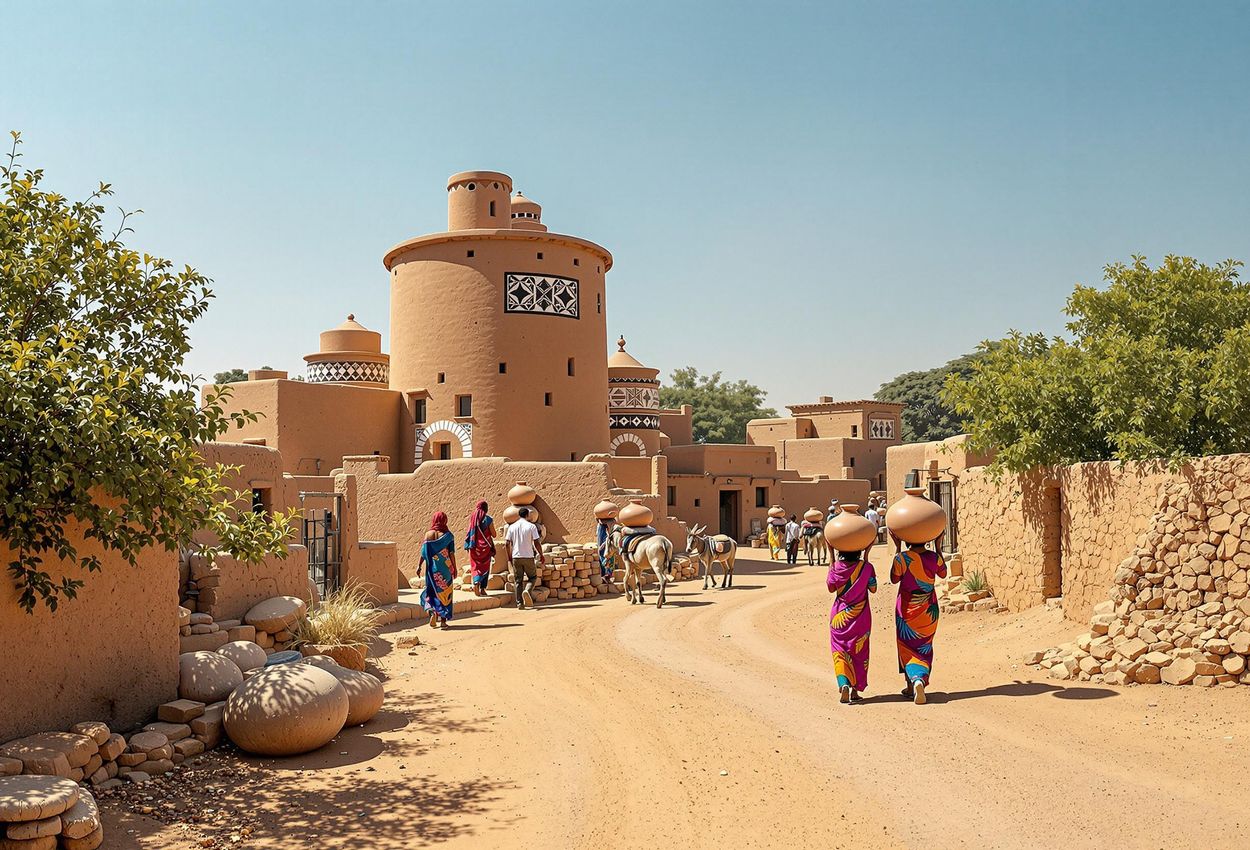
The Sultan's Palace in Gaoui is more than just a building; it's a living chronicle of the region's history. Constructed of mud-brick, its walls adorned with colorful paintings, the palace exudes an aura of timelessness. Renovated in the 1990s, it now serves as a museum, preserving the legacy of the sultans who once resided within its walls.
As you step inside, you're transported to a world of regal splendor, albeit one tempered by the simplicity of the surroundings. The artifacts on display offer a glimpse into the lives of the sultans, from their elaborate clothing to their personal effects. Old pottery, unearthed from archaeological sites, stands as a silent testament to the Sao civilization that predates the sultanate.
The palace is a fascinating blend of authentic relics and museum displays, creating a unique atmosphere that is both informative and evocative. You can almost imagine the sultans holding court in these very rooms, dispensing justice and receiving dignitaries from distant lands.
One of the most striking features of the palace is its architecture, designed to keep the interior cool in the scorching desert heat. Small windows, strategically placed, allow for cross-ventilation, while the thick mud-brick walls provide insulation from the sun's relentless rays. This ingenious design is a testament to the ingenuity of the local people, who have adapted to their environment for centuries.
The palace's history is as captivating as its architecture. It has witnessed countless events, from the rise and fall of sultans to the arrival of colonial powers. Each era has left its mark on the palace, adding layers of complexity to its story.
A visit to the Sultan's Palace is a journey through time, a chance to connect with the past and gain a deeper understanding of the region's cultural heritage. It's a reminder that even in the most remote corners of the world, history is alive and waiting to be discovered.

The Sao-Kotoko Museum in Gaoui serves as a repository of the region's rich archaeological heritage, showcasing a diverse collection of artifacts that illuminate the lives of the Sao people and their descendants, the Kotoko.
As you enter the museum, you're greeted by a display of pottery, crafted by the skilled hands of local women. These vessels, ranging from simple cooking pots to intricately decorated urns, provide insights into the daily lives of the Sao and Kotoko people. The designs, passed down through generations, reflect the cultural values and artistic traditions of the region.
The museum also houses a collection of tools, weapons, and other implements used by the Sao people. These artifacts offer a glimpse into their resourcefulness and adaptability, as they thrived in a challenging environment. From fishing hooks to hunting spears, each item tells a story of survival and ingenuity.
The connection between the Sao civilization and the Kotoko people is a central theme of the museum. The Kotoko, who inhabit Gaoui and other parts of Chad, are considered to be the inheritors of the Sao legacy. They have preserved many of the Sao's traditions, including their pottery-making techniques and their reverence for their ancestors.
The museum serves as a bridge between the past and the present, connecting visitors to the rich history of the region. It's a place where you can learn about the Sao civilization, the Kotoko people, and the cultural heritage of Chad.
One of the most fascinating exhibits in the museum is dedicated to the tradition of burying the dead in large urns. Before the arrival of Islam, the Sao people would place the bodies of their loved ones in these massive vessels and bury them beneath the ground. This practice, which reflects a deep respect for the deceased, is a testament to the Sao's spiritual beliefs.

Modern-day Gaoui is a vibrant blend of ancient history and contemporary life, where the traditions of the Sao civilization continue to thrive alongside the challenges of the 21st century. The village is renowned for its pottery-making, a craft that has been passed down through generations of women.
As you wander through the village, you'll witness the entire pottery-making process, from the preparation of the clay to the firing of the finished pots. Women gather clay from the surrounding earth, mixing it with water and binding plant material to create a pliable substance. They then shape the clay into a variety of forms, from large storage jars to delicate bowls.
Once the pots have been shaped, they are left to dry in the sun. After several days, they are fired in kilns fueled by cow dung, the primary fuel source in the village. The firing process hardens the clay, making the pots durable and water-resistant.
Pottery is a major source of revenue for the village, providing income for many families. The women sell their wares at the local market, where they are purchased by residents and visitors alike. The prices vary depending on the size and complexity of the pot, as well as the bargaining skills of the buyer.
Cow dung, in addition to being used for firing pottery, is also used as a primary fuel source for cooking and heating. The scarcity of trees in the region has made cow dung an essential resource for the people of Gaoui.
Visiting Gaoui is a unique cultural experience, offering a glimpse into a traditional way of life that has remained largely unchanged for centuries. To get there from N'Djamena, you can hire a taxi or take a local bus. It's important to dress respectfully and ask permission before taking photographs.
Hidden Gem: At the local market, be aware that pottery prices may differ depending on whether you are a local or a tourist. Engage respectfully and try to learn a few words of the local language to show your genuine interest in their culture. This might help you get a fairer price and a more authentic interaction.
By visiting Gaoui, you're not only experiencing a unique cultural destination but also supporting the local economy and helping to preserve the traditions of the Sao civilization.

Our editors` picks of the latest and greatest in travel - delivered to your inbox daily
Relax on the beaches and explore the reefs of Xai-Xai.
View More
Embrace the cooler temperatures and experience the International Festival of the Sahara in Douz this December.
View More
Celebrate the year-end festivities in Accra, culminating in the vibrant Afrofuture festival.
View More Albania EDITION
 Algeria EDITION
 Argentina EDITION
 Armenia EDITION
 Australia EDITION
 Austria EDITION
 Bangladesh EDITION
 Belgium EDITION
 Belize EDITION
 Benin EDITION
 Bhutan EDITION
 Bolivia EDITION
 Bosnia and Herzegovina EDITION
 Botswana EDITION
 Brazil EDITION
 Bulgaria EDITION
 Burkina Faso EDITION
 Cambodia EDITION
 Cameroon EDITION
 Canada EDITION
 Central African Republic EDITION
 Chad EDITION
 Chile EDITION
 China EDITION
 Colombia EDITION
 Costa Rica EDITION
 Croatia EDITION
 Cyprus EDITION
 Denmark EDITION
 Djibouti EDITION
 Ecuador EDITION
 Egypt EDITION
 El Salvador EDITION
 Eritrea EDITION
 Estonia EDITION
 Ethiopia EDITION
 Finland EDITION
 France EDITION
 Gabon EDITION
 Georgia EDITION
 Germany EDITION
 Ghana EDITION
 Greece EDITION
 Guatemala EDITION
 Guinea EDITION
 Guinea-Bissau EDITION
 Honduras EDITION
 Hungary EDITION
 Iceland EDITION
 India EDITION
 Indonesia EDITION
 Ireland EDITION
 Israel EDITION
 Italy EDITION
 Jamaica EDITION
 Japan EDITION
 Jordan EDITION
 Kenya EDITION
 Kuwait EDITION
 Laos EDITION
 Latvia EDITION
 Lebanon EDITION
 Lesotho EDITION
 Liberia EDITION
 Lithuania EDITION
 Luxembourg EDITION
 Madagascar EDITION
 Malawi EDITION
 Malaysia EDITION
 Maldives EDITION
 Mali EDITION
 Malta EDITION
 Mauritania EDITION
 Mauritius EDITION
 Mexico EDITION
 Mongolia EDITION
 Montenegro EDITION
 Morocco EDITION
 Mozambique EDITION
 Namibia EDITION
 Nepal EDITION
 Netherlands EDITION
 New Zealand EDITION
 Nicaragua EDITION
 Niger EDITION
 Nigeria EDITION
 Norway EDITION
 Oman EDITION
 Pakistan EDITION
 Panama EDITION
 Papua New Guinea EDITION
 Paraguay EDITION
 Peru EDITION
 Philippines EDITION
 Poland EDITION
 Portugal EDITION
 Qatar EDITION
 Romania EDITION
 Rwanda EDITION
 Saudi Arabia EDITION
 Senegal EDITION
 Serbia EDITION
 Singapore EDITION
 Slovakia EDITION
 Slovenia EDITION
 Somalia EDITION
 South Africa EDITION
 South Korea EDITION
 Spain EDITION
 Sri Lanka EDITION
 Suriname EDITION
 Sweden EDITION
 Switzerland EDITION
 Tanzania EDITION
 Thailand EDITION
 Tunisia EDITION
 Uganda EDITION
 United Arab Emirates EDITION
 United Kingdom EDITION
 Uruguay EDITION
 Venezuela EDITION
 Vietnam EDITION
 Zambia EDITION
 Zimbabwe EDITION
Subscribe to our newsletter and get the most captivating travel stories, hidden gems, and expert insights delivered straight to your inbox. As a subscriber, you’ll be first in line for exclusive content, premium offers, and unforgettable travel experiences