


Destination Guide
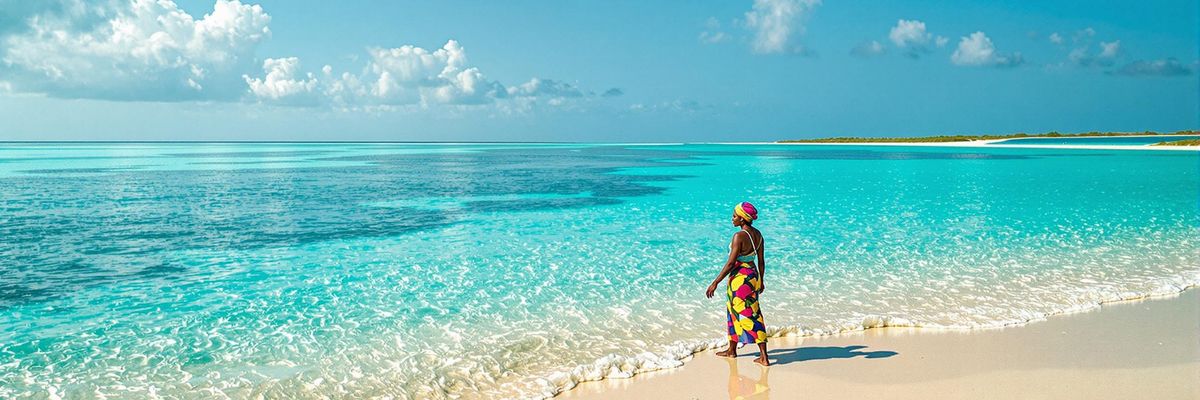
Xai-Xai: A Coastal Retreat
Relax on the beaches and explore the reefs of Xai-Xai.
View More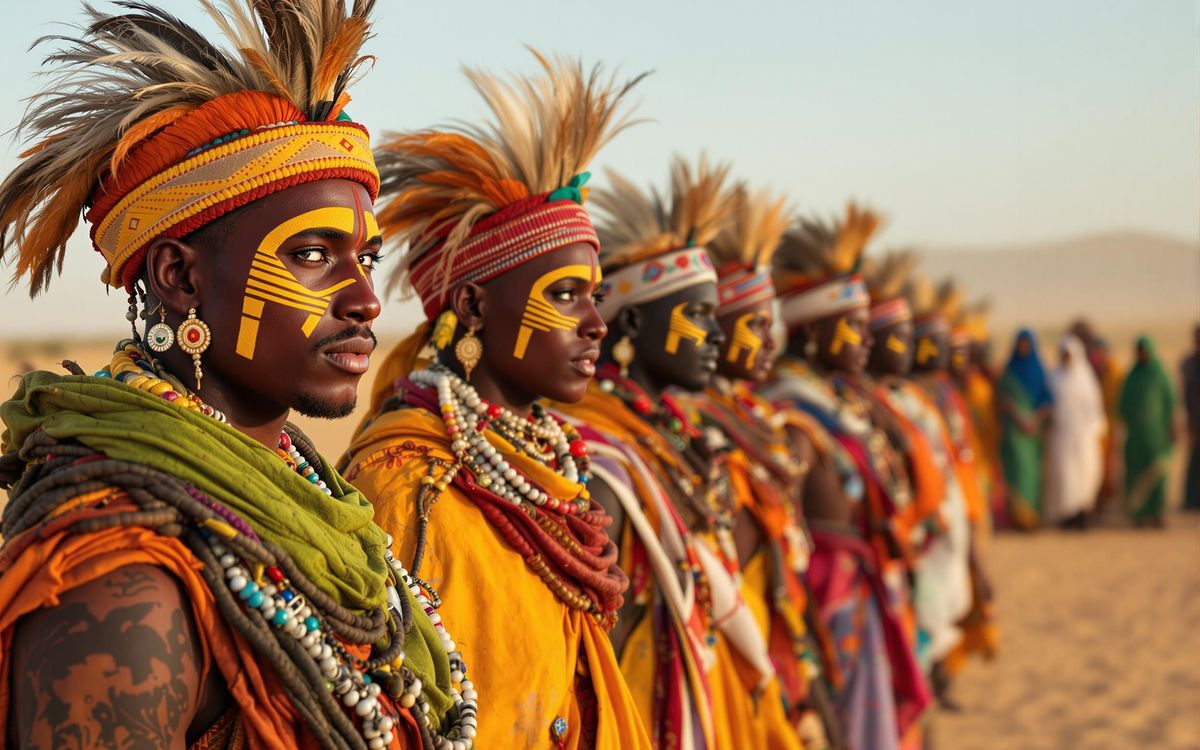

Venture into the heart of Chad to witness the Gerewol Festival, a mesmerizing spectacle where Wodaabe men showcase their beauty, charm, and cultural pride in an elaborate courtship ritual unlike any other.
Imagine a land where beauty is not just admired but meticulously crafted, where men spend hours adorning themselves in vibrant colors and intricate designs, all in pursuit of captivating the eyes and hearts of potential partners. This is the reality of the Gerewol Festival, a cultural phenomenon celebrated by the Wodaabe people of Chad. It's a journey that takes you far beyond the typical tourist trail, deep into the soul of a nomadic culture that cherishes tradition and artistry above all else.
Join us as we delve into this extraordinary event, exploring the customs, the people, and the sheer visual feast that is the Gerewol Festival.
Reaching the Gerewol Festival is an adventure in itself, a pilgrimage to the remote corners of Chad. The journey often begins in N'Djamena, the capital city, a vibrant hub where cultures collide on the banks of the Chari River. This bustling city serves as the gateway to the Sahel, the semi-arid region where the Wodaabe roam.
Flights to N'Djamena International Airport (NDJ) are available from major African and European hubs, with connections through cities like Casablanca, Istanbul, and Paris. However, be prepared for a journey that demands patience and adaptability. Upon arrival, securing the necessary visas is paramount, and it's often advised to register with the local police, a practice that, while seemingly bureaucratic, underscores the importance of respecting local regulations.
Navigating N'Djamena requires a keen awareness of your surroundings. While the city offers a glimpse into Chadian life, it's essential to exercise caution due to safety concerns. The Chari River, a lifeline for the city, provides a scenic backdrop, but it's the road leading out of N'Djamena that truly marks the beginning of your Gerewol adventure.
The roads beyond the capital can be challenging, often unpaved and requiring sturdy vehicles. Hiring a reliable driver familiar with the terrain is highly recommended. As you venture deeper into the Sahel, the landscape transforms, revealing the stark beauty of the region. It's a landscape that demands respect, and so does the culture you're about to encounter.
When visiting Chad and interacting with its people, dressing modestly is crucial. Chad is a country with a predominantly Muslim population, and dressing modestly is a sign of respect for local customs and traditions. For women, this generally means wearing loose-fitting clothing that covers the shoulders and knees. Men should also avoid wearing shorts or revealing clothing. By dressing modestly, visitors can show their respect for the local culture and avoid causing offense.
Local Tip: Before embarking on your journey to the Gerewol Festival, it's wise to check for any travel advisories or safety updates from your government's foreign affairs department. Staying informed ensures a safer and more responsible travel experience.

The Wodaabe people, a subgroup of the Fulani ethnic group, are the heart and soul of the Gerewol Festival. Their nomadic lifestyle is deeply intertwined with the rhythms of the Sahel, following the rains to ensure sustenance for their cherished cattle. Cattle are not merely livestock; they are a symbol of wealth, status, and the very essence of Wodaabe existence.
The Wodaabe adhere to a strict code of behavior known as *pulaaku*, which emphasizes reserve, modesty (*semteende*), patience, fortitude (*munyal*), care, forethought (*hakkilo*), and loyalty (*amana*). These values shape their interactions and underscore the importance of harmony within their community.
What sets the Wodaabe apart is their unique perspective on beauty. While physical appearance plays a role, they place greater emphasis on charm, personality, and elegance. This emphasis is vividly displayed during the Gerewol, where men strive to embody these qualities through elaborate costumes, makeup, and dance.
Wodaabe society has defined roles for men and women. Men are responsible for herding cattle and showcasing their beauty and charm, while women manage the household, craft intricate calabashes (gourds) passed down through generations, and play a crucial role in selecting their partners. Marriage customs are unique; often, women marry within their own lineage, and the Gerewol provides an opportunity for second marriages based on mutual attraction.
Family life is central to the Wodaabe, with strong bonds between parents and children. However, there are unique customs, such as parents being forbidden from speaking directly to their first two children, who are often cared for by their grandparents. This highlights the interconnectedness of generations and the importance of community support.
Hidden Gem: The Wodaabe have a rich oral tradition, passing down stories, songs, and histories through generations. Engaging with them respectfully and showing genuine interest in their culture can unlock a deeper understanding of their world.
The Gerewol Festival is the pinnacle of Wodaabe cultural expression, a dazzling display of beauty, courtship, and tradition. It's a beauty contest with a twist, where men compete for the attention of marriageable women through elaborate costumes, captivating dances, and enchanting songs.
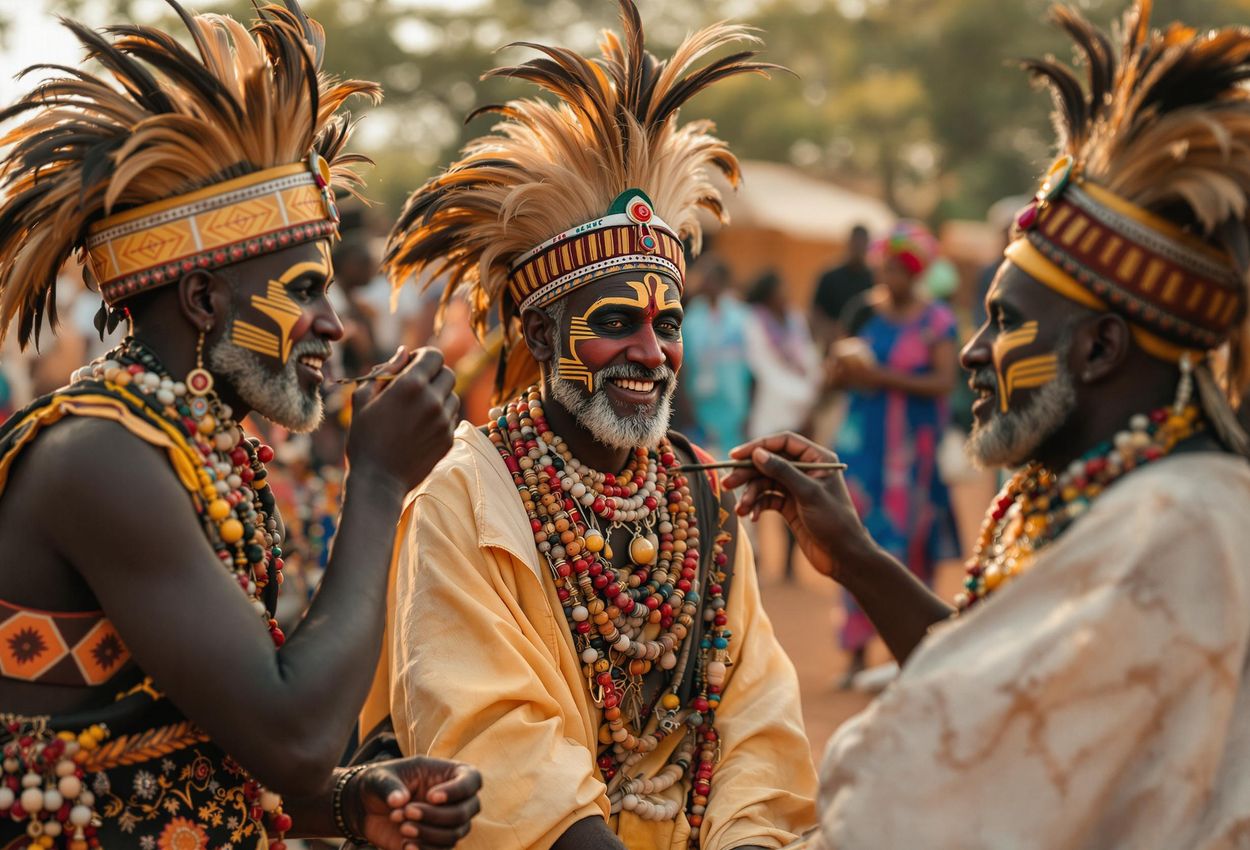
The costumes are a feast for the eyes, a riot of colors and textures. Men adorn themselves with vibrant fabrics, beads, feathers, and intricate jewelry. But it's the makeup that truly transforms them. Red ochre is applied to the face, creating a striking canvas upon which yellow powder and black lines are meticulously drawn. These patterns accentuate their features, emphasizing the whiteness of their eyes and teeth, both highly prized attributes.
The *Yaake* dance is the centerpiece of the Gerewol, a mesmerizing performance where men dance and sing for hours, showcasing their grace, agility, and charm. The dancers stand in lines, their bodies swaying in unison, their voices rising in hypnotic melodies. They roll their eyes and flash their teeth, all in an effort to impress the watching women.
Different clans participate in the Gerewol, each with its unique style and traditions. The Sudosukai and Njapto clans are known for their distinct makeup styles, with the Sudosukai favoring red and orange hues and tall hats, while the Njapto opt for white dots and ostrich feathers. These variations add to the rich tapestry of the festival.
The women play a crucial role, observing the dances and ultimately selecting their preferred partners. Their choice can lead to marriage or a more fleeting encounter, reflecting the Wodaabe's flexible approach to relationships.
Cultural Insight: The Gerewol is not merely a performance for outsiders; it's a deeply meaningful event for the Wodaabe themselves. It's a time for families to reunite, news to be exchanged, and traditions to be celebrated, reinforcing their cultural identity.
Planning a trip to the Gerewol Festival requires careful consideration and preparation. The best time to visit is typically in October, after the rainy season. The festival's location varies each year, but it's often held near Dourbali or Massenya, small towns within reach of N'Djamena.
Securing the necessary permits is essential, and it's advisable to work with a reputable tour operator who can navigate the bureaucratic hurdles. Transportation outside N'Djamena can be challenging, with rough roads and limited infrastructure. Hiring a 4x4 vehicle and an experienced driver is highly recommended.
Accommodation options are limited, but camping with a reputable tour operator offers an immersive experience. These operators often provide comfortable campsites with essential amenities, allowing you to focus on the cultural experience.
Cultural sensitivity is paramount. The Wodaabe are proud of their traditions, and it's crucial to approach them with respect and humility. Ask permission before taking photographs, and avoid disruptive behavior that could interfere with the festival.
Essential Tip: Pack light, but bring essentials such as sunscreen, insect repellent, a hat, and comfortable walking shoes. The Sahel climate can be harsh, and it's important to protect yourself from the elements.
The Gerewol Festival is a photographer's dream, a visual spectacle brimming with vibrant colors, intricate details, and captivating expressions. However, capturing the essence of this event requires sensitivity and respect.
Focus on the elaborate costumes and makeup of the Wodaabe men, capturing the intricate details and the artistry involved. The *Yaake* dance provides opportunities for action shots, capturing the energy and grace of the performers.
Don't overlook the expressions and interactions of the participants. The smiles, the glances, and the subtle gestures tell a story of courtship, camaraderie, and cultural pride.
The Sahel landscape provides a unique backdrop, adding context to the festival. Capture the vastness of the desert, the patterns of the sand, and the golden light of the setting sun.
Remember to be respectful of the Wodaabe people and their traditions. Ask permission before taking photographs, and avoid intrusive behavior. Obtaining government permits for photography may be necessary, and be prepared for potential interactions with local authorities.
Photography Pro-Tip: Use a telephoto lens to capture close-up shots of the dancers without disrupting their performance. A wide-angle lens is ideal for capturing the overall atmosphere of the festival and the surrounding landscape.
The Gerewol Festival is more than just a visual spectacle; it's a cultural immersion, a chance to connect with a unique community and witness a tradition that has endured for generations. By approaching this experience with respect, sensitivity, and a sense of adventure, you'll not only capture stunning photographs but also create lasting memories of a truly unforgettable journey.

Local tip: Be aware of the potential for police interference and the need for government permits for photography. It's always best to err on the side of caution and ensure you have the necessary documentation to avoid any issues.
Our editors` picks of the latest and greatest in travel - delivered to your inbox daily
Relax on the beaches and explore the reefs of Xai-Xai.
View More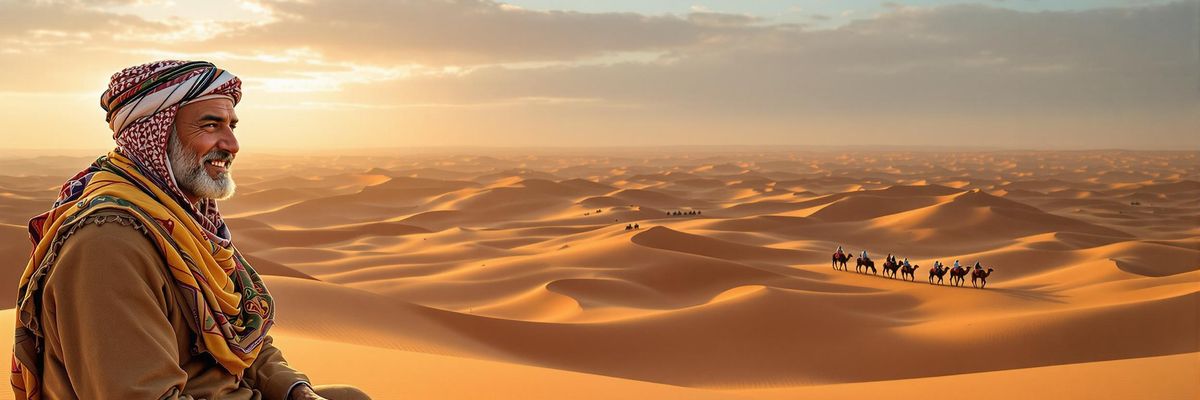
Embrace the cooler temperatures and experience the International Festival of the Sahara in Douz this December.
View More
Celebrate the year-end festivities in Accra, culminating in the vibrant Afrofuture festival.
View More Albania EDITION
 Algeria EDITION
 Argentina EDITION
 Armenia EDITION
 Australia EDITION
 Austria EDITION
 Bangladesh EDITION
 Belgium EDITION
 Belize EDITION
 Benin EDITION
 Bhutan EDITION
 Bolivia EDITION
 Bosnia and Herzegovina EDITION
 Botswana EDITION
 Brazil EDITION
 Bulgaria EDITION
 Burkina Faso EDITION
 Cambodia EDITION
 Cameroon EDITION
 Canada EDITION
 Central African Republic EDITION
 Chad EDITION
 Chile EDITION
 China EDITION
 Colombia EDITION
 Costa Rica EDITION
 Croatia EDITION
 Cyprus EDITION
 Denmark EDITION
 Djibouti EDITION
 Ecuador EDITION
 Egypt EDITION
 El Salvador EDITION
 Eritrea EDITION
 Estonia EDITION
 Ethiopia EDITION
 Finland EDITION
 France EDITION
 Gabon EDITION
 Georgia EDITION
 Germany EDITION
 Ghana EDITION
 Greece EDITION
 Guatemala EDITION
 Guinea EDITION
 Guinea-Bissau EDITION
 Honduras EDITION
 Hungary EDITION
 Iceland EDITION
 India EDITION
 Indonesia EDITION
 Ireland EDITION
 Israel EDITION
 Italy EDITION
 Jamaica EDITION
 Japan EDITION
 Jordan EDITION
 Kenya EDITION
 Kuwait EDITION
 Laos EDITION
 Latvia EDITION
 Lebanon EDITION
 Lesotho EDITION
 Liberia EDITION
 Lithuania EDITION
 Luxembourg EDITION
 Madagascar EDITION
 Malawi EDITION
 Malaysia EDITION
 Maldives EDITION
 Mali EDITION
 Malta EDITION
 Mauritania EDITION
 Mauritius EDITION
 Mexico EDITION
 Mongolia EDITION
 Montenegro EDITION
 Morocco EDITION
 Mozambique EDITION
 Namibia EDITION
 Nepal EDITION
 Netherlands EDITION
 New Zealand EDITION
 Nicaragua EDITION
 Niger EDITION
 Nigeria EDITION
 Norway EDITION
 Oman EDITION
 Pakistan EDITION
 Panama EDITION
 Papua New Guinea EDITION
 Paraguay EDITION
 Peru EDITION
 Philippines EDITION
 Poland EDITION
 Portugal EDITION
 Qatar EDITION
 Romania EDITION
 Rwanda EDITION
 Saudi Arabia EDITION
 Senegal EDITION
 Serbia EDITION
 Singapore EDITION
 Slovakia EDITION
 Slovenia EDITION
 Somalia EDITION
 South Africa EDITION
 South Korea EDITION
 Spain EDITION
 Sri Lanka EDITION
 Suriname EDITION
 Sweden EDITION
 Switzerland EDITION
 Tanzania EDITION
 Thailand EDITION
 Tunisia EDITION
 Uganda EDITION
 United Arab Emirates EDITION
 United Kingdom EDITION
 Uruguay EDITION
 Venezuela EDITION
 Vietnam EDITION
 Zambia EDITION
 Zimbabwe EDITION
Subscribe to our newsletter and get the most captivating travel stories, hidden gems, and expert insights delivered straight to your inbox. As a subscriber, you’ll be first in line for exclusive content, premium offers, and unforgettable travel experiences