



Destination Guide
Xai-Xai: A Coastal Retreat
Relax on the beaches and explore the reefs of Xai-Xai.
View More

Step back in time this November to El Jem, Tunisia, where the sands whisper tales of gladiators and emperors. The remarkably preserved Roman amphitheater stands as a testament to the grandeur of a bygone era, inviting history enthusiasts and curious travelers alike to immerse themselves in its captivating past.
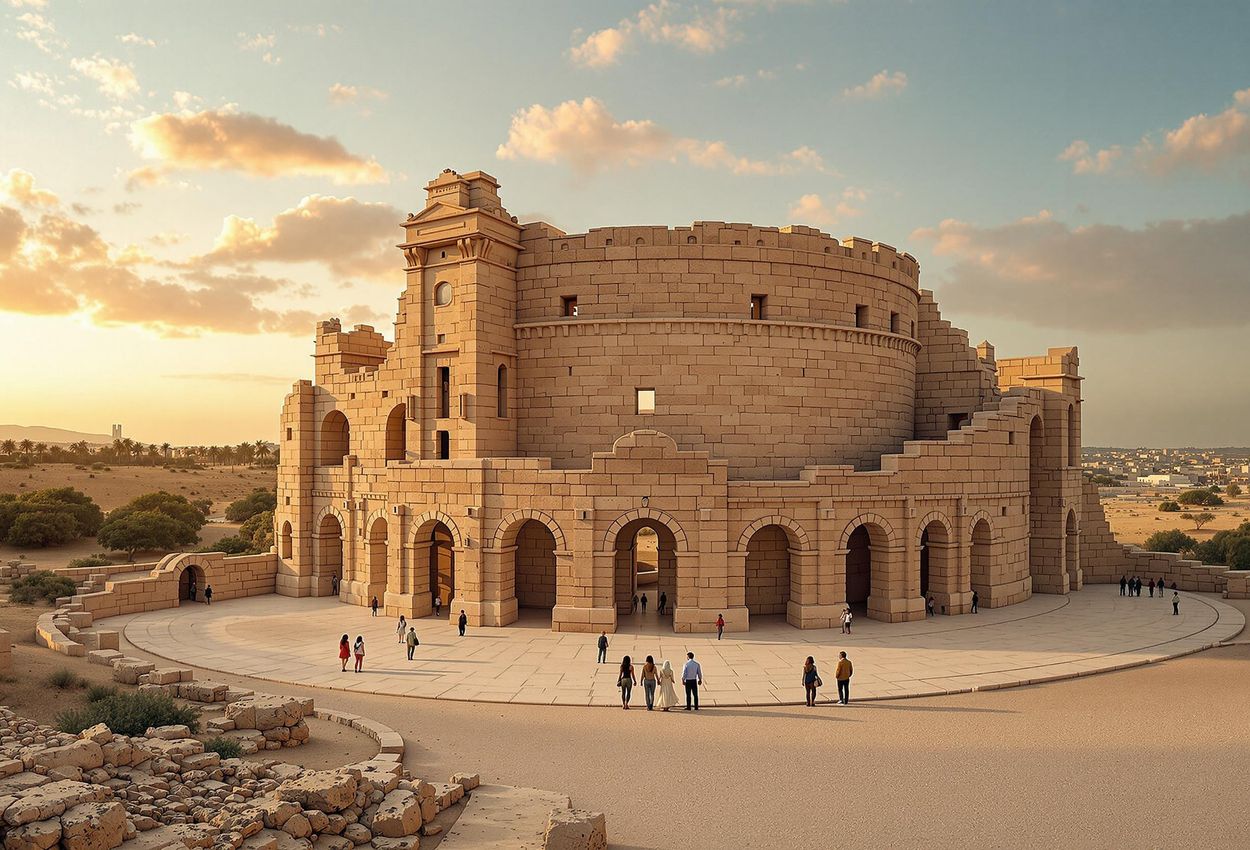
In the heart of Tunisia, the town of El Jem rises from the arid landscape, a beacon of history crowned by the magnificent ruins of its Roman amphitheater. This colossal structure, a UNESCO World Heritage site, offers a captivating glimpse into the heart of the Roman Empire's presence in North Africa. More than just a collection of ancient stones, El Jem is an invitation to imagine the roar of the crowds, the clash of steel, and the drama that once unfolded within its walls.
As November graces El Jem with a milder climate, it becomes an ideal time to explore this historical treasure. The harsh summer heat subsides, making way for pleasant days and cool evenings, perfect for wandering through the amphitheater's vast arena and exploring the remnants of the ancient city. The play of light and shadow across the weathered stone creates an atmosphere of timelessness, enhancing the immersive experience.
Beyond the amphitheater, El Jem offers a glimpse into the rich tapestry of Tunisian culture. The town itself exudes a unique charm, with its bustling markets, traditional architecture, and warm, welcoming locals. Engage with the community, savor the flavors of authentic Tunisian cuisine, and discover the hidden gems that lie within this captivating destination. El Jem is more than just a historical site; it's a living, breathing town that seamlessly blends its ancient past with its vibrant present.
El Jem, once known as Thysdrus, holds a significant place in the history of Roman North Africa. Founded by the Punics, the city flourished under Roman rule, becoming a vital center for olive oil production and trade. Its strategic location and fertile lands contributed to its prosperity, attracting merchants and settlers from across the Roman Empire.
The city's rise to prominence is deeply intertwined with the cultivation of olives. Vast olive groves surrounded Thysdrus, providing the raw material for the production of high-quality olive oil, a staple commodity in the Roman world. The city's merchants skillfully navigated trade routes, exporting their prized olive oil to distant corners of the empire, amassing considerable wealth and influence.
Before the arrival of the Romans, El Jem bore witness to the influence of the Punic civilization. The Punics, descendants of the Phoenicians, established a presence in North Africa, leaving their mark on the region's culture and trade. While the Roman influence is more prominent in El Jem today, echoes of its Punic past can still be discerned in the city's foundations.
As you wander through the streets of El Jem, imagine the bustling atmosphere of Thysdrus, a city teeming with merchants, artisans, and farmers, all contributing to its vibrant economy. The city's prosperity is reflected in the grandeur of its amphitheater, a testament to its wealth and importance within the Roman Empire.

Hidden Gem: Delve deeper into El Jem's Roman past with a visit to the El Jem Archaeological Museum. Located a short distance from the amphitheater, this museum houses a remarkable collection of Roman mosaics, salvaged from the ruins of ancient villas. These intricate artworks offer a glimpse into the lives of the city's wealthy elite, depicting scenes from mythology, daily life, and the natural world. Among the museum's treasures are remnants of Roman villas with intricate mosaics. The House of Africa, an AD 170 Roman villa, was excavated and transferred to the museum for display. Wander through the remains of Roman villas and view mosaics in their original locations.
The Amphitheater of El Jem stands as a colossal testament to Roman engineering and architectural prowess. Its imposing presence dominates the landscape, evoking a sense of awe and wonder in all who behold it. This remarkably preserved monument is considered one of the finest examples of Roman amphitheaters in the world, rivaling even the grandeur of the Colosseum in Rome.
Constructed entirely of stone blocks, the amphitheater boasts impressive dimensions, measuring 148 meters in length and 122 meters in width. Its massive walls rise to a height of over 30 meters, creating a formidable structure that could accommodate an estimated 35,000 spectators. The sheer scale of the amphitheater is a testament to the ambition and resources of the Roman Empire.
Unlike many other Roman amphitheaters, the Amphitheater of El Jem is built on flat ground, a unique architectural feature that distinguishes it from its counterparts. To support the massive structure, Roman engineers ingeniously employed a network of arches and vaults, creating a stable foundation that has withstood the test of time.
Beneath the arena floor lies a labyrinth of underground passages and chambers, once used to house gladiators, animals, and the elaborate stage machinery required for the spectacles that unfolded above. Exploring these subterranean depths offers a chilling glimpse into the hidden world of the amphitheater, where life and death were intertwined in a macabre dance.
The Amphitheater of El Jem was constructed around 238 AD, during the reign of Emperor Gordian III. Its construction coincided with a period of relative peace and prosperity in Roman North Africa, allowing the city of Thysdrus to invest in such a monumental project. The amphitheater served as a symbol of Roman power and influence, a stage for grand spectacles that entertained and awed the masses.

Imagine the scene on a typical day at the amphitheater: the stands packed with spectators, the air thick with anticipation, and the gladiators preparing for their fateful encounters. The roar of the crowd, the clash of steel, and the spectacle of wild animals created an unforgettable experience, a testament to the enduring power of Roman entertainment.
The Amphitheater of El Jem was more than just a venue for entertainment; it was a vital component of Roman society, a place where social hierarchies were reinforced and the glory of the empire was celebrated. Gladiatorial contests, animal hunts, and public spectacles were all integral parts of Roman life, providing both entertainment and a sense of collective identity.
Gladiatorial contests were perhaps the most popular form of entertainment, pitting skilled warriors against each other in deadly combat. These contests were not merely displays of brute force; they were also showcases of skill, courage, and discipline. Gladiators were often celebrities in their own right, admired for their prowess and their willingness to risk their lives for the entertainment of the masses.
Animal hunts, or venationes, were another popular form of entertainment, featuring exotic creatures from across the Roman Empire. Lions, tigers, bears, and other wild animals were pitted against skilled hunters, providing a thrilling spectacle for the crowds. These hunts served as a reminder of the empire's vast reach and its ability to conquer and control the natural world.
Public spectacles, such as theatrical performances and musical concerts, also played a significant role in Roman society. These events provided a platform for artists and performers to showcase their talents, entertaining the masses and promoting Roman culture. The amphitheater served as a versatile venue, capable of hosting a wide range of events that catered to diverse tastes.
The social significance of these events cannot be overstated. They provided a sense of community, bringing together people from all walks of life to share in a collective experience. They also served as a form of social control, diverting attention from political issues and reinforcing the power of the Roman state. The amphitheater was a symbol of Roman authority, a place where the empire's values were on full display.
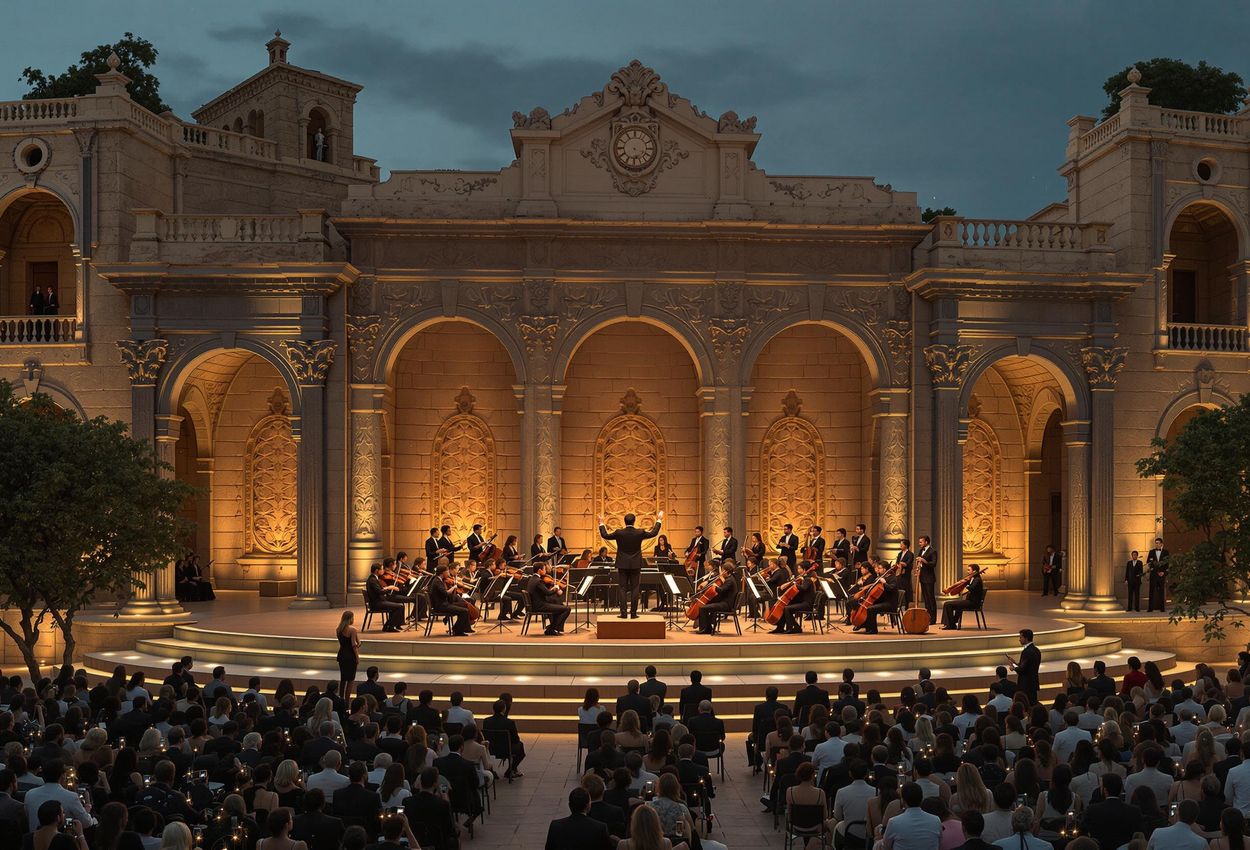
Unique Detail: Today, the Amphitheater of El Jem continues to resonate with echoes of the past, but it also embraces the present. Each summer, the amphitheater hosts the International Festival of Symphonic Music, a celebration of classical music that attracts performers and audiences from around the world. This unique event blends the ancient grandeur of the amphitheater with the timeless beauty of symphonic music, creating an unforgettable cultural experience. Imagine sitting beneath the stars, surrounded by the ancient stones, as the sounds of a world-class orchestra fill the air. The International Festival of Symphonic Music is a testament to the enduring power of art and its ability to bridge the gap between past and present.
As you leave El Jem, you carry with you not just memories of a remarkable monument, but also a deeper understanding of the Roman Empire and its lasting impact on North Africa. The Amphitheater of El Jem stands as a powerful reminder of the past, a testament to the enduring power of human ingenuity and the allure of history.
This November, embark on a journey to El Jem and experience the gladiatorial grandeur for yourself. Let the whispers of Thysdrus guide you through the ancient ruins, and let the echoes of the games transport you back to a time of emperors and gladiators. El Jem awaits, ready to unveil its secrets and captivate your imagination.
Our editors` picks of the latest and greatest in travel - delivered to your inbox daily
Relax on the beaches and explore the reefs of Xai-Xai.
View More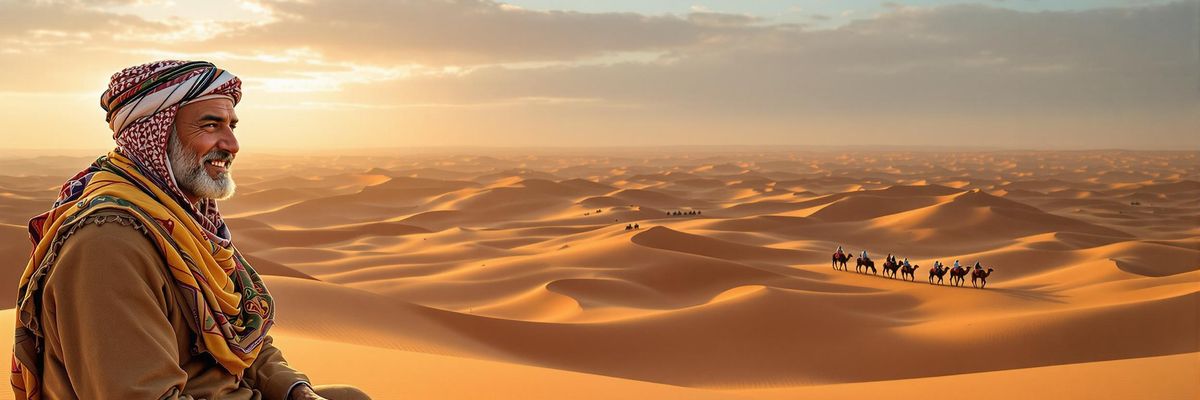
Embrace the cooler temperatures and experience the International Festival of the Sahara in Douz this December.
View More
Celebrate the year-end festivities in Accra, culminating in the vibrant Afrofuture festival.
View More Albania EDITION
 Algeria EDITION
 Argentina EDITION
 Armenia EDITION
 Australia EDITION
 Austria EDITION
 Bangladesh EDITION
 Belgium EDITION
 Belize EDITION
 Benin EDITION
 Bhutan EDITION
 Bolivia EDITION
 Bosnia and Herzegovina EDITION
 Botswana EDITION
 Brazil EDITION
 Bulgaria EDITION
 Burkina Faso EDITION
 Cambodia EDITION
 Cameroon EDITION
 Canada EDITION
 Central African Republic EDITION
 Chad EDITION
 Chile EDITION
 China EDITION
 Colombia EDITION
 Costa Rica EDITION
 Croatia EDITION
 Cyprus EDITION
 Denmark EDITION
 Djibouti EDITION
 Ecuador EDITION
 Egypt EDITION
 El Salvador EDITION
 Eritrea EDITION
 Estonia EDITION
 Ethiopia EDITION
 Finland EDITION
 France EDITION
 Gabon EDITION
 Georgia EDITION
 Germany EDITION
 Ghana EDITION
 Greece EDITION
 Guatemala EDITION
 Guinea EDITION
 Guinea-Bissau EDITION
 Honduras EDITION
 Hungary EDITION
 Iceland EDITION
 India EDITION
 Indonesia EDITION
 Ireland EDITION
 Israel EDITION
 Italy EDITION
 Jamaica EDITION
 Japan EDITION
 Jordan EDITION
 Kenya EDITION
 Kuwait EDITION
 Laos EDITION
 Latvia EDITION
 Lebanon EDITION
 Lesotho EDITION
 Liberia EDITION
 Lithuania EDITION
 Luxembourg EDITION
 Madagascar EDITION
 Malawi EDITION
 Malaysia EDITION
 Maldives EDITION
 Mali EDITION
 Malta EDITION
 Mauritania EDITION
 Mauritius EDITION
 Mexico EDITION
 Mongolia EDITION
 Montenegro EDITION
 Morocco EDITION
 Mozambique EDITION
 Namibia EDITION
 Nepal EDITION
 Netherlands EDITION
 New Zealand EDITION
 Nicaragua EDITION
 Niger EDITION
 Nigeria EDITION
 Norway EDITION
 Oman EDITION
 Pakistan EDITION
 Panama EDITION
 Papua New Guinea EDITION
 Paraguay EDITION
 Peru EDITION
 Philippines EDITION
 Poland EDITION
 Portugal EDITION
 Qatar EDITION
 Romania EDITION
 Rwanda EDITION
 Saudi Arabia EDITION
 Senegal EDITION
 Serbia EDITION
 Singapore EDITION
 Slovakia EDITION
 Slovenia EDITION
 Somalia EDITION
 South Africa EDITION
 South Korea EDITION
 Spain EDITION
 Sri Lanka EDITION
 Suriname EDITION
 Sweden EDITION
 Switzerland EDITION
 Tanzania EDITION
 Thailand EDITION
 Tunisia EDITION
 Uganda EDITION
 United Arab Emirates EDITION
 United Kingdom EDITION
 Uruguay EDITION
 Venezuela EDITION
 Vietnam EDITION
 Zambia EDITION
 Zimbabwe EDITION
Subscribe to our newsletter and get the most captivating travel stories, hidden gems, and expert insights delivered straight to your inbox. As a subscriber, you’ll be first in line for exclusive content, premium offers, and unforgettable travel experiences