



Destination Guide
Xai-Xai: A Coastal Retreat
Relax on the beaches and explore the reefs of Xai-Xai.
View More

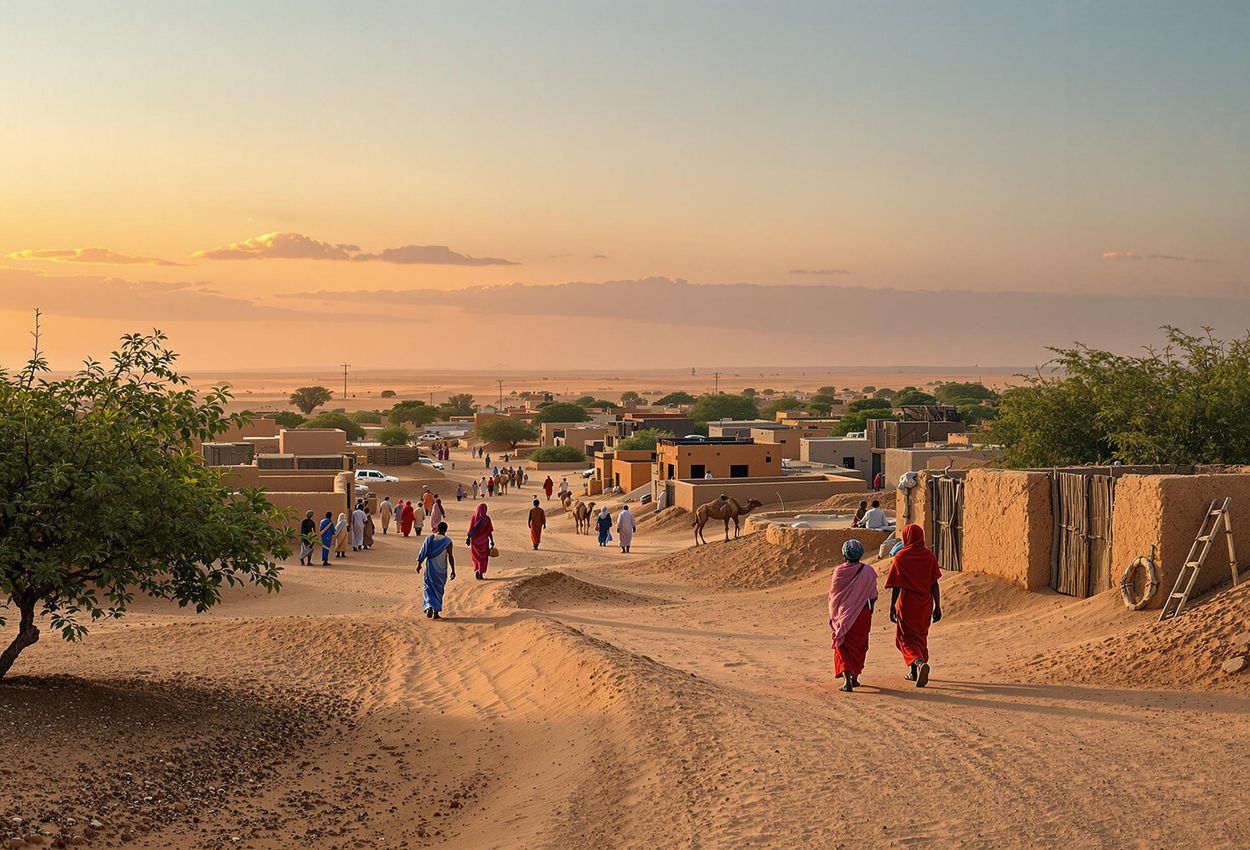
In the heart of Burkina Faso, where the vast expanse of the Sahel meets the horizon, lies Gorom-Gorom, a town that pulsates with the rhythm of nomadic life and the echoes of ancient trade routes.
More than just a stop on the map, Gorom-Gorom is a living testament to the resilience and cultural richness of the Sahelian people, a place where the sands whisper stories of caravans, resilience, and the enduring spirit of community.
Nestled in the Oudalan province of northern Burkina Faso, Gorom-Gorom stands as a historical nexus, a place where nomadic cultures converge and trade winds have blown for centuries. Its very name, meaning 'you sit down, we will sit down,' encapsulates the town's welcoming ethos, a promise of hospitality extended to weary travelers and a reflection of its role as a meeting point for diverse communities. Here, the Tuareg, with their indigo robes and proud bearing, mingle with the Fulani, known for their cattle and intricate facial tattoos, and the Songhai, masters of trade and agriculture. This blend of cultures has shaped Gorom-Gorom's identity, creating a vibrant tapestry of traditions, languages, and customs.
The town's geographical location has long dictated its importance. Situated near the border with Niger and Mali, Gorom-Gorom has historically served as a crucial trading post, connecting the Sahara Desert with the agricultural lands to the south. Caravans laden with salt, dates, and other desert commodities would converge here, exchanging goods with merchants from the south seeking textiles, kola nuts, and other agricultural products. This exchange fostered not only economic prosperity but also a rich cultural interchange, as ideas, beliefs, and artistic styles were shared among the diverse groups that gathered in the town.
Today, Gorom-Gorom faces modern challenges. Regional instability has led to an influx of internally displaced persons, straining the town's resources and testing the community's capacity for compassion. Yet, despite these hardships, the spirit of Gorom-Gorom remains unbroken. The community continues to welcome those in need, offering shelter, support, and a sense of belonging. This resilience, born from centuries of adapting to the harsh realities of the Sahel, is a defining characteristic of the town and its people.
The town is more than just a market; it's a melting pot of cultures, a testament to the enduring human spirit in the face of adversity. It is a place where the traditions of the past meet the challenges of the present, where the warmth of human connection transcends ethnic and cultural boundaries.
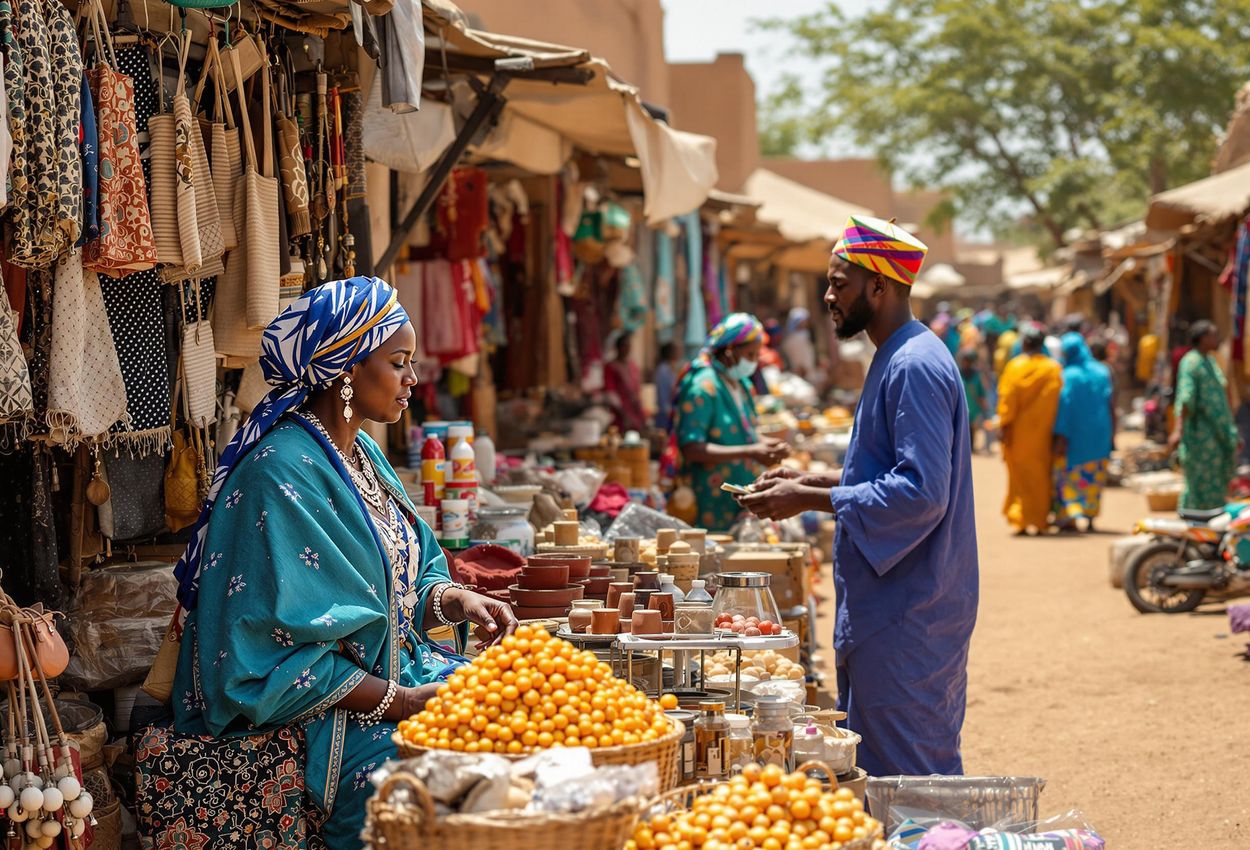
The heart and soul of Gorom-Gorom is its legendary Thursday market, the largest in Burkina Faso and a spectacle that draws visitors from far and wide. As the sun rises over the Sahel, the town transforms into a kaleidoscope of colors, sounds, and scents, a sensory feast that embodies the vibrancy of West African culture.
The market is a microcosm of the Sahel, a place where the region's diverse ethnic groups come together to trade, socialize, and celebrate their shared heritage. Tuareg nomads, their faces veiled against the desert sun, offer handcrafted silver jewelry and leather goods. Fulani herders, adorned with intricate tribal markings, sell milk, cheese, and other dairy products. Songhai farmers display their harvest of millet, sorghum, and vegetables. Mossi people, the major ethnic group in Burkina Faso, bring colorful cotton prints and other textiles. The air crackles with the energy of bartering, as vendors and customers haggle over prices in a medley of languages. The rhythmic pounding of millet, the bleating of goats, and the laughter of children create a symphony of sounds that is both chaotic and captivating.
The aromas of the market are equally intoxicating. The scent of spices, from fragrant ginger to pungent cloves, mingles with the smoky smell of grilled meat and the earthy aroma of freshly baked bread. Food stalls offer a tantalizing array of local delicacies, from 'lait caille' (curdled milk) to 'tamare' (a wild, red bean-like fruit), providing a taste of the Sahel's unique culinary traditions.
Navigating the Thursday market can be an adventure in itself. To make the most of the experience, it's best to arrive early, before the crowds swell and the heat becomes intense. Bringing cash is essential, as credit cards are not accepted. Be prepared to bargain, as prices are often negotiable. It's also important to be respectful of local customs and traditions. Dress modestly, avoid taking photos without permission, and be mindful of the vendors' space. With a little preparation and a sense of adventure, a visit to the Gorom-Gorom Thursday market is an experience that will stay with you long after you leave.
Gorom-Gorom's artistic soul is reflected in its rich tradition of crafts, a legacy passed down through generations of skilled artisans. Using materials sourced from the earth – leather, silver, clay – these craftspeople create objects that are not only beautiful but also imbued with cultural meaning. Exploring these crafts offers a unique window into the traditions and values of the Sahelian people.
Tuareg artisans are renowned for their exquisite leather goods, crafting intricately designed bags, sandals, and scabbards that reflect their nomadic heritage. The leather is often dyed with natural pigments, creating a range of earthy tones that echo the colors of the desert landscape. Their silver jewelry, adorned with geometric patterns and symbolic motifs, is equally prized. These pieces are not merely decorative; they are often worn as amulets, believed to offer protection and good fortune.
Songhai potters, using clay from the Niger River, create a range of functional and decorative objects, from cooking pots and water jars to intricately painted bowls and vases. Their pottery is characterized by its simple, elegant forms and its earthy colors, reflecting the close connection between the Songhai people and the land. These items are not only practical tools but also works of art, adding beauty and functionality to daily life.
To support local artisans, visitors can explore artisan associations like Tadarfit and Tegust, where they can buy directly from the craftspeople, ensuring that their money goes directly to the source. These associations not only provide a marketplace for artisans but also offer training and resources to help them preserve their skills and traditions. By purchasing crafts from these associations, visitors can contribute to the economic well-being of the community and help ensure the survival of these unique art forms.
Hidden Gem: Among the Tuareg, women sometimes braid silver coins into their hair, a practice that serves as both a sign of wealth and a symbol of status. These intricate hairstyles, adorned with shimmering silver, are a testament to the artistry and cultural pride of the Tuareg people.
While the Thursday market is undoubtedly Gorom-Gorom's main attraction, the town offers much more to those who take the time to explore beyond the bustling stalls. From its serene mosque to the vast expanse of the surrounding Sahel, Gorom-Gorom invites visitors to discover its hidden depths and connect with its unique cultural identity.
The Grand Mosque stands as a testament to the town's Islamic heritage, its simple yet elegant architecture reflecting the spiritual devotion of the community. While specific details about festivals or cultural events in November 2025 are unavailable, checking with local sources upon arrival may reveal opportunities to witness traditional celebrations or ceremonies. These events offer a chance to experience the music, dance, and storytelling that are integral to Sahelian culture.
For those seeking adventure, arranging camel treks to nearby villages provides an opportunity to meet nomadic communities and experience the traditional way of life in the Sahel. These treks offer a glimpse into a world far removed from modern conveniences, where the rhythms of life are dictated by the seasons and the needs of the animals. Sharing a meal with a nomadic family, listening to their stories, and learning about their customs is an experience that will broaden your perspective and deepen your appreciation for the diversity of human experience.
Reaching Gorom-Gorom from Ouagadougou typically involves taking a bush taxi, a shared vehicle that navigates the often-challenging road conditions. The journey can be long and bumpy, but it's also an opportunity to witness the changing landscapes of Burkina Faso and to connect with fellow travelers. Be sure to check road conditions beforehand, as they can vary depending on the season. Respect for local customs is paramount when interacting with the community. Dress modestly, ask permission before taking photos, and be mindful of religious practices. Learning a few basic phrases in the local language can also go a long way in building rapport and showing respect.
By venturing beyond the market and engaging with the community, visitors can discover the true soul of Gorom-Gorom, a place where tradition, resilience, and human connection thrive in the heart of the Sahel.

Gorom-Gorom is more than just a destination; it's an experience that touches the soul, a reminder of the beauty and resilience of the human spirit in the face of adversity. From the vibrant colors of the Thursday market to the serene beauty of the Sahelian landscape, this town offers a unique and unforgettable glimpse into the heart of West Africa.
Our editors` picks of the latest and greatest in travel - delivered to your inbox daily
Relax on the beaches and explore the reefs of Xai-Xai.
View More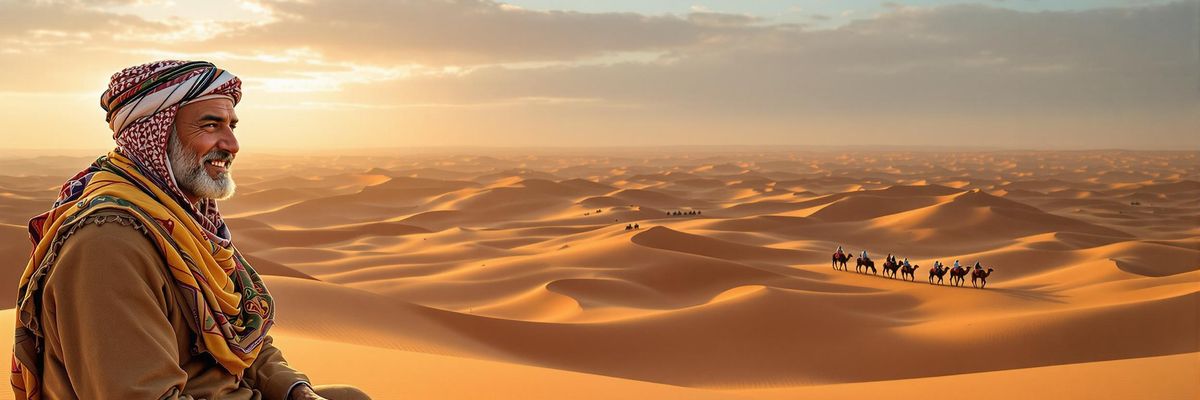
Embrace the cooler temperatures and experience the International Festival of the Sahara in Douz this December.
View More
Celebrate the year-end festivities in Accra, culminating in the vibrant Afrofuture festival.
View More Albania EDITION
 Algeria EDITION
 Argentina EDITION
 Armenia EDITION
 Australia EDITION
 Austria EDITION
 Bangladesh EDITION
 Belgium EDITION
 Belize EDITION
 Benin EDITION
 Bhutan EDITION
 Bolivia EDITION
 Bosnia and Herzegovina EDITION
 Botswana EDITION
 Brazil EDITION
 Bulgaria EDITION
 Burkina Faso EDITION
 Cambodia EDITION
 Cameroon EDITION
 Canada EDITION
 Central African Republic EDITION
 Chad EDITION
 Chile EDITION
 China EDITION
 Colombia EDITION
 Costa Rica EDITION
 Croatia EDITION
 Cyprus EDITION
 Denmark EDITION
 Djibouti EDITION
 Ecuador EDITION
 Egypt EDITION
 El Salvador EDITION
 Eritrea EDITION
 Estonia EDITION
 Ethiopia EDITION
 Finland EDITION
 France EDITION
 Gabon EDITION
 Georgia EDITION
 Germany EDITION
 Ghana EDITION
 Greece EDITION
 Guatemala EDITION
 Guinea EDITION
 Guinea-Bissau EDITION
 Honduras EDITION
 Hungary EDITION
 Iceland EDITION
 India EDITION
 Indonesia EDITION
 Ireland EDITION
 Israel EDITION
 Italy EDITION
 Jamaica EDITION
 Japan EDITION
 Jordan EDITION
 Kenya EDITION
 Kuwait EDITION
 Laos EDITION
 Latvia EDITION
 Lebanon EDITION
 Lesotho EDITION
 Liberia EDITION
 Lithuania EDITION
 Luxembourg EDITION
 Madagascar EDITION
 Malawi EDITION
 Malaysia EDITION
 Maldives EDITION
 Mali EDITION
 Malta EDITION
 Mauritania EDITION
 Mauritius EDITION
 Mexico EDITION
 Mongolia EDITION
 Montenegro EDITION
 Morocco EDITION
 Mozambique EDITION
 Namibia EDITION
 Nepal EDITION
 Netherlands EDITION
 New Zealand EDITION
 Nicaragua EDITION
 Niger EDITION
 Nigeria EDITION
 Norway EDITION
 Oman EDITION
 Pakistan EDITION
 Panama EDITION
 Papua New Guinea EDITION
 Paraguay EDITION
 Peru EDITION
 Philippines EDITION
 Poland EDITION
 Portugal EDITION
 Qatar EDITION
 Romania EDITION
 Rwanda EDITION
 Saudi Arabia EDITION
 Senegal EDITION
 Serbia EDITION
 Singapore EDITION
 Slovakia EDITION
 Slovenia EDITION
 Somalia EDITION
 South Africa EDITION
 South Korea EDITION
 Spain EDITION
 Sri Lanka EDITION
 Suriname EDITION
 Sweden EDITION
 Switzerland EDITION
 Tanzania EDITION
 Thailand EDITION
 Tunisia EDITION
 Uganda EDITION
 United Arab Emirates EDITION
 United Kingdom EDITION
 Uruguay EDITION
 Venezuela EDITION
 Vietnam EDITION
 Zambia EDITION
 Zimbabwe EDITION
Subscribe to our newsletter and get the most captivating travel stories, hidden gems, and expert insights delivered straight to your inbox. As a subscriber, you’ll be first in line for exclusive content, premium offers, and unforgettable travel experiences