


Destination Guide
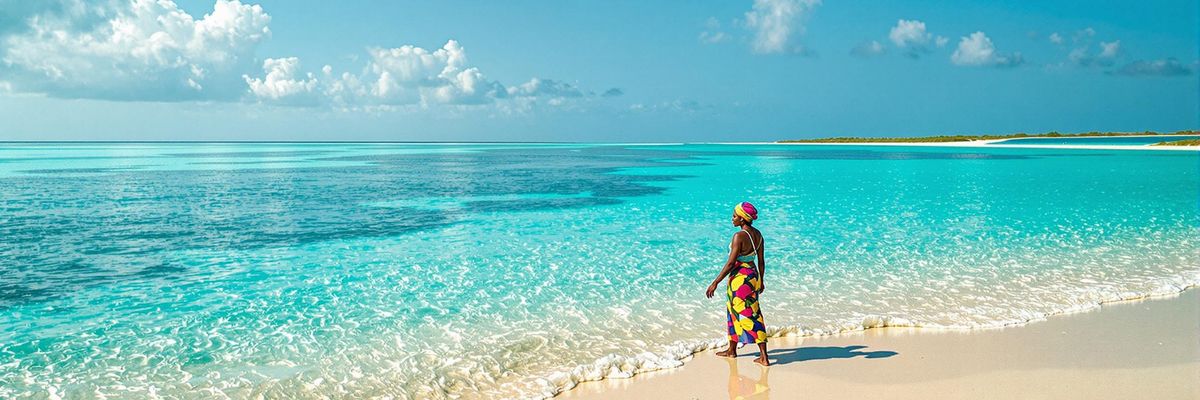
Xai-Xai: A Coastal Retreat
Relax on the beaches and explore the reefs of Xai-Xai.
View More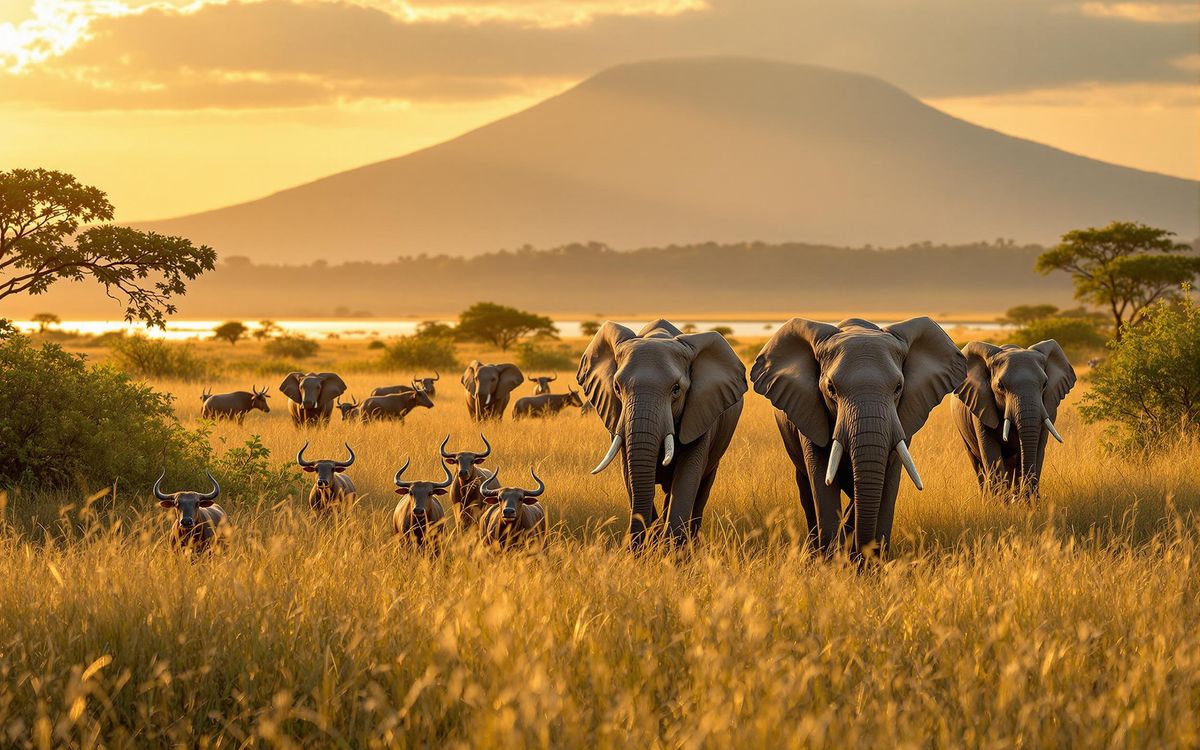

In the heart of Mozambique, Gorongosa National Park stands as a testament to nature's resilience and the transformative power of conservation. Once ravaged by war, this iconic park has undergone a remarkable renaissance, emerging as a beacon of hope for wildlife and communities alike.
From its tumultuous past to its thriving present, Gorongosa offers an unparalleled safari experience, inviting visitors to witness the resurgence of its diverse ecosystems and the inspiring stories of those who have dedicated themselves to its revival.
The history of Gorongosa National Park is a compelling narrative of devastation and recovery. Established initially as a hunting reserve in 1920, the park evolved into a premier national park by the 1960s, boasting a rich tapestry of wildlife. However, this idyllic existence was shattered by the Mozambican Civil War (1977-1992), which decimated the park's infrastructure and wildlife populations. By the war's end, a staggering 95% of the park's animals had been lost, leaving behind a landscape scarred by conflict and neglect.
In 2004, a new chapter began with the partnership between the Mozambican government and the Carr Foundation, a U.S.-based non-profit organization. This collaboration, spearheaded by American philanthropist Greg Carr, marked the beginning of an ambitious 20-year project to restore the park's biodiversity and uplift the surrounding communities. Carr, entranced by the park's ghostly beauty, recognized its potential to recover and simultaneously aid social regeneration in the desperately poor area through tourism.
The initial challenges were immense, with decimated wildlife populations, destroyed infrastructure, and widespread poaching. However, the Gorongosa Project team, with the support of the Mozambican government and local communities, embarked on a comprehensive restoration plan, focusing on wildlife reintroduction, habitat restoration, and community development.
Today, Gorongosa National Park stands as a symbol of successful conservation, a testament to the power of collaboration and the resilience of nature. The park's remarkable recovery offers a sense of hope and serves as a model for conservation efforts worldwide.
The current state of wildlife in Gorongosa is nothing short of remarkable. Recent aerial surveys have documented a significant increase in animal populations, with over 100,000 large animals counted in 2022. This resurgence is a testament to the effectiveness of the park's conservation efforts and the dedication of its rangers.
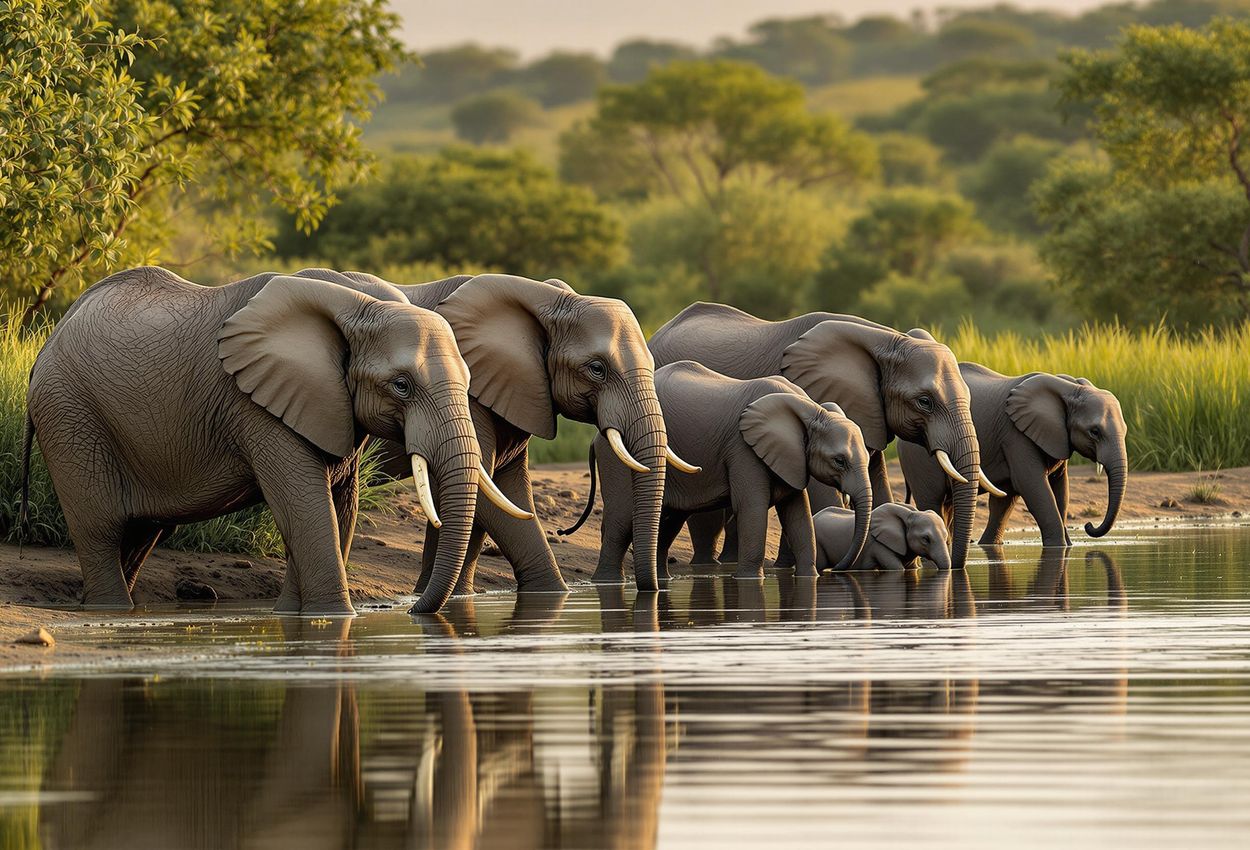
Elephant numbers have recovered well, with a growing population of these iconic creatures roaming the park's diverse landscapes. Notably, a significant portion of Gorongosa's elephant population is tuskless, a genetic adaptation that may have evolved due to heavy poaching during the war. Lion populations have also rebounded, with prides of these apex predators once again stalking the savannahs and woodlands.
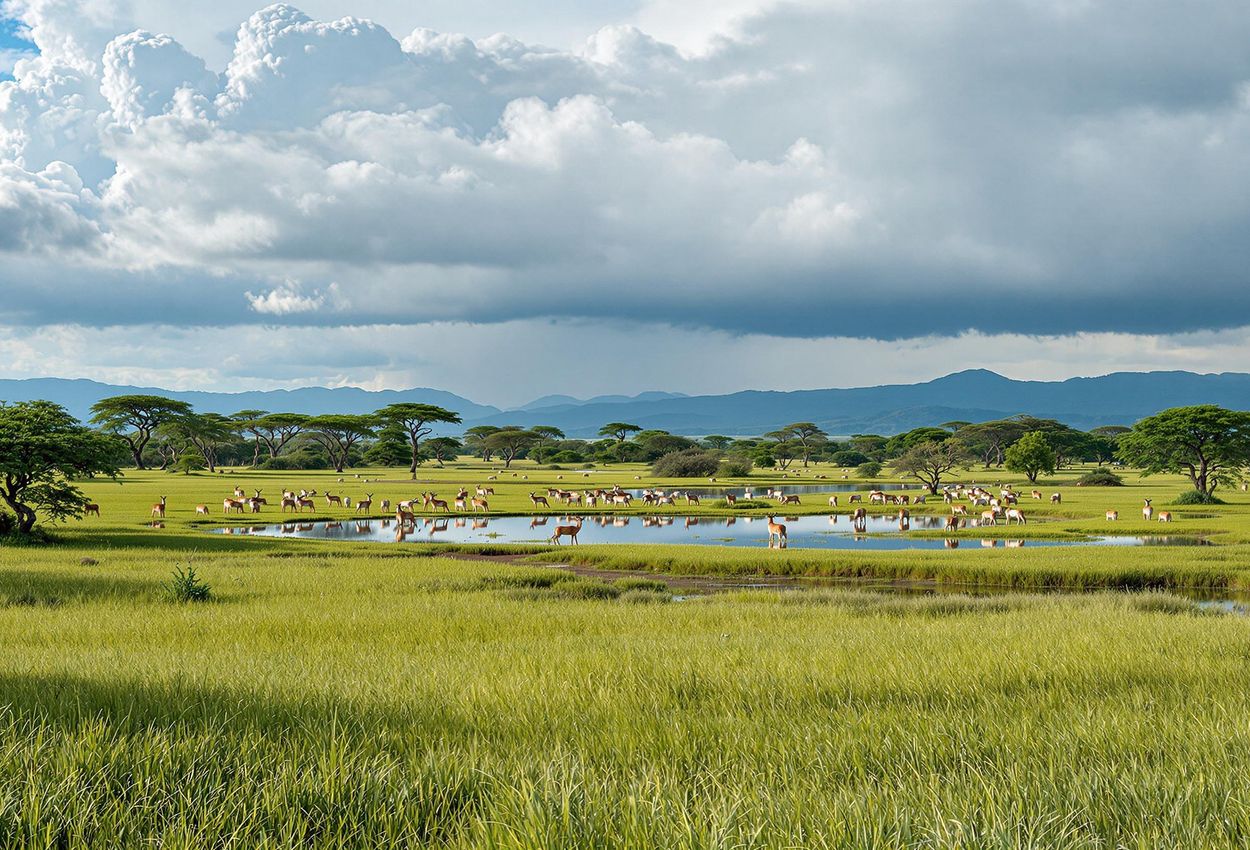
Buffalo, impala, and various antelope species are abundant on the floodplains, grazing peacefully alongside waterbuck, nyala, bushbuck, reedbuck and oribi. The reintroduction of predators like leopards and wild dogs has further contributed to the health and balance of the ecosystem.
During a typical wildlife encounter on a game drive, the senses are overwhelmed by the sights, sounds, and smells of the African bush. The air is filled with the chirping of birds, the rustling of leaves, and the distant roar of a lion. The landscape is a tapestry of golden grasslands, verdant forests, and shimmering waterways. The scent of damp earth, fragrant blossoms, and the musky aroma of wildlife hangs heavy in the air.
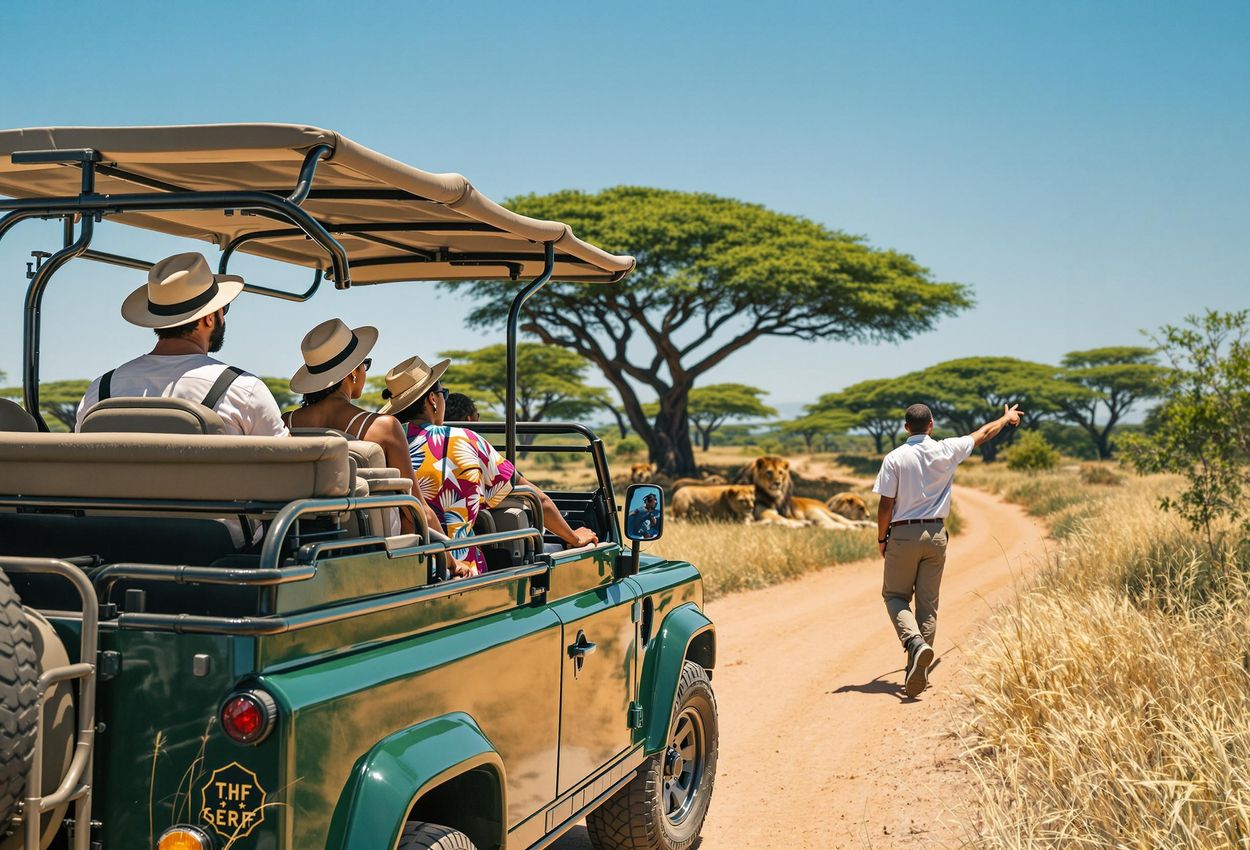
Gorongosa National Park offers a variety of safari options to suit every traveler's preferences. Game drives are a popular choice, providing opportunities to explore the park's diverse landscapes and encounter its iconic wildlife. Knowledgeable guides lead these excursions, sharing their expertise on the park's flora, fauna, and history. Bush walks offer a more immersive experience, allowing visitors to connect with nature on a deeper level. These guided walks provide insights into the park's intricate ecosystems and the smaller details that often go unnoticed during a game drive. Boat trips on Lake Urema provide a unique perspective on the park's aquatic life, with opportunities to spot crocodiles, hippos, and a variety of waterbirds.
During these activities, visitors encounter a range of landscapes, from the vast floodplains to the dense savannahs and lush forests. Specific locations like Muzimu Lodge and Chicari Camp offer unique features and immersive experiences. Muzimu Lodge provides an intimate safari retreat along the Mussicadzi River, while Chicari Camp offers an immersive safari experience set around a vibrant natural waterhole.
Responsible safari practices are paramount in Gorongosa, with an emphasis on respecting wildlife and minimizing environmental impact. Visitors are encouraged to follow guidelines provided by their guides, such as maintaining a safe distance from animals, avoiding unnecessary noise, and properly disposing of waste.
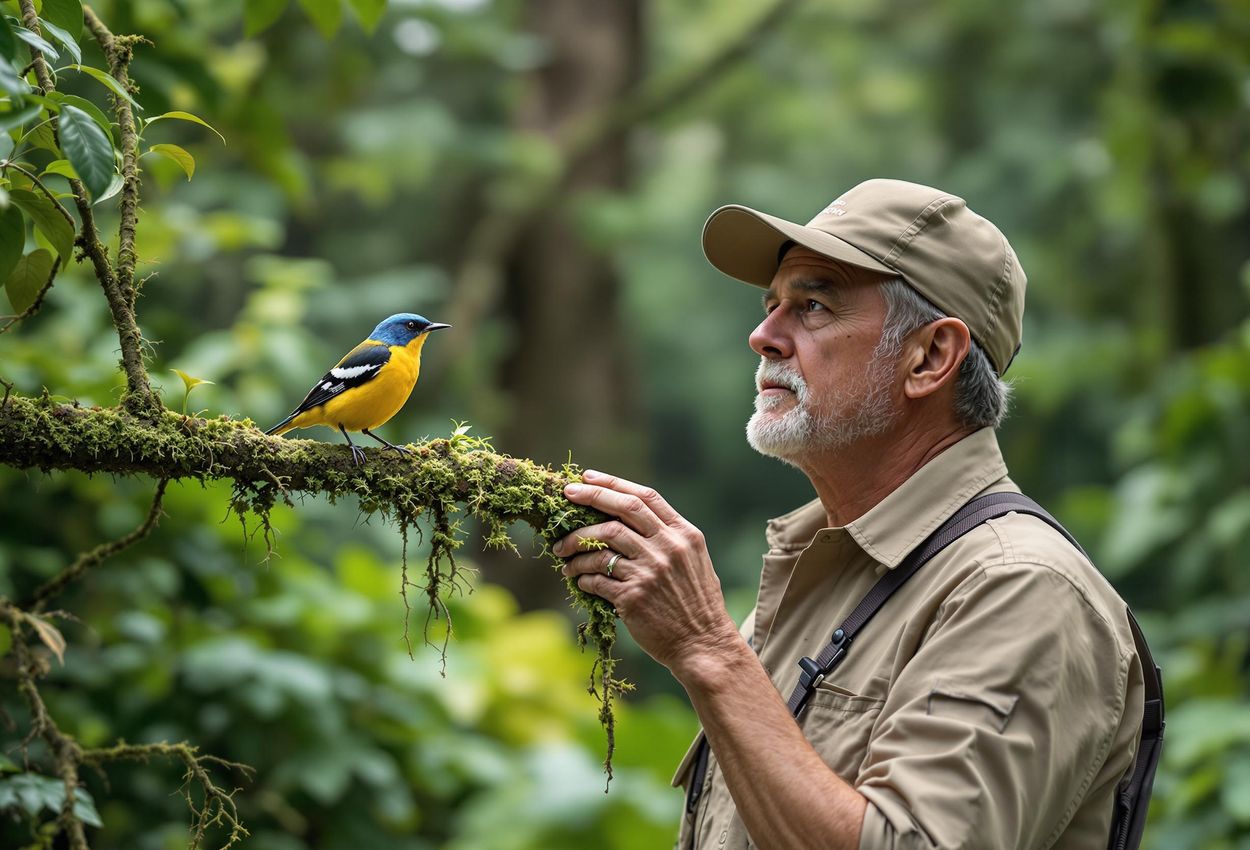
Gorongosa National Park is a haven for birdwatchers, boasting an exceptional birdlife with over 500 recorded species. The park's diverse habitats, ranging from wetlands to forests, provide a home for a wide variety of avian species.
The best time for birdwatching in Gorongosa is during the migratory season in November when migratory birds arrive in Mozambique and resident birds display bright plumage for breeding. During this time, it is possible to spot over 150 different species in a single day.
Notable species include the Green-headed Oriole, found only on Mount Gorongosa, as well as the African fish eagle and various migratory birds. A guided birding tour through the park offers the opportunity to observe these species in their natural habitats, while learning about their behavior and ecology. The sounds of the birds fill the air, creating a symphony of chirps, trills, and calls.
A hidden gem for birdwatchers in Gorongosa is the opportunity to observe the unique behavior of the Green-headed Oriole on Mount Gorongosa. This endemic species, distinguished by the white panel on its wings, can only be found in the old-growth rainforests on the mountaintop.

Gorongosa National Park is committed to empowering local communities through community-based tourism initiatives. The Gorongosa Project focuses on education, healthcare, and agricultural support, providing sustainable livelihoods while promoting conservation.
The coffee and cashew programs are prime examples of this approach, providing local communities with the resources and training needed to cultivate these crops sustainably. These programs not only generate income for the communities but also promote reforestation and protect watersheds.
Local guides and rangers play a vital role in both conservation and community development. These individuals, drawn from the surrounding communities, possess invaluable knowledge of the park's ecosystems and wildlife. They serve as ambassadors for conservation, educating visitors about the importance of protecting Gorongosa's natural heritage.
One successful example of a community-based tourism project is the establishment of craft cooperatives, where local artisans create and sell traditional crafts to visitors. This initiative provides a source of income for the artisans while also preserving and promoting local culture.
By investing in local communities, Gorongosa National Park is creating a sustainable model for conservation, one that benefits both people and wildlife. This approach ensures that the park's future is intertwined with the well-being of its neighbors, fostering a sense of shared responsibility for its protection.
Our editors` picks of the latest and greatest in travel - delivered to your inbox daily
Relax on the beaches and explore the reefs of Xai-Xai.
View More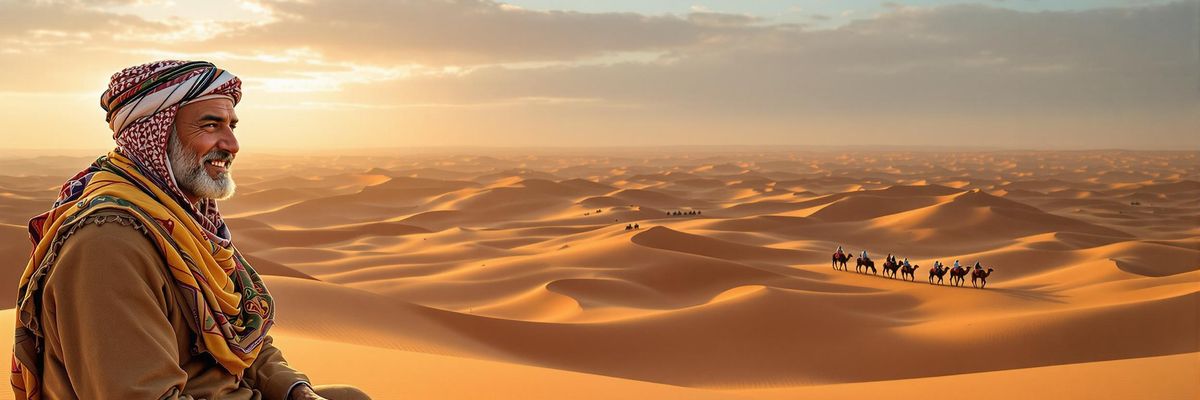
Embrace the cooler temperatures and experience the International Festival of the Sahara in Douz this December.
View More
Celebrate the year-end festivities in Accra, culminating in the vibrant Afrofuture festival.
View More Albania EDITION
 Algeria EDITION
 Argentina EDITION
 Armenia EDITION
 Australia EDITION
 Austria EDITION
 Bangladesh EDITION
 Belgium EDITION
 Belize EDITION
 Benin EDITION
 Bhutan EDITION
 Bolivia EDITION
 Bosnia and Herzegovina EDITION
 Botswana EDITION
 Brazil EDITION
 Bulgaria EDITION
 Burkina Faso EDITION
 Cambodia EDITION
 Cameroon EDITION
 Canada EDITION
 Central African Republic EDITION
 Chad EDITION
 Chile EDITION
 China EDITION
 Colombia EDITION
 Costa Rica EDITION
 Croatia EDITION
 Cyprus EDITION
 Denmark EDITION
 Djibouti EDITION
 Ecuador EDITION
 Egypt EDITION
 El Salvador EDITION
 Eritrea EDITION
 Estonia EDITION
 Ethiopia EDITION
 Finland EDITION
 France EDITION
 Gabon EDITION
 Georgia EDITION
 Germany EDITION
 Ghana EDITION
 Greece EDITION
 Guatemala EDITION
 Guinea EDITION
 Guinea-Bissau EDITION
 Honduras EDITION
 Hungary EDITION
 Iceland EDITION
 India EDITION
 Indonesia EDITION
 Ireland EDITION
 Israel EDITION
 Italy EDITION
 Jamaica EDITION
 Japan EDITION
 Jordan EDITION
 Kenya EDITION
 Kuwait EDITION
 Laos EDITION
 Latvia EDITION
 Lebanon EDITION
 Lesotho EDITION
 Liberia EDITION
 Lithuania EDITION
 Luxembourg EDITION
 Madagascar EDITION
 Malawi EDITION
 Malaysia EDITION
 Maldives EDITION
 Mali EDITION
 Malta EDITION
 Mauritania EDITION
 Mauritius EDITION
 Mexico EDITION
 Mongolia EDITION
 Montenegro EDITION
 Morocco EDITION
 Mozambique EDITION
 Namibia EDITION
 Nepal EDITION
 Netherlands EDITION
 New Zealand EDITION
 Nicaragua EDITION
 Niger EDITION
 Nigeria EDITION
 Norway EDITION
 Oman EDITION
 Pakistan EDITION
 Panama EDITION
 Papua New Guinea EDITION
 Paraguay EDITION
 Peru EDITION
 Philippines EDITION
 Poland EDITION
 Portugal EDITION
 Qatar EDITION
 Romania EDITION
 Rwanda EDITION
 Saudi Arabia EDITION
 Senegal EDITION
 Serbia EDITION
 Singapore EDITION
 Slovakia EDITION
 Slovenia EDITION
 Somalia EDITION
 South Africa EDITION
 South Korea EDITION
 Spain EDITION
 Sri Lanka EDITION
 Suriname EDITION
 Sweden EDITION
 Switzerland EDITION
 Tanzania EDITION
 Thailand EDITION
 Tunisia EDITION
 Uganda EDITION
 United Arab Emirates EDITION
 United Kingdom EDITION
 Uruguay EDITION
 Venezuela EDITION
 Vietnam EDITION
 Zambia EDITION
 Zimbabwe EDITION
Subscribe to our newsletter and get the most captivating travel stories, hidden gems, and expert insights delivered straight to your inbox. As a subscriber, you’ll be first in line for exclusive content, premium offers, and unforgettable travel experiences