


Destination Guide
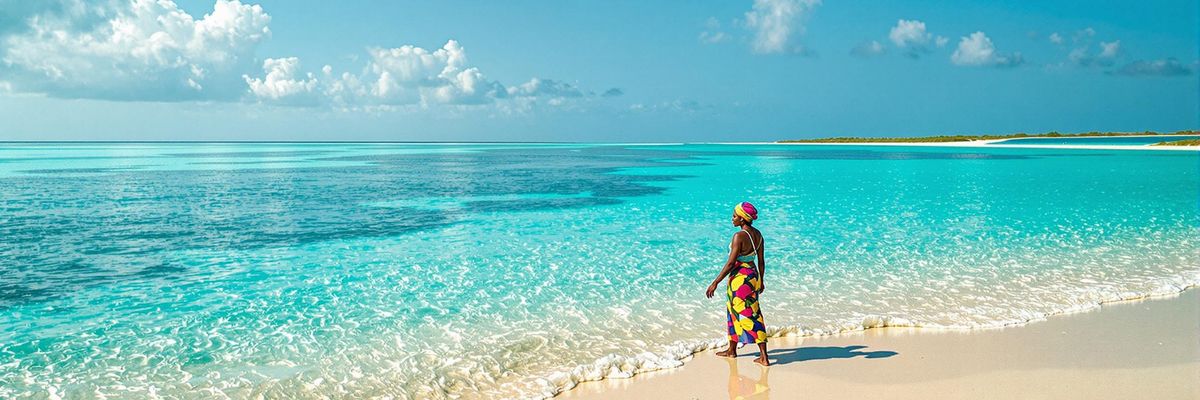
Xai-Xai: A Coastal Retreat
Relax on the beaches and explore the reefs of Xai-Xai.
View More

Journey into the heart of Djibouti, where the earth stretches out in a vast expanse of cracked clay, and the horizon dances with shimmering mirages. Welcome to Grand Bara, a desert that whispers ancient secrets to those who dare to listen.
Here, solitude meets stark beauty, and the challenges of desert travel are rewarded with unparalleled views and a deep connection to the soul of Africa. This is more than just a destination; it's an experience that will stay with you long after the sand has been brushed from your boots.
Prepare for an expedition into the unknown, where every grain of sand tells a story, and the silence speaks volumes. Grand Bara awaits, promising adventure, discovery, and a profound sense of wonder.
The Grand Bara isn't merely a desert; it's a realm where the earth confides secrets to those who lend an ear. Imagine standing on the precipice of forever, where the sky kisses the land in an unbroken embrace. This expansive landscape evokes a profound sense of solitude, a feeling of being utterly alone yet intimately connected to the raw essence of the planet. The silence here is a palpable presence, broken only by the whispers of the wind as it sweeps across the cracked clay plains.
Located in southern Djibouti, the Grand Bara is easily accessible via the RN1 highway from Djibouti City. As you traverse this route, the landscape gradually transforms, shedding the trappings of civilization to reveal the stark beauty of the desert. The journey itself is a preparation, a shedding of the mundane in anticipation of the extraordinary.
The desert's character is defined by its unique geological formations, remnants of ancient lake beds that have dried over millennia. These formations create a surreal topography of cracked clay and sand flats, stretching approximately 40 kilometers in length. During the rainy season, the poorly drained clay soil collects water, leading to the growth of grasses and sparse vegetation, a fleeting burst of life in an otherwise arid environment. This ephemeral transformation underscores the resilience of nature and its ability to thrive even in the harshest conditions.
The Grand Bara marks the delimitation of the volcanic part of the country from the sedimentary part. This geological boundary adds another layer of intrigue to the landscape, a visual representation of the earth's dynamic forces at play. The desert is not static but a living testament to the planet's ever-evolving story.
As you stand on the Grand Bara, take a moment to appreciate the vastness, the solitude, and the unique geological tapestry that unfolds before you. Listen to the whispers of the wind, and let the desert unveil its soul.
The allure of the Grand Bara is heightened by the captivating phenomenon of mirages, optical illusions that transform the horizon into a shimmering expanse of water. These mirages create a surreal experience, blurring the line between reality and illusion, and adding an ethereal quality to the already otherworldly landscape.
The play of light on the cracked clay and sand creates an ever-shifting panorama, an ethereal dance that captivates the senses. As the sun climbs higher in the sky, the mirages intensify, creating the illusion of vast lakes and shimmering oases in the distance. This constant flux challenges one's perception and adds to the sense of disorientation that is both disorienting and exhilarating.
These illusions pose a unique challenge to travelers, particularly those unfamiliar with the desert environment. What appears to be a refreshing body of water may simply be a trick of the light, leading to disappointment and potentially dangerous miscalculations. Navigating the Grand Bara requires a keen understanding of the landscape and a healthy dose of skepticism.
One specific location within the Grand Bara, the central plains, is particularly known for frequent mirage sightings. Here, the flat, unobstructed terrain allows the optical illusions to stretch out to the horizon, creating a truly mesmerizing spectacle. It's a place where the desert reveals its playful side, teasing and tantalizing those who venture into its embrace.
To witness a mirage in the Grand Bara is to experience the desert's magic, a reminder that not everything is as it seems, and that beauty can be found even in the most deceptive of illusions.
The Grand Bara and its surrounding areas have long been home to nomadic cultures, most notably the Issa Somali people. Their traditional way of life, deeply intertwined with the rhythms of the desert, offers a glimpse into a world where survival depends on a profound understanding of the natural environment.
The Issa Somali are pastoralists, their lives centered around the raising of livestock, primarily camels, goats, and sheep. These animals provide them with sustenance, transportation, and a source of income, forming the backbone of their nomadic existence. Their movements are dictated by the availability of grazing land and water sources, a constant search for sustenance in a harsh and unforgiving landscape.
Their culture is rich with traditions, passed down through generations, that reflect their deep connection to the desert environment. Oral storytelling, intricate weaving, and traditional music are all integral parts of their cultural heritage, serving as a means of preserving their history and identity. The oral customary laws, known as Xeer Ciise, have been kept working for the last five centuries.
One hidden gem that speaks to the Issa Somali's resourcefulness is the traditional use of specific wells or watering holes. These wells, often located in remote and inconspicuous locations, are vital to the survival of both the people and their livestock. They represent a deep understanding of the desert's hidden resources and the ability to thrive in seemingly impossible conditions.
In today's modernizing world, the Issa Somali face numerous challenges in preserving their traditional way of life. Climate change, increasing urbanization, and political pressures all threaten their nomadic existence. However, they are adapting and finding ways to integrate into the modern world while still maintaining their cultural heritage and deep connection to the Grand Bara.
Venturing into the Grand Bara requires careful preparation and a mindful approach to the desert environment. Packing the right gear and understanding the challenges that lie ahead is crucial for a safe and rewarding experience.
First and foremost, appropriate clothing is essential. Lightweight, breathable fabrics are your best defense against the scorching sun and intense heat. Loose-fitting clothing allows for air circulation and helps to keep you cool. A wide-brimmed hat and sunglasses are also crucial for protecting yourself from the sun's harmful rays. And don't forget sunscreen with a high SPF to shield your skin from sunburn.
Water is life in the desert, and carrying an ample supply is non-negotiable. Dehydration can set in quickly in the Grand Bara, so it's essential to drink regularly, even if you don't feel thirsty. A good rule of thumb is to carry at least one gallon of water per person per day. Also, consider bringing a water filter or purification tablets as a backup.
A first-aid kit is another essential item to include in your desert survival kit. Be sure to include supplies for treating minor cuts, burns, and insect bites, as well as any personal medications you may need. It's also a good idea to include electrolyte supplements to help replenish lost fluids and minerals.
One hidden gem for combating heatstroke or dehydration is a traditional remedy used by locals involving indigenous plants. While it's crucial to consult with a local guide before using any traditional remedies, understanding the local knowledge of desert survival can be invaluable.
The best time to visit the Grand Bara is during the milder months of October to April. During this time, the temperatures are more bearable, making it easier to explore the desert landscape. However, even during these months, it's essential to be prepared for extreme heat and sun exposure.
Finally, hiring a local guide is highly recommended for anyone venturing into the Grand Bara. A knowledgeable guide can provide invaluable insights into the desert's ecosystem, navigate the terrain safely, and share stories and traditions of the local culture.
The Grand Bara presents a unique challenge and opportunity for photographers seeking to capture its stark beauty. The vastness of the landscape, the play of light and shadow, and the subtle textures of the desert floor all combine to create a visually stunning subject.
For panoramic vistas, seek out elevated dunes or rocky outcrops that offer unobstructed views of the desert expanse. These vantage points allow you to capture the scale of the landscape and the sense of isolation that defines the Grand Bara.
The golden hours, early morning and late afternoon, are the best times to shoot in the desert. During these times, the light is soft and warm, casting long shadows that accentuate the textures and contours of the landscape. The contrast between light and shadow creates a dramatic effect, adding depth and dimension to your photographs.
A wide-angle lens is essential for capturing the vastness of the Grand Bara, allowing you to encompass the entire scene in a single frame. A telephoto lens can be useful for isolating details, such as the patterns in the cracked clay or the silhouette of a lone acacia tree.
One hidden gem for enhancing the colors and textures of the desert landscape is the use of a polarizing filter. This filter reduces glare and reflections, allowing the true colors of the sand and sky to shine through. It also enhances the contrast, making the details of the landscape pop.
Remember to protect your equipment from the harsh desert environment. Sand and dust can wreak havoc on cameras and lenses, so it's essential to use a protective case and lens cleaning kit. Also, be mindful of the heat, which can damage electronic equipment. Keep your camera in a cool, shaded place when not in use.
Most importantly, be patient and observant. The beauty of the Grand Bara is often subtle, revealing itself slowly over time. Take your time to explore the landscape, experiment with different angles and compositions, and wait for the perfect moment to capture the essence of this unique desert.
The Grand Bara offers more than just scenic beauty; it's also a playground for adventurous souls seeking unique and thrilling experiences. Among the most popular activities is sand yachting, a sport that harnesses the strong winds and flat terrain of the desert to create an exhilarating ride.
Sand yachts are specially designed vehicles with sails that glide across the desert surface, propelled by the wind. The experience is a unique blend of sailing and land-based adventure, offering a sense of freedom and speed that is unmatched. As you race across the Grand Bara, the wind whips through your hair, and the landscape blurs into a mesmerizing panorama.
The thrill of sand yachting comes from the combination of speed, skill, and the unpredictable nature of the wind. Maneuvering the yacht requires a delicate balance of steering and sail control, and the ever-changing wind conditions add an element of challenge and excitement.
Beyond sand yachting, the Grand Bara offers other opportunities for desert adventure. Hiking across the vast plains allows you to immerse yourself in the landscape and discover its hidden details. Stargazing under the clear desert skies is an unforgettable experience, far from the light pollution of urban areas.
One hidden gem for a unique desert adventure is a lesser-known spot for sand yachting, a location that only local tour operators know about. This spot offers even stronger winds and a more challenging terrain, perfect for experienced sand yachting enthusiasts.
Whether you're a seasoned adventurer or a first-time visitor, the Grand Bara offers a range of activities to satisfy your thirst for excitement and exploration. From the adrenaline rush of sand yachting to the tranquility of stargazing, the desert is a place where you can push your limits and discover new possibilities.
Despite its harsh environment, the Grand Bara is home to a surprising array of wildlife that has adapted to survive in this arid landscape. From graceful gazelles to elusive birds, the desert teems with life, offering a glimpse into the resilience of nature.
Various species of gazelles roam the Grand Bara, their slender bodies and elegant horns perfectly suited to the open plains. These herbivores have adapted to survive on the sparse vegetation, and their keen eyesight and agility help them evade predators.
Endemic geckos, unique to this region, can be found scurrying across the rocky terrain. These reptiles have evolved to withstand the extreme temperatures and lack of water, their scales providing protection from the sun and their bodies able to conserve moisture.
The Archer's lark, an endemic bird species, is another fascinating inhabitant of the Grand Bara. Its melodic song can be heard echoing across the plains, a testament to the enduring spirit of life in the desert. These birds are well-camouflaged, blending seamlessly with the sand and rocks, making them difficult to spot.
Wildlife sightings are more common in specific locations, particularly near watering holes or areas with denser vegetation. These areas provide sustenance and shelter for the animals, making them more likely to congregate in these spots.
One hidden gem is a local initiative to protect the desert's biodiversity, a conservation effort that focuses on preserving the habitat of these unique species. By supporting these initiatives, visitors can contribute to the long-term survival of the Grand Bara's wildlife.
The Grand Bara holds a rich geological history, its origins as an ancient lake bed shaping its current landscape. Over millennia, the lake dried up, leaving behind the vast plains of cracked clay and sand that define the desert today. This transformation is a testament to the earth's dynamic processes and the constant evolution of our planet.
Today, the Grand Bara is on the cusp of another transformation, with plans underway to build a solar plant in the region. This ambitious project aims to harness the desert's abundant sunshine to generate clean, renewable energy, providing a sustainable source of power for Djibouti and reducing its reliance on fossil fuels.
The planned solar plant represents a significant investment in the region, with the potential to create jobs and stimulate economic growth. However, it also raises important questions about the balance between development and preserving the natural environment. Careful planning and mitigation measures are essential to minimize the impact on the desert's fragile ecosystem.
One hidden gem is a traditional method used by the nomadic people to harness solar energy for their daily needs. This ingenuity reflects a deep understanding of the desert environment and a commitment to sustainable living.
The Grand Bara's transformation from an ancient lake to a potential solar powerhouse represents a new chapter in its history, a shift towards a more sustainable future. By embracing renewable energy, Djibouti can protect its natural resources and create a brighter future for its people.
Each year, the Grand Bara plays host to a unique event that celebrates the human spirit and the挑战 of the desert environment. The Grand Bara 15K race attracts runners from around the world, all eager to test their endurance against the heat, the terrain, and the sheer vastness of the desert.
The race is a grueling test of physical and mental strength, pushing participants to their limits. The scorching sun, the uneven terrain, and the relentless wind all contribute to the challenge. But despite the hardships, the runners are drawn to the Grand Bara by its unique beauty and the sense of accomplishment that comes with conquering its formidable landscape.
The race attracts both local and international runners, creating a vibrant atmosphere of camaraderie and competition. Participants from different countries and cultures come together to share their passion for running and their respect for the desert environment.
One hidden gem is a story from a past race, an anecdote that captures the spirit of the event and the resilience of the participants. This story serves as a reminder of the human capacity to overcome adversity and the power of community to support and inspire.
The Grand Bara Race is more than just a sporting event; it's a celebration of the human spirit and the enduring allure of the desert. It's a testament to the power of perseverance and the ability to find joy and connection even in the most challenging of environments.
While the Grand Bara itself offers a raw and untamed experience, nearby accommodations provide luxurious and transformative experiences that allow you to immerse yourself in the desert landscape without sacrificing comfort. These eco-lodges and luxury camps offer a unique blend of adventure and relaxation, allowing you to connect with nature while enjoying world-class amenities.
Imagine waking up to the sound of the desert wind, the sun rising over the vast plains, painting the landscape in hues of gold and crimson. The air is crisp and clean, carrying the scent of desert flora. As you step outside your eco-lodge, the warmth of the sun embraces you, and the silence of the desert envelops you in a sense of tranquility.
These accommodations offer unique features that enhance your desert experience. Traditional Djiboutian cuisine tantalizes your taste buds with exotic flavors and local ingredients. Stargazing opportunities abound under the clear desert skies, far from the light pollution of urban areas. Interactions with local communities provide insights into the culture and traditions of the nomadic people who call this region home.
One hidden gem is a culturally specific detail or experience offered at one of these accommodations, a unique touch that sets it apart from other luxury stays. This could be a traditional tea ceremony, a storytelling session with a local elder, or a guided tour of a nearby nomadic village.
These immersive desert stays offer a chance to disconnect from the stresses of modern life and reconnect with the natural world. They are a place to reflect, rejuvenate, and discover the beauty and tranquility of the Grand Bara and its surrounding landscape.
Whether you're seeking adventure, relaxation, or cultural immersion, these luxurious desert stays offer an unforgettable experience that will leave you with a deep appreciation for the beauty and resilience of the Grand Bara.
Our editors` picks of the latest and greatest in travel - delivered to your inbox daily
Relax on the beaches and explore the reefs of Xai-Xai.
View More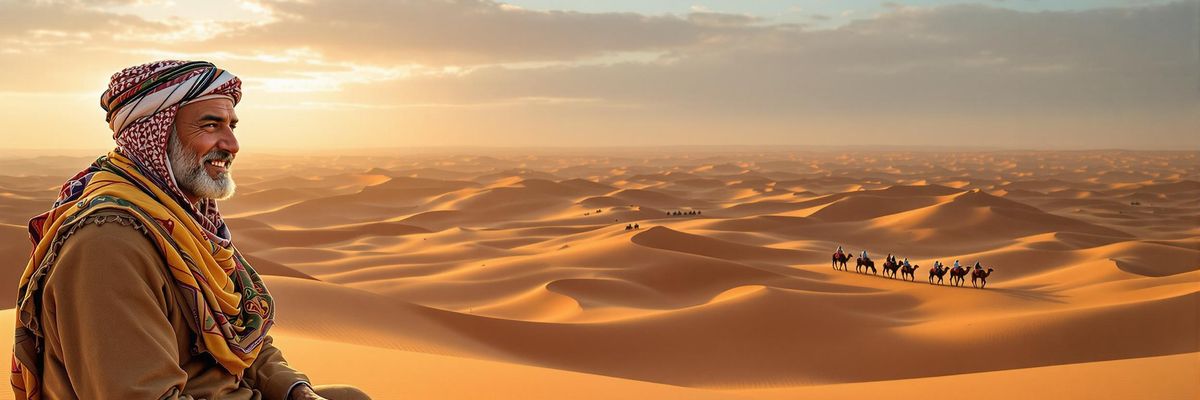
Embrace the cooler temperatures and experience the International Festival of the Sahara in Douz this December.
View More
Celebrate the year-end festivities in Accra, culminating in the vibrant Afrofuture festival.
View More Albania EDITION
 Algeria EDITION
 Argentina EDITION
 Armenia EDITION
 Australia EDITION
 Austria EDITION
 Bangladesh EDITION
 Belgium EDITION
 Belize EDITION
 Benin EDITION
 Bhutan EDITION
 Bolivia EDITION
 Bosnia and Herzegovina EDITION
 Botswana EDITION
 Brazil EDITION
 Bulgaria EDITION
 Burkina Faso EDITION
 Cambodia EDITION
 Cameroon EDITION
 Canada EDITION
 Central African Republic EDITION
 Chad EDITION
 Chile EDITION
 China EDITION
 Colombia EDITION
 Costa Rica EDITION
 Croatia EDITION
 Cyprus EDITION
 Denmark EDITION
 Djibouti EDITION
 Ecuador EDITION
 Egypt EDITION
 El Salvador EDITION
 Eritrea EDITION
 Estonia EDITION
 Ethiopia EDITION
 Finland EDITION
 France EDITION
 Gabon EDITION
 Georgia EDITION
 Germany EDITION
 Ghana EDITION
 Greece EDITION
 Guatemala EDITION
 Guinea EDITION
 Guinea-Bissau EDITION
 Honduras EDITION
 Hungary EDITION
 Iceland EDITION
 India EDITION
 Indonesia EDITION
 Ireland EDITION
 Israel EDITION
 Italy EDITION
 Jamaica EDITION
 Japan EDITION
 Jordan EDITION
 Kenya EDITION
 Kuwait EDITION
 Laos EDITION
 Latvia EDITION
 Lebanon EDITION
 Lesotho EDITION
 Liberia EDITION
 Lithuania EDITION
 Luxembourg EDITION
 Madagascar EDITION
 Malawi EDITION
 Malaysia EDITION
 Maldives EDITION
 Mali EDITION
 Malta EDITION
 Mauritania EDITION
 Mauritius EDITION
 Mexico EDITION
 Mongolia EDITION
 Montenegro EDITION
 Morocco EDITION
 Mozambique EDITION
 Namibia EDITION
 Nepal EDITION
 Netherlands EDITION
 New Zealand EDITION
 Nicaragua EDITION
 Niger EDITION
 Nigeria EDITION
 Norway EDITION
 Oman EDITION
 Pakistan EDITION
 Panama EDITION
 Papua New Guinea EDITION
 Paraguay EDITION
 Peru EDITION
 Philippines EDITION
 Poland EDITION
 Portugal EDITION
 Qatar EDITION
 Romania EDITION
 Rwanda EDITION
 Saudi Arabia EDITION
 Senegal EDITION
 Serbia EDITION
 Singapore EDITION
 Slovakia EDITION
 Slovenia EDITION
 Somalia EDITION
 South Africa EDITION
 South Korea EDITION
 Spain EDITION
 Sri Lanka EDITION
 Suriname EDITION
 Sweden EDITION
 Switzerland EDITION
 Tanzania EDITION
 Thailand EDITION
 Tunisia EDITION
 Uganda EDITION
 United Arab Emirates EDITION
 United Kingdom EDITION
 Uruguay EDITION
 Venezuela EDITION
 Vietnam EDITION
 Zambia EDITION
 Zimbabwe EDITION
Subscribe to our newsletter and get the most captivating travel stories, hidden gems, and expert insights delivered straight to your inbox. As a subscriber, you’ll be first in line for exclusive content, premium offers, and unforgettable travel experiences