


Destination Guide
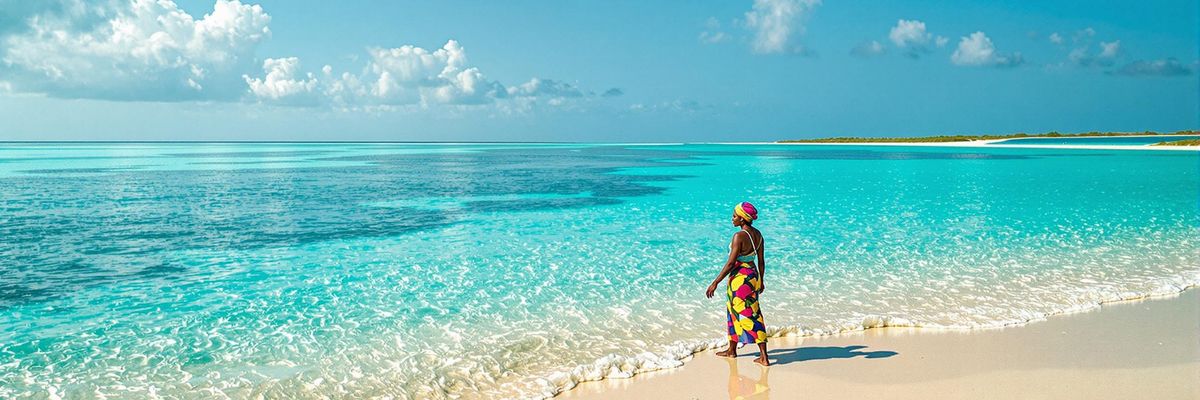
Xai-Xai: A Coastal Retreat
Relax on the beaches and explore the reefs of Xai-Xai.
View More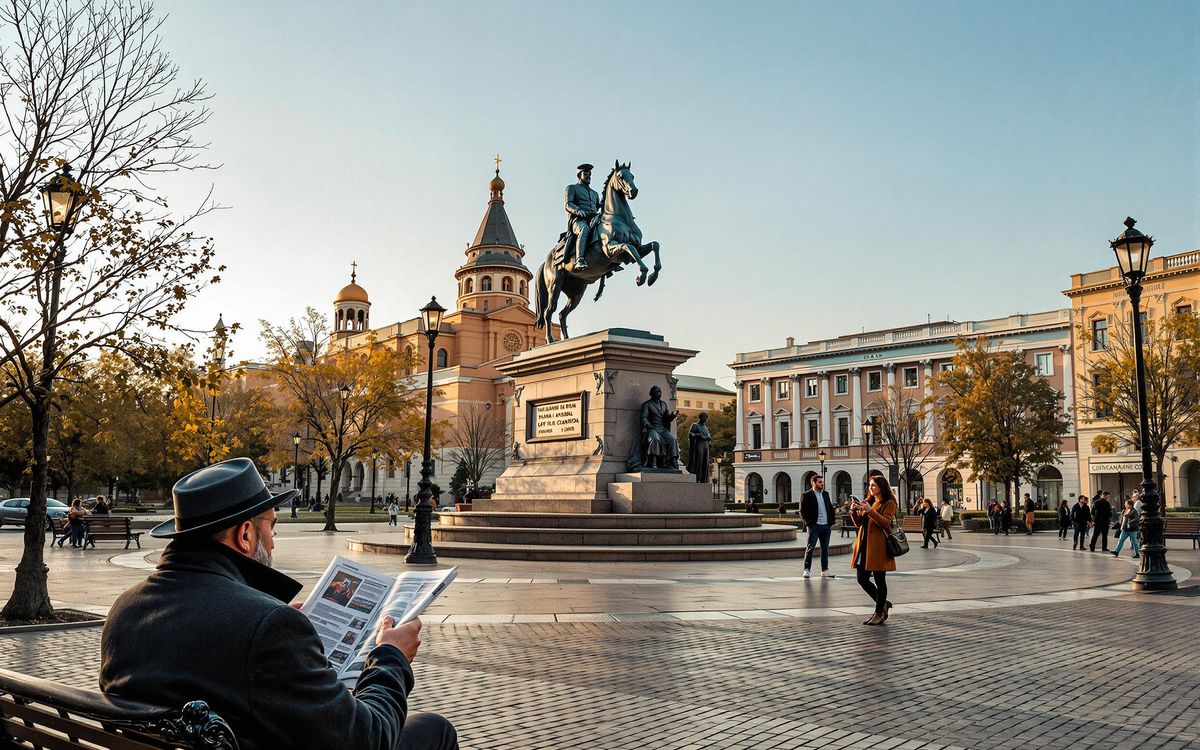

As the leaves turn golden and a crispness fills the air, Gyumri, Armenia’s second-largest city, reveals its soulful charm. This late autumn, discover a city where history whispers from every stone, where art flourishes in unexpected corners, and where the spirit of resilience shines brightly.
From its unique architecture to its vibrant cultural scene, Gyumri offers an unforgettable travel experience.
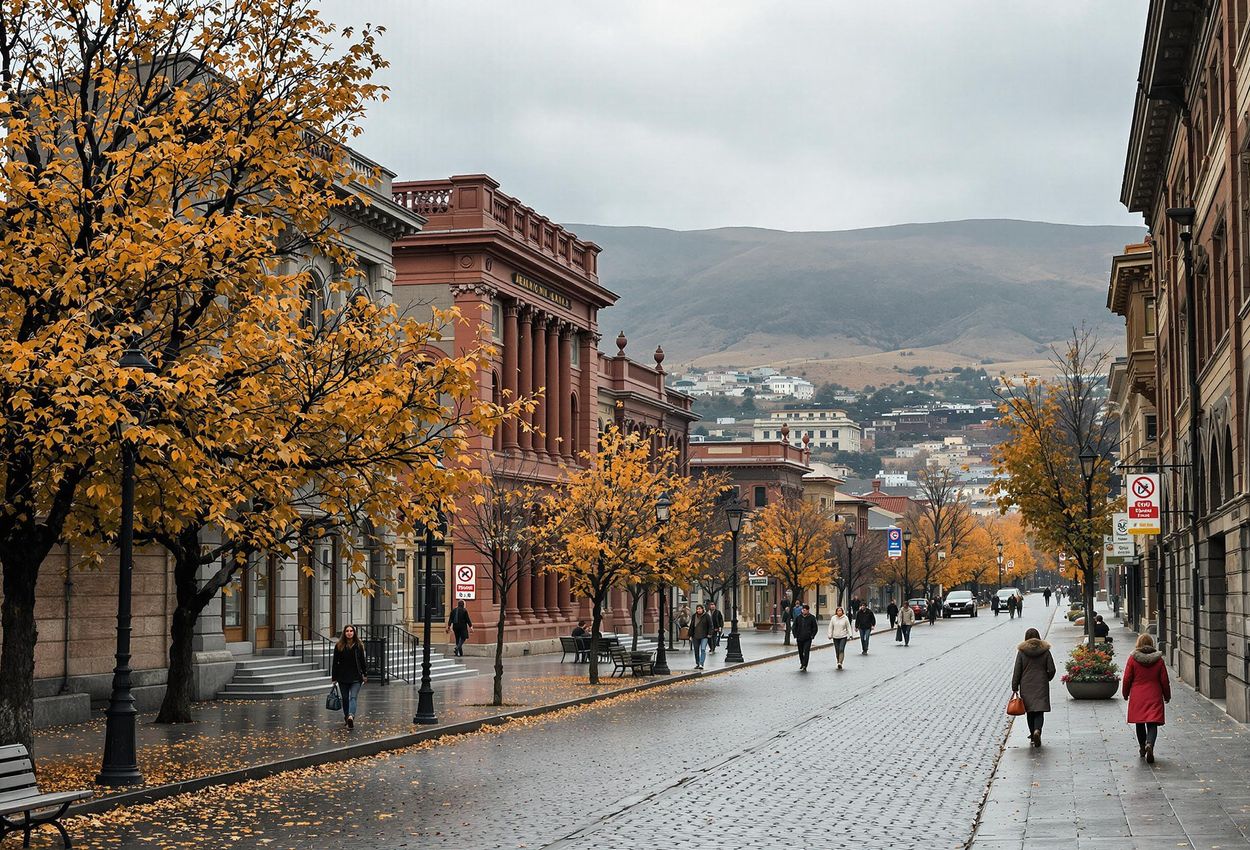
Imagine walking through streets where time seems to slow down, where the air is crisp and carries the scent of woodsmoke from distant chimneys. In late autumn, Gyumri is bathed in a soft, golden light that illuminates the unique blend of architectural styles that define the city. The black and apricot hues of the buildings create a stunning visual contrast against the backdrop of the changing season.
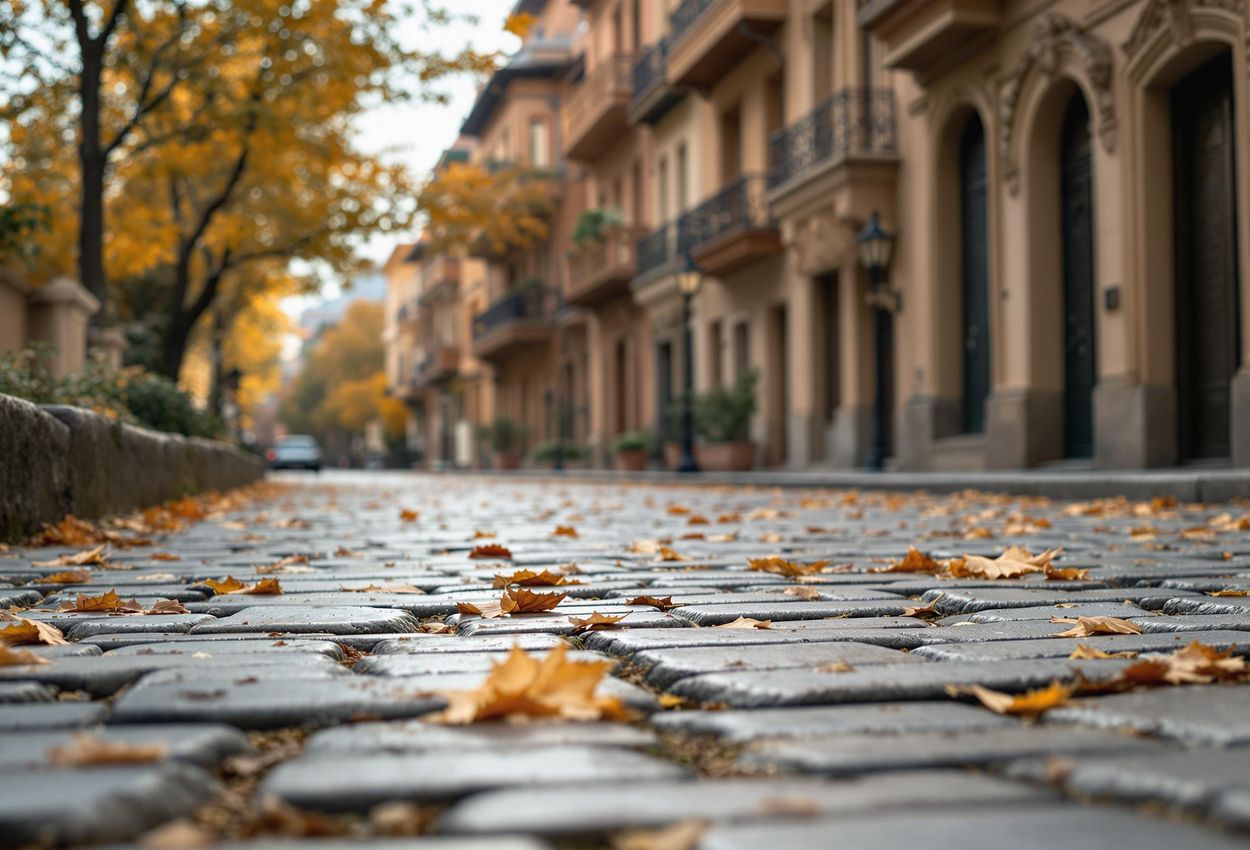
The heart of Gyumri lies in the Kumayri Historic District, where 19th-century architecture stands proudly alongside Soviet-era structures. Cobblestone streets wind through the district, inviting you to step back in time and immerse yourself in the city's rich history. Each building tells a story, reflecting the city's past as a vital trading post and cultural hub. The buildings have been preserved, and the area is one of the few places that still has authentic urban Armenian architecture.
As you wander, listen to the sounds of daily life – the chatter of locals, the clip-clop of horses' hooves on the cobblestones, and the distant melodies of traditional music. Notice the intricate details of the buildings, from the ornate balconies to the carved stone facades. Feel the cool, crisp air on your skin and breathe in the scent of autumn leaves. This is Gyumri, a city that engages all your senses and leaves a lasting impression.
The general simplicity and grace of the early 19th-century buildings are livened by the use of contrasting stone plates and a variety of inventive window panes. The local craftsmen and carvers avoided a jarring contrast by sheer restraint. The decorative motives were used sparsely, mainly on the gates, doors, windows, and cornices. In some cases, the styles become completely blurred, simultaneously combining neo-classicism, Russian Ampir, and Art Nouveau with a distinctly local sense of color and scale.
Housed in a magnificent 19th-century mansion, the Dzitoghtsyan Museum of National Architecture offers a fascinating glimpse into Gyumri's past. Built in 1872 by the wealthy merchant Petros Dzitoghtsyan, the house itself is a masterpiece of Armenian architecture, constructed from the distinctive red tuff stone of the Shirak region. The four brothers migrated from the Western Armenian village of Dzitogh to the city of Alexandropol (now Gyumri).
Step inside and be transported to the era of old Alexandrapol, as Gyumri was formerly known. The museum's collection showcases the daily life of the city's residents from the 19th century up to the 1920s. Admire the antique furniture, traditional clothing, and household items that offer a tangible connection to the past. Photographs adorn the walls, capturing moments in time and revealing the faces of those who shaped the city's history.
Notice the intricate architectural details of the house, from the vaulted ceilings to the ornate fireplaces. Don't miss the piano brought from Italy, a testament to the Dzitoghtsyan family's refined taste and international connections. Also of interest is the diorama of old Alexandrapol, providing a bird's-eye view of the city as it once was. The museum also features the cultural, architectural, and religious aspects of the city.
The museum is divided into two parts; on the first floor, you can see pictures of well-known figures of Gyumri, as well as famous people like Margaret Thatcher, Ronald Reagan, and Jacques Cousteau. Here, you can also see the furniture of the Dzitoghtsyans, which hasn't been changed from its original form. The most interesting thing is the piano, which was brought from Italy, and other parts of the furniture from Europe. In that part, you will see the modern works of local artists, handmade rugs, and carpets. In the second room, you will see the old pictures of Gyumri and the old map of Alexsandrapol. This room has a unique decoration with the collection of different keys.

Vartanants Square serves as the central hub of Gyumri, a vibrant gathering place that reflects the city's spirit and history. The square is bordered by Abovyan Street from the west, Gai Street from the north, Shahumyan Street from the east, and Vahan Cheraz Street from the south. The square was opened during the 1930s under Soviet rule, based on the original plan of Alexander Tamanian and the revised plan of D. Chislian.
Surrounded by impressive architecture, including the Church of the Holy Saviour and the Municipality building, the square is a testament to Gyumri's architectural heritage. In late autumn, the square comes alive with local gatherings and events, creating a lively and welcoming atmosphere. The blend of neoclassical and traditional Armenian architectural styles adds to the square's unique charm.
At the center of the square is a memorial dedicated to the Battle of Avarayr in 451, where Armenians fought against the Persian Empire to preserve their Christian faith. The memorial includes statues of historic Armenian figures who led the campaign against Sassanid Persia. The equestrian statue of Vartan Mamikonian stands at the center of the memorial. The other four statues depict the Catholicos Hovsep I of Armenia, Ghevond Yerets, V. Mamikonian's mother, and the prince Arshavir II Kamsarakan.
Local Tip: Just around the corner from the square is the oldest barbershop in the city, serving male clients for over 80 years. It's a step back in time and a chance to experience a traditional Gyumri institution.
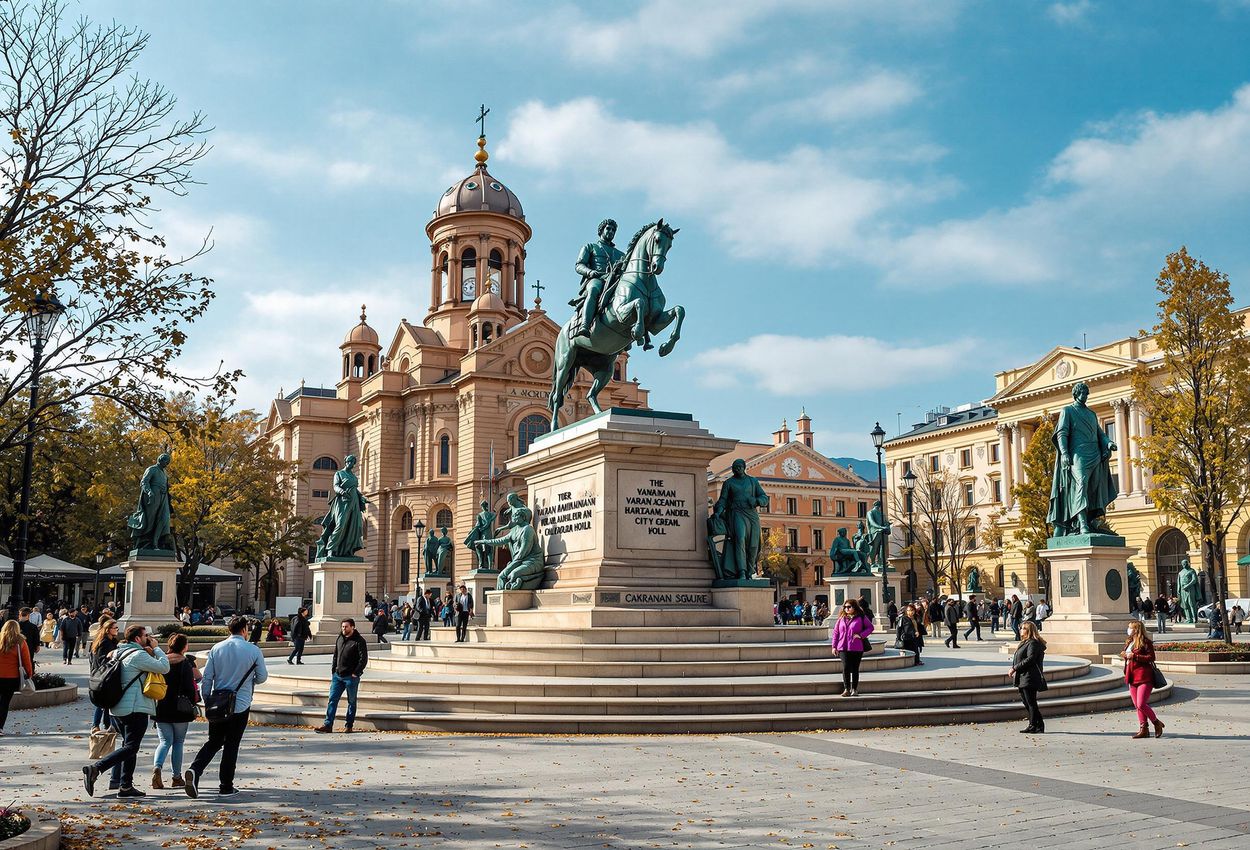
Perched on a hill overlooking Gyumri, the Black Fortress (Sev Berd) stands as a silent witness to the city's tumultuous past. Built in the 19th century by the Russian imperial forces, the fortress served as a strategic military outpost, protecting the city from external threats. The fortress was built in response to the Russo-Turkish War of 1828–1829.
Constructed from black volcanic tuff, the fortress derives its name from the dark, imposing stone. Its circular design and massive walls evoke a sense of strength and resilience. Explore the fortress's ramparts and imagine the soldiers who once stood guard, scanning the horizon for approaching enemies.
From the fortress, enjoy panoramic views of Gyumri and the surrounding landscape. Take in the beauty of the city's architecture, the rolling hills, and the distant mountains. The fortress offers a unique perspective on Gyumri's strategic location and its connection to the natural world. The commanding position of the fortress on top of the hill allows for 360-degree views.
Insider Tip: Nearby, you'll find the Mother Armenia statue, a symbol of strength and resilience. Take a stroll through the lush green park surrounding the statue and enjoy the peaceful atmosphere. The statue is dedicated to World War II.
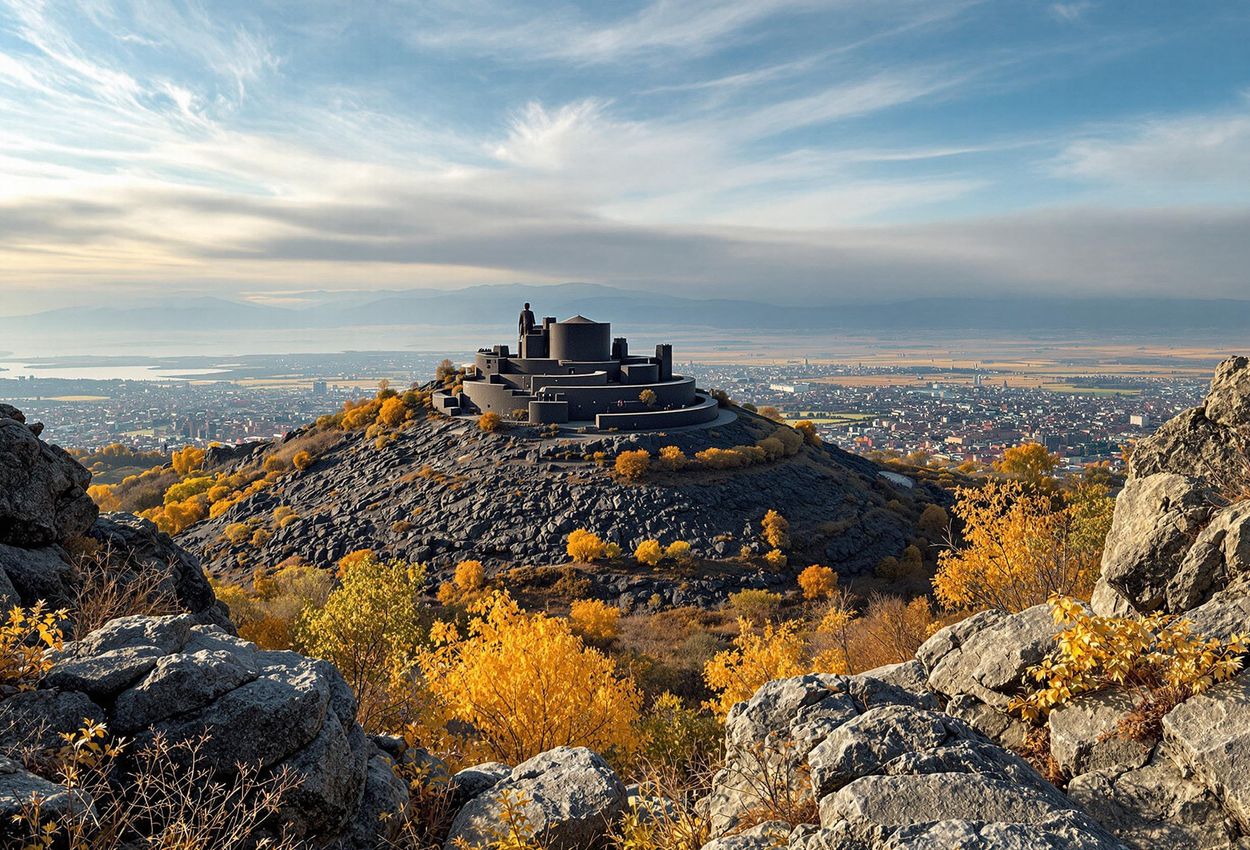
Gyumri is a treasure trove of Art Nouveau architecture, a style that flourished in the late 19th and early 20th centuries. Unlike Yerevan, where much of this architectural heritage has been lost, Gyumri has preserved its Art Nouveau gems, showcasing the city's unique cultural identity.
Wander through the streets and admire the elegant facades of these buildings, characterized by their flowing lines, intricate details, and ornate decorations. Notice the use of floral motifs, geometric patterns, and stylized figures. The buildings were built by local businessmen who traveled widely across the Russian empire and were heavily fashion-conscious.
Pay attention to the details, such as the wrought-iron balconies, stained-glass windows, and sculpted doorways. Each building is a unique work of art, reflecting the creativity and craftsmanship of the era. The local craftsmen and carvers avoided a jarring contrast by sheer restraint. The decorative motives were used sparsely, mainly on the gates, doors, windows, and cornices.
Gyumri's Art Nouveau architecture stands as a testament to the city's rich cultural heritage and its enduring spirit of creativity. The city is working hard to preserve this architectural heritage.

In late autumn, Gyumri offers a unique blend of history, culture, and natural beauty. From its soulful streets to its architectural treasures, the city invites you to explore its hidden corners and discover its resilient spirit. Come and experience the magic of Gyumri, a cultural gem that shines brightly in the heart of Armenia.
Our editors` picks of the latest and greatest in travel - delivered to your inbox daily
Relax on the beaches and explore the reefs of Xai-Xai.
View More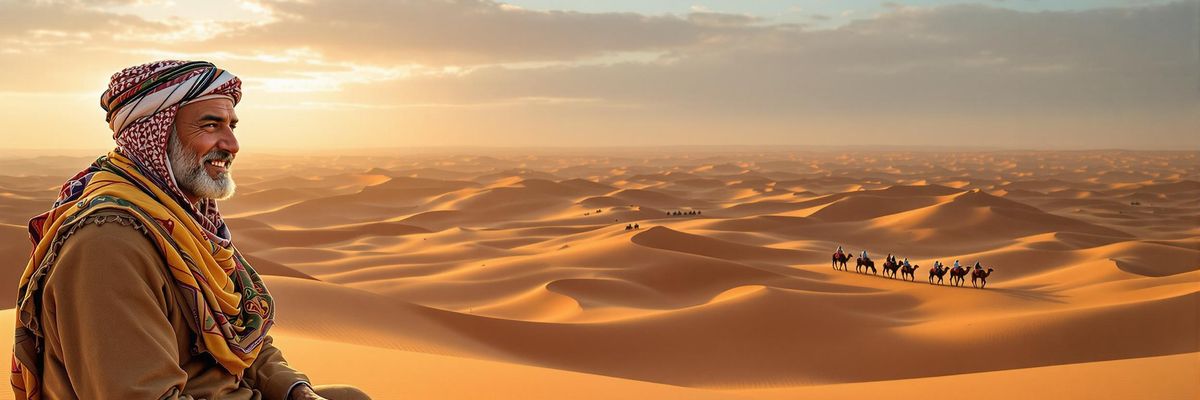
Embrace the cooler temperatures and experience the International Festival of the Sahara in Douz this December.
View More
Celebrate the year-end festivities in Accra, culminating in the vibrant Afrofuture festival.
View More Albania EDITION
 Algeria EDITION
 Argentina EDITION
 Armenia EDITION
 Australia EDITION
 Austria EDITION
 Bangladesh EDITION
 Belgium EDITION
 Belize EDITION
 Benin EDITION
 Bhutan EDITION
 Bolivia EDITION
 Bosnia and Herzegovina EDITION
 Botswana EDITION
 Brazil EDITION
 Bulgaria EDITION
 Burkina Faso EDITION
 Cambodia EDITION
 Cameroon EDITION
 Canada EDITION
 Central African Republic EDITION
 Chad EDITION
 Chile EDITION
 China EDITION
 Colombia EDITION
 Costa Rica EDITION
 Croatia EDITION
 Cyprus EDITION
 Denmark EDITION
 Djibouti EDITION
 Ecuador EDITION
 Egypt EDITION
 El Salvador EDITION
 Eritrea EDITION
 Estonia EDITION
 Ethiopia EDITION
 Finland EDITION
 France EDITION
 Gabon EDITION
 Georgia EDITION
 Germany EDITION
 Ghana EDITION
 Greece EDITION
 Guatemala EDITION
 Guinea EDITION
 Guinea-Bissau EDITION
 Honduras EDITION
 Hungary EDITION
 Iceland EDITION
 India EDITION
 Indonesia EDITION
 Ireland EDITION
 Israel EDITION
 Italy EDITION
 Jamaica EDITION
 Japan EDITION
 Jordan EDITION
 Kenya EDITION
 Kuwait EDITION
 Laos EDITION
 Latvia EDITION
 Lebanon EDITION
 Lesotho EDITION
 Liberia EDITION
 Lithuania EDITION
 Luxembourg EDITION
 Madagascar EDITION
 Malawi EDITION
 Malaysia EDITION
 Maldives EDITION
 Mali EDITION
 Malta EDITION
 Mauritania EDITION
 Mauritius EDITION
 Mexico EDITION
 Mongolia EDITION
 Montenegro EDITION
 Morocco EDITION
 Mozambique EDITION
 Namibia EDITION
 Nepal EDITION
 Netherlands EDITION
 New Zealand EDITION
 Nicaragua EDITION
 Niger EDITION
 Nigeria EDITION
 Norway EDITION
 Oman EDITION
 Pakistan EDITION
 Panama EDITION
 Papua New Guinea EDITION
 Paraguay EDITION
 Peru EDITION
 Philippines EDITION
 Poland EDITION
 Portugal EDITION
 Qatar EDITION
 Romania EDITION
 Rwanda EDITION
 Saudi Arabia EDITION
 Senegal EDITION
 Serbia EDITION
 Singapore EDITION
 Slovakia EDITION
 Slovenia EDITION
 Somalia EDITION
 South Africa EDITION
 South Korea EDITION
 Spain EDITION
 Sri Lanka EDITION
 Suriname EDITION
 Sweden EDITION
 Switzerland EDITION
 Tanzania EDITION
 Thailand EDITION
 Tunisia EDITION
 Uganda EDITION
 United Arab Emirates EDITION
 United Kingdom EDITION
 Uruguay EDITION
 Venezuela EDITION
 Vietnam EDITION
 Zambia EDITION
 Zimbabwe EDITION
Subscribe to our newsletter and get the most captivating travel stories, hidden gems, and expert insights delivered straight to your inbox. As a subscriber, you’ll be first in line for exclusive content, premium offers, and unforgettable travel experiences