


Destination Guide
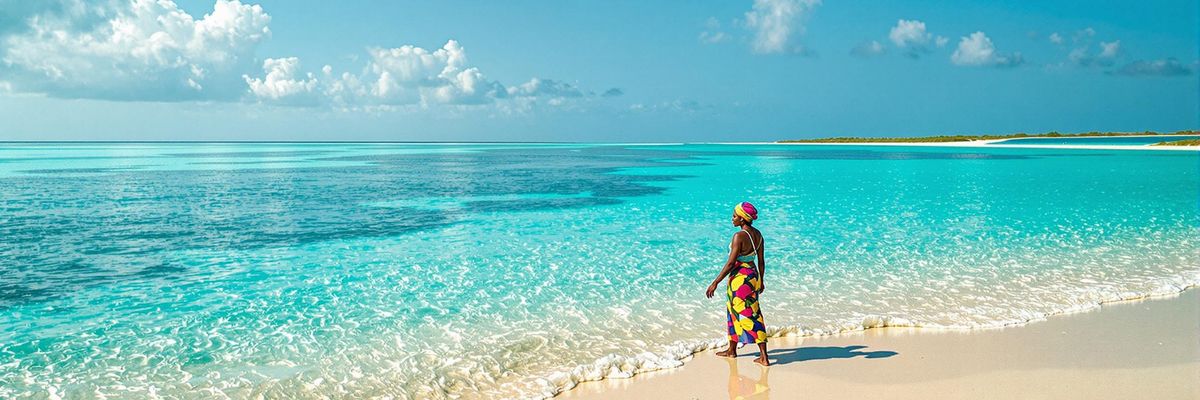
Xai-Xai: A Coastal Retreat
Relax on the beaches and explore the reefs of Xai-Xai.
View More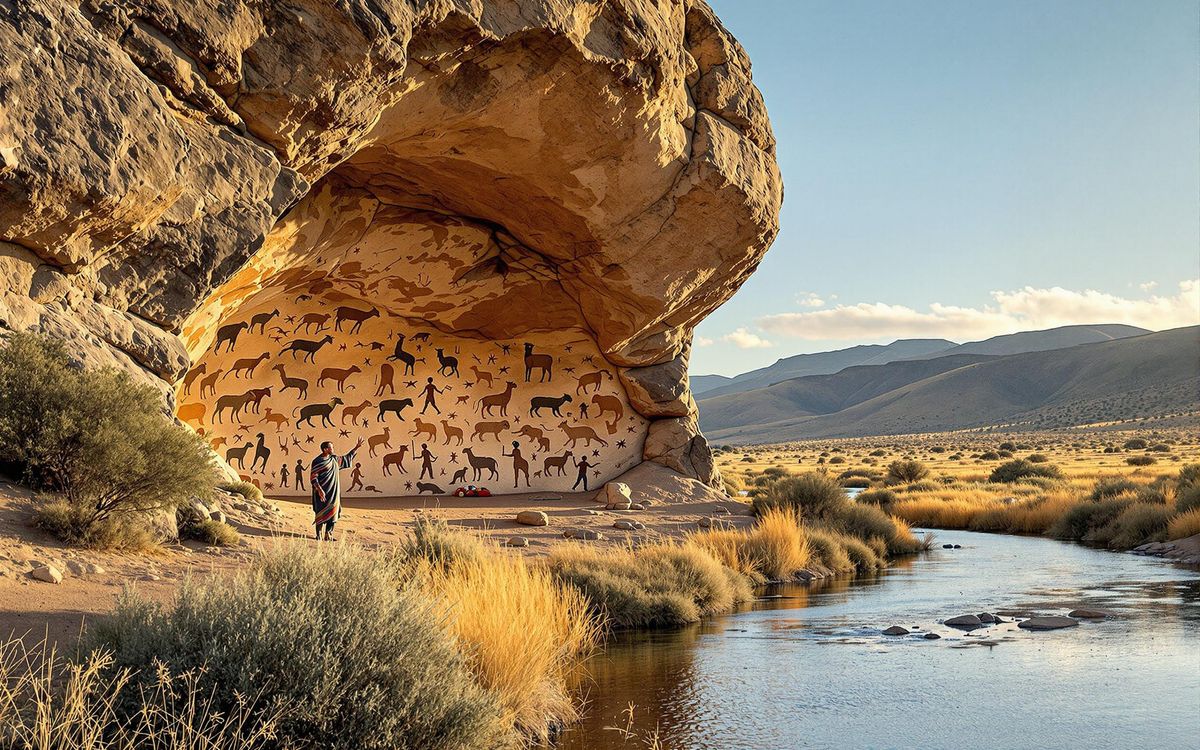

Venture into the heart of Lesotho, where the echoes of ancient civilizations resonate within the rock faces of Ha Baroana, a testament to the enduring legacy of the San people.
In the rugged landscapes of Lesotho, near the bustling city of Maseru, lies a place where time seems to stand still. Ha Baroana, meaning 'Home of the Bushmen' , is a remarkable rock art site that whispers tales of the San people, the earliest inhabitants of Southern Africa. This historical treasure, easily accessible and rich in cultural significance, invites travelers to step back into a world where art was not merely decoration but a profound expression of spiritual beliefs and daily life.
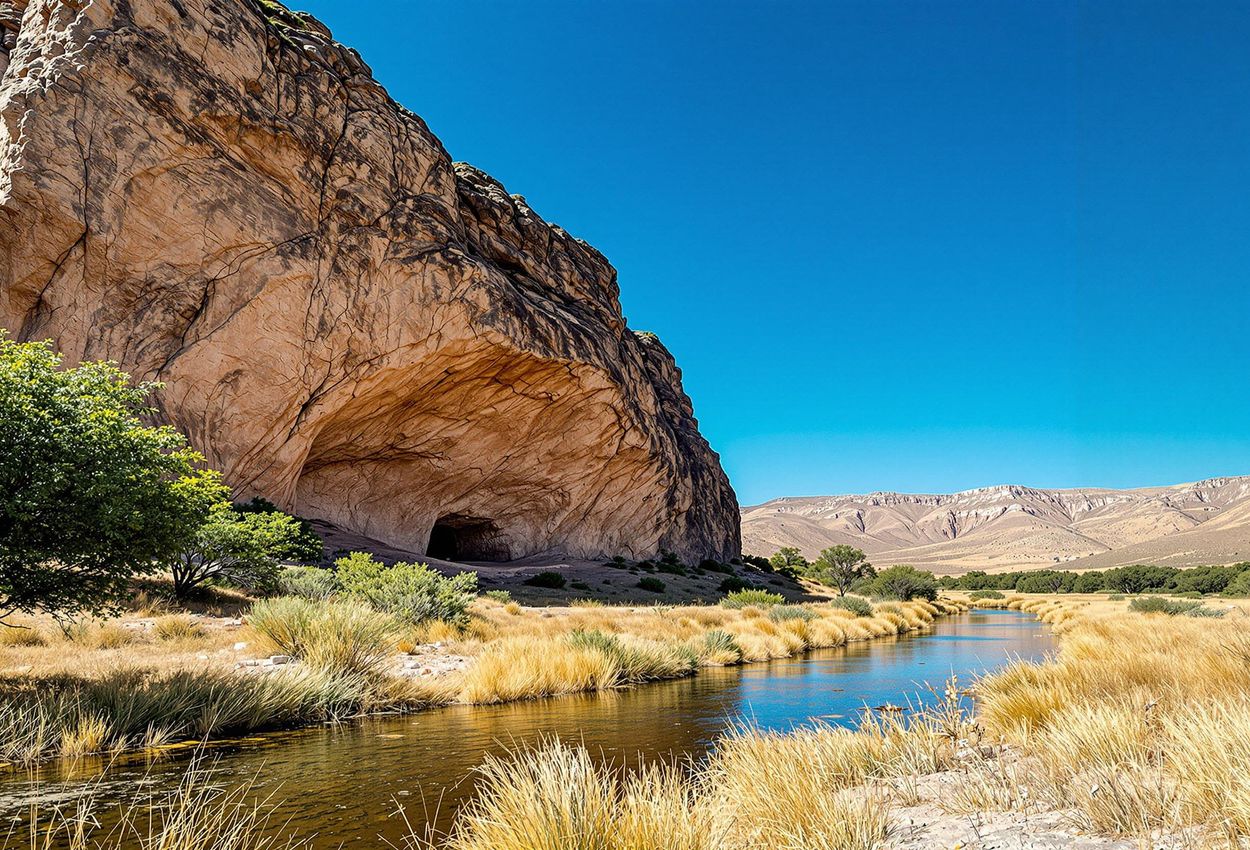
Ha Baroana is situated along the Liphiring River , its location carefully chosen by the San to reflect their deep connection with nature. The rock paintings, estimated to be around 2000 years old , offer a glimpse into the lives, beliefs, and artistic skills of these ancient people. As you approach the site, the anticipation builds, knowing that you are about to witness a gallery of images created by a culture that thrived in this region long before modern civilization took hold.
The journey to Ha Baroana is an adventure in itself, winding through picturesque landscapes that offer stunning views of the surrounding hills and valleys. The accessibility of the site makes it an ideal destination for those seeking a blend of history, culture, and natural beauty. It is a place where the past comes alive, inviting you to explore the mysteries and stories etched into the very rocks beneath your feet.
Ha Baroana is more than just a collection of old paintings; it is a portal to understanding the San people and their profound relationship with the land. It is a place to reflect on the passage of time and the enduring power of human expression. The site serves as a reminder of the importance of preserving cultural heritage and respecting the traditions of those who came before us.
As you stand before these ancient artworks, you can almost hear the whispers of the San, sharing their stories and inviting you to connect with their world. Ha Baroana is not just a destination; it is an experience that will leave you with a deeper appreciation for the rich history and cultural tapestry of Lesotho and Southern Africa.
Ha Baroana's rock art unveils a captivating bestiary and snapshots of San existence. Animals such as leopards, lions, elands, blue cranes, and guinea fowl are carefully depicted, showcasing the San's keen observation of their environment. Beyond the animal figures, the rock faces come alive with scenes of San life: hunters stalking their prey, dancers celebrating rituals, and families gathered in their huts. These images offer invaluable insights into the daily routines, social structures, and spiritual practices of the San people.
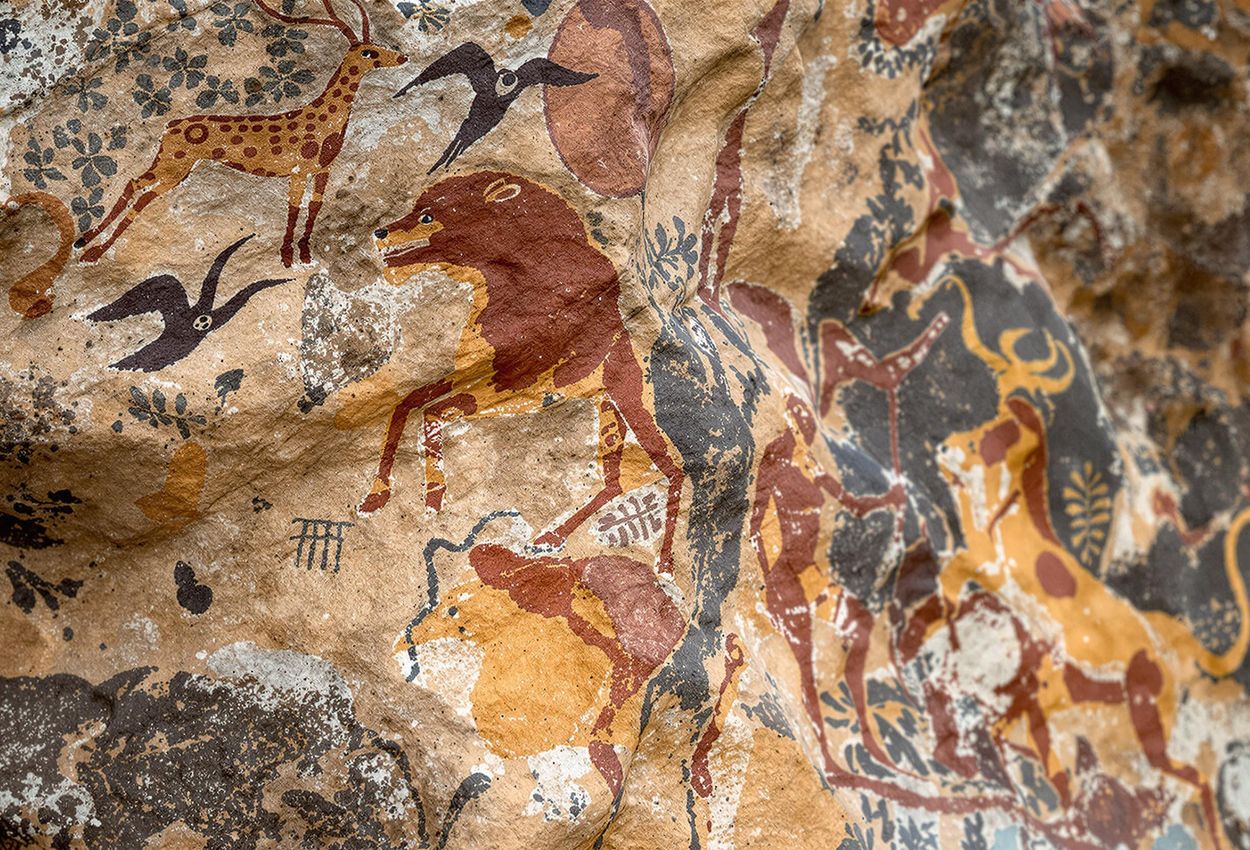
It is crucial to understand that the art at Ha Baroana was not created for mere decoration. Instead, it served a deeper purpose, intricately woven into the religious and spiritual beliefs of the San. The paintings were often linked to shamanic practices, where the artists, acting as intermediaries between the physical and spiritual realms, sought to capture the essence of animals and harness their power. The eland, in particular, held immense significance in San culture, symbolizing abundance, fertility, and spiritual potency.
The creation of these artworks was a meticulous process, utilizing natural pigments derived from minerals, plants, and other organic materials. These pigments were carefully mixed and applied to the rock surfaces, resulting in images that have withstood the test of time. The techniques employed by the San artists demonstrate their deep understanding of their environment and their ability to transform natural resources into enduring expressions of their culture and beliefs.
As you examine the paintings, take note of the intricate details and the dynamic compositions. The artists skillfully captured the movement and energy of the animals, conveying a sense of life and vitality. The human figures, though often stylized, reveal the San's understanding of the human form and their ability to depict emotions and actions. The art at Ha Baroana is a testament to the San people's artistic talent and their profound connection with the natural world.
The rock art at Ha Baroana provides a window into the San people's spiritual world, offering clues about their beliefs, rituals, and relationship with the supernatural. By studying these images, we can gain a deeper understanding of the San culture and their enduring legacy in Southern Africa.
The San people, the master artists behind Ha Baroana, boast a history as ancient and captivating as the rock art they left behind. For millennia, they roamed across Southern Africa, including present-day Lesotho, as nomadic hunter-gatherers, their lives intimately connected to the rhythms of the land. Their deep understanding of the environment, coupled with their sophisticated social structures and spiritual beliefs, allowed them to thrive in diverse and challenging landscapes.
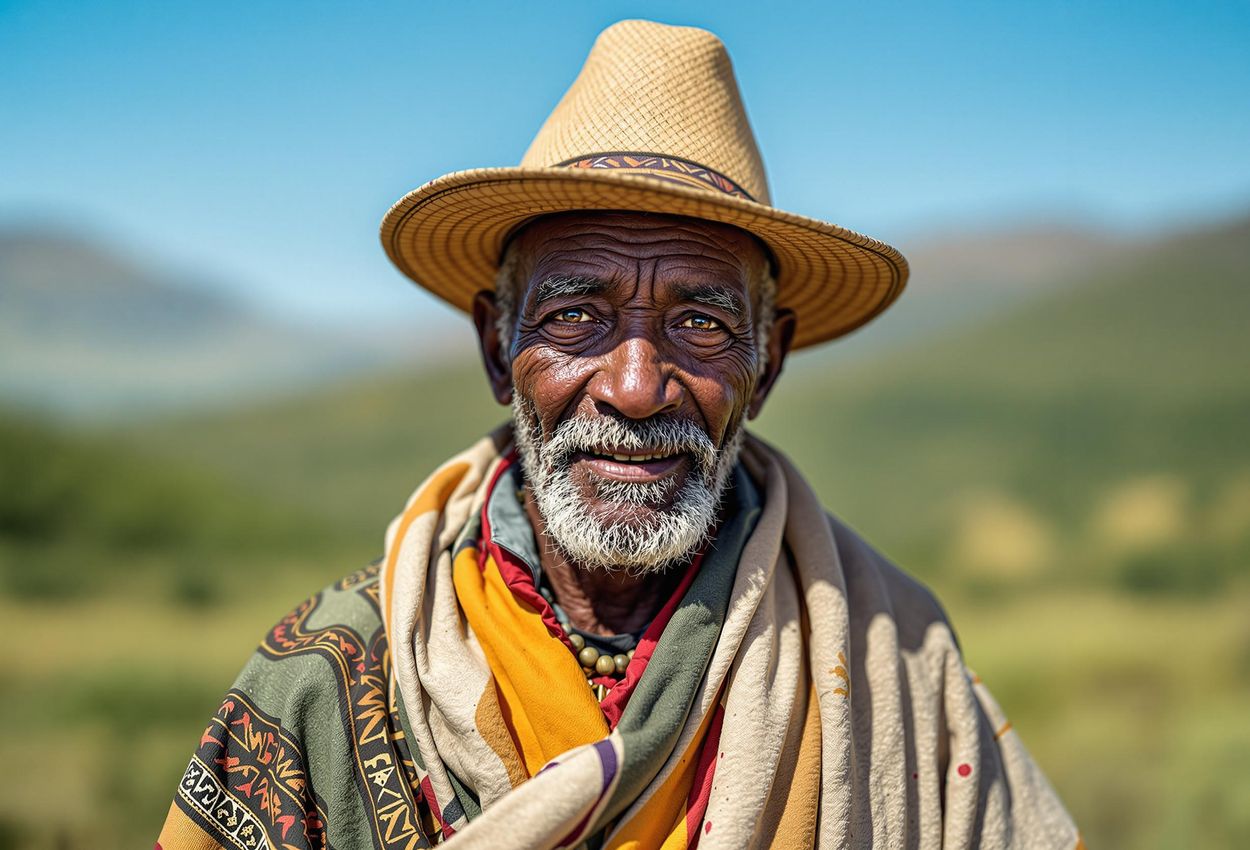
However, the arrival of Bantu-speaking groups and European settlers brought profound changes to the San people's way of life. As these newcomers encroached upon their ancestral lands, the San faced increasing marginalization and displacement. Their traditional hunting grounds were transformed into farmlands, and their nomadic lifestyle clashed with the settled existence of the newcomers. Despite these challenges, the San people persevered, maintaining their cultural identity and adapting to the changing circumstances.
In Lesotho, the San played a crucial role as rainmakers, their spiritual practices believed to influence the weather patterns and ensure the prosperity of the land. Their knowledge of medicinal plants and their ability to track animals made them valuable members of the community, and their interactions with Bantu-speaking groups were often characterized by both cooperation and conflict. Genetic studies have revealed that the San are among the oldest people in the world, their lineage tracing back to the earliest human populations. This discovery underscores the importance of preserving their cultural heritage and recognizing their unique place in human history.
As you explore Ha Baroana, remember that you are walking in the footsteps of a people whose history stretches back thousands of years. Their legacy is etched into the rock faces, inviting you to connect with their world and appreciate their enduring spirit. The San people's story is one of resilience, adaptation, and cultural survival, and their contribution to the rich tapestry of Southern Africa deserves to be celebrated and remembered.
Ha Baroana beckons as an idyllic destination for those captivated by history and art, offering a unique opportunity to immerse oneself in the ancient world of the San people. The months of February and March present the most agreeable climate , as the summer heat begins to wane, providing comfortable conditions for exploration and discovery.

Reaching Ha Baroana from Maseru is relatively straightforward , with several transportation options available to suit different preferences and budgets. Shared taxis offer an affordable and authentic local experience, allowing you to travel alongside Basotho residents and witness the daily rhythms of life. Alternatively, car rentals provide greater flexibility and independence, enabling you to explore the surrounding landscapes at your own pace.
It is important to note that the road conditions leading to Ha Baroana can be challenging, particularly the final stretch. A 4x4 vehicle is highly recommended to navigate the rugged terrain and ensure a safe and comfortable journey. As you approach the site, you will be greeted by local guides who possess extensive knowledge of the rock art and the San culture. Engaging their services will not only enrich your understanding but also contribute to the local economy and support the preservation of this cultural treasure.
The guided tours offer invaluable insights into the meaning and significance of the paintings, revealing the stories and beliefs behind the images. The guides will share their expertise on the animals depicted, the hunting techniques employed, and the spiritual practices of the San people. They will also provide context on the history of the region and the challenges faced by the San in the face of changing times.
As you plan your February or March escape to Ha Baroana, consider the practicalities of transportation, accommodation, and guided tours. By preparing in advance, you can ensure a seamless and enriching experience, allowing you to fully appreciate the beauty and significance of this ancient rock art site. Ha Baroana is more than just a destination; it is a journey back in time, a chance to connect with the past, and an opportunity to support the preservation of a cultural heritage that deserves to be cherished for generations to come.
Preserving the cultural heritage of Ha Baroana is of utmost importance, ensuring that future generations can also experience the wonder and learn from the stories etched in stone. Responsible tourism practices are essential to protect the site from damage and ensure its long-term sustainability. Visitors are encouraged to respect the environment, avoid touching the paintings, and refrain from any form of vandalism. Supporting local communities is another crucial aspect of responsible tourism. By purchasing local crafts, dining at local restaurants, and engaging the services of local guides, visitors can contribute to the economic well-being of the area and help ensure that the benefits of tourism are shared equitably.
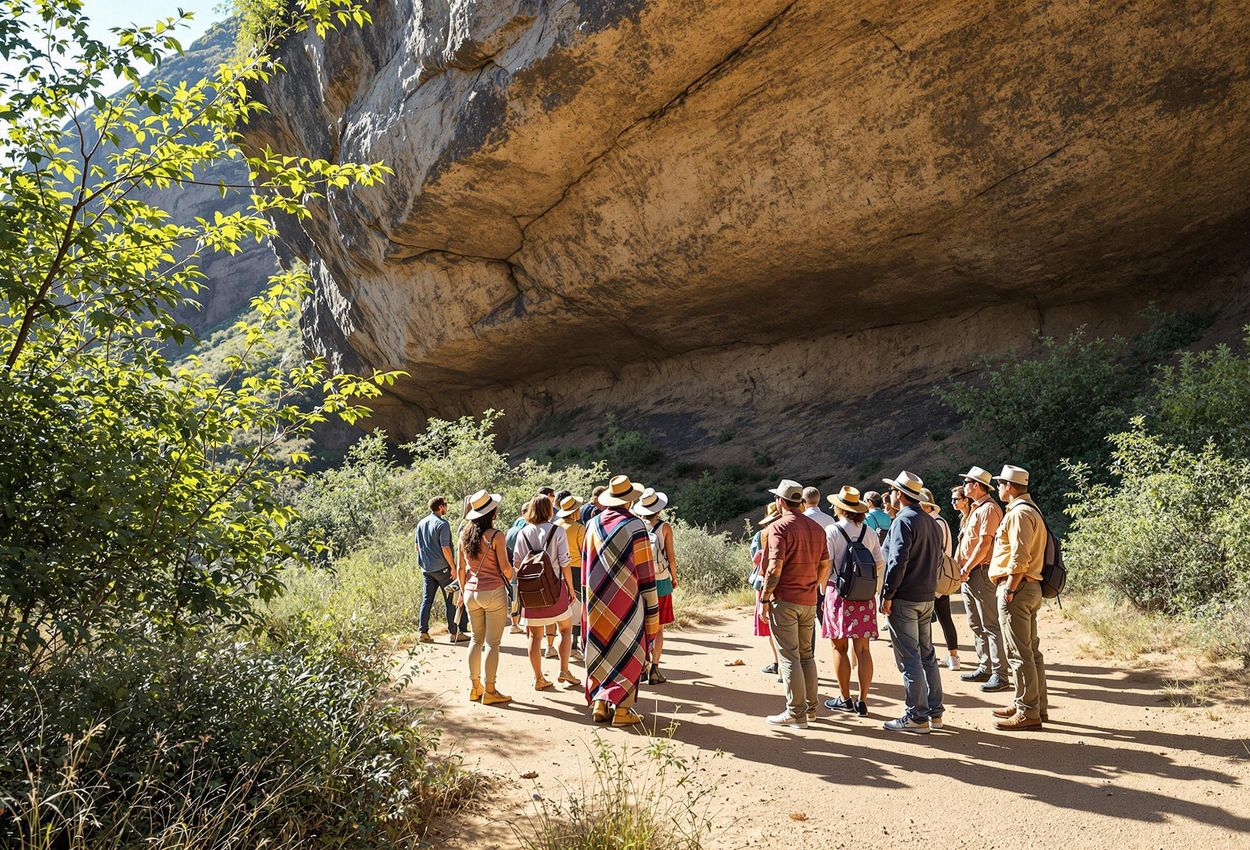
The Ha Baroana Rock Art Centre plays a vital role in conservation efforts, working to protect the site and educate visitors about its significance. The center collaborates with local chiefs and community members, fostering a sense of ownership and responsibility for the preservation of this cultural treasure. By involving the local community, the conservation efforts are more likely to be sustainable and effective.
Visitors to Ha Baroana can contribute to these efforts by donating to the Rock Art Centre, participating in conservation activities, and spreading awareness about the importance of preserving cultural heritage. By working together, we can ensure that Ha Baroana remains a source of inspiration and learning for generations to come. The site is a testament to the power of human expression and the enduring legacy of the San people.
As you leave Ha Baroana, carry with you a sense of responsibility and a commitment to preserving cultural heritage. Share your experiences with others, encourage them to visit the site, and advocate for responsible tourism practices. By becoming ambassadors for Ha Baroana, you can help ensure that its stories continue to be told and its legacy continues to inspire.
Local Tip: Engage with the local community by visiting nearby villages and learning about their traditions and way of life. This will provide a deeper understanding of the cultural context surrounding Ha Baroana and enhance your overall experience.
Hidden Gem: Explore the surrounding hills and valleys for hidden rock formations and breathtaking views. The landscape around Ha Baroana is as captivating as the rock art itself, offering a chance to connect with nature and discover the beauty of Lesotho.
Our editors` picks of the latest and greatest in travel - delivered to your inbox daily
Relax on the beaches and explore the reefs of Xai-Xai.
View More
Embrace the cooler temperatures and experience the International Festival of the Sahara in Douz this December.
View More
Celebrate the year-end festivities in Accra, culminating in the vibrant Afrofuture festival.
View More Albania EDITION
 Algeria EDITION
 Argentina EDITION
 Armenia EDITION
 Australia EDITION
 Austria EDITION
 Bangladesh EDITION
 Belgium EDITION
 Belize EDITION
 Benin EDITION
 Bhutan EDITION
 Bolivia EDITION
 Bosnia and Herzegovina EDITION
 Botswana EDITION
 Brazil EDITION
 Bulgaria EDITION
 Burkina Faso EDITION
 Cambodia EDITION
 Cameroon EDITION
 Canada EDITION
 Central African Republic EDITION
 Chad EDITION
 Chile EDITION
 China EDITION
 Colombia EDITION
 Costa Rica EDITION
 Croatia EDITION
 Cyprus EDITION
 Denmark EDITION
 Djibouti EDITION
 Ecuador EDITION
 Egypt EDITION
 El Salvador EDITION
 Eritrea EDITION
 Estonia EDITION
 Ethiopia EDITION
 Finland EDITION
 France EDITION
 Gabon EDITION
 Georgia EDITION
 Germany EDITION
 Ghana EDITION
 Greece EDITION
 Guatemala EDITION
 Guinea EDITION
 Guinea-Bissau EDITION
 Honduras EDITION
 Hungary EDITION
 Iceland EDITION
 India EDITION
 Indonesia EDITION
 Ireland EDITION
 Israel EDITION
 Italy EDITION
 Jamaica EDITION
 Japan EDITION
 Jordan EDITION
 Kenya EDITION
 Kuwait EDITION
 Laos EDITION
 Latvia EDITION
 Lebanon EDITION
 Lesotho EDITION
 Liberia EDITION
 Lithuania EDITION
 Luxembourg EDITION
 Madagascar EDITION
 Malawi EDITION
 Malaysia EDITION
 Maldives EDITION
 Mali EDITION
 Malta EDITION
 Mauritania EDITION
 Mauritius EDITION
 Mexico EDITION
 Mongolia EDITION
 Montenegro EDITION
 Morocco EDITION
 Mozambique EDITION
 Namibia EDITION
 Nepal EDITION
 Netherlands EDITION
 New Zealand EDITION
 Nicaragua EDITION
 Niger EDITION
 Nigeria EDITION
 Norway EDITION
 Oman EDITION
 Pakistan EDITION
 Panama EDITION
 Papua New Guinea EDITION
 Paraguay EDITION
 Peru EDITION
 Philippines EDITION
 Poland EDITION
 Portugal EDITION
 Qatar EDITION
 Romania EDITION
 Rwanda EDITION
 Saudi Arabia EDITION
 Senegal EDITION
 Serbia EDITION
 Singapore EDITION
 Slovakia EDITION
 Slovenia EDITION
 Somalia EDITION
 South Africa EDITION
 South Korea EDITION
 Spain EDITION
 Sri Lanka EDITION
 Suriname EDITION
 Sweden EDITION
 Switzerland EDITION
 Tanzania EDITION
 Thailand EDITION
 Tunisia EDITION
 Uganda EDITION
 United Arab Emirates EDITION
 United Kingdom EDITION
 Uruguay EDITION
 Venezuela EDITION
 Vietnam EDITION
 Zambia EDITION
 Zimbabwe EDITION
Subscribe to our newsletter and get the most captivating travel stories, hidden gems, and expert insights delivered straight to your inbox. As a subscriber, you’ll be first in line for exclusive content, premium offers, and unforgettable travel experiences