



Destination Guide
Xai-Xai: A Coastal Retreat
Relax on the beaches and explore the reefs of Xai-Xai.
View More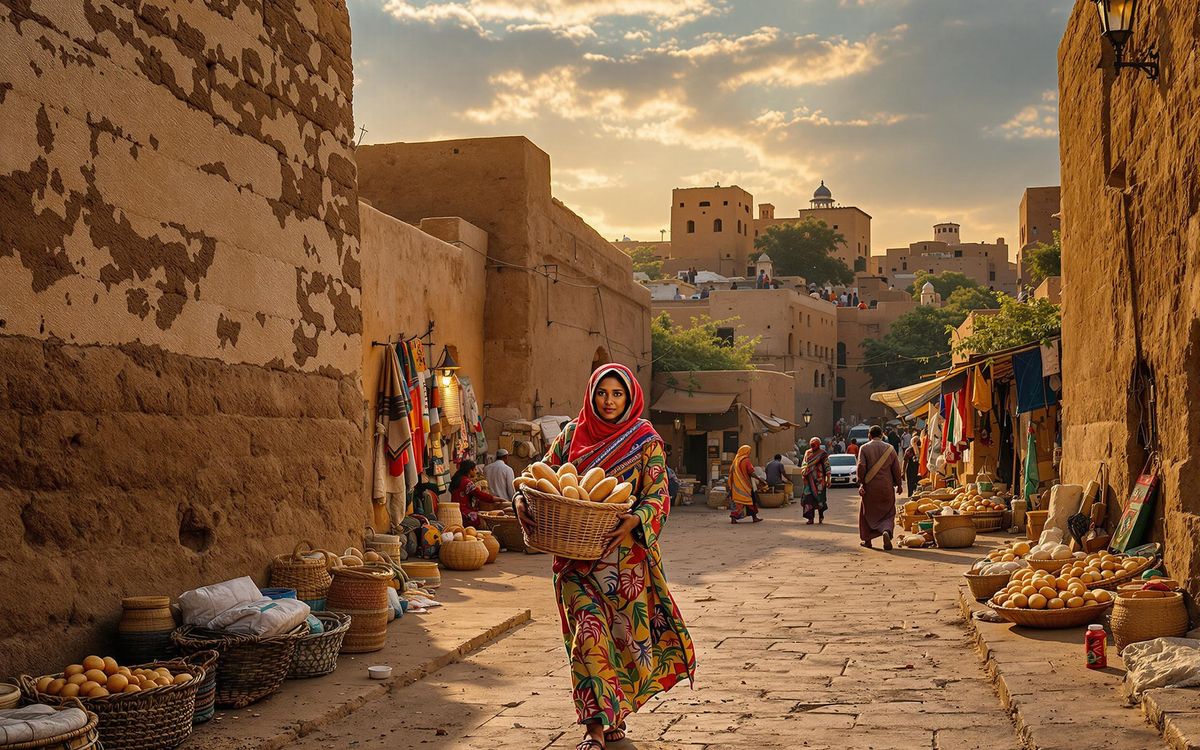

Venture into the heart of eastern Ethiopia and discover Harar Jugol, a city frozen in time, where ancient walls whisper tales of vibrant cultures, Islamic heritage, and a unique bond with the wild.
Step into Harar Jugol, a UNESCO World Heritage site that stands as a testament to the enduring spirit of Ethiopian and Islamic traditions. This ancient walled city, located 525 km from Addis Ababa, is considered the fourth holiest city of Islam. The walls, erected between the 13th and 16th centuries, served as a protective embrace, fostering a unique cultural identity within its embrace.
As you approach the city, the imposing walls, approximately 4-5 meters high and spanning 3.5 km, immediately capture your attention. Historically, five main gates provided entry, each leading to distinct neighborhoods: Assum Bari, Argobba Bari, Suqutat Bari, Badro Bari, and Asmadin Bari. These gates not only controlled access but also shaped the city's social fabric. While the original divisions are less functional today, the sense of history remains palpable as you pass through these ancient portals.
Within the walls, a maze of narrow alleyways unfolds, revealing a captivating blend of African and Islamic influences. The city boasts 82 mosques, some dating back to the 10th century, and 102 shrines, underscoring its significance as a center of Islamic learning and spirituality. The air is thick with the echoes of centuries of trade, scholarship, and cultural exchange, creating an atmosphere unlike any other.
The unique culture of Harar has been shaped by its long history as a crossroads of civilizations. The city's strategic location between the coast and the highlands made it a vital trading hub, attracting merchants and scholars from across the region and beyond. This constant flow of people and ideas fostered a vibrant and cosmopolitan society, where diverse traditions intertwined to create a distinctive Harari identity.
Today, Harar Jugol stands as a living museum, where the past seamlessly merges with the present. As you wander through its ancient streets, you'll encounter a community that is fiercely proud of its heritage, yet open to the world. The whispers from the walls tell stories of resilience, innovation, and a deep connection to both the land and the spirit.
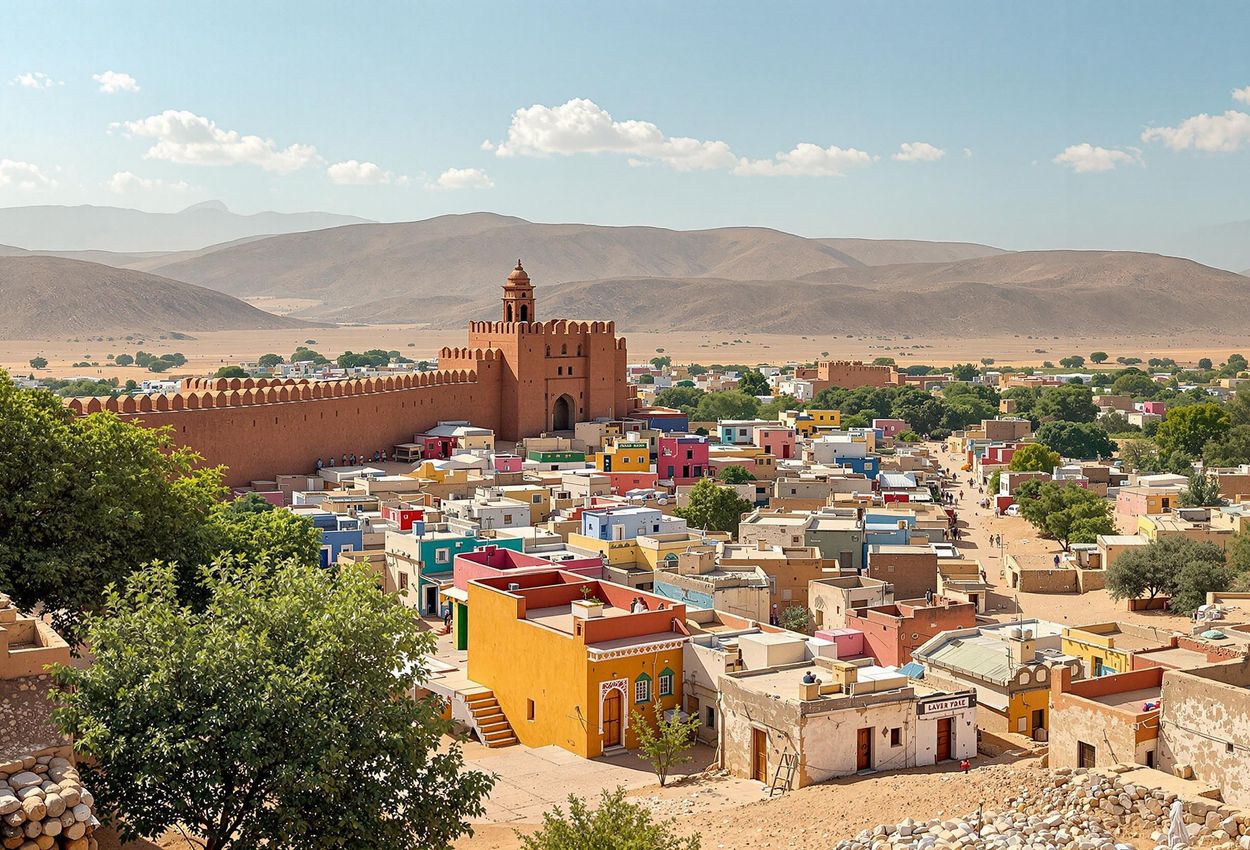
The architecture of Harar is a captivating reflection of its unique cultural identity. Traditional Harari houses, known as 'gey gar', showcase a distinctive style that has evolved over centuries. These homes, often built with adobe, feature flat roofs suited to the region's climate, and are characterized by their intricate and colorful decorations.
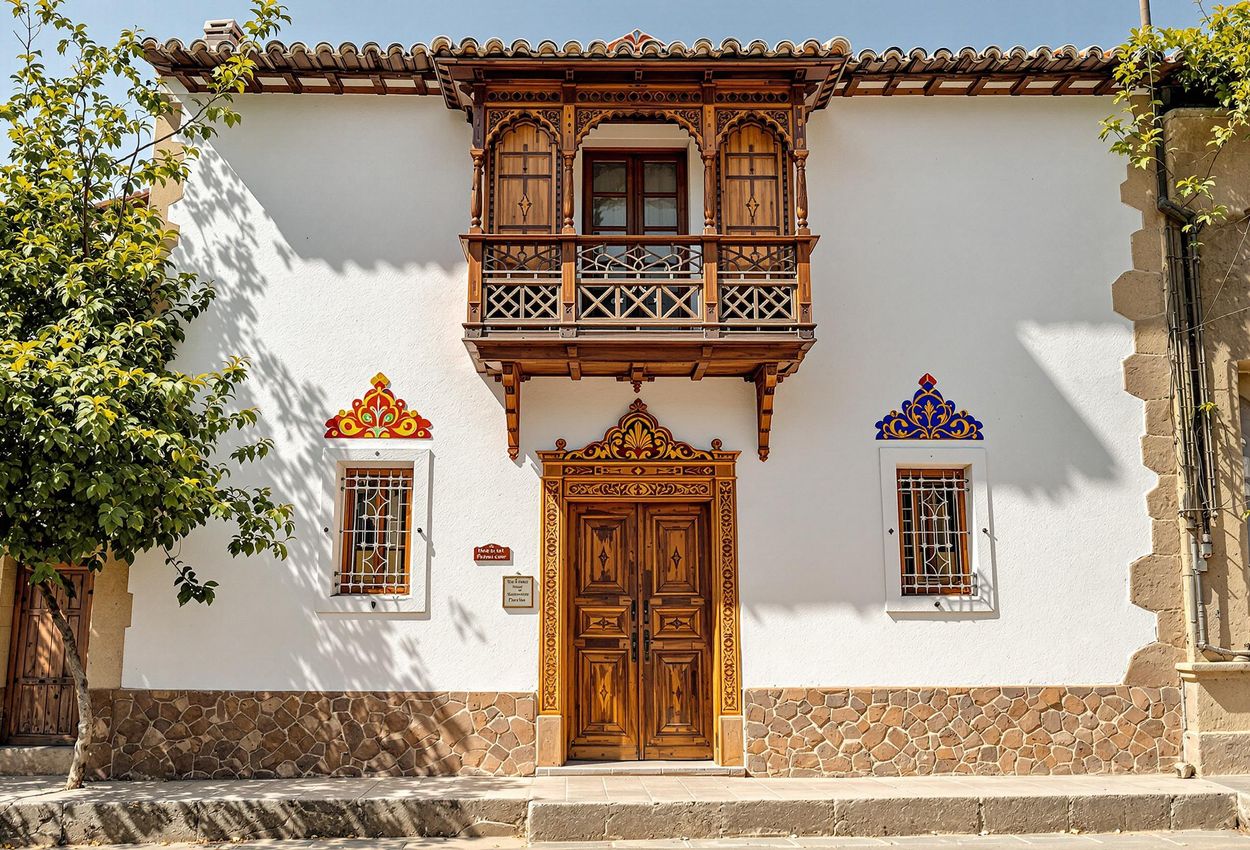
As you wander through the narrow, winding alleys of Harar, you'll be mesmerized by the kaleidoscope of hues that adorn the facades of these homes. Wooden balconies and windows, often carved with geometric and floral patterns, are painted in bright, inviting colors, creating a visual feast for the eyes. The famous Harari doors, large and wooden, often bear Islamic calligraphy and motifs, reflecting the city's rich Islamic heritage.
Inside, Harari homes are a testament to a culture that values community, hospitality, and artistry. The 'gidīr gār', or main living room, is the heart of the home, where family life unfolds and guests are welcomed. These rooms are typically adorned with vibrant hand-woven baskets and carpets, showcasing the skilled craftsmanship of the Harari people.
The 'nädäbas', raised platforms in the living room, serve as both seating and sleeping areas, reflecting the communal nature of Harari society. The layout of these homes often features an inward focus, with windows facing the central courtyard, providing privacy and a serene retreat from the bustling city. The influence of Indian architecture can also be seen in some of the houses, particularly in the design of balconies and windows.
The architecture of Harar is more than just a matter of building design; it's a living embodiment of the city's history, culture, and communal spirit. It tells a story of a people deeply connected to their heritage, proud of their identity, and welcoming to all who wander through their enchanting streets.
One of the most captivating and unique traditions of Harar is the nightly feeding of hyenas outside the city walls. This practice, which has been passed down through generations, showcases the deep connection between the people of Harar and these often-misunderstood creatures.
As darkness descends, local men known as 'Hyena Men' venture outside the walls with baskets of meat. They call out to the hyenas, using a unique 'hyena dialect' that is a mixture of English and Oromo. In an extraordinary display of trust and understanding, the hyenas emerge from the shadows, drawn by the scent of food and the familiar call of the hyena men.
The hyena men feed the hyenas by hand, using pieces of raw meat. Some even feed the hyenas by mouth, holding the meat between their teeth and allowing the hyenas to gently snatch it away. This breathtaking dance of coexistence blurs the line between the wild and the civilized, leaving visitors in awe of the surreal harmony that exists in this moment.
The tradition of feeding hyenas is believed to have originated centuries ago, possibly during a famine in the 19th century. According to local folklore, the hyenas began attacking livestock and humans during this time. To placate the hyenas, the people of Harar began feeding them porridge. Over time, this practice evolved into a ritual that is now seen as a way to cleanse the city and protect residents from evil spirits.
If you're planning a visit to Harar, witnessing the hyena feeding ritual is an absolute must. It's important to go with a reputable guide who can ensure your safety and provide insights into the cultural significance of this practice. Be prepared to be amazed by the courage and skill of the hyena men, and the remarkable bond they share with these wild animals.
The markets of Harar are the lifeblood of the city, pulsating with energy, color, and the rich tapestry of Harari culture. Each market, or 'souk', offers a unique sensory experience, reflecting the diverse ethnic groups that call Harar home. As you wander through these lively bazaars, you'll be enveloped in a symphony of sights, sounds, and aromas.
The Gey Garad Market, located in the heart of the old city, is a must-visit for anyone seeking an authentic Harari experience. Here, you'll find a dazzling array of goods, from exotic spices and vibrant textiles to intricately woven baskets and traditional Harari clothing. The air is thick with the scent of frankincense and coffee, and the sounds of bartering and laughter fill the air.
The Harar Camel Market, held just outside the city walls, is a spectacle unlike any other. Here, you can witness the trading of camels, goats, and other livestock, as well as interact with the nomadic people who bring their animals to market. The Suk el Gher is another traditional Harari market where you can find a variety of local crafts and goods.
As you explore the markets, be sure to take the opportunity to interact with local artisans and learn about their craft. Harari weaving and basketry are renowned for their intricate designs and vibrant colors. You can also witness the Harari coffee ceremony, a ceremonial event that plays a central role in Ethiopian social life.
The markets of Harar are not just places for commerce; they are social hubs where the rich cultural tapestry of Harar is on full display. They offer a glimpse into the daily lives of the Harari people and a chance to experience the warmth and hospitality that defines this unique city.

Harar holds a distinguished place in the Islamic world, revered as the 'fourth holiest city' of Islam. This recognition stems from its rich Islamic history, its numerous mosques and shrines, and its enduring traditions of Islamic scholarship and spirituality.
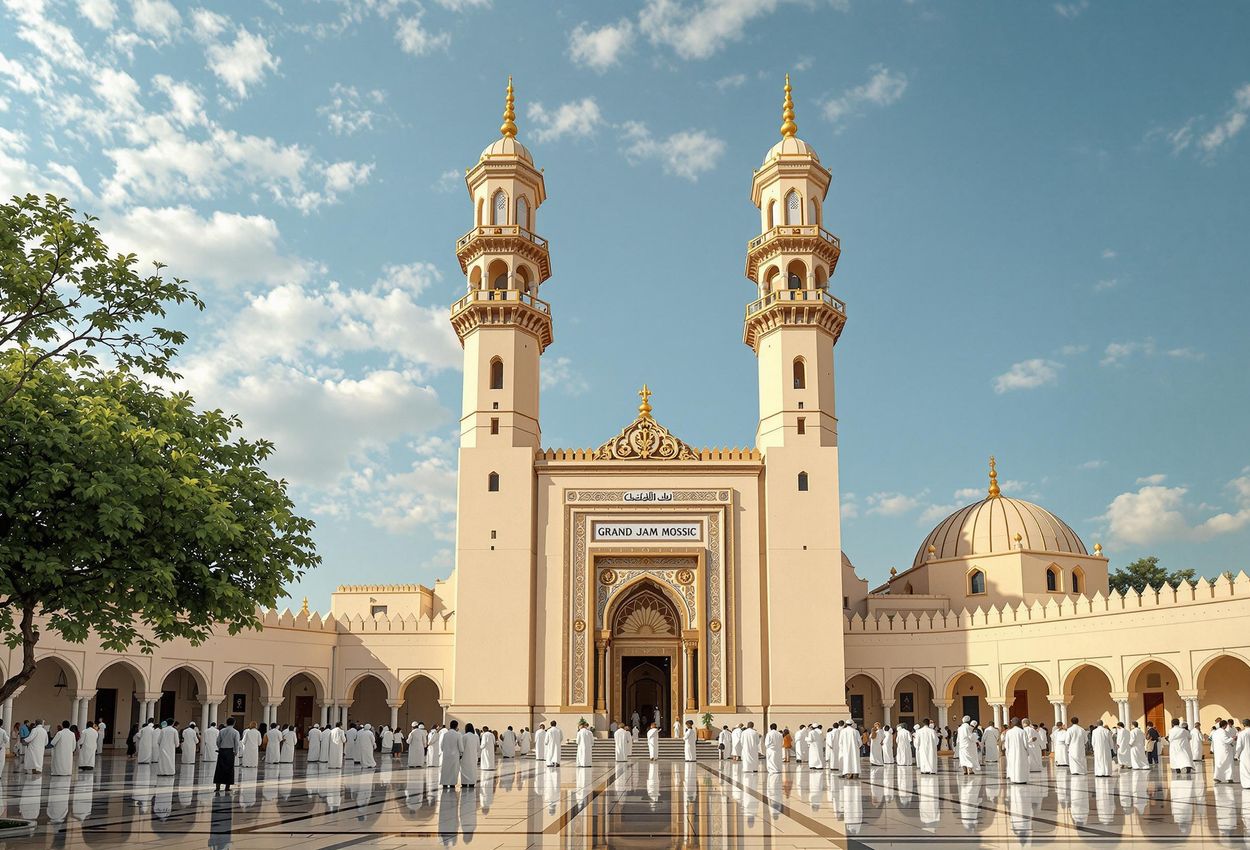
The city boasts an impressive collection of mosques, with 82 mosques gracing its landscape. Among these, the Grand Jami Mosque stands out as a prominent landmark and a testament to the city's Islamic heritage. Its towering minaret and intricate architecture are a sight to behold, and its presence serves as a constant reminder of the importance of Islam in Harari life.
In addition to its mosques, Harar is home to over 100 shrines, each dedicated to a local saint or religious figure. These shrines serve as places of pilgrimage and veneration, attracting devotees from across the region. They are often adorned with colorful decorations and offer a glimpse into the mystical and spiritual dimensions of Islam.
The influence of Islam permeates every aspect of Harari culture, from its architecture and cuisine to its social customs and artistic expressions. The city's narrow alleyways and traditional houses reflect Islamic design principles, while its vibrant markets offer a taste of halal cuisine. The Harari language, a Semitic language with strong Arabic influences, further underscores the city's deep connection to Islam.
As you explore Harar, you'll encounter a community that is deeply devoted to its Islamic faith. The call to prayer echoes through the city five times a day, and the streets are filled with the sounds of Quranic recitation. This pervasive sense of spirituality creates a unique and unforgettable atmosphere.
While Harar is best known for its outdoor attractions, the city also offers a range of indoor activities that can be enjoyed during the rainy season, which typically lasts from June to September [Brief]. These activities provide an opportunity to delve deeper into Harari history and culture, offering a welcome respite from the rain [Brief].
The Harari Cultural Museum is an excellent place to start. Housed in a traditional Harari home, the museum showcases a diverse collection of artifacts that span centuries. From traditional costumes and ancient manuscripts to religious texts and household items, each exhibit tells a unique story of the Harari people and their rich heritage.
Another must-visit is the house of Arthur Rimbaud, the famed French poet who lived in Harar in the late 19th century. The house, now a museum, offers a glimpse into Rimbaud's life and his time in Harar. It also features a photographic exhibition of turn-of-the-20th-century Harar, providing a fascinating look at the city's past.
The Abdela Sherif Museum, also known as the Sherif Harar City Museum or Ras Tafari's House, is another notable indoor attraction. This museum houses a collection of manuscripts, textiles, jewelry, coins, and weapons that chart Harar's long history. The setting feels more like a traditional Harari home than a formal museum, which adds to the charm.
These indoor experiences offer a valuable opportunity to learn about Harari history and culture, providing a deeper understanding of this unique and fascinating city. So, even if the weather isn't ideal, you can still have a memorable and enriching visit to Harar [Brief].

Our editors` picks of the latest and greatest in travel - delivered to your inbox daily
Relax on the beaches and explore the reefs of Xai-Xai.
View More
Embrace the cooler temperatures and experience the International Festival of the Sahara in Douz this December.
View More
Celebrate the year-end festivities in Accra, culminating in the vibrant Afrofuture festival.
View More Albania EDITION
 Algeria EDITION
 Argentina EDITION
 Armenia EDITION
 Australia EDITION
 Austria EDITION
 Bangladesh EDITION
 Belgium EDITION
 Belize EDITION
 Benin EDITION
 Bhutan EDITION
 Bolivia EDITION
 Bosnia and Herzegovina EDITION
 Botswana EDITION
 Brazil EDITION
 Bulgaria EDITION
 Burkina Faso EDITION
 Cambodia EDITION
 Cameroon EDITION
 Canada EDITION
 Central African Republic EDITION
 Chad EDITION
 Chile EDITION
 China EDITION
 Colombia EDITION
 Costa Rica EDITION
 Croatia EDITION
 Cyprus EDITION
 Denmark EDITION
 Djibouti EDITION
 Ecuador EDITION
 Egypt EDITION
 El Salvador EDITION
 Eritrea EDITION
 Estonia EDITION
 Ethiopia EDITION
 Finland EDITION
 France EDITION
 Gabon EDITION
 Georgia EDITION
 Germany EDITION
 Ghana EDITION
 Greece EDITION
 Guatemala EDITION
 Guinea EDITION
 Guinea-Bissau EDITION
 Honduras EDITION
 Hungary EDITION
 Iceland EDITION
 India EDITION
 Indonesia EDITION
 Ireland EDITION
 Israel EDITION
 Italy EDITION
 Jamaica EDITION
 Japan EDITION
 Jordan EDITION
 Kenya EDITION
 Kuwait EDITION
 Laos EDITION
 Latvia EDITION
 Lebanon EDITION
 Lesotho EDITION
 Liberia EDITION
 Lithuania EDITION
 Luxembourg EDITION
 Madagascar EDITION
 Malawi EDITION
 Malaysia EDITION
 Maldives EDITION
 Mali EDITION
 Malta EDITION
 Mauritania EDITION
 Mauritius EDITION
 Mexico EDITION
 Mongolia EDITION
 Montenegro EDITION
 Morocco EDITION
 Mozambique EDITION
 Namibia EDITION
 Nepal EDITION
 Netherlands EDITION
 New Zealand EDITION
 Nicaragua EDITION
 Niger EDITION
 Nigeria EDITION
 Norway EDITION
 Oman EDITION
 Pakistan EDITION
 Panama EDITION
 Papua New Guinea EDITION
 Paraguay EDITION
 Peru EDITION
 Philippines EDITION
 Poland EDITION
 Portugal EDITION
 Qatar EDITION
 Romania EDITION
 Rwanda EDITION
 Saudi Arabia EDITION
 Senegal EDITION
 Serbia EDITION
 Singapore EDITION
 Slovakia EDITION
 Slovenia EDITION
 Somalia EDITION
 South Africa EDITION
 South Korea EDITION
 Spain EDITION
 Sri Lanka EDITION
 Suriname EDITION
 Sweden EDITION
 Switzerland EDITION
 Tanzania EDITION
 Thailand EDITION
 Tunisia EDITION
 Uganda EDITION
 United Arab Emirates EDITION
 United Kingdom EDITION
 Uruguay EDITION
 Venezuela EDITION
 Vietnam EDITION
 Zambia EDITION
 Zimbabwe EDITION
Subscribe to our newsletter and get the most captivating travel stories, hidden gems, and expert insights delivered straight to your inbox. As a subscriber, you’ll be first in line for exclusive content, premium offers, and unforgettable travel experiences