


Destination Guide
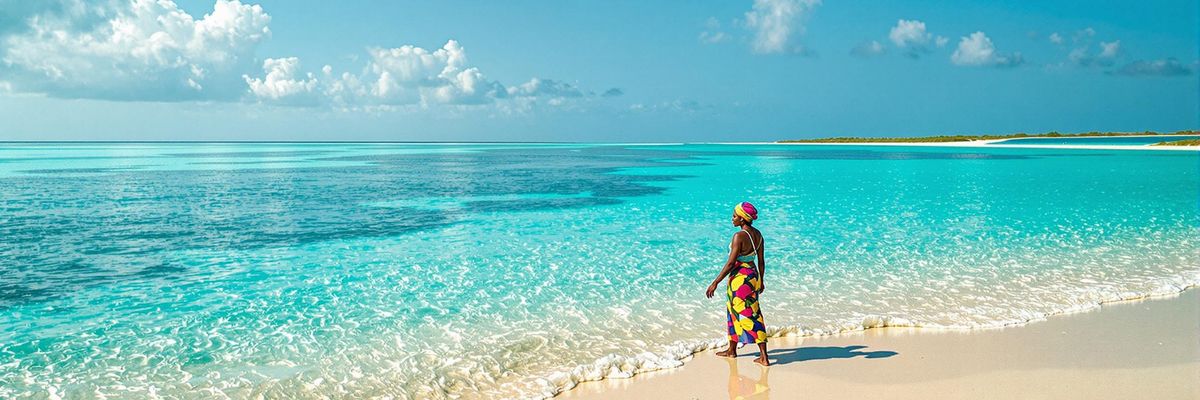
Xai-Xai: A Coastal Retreat
Relax on the beaches and explore the reefs of Xai-Xai.
View More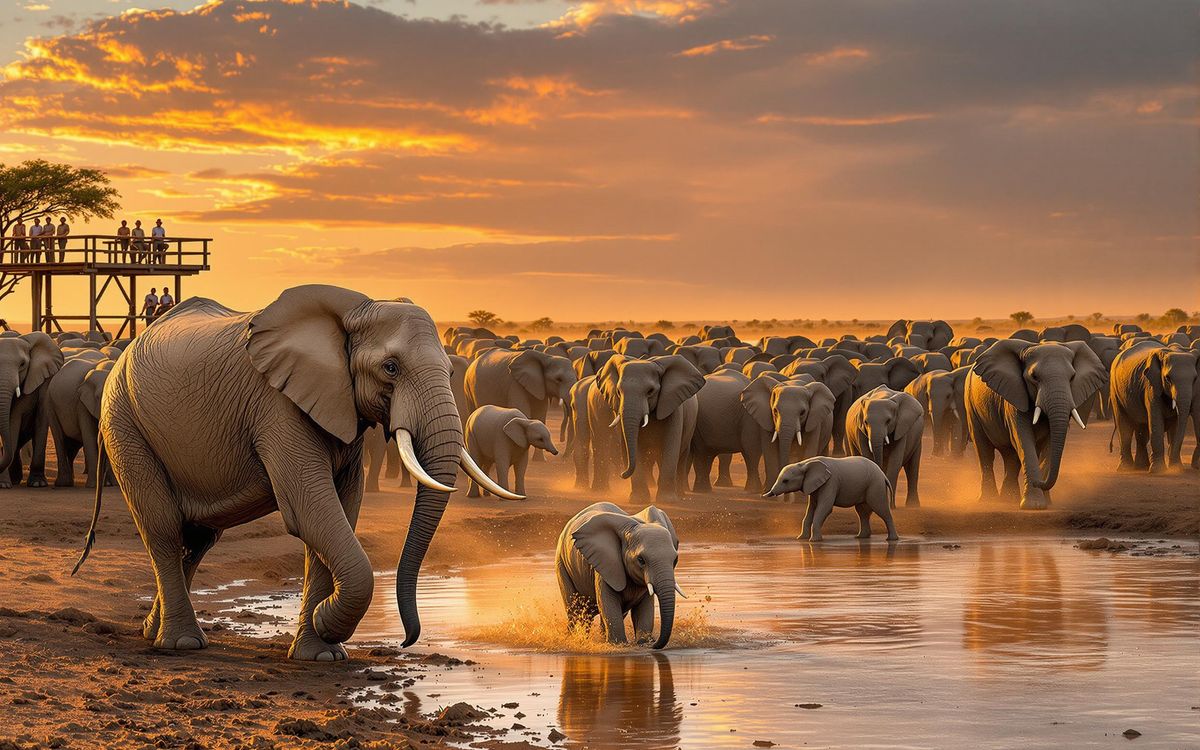

As the African sun blazes its final warmth of the dry season, a transformation occurs within the heart of Zimbabwe's largest wildlife sanctuary. Hwange National Park, usually a sprawling expanse of arid land, becomes a stage for dramatic wildlife gatherings. September unveils Hwange's secret: a concentration of life around dwindling water sources, offering unparalleled opportunities for witnessing nature's raw beauty.
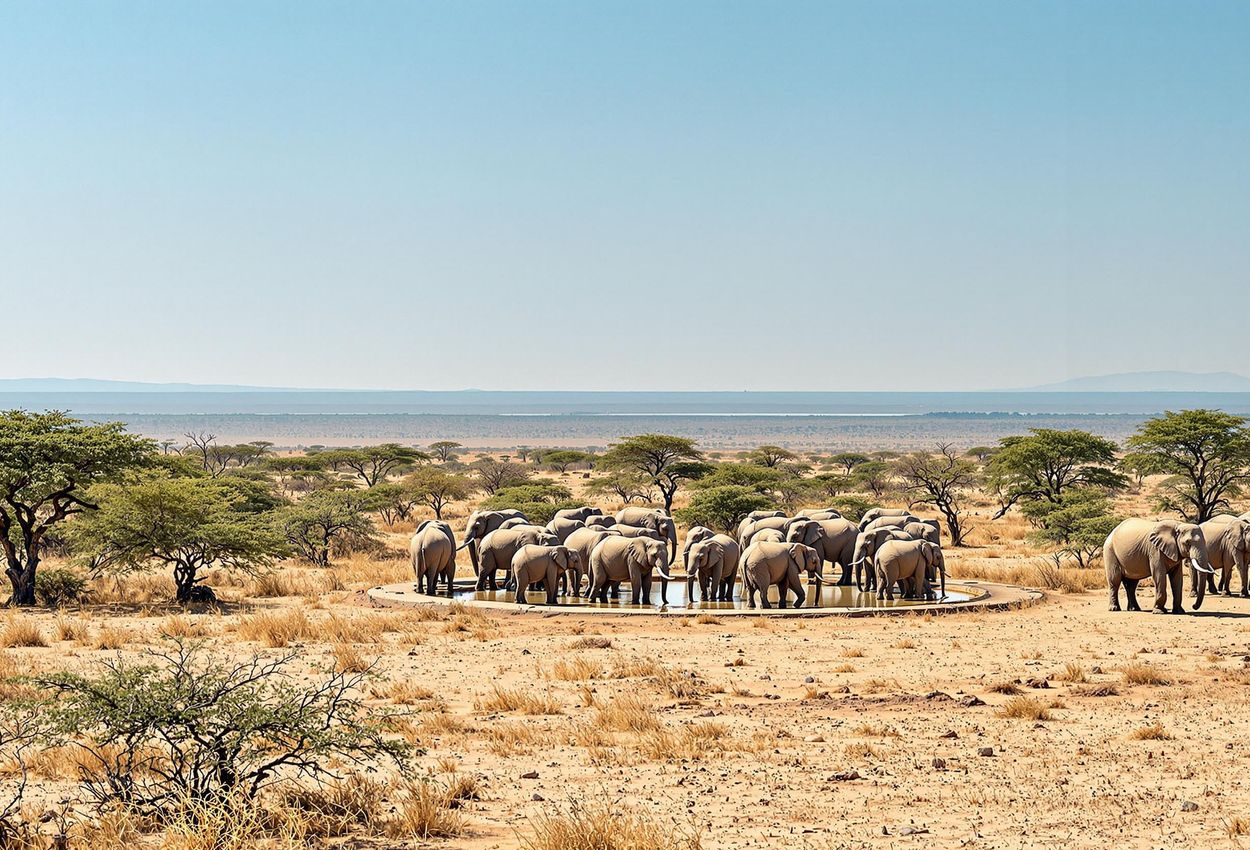
Located in the northwest of Zimbabwe, Hwange is easily accessible, beckoning safari enthusiasts from across the globe. The landscape, parched and sun-baked, tells a story of resilience. Sparse vegetation, tinged with gold and brown, stretches as far as the eye can see. The air hangs heavy with the scent of dry earth and the promise of distant rain. This is a land where survival is a daily challenge, and the drama of life and death plays out in stark clarity.
During this crucial month, the absence of rain forces animals to congregate around the park's remaining waterholes, creating a spectacle of life. These oases become magnets, drawing in creatures great and small, predators and prey, all seeking the life-giving liquid. The concentration of wildlife makes September a prime time for game viewing, offering an intense and rewarding safari experience.
The landscape itself contributes to the ease of spotting wildlife. The sparse vegetation provides clear lines of sight, allowing visitors to scan the horizon and easily identify animals in the distance. The dry, dusty conditions also create a unique atmosphere, with dramatic sunsets painting the sky in fiery hues, providing a stunning backdrop for wildlife photography.
Hwange in September is an immersive experience, engaging all the senses. The heat shimmers on the horizon, the air vibrates with the sounds of the wild, and the landscape unfolds in a tapestry of textures and colors. It is a time when the park's raw beauty is on full display, offering a safari adventure that is both thrilling and deeply moving.
Elephant Encounters: A Gentle Giant Gathering
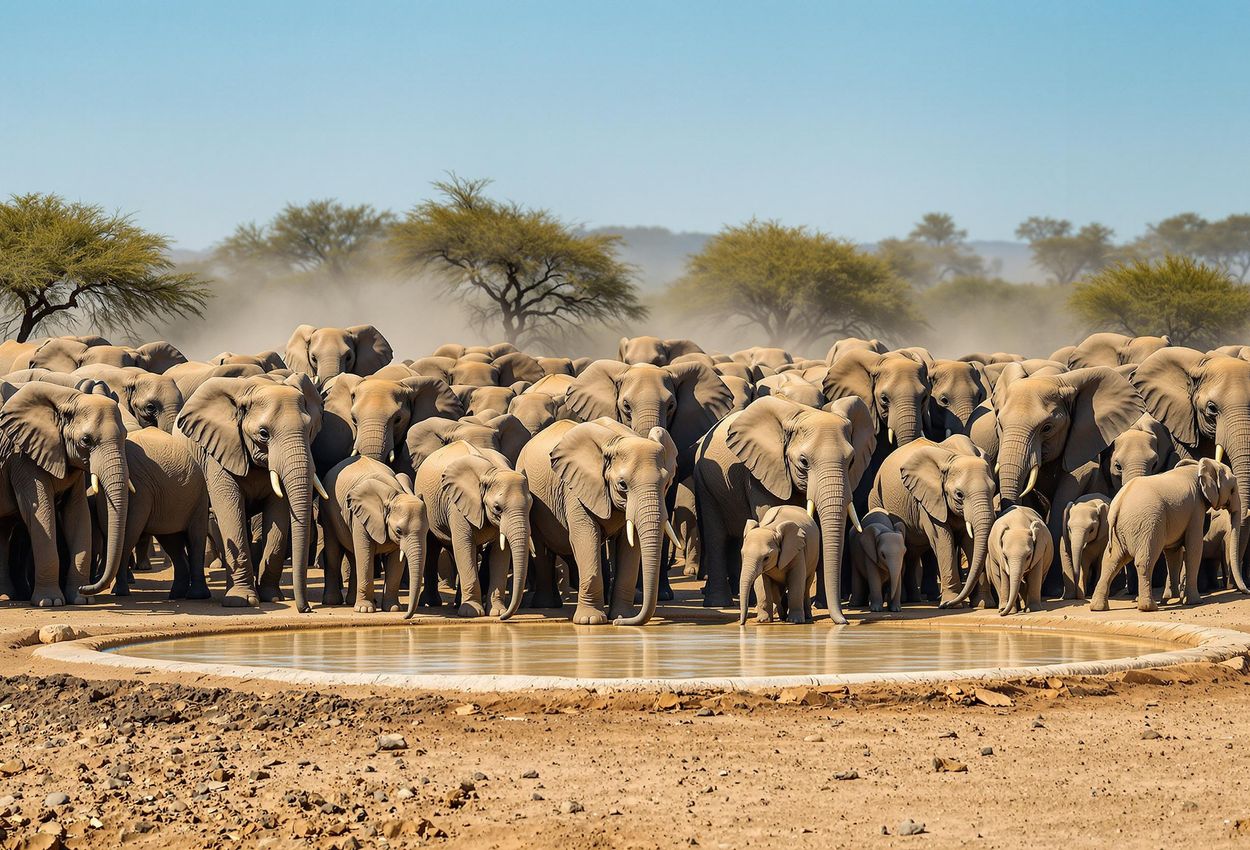
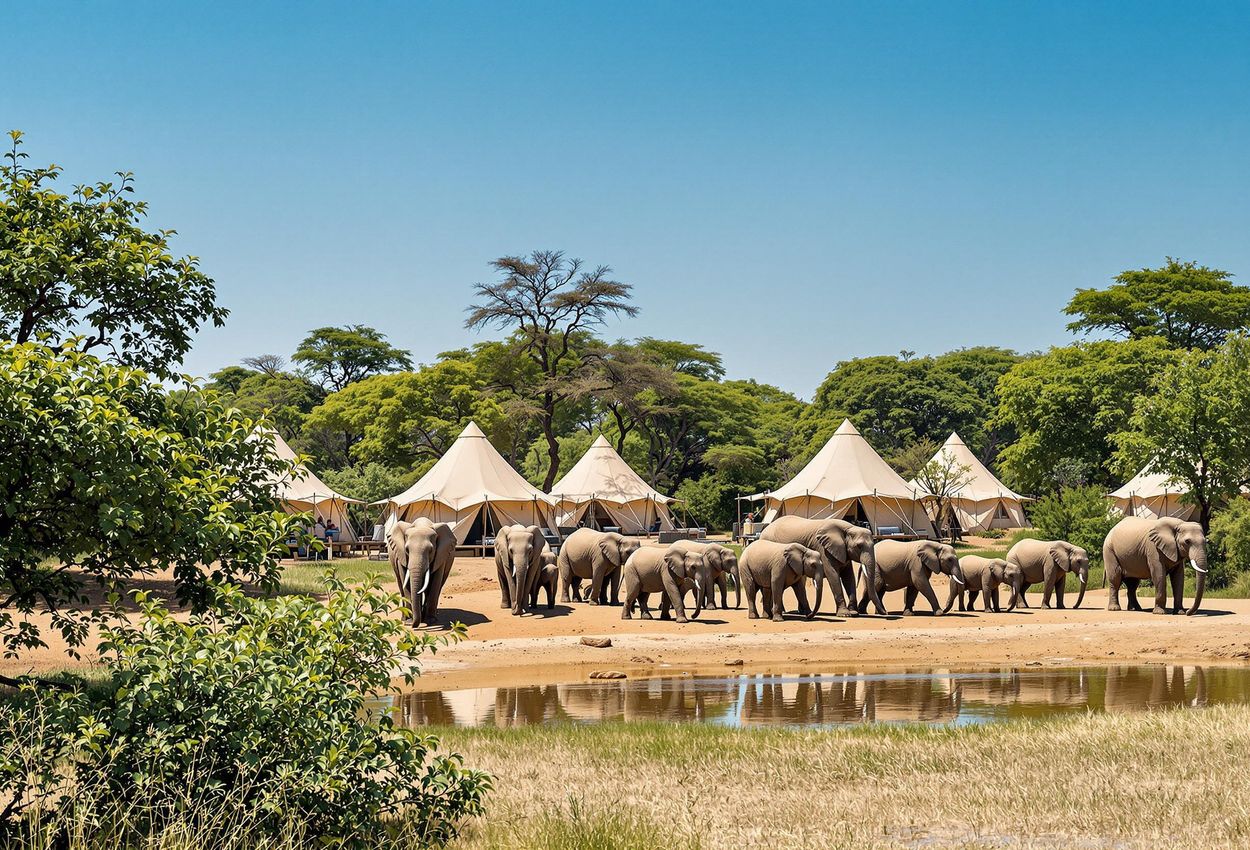
Hwange is renowned for its massive elephant herds, and September is the peak of their gathering season. As smaller water sources dry up, these magnificent creatures converge on the larger, more reliable waterholes, creating a truly awe-inspiring spectacle. Witnessing hundreds of elephants together, a symphony of trumpeting and rumbling, is an experience that will stay with you forever.
Specific locations within the park, such as Nyamandhlovu Pan and Masuma Dam, are particularly known for their elephant sightings. Nyamandhlovu Pan, one of the oldest and most established waterholes, features a raised viewing platform, offering an unparalleled vantage point for observing these gentle giants in their natural habitat. From this elevated position, you can witness the elephants drinking, bathing, and engaging in complex social interactions.
The sounds of the elephant herds are as captivating as the sight of them. The air vibrates with their deep, resonant trumpeting, a form of communication that echoes across the plains. The rumbling of their stomachs adds to the chorus, a constant reminder of their immense size and power. The ground trembles beneath their feet as they move, a palpable sense of their presence.
Adding to the sensory experience is the ever-present dust. As the elephants move, they kick up clouds of fine, red dust, creating a hazy atmosphere that softens the light and adds a touch of mystique to the scene. The dust also serves a practical purpose for the elephants, as they use it to coat their skin, providing protection from the harsh sun and biting insects.
A fascinating adaptation of these pachyderms is their use of mud as sunscreen. They will often coat themselves in thick layers of mud, which acts as a natural barrier against the sun's harmful rays. This behavior is particularly evident in September, when the sun is at its strongest, and the elephants are seeking any means of relief from the heat.
Witnessing these elephant gatherings in Hwange is a humbling experience, a reminder of the intricate web of life that exists in this remarkable park. It's a chance to connect with nature on a profound level, observing these intelligent and social animals as they navigate the challenges of survival in the African bush.
Lions at the Water's Edge: Predator Spotting Made Easy
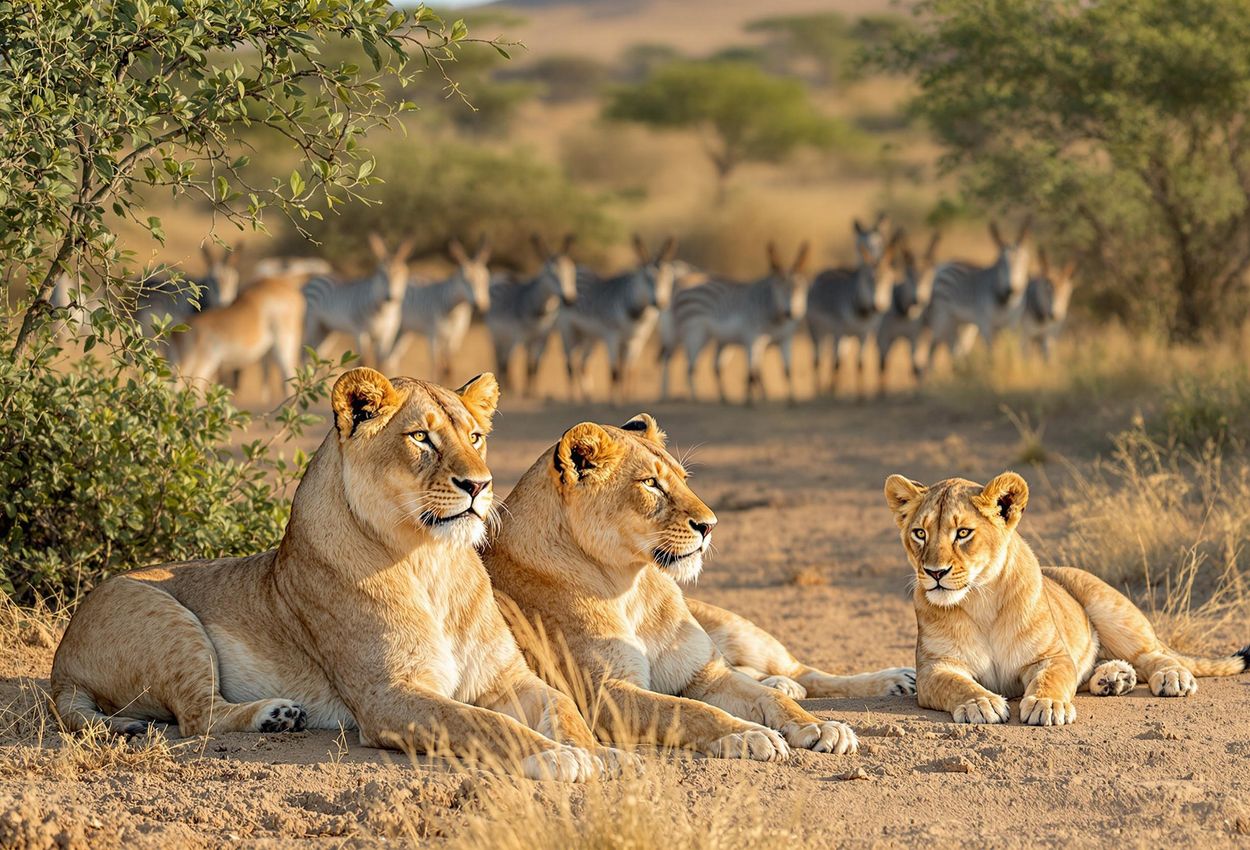
September's dry conditions not only concentrate the herbivores but also make it significantly easier to spot lions and other predators. With prey animals congregating at waterholes, lions employ a patient hunting strategy, ambushing their unsuspecting victims as they come to drink. This creates dramatic and often-observed interactions, offering visitors a front-row seat to the raw power and cunning of these apex predators.
Hwange is home to several prides, each with its own territory and hunting grounds. Knowledgeable guides can often identify specific prides based on their markings and behavior, adding another layer of depth to the safari experience. Some well-known lion territories are in close proximity to the popular waterholes, increasing the chances of witnessing a hunt.
The sensory experience of observing lions at the water's edge is intense. The air crackles with tension, a palpable sense of anticipation. The stillness before a hunt is almost deafening, broken only by the occasional call of a bird or the rustling of leaves. The golden light of the setting sun often enhances the lions' coats, making them appear even more majestic and formidable.
Adding to the thrill of predator spotting is the possibility of encountering African wild dogs, also known as painted dogs, one of Africa's most endangered species. Hwange is home to a significant population of these elusive canids, and the dry season increases the chances of spotting them as they roam in search of prey. These colorful dogs with their unique markings, are known to roam throughout Hwange National Park and its buffer zones.
These painted dogs, with their distinctive mottled coats, are social animals that live in packs and cooperate to hunt. They are known for their incredible stamina and their ability to take down prey much larger than themselves. Witnessing a pack of wild dogs on the hunt is an unforgettable experience, a testament to their intelligence and teamwork.
The southwest section of the park is known to be a favorite for the African wild dog.
Observing lions and wild dogs in their natural habitat is a privilege, a chance to witness the intricate balance of predator and prey that defines the African ecosystem. It's a reminder of the constant struggle for survival that plays out in the bush, and the importance of protecting these magnificent creatures and their habitat.
Waterhole Wonders: Prime Locations for Unforgettable Photos
To maximize your wildlife sightings and capture unforgettable photos, it's essential to know the prime locations and best times of day to visit Hwange's waterholes. Each waterhole has its own unique characteristics and attracts different species, offering a diverse range of photographic opportunities.
Nyamandhlovu Pan, as mentioned earlier, is a must-visit for its raised viewing platform and abundant elephant sightings. Ngweshla Pan, located in the southeastern part of the park, is known for its high wildlife density and picturesque landscapes. This area offers a mix of open grasslands and mopane woodlands, providing diverse habitats for various species.
Deteema Dam in the north of the park, is another excellent location, particularly for birdwatching and frequent sightings of elephant herds. The dam itself provides a scenic backdrop, and the surrounding area is home to a variety of bird species, making it a paradise for avian enthusiasts.
The best times of day for photography are early morning and late afternoon, when the light is soft and golden. These hours provide the most flattering illumination for capturing action shots and portraits of animals. The harsh midday sun can create strong shadows and wash out colors, making it less ideal for photography.
For equipment, telephoto lenses are essential for capturing close-up shots of wildlife from a safe distance. A zoom lens with a range of at least 200mm is recommended, and a longer lens (400mm or more) will allow you to capture even more detail. A sturdy tripod is also crucial for keeping your camera steady, especially when using long lenses.
Photographing in the harsh, dry light of September can be challenging, but also rewarding. The key is to embrace the conditions and use them to your advantage. Look for opportunities to capture silhouettes against the bright sky, or use the dust to create a sense of atmosphere and depth. The contrast between light and shadow can also be used to create dramatic and eye-catching images.
Remember to be patient and observant. Wildlife photography requires a keen eye and a willingness to wait for the perfect moment. Spend time observing the animals, learning their behavior, and anticipating their movements. With a little patience and perseverance, you can capture truly unforgettable images of Hwange's wildlife spectacles.

Ethical Encounters: Supporting Hwange's Future
As you immerse yourself in the wonders of Hwange, it's important to be mindful of the park's conservation efforts and the importance of ethical wildlife tourism. Hwange faces numerous challenges, including poaching, habitat loss, and human-wildlife conflict. By supporting responsible tourism practices, you can contribute to the park's long-term sustainability and help protect its precious wildlife.
Organizations like Friends of Hwange Trust play a vital role in maintaining waterholes, combating poaching, and supporting community engagement. This trust was formed to assist and support park authorities in developing and maintaining water resources in the park. By donating to these organizations or participating in their programs, you can directly contribute to their efforts.
When choosing accommodations, prioritize lodges and camps that prioritize sustainability and community empowerment. Somalisa Camp, for example, is a renowned eco-friendly safari property that embraces sustainability. The Camp is run entirely on solar power and features a water purification system that recycles 80% of its water. It proudly holds the first GOLD Green Tourism Certification to be awarded in Zimbabwe.
These types of camps often work closely with local communities, providing employment opportunities and supporting community development projects. By staying at these lodges, you can ensure that your tourist dollars are directly benefiting the people who live alongside the park and are invested in its future.
Travelers can minimize their impact by following a few simple guidelines: respect wildlife by maintaining a safe distance, avoid feeding animals, and dispose of waste responsibly. Support local communities by purchasing handicrafts and souvenirs directly from artisans. Be mindful of your water and energy consumption, and choose eco-friendly transportation options whenever possible.
One specific conservation project in Hwange is the reintroduction of rhinos. The Community Rhino Conservation Initiative (CRCI) aims to reintroduce rhinos to Hwange under intense protection. This project involves establishing protected rhino sanctuaries on community land adjacent to the park, creating a buffer zone between the park and other communities.
Another critical area of conservation is mitigating human-wildlife conflict. As human populations grow and encroach on wildlife habitats, conflicts between people and animals are becoming increasingly common. These conflicts can result in loss of life, livestock, and crops, leading to resentment and retaliatory killings of wildlife.
Organizations such as Tikobane Trust are spearheading innovative efforts to mitigate human-wildlife conflict and protect the livelihoods of affected communities. These efforts include developing elephant repellents, establishing secure livestock enclosures, and providing education and awareness programs.
By supporting ethical wildlife tourism and engaging in responsible travel practices, you can become a part of Hwange's conservation story, ensuring that this remarkable park and its wildlife continue to thrive for generations to come.
Safari in Hwange National Park in September is an experience that transcends the ordinary, offering a front-row seat to the drama of the African wilderness. It's a chance to witness the concentrated wildlife gatherings at waterholes, capture unforgettable photos, and contribute to the park's conservation efforts. As the sun sets over the parched landscape, painting the sky in fiery hues, you'll carry with you memories of a truly remarkable journey, a deep connection to the heart of Africa and its wild soul.
Our editors` picks of the latest and greatest in travel - delivered to your inbox daily
Relax on the beaches and explore the reefs of Xai-Xai.
View More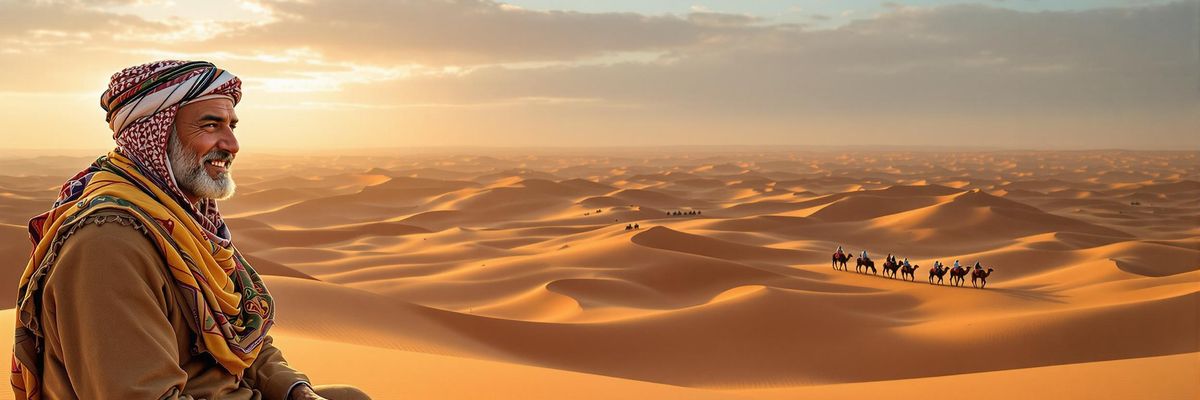
Embrace the cooler temperatures and experience the International Festival of the Sahara in Douz this December.
View More
Celebrate the year-end festivities in Accra, culminating in the vibrant Afrofuture festival.
View More Albania EDITION
 Algeria EDITION
 Argentina EDITION
 Armenia EDITION
 Australia EDITION
 Austria EDITION
 Bangladesh EDITION
 Belgium EDITION
 Belize EDITION
 Benin EDITION
 Bhutan EDITION
 Bolivia EDITION
 Bosnia and Herzegovina EDITION
 Botswana EDITION
 Brazil EDITION
 Bulgaria EDITION
 Burkina Faso EDITION
 Cambodia EDITION
 Cameroon EDITION
 Canada EDITION
 Central African Republic EDITION
 Chad EDITION
 Chile EDITION
 China EDITION
 Colombia EDITION
 Costa Rica EDITION
 Croatia EDITION
 Cyprus EDITION
 Denmark EDITION
 Djibouti EDITION
 Ecuador EDITION
 Egypt EDITION
 El Salvador EDITION
 Eritrea EDITION
 Estonia EDITION
 Ethiopia EDITION
 Finland EDITION
 France EDITION
 Gabon EDITION
 Georgia EDITION
 Germany EDITION
 Ghana EDITION
 Greece EDITION
 Guatemala EDITION
 Guinea EDITION
 Guinea-Bissau EDITION
 Honduras EDITION
 Hungary EDITION
 Iceland EDITION
 India EDITION
 Indonesia EDITION
 Ireland EDITION
 Israel EDITION
 Italy EDITION
 Jamaica EDITION
 Japan EDITION
 Jordan EDITION
 Kenya EDITION
 Kuwait EDITION
 Laos EDITION
 Latvia EDITION
 Lebanon EDITION
 Lesotho EDITION
 Liberia EDITION
 Lithuania EDITION
 Luxembourg EDITION
 Madagascar EDITION
 Malawi EDITION
 Malaysia EDITION
 Maldives EDITION
 Mali EDITION
 Malta EDITION
 Mauritania EDITION
 Mauritius EDITION
 Mexico EDITION
 Mongolia EDITION
 Montenegro EDITION
 Morocco EDITION
 Mozambique EDITION
 Namibia EDITION
 Nepal EDITION
 Netherlands EDITION
 New Zealand EDITION
 Nicaragua EDITION
 Niger EDITION
 Nigeria EDITION
 Norway EDITION
 Oman EDITION
 Pakistan EDITION
 Panama EDITION
 Papua New Guinea EDITION
 Paraguay EDITION
 Peru EDITION
 Philippines EDITION
 Poland EDITION
 Portugal EDITION
 Qatar EDITION
 Romania EDITION
 Rwanda EDITION
 Saudi Arabia EDITION
 Senegal EDITION
 Serbia EDITION
 Singapore EDITION
 Slovakia EDITION
 Slovenia EDITION
 Somalia EDITION
 South Africa EDITION
 South Korea EDITION
 Spain EDITION
 Sri Lanka EDITION
 Suriname EDITION
 Sweden EDITION
 Switzerland EDITION
 Tanzania EDITION
 Thailand EDITION
 Tunisia EDITION
 Uganda EDITION
 United Arab Emirates EDITION
 United Kingdom EDITION
 Uruguay EDITION
 Venezuela EDITION
 Vietnam EDITION
 Zambia EDITION
 Zimbabwe EDITION
Subscribe to our newsletter and get the most captivating travel stories, hidden gems, and expert insights delivered straight to your inbox. As a subscriber, you’ll be first in line for exclusive content, premium offers, and unforgettable travel experiences