


Destination Guide
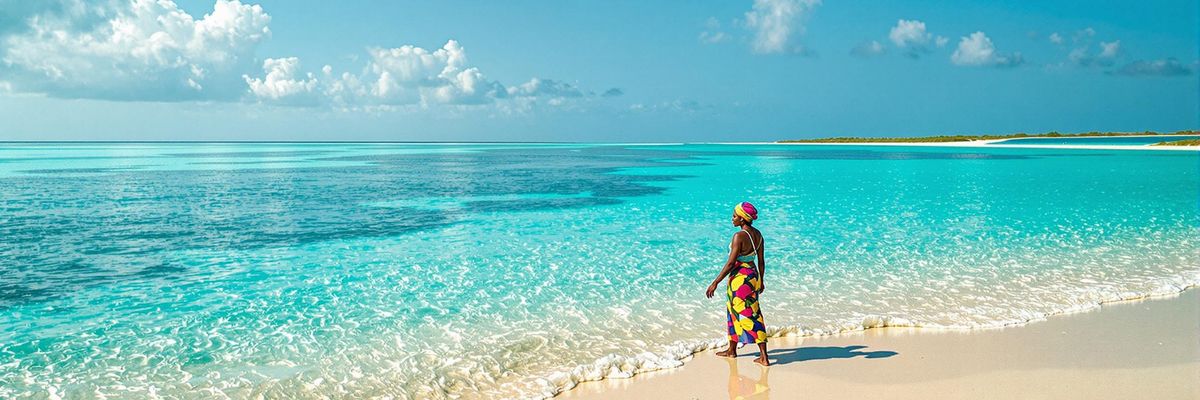
Xai-Xai: A Coastal Retreat
Relax on the beaches and explore the reefs of Xai-Xai.
View More

Escape to the serene and culturally rich island of Joal-Fadiouth in Senegal, where the landscapes are as unique as the traditions that bind its people. In September, as the harsh heat of summer begins to wane, discover a coastal paradise built on shells and a testament to peaceful coexistence.
Begin your journey in Joal, a bustling fishing village that serves as the gateway to the enchanting island of Fadiouth. Located on Senegal's Petite Côte, Joal is a vibrant hub of activity, where the daily rhythms of life are dictated by the sea. The port teems with colorful pirogues, traditional wooden fishing boats, returning with their daily catch. The air is thick with the briny aroma of the ocean, mingled with the earthy scents of local spices and the smoky fragrance of fish being grilled on the shore.
Joal holds a special place in Senegalese history as the birthplace of Léopold Sédar Senghor, Senegal's first president, a renowned poet, and a key figure in the country's independence. His legacy is palpable throughout the town, a reminder of the intellectual and political foundations upon which modern Senegal was built. Take a moment to visit his childhood home, now a museum, to delve deeper into the life and work of this influential leader.
The local markets in Joal offer a sensory feast, with vendors hawking everything from fresh produce and colorful fabrics to handcrafted souvenirs. Observe the fishermen as they mend their nets and sort their catch, a timeless scene that offers a glimpse into the traditional way of life. The energy of the market is infectious, a vibrant tapestry of sights, sounds, and smells that captures the essence of Senegalese culture.
As you prepare to cross over to Fadiouth, take a moment to appreciate Joal's unique blend of coastal beauty and cultural richness. This is a place where the spirit of Senegal comes alive, offering a warm welcome to all who seek to explore its wonders. The transition from the mainland to the island is more than just a physical journey; it's a step into a world where tradition and nature intertwine to create something truly magical.

The transition from Joal to Fadiouth is an experience in itself. A 500-meter wooden bridge connects the mainland to the island, offering stunning views of the surrounding landscape. As you walk across, you'll feel a sense of anticipation building, a sense of entering a different world.
Fadiouth, also known as Shell Island, is a place unlike any other. The island was formed over centuries by the accumulation of shells from shellfish harvesting, creating a unique and fragile landscape. With each step, you'll hear the distinct crunch of shells underfoot, a constant reminder of the island's unique composition. The shimmering white landscape stretches out before you, a testament to the power of nature and the ingenuity of the human spirit.
One of the first things you'll notice upon arriving in Fadiouth is the absence of motorized transport. The island is a car-free zone, adding to its tranquil and peaceful atmosphere. Instead of cars, you'll see pigs roaming freely through the streets, an unexpected sight in a predominantly Muslim country, yet a testament to the island's unique cultural blend.
The traditional architecture of Fadiouth is another striking feature. Shells are not just underfoot; they're integrated into the very fabric of the buildings, adorning homes and public spaces alike. This creates a cohesive and visually stunning environment, where the natural and the man-made blend seamlessly. The effect is both whimsical and profound, a reminder of the deep connection between the people of Fadiouth and their environment.
As you explore Fadiouth, allow yourself to be immersed in its tranquility and natural beauty. This is a place where time seems to slow down, where the simple pleasures of life are celebrated, and where the wonders of nature are always on display.
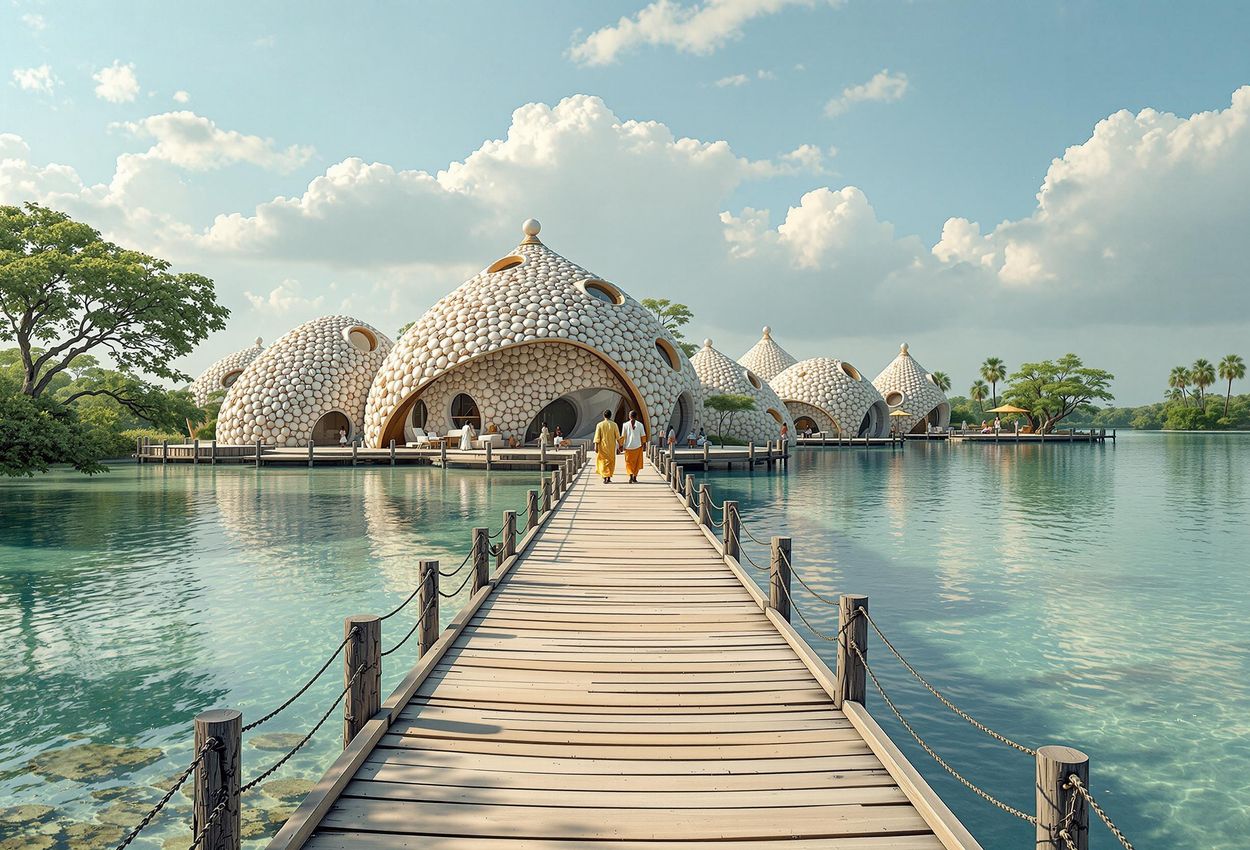
From Fadiouth, a 200-meter bridge leads to another island, a place of profound significance: the mixed cemetery. Here, Christians and Muslims are buried side-by-side, a powerful symbol of religious tolerance and peaceful coexistence. The cemetery is a testament to the island's unique cultural heritage, a place where differences are set aside in favor of unity and respect.
As you walk through the cemetery, you'll notice the unique blend of Christian crosses and Muslim symbols adorning the graves. This visual representation of shared space and mutual respect is deeply moving, a reminder of the common humanity that binds us all. The serene atmosphere of the cemetery is palpable, a place of quiet reflection and remembrance.
The sound of the wind rustling through the baobab trees, the sight of the shimmering shells, and the feeling of reverence in the air all contribute to the cemetery's unique ambiance. Take a moment to appreciate the significance of this shared burial ground, a symbol of hope and a reminder that different faiths can coexist peacefully.
The mixed cemetery is more than just a resting place; it's a living testament to the values of tolerance, understanding, and mutual respect. It's a place where the community comes together to honor their dead, regardless of their religious beliefs. This shared space is a powerful reminder of the bonds that unite the people of Joal-Fadiouth, a symbol of their commitment to living together in harmony.

Daily life in Fadiouth is deeply rooted in local culture and traditions. The island's economy revolves around fishing and crafts made from shells, both of which are integral to the community's identity. The women of the village are particularly skilled at crafting intricate jewelry, ornaments, and other items from shells, which are sold in local markets and beyond.
The sacred baobab tree holds a special significance for the community, serving as a gathering place for ceremonies and celebrations. These ancient trees are revered for their longevity and their spiritual importance, providing shade and sustenance to the island's inhabitants.
Seafood is a staple of the local cuisine, with fresh fish, shellfish, and other delicacies being prepared in a variety of ways. Be sure to sample the local dishes, which are bursting with flavor and reflect the island's close connection to the sea. The unique tradition of millet granaries on stilts is another distinctive feature of Fadiouth. These elevated structures are used to store grain, protecting it from pests and floods, and are a testament to the ingenuity of the local people.
The strong sense of community is palpable in Fadiouth, where neighbors help each other with daily tasks and celebrations are shared by all. The preservation of cultural heritage is a priority, with traditions being passed down from generation to generation. This commitment to preserving their unique way of life is what makes Fadiouth such a special and captivating place.

Getting to Joal-Fadiouth from Dakar is relatively straightforward. Public transport options include sept-places (shared taxis) and buses, which offer an affordable way to travel. The journey takes approximately 2-3 hours, depending on traffic and the specific route. Private transport, such as taxis, is also available, offering a more comfortable but more expensive option.
There is a small entry fee for Fadiouth Island, which helps to support the local community and maintain the island's infrastructure. Hiring a local guide is highly recommended, as they can provide valuable insights into the island's history, culture, and traditions. The best times to visit are during the dry season, from November to April, when the weather is pleasant and the fishing activities are in full swing.
When visiting Fadiouth, it's important to wear comfortable shoes, as you'll be walking on shell-paved paths. Respecting local customs and traditions is also essential, including dressing modestly and asking permission before taking photographs. The people of Joal-Fadiouth are known for their warmth and hospitality, so be sure to engage with them and learn about their unique way of life.
Local Tip: Be sure to visit the island during low tide to witness the women collecting shellfish, a tradition that has shaped the island's landscape for centuries.
Hidden Gem: Explore the backstreets of Fadiouth to discover hidden courtyards, colorful murals, and small artisan workshops.
A visit to Joal-Fadiouth is an unforgettable experience, a journey into a world where nature, culture, and tradition intertwine to create a truly unique destination.

Our editors` picks of the latest and greatest in travel - delivered to your inbox daily
Relax on the beaches and explore the reefs of Xai-Xai.
View More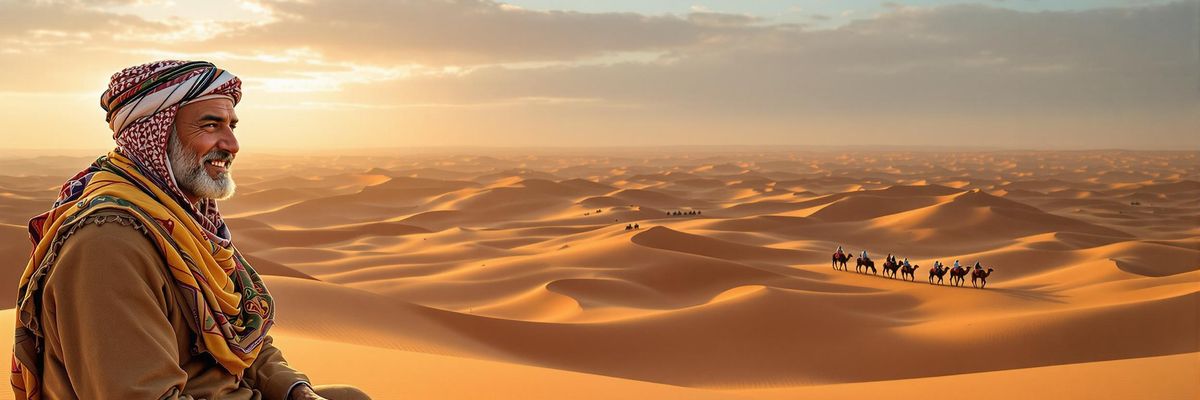
Embrace the cooler temperatures and experience the International Festival of the Sahara in Douz this December.
View More
Celebrate the year-end festivities in Accra, culminating in the vibrant Afrofuture festival.
View More Albania EDITION
 Algeria EDITION
 Argentina EDITION
 Armenia EDITION
 Australia EDITION
 Austria EDITION
 Bangladesh EDITION
 Belgium EDITION
 Belize EDITION
 Benin EDITION
 Bhutan EDITION
 Bolivia EDITION
 Bosnia and Herzegovina EDITION
 Botswana EDITION
 Brazil EDITION
 Bulgaria EDITION
 Burkina Faso EDITION
 Cambodia EDITION
 Cameroon EDITION
 Canada EDITION
 Central African Republic EDITION
 Chad EDITION
 Chile EDITION
 China EDITION
 Colombia EDITION
 Costa Rica EDITION
 Croatia EDITION
 Cyprus EDITION
 Denmark EDITION
 Djibouti EDITION
 Ecuador EDITION
 Egypt EDITION
 El Salvador EDITION
 Eritrea EDITION
 Estonia EDITION
 Ethiopia EDITION
 Finland EDITION
 France EDITION
 Gabon EDITION
 Georgia EDITION
 Germany EDITION
 Ghana EDITION
 Greece EDITION
 Guatemala EDITION
 Guinea EDITION
 Guinea-Bissau EDITION
 Honduras EDITION
 Hungary EDITION
 Iceland EDITION
 India EDITION
 Indonesia EDITION
 Ireland EDITION
 Israel EDITION
 Italy EDITION
 Jamaica EDITION
 Japan EDITION
 Jordan EDITION
 Kenya EDITION
 Kuwait EDITION
 Laos EDITION
 Latvia EDITION
 Lebanon EDITION
 Lesotho EDITION
 Liberia EDITION
 Lithuania EDITION
 Luxembourg EDITION
 Madagascar EDITION
 Malawi EDITION
 Malaysia EDITION
 Maldives EDITION
 Mali EDITION
 Malta EDITION
 Mauritania EDITION
 Mauritius EDITION
 Mexico EDITION
 Mongolia EDITION
 Montenegro EDITION
 Morocco EDITION
 Mozambique EDITION
 Namibia EDITION
 Nepal EDITION
 Netherlands EDITION
 New Zealand EDITION
 Nicaragua EDITION
 Niger EDITION
 Nigeria EDITION
 Norway EDITION
 Oman EDITION
 Pakistan EDITION
 Panama EDITION
 Papua New Guinea EDITION
 Paraguay EDITION
 Peru EDITION
 Philippines EDITION
 Poland EDITION
 Portugal EDITION
 Qatar EDITION
 Romania EDITION
 Rwanda EDITION
 Saudi Arabia EDITION
 Senegal EDITION
 Serbia EDITION
 Singapore EDITION
 Slovakia EDITION
 Slovenia EDITION
 Somalia EDITION
 South Africa EDITION
 South Korea EDITION
 Spain EDITION
 Sri Lanka EDITION
 Suriname EDITION
 Sweden EDITION
 Switzerland EDITION
 Tanzania EDITION
 Thailand EDITION
 Tunisia EDITION
 Uganda EDITION
 United Arab Emirates EDITION
 United Kingdom EDITION
 Uruguay EDITION
 Venezuela EDITION
 Vietnam EDITION
 Zambia EDITION
 Zimbabwe EDITION
Subscribe to our newsletter and get the most captivating travel stories, hidden gems, and expert insights delivered straight to your inbox. As a subscriber, you’ll be first in line for exclusive content, premium offers, and unforgettable travel experiences