


Destination Guide
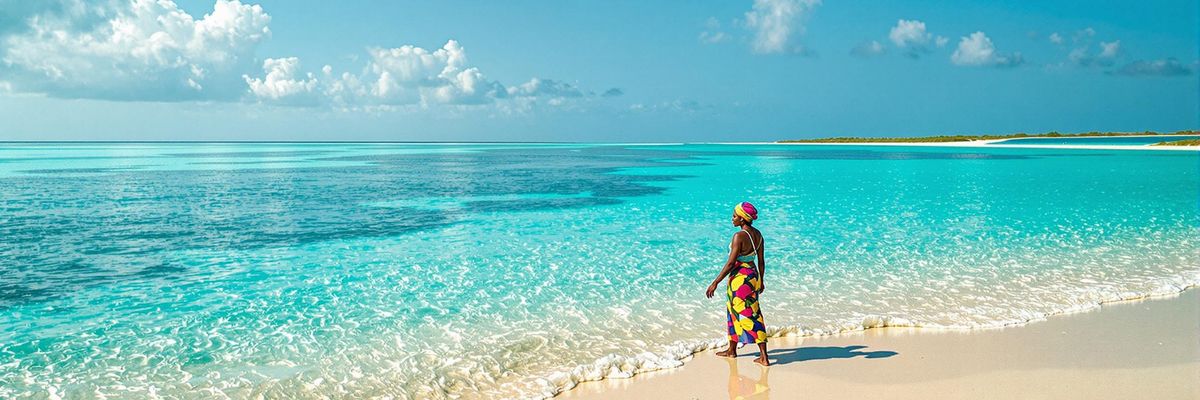
Xai-Xai: A Coastal Retreat
Relax on the beaches and explore the reefs of Xai-Xai.
View More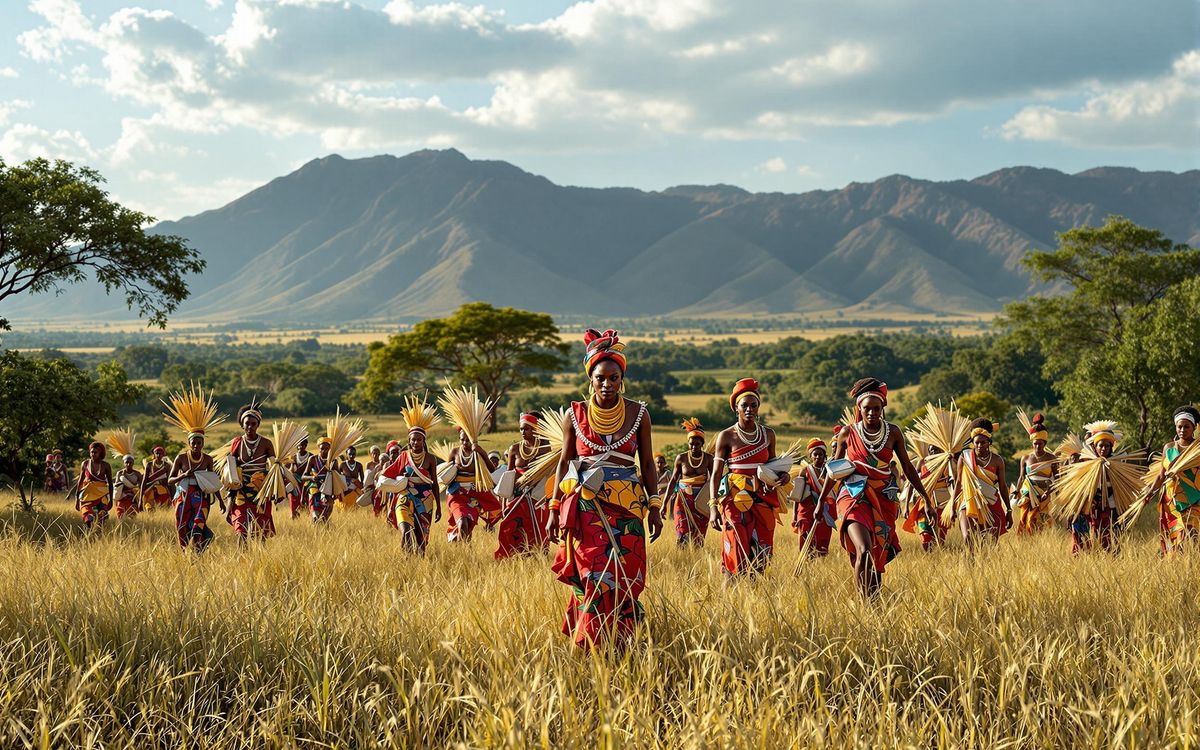

In the heart of the Kingdom of Eswatini, nestled against the backdrop of the Mdzimba Mountains, lies Lobamba, a town steeped in tradition and royal significance. July offers an ideal window to explore this cultural epicenter, with its cooler, dry weather providing the perfect conditions for discovering the rich history and heritage that permeates every corner of this royal heartland.
Unlike the administrative capital of Mbabane, which bustles with modern political activity, Lobamba exudes a more traditional atmosphere. It serves as the spiritual, cultural, and legislative hub of Eswatini, housing the nation's Parliament, the royal residence, and significant historical landmarks. A journey to Lobamba is a step back in time, an opportunity to connect with the essence of Swazi identity and tradition.
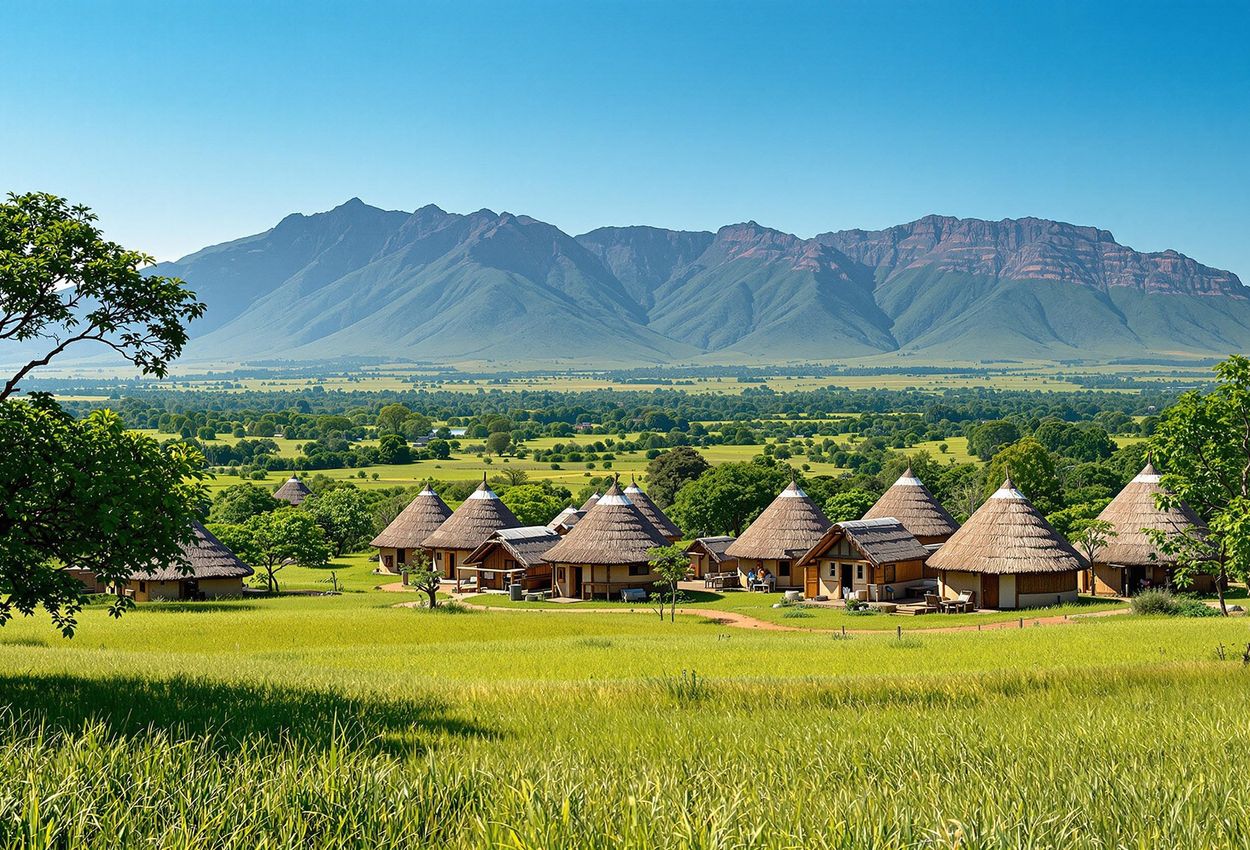
From the moment you arrive, the air feels different. The pace is slower, the atmosphere more reverent. Here, the echoes of the past resonate deeply, inviting you to delve into the stories of kings and queens, ancient customs, and the enduring spirit of the Swazi people. Whether you're a history enthusiast, a culture seeker, or simply a traveler yearning for authentic experiences, Lobamba promises an unforgettable immersion into the soul of Eswatini.
Stepping into Lobamba is akin to entering the heart of Eswatini. This town is more than just a geographical location; it's the embodiment of the nation's soul, where its most cherished traditions and historical narratives converge. As the spiritual, cultural, and political nucleus of the kingdom, Lobamba holds a unique position in the hearts of the Swazi people.
The town's significance is immediately apparent in its landscape, dominated by key royal and governmental sites. The Houses of Parliament stand as a testament to Eswatini's legislative processes, while the Embo State Palace serves as a residence for visiting dignitaries, underscoring Lobamba's role in international relations. However, it is the presence of the royal residence, Ludzidzini Royal Village, that truly solidifies Lobamba's status as the kingdom's core.
Adding to the town's majestic ambiance is the stunning backdrop of the Mdzimba Mountains. These sacred peaks, revered in Swazi culture, provide a dramatic and awe-inspiring setting, reminding visitors of the deep connection between the land and its people. In July, Lobamba enjoys a particularly pleasant climate. The cooler, dry weather creates ideal conditions for exploring the town's many attractions, allowing you to comfortably immerse yourself in its rich heritage. This is a welcome contrast to the hotter, more humid summer months, making July a prime time to discover Lobamba's treasures.
The contrast between Lobamba and Mbabane, Eswatini's modern capital, is striking. While Mbabane pulses with the energy of political and economic activity, Lobamba exudes a more serene and traditional atmosphere. This distinction highlights the dual nature of Eswatini, a nation that embraces both progress and the preservation of its cultural roots. In Lobamba, the echoes of the past are palpable, offering a unique opportunity to connect with the essence of Swazi identity.
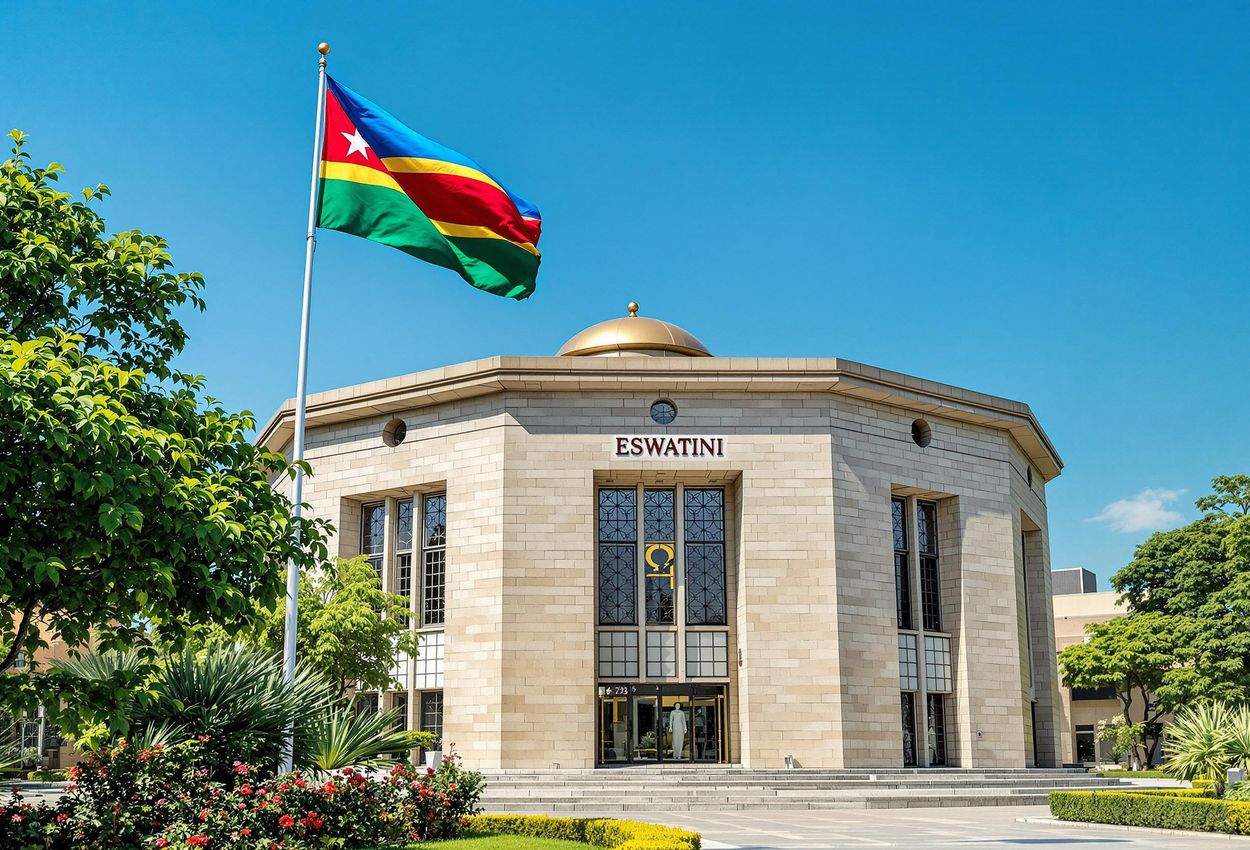
A visit to Lobamba is more than just a sightseeing trip; it's an immersive journey into the heart and soul of Eswatini. It's a chance to witness firsthand the traditions, values, and historical narratives that have shaped this captivating kingdom. Whether you're exploring its museums, strolling through its memorial parks, or simply soaking in the atmosphere of its royal village, Lobamba promises an enriching and unforgettable experience.
To truly grasp the depth and breadth of Swazi history and culture, a visit to the Eswatini National Museum is essential. Located in Lobamba, adjacent to the Parliament, this institution serves as a repository of the nation's heritage, showcasing artifacts and exhibits that span millennia. From ancient tools to royal regalia, the museum offers a comprehensive overview of Eswatini's past, providing valuable context for understanding its present.
The museum's exhibits are diverse and engaging, catering to a wide range of interests. Displays of Swazi culture highlight traditional clothing, crafts, and customs, offering insights into the daily lives of the Swazi people. Historical exhibits trace the kingdom's evolution, from its earliest settlements to its struggle for independence. Natural history displays showcase the region's diverse flora and fauna, emphasizing the close relationship between the Swazi people and their environment.
One of the museum's most popular attractions is the traditional beehive village, a meticulously reconstructed homestead that provides a glimpse into the architectural styles and living arrangements of traditional Swazi families. Visitors can step inside the huts, examine the furnishings, and imagine life in a bygone era. Another highlight is the collection of vintage cars that belonged to King Sobhuza II, a beloved monarch who played a pivotal role in Eswatini's history. These vehicles offer a tangible connection to the king's reign, providing a glimpse into his personal life and the era in which he lived.
The Eswatini National Museum plays a crucial role in educating future generations about their heritage. The Eswatini National Trust Commission arranges visits for school children to ensure that each successive generation grasps the importance of its heritage. The museum also organizes temporary exhibitions of African Modern Art that are both displayed within the museum and toured across various African countries. By preserving and interpreting the nation's history and culture, the museum helps to instill a sense of pride and identity in young Swazis.
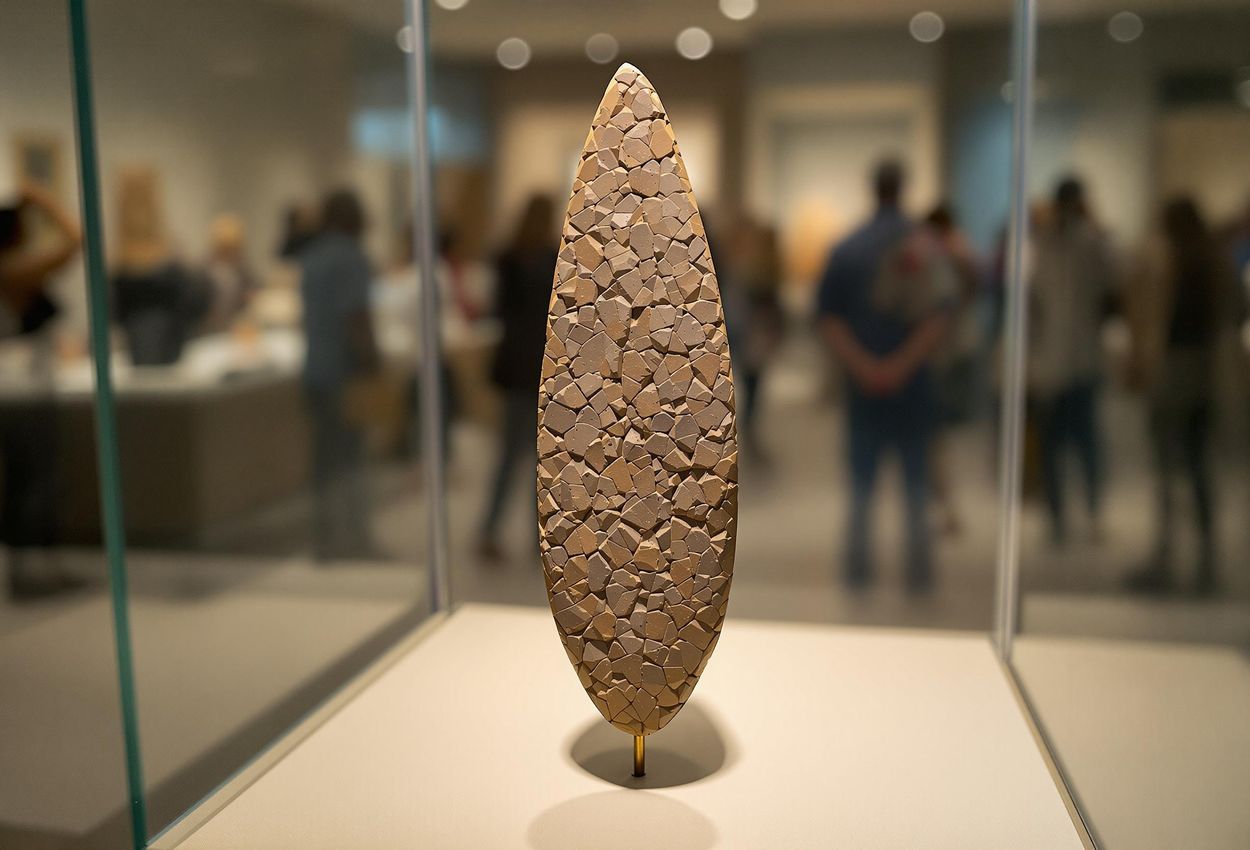
Among the museum's many artifacts, one stands out for its remarkable age and historical significance: a 75,000-year-old stone spear. This ancient tool, unearthed in the region, provides evidence of human habitation in Eswatini dating back to the Stone Age. Holding this artifact in your mind's eye is a powerful reminder of the long and rich history of this land and its people.
Practical Information:
Location: Near Parliament, Lobamba
Opening Hours: Monday to Friday, 8 am to 5 pm
Entry Fees: Available at the entrance; discounted combo tickets are available for visits to both the National Museum and King Sobhuza II Memorial Park
Opposite the National Museum in Lobamba lies the King Sobhuza II Memorial Park, a serene and dignified tribute to one of Eswatini's most revered leaders. King Sobhuza II, who reigned for over 60 years, is considered the father of the modern Swazi nation, guiding the country through its transition to independence. This memorial park serves as a lasting testament to his legacy, offering visitors a space to reflect on his contributions and learn about his life.
The park holds particular significance as the place where King Sobhuza II lay in state following his death in 1982. A glass mausoleum marks the exact spot where his body rested, a site that is guarded day and night. While photographs are strictly forbidden inside the mausoleum, visitors can pay their respects to the late king and contemplate his profound impact on Eswatini.
Within the park, a museum showcases King Sobhuza II's life through pictorial exhibitions and displays of his personal vehicles. These exhibits offer a glimpse into the king's daily life, his political achievements, and his deep connection to the Swazi people. The hexagonal layout of the park itself is symbolic, with King Sobhuza's statue facing east towards his father's burial site in the Mdzimba Mountains. This design reflects the importance of ancestry and tradition in Swazi culture.
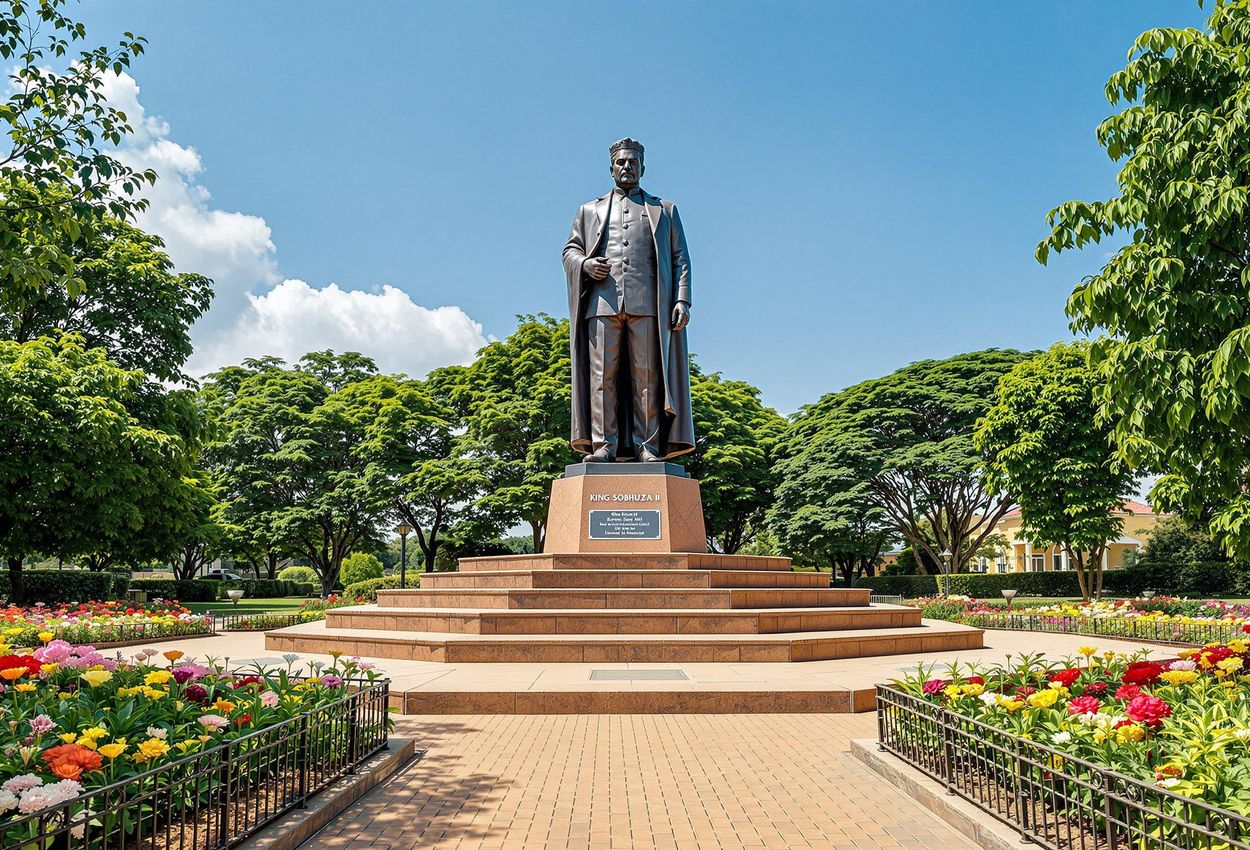
The park's serene gardens provide a tranquil setting for contemplation and remembrance. Manicured lawns, vibrant flowers, and shaded seating areas invite visitors to relax and soak in the peaceful atmosphere. Informative plaques throughout the park offer insights into Eswatini's rich cultural heritage, making it an educational experience as well as a leisurely one.
Visitor Information:
Location: Opposite the National Museum, Lobamba
Opening Hours: Mondays to Fridays, 8 am to 5 pm
Tickets: A discounted combo ticket may be available for both the National Museum and the King Sobhuza II Memorial Park
A short distance from the National Museum and Memorial Park lies Ludzidzini Royal Village, the official residence of the Royal Family and the Queen Mother (Indlovukazi). This traditional village serves as the spiritual center of Eswatini and a powerful symbol of Swazi identity. While Ludzidzini is generally not open to the public, it comes alive during the annual Umhlanga Reed Dance, a spectacular cultural event that draws visitors from around the world.
The Umhlanga Reed Dance, held in late August or early September, is a celebration of womanhood, purity, and national pride. During this eight-day ceremony, tens of thousands of young, unmarried women travel from across Eswatini to Ludzidzini. They gather reeds, present them to the Queen Mother, and then dance before her in a dazzling display of color and tradition.
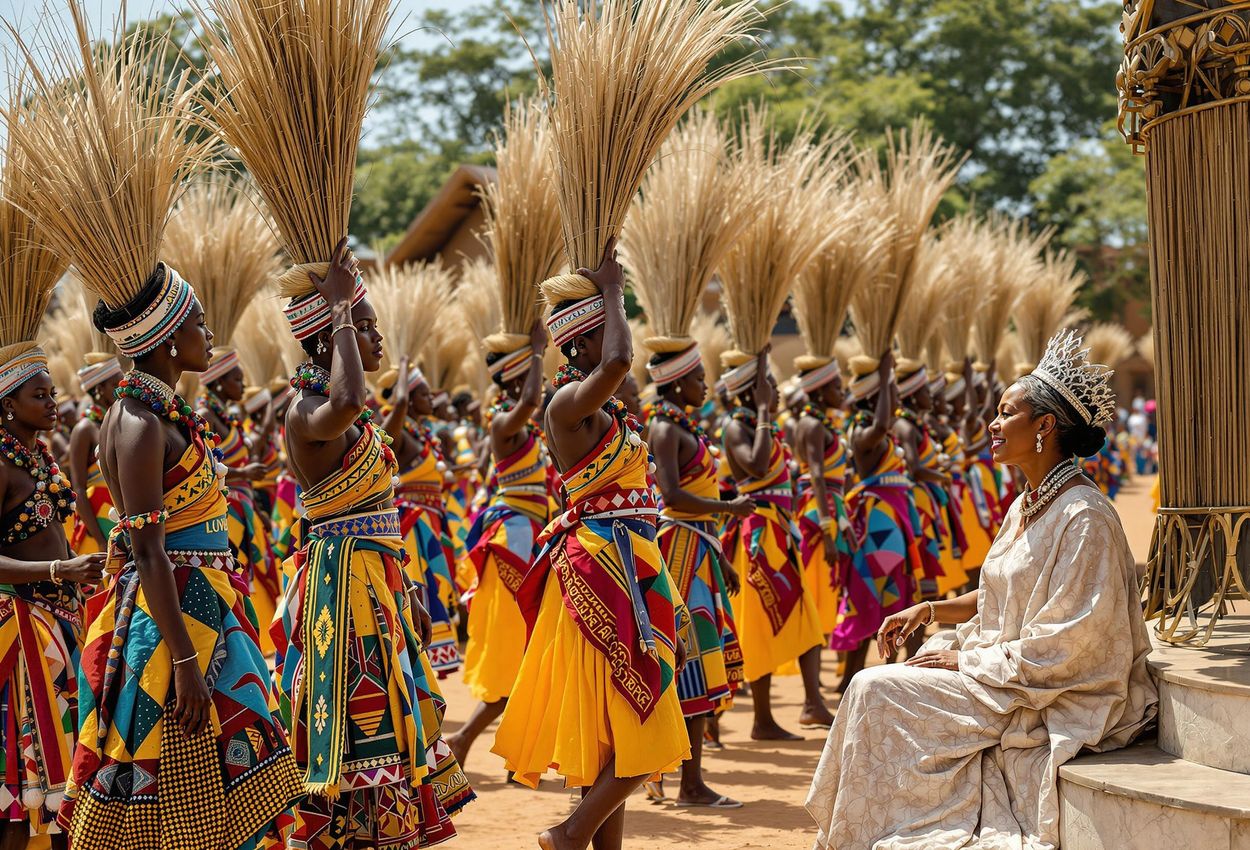
The Umhlanga Reed Dance is a sight to behold. The young women, adorned in brightly colored attire, create a vibrant and energetic atmosphere as they dance in unison. The ceremony is not only a celebration of Swazi culture but also a demonstration of the strength and unity of the nation's women. The main day of the festival is set to take place on Monday 8th September 2025.
Even when Ludzidzini is not hosting the Umhlanga Reed Dance, the area surrounding the village is imbued with a sense of cultural significance. Visitors are welcome to explore the outskirts of the village, but it's essential to respect local customs and traditions. Dress modestly, ask permission before taking photographs, and be mindful of the privacy of the residents.
Visiting Lobamba and experiencing its royal sites is an opportunity to connect with the heart and soul of Eswatini. By immersing yourself in its history, culture, and traditions, you'll gain a deeper appreciation for this captivating kingdom and its people.
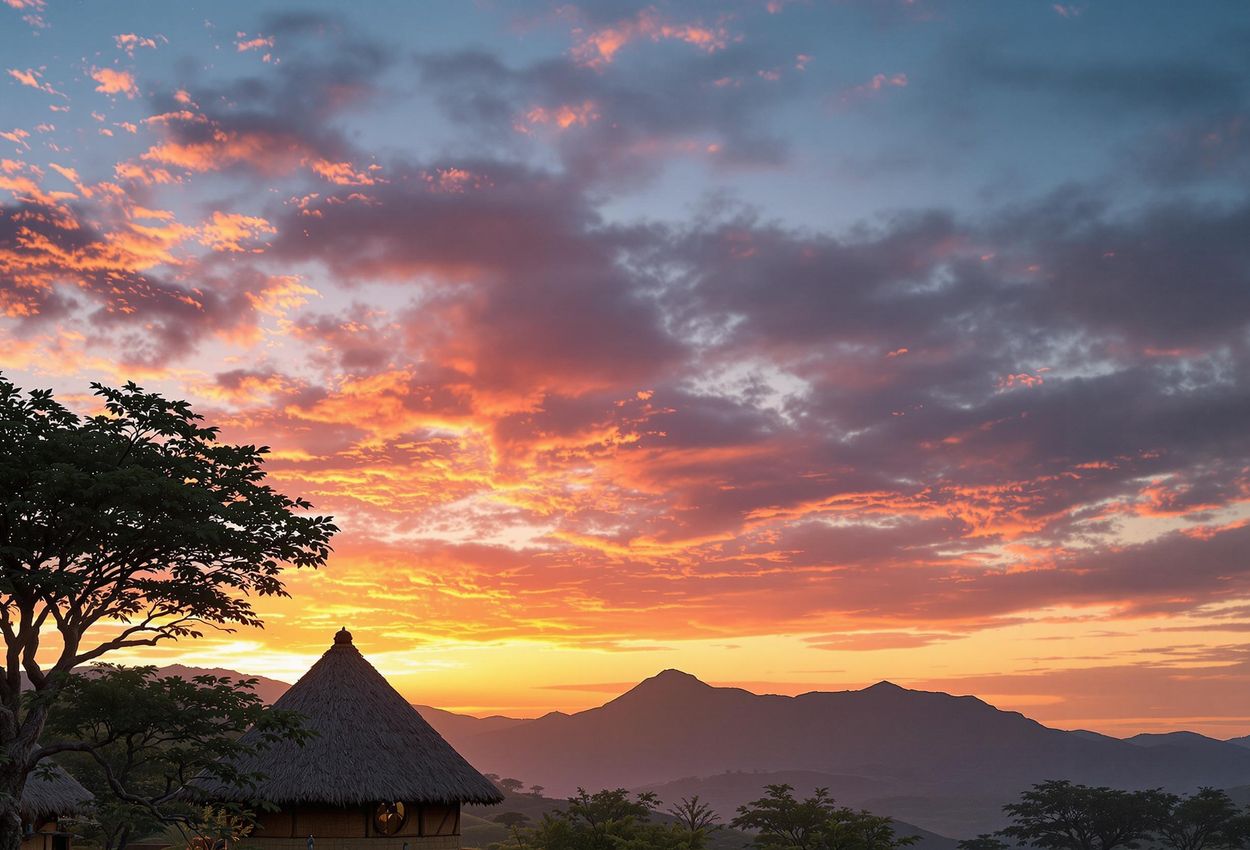
Local Tip: Consider timing your visit to coincide with the Umhlanga Reed Dance for an unforgettable cultural experience. However, be sure to book accommodations well in advance, as the event draws large crowds.
Hidden Gem: Take a guided walking tour of Lobamba to discover lesser-known historical sites and gain insights from local experts.
Our editors` picks of the latest and greatest in travel - delivered to your inbox daily
Relax on the beaches and explore the reefs of Xai-Xai.
View More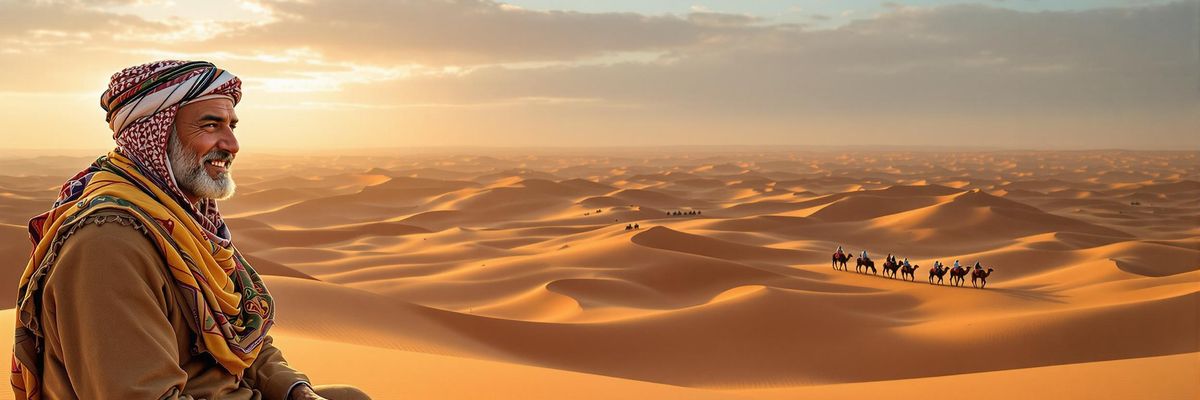
Embrace the cooler temperatures and experience the International Festival of the Sahara in Douz this December.
View More
Celebrate the year-end festivities in Accra, culminating in the vibrant Afrofuture festival.
View More Albania EDITION
 Algeria EDITION
 Argentina EDITION
 Armenia EDITION
 Australia EDITION
 Austria EDITION
 Bangladesh EDITION
 Belgium EDITION
 Belize EDITION
 Benin EDITION
 Bhutan EDITION
 Bolivia EDITION
 Bosnia and Herzegovina EDITION
 Botswana EDITION
 Brazil EDITION
 Bulgaria EDITION
 Burkina Faso EDITION
 Cambodia EDITION
 Cameroon EDITION
 Canada EDITION
 Central African Republic EDITION
 Chad EDITION
 Chile EDITION
 China EDITION
 Colombia EDITION
 Costa Rica EDITION
 Croatia EDITION
 Cyprus EDITION
 Denmark EDITION
 Djibouti EDITION
 Ecuador EDITION
 Egypt EDITION
 El Salvador EDITION
 Eritrea EDITION
 Estonia EDITION
 Ethiopia EDITION
 Finland EDITION
 France EDITION
 Gabon EDITION
 Georgia EDITION
 Germany EDITION
 Ghana EDITION
 Greece EDITION
 Guatemala EDITION
 Guinea EDITION
 Guinea-Bissau EDITION
 Honduras EDITION
 Hungary EDITION
 Iceland EDITION
 India EDITION
 Indonesia EDITION
 Ireland EDITION
 Israel EDITION
 Italy EDITION
 Jamaica EDITION
 Japan EDITION
 Jordan EDITION
 Kenya EDITION
 Kuwait EDITION
 Laos EDITION
 Latvia EDITION
 Lebanon EDITION
 Lesotho EDITION
 Liberia EDITION
 Lithuania EDITION
 Luxembourg EDITION
 Madagascar EDITION
 Malawi EDITION
 Malaysia EDITION
 Maldives EDITION
 Mali EDITION
 Malta EDITION
 Mauritania EDITION
 Mauritius EDITION
 Mexico EDITION
 Mongolia EDITION
 Montenegro EDITION
 Morocco EDITION
 Mozambique EDITION
 Namibia EDITION
 Nepal EDITION
 Netherlands EDITION
 New Zealand EDITION
 Nicaragua EDITION
 Niger EDITION
 Nigeria EDITION
 Norway EDITION
 Oman EDITION
 Pakistan EDITION
 Panama EDITION
 Papua New Guinea EDITION
 Paraguay EDITION
 Peru EDITION
 Philippines EDITION
 Poland EDITION
 Portugal EDITION
 Qatar EDITION
 Romania EDITION
 Rwanda EDITION
 Saudi Arabia EDITION
 Senegal EDITION
 Serbia EDITION
 Singapore EDITION
 Slovakia EDITION
 Slovenia EDITION
 Somalia EDITION
 South Africa EDITION
 South Korea EDITION
 Spain EDITION
 Sri Lanka EDITION
 Suriname EDITION
 Sweden EDITION
 Switzerland EDITION
 Tanzania EDITION
 Thailand EDITION
 Tunisia EDITION
 Uganda EDITION
 United Arab Emirates EDITION
 United Kingdom EDITION
 Uruguay EDITION
 Venezuela EDITION
 Vietnam EDITION
 Zambia EDITION
 Zimbabwe EDITION
Subscribe to our newsletter and get the most captivating travel stories, hidden gems, and expert insights delivered straight to your inbox. As a subscriber, you’ll be first in line for exclusive content, premium offers, and unforgettable travel experiences