


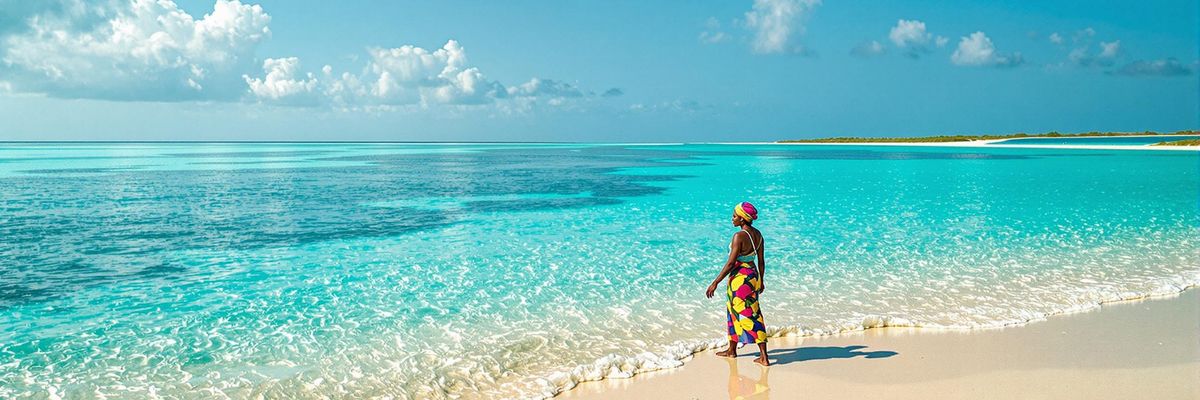
Destination Guide
Xai-Xai: A Coastal Retreat
Relax on the beaches and explore the reefs of Xai-Xai.
View More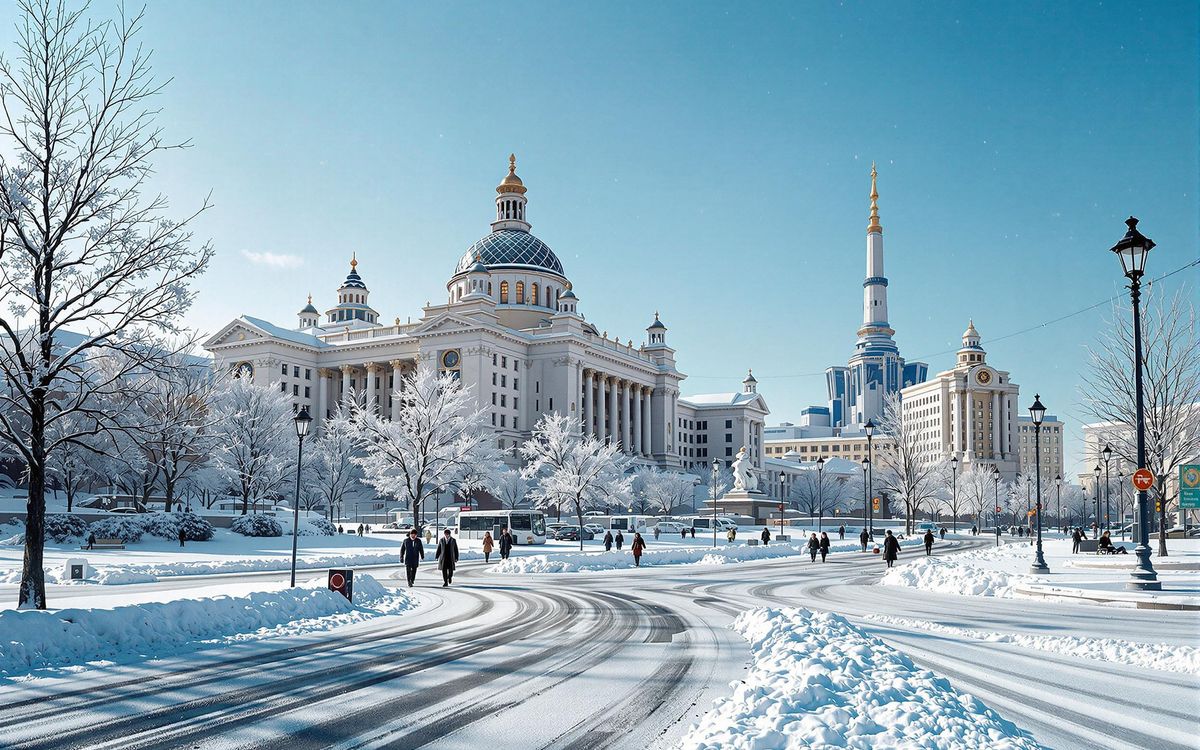

Karaganda, a city often overlooked by travelers, holds a unique and compelling story. More than just an industrial hub, it's a testament to resilience, a place where the echoes of the Soviet past resonate with the aspirations of a modern Kazakh city.
Located in the heart of Kazakhstan, approximately 230 kilometers (140 miles) southeast of the capital, Astana, Karaganda serves as the capital of the Karaganda Region. Its name, derived from the 'караған' (Caragana) bushes that dot the surrounding steppe, hints at the city's humble beginnings. Today, Karaganda beckons with a blend of industrial heritage and cultural attractions, inviting visitors to delve into its complex history and witness its ongoing transformation.
From its origins as a coal-mining settlement in the mid-19th century to its pivotal role in fueling the Soviet industrial machine, Karaganda has been shaped by industry and the waves of people it drew to its mines. The city's narrative is interwoven with the stories of those who built it, including the laborers of the infamous KarLag, one of the largest forced labor camps in the Soviet Union.
As Karaganda strides into the future, it embraces modernization and diversification, nurturing a vibrant cultural scene alongside its industrial legacy. This journey into Kazakhstan's industrial heart promises a deeper understanding of the nation's past and a glimpse into its evolving identity.
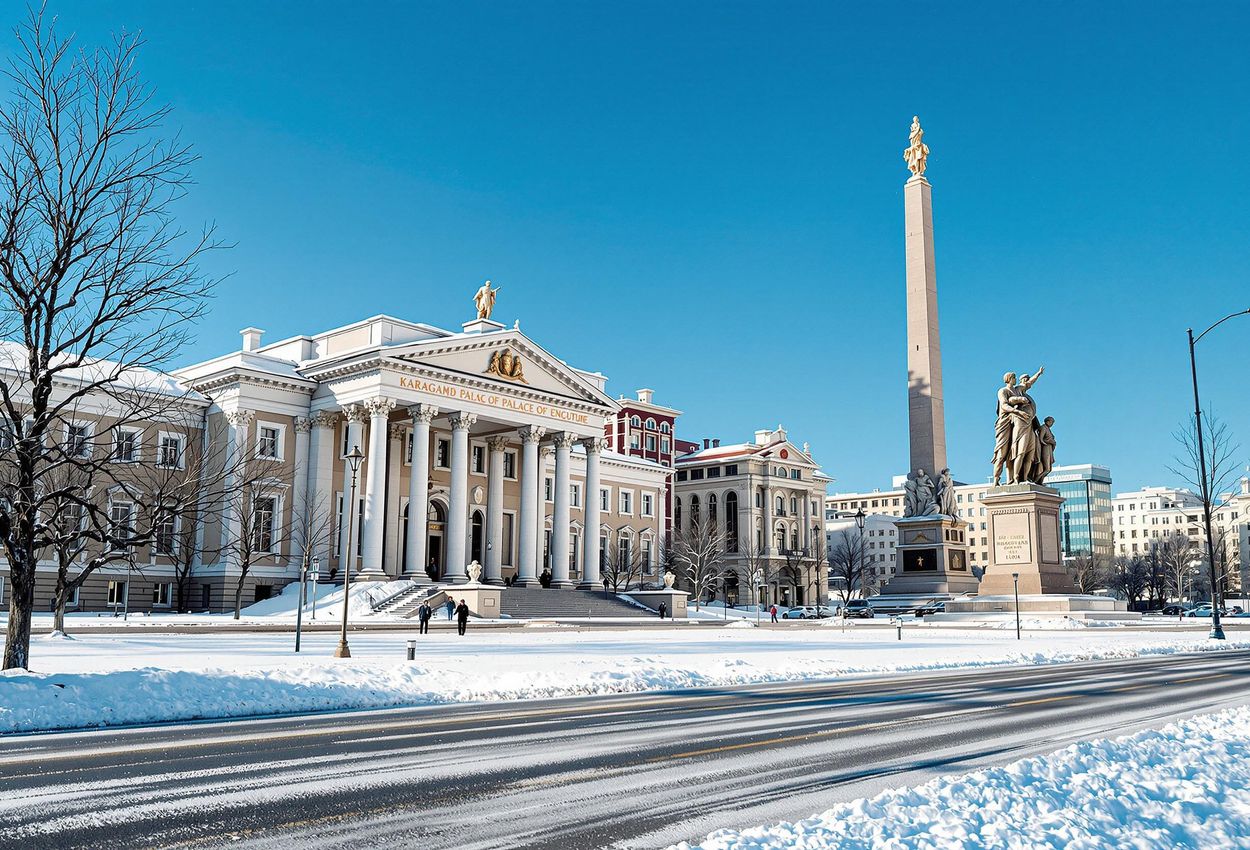
Image Description: A wide, establishing shot of Karaganda city center in winter. The image should capture the blend of Soviet-era architecture and modern buildings, with snow-covered streets and a clear blue sky. Key landmarks like the Gagarin Monument or the Miners' Palace of Culture should be visible in the background. The scene should convey a sense of the city's vastness and its unique atmosphere, balancing its industrial past with its modern aspirations. The photo should be taken on a clear day in December, with the sun casting long shadows across the snow. The overall tone should be serene and slightly melancholic, reflecting the city's complex history.
Style Instructions: Landscape. Use a wide-angle lens to capture the cityscape. Set the white balance for snow and ensure proper exposure to avoid blown-out highlights. The photo should be taken during the day on December 9, 2025, with natural lighting. The composition should emphasize the contrast between the old and new architecture, and the vastness of the surrounding steppe.
A visit to the KarLag Museum in Dolinka is essential for anyone seeking to understand Karaganda's complex history. This poignant museum stands as a memorial to the victims of political repression, offering a glimpse into the harsh realities of life in one of the Soviet Union's largest forced labor camps.
Located approximately 35 kilometers (22 miles) west of Karaganda, in the village of Dolinka, the KarLag Museum occupies the former administrative headquarters of the Karaganda Corrective Labor Camp. From 1931 to 1959, this vast network of camps sprawled across hundreds of kilometers, imprisoning over a million people from diverse backgrounds.
The museum's exhibits chronicle the history of KarLag, the events leading to its creation, and the everyday lives of its prisoners. Through documents, photographs, and personal belongings, the museum unveils the stories of those who suffered under the Soviet regime. Recreated scenes depict the harsh living conditions, isolation cells, and interrogation rooms, offering a visceral understanding of the prisoners' experiences.
Allow ample time to explore the museum's exhibits and absorb the emotional weight of the stories they tell. Consider arranging an English-language tour in advance to gain deeper insights into the historical context and the personal narratives of the prisoners.
To reach Dolinka from Karaganda, take bus number 121 from the Karaganda bus station. In Dolinka, you can take local bus 5, 205, or 239 for three stops along route R-191 to reach the museum.
Beyond the museum, Dolinka holds other remnants of its KarLag past, including a hospital, a clinic, the officers' club, and the poignant Mamochkino children's cemetery, each bearing silent witness to the camp's far-reaching impact.
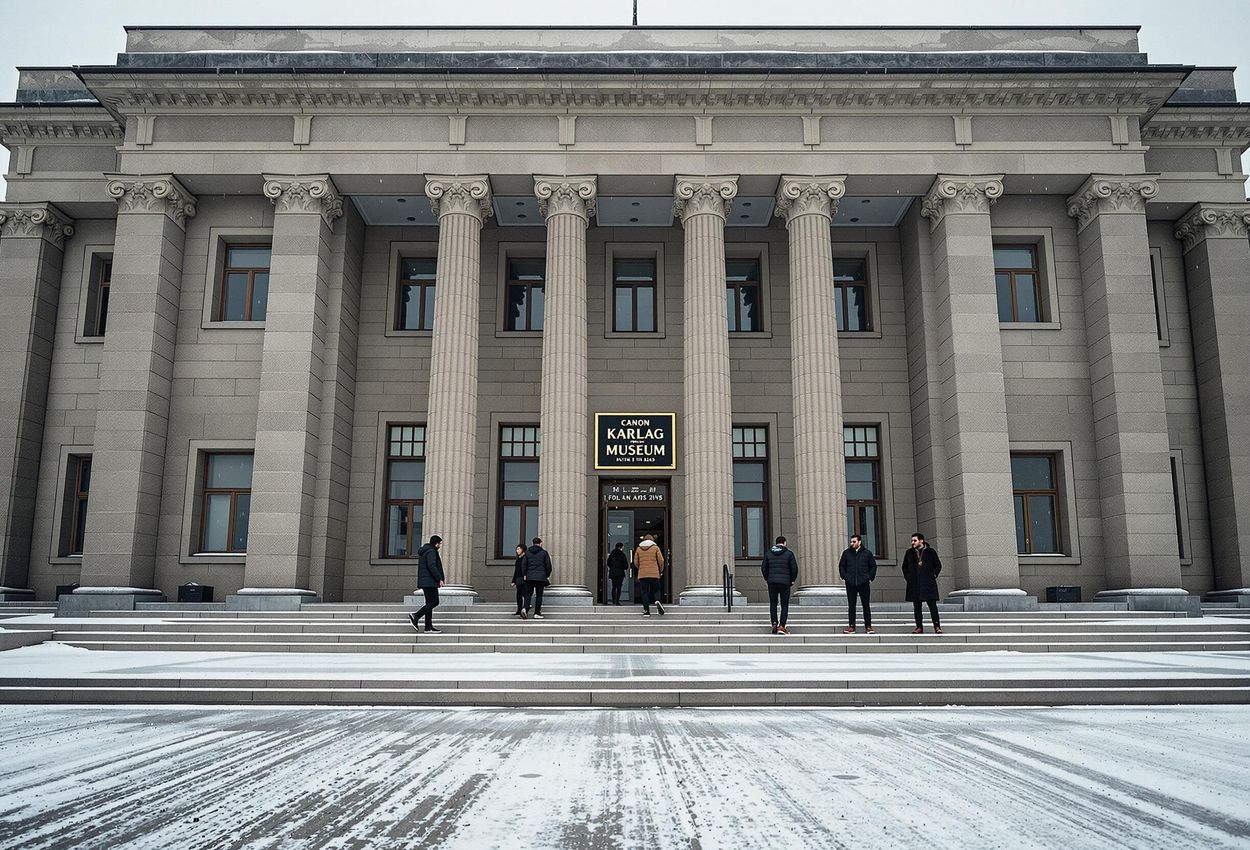
Image Description: A medium shot of the entrance to the KarLag Museum in Dolinka. The photo should focus on the museum's facade, a two-story building with imposing columns. The Soviet-era architecture should be clearly visible, with a plaque or sign indicating the museum's name in both Kazakh and English. The image should convey a sense of the museum's historical significance and its role as a memorial to the victims of political repression. Ideally, the shot should include a few visitors entering or exiting the museum, providing a sense of scale and activity. The photo should be taken during daylight hours in December, with soft, diffused lighting to avoid harsh shadows.
Style Instructions: Architecture. Use a standard lens to capture the museum's facade in detail. Adjust the white balance for overcast conditions and ensure proper exposure to capture the building's texture and color accurately. The photo should be taken on December 9, 2025, with natural lighting. The composition should emphasize the museum's imposing presence and its historical context.
Karaganda's urban landscape is a living testament to its Soviet past. A stroll through the city reveals a collection of Soviet-era landmarks, monuments, and murals that offer a glimpse into its industrial heritage and ideological influences.
The Gagarin Monument, a tribute to the first human in space, stands as a symbol of Soviet ambition and technological prowess. The Miners' Palace of Culture, with its grand facade and intricate details, exemplifies the Soviet commitment to culture and leisure for the working class.
Throughout the city, keep an eye out for Soviet murals and mosaics adorning buildings and public spaces. These artworks, often depicting scenes of industry, space exploration, and socialist ideals, offer a glimpse into the Soviet worldview and the values it sought to promote.
Art enthusiasts should not miss the Karagandy Regional Museum of Fine Arts, which houses a collection of artworks by repressed artists, providing a unique perspective on the Soviet era and its impact on artistic expression.
As you explore these Soviet-era landmarks, consider the stories they tell and the historical context in which they were created. These structures are not merely relics of the past; they are integral parts of Karaganda's identity, shaping its urban fabric and influencing its cultural landscape.
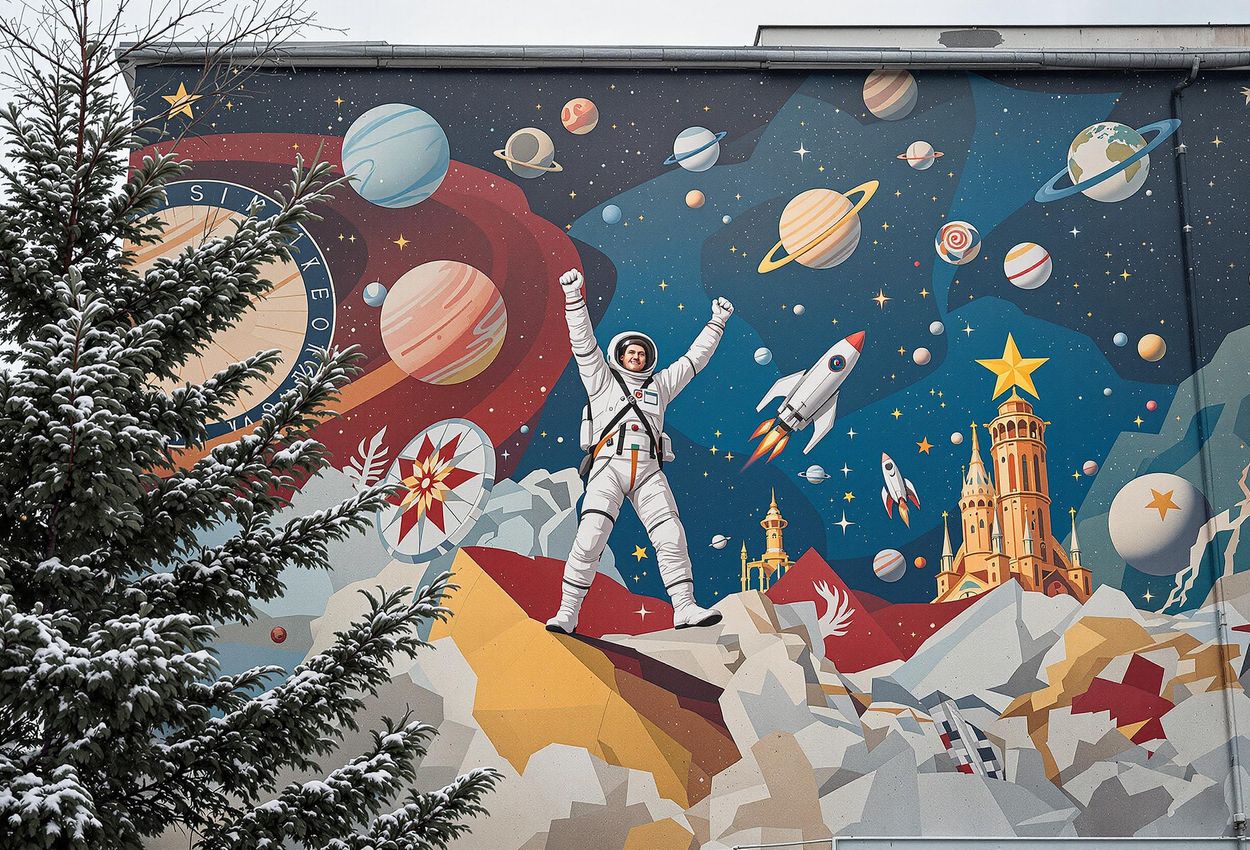
Image Description: A close-up shot of a Soviet-era mural in Karaganda. The mural should depict a scene of industry, space exploration, or socialist ideals. The colors should be vibrant and the details intricate, showcasing the artistic style of the era. The image should convey a sense of the mural's historical significance and its role in shaping the city's cultural landscape. Ideally, the shot should include a small portion of the building or structure on which the mural is painted, providing context and scale. The photo should be taken during daylight hours in December, with soft, diffused lighting to avoid harsh shadows and glare.
Style Instructions: Architecture. Use a macro lens to capture the mural's details in sharp focus. Adjust the white balance for overcast conditions and ensure proper exposure to capture the colors accurately. The photo should be taken on December 9, 2025, with natural lighting. The composition should emphasize the mural's artistic merit and its historical context.
While Karaganda's industrial past remains a defining aspect of its identity, the city is also experiencing a cultural renaissance, embracing modernization and diversifying its attractions.
The Karaganda State Zoo, one of only three zoos in Kazakhstan, offers a glimpse into the region's wildlife. The Central Park of Culture and Rest, a sprawling green space in the heart of the city, provides a tranquil escape from the urban bustle.
Karaganda is also home to significant religious landmarks, including the Regional Central Mosque of Karaganda and the Cathedral of Our Lady of Fatima, the largest Catholic cathedral in Central Asia. These structures showcase the city's religious diversity and its commitment to interfaith harmony.
Karaganda State University, a prominent educational center, contributes to the city's intellectual and cultural vibrancy. The city's theaters and the regional philharmonic society offer a diverse range of performances, showcasing local talent and attracting international artists.
As Karaganda continues to modernize and diversify its industries, it is also nurturing a vibrant cultural scene, offering a rich tapestry of experiences for residents and visitors alike.
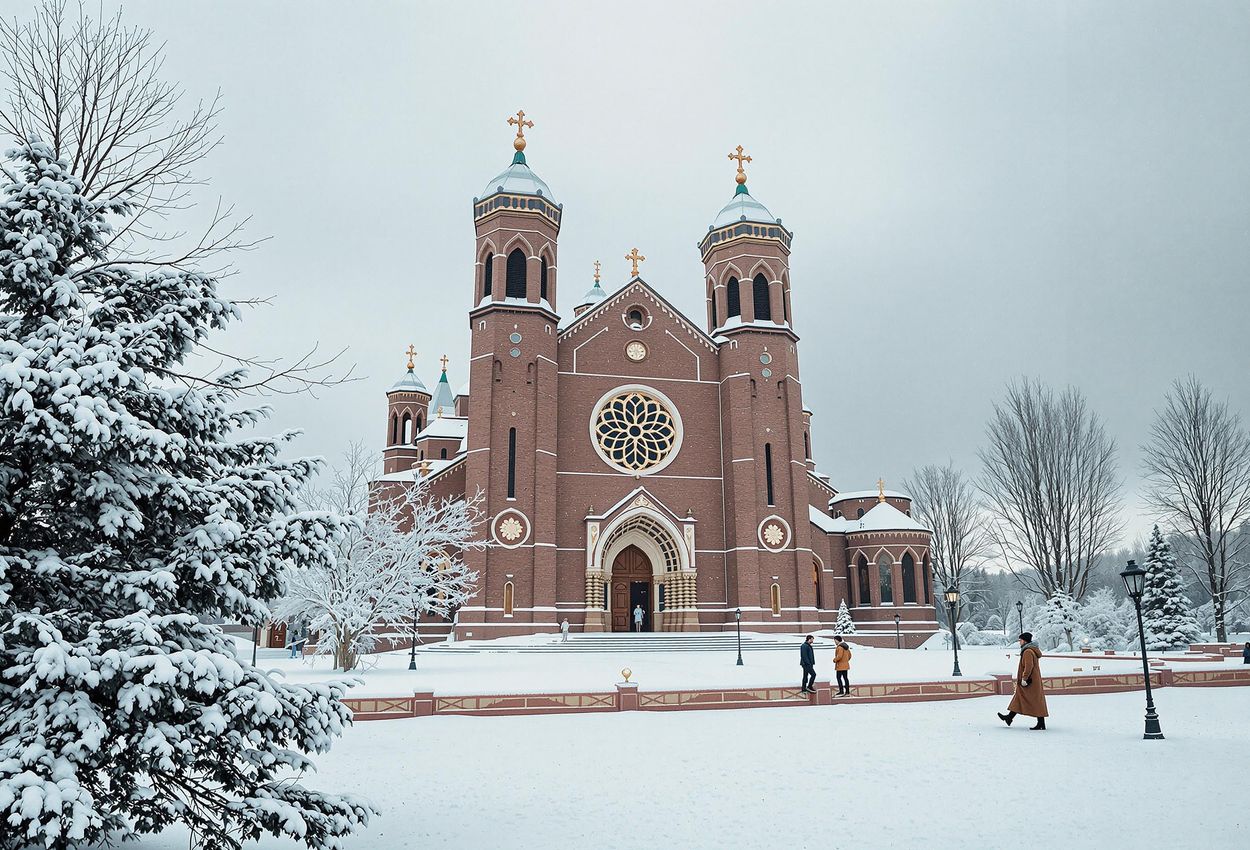
Image Description: A medium shot of the Cathedral of Our Lady of Fatima in Karaganda. The photo should capture the cathedral's impressive architecture, showcasing its intricate details and its role as a prominent religious landmark. The image should convey a sense of the cathedral's grandeur and its importance to the local community. Ideally, the shot should include a few people entering or exiting the cathedral, providing a sense of scale and activity. The photo should be taken during daylight hours in December, with soft, diffused lighting to avoid harsh shadows and glare.
Style Instructions: Architecture. Use a standard lens to capture the cathedral's facade in detail. Adjust the white balance for overcast conditions and ensure proper exposure to capture the building's texture and color accurately. The photo should be taken on December 9, 2025, with natural lighting. The composition should emphasize the cathedral's imposing presence and its religious significance.
Planning a trip to Karaganda requires some practical considerations. Here's a guide to transportation, accommodation, and local insights to help you make the most of your visit.
The most convenient way to reach Karaganda is by flying into Sary-Arka Airport (KGF), which offers connections to major cities in Kazakhstan and beyond. Alternatively, you can take a train or bus from Astana or other major cities.
Within the city, Yandex Taxi is a reliable and affordable way to get around. Buses and minibuses also serve most parts of the city, but navigating the routes can be challenging for non-Russian or Kazakh speakers.
For accommodation, consider hotels like Hotel Senator or Cosmonaut Hotel, which offer comfortable stays and convenient locations. Apartment rentals are also a popular option, providing more space and flexibility.
Hidden Gem: For a unique cultural experience, venture south of Karaganda to Krasnaya Polyana, a Chechen village with a distinct cultural identity. This village offers a glimpse into the diverse ethnic makeup of the Karaganda region and the resilience of its communities.
As you plan your trip, remember that Karaganda is a city with a complex history and a unique cultural identity. Embrace the opportunity to learn about its past, engage with its present, and witness its ongoing transformation.
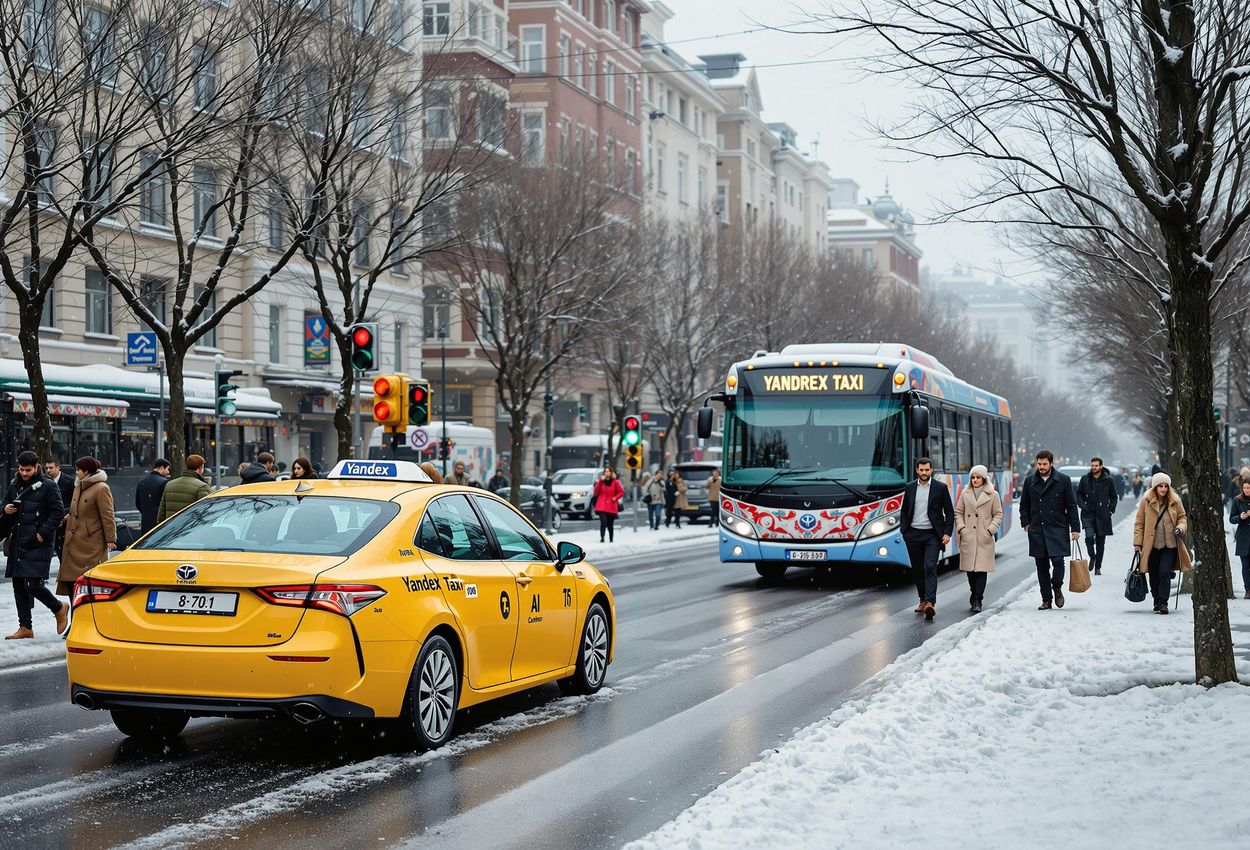
Image Description: A street scene in Karaganda, showcasing local life and transportation. The photo should capture a mix of old and new vehicles, with people walking along the sidewalks and going about their daily routines. The image should convey a sense of the city's energy and its blend of cultures. Ideally, the shot should include a Yandex Taxi or a local bus, highlighting the transportation options available to visitors. The photo should be taken during daylight hours in December, with soft, diffused lighting to avoid harsh shadows and glare.
Style Instructions: Street. Use a standard lens to capture the street scene in detail. Adjust the white balance for overcast conditions and ensure proper exposure to capture the colors accurately. The photo should be taken on December 9, 2025, with natural lighting. The composition should emphasize the city's vibrant atmosphere and its mix of cultures.
Our editors` picks of the latest and greatest in travel - delivered to your inbox daily
Relax on the beaches and explore the reefs of Xai-Xai.
View More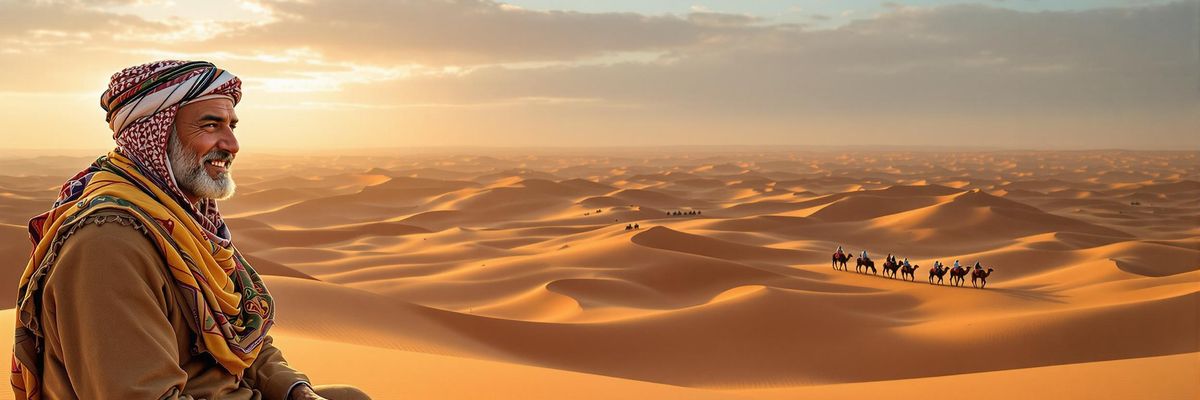
Embrace the cooler temperatures and experience the International Festival of the Sahara in Douz this December.
View More
Celebrate the year-end festivities in Accra, culminating in the vibrant Afrofuture festival.
View More Albania EDITION
 Algeria EDITION
 Argentina EDITION
 Armenia EDITION
 Australia EDITION
 Austria EDITION
 Bangladesh EDITION
 Belgium EDITION
 Belize EDITION
 Benin EDITION
 Bhutan EDITION
 Bolivia EDITION
 Bosnia and Herzegovina EDITION
 Botswana EDITION
 Brazil EDITION
 Bulgaria EDITION
 Burkina Faso EDITION
 Cambodia EDITION
 Cameroon EDITION
 Canada EDITION
 Central African Republic EDITION
 Chad EDITION
 Chile EDITION
 China EDITION
 Colombia EDITION
 Costa Rica EDITION
 Croatia EDITION
 Cyprus EDITION
 Denmark EDITION
 Djibouti EDITION
 Ecuador EDITION
 Egypt EDITION
 El Salvador EDITION
 Eritrea EDITION
 Estonia EDITION
 Ethiopia EDITION
 Finland EDITION
 France EDITION
 Gabon EDITION
 Georgia EDITION
 Germany EDITION
 Ghana EDITION
 Greece EDITION
 Guatemala EDITION
 Guinea EDITION
 Guinea-Bissau EDITION
 Honduras EDITION
 Hungary EDITION
 Iceland EDITION
 India EDITION
 Indonesia EDITION
 Ireland EDITION
 Israel EDITION
 Italy EDITION
 Jamaica EDITION
 Japan EDITION
 Jordan EDITION
 Kenya EDITION
 Kuwait EDITION
 Laos EDITION
 Latvia EDITION
 Lebanon EDITION
 Lesotho EDITION
 Liberia EDITION
 Lithuania EDITION
 Luxembourg EDITION
 Madagascar EDITION
 Malawi EDITION
 Malaysia EDITION
 Maldives EDITION
 Mali EDITION
 Malta EDITION
 Mauritania EDITION
 Mauritius EDITION
 Mexico EDITION
 Mongolia EDITION
 Montenegro EDITION
 Morocco EDITION
 Mozambique EDITION
 Namibia EDITION
 Nepal EDITION
 Netherlands EDITION
 New Zealand EDITION
 Nicaragua EDITION
 Niger EDITION
 Nigeria EDITION
 Norway EDITION
 Oman EDITION
 Pakistan EDITION
 Panama EDITION
 Papua New Guinea EDITION
 Paraguay EDITION
 Peru EDITION
 Philippines EDITION
 Poland EDITION
 Portugal EDITION
 Qatar EDITION
 Romania EDITION
 Rwanda EDITION
 Saudi Arabia EDITION
 Senegal EDITION
 Serbia EDITION
 Singapore EDITION
 Slovakia EDITION
 Slovenia EDITION
 Somalia EDITION
 South Africa EDITION
 South Korea EDITION
 Spain EDITION
 Sri Lanka EDITION
 Suriname EDITION
 Sweden EDITION
 Switzerland EDITION
 Tanzania EDITION
 Thailand EDITION
 Tunisia EDITION
 Uganda EDITION
 United Arab Emirates EDITION
 United Kingdom EDITION
 Uruguay EDITION
 Venezuela EDITION
 Vietnam EDITION
 Zambia EDITION
 Zimbabwe EDITION
Subscribe to our newsletter and get the most captivating travel stories, hidden gems, and expert insights delivered straight to your inbox. As a subscriber, you’ll be first in line for exclusive content, premium offers, and unforgettable travel experiences