


Destination Guide
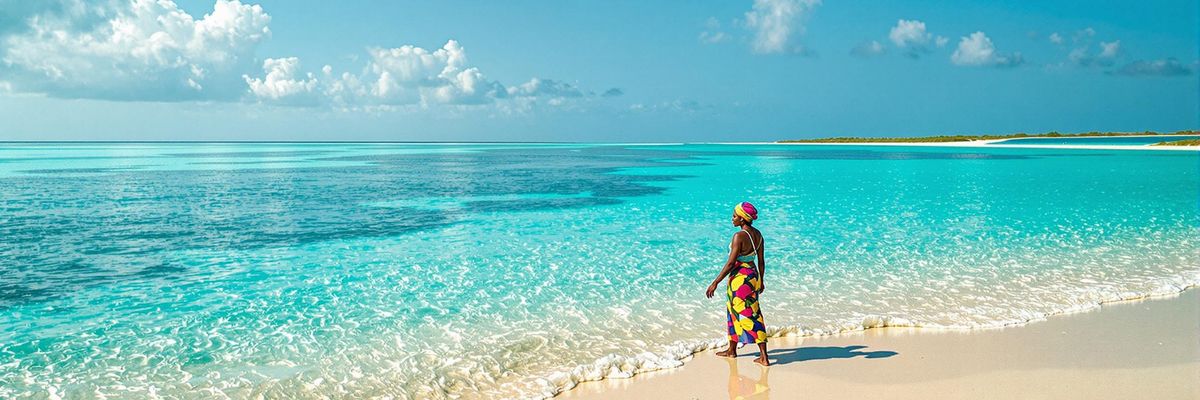
Xai-Xai: A Coastal Retreat
Relax on the beaches and explore the reefs of Xai-Xai.
View More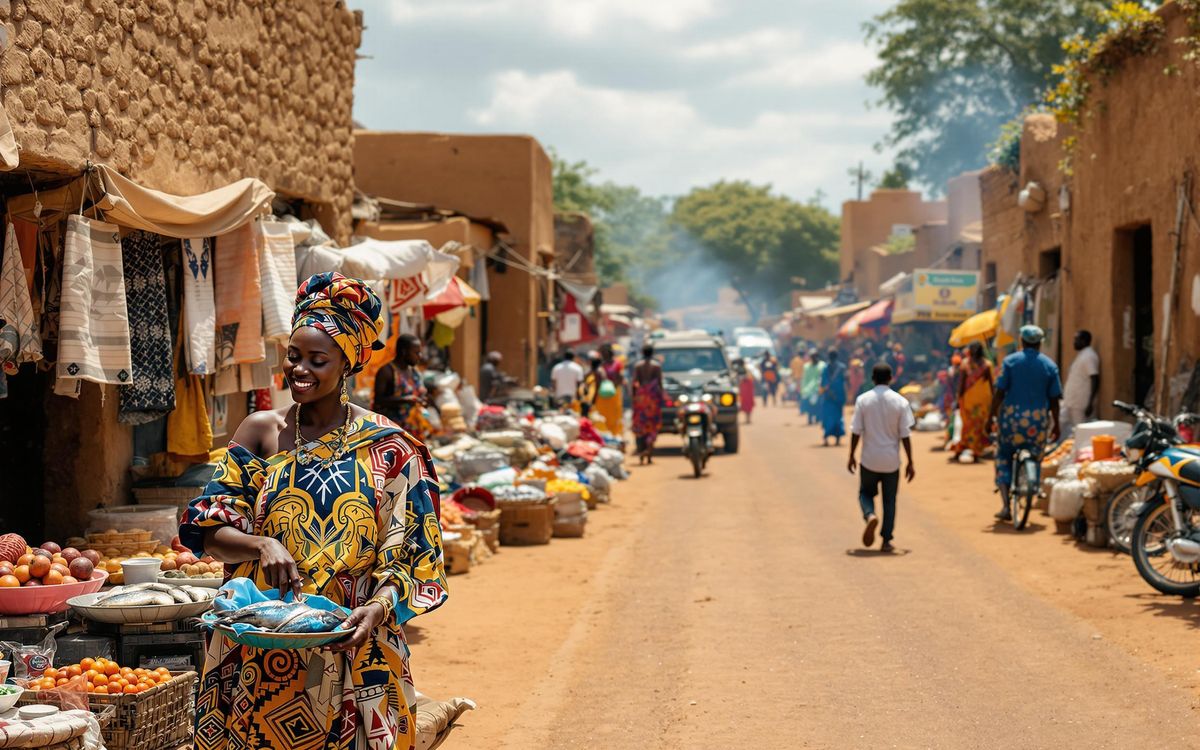

In the heart of West Africa, where the red earth of Mali meets the lush landscapes of Senegal, lies Kayes, a city brimming with history, culture, and natural beauty. More than just a geographical point, Kayes is a vibrant crossroads, a gateway where traditions intertwine and stories echo through the ages.
Arriving in Kayes is an experience that awakens the senses. The air hums with the energy of a bustling border town, a symphony of honking vehicles, chattering voices in French, Bambara, and Wolof, and the rhythmic pulse of West African music spilling from open doorways. The aroma of grilled fish and spices hangs heavy in the air, mingling with the earthy scent of the Senegal River that courses through the city's veins. The sights are just as captivating: vibrant fabrics adorning market stalls, the ochre hues of traditional mud-brick architecture, and the faces of the people – a mosaic of ethnicities reflecting the region's diverse heritage.
Kayes' strategic location has long defined its identity. For centuries, it has served as a crucial link on the Dakar-Bamako trade route, a conduit for goods and ideas flowing between the Senegalese coast and the interior of Mali. This historical role has fostered a unique cultural blend, where Malian and Senegalese traditions merge, creating a vibrant tapestry of music, cuisine, and social customs. The city's markets are a testament to this exchange, offering everything from Malian textiles and handcrafted goods to Senegalese spices and seafood.
For travelers seeking to cross from Senegal into Mali, Kayes serves as the primary point of entry. Several transportation options are available, including buses, bush taxis, and private vehicles. The most common route involves traveling from Tambacounda, Senegal, to the border town of Kidira, then crossing into Mali and continuing to Kayes. Be prepared for a potentially bumpy ride, as road conditions can vary. It's advisable to travel during daylight hours for safety reasons.
Before embarking on your journey, ensure you have the necessary travel documents. A valid passport is essential, and depending on your nationality, a visa may be required for entry into Mali. Check with the Malian embassy or consulate in your country for the most up-to-date visa requirements. It's also wise to carry copies of your passport and other important documents separately from the originals, in case of loss or theft.
As of August 2025, it's crucial to be aware of the security situation in Mali. Travel advisories from various governments recommend exercising caution due to the risk of terrorism, kidnapping, and banditry, particularly in the northern and border regions. It's advisable to monitor local media, avoid travel at night, and register with your embassy for updates and assistance. Despite these concerns, many travelers continue to visit Kayes and experience its unique charm, taking necessary precautions and remaining vigilant throughout their journey.

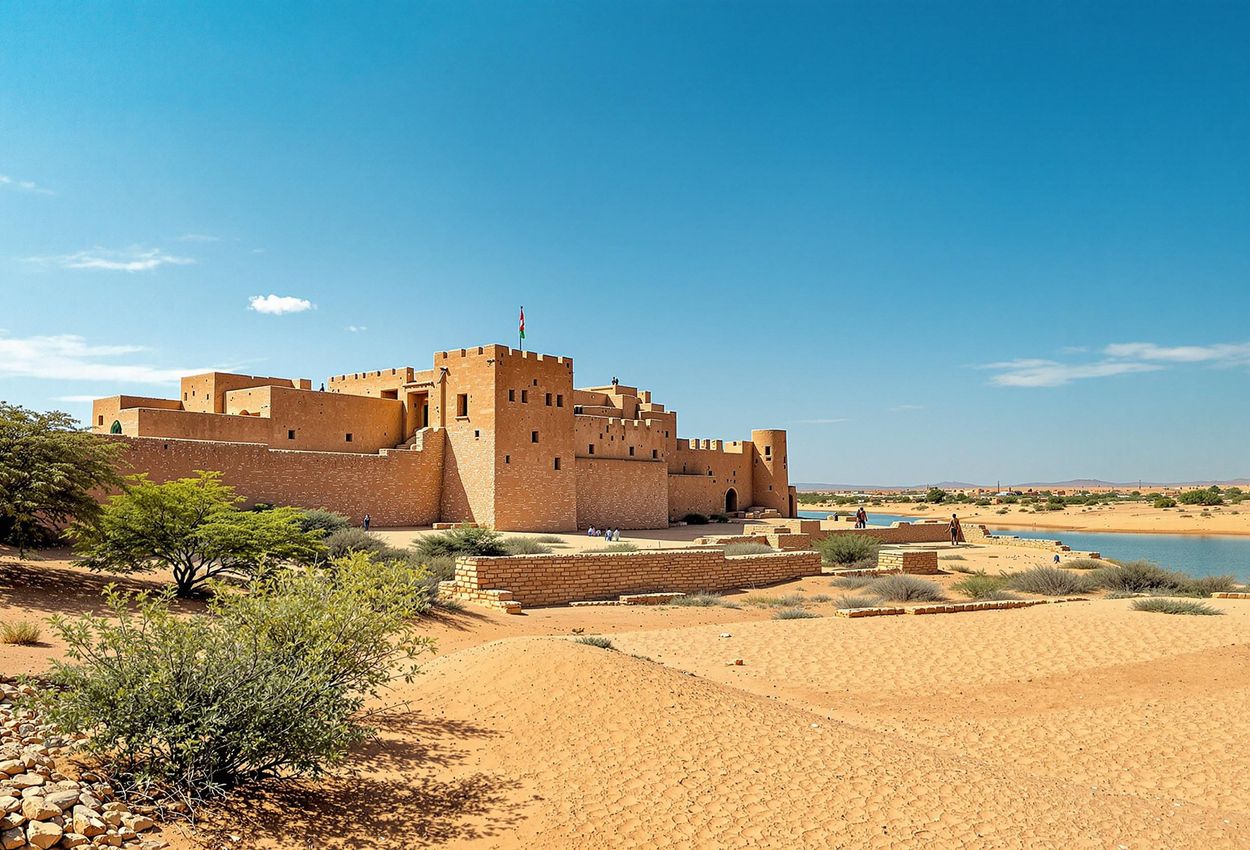
A short distance from Kayes, standing as a silent sentinel on the banks of the Senegal River, lies the Médine Fort, a powerful reminder of France's colonial ambitions in West Africa. Built in 1855 by the French, the fort served as a strategic military outpost during their conquest of the region, a symbol of their power and a key to controlling the flow of trade along the river.
The fort's architecture reflects its military purpose, a sturdy two-story building constructed from local stone, surrounded by a massive stone rampart. Within its walls, you'll find a powder magazine, a prison, and the École des Otages (Hostages' School), a grim reminder of the French policy of taking local leaders' children as collateral to ensure their cooperation. The layout is functional and imposing, designed to withstand attacks and project an image of strength.
The Médine Fort is best known for the Siege of Médine in 1857. For 97 days, the fort was besieged by the forces of Omar Saidou Tall, a powerful Toucouleur ruler who sought to resist French expansion. The French garrison, led by Paul Holle, held out against overwhelming odds until a relief force under Louis Faidherbe, the French governor of Senegal, arrived to break the siege. The siege was a pivotal moment in the history of French colonialism in West Africa, marking a turning point in their struggle for control of the region.
Today, the Médine Fort stands as a national monument, a testament to the complex and often violent history of the region. Restoration efforts have been undertaken to preserve the fort's structure and its historical significance. Visitors can explore the fort's grounds, wander through its crumbling walls, and imagine the drama that unfolded within its confines. The site includes a watchtower, a railroad station, the ruins of trading houses, and a military cemetery.
To visit the Médine Fort from Kayes, you can hire a taxi or take a local bus heading east towards Bamako. The fort is located about 12 kilometers from Kayes, and the journey takes approximately 30 minutes. There is usually a small entrance fee to access the fort. It's advisable to hire a local guide at the site who can provide insights into the fort's history and significance.
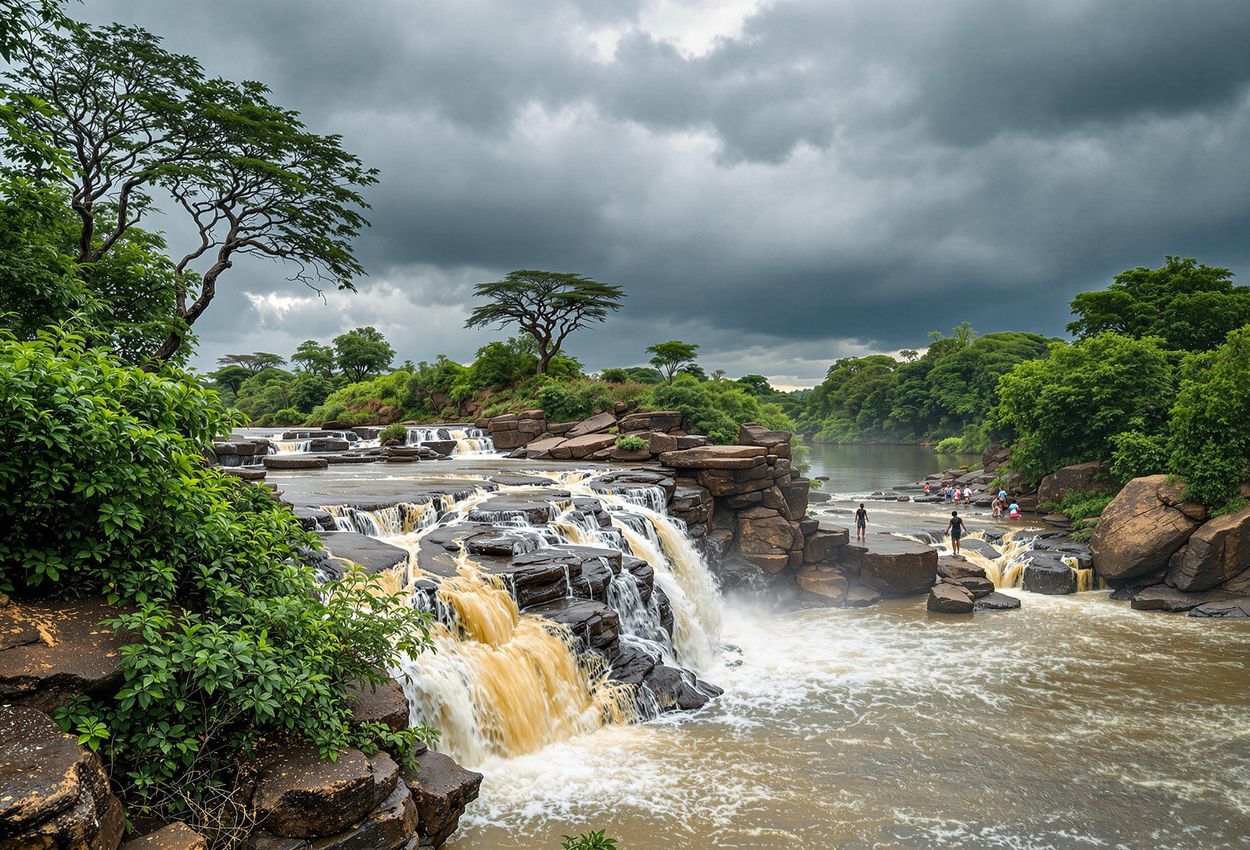
About 15 kilometers upstream from Kayes, where the Senegal River narrows and the landscape turns rugged, lie the Félou Falls, a series of cascades where the river tumbles down a rocky staircase. The falls are not particularly high, only 13 meters, but they stretch across the river, creating a beautiful spectacle of rushing water and spray.
Historically, the Félou Falls marked the furthest point that boats could navigate up the Senegal River from Saint Louis on the coast. This made the falls a strategic location for trade and transportation, a gateway to the interior of West Africa. The French recognized the importance of the falls, and in the early 20th century, they built a small hydroelectric plant there to power the region.
In 2009, a new, larger hydroelectric plant was constructed at the Félou Falls, replacing the older facility. The Félou Hydroelectric Plant has a capacity of 62.3 megawatts, providing electricity to Mali and the surrounding region. While the dam has altered the river's natural flow, it has also brought much-needed power to the area.
Getting to the Félou Falls from Kayes is relatively straightforward. You can hire a car or take a clando (shared taxi) towards Kéniéba. After about 30 kilometers, you'll reach a fork in the road; take the left fork towards the falls. The road can be bumpy, so a vehicle with good clearance is recommended. Alternatively, you can hire a motorcycle taxi (moto) from Kéniéba for the final leg of the journey.
The best time to visit the Félou Falls is during the rainy season (July to September), when the river is at its fullest and the falls are at their most spectacular. However, be aware that the roads may be more difficult to navigate during this time. Regardless of when you visit, take necessary safety precautions, especially when walking near the falls. The rocks can be slippery, so wear sturdy shoes and be mindful of your footing.
While Kayes itself offers a wealth of historical and natural attractions, it also serves as a strategic jumping-off point for travelers looking to explore Senegal. The city's proximity to the border makes it a convenient place to begin your Senegalese adventure, offering easy access to the diverse landscapes and cultures that lie across the frontier.
Crossing the border from Kayes into Senegal involves a relatively straightforward process. The most common crossing point is at Kidira/Diboli, located a few hours by road from Kayes. You can find transport options such as bush taxis or private cars in Kayes that will take you to the border. Be prepared for potential delays and bureaucratic procedures at the border crossing. Have your passport and visa (if required) readily available, and be patient with the officials.
Once you've crossed the border, several destinations in Senegal are easily accessible from Kayes. Tambacounda, a major transportation hub in eastern Senegal, is a common first stop. From Tambacounda, you can travel onward to other regions of Senegal, such as the Saloum Delta or the beaches of Cap Skirring. Another option is to head south towards Kédougou, a region known for its stunning landscapes and diverse ethnic groups.
It's important to address safety concerns when traveling in the Kayes region and the border area between Mali and Senegal. As of August 2025, there are ongoing concerns about potential terrorist activity and border security in the region. Before traveling, consult travel advisories from your government and monitor local media for updates on the security situation. It's advisable to avoid travel at night, particularly in remote areas. Registering with your embassy can also provide an added layer of security and assistance in case of emergencies.
Local Tip: Carry small denominations of local currency for easy transactions at the border and in local markets. Be prepared to negotiate prices, and always be respectful of local customs and traditions.
Kayes, with its rich history and natural beauty, offers a unique glimpse into the heart of West Africa. Whether you're exploring the echoes of colonial battles at Médine Fort, marveling at the cascading waters of Félou Falls, or using the city as a launchpad for adventures in Senegal, Kayes promises an unforgettable journey into a land of vibrant cultures and stunning landscapes.
Our editors` picks of the latest and greatest in travel - delivered to your inbox daily
Relax on the beaches and explore the reefs of Xai-Xai.
View More
Embrace the cooler temperatures and experience the International Festival of the Sahara in Douz this December.
View More
Celebrate the year-end festivities in Accra, culminating in the vibrant Afrofuture festival.
View More Albania EDITION
 Algeria EDITION
 Argentina EDITION
 Armenia EDITION
 Australia EDITION
 Austria EDITION
 Bangladesh EDITION
 Belgium EDITION
 Belize EDITION
 Benin EDITION
 Bhutan EDITION
 Bolivia EDITION
 Bosnia and Herzegovina EDITION
 Botswana EDITION
 Brazil EDITION
 Bulgaria EDITION
 Burkina Faso EDITION
 Cambodia EDITION
 Cameroon EDITION
 Canada EDITION
 Central African Republic EDITION
 Chad EDITION
 Chile EDITION
 China EDITION
 Colombia EDITION
 Costa Rica EDITION
 Croatia EDITION
 Cyprus EDITION
 Denmark EDITION
 Djibouti EDITION
 Ecuador EDITION
 Egypt EDITION
 El Salvador EDITION
 Eritrea EDITION
 Estonia EDITION
 Ethiopia EDITION
 Finland EDITION
 France EDITION
 Gabon EDITION
 Georgia EDITION
 Germany EDITION
 Ghana EDITION
 Greece EDITION
 Guatemala EDITION
 Guinea EDITION
 Guinea-Bissau EDITION
 Honduras EDITION
 Hungary EDITION
 Iceland EDITION
 India EDITION
 Indonesia EDITION
 Ireland EDITION
 Israel EDITION
 Italy EDITION
 Jamaica EDITION
 Japan EDITION
 Jordan EDITION
 Kenya EDITION
 Kuwait EDITION
 Laos EDITION
 Latvia EDITION
 Lebanon EDITION
 Lesotho EDITION
 Liberia EDITION
 Lithuania EDITION
 Luxembourg EDITION
 Madagascar EDITION
 Malawi EDITION
 Malaysia EDITION
 Maldives EDITION
 Mali EDITION
 Malta EDITION
 Mauritania EDITION
 Mauritius EDITION
 Mexico EDITION
 Mongolia EDITION
 Montenegro EDITION
 Morocco EDITION
 Mozambique EDITION
 Namibia EDITION
 Nepal EDITION
 Netherlands EDITION
 New Zealand EDITION
 Nicaragua EDITION
 Niger EDITION
 Nigeria EDITION
 Norway EDITION
 Oman EDITION
 Pakistan EDITION
 Panama EDITION
 Papua New Guinea EDITION
 Paraguay EDITION
 Peru EDITION
 Philippines EDITION
 Poland EDITION
 Portugal EDITION
 Qatar EDITION
 Romania EDITION
 Rwanda EDITION
 Saudi Arabia EDITION
 Senegal EDITION
 Serbia EDITION
 Singapore EDITION
 Slovakia EDITION
 Slovenia EDITION
 Somalia EDITION
 South Africa EDITION
 South Korea EDITION
 Spain EDITION
 Sri Lanka EDITION
 Suriname EDITION
 Sweden EDITION
 Switzerland EDITION
 Tanzania EDITION
 Thailand EDITION
 Tunisia EDITION
 Uganda EDITION
 United Arab Emirates EDITION
 United Kingdom EDITION
 Uruguay EDITION
 Venezuela EDITION
 Vietnam EDITION
 Zambia EDITION
 Zimbabwe EDITION
Subscribe to our newsletter and get the most captivating travel stories, hidden gems, and expert insights delivered straight to your inbox. As a subscriber, you’ll be first in line for exclusive content, premium offers, and unforgettable travel experiences