



Destination Guide
Xai-Xai: A Coastal Retreat
Relax on the beaches and explore the reefs of Xai-Xai.
View More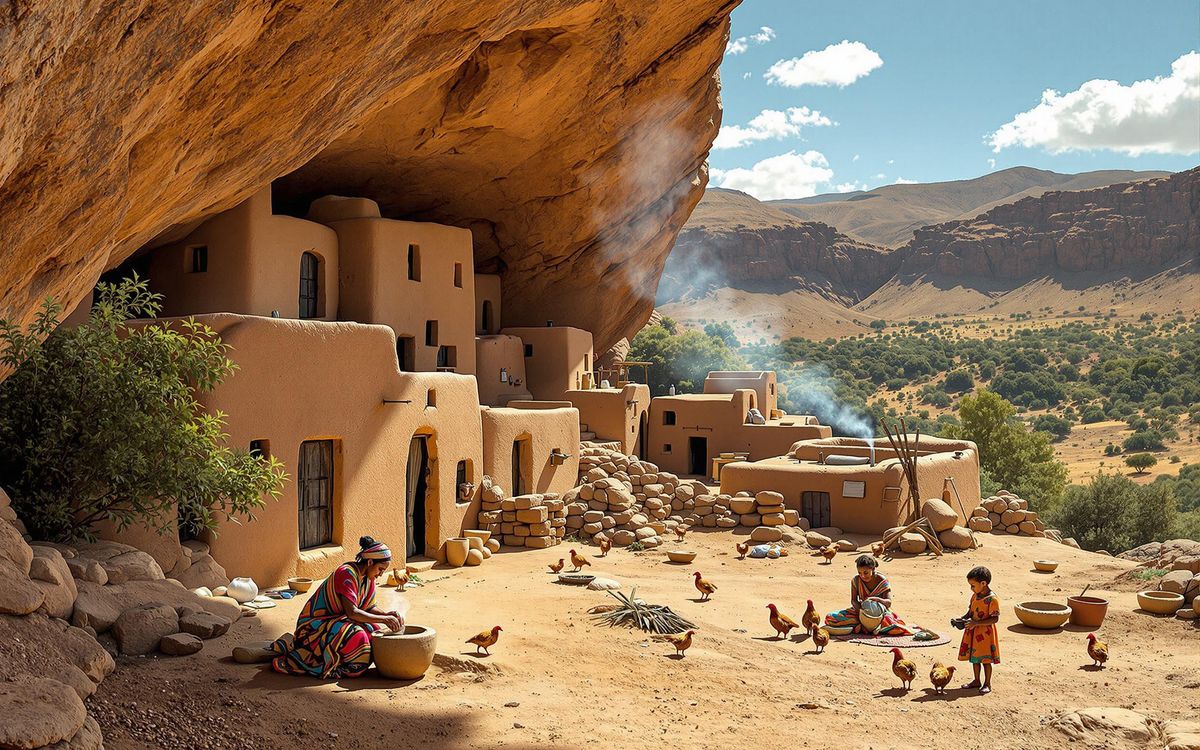

Venture into the heart of Lesotho to discover the Kome Caves, a remarkable testament to human resilience and ingenuity, where history whispers from the very rocks that shelter its ancient dwellings.
Nestled high in the Berea District of Lesotho, approximately 25 kilometers east of Teyateyaneng, lies a hidden village unlike any other: Ha Kome. Here, the Basia and Bataung clans sought refuge centuries ago, carving their homes into the base of an imposing rock overhang. These aren't just caves; they are mud houses, seamlessly integrated into the natural landscape, offering a glimpse into a world where survival and tradition intertwine. The Kome Caves, also known as Komaisa Caves or “the great caves”, stand as a poignant reminder of a turbulent past, now preserved as a National Heritage Site.
Imagine approaching the caves, the ochre hues of the mud dwellings blending almost invisibly with the sandstone cliffs. The structures, more like adobe igloos, are built right into the mountain slope, with the rock face serving as the back wall of the houses. This ingenious design provided shelter from the elements and protection from enemies during a time of great upheaval. The ingenuity of the Basotho people is evident in every corner of this remarkable village, a testament to their deep connection with the land.
The history of Ha Kome is etched in its very stones. The caves served as a sanctuary during the tumultuous Lifaqane wars of the early 19th century. This era was marked by tribal conflicts and even cannibalism, driven by drought and famine. The Basia clan, under the leadership of Chief Teleka, sought refuge here, constructing the first dwellings and establishing a community that would endure for generations. Later, the Bataung clan also found shelter within these caves, further enriching the cultural tapestry of Ha Kome.
Today, Ha Kome stands not only as a historical site but also as a living village. Descendants of the original inhabitants still call these caves home, preserving a traditional way of life that has remained largely unchanged for centuries. This continuity, this unbroken link to the past, is what makes Ha Kome such a unique and compelling destination.

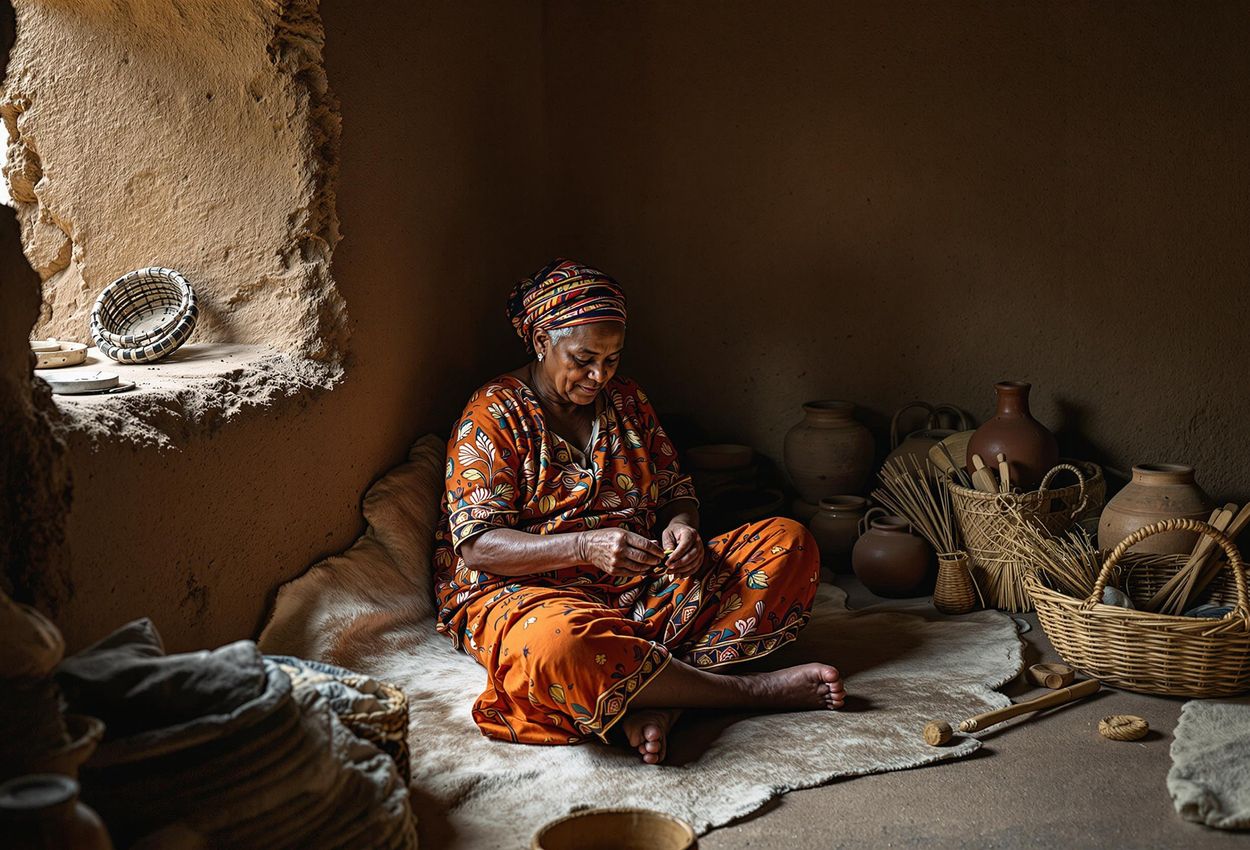
Stepping inside one of the cave dwellings is like stepping back in time. The walls, a mixture of mud and cow dung, provide insulation against the harsh mountain climate. A small fireplace, known as *ifo*, sits on the floor, offering warmth during the cold winter months. Cowhides serve as beds, and simple tools and utensils speak to a life lived in harmony with nature.
The cultural significance of the Basotho people is palpable here. Their traditions, their stories, their very way of life are interwoven with the fabric of the caves. A visit to Ha Kome is an opportunity to connect with this rich heritage, to learn from the past, and to appreciate the resilience of the human spirit.
Ha Kome is more than just a collection of caves; it is a living monument to the past, a testament to the enduring spirit of the Basotho people, and a truly unforgettable destination for those seeking an authentic cultural experience.
Delve deeper into the heart of the Kome Caves and discover the stories of survival, resilience, and enduring traditions that echo through the generations who have called these cave homes their sanctuary.
The 19th century was a period of immense turmoil in Southern Africa. Tribal conflicts, exacerbated by drought and famine, led to widespread displacement and violence. It was during this time that the Kome Caves became a refuge, a sanctuary for those seeking to escape the chaos. The caves offered not only physical protection but also a sense of community and belonging, a place where traditions could be preserved and life could continue, even in the face of adversity.
The decision to build homes within the caves was a stroke of genius. The natural rock formations provided a sturdy foundation, while the mud walls offered insulation against the elements. The caves were easily defensible, and their hidden location made them difficult for enemies to find. Over time, the cave dwellings evolved, becoming more elaborate and comfortable, reflecting the ingenuity and resourcefulness of the Basotho people.
One of the most remarkable aspects of the Kome Caves is the fact that they are still inhabited today. Descendants of the original settlers continue to live in these cave homes, preserving a way of life that has remained largely unchanged for centuries. These families, who are the heart and soul of Ha Kome, maintain their traditions, practice their customs, and keep the stories of their ancestors alive.
The use of mud and dung for insulation is a testament to the Basotho people's deep understanding of their environment. These materials are readily available and provide excellent protection against the cold winters and hot summers of the Lesotho highlands. The presence of a fireplace in each dwelling further enhances the comfort of the cave homes, providing warmth and a place for cooking.
The cultural significance of the Basotho people is evident in every aspect of life within the Kome Caves. Their traditions, their beliefs, their very identity are intertwined with the fabric of these cave homes. From the intricate patterns on their blankets to the songs and stories they share, the Basotho culture is a vibrant and enduring presence in Ha Kome.
Visiting the Kome Caves is an opportunity to witness this cultural richness firsthand. Engaging with the local community, learning about their traditions, and listening to their stories is an experience that will stay with you long after you leave. It is a chance to connect with the past, to appreciate the present, and to gain a deeper understanding of the human spirit.
The Kome Caves stand as a symbol of resilience, a testament to the ability of the human spirit to overcome adversity. They are a reminder that even in the face of conflict and hardship, life can endure, traditions can be preserved, and communities can thrive. A visit to these remarkable cave homes is an experience that will inspire, educate, and leave you with a profound appreciation for the enduring power of the human spirit.
The descendants of the original inhabitants, such as the Kome family, continue to reside within these cave houses, carrying on the traditions of their ancestors. They cultivate corn, sorghum, and beans, and raise chickens and cattle, living a life of subsistence farming much like their forebears. The elderly receive state assistance, while others earn income by guiding tourists through their homes, sharing their history and way of life.
The cave is divided into several round houses backed up against the basalt rock. Archways just high enough for a person to walk through serve as doorways. The walls and floors are made of a mix of mud and manure that require regular upkeep. Inside are basic items including pots, plastic buckets to store water, and cowhide for a bed.
Escape to the Kome Caves this December or January and immerse yourself in the warm summer weather and the rich cultural heritage of Lesotho's hidden gem.
Planning a trip to the Kome Caves requires careful consideration, but the rewards are well worth the effort. December and January offer the most pleasant weather, with warm summer days perfect for exploring the caves and surrounding landscape. The journey to Ha Kome is an adventure in itself, offering stunning views of the Lesotho highlands and a chance to experience the beauty of this unique country.
To reach the Kome Caves, you can travel from either Maseru or Teyateyaneng. A high-clearance vehicle is highly recommended, as the road can be rough in places. Alternatively, you can hire a local driver who is familiar with the terrain. The drive itself is a scenic experience, taking you through rolling hills, past traditional villages, and offering glimpses of the majestic Maloti Mountains.
Upon arriving at Ha Kome, your first stop should be the Kome Crafts and Information Centre. Here, you can learn more about the history and culture of the caves, purchase locally made crafts, and engage a local guide for a tour of the cave dwellings. The guides are invaluable, providing insights into the traditions of the Basotho people and sharing stories passed down through generations.
When visiting the Kome Caves, it is essential to interact respectfully with the local community. Remember that these are not just historical sites; they are people's homes. Ask permission before taking photographs, and be mindful of their privacy. Engaging in conversation, showing genuine interest in their way of life, and offering a small donation are all ways to demonstrate your respect and appreciation.
The traditions of the Basotho people are an integral part of the Kome Caves experience. Take the time to learn about their customs, their beliefs, and their way of life. Attend a local festival, listen to their music, and sample their traditional cuisine. By immersing yourself in their culture, you will gain a deeper understanding of the Kome Caves and the people who call them home.
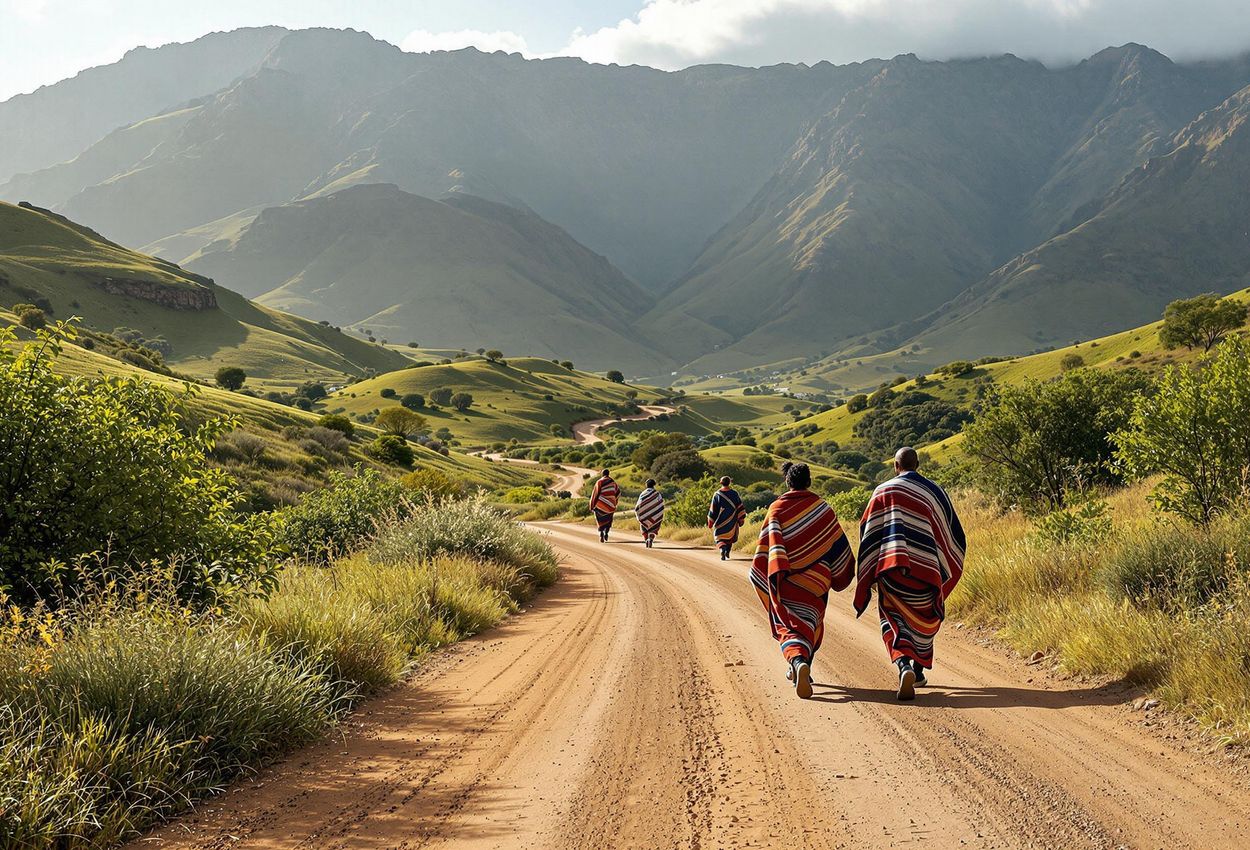
Remember to bring comfortable walking shoes, as the terrain around the caves can be uneven. Sunscreen, a hat, and plenty of water are also essential, especially during the summer months. And don't forget your camera, as the Kome Caves and surrounding landscape offer countless opportunities for stunning photographs.
A visit to the Kome Caves is more than just a sightseeing trip; it is a journey into the heart of Lesotho's past, a chance to connect with a unique culture, and an opportunity to experience the beauty and resilience of the human spirit. So, pack your bags, plan your adventure, and prepare to be captivated by the magic of Ha Kome.
Whether you're interested in history, culture, or simply breathtaking scenery, the Kome Caves offer an unforgettable experience. So, escape to Ha Kome this December or January and discover the wonders that await you in this hidden corner of Lesotho.
Our editors` picks of the latest and greatest in travel - delivered to your inbox daily
Relax on the beaches and explore the reefs of Xai-Xai.
View More
Embrace the cooler temperatures and experience the International Festival of the Sahara in Douz this December.
View More
Celebrate the year-end festivities in Accra, culminating in the vibrant Afrofuture festival.
View More Albania EDITION
 Algeria EDITION
 Argentina EDITION
 Armenia EDITION
 Australia EDITION
 Austria EDITION
 Bangladesh EDITION
 Belgium EDITION
 Belize EDITION
 Benin EDITION
 Bhutan EDITION
 Bolivia EDITION
 Bosnia and Herzegovina EDITION
 Botswana EDITION
 Brazil EDITION
 Bulgaria EDITION
 Burkina Faso EDITION
 Cambodia EDITION
 Cameroon EDITION
 Canada EDITION
 Central African Republic EDITION
 Chad EDITION
 Chile EDITION
 China EDITION
 Colombia EDITION
 Costa Rica EDITION
 Croatia EDITION
 Cyprus EDITION
 Denmark EDITION
 Djibouti EDITION
 Ecuador EDITION
 Egypt EDITION
 El Salvador EDITION
 Eritrea EDITION
 Estonia EDITION
 Ethiopia EDITION
 Finland EDITION
 France EDITION
 Gabon EDITION
 Georgia EDITION
 Germany EDITION
 Ghana EDITION
 Greece EDITION
 Guatemala EDITION
 Guinea EDITION
 Guinea-Bissau EDITION
 Honduras EDITION
 Hungary EDITION
 Iceland EDITION
 India EDITION
 Indonesia EDITION
 Ireland EDITION
 Israel EDITION
 Italy EDITION
 Jamaica EDITION
 Japan EDITION
 Jordan EDITION
 Kenya EDITION
 Kuwait EDITION
 Laos EDITION
 Latvia EDITION
 Lebanon EDITION
 Lesotho EDITION
 Liberia EDITION
 Lithuania EDITION
 Luxembourg EDITION
 Madagascar EDITION
 Malawi EDITION
 Malaysia EDITION
 Maldives EDITION
 Mali EDITION
 Malta EDITION
 Mauritania EDITION
 Mauritius EDITION
 Mexico EDITION
 Mongolia EDITION
 Montenegro EDITION
 Morocco EDITION
 Mozambique EDITION
 Namibia EDITION
 Nepal EDITION
 Netherlands EDITION
 New Zealand EDITION
 Nicaragua EDITION
 Niger EDITION
 Nigeria EDITION
 Norway EDITION
 Oman EDITION
 Pakistan EDITION
 Panama EDITION
 Papua New Guinea EDITION
 Paraguay EDITION
 Peru EDITION
 Philippines EDITION
 Poland EDITION
 Portugal EDITION
 Qatar EDITION
 Romania EDITION
 Rwanda EDITION
 Saudi Arabia EDITION
 Senegal EDITION
 Serbia EDITION
 Singapore EDITION
 Slovakia EDITION
 Slovenia EDITION
 Somalia EDITION
 South Africa EDITION
 South Korea EDITION
 Spain EDITION
 Sri Lanka EDITION
 Suriname EDITION
 Sweden EDITION
 Switzerland EDITION
 Tanzania EDITION
 Thailand EDITION
 Tunisia EDITION
 Uganda EDITION
 United Arab Emirates EDITION
 United Kingdom EDITION
 Uruguay EDITION
 Venezuela EDITION
 Vietnam EDITION
 Zambia EDITION
 Zimbabwe EDITION
Subscribe to our newsletter and get the most captivating travel stories, hidden gems, and expert insights delivered straight to your inbox. As a subscriber, you’ll be first in line for exclusive content, premium offers, and unforgettable travel experiences