


Destination Guide
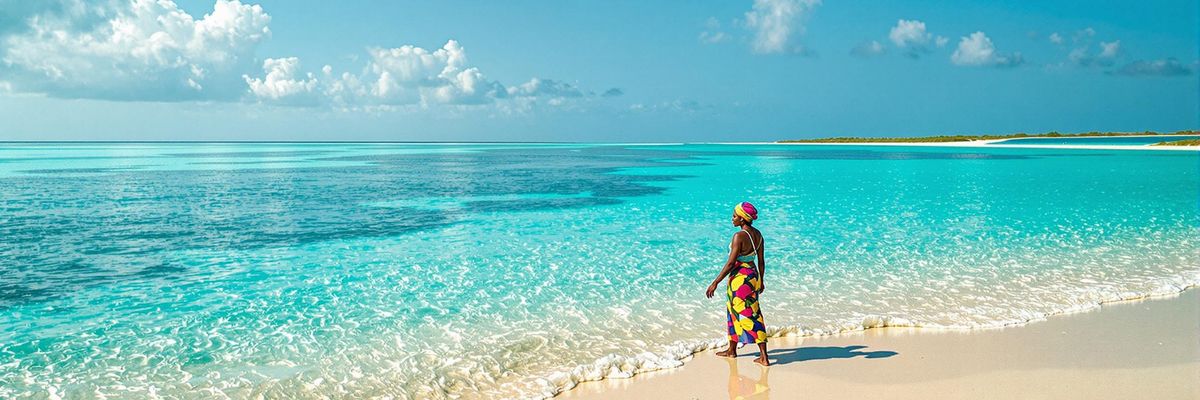
Xai-Xai: A Coastal Retreat
Relax on the beaches and explore the reefs of Xai-Xai.
View More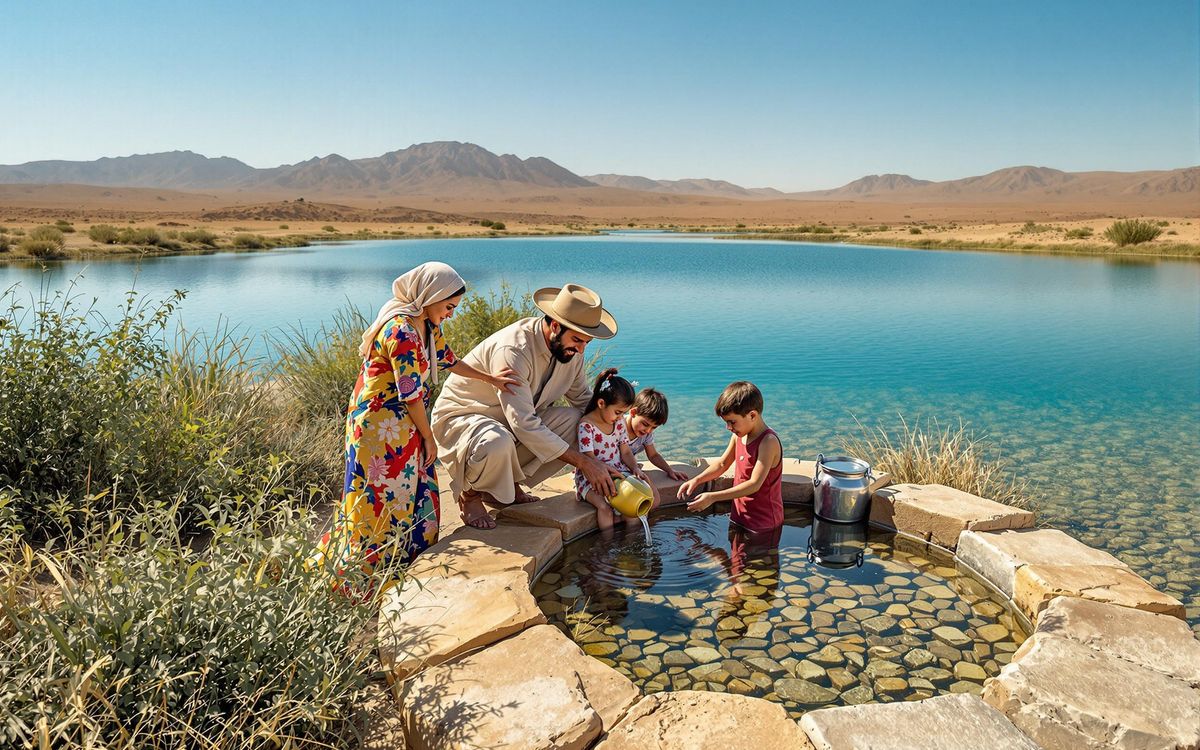

Venture into the heart of Turkmenistan's Koytendag State Nature Reserve, a realm where prehistoric echoes resonate amidst dramatic landscapes. Discover the secrets of the Dinosaur Plateau, ascend to the heights of Mount Ayrybaba, and find solace in the curative waters of Kainar Baba Lake.
Koytendag, also known as Koyten Dag or Kugitang, translates to 'impassable mountains,' a fitting name for this remote and rugged region. Located in the easternmost part of Turkmenistan, bordering Uzbekistan, Koytendag is a land of geological wonders and ancient mysteries. From the famed Dinosaur Plateau to the towering Mount Ayrybaba and the healing waters of Kainar Baba, Koytendag offers an unparalleled adventure for those seeking to explore the untamed beauty of Central Asia.
The journey to Koytendag is an adventure in itself, a passage into a land seemingly untouched by time. The remoteness of this region, far from the bustling cities and modern conveniences, lends an air of mystique and anticipation. As you approach the Koytendag State Nature Reserve, the landscape transforms, revealing rugged mountains and sweeping valleys that whisper tales of ancient epochs.
The highlight of Koytendag for many is the Dinosaur Plateau, situated near the village of Hojapil. This extraordinary site is home to over 2,500 fossilized dinosaur footprints, imprinted on a vast limestone slab. These footprints, dating back 140-150 million years to the Upper Jurassic period, offer a tangible connection to a world ruled by giants.
Local legends intertwine with the scientific marvel of the Dinosaur Plateau. One such legend speaks of Alexander the Great's war elephants, their immense feet leaving impressions on the stone. The village of Hojapil, meaning 'holy elephants' in Turkmen, stands as a testament to this enduring folklore. While science attributes the footprints to various dinosaur species, including megalosaurs, iguanodons, and tyrannosaurs, the local narratives add a layer of cultural richness to the site.
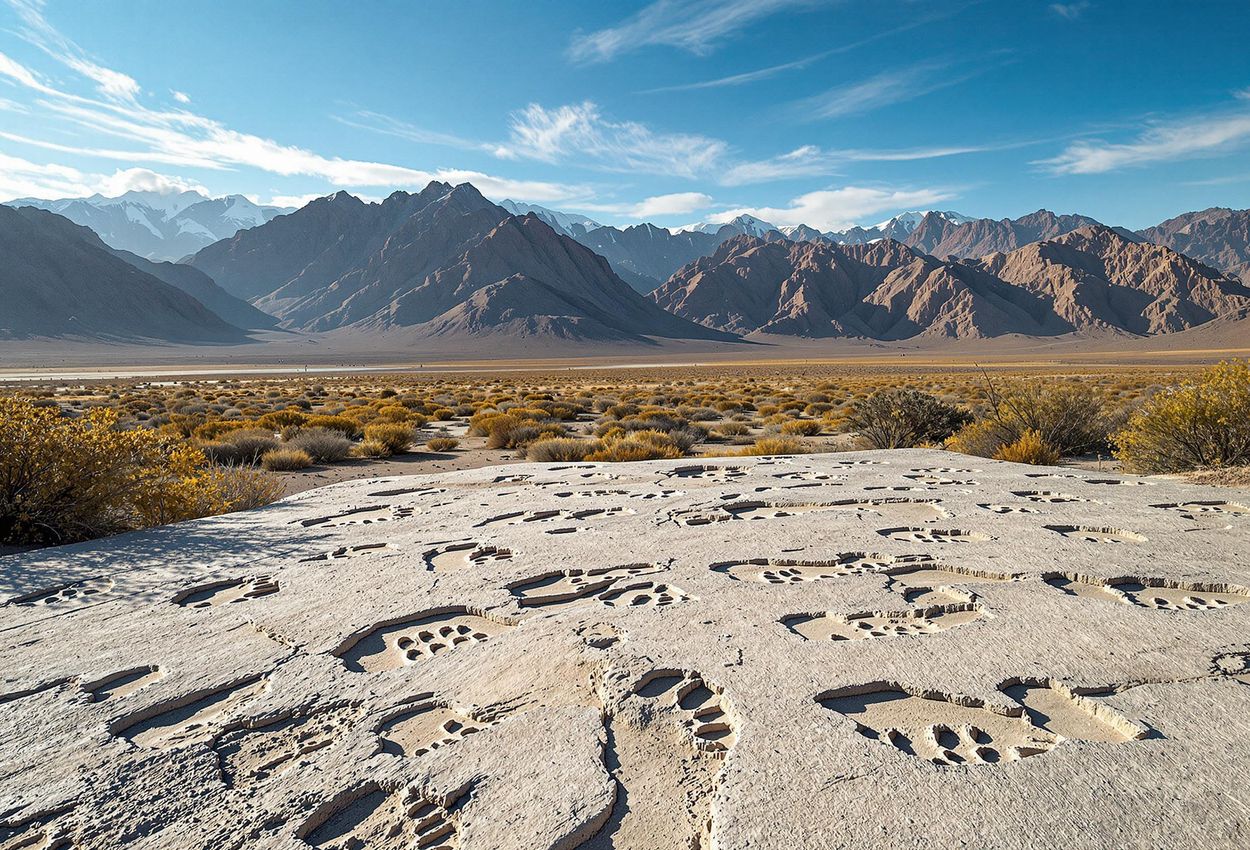
The Dinosaur Plateau itself is an impressive sight, an inclined limestone slab spanning approximately 400 meters in length and 300 meters in width. Walking across this ancient surface, you can trace the steps of these colossal creatures, imagining their lives in a world vastly different from our own. The footprints vary in size, with some measuring up to 70-80 cm in diameter, suggesting dinosaurs that stood 8-12 meters tall and weighed up to 10 tons.
Scientists have been studying the Dinosaur Plateau since its discovery in the 1950s, meticulously documenting and analyzing the footprints. Their research has revealed valuable insights into the types of dinosaurs that roamed this area, their behavior, and the environmental conditions that existed millions of years ago. The plateau is considered the world's largest repository of dinosaur footprints, making it a site of global significance.
Standing on the Dinosaur Plateau, surrounded by the rugged beauty of the Koytendag mountains, is an awe-inspiring experience. It's a chance to connect with the deep history of our planet, to walk in the footsteps of giants, and to ponder the mysteries of a world long gone. The sheer scale of the site, combined with the palpable sense of history, leaves an indelible mark on all who visit.
Beyond the ancient footprints, Koytendag beckons adventurers to ascend Mount Ayrybaba, the highest peak in Turkmenistan. Rising to an elevation of 3,139 meters (10,300 feet), this majestic mountain presents a challenging yet rewarding climb. The ascent is a journey through diverse landscapes, from rocky slopes to alpine meadows, each offering unique vistas and encounters.
The terrain leading to Mount Ayrybaba is rugged, demanding both physical endurance and a spirit of determination. As you ascend, the air grows crisper, and the panoramic views begin to unfold. The challenges of the climb are soon forgotten as you immerse yourself in the stunning natural beauty that surrounds you.
The slopes of Mount Ayrybaba are home to unique flora and fauna, adapted to the harsh conditions of high altitude. Among these is the Juniperus seravschanica, a hardy juniper species that clings to the rocky terrain, its evergreen foliage providing a vibrant contrast to the stark landscape. Keep an eye out for the diverse wildlife that inhabits these mountains, including the elusive markhor, a wild goat known for its spiraled horns.

Reaching the summit of Mount Ayrybaba is a moment of triumph, a testament to your perseverance and a chance to witness unparalleled views. From this vantage point, the entire Koytendag region stretches out before you, a tapestry of mountains, valleys, and plains. The sense of accomplishment is profound, a feeling of having conquered not just a mountain, but also your own limitations.
Witnessing a sunset from the peak of Mount Ayrybaba is an unforgettable experience. As the sun dips below the horizon, the sky transforms into a canvas of vibrant colors, casting a warm glow over the landscape. The mountains are silhouetted against the fiery sky, creating a scene of breathtaking beauty and tranquility. This is a moment to savor, a memory that will last a lifetime.
Nestled within the Karlyuk steppe, a landscape characterized by its arid beauty, lies Kainar Baba Lake, a small, strikingly clear lake revered for its healing properties. Known as the 'boiling spring,' this lake is shrouded in legends and believed to possess curative powers due to the hydrogen sulfide source Akkoz.
The landscape surrounding Kainar Baba Lake is a study in contrasts. The Karlyuk steppe, with its sparse vegetation and saline soil, stretches out in all directions, a testament to the harshness of the environment. Yet, amidst this aridity, the lake emerges as a vital source of fresh water, a lifeline for both humans and animals.
Kainar Baba Lake is more than just a source of water; it's a place of pilgrimage, where travelers and locals alike seek its curative waters. The tradition of bathing in the lake and drinking its water dates back centuries, with many believing in its ability to heal various ailments. The hydrogen sulfide-rich waters of the Akkoz spring are said to have therapeutic effects on the musculoskeletal system, drawing visitors from far and wide.
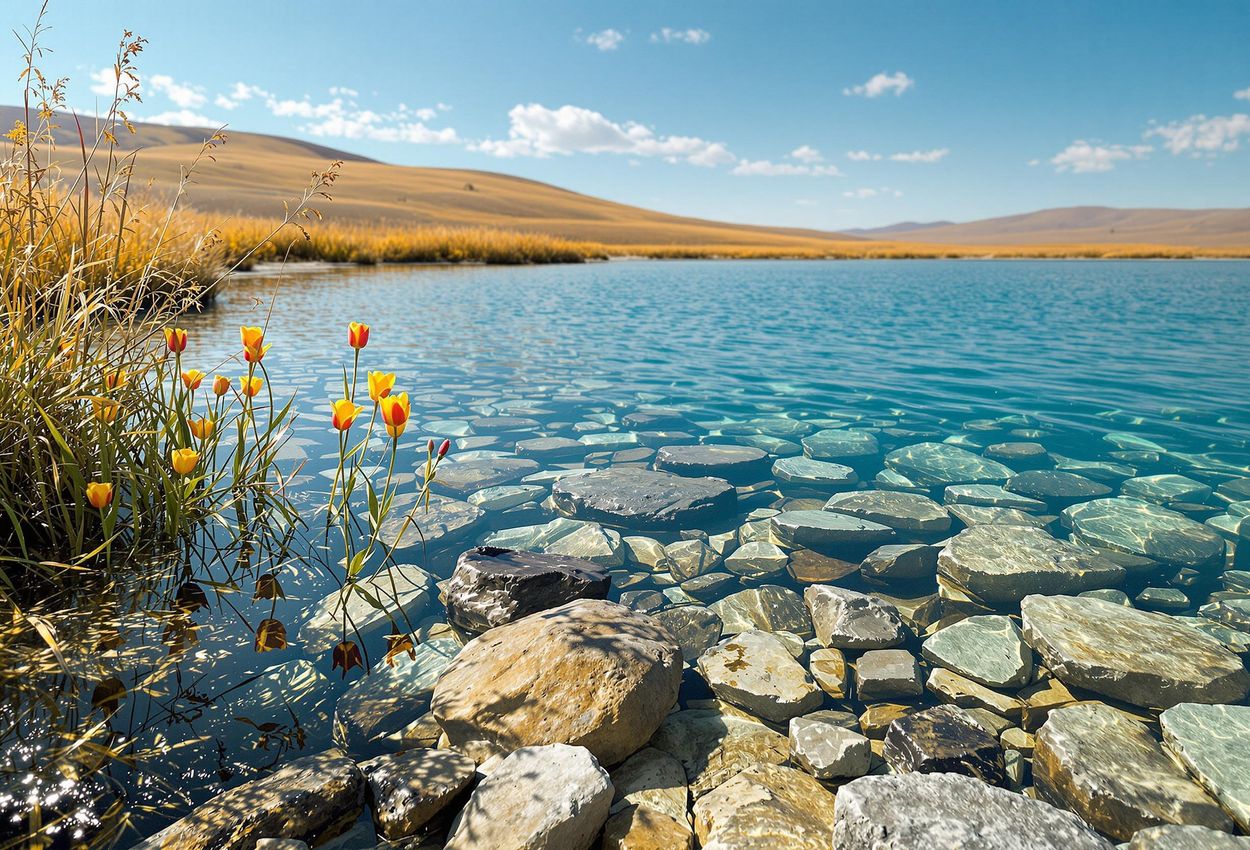
The water of Kainar Baba Lake is strikingly clear, allowing you to see the bottom with remarkable clarity. The surrounding environment is serene, with the gentle lapping of the water against the shore and the rustling of reeds in the breeze. The air is filled with the subtle scent of hydrogen sulfide, a reminder of the unique properties of this miraculous lake.
Local Tip: When visiting Kainar Baba Lake, be sure to bring a container to collect some of the water from the Akkoz spring. Even if you don't believe in its healing properties, it's a unique souvenir from this extraordinary place.
Koytendag is more than just a destination; it's an experience that engages all the senses, challenges the body and mind, and leaves a lasting impression on the soul. From the ancient mysteries of the Dinosaur Plateau to the breathtaking heights of Mount Ayrybaba and the healing waters of Kainar Baba Lake, this remote corner of Turkmenistan offers an adventure unlike any other.
As conservation efforts continue, including a potential UNESCO World Heritage Site nomination, Koytendag promises to remain a sanctuary of biodiversity and geological wonder for generations to come.
Our editors` picks of the latest and greatest in travel - delivered to your inbox daily
Relax on the beaches and explore the reefs of Xai-Xai.
View More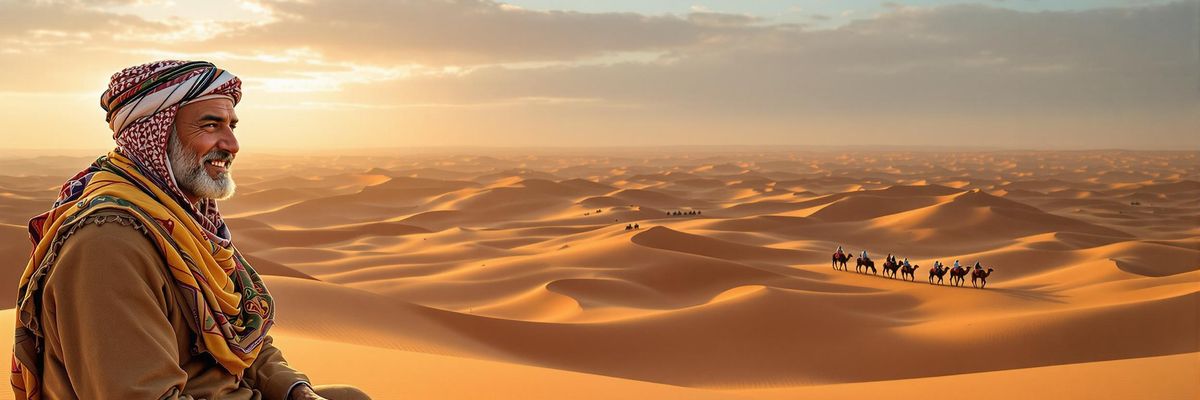
Embrace the cooler temperatures and experience the International Festival of the Sahara in Douz this December.
View More
Celebrate the year-end festivities in Accra, culminating in the vibrant Afrofuture festival.
View More Albania EDITION
 Algeria EDITION
 Argentina EDITION
 Armenia EDITION
 Australia EDITION
 Austria EDITION
 Bangladesh EDITION
 Belgium EDITION
 Belize EDITION
 Benin EDITION
 Bhutan EDITION
 Bolivia EDITION
 Bosnia and Herzegovina EDITION
 Botswana EDITION
 Brazil EDITION
 Bulgaria EDITION
 Burkina Faso EDITION
 Cambodia EDITION
 Cameroon EDITION
 Canada EDITION
 Central African Republic EDITION
 Chad EDITION
 Chile EDITION
 China EDITION
 Colombia EDITION
 Costa Rica EDITION
 Croatia EDITION
 Cyprus EDITION
 Denmark EDITION
 Djibouti EDITION
 Ecuador EDITION
 Egypt EDITION
 El Salvador EDITION
 Eritrea EDITION
 Estonia EDITION
 Ethiopia EDITION
 Finland EDITION
 France EDITION
 Gabon EDITION
 Georgia EDITION
 Germany EDITION
 Ghana EDITION
 Greece EDITION
 Guatemala EDITION
 Guinea EDITION
 Guinea-Bissau EDITION
 Honduras EDITION
 Hungary EDITION
 Iceland EDITION
 India EDITION
 Indonesia EDITION
 Ireland EDITION
 Israel EDITION
 Italy EDITION
 Jamaica EDITION
 Japan EDITION
 Jordan EDITION
 Kenya EDITION
 Kuwait EDITION
 Laos EDITION
 Latvia EDITION
 Lebanon EDITION
 Lesotho EDITION
 Liberia EDITION
 Lithuania EDITION
 Luxembourg EDITION
 Madagascar EDITION
 Malawi EDITION
 Malaysia EDITION
 Maldives EDITION
 Mali EDITION
 Malta EDITION
 Mauritania EDITION
 Mauritius EDITION
 Mexico EDITION
 Mongolia EDITION
 Montenegro EDITION
 Morocco EDITION
 Mozambique EDITION
 Namibia EDITION
 Nepal EDITION
 Netherlands EDITION
 New Zealand EDITION
 Nicaragua EDITION
 Niger EDITION
 Nigeria EDITION
 Norway EDITION
 Oman EDITION
 Pakistan EDITION
 Panama EDITION
 Papua New Guinea EDITION
 Paraguay EDITION
 Peru EDITION
 Philippines EDITION
 Poland EDITION
 Portugal EDITION
 Qatar EDITION
 Romania EDITION
 Rwanda EDITION
 Saudi Arabia EDITION
 Senegal EDITION
 Serbia EDITION
 Singapore EDITION
 Slovakia EDITION
 Slovenia EDITION
 Somalia EDITION
 South Africa EDITION
 South Korea EDITION
 Spain EDITION
 Sri Lanka EDITION
 Suriname EDITION
 Sweden EDITION
 Switzerland EDITION
 Tanzania EDITION
 Thailand EDITION
 Tunisia EDITION
 Uganda EDITION
 United Arab Emirates EDITION
 United Kingdom EDITION
 Uruguay EDITION
 Venezuela EDITION
 Vietnam EDITION
 Zambia EDITION
 Zimbabwe EDITION
Subscribe to our newsletter and get the most captivating travel stories, hidden gems, and expert insights delivered straight to your inbox. As a subscriber, you’ll be first in line for exclusive content, premium offers, and unforgettable travel experiences