June in Kyoto offers a unique travel experience, as the city transforms under the gentle veil of the rainy season. Far from being a deterrent, the rain enhances the city's natural beauty and provides a serene atmosphere for exploration.
Whispers of Bamboo: Arashiyama's Mystical Grove
The Arashiyama Bamboo Grove transcends mere scenery; it's an immersive experience heightened by the touch of rain. Imagine standing amidst towering bamboo stalks as a gentle rain falls, each drop a whisper against the dense canopy. The air is thick with the scent of damp earth and the fresh, green fragrance of bamboo. Sunlight filters weakly through the leaves, casting an ethereal glow on the path below. The sound of rain drumming on the bamboo creates a soothing symphony, a natural melody that invites introspection and calm.

As you walk deeper into the grove, the sensory experience intensifies. The bamboo stalks, slick with moisture, gleam a vibrant green, their surfaces reflecting the muted light. The path beneath your feet is soft and yielding, covered with fallen leaves and dampened earth. The air is still and peaceful, broken only by the occasional rustle of leaves or the distant call of a bird. This is a place to slow down, to breathe deeply, and to connect with the natural world.
Nearby, the Tenryu-ji Temple offers a complementary experience. Its gardens, meticulously designed and maintained, are particularly beautiful in the rain. The raindrops cling to the leaves of the carefully pruned trees, enhancing their colors and creating a shimmering effect. Stone lanterns, moss-covered and ancient, add to the atmosphere of tranquility. A visit to these gardens is a perfect continuation of the serene experience begun in the bamboo grove.
Hidden Gem: Venture off the main path and discover a lesser-known trail that winds deeper into the grove. This secluded path offers a more intimate experience, away from the crowds. Here, the bamboo grows even thicker, creating a sense of enclosure and privacy. It's a perfect spot for quiet contemplation and a deeper connection with nature. The secluded paths offer a tranquil escape, allowing for a more personal encounter with the grove's serene ambiance.
Vermillion Dreams: Fushimi Inari's Rainy Day Ascent
The Fushimi Inari Shrine, with its thousands of vermillion torii gates winding up the mountainside, is a breathtaking sight in any weather. However, the rain transforms the experience into something truly magical. The vibrant red of the gates intensifies, creating a striking contrast against the misty green of the surrounding forest. The air is thick with a sense of mystery, as if the rain is washing away the everyday and revealing the shrine's ancient secrets.
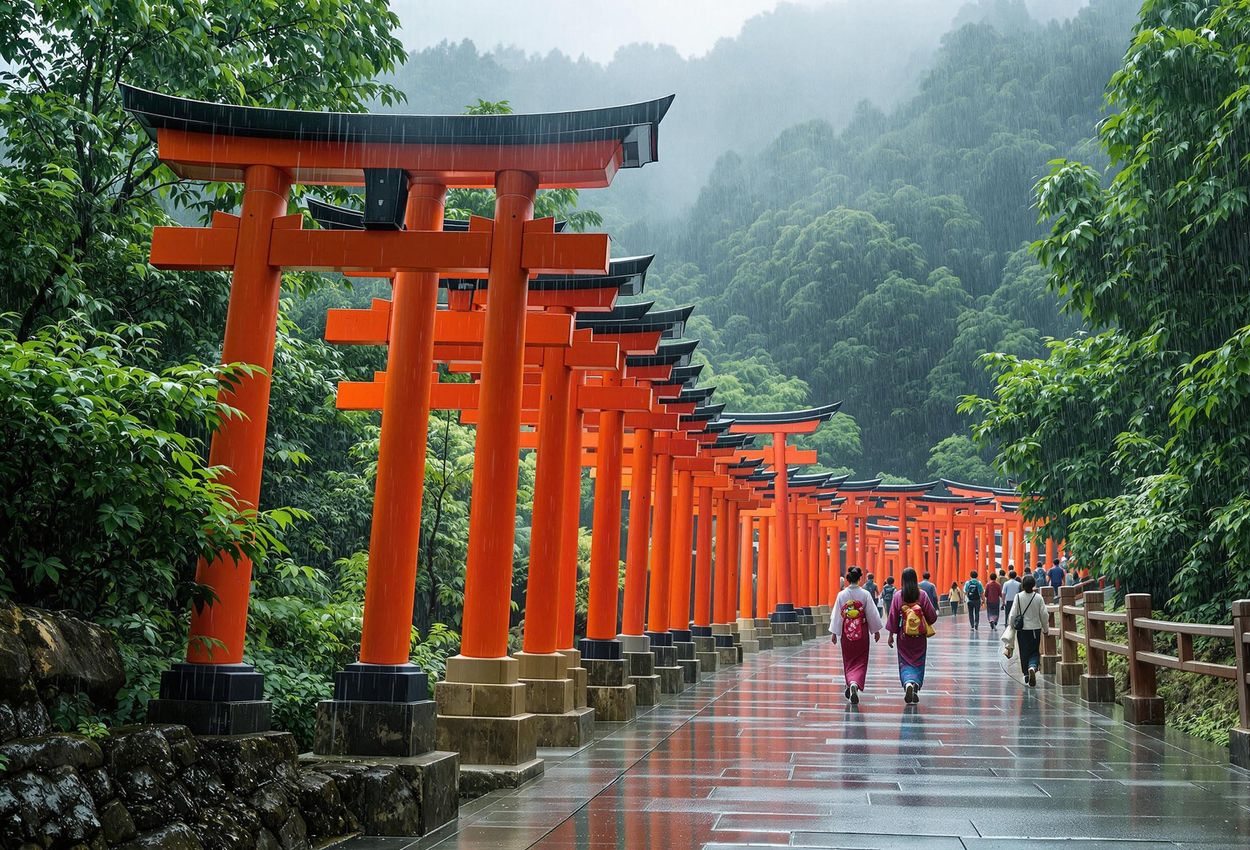
Walking through the seemingly endless tunnel of torii gates in the rain is an exercise in mindfulness. The sound of raindrops on the wooden structures echoes around you, creating a meditative rhythm. The colors seem to deepen with every step, drawing you further into the shrine's mystical embrace. The practicalities of climbing in the rain become part of the adventure. Appropriate footwear is essential, as the stone steps can become slippery. An umbrella or poncho is also a must, providing protection from the elements while allowing you to fully immerse yourself in the experience. The climb itself is a journey, both physical and spiritual, and the rain only serves to heighten the sense of pilgrimage.
Unique Element: Keep an eye out for the fox statues that line the path. Foxes are considered messengers of Inari, the Shinto god of rice, and these statues are a common sight throughout the shrine grounds. Each fox statue has a unique characteristic, some hold a key in their mouth, said to be to the granary, others a scroll containing Buddhist readings, and others a jewel. These details add to the charm and mystique of Fushimi Inari. As you ascend, take time to observe these silent guardians, each a testament to the shrine's rich history and spiritual significance. The higher you climb, the fewer the crowds, and the more profound the sense of connection to this sacred place.
Glistening Reflections: The Golden and Silver Pavilions in the Mist
The Golden Pavilion (Kinkaku-ji) and Silver Pavilion (Ginkaku-ji) offer contrasting yet equally captivating experiences, especially when viewed in the rain. The Golden Pavilion, covered in gold leaf, becomes a beacon in the mist, its reflection shimmering on the surface of the pond below. The rain amplifies its brilliance, creating a dazzling spectacle that is both awe-inspiring and serene. In contrast, the Silver Pavilion, though more subdued in appearance, exudes a quiet elegance in the rain. The moisture enhances the natural tones of the wood, creating a sense of harmony and tranquility.
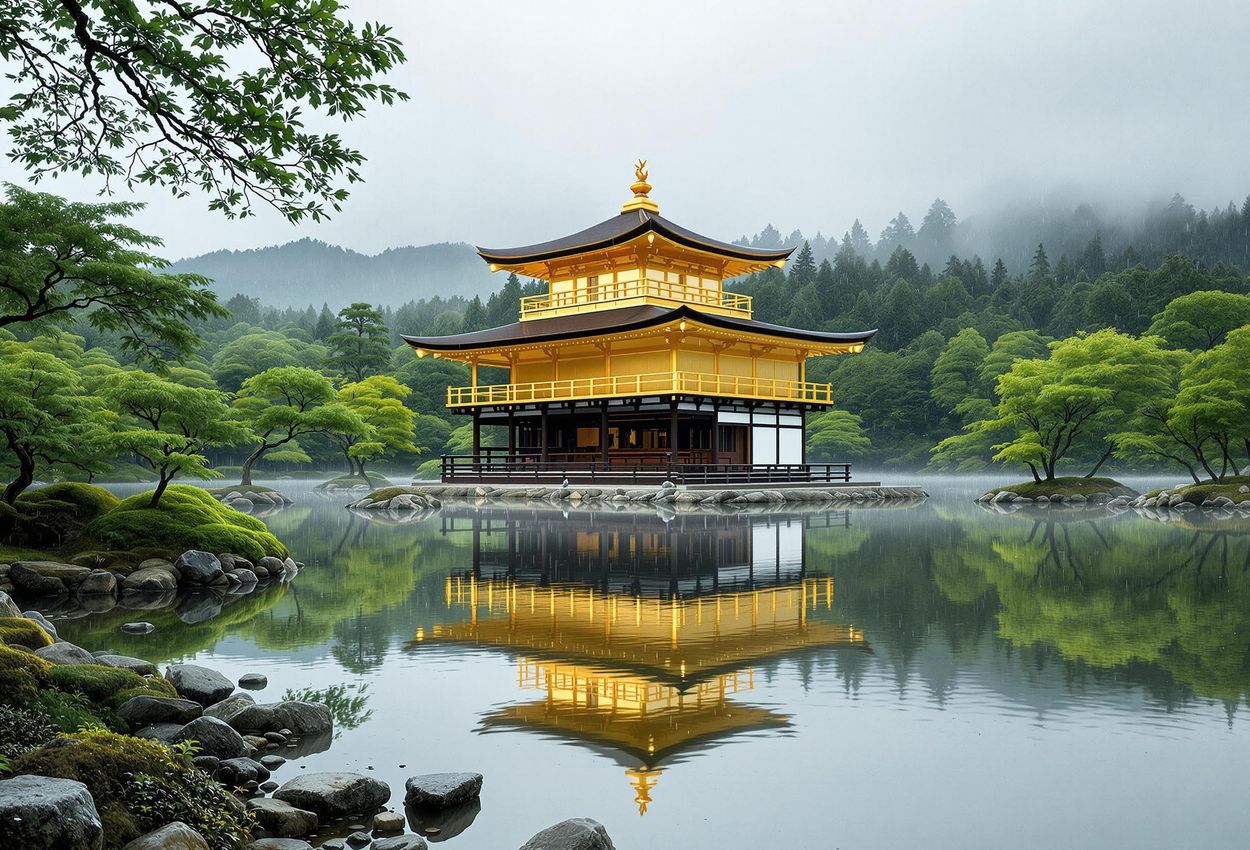
The history and significance of each pavilion add depth to the experience. The Golden Pavilion, originally built as a retirement villa for Shogun Ashikaga Yoshimitsu, is a testament to opulence and power. The Silver Pavilion, commissioned by Ashikaga Yoshimasa, reflects a more refined aesthetic, emphasizing simplicity and harmony with nature. The sound of rain dripping from the eaves of the pavilions creates a soothing backdrop, enhancing the meditative atmosphere. The gentle patter of raindrops on the surrounding gardens adds to the sense of peace and seclusion.
Hidden Gem: For the best perspective of the Golden Pavilion in the rain, seek out a viewpoint from across the pond, where you can capture the full reflection of the shimmering structure. At the Silver Pavilion, a specific spot in the upper garden offers a panoramic view of the pavilion and the surrounding landscape, all softened by the rain. These vantage points provide unique opportunities to appreciate the beauty of these iconic landmarks in a new light.
Tranquil Sips: Immersing in Kyoto's Tea Culture
Attending a traditional tea ceremony in Kyoto during the rainy season is a deeply immersive experience. The ceremony itself is a carefully choreographed ritual, designed to create a sense of harmony and mindfulness. The taste of the matcha, the vibrant green tea, is both bitter and sweet, awakening the senses. The smell of the tatami mats, the traditional flooring in Japanese homes, adds to the authentic atmosphere. The sound of the tea master's movements, precise and deliberate, creates a sense of calm and focus.

Different types of tea ceremonies are available, ranging from formal affairs to more casual gatherings. For tourists, a tea house like Camellia offers an accessible and informative experience, with English explanations of the rituals and customs. Camellia has two teahouses, one near Kiyomizu-dera and another near Ryoan-ji. The serene setting, combined with the warmth and hospitality of the hosts, creates a welcoming environment for those new to the art of tea. The gentle rain outside only serves to enhance the sense of peace and seclusion within the tea room.
Unique Element: The wagashi, Japanese sweets served with the tea, are an integral part of the ceremony. These delicate confections are often seasonal, reflecting the flavors and colors of the current time of year. During the rainy season, you might find wagashi shaped like hydrangeas or water lilies, with flavors like sweet bean paste and delicate fruit. The wagashi are not only delicious but also beautiful, adding to the overall aesthetic experience. The combination of tea and sweets is a perfect balance of flavors, a moment of pure sensory delight.
Ink and Stillness: Finding Focus with Calligraphy
Taking a calligraphy class in Kyoto offers a unique opportunity to connect with Japanese culture on a deeper level. The art of calligraphy, or shodo, is more than just writing; it's a meditative practice that requires focus, discipline, and a sense of harmony. The serene atmosphere of the rainy season provides the perfect backdrop for this introspective art form. The sound of the rain outside creates a sense of enclosure, allowing you to fully immerse yourself in the process of creating beautiful and meaningful characters.

The tools and techniques involved in calligraphy are simple yet profound. The brush, ink, and paper become extensions of your hand, allowing you to express your inner self through the strokes of the characters. The process of grinding the ink, preparing the brush, and carefully placing each stroke on the paper is a form of meditation, requiring patience and concentration. A calligraphy workshop, such as Nishiki Orizuruya, caters to beginners, providing guidance and instruction in a supportive environment. The sense of accomplishment that comes from creating your own calligraphy piece is both rewarding and inspiring.
Hidden Gem: Explore the unique types of paper and ink used in Kyoto calligraphy, particularly those unique to the region. Kyoto is known for its high-quality washi paper, made from local fibers and crafted using traditional techniques. The texture and absorbency of the paper can greatly affect the final result of your calligraphy piece. Similarly, the ink used in Kyoto calligraphy is often made with local ingredients, resulting in unique colors and tones. Experimenting with different types of paper and ink can add depth and character to your calligraphy, creating a truly unique work of art.
Culinary Comforts: Kaiseki and Ramen Revelations
Kyoto's culinary scene is a feast for the senses, offering a range of experiences from exquisite kaiseki dinners to comforting bowls of ramen. Indulging in a multi-course kaiseki meal is a journey in itself, a celebration of seasonal ingredients and artistic presentation. Each dish is a miniature work of art, carefully crafted to showcase the flavors and textures of the season. The presentation is as important as the taste, with each element thoughtfully arranged to create a visual masterpiece.

A kaiseki restaurant like Kikunoi, known for its Michelin stars, offers an unforgettable dining experience. The ambiance is elegant and refined, with attentive service and a focus on detail. The seasonal ingredients are sourced locally, ensuring the freshest and most flavorful dishes. From delicate sashimi to simmered vegetables and grilled meats, each course is a revelation, a testament to the skill and artistry of the chef. Shifting gears from the refined elegance of kaiseki, a cozy ramen shop offers a comforting escape from the rain. Menya Gokkei, known for its unique, thick broth, is a perfect example. The aroma of the broth fills the air, creating a sense of warmth and anticipation. The sound of slurping noodles is a familiar and comforting sound, a sign that you're about to enjoy a truly satisfying meal.
Sensory Detail: The aroma of the ramen broth is particularly enticing on a rainy day, drawing you in from the cold and wet. The rich, savory scent fills the air, promising warmth and comfort. The sound of slurping noodles adds to the communal atmosphere, creating a sense of shared enjoyment. The combination of aromas and sounds is a sensory symphony, enhancing the overall dining experience. Menya Gokkei is renowned for its ultra-rich chicken paitan (white broth) soup. The signature chicken paitan soup is described as a soup you can eat, with a thickness that can hold a spoon upright.
Museum Musings: Art and History Under Cover
The Kyoto National Museum is an ideal destination for a rainy day, offering a fascinating glimpse into Japan's rich art and history. The museum's extensive collection includes art, cultural artifacts, and archaeological finds, spanning centuries of Japanese culture. From ancient pottery to intricate textiles and stunning paintings, there's something to captivate every visitor. The museum provides a welcome escape from the rain, allowing you to explore the treasures of Kyoto in a comfortable and climate-controlled environment.
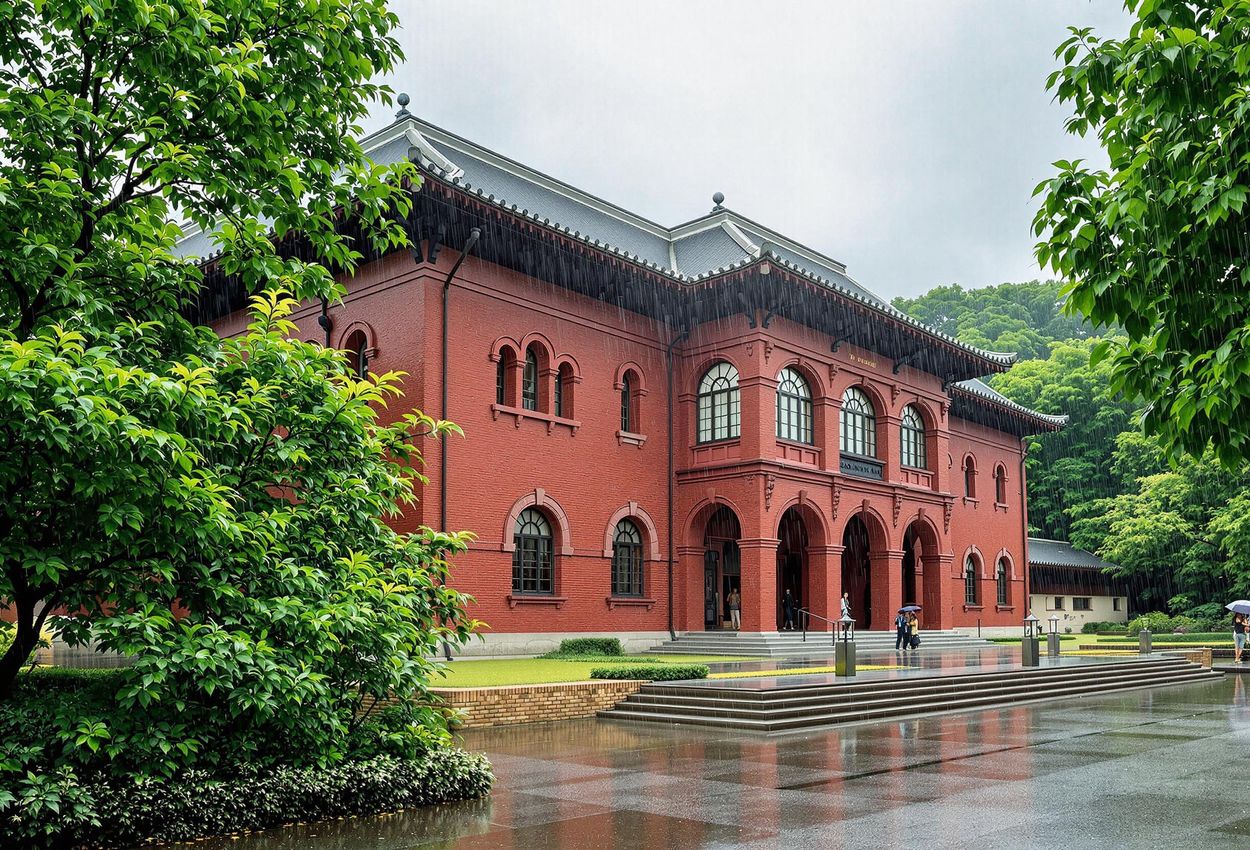
A specific exhibit or artwork that is particularly relevant to Kyoto's history or culture will enhance the experience. The museum's website provides information on current and upcoming exhibitions, allowing you to plan your visit accordingly. Checking the website for special exhibitions or events is a practical tip, ensuring that you make the most of your time at the museum. The museum also hosts lectures, workshops, and other educational programs, providing opportunities for deeper engagement with the collection.
Hidden Gem: Don't miss the museum's garden, which features a tea house and sculptures. The garden provides a tranquil escape from the museum's interior, offering a chance to connect with nature and appreciate the beauty of the surrounding landscape. The tea house, Tan'an, is built in the sukiya-zukuri style. Even in the rain, the garden's carefully designed layout and serene atmosphere make it a worthwhile destination. A stroll through the garden is a perfect way to reflect on the art and history you've experienced within the museum's walls.
A Feast for the Senses: Nishiki Market's Covered Delights
The Nishiki Market is a vibrant and bustling food market that is mostly covered, making it a great option for a rainy day. The market is a sensory overload, with sights, smells, and tastes competing for your attention. From fresh seafood to pickled vegetables and traditional sweets, there's something to tempt every palate. The covered arcades provide protection from the rain, allowing you to explore the market's many stalls in comfort.
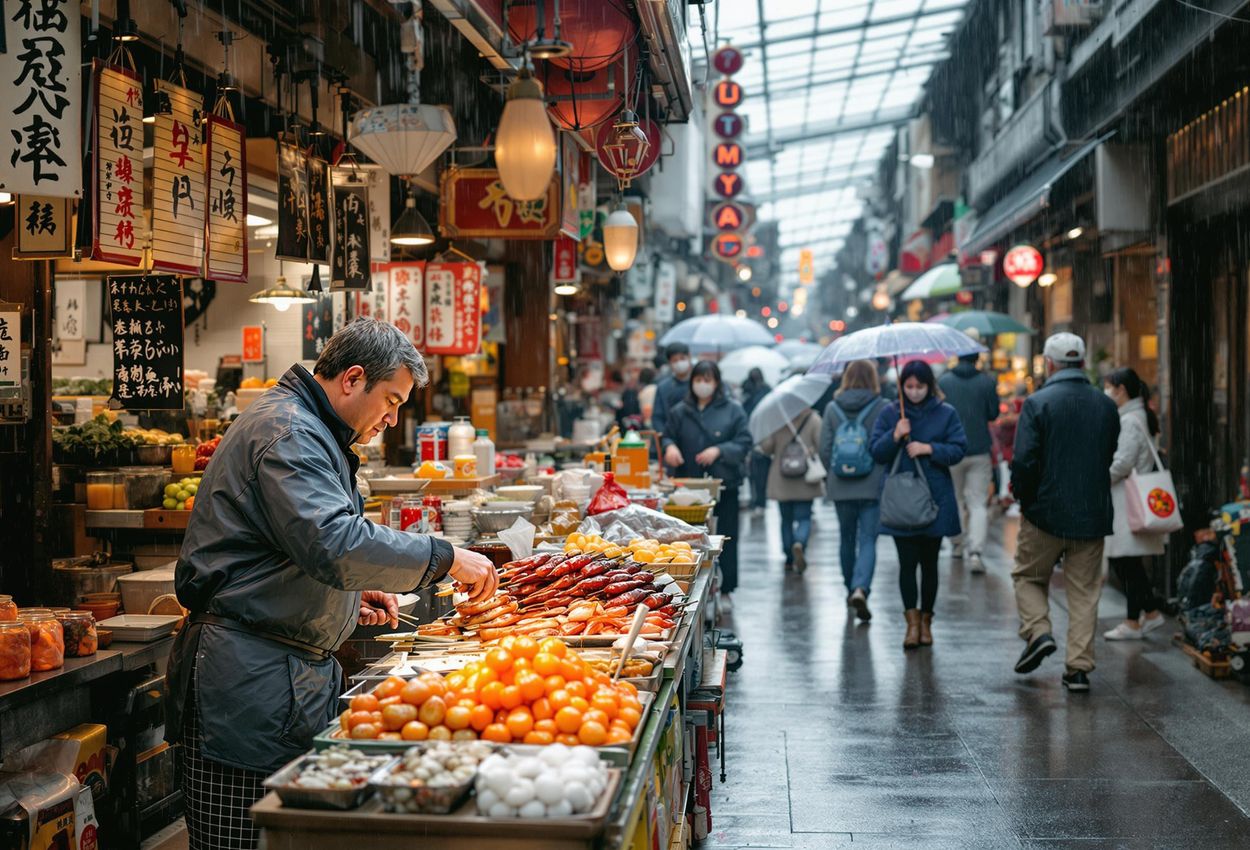
Specific foods to try include soymilk doughnuts, takotamago (octopus eggs), and fresh sashimi. The soymilk doughnuts are light and fluffy, with a delicate sweetness that's perfect for a quick snack. The takotamago is a unique and intriguing treat, consisting of a small octopus with a quail egg inside. The fresh sashimi is a must-try for seafood lovers, offering a taste of the ocean in the heart of Kyoto. Bringing cash is a practical tip, as many stalls do not accept credit cards. The market can get crowded, especially on weekends and holidays, so be prepared to navigate through the throngs of people.
Hidden Gem: Seek out a specific stall that sells a unique local delicacy, such as pickled vegetables or traditional sweets. Nishiki Market is known as Kyoto's Kitchen due to its role in supplying fresh ingredients to local chefs, be sure to visit a vendor who specializes in Nishiki Dofu, a local specialty that stands out for its unique texture and flavor. Exploring the market's hidden corners and discovering these culinary treasures is a rewarding experience, providing a taste of authentic Kyoto culture. The market is a feast for the senses, a vibrant and bustling hub of culinary delights that is not to be missed.